Why Singapore’s Indian Food Scene Is Shockingly Good
Introduction
Most people land in Singapore expecting clean streets, efficient transport, tall buildings, and strict rules. Food is on the list, too, but usually with a different assumption. Hawker centres, Chinese dishes, maybe some Malay food. Indian food? That’s often seen as an “add-on,” not the main attraction. That assumption doesn’t survive the first real meal.
The truth is, Indian food Singapore offers is not just good, it’s surprisingly deep, varied, and confidently its own thing. It’s not trying to copy India. It’s not watered down either. It sits somewhere in between, shaped by history, migration, local tastes, and an obsession with doing things properly. What makes this scene stand out isn’t just taste. It’s consistent. It’s respect for tradition mixed with practical adaptation. And most of all, it’s the fact that Indian food here is treated as everyday food, not “ethnic cuisine.” Let’s break down why this food scene works so well, without hype, without exaggeration, just honest reasons.
A History That Actually Shows on the Plate

Singapore didn’t “discover” Indian food recently. Indian communities have been part of the city’s fabric for over a century. Tamil workers, Gujarati traders, Sikh soldiers, and Malayali professionals each brought their own food habits. Unlike many global cities where cuisines blur into a generic version, Singapore allowed these food cultures to stay distinct.
You’ll notice this immediately:
- South Indian food doesn’t pretend to be North Indian
- Vegetarian places don’t secretly add meat stock
- Muslim Indian food stands confidently on its own
This isn’t fusion by accident. It’s parallel growth.
Pro tip: If a restaurant menu feels very specific rather than broad, that’s usually a good sign in Singapore.
Little India Is Just the Starting Point
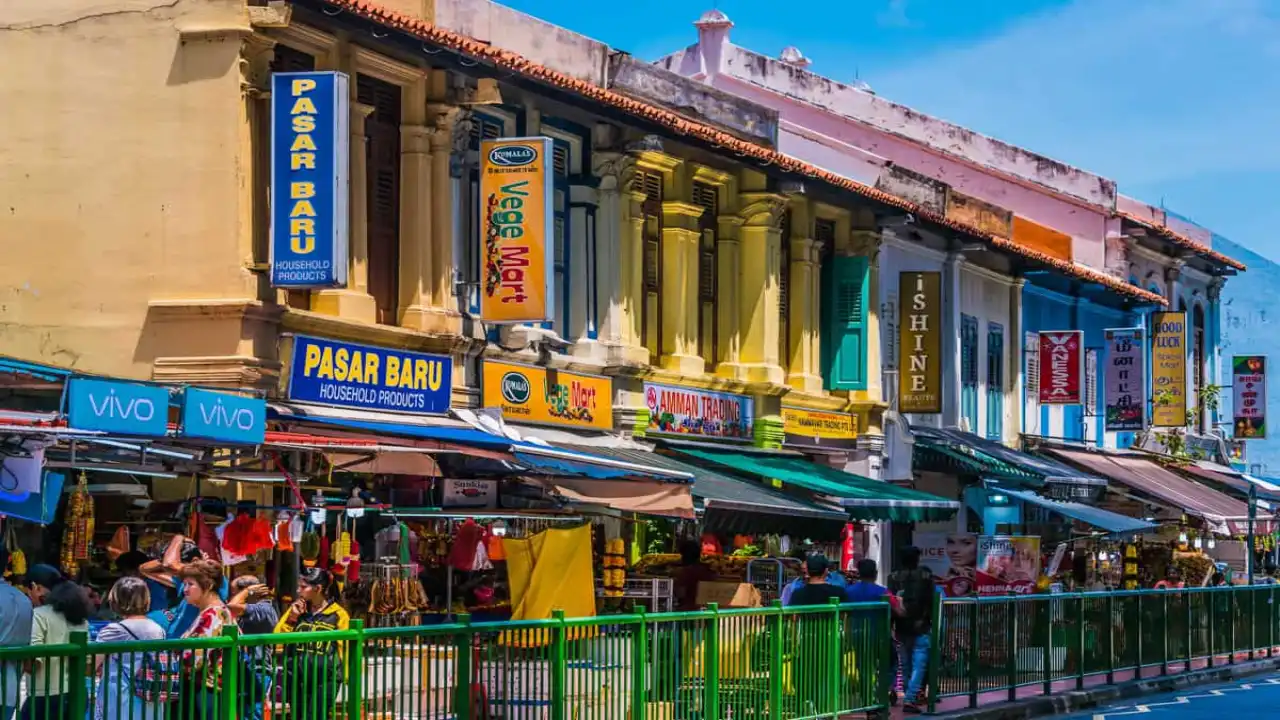
Most visitors begin in Little India. That makes sense. The area is vibrant, crowded, sometimes chaotic, and full of food smells that pull you in without asking permission. But here’s the real surprise: Indian food doesn’t stay confined there.
You’ll find serious Indian kitchens in:
- Business districts
- Residential neighbourhoods
- Shopping malls
- Food courts near metro stations
This spread matters. It means Indian food isn’t something people go out of their way to eat. It’s part of daily life.
The Hawker System Changes Everything
Singapore’s hawker culture plays a huge role in why the food stays honest.
In a hawker centre:
- You can’t hide behind decor
- Prices are transparent
- Portions matter
- Regular customers notice quality drops quickly
Indian stalls have to compete not just with each other, but with Thai, Chinese, Malay, and Western food next door. That competition sharpens standards.
You’ll see:
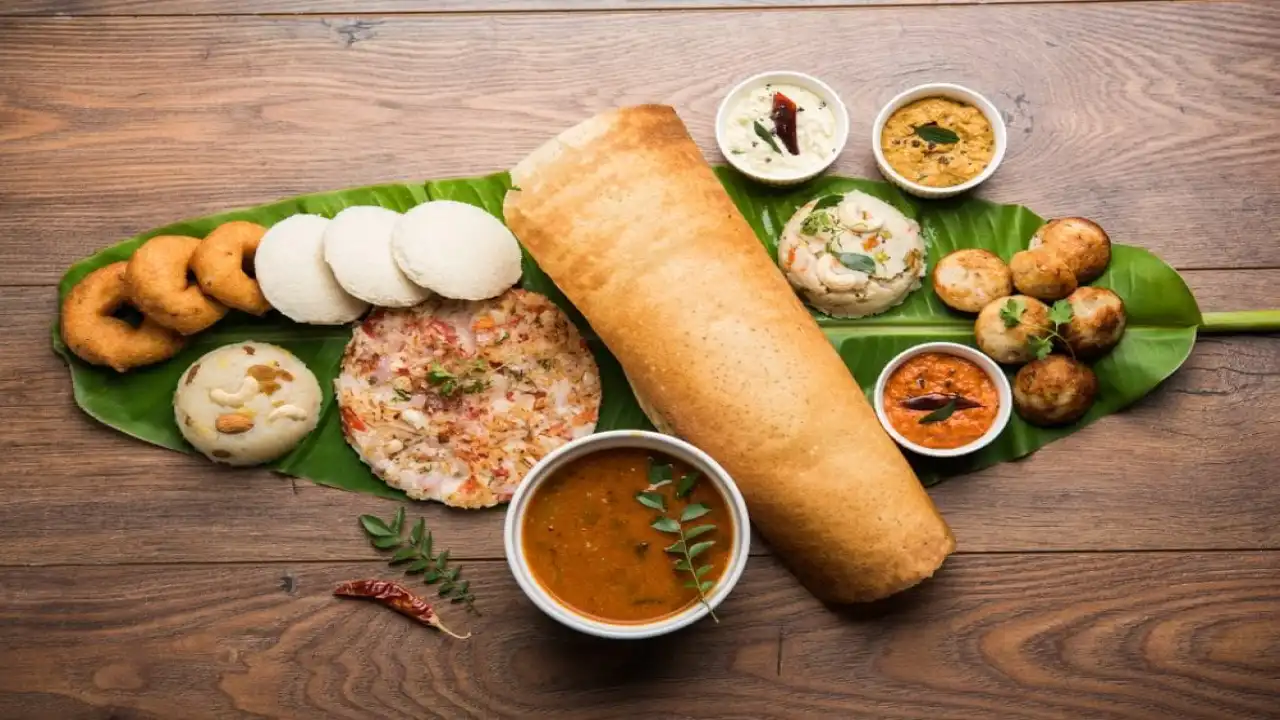
- Freshly made dosas cooked in front of you
- Curries that sell out by afternoon
- Biryani was weighed carefully, not rushed
Nothing feels rushed, even when the queue is long.
Regional Indian Food Actually Means Something Here
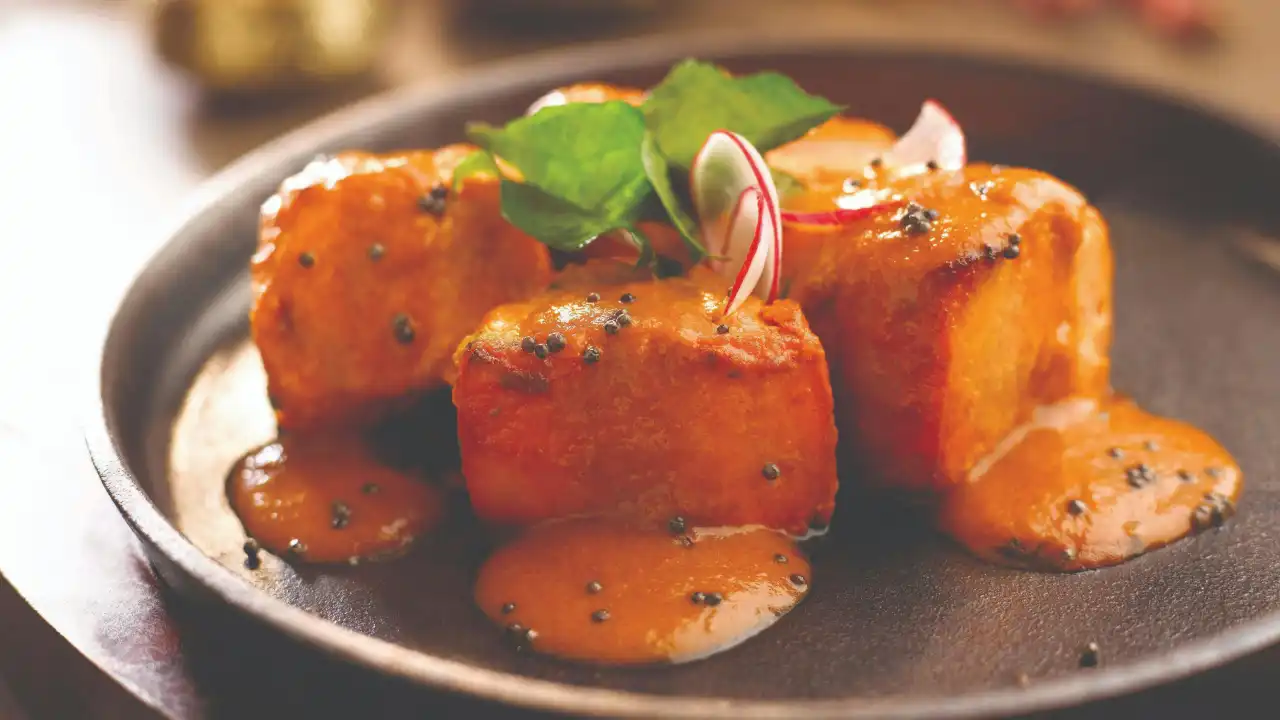
One of the biggest strengths of Singapore Indian cuisine is clarity. Restaurants don’t just say “Indian.” They tell you exactly what kind.
You’ll come across places that focus on:
- Tamil vegetarian meals
- Kerala seafood
- Punjabi tandoor dishes
- Hyderabadi biryani
- Chettinad spice-heavy gravies
This clarity helps diners trust what they’re ordering. You’re not guessing whether the dish will match expectations.
Pro tip: Ask staff where the recipe comes from. If they answer confidently, you’re in the right place.
Vegetarian Food Is Taken Seriously
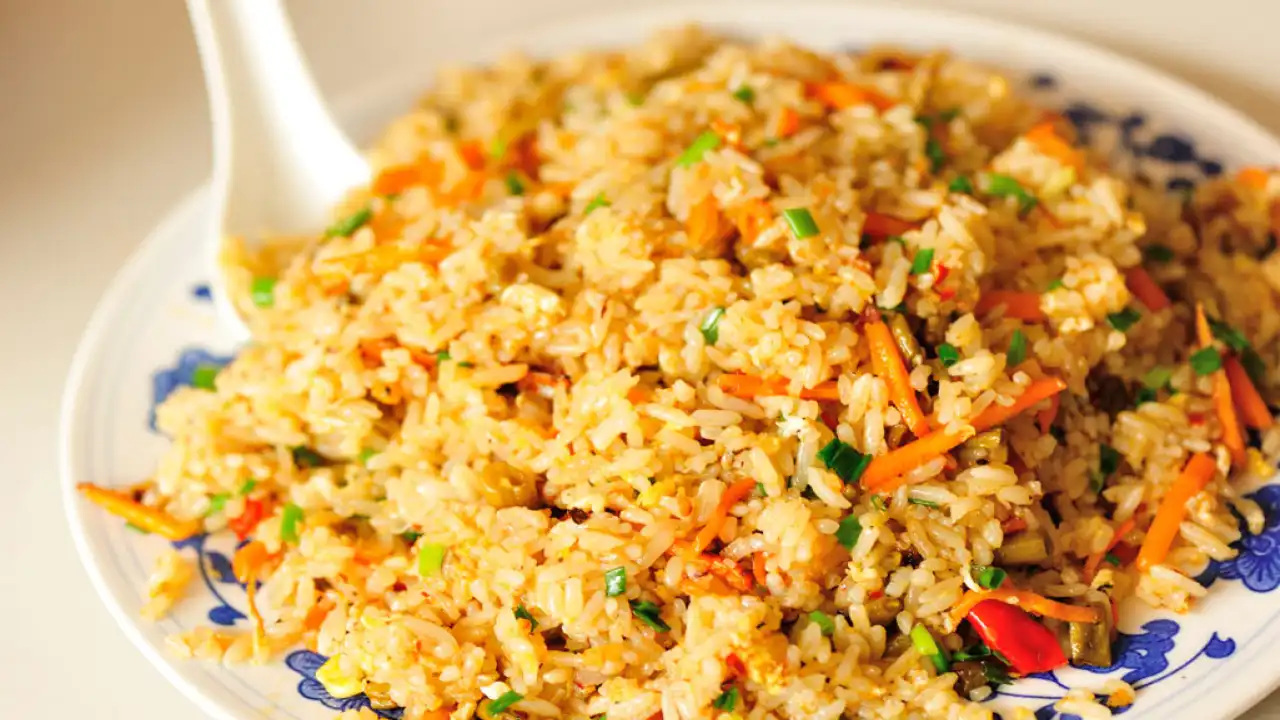
In many countries, vegetarian Indian food is treated as an afterthought. Not here.
Vegetarian-only restaurants in Singapore:
- Use separate kitchens
- Avoid cross-contamination
- Offer full menus, not limited options
You’ll find proper thalis, fresh chutneys, slow-cooked dals, and rotating vegetable dishes that change daily. What stands out is balance. Food isn’t overly oily or heavy. Portions are filling without being uncomfortable. This respect for vegetarian food comes from long-standing cultural practice, not trend-following.
Spice Levels Are Honest, Not Performative
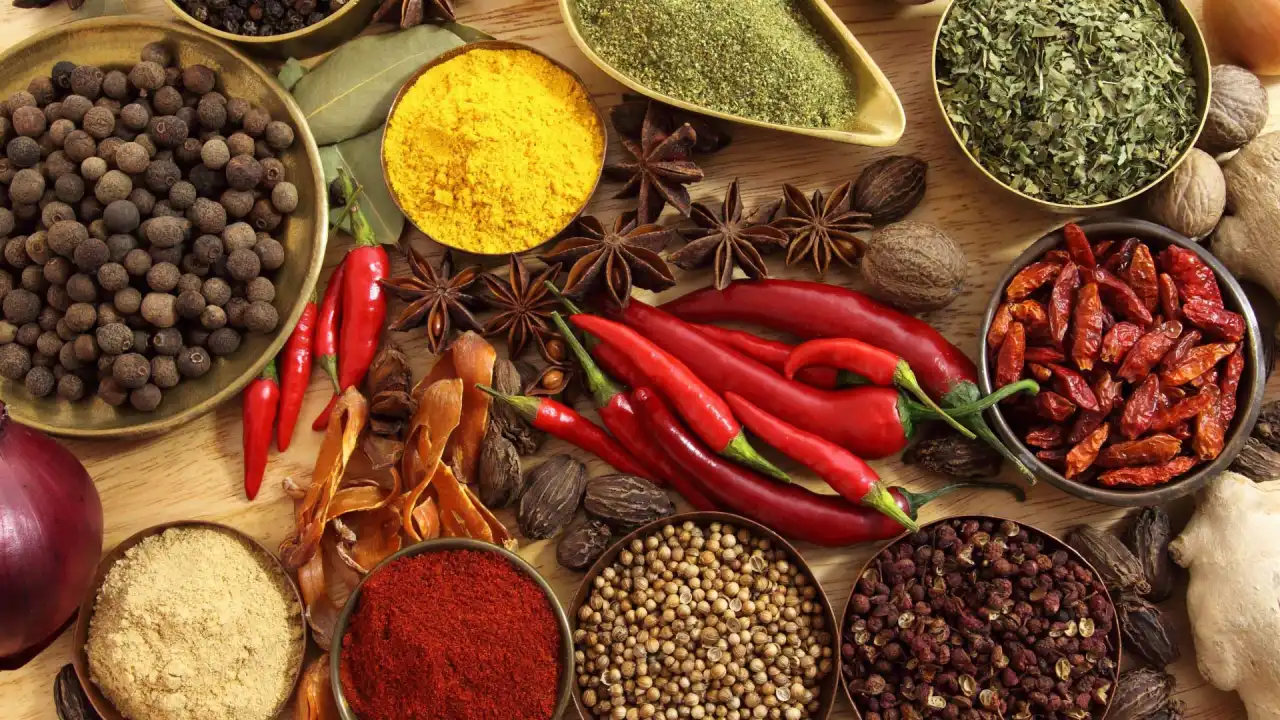
Another reason this food scene works is restraint. Singapore doesn’t believe in shock-value spice. Heat exists, but it’s controlled.
Curries aim for:
- Depth before heat
- Aroma before burn
- Balance over bravado
If you want it hotter, you can ask. But the default setting respects flavour first.
This approach makes Indian food approachable even for first-timers, without dulling it for experienced eaters.
Cleanliness Isn’t Optional
One uncomfortable truth: some great Indian food elsewhere struggles with hygiene perception.
Singapore removes that doubt completely.
Whether you’re eating at:
- A street-side stall
- A mid-range restaurant
- A high-end dining space
Cleanliness is visible. Kitchens are regulated. Staff follow systems. This consistency builds trust, especially for travellers who are cautious about food abroad.
Home-Style Cooking Still Exists
Despite all the professionalism, some of the best Indian meals in Singapore feel like they came from someone’s kitchen, not a business plan.
You’ll find:
- Cafes run by families
- Limited menus cooked fresh daily
- Dishes that change based on ingredient availability
These places don’t advertise loudly. They survive on repeat customers.
Pro tip: If a place closes early because food runs out, that’s not a problem; it’s a compliment.
Fine Dining Without Losing Identity
At the other end of the spectrum, Singapore also does Indian fine dining well.
But here’s the difference: upscale doesn’t mean diluted. Even premium restaurants:
- Stick to recognisable flavours
- Explain dishes without overselling
- Respect traditional cooking methods
Presentation improves, ingredients upgrade, but the soul remains intact.
This balance is hard to achieve and rare globally.
Why Locals Keep Eating It
A strong sign of quality is who keeps coming back.
In Singapore:
- Indian food isn’t just for Indian residents
- Locals from all backgrounds eat it regularly
- Office workers treat it as comfort food
That kind of acceptance doesn’t happen by accident. It happens when food fits daily life without drama.
Navigating the Scene as a Visitor
If you’re visiting Singapore and want to explore this food scene properly, don’t treat it as a checklist.
Instead:
- Eat at different times of day
- Try both hawker stalls and sit-down places
- Notice what locals queue for
If you’re planning your trip through a Singapore tour package, make sure food exploration isn’t limited to a single evening. This cuisine deserves time.
What Makes It “Shockingly” Good
It’s not one thing. It’s the combination.
- Historical roots
- Strong competition
- Cultural respect
- Practical standards
- Daily demand
All of this creates a food environment where Indian cuisine doesn’t just survive, it thrives. This is why many travellers end up saying the same thing after a few meals: “I didn’t expect this.”
Beyond the Famous Names
You’ll often see lists of the best Indian restaurants Singapore has to offer. Those lists are helpful, but they’re not the whole story.
Some of the most memorable meals happen:
- In small coffee shops
- Near residential blocks
- At places with no online presence
Singapore rewards curiosity.
How the Cuisine Has Adapted (Without Losing Itself)
Singapore Indian cuisine has adjusted to:
- Local ingredient availability
- Health-conscious diners
- Fast-paced city life
But it hasn’t compromised its identity. You’ll notice lighter gravies, controlled oil use, and quicker service but not at the cost of taste. That balance is what keeps people eating it week after week.
A Note on Pricing
Indian food in Singapore spans all budgets.
You can:
- Eat a filling meal for a modest price
- Or spend significantly on premium dining
What stays constant is value. Portions match price. Quality rarely feels shortchanged.
Why This Matters for Travelers
Food shapes how you remember a place. When Indian food is done this well, it becomes part of your travel memory, not just a meal. It’s comforting after a long day. Familiar without being boring. Reliable without being predictable. That’s rare.
Conclusion
Singapore doesn’t market itself as an Indian food capital. It doesn’t need to. The quality speaks quietly but confidently. What makes the scene special is not ambition, it’s discipline. Respect for food, respect for diners, and respect for tradition. Once you experience it properly, you’ll understand why so many people are surprised and why many travellers, even those exploring Singapore through carefully planned International Packages, leave thinking about those meals long after the trip ends. This isn’t accidental excellence. It’s earned, daily, plate by plate.
Common Mistakes First-Time Diners Make
- Ordering too much at once
- Expecting identical flavours to India
- Ignoring vegetarian-only places
- Sticking only to Little India
Avoid these, and the experience improves immediately.