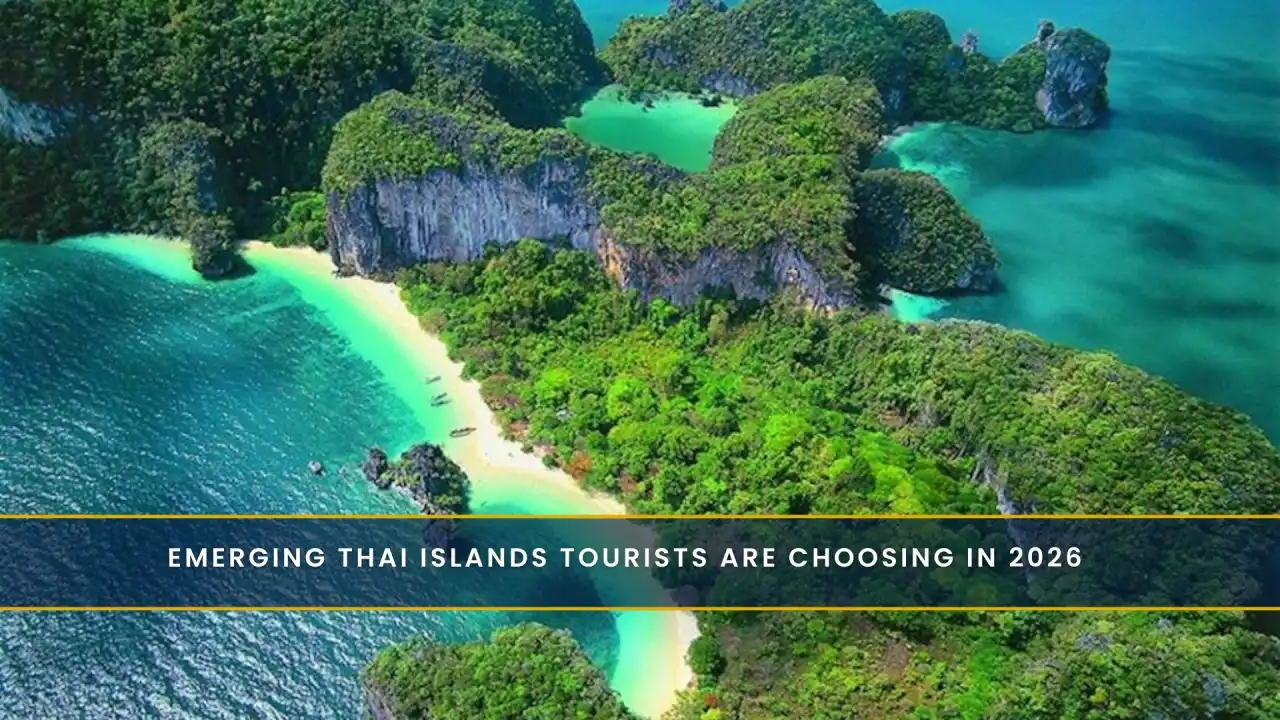
Emerging Thai Islands Tourists Are Choosing in 2026
Introduction
For a long time, Thailand’s island scene felt familiar. Almost too familiar. Phuket, Koh Samui, Phi Phi are stunning places, no doubt. But also loud, packed, and often moving at a speed that didn’t leave much room to breathe. By 2026, that feeling has changed. Travelers are slowing down, and honestly, it feels overdue. People are looking for places where mornings start with the sound of water, not engines. Where the road doesn’t end in a crowd.
That’s why emerging islands in Thailand are suddenly being talked about more quietly through conversations, recommendations, and second visits rather than flashy posts. These islands aren’t trying to be famous. They don’t need to. They’re being chosen because they still feel a bit untouched, a bit real, and a lot calmer. This isn’t about trends. It’s about balance. Nature that doesn’t feel staged. Comfort without chaos. And travel experiences that feel personal, not rushed or boxed into a checklist.
Why Travelers Are Looking Beyond the Famous Islands
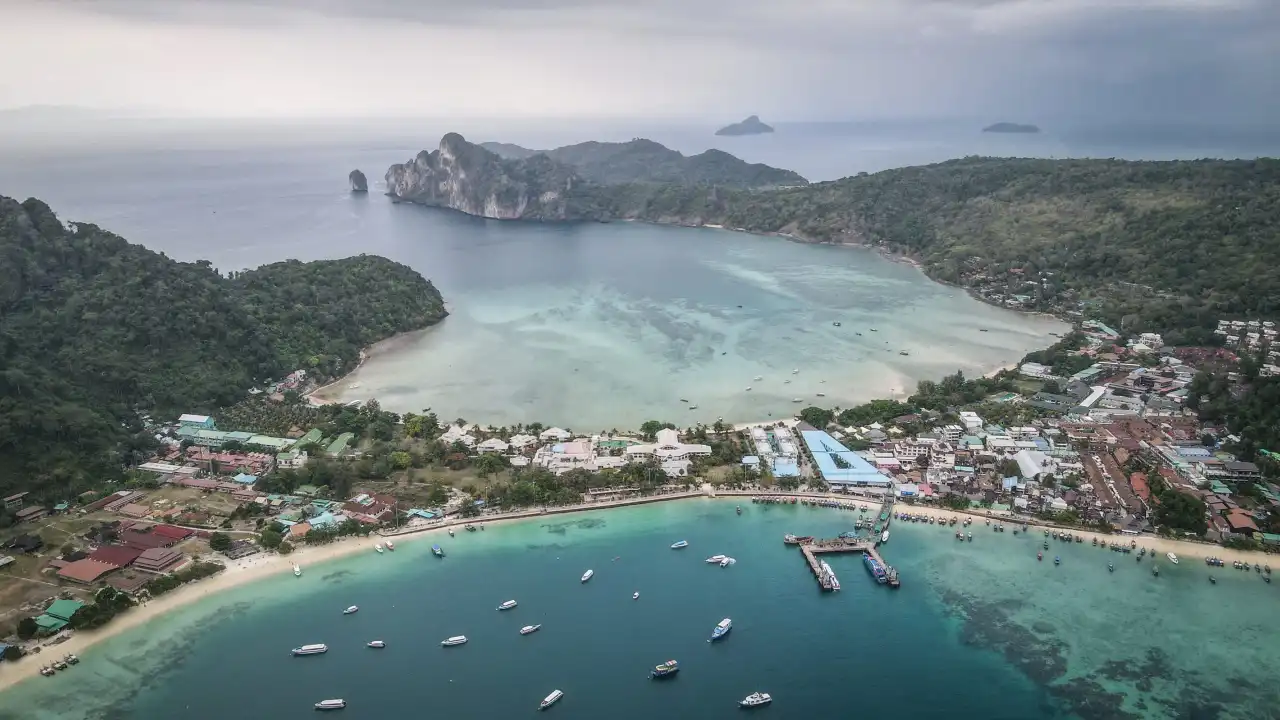
If you’ve met someone who’s visited Thailand more than once, chances are they’ve said something like this: “The first time was exciting. The second time felt better.” That sums it up. The first trip is usually about seeing everything. The next one is about feeling something.
Here’s what’s pulling people toward lesser-known islands now:
- Less crowd pressure: No elbowing your way onto boats or viewpoints
- More local interaction: Meals at small places where the owner remembers your order
- Better value: Prices that haven’t yet climbed into tourist-only territory
- Slower pace: Days don’t feel squeezed or rushed
- Cleaner environments: Fewer buildings, more breathing room
A lot of travelers describe these places as Thailand from an earlier time. Not empty. Just calmer. Like the volume’s been turned down a notch.
Koh Kood – Quiet Luxury Without the Noise
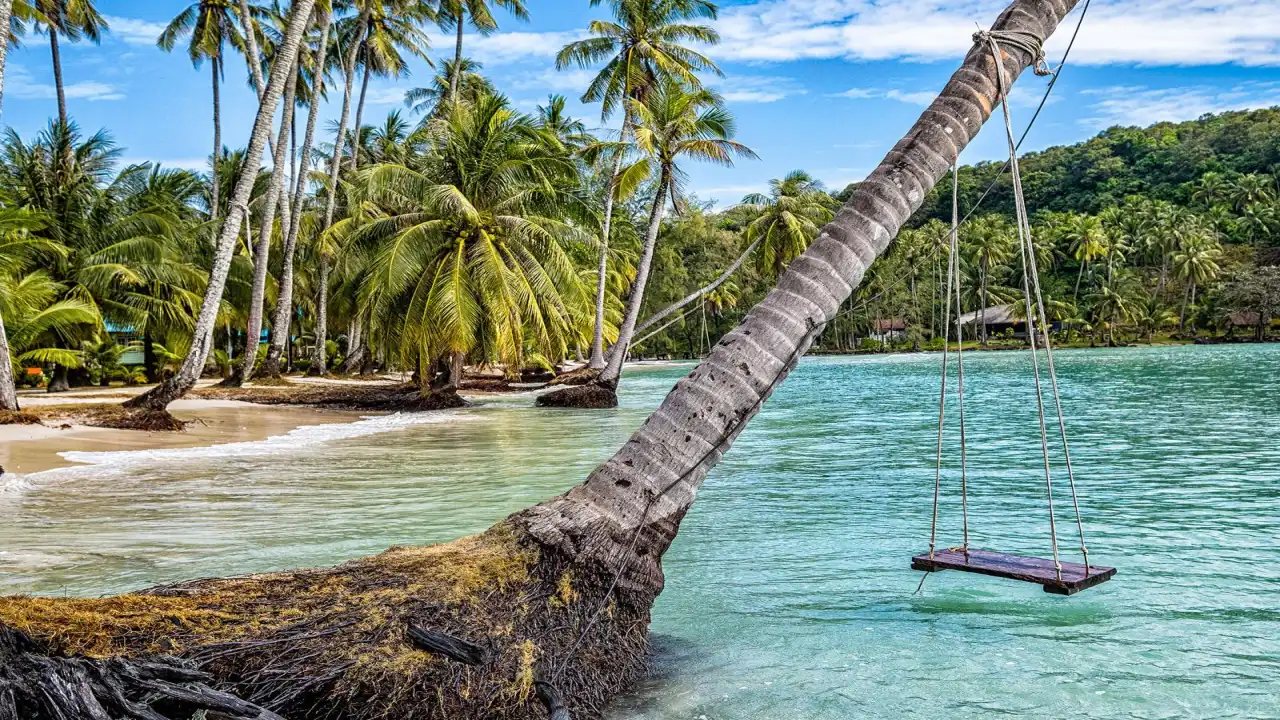
Koh Kood sits close to the Cambodian border, and it honestly feels like an island that decided not to compete with anyone else. No rush to modernize. No pressure to entertain. There are thick green forests, small rivers, soft beaches, and very little nightlife. And that’s exactly the appeal. People come here when they want rest. Not a distraction. Not schedules.
What makes Koh Kood stand out in 2026?
- Roads still wind through the jungle rather than concrete strips
- Beaches feel spacious, even during busy months
- Resorts focus on privacy, not showing off
- Activities lean toward kayaking, snorkeling, and quiet waterfall walks
It’s especially popular with couples and slow travelers. The kind of people who don’t mind spending an afternoon reading or doing absolutely nothing.
Pro tip: If you’re staying a few days, booking a Thailand trip package once helps smooth out ferry transfers, which can be confusing the first time.
Koh Mak – Small, Simple, and Thoughtful
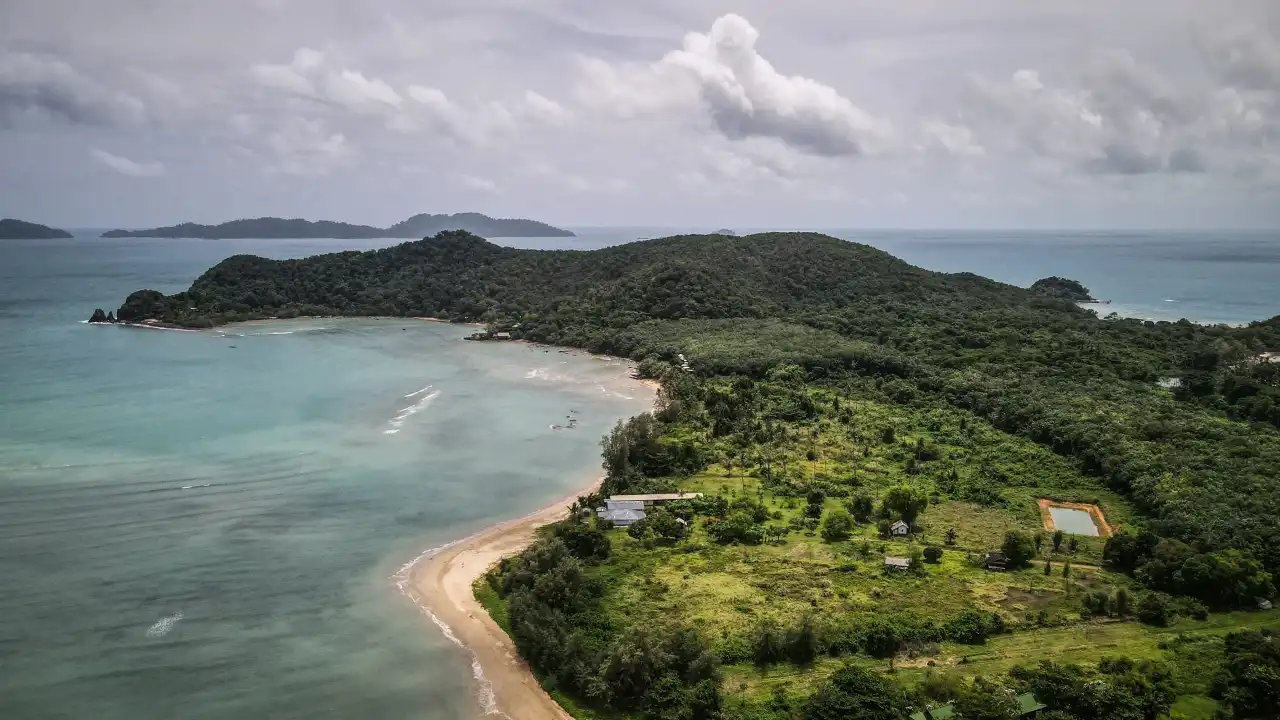
Koh Mak feels like an island where people actually live, not just visit. You notice it right away. Fewer vehicles. Friendlier smiles. A sense that things are done with intention. Travelers in 2026 are choosing Koh Mak because it feels responsible without being preachy.
What to expect
- Flat roads that make cycling easy
- Calm beaches suited for long swims
- Locally run resorts and cafes
- Clear eco-friendly rules that people actually respect
There’s not much nightlife, and no one seems to miss it. Evenings are quiet. Dinner takes longer. Conversations drift. It’s the kind of place where connection feels natural both with others and with yourself.
Koh Phayam – Thailand Before It Got Busy
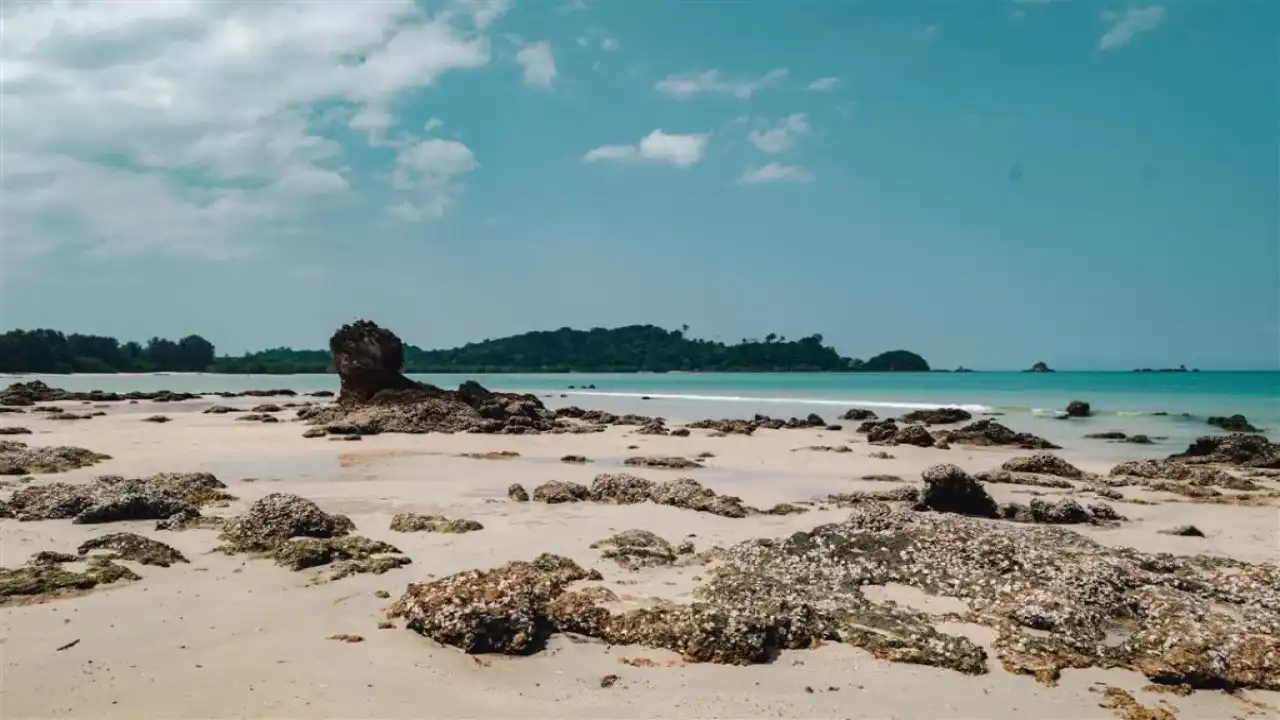
Koh Phayam doesn’t try to impress you. And that’s why people fall for it. Near Ranong, the island still has dirt roads, hammocks instead of beach clubs, and sunsets that don’t need editing. In 2026, travelers who choose Koh Phayam often say the same thing: “It feels honest.”
Why Koh Phayam feels different
- No jet skis, no mega resorts
- Electricity can be limited in some spots
- Surf-friendly beaches during the monsoon season
- A relaxed, creative, slightly bohemian crowd
This isn’t the island for luxury seekers. It’s for people who enjoy things being a little imperfect.
Pro tip: Carry cash. ATMs are scarce, and somehow that adds to the charm rather than taking away from it.
Koh Yao Noi – Between Two Worlds
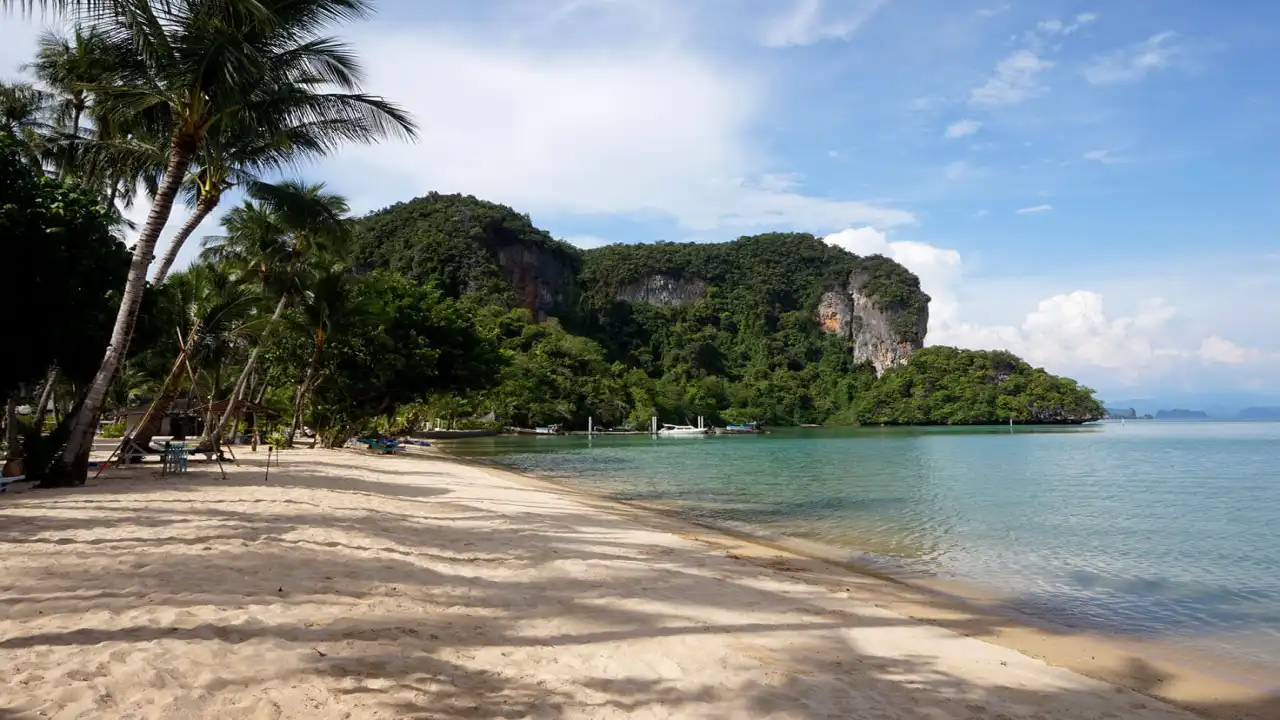
Koh Yao Noi sits between Phuket and Krabi, but it feels worlds away from both. You still get dramatic limestone views, but without the crowds that usually come with them. In 2026, many travelers will use it as a base. Close enough to explore popular spots. Far enough to escape them.
What people love here
- Traditional Muslim fishing villages
- Quiet roads are ideal for slow scooter rides
- Peaceful sunrise views
- Easy boat access to nearby islands
It’s especially popular with couples and families who want calm without feeling isolated.
Koh Jum – The Island That Forgot to Rush
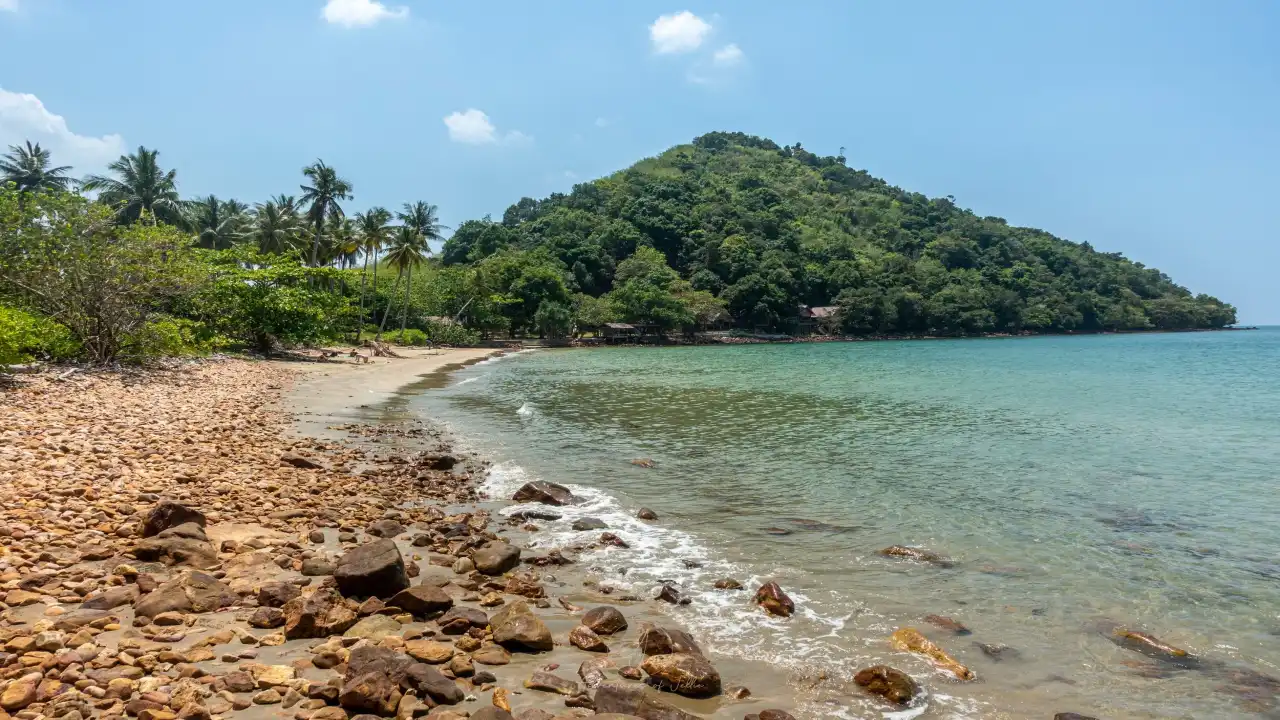
Koh Jum doesn’t advertise itself much. It doesn’t need to. People who arrive often stay longer than planned. There’s no airport. Ferries arrive when they arrive. Time stretches out.
Why it’s gaining attention
- Beaches remain largely undeveloped
- Simple beachfront stays instead of resorts
- Locals who recognize you quickly
- Genuinely quiet evenings
This island suits travelers who don’t need a packed itinerary. There aren’t many tours, and that’s part of the appeal.
Koh Lao Liang – Remote and Remarkable
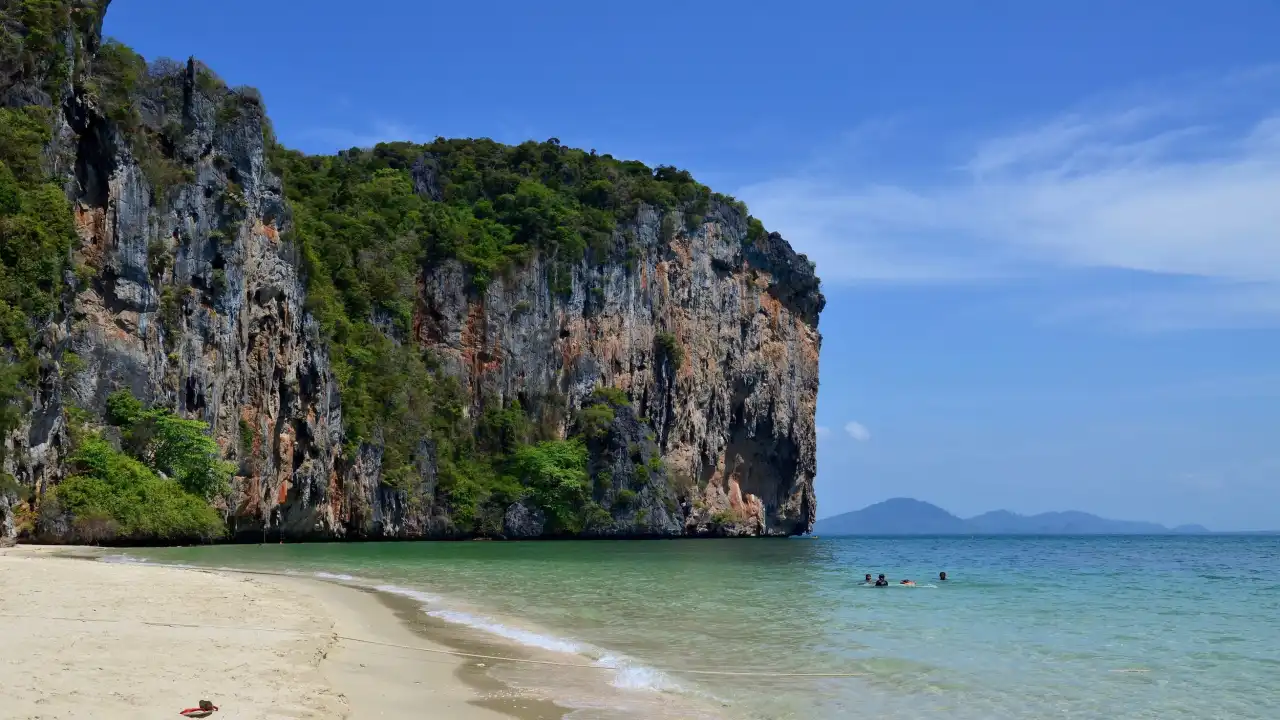
Koh Lao Liang isn’t an easy trip. It’s seasonal, remote, and limited in places to stay. But those who make the effort rarely forget it. By 2026, it’s quietly become a favorite for adventure-focused travelers.
What sets it apart
- Massive limestone cliffs rising from the sea
- Clear, untouched water
- Excellent snorkeling
- Strict visitor limits
No shopping streets. No beach clubs. Just nature doing its thing.
Pro tip: Plan early. Accommodation is limited and fills fast.
Koh Kradan – Small Island, Big Beauty
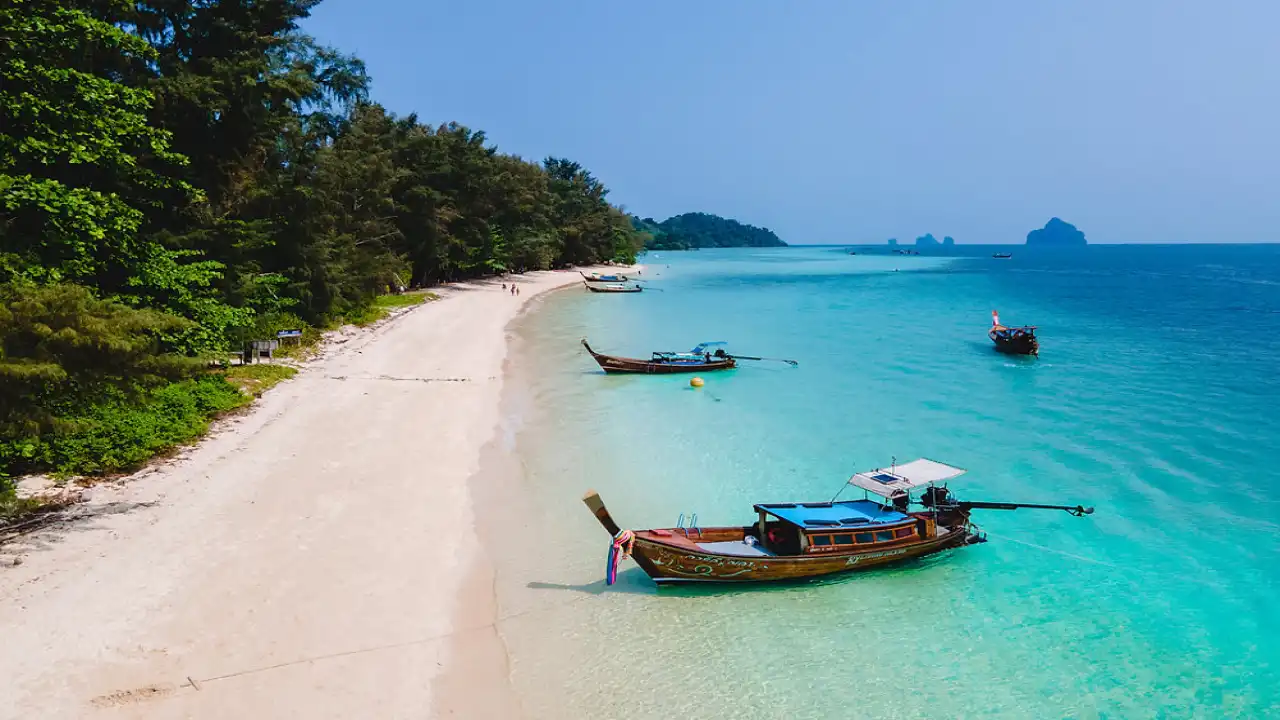
Divers have known Koh Kradan for years, but now more travelers are catching on. The reef starts right off the beach, making snorkeling effortless. It’s now one of the most talked-about Thailand islands that 2026 travelers mention.
Highlights
- White, soft sand
- Shallow coral reefs
- Calm, clear water
- Very limited development
Days revolve around the sea. Nights are quiet, often under a sky full of stars.
Koh Bulon Leh – Peace You Can Feel
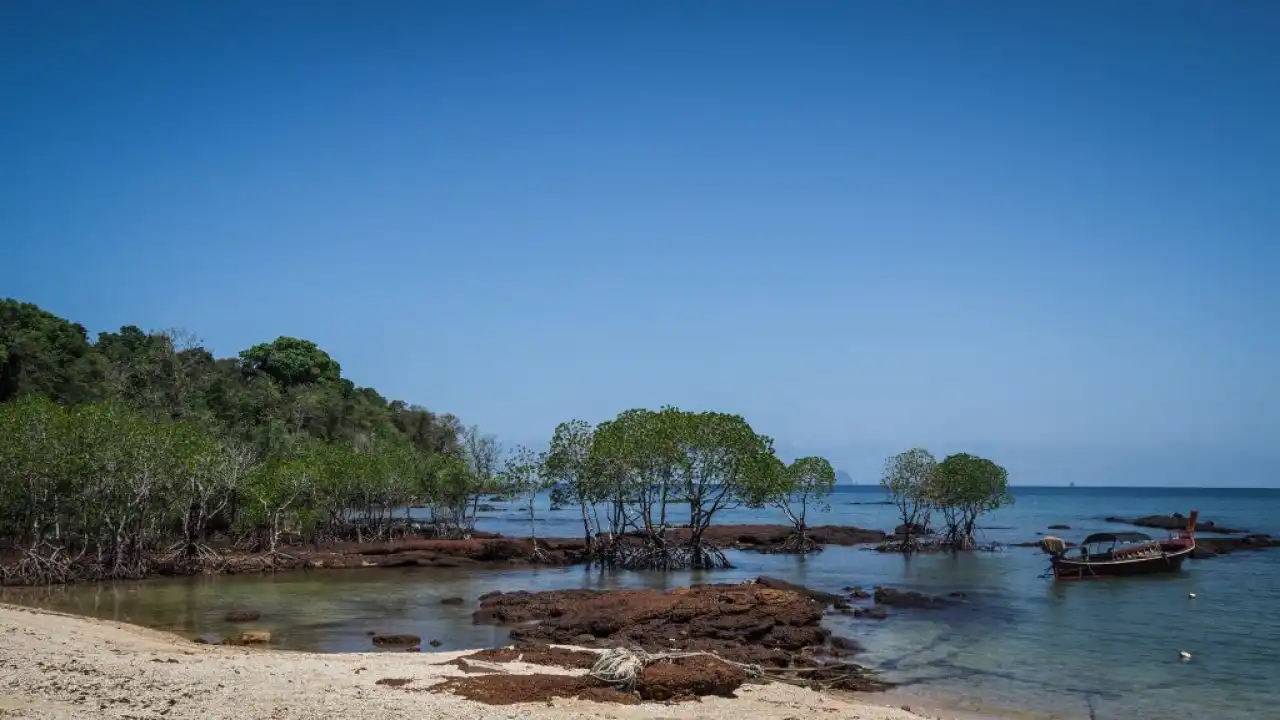
Koh Bulon Leh is tiny. You can walk across it in minutes. Still, many visitors describe it as deeply calming. There’s no pressure to do anything. And that’s the magic.
Why do people choose it?
- Minimal tourism impact
- Friendly local community
- Warm, shallow waters
- Ideal for disconnecting
It reminds you that travel doesn’t always need highlights. Sometimes it just needs stillness.
Koh Libong – Where Nature Comes First
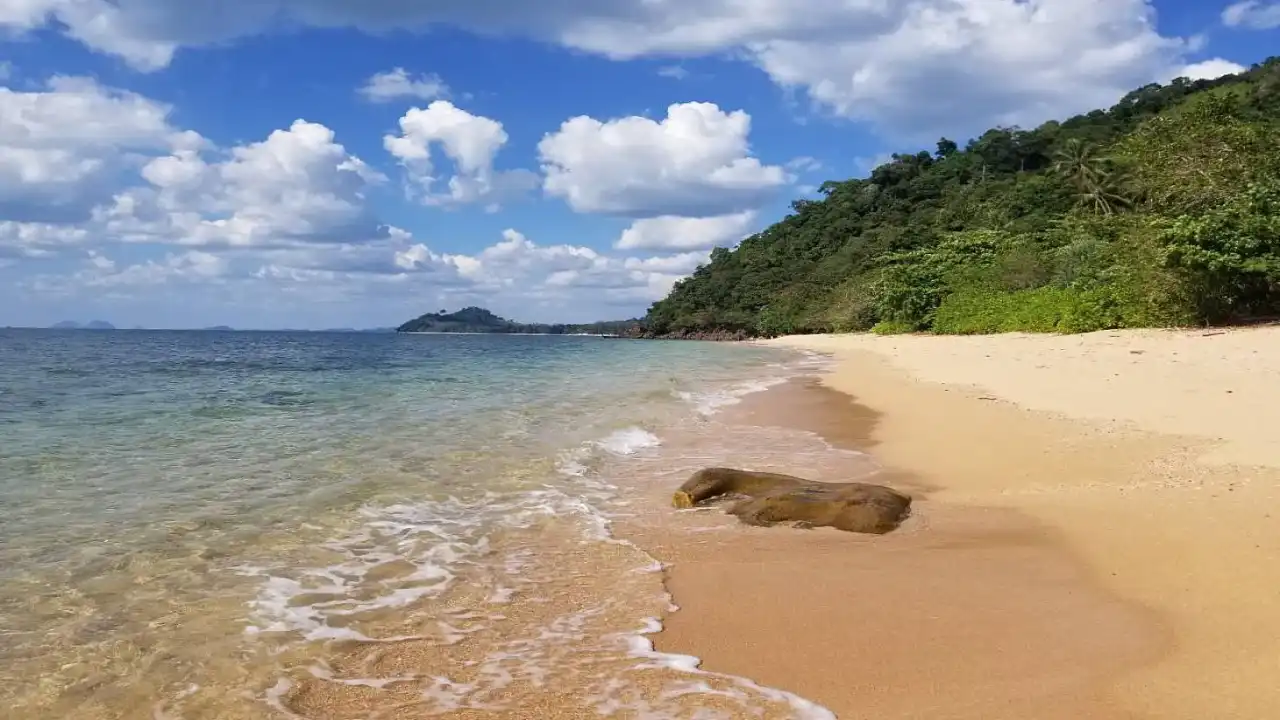
Koh Libong is the largest island in Trang province, yet it remains overlooked. It’s known for dugongs, mangroves, and strong conservation efforts. Eco-conscious travelers in 2026 are choosing it for more meaningful experiences.
What makes it unique
- Wildlife spotting opportunities
- Traditional fishing villages
- Quiet coastal walks
- Genuine conservation focus
This isn’t a resort island. It’s a living one.
Who These Islands Are Best For
These islands don’t try to suit everyone. That’s their strength.
They’re ideal for:
- Couples seeking a quiet connection
- Solo wanderers wanting space to think
- Families who prefer calm over chaos
- Repeat visitors to Thailand
They’re less suited for:
- Party-heavy trips
- Fast sightseeing schedules
- Shopping-focused travel
Sustainability Matters More Than Ever
Many new Thai island destinations are limiting development on purpose. Visitors are expected to help keep it that way.
Simple actions go a long way:
- Skip single-use plastics
- Eat local, shop local
- Use reef-safe sunscreen
- Respect wildlife boundaries
Tourism works best here when it’s thoughtful, not heavy.
Conclusion
Thailand in 2026 isn’t about chasing what’s loud or popular anymore. It’s about choosing what feels right. These islands don’t impress through size or spectacle. They impress by letting you slow down. If your idea of a good trip includes quiet mornings, unplanned conversations, and places that still feel real, these islands might be exactly what you’re looking for.
Planning Tips for 2026 Travelers
Traveling to lesser-known islands takes a bit more effort, but it pays off.
Practical advice
- Pack light, ferries can be basic
- Respect local customs and quiet hours
- Don’t expect perfect Wi-Fi
- Stay flexible with plans
Pro tip: If combining islands, using trusted Honeymoon Trip Packages once can simplify logistics without killing spontaneity.