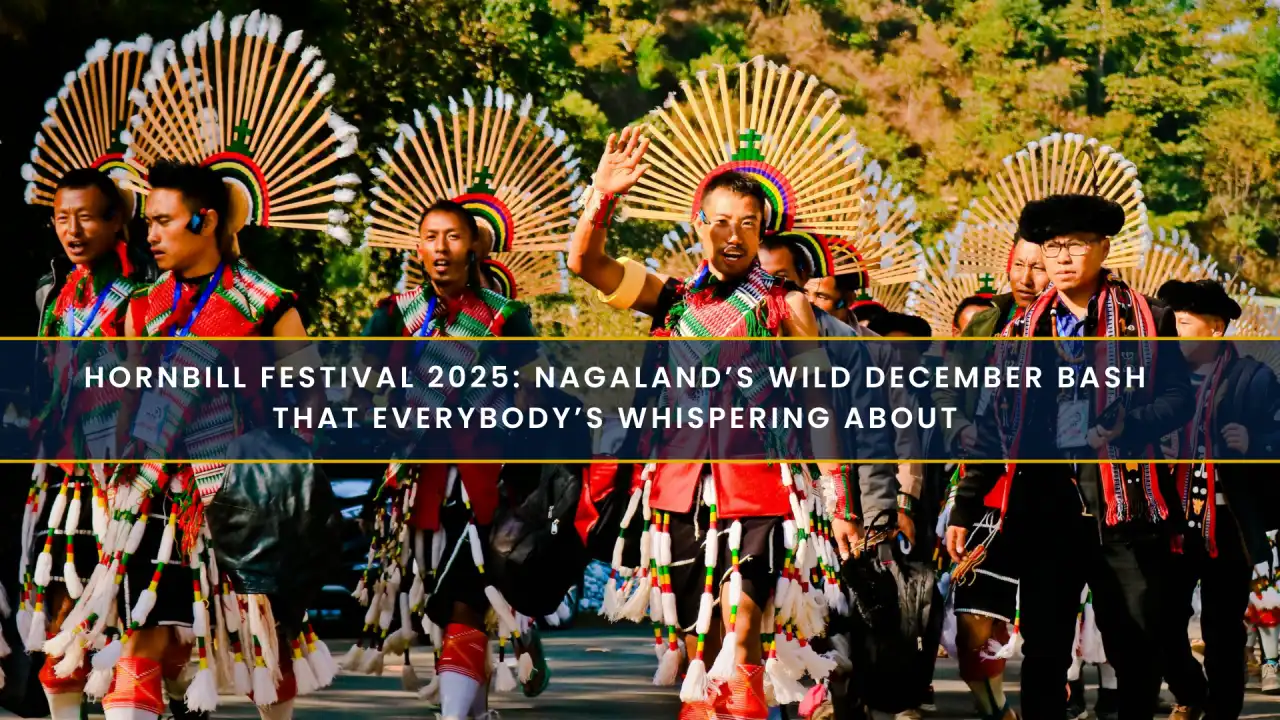
Hornbill Festival 2025: Nagaland’s Wild December Bash That Everybody’s Whispering About
Introduction
The North East has this habit of surprising you even when you think you’ve seen enough in life. One minute you’re staring at some ordinary Google map, and next, boom! You’re deep-diving into a region packed with pine hills, rainy forests, sleepy villages, and stories older than your entire family tree. And then there’s Nagaland, one of the more mysterious sisters among the famous Seven. She’s been behaving like that quiet kid in school who suddenly shows up at the farewell party looking like a rockstar. People are finally paying attention, and a huge part of the credit goes to the Hornbill Festival 2025, which is inching closer day by day. It’s loud, colourful, dramatic, and honestly, a little addictive.
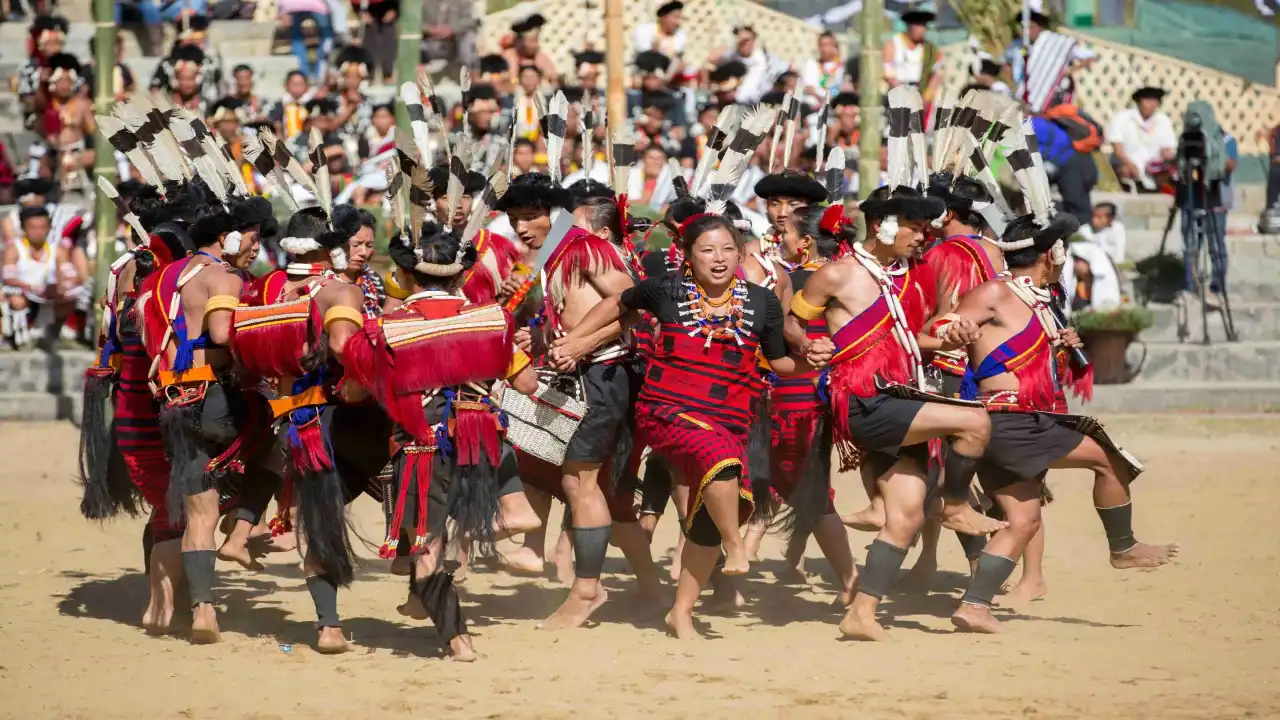
It's Nagaland's biggest cultural celebration, the festival is named after the Great Indian Hornbill (basically the Beyoncé of the bird world) that plays a major role in their folklore, and the State Tourism and the Art & Culture Departments organise this grand cultural celebration every December at the Naga Heritage Village in Kisama. The idea is simple: bring 17 major tribes under one sky and let culture do the talking.
Hornbill Festival 2025 Dates & Venue
If you’re the planning type, here’s the part you’ll want to screenshot:
Location: Naga Heritage Village, Kisama (near Kohima)
Expected Dates: December 1 to December 10, 2025
The schedule hardly ever shifts; it’s their tradition, and they stick to it.
Why You Should Attend Hornbill Festival 2025?
1. Culture That Feels Alive, Not Staged
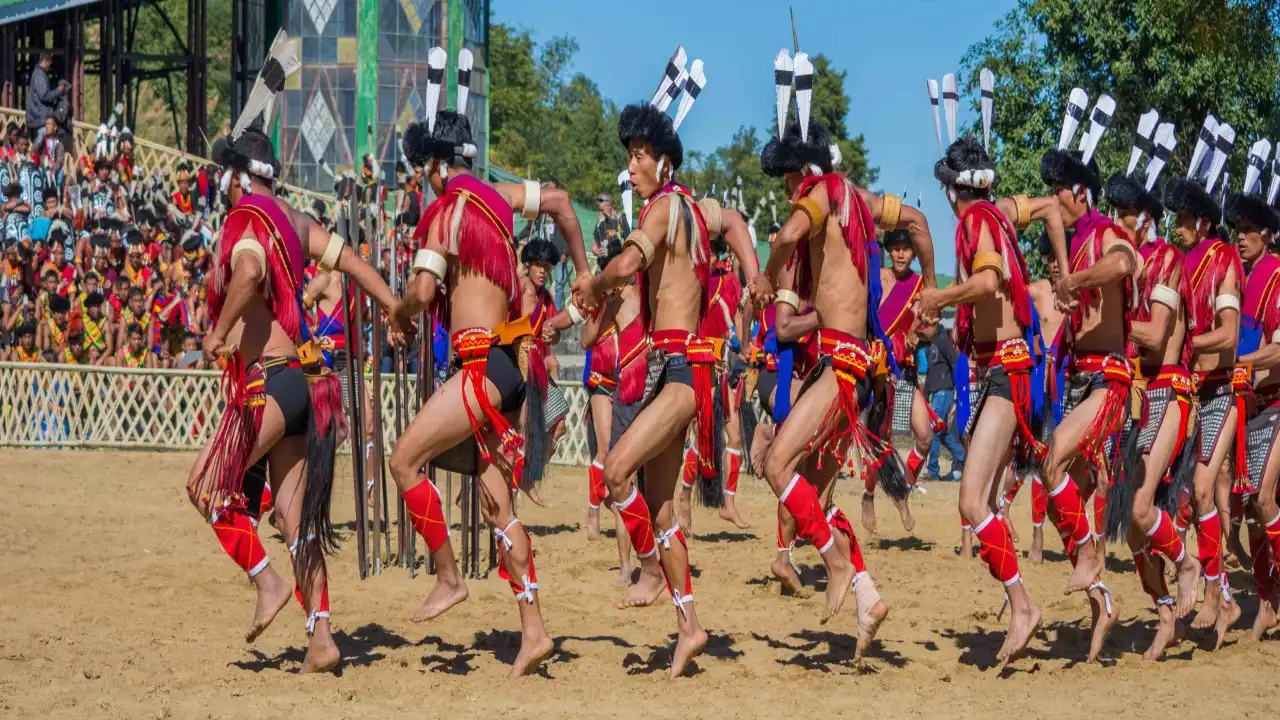
Forget those polite, rehearsed smiles you sometimes see at touristy events. At the Hornbill Festival, everything from the war dances to the folk songs comes straight from lived traditions that go back centuries. There’s something profoundly grounding about watching communities celebrate their stories in the most authentic way possible. Even the “culture-neutral” traveller ends up leaning in.
2. The Morungs: Traditional Houses With a Heartbeat
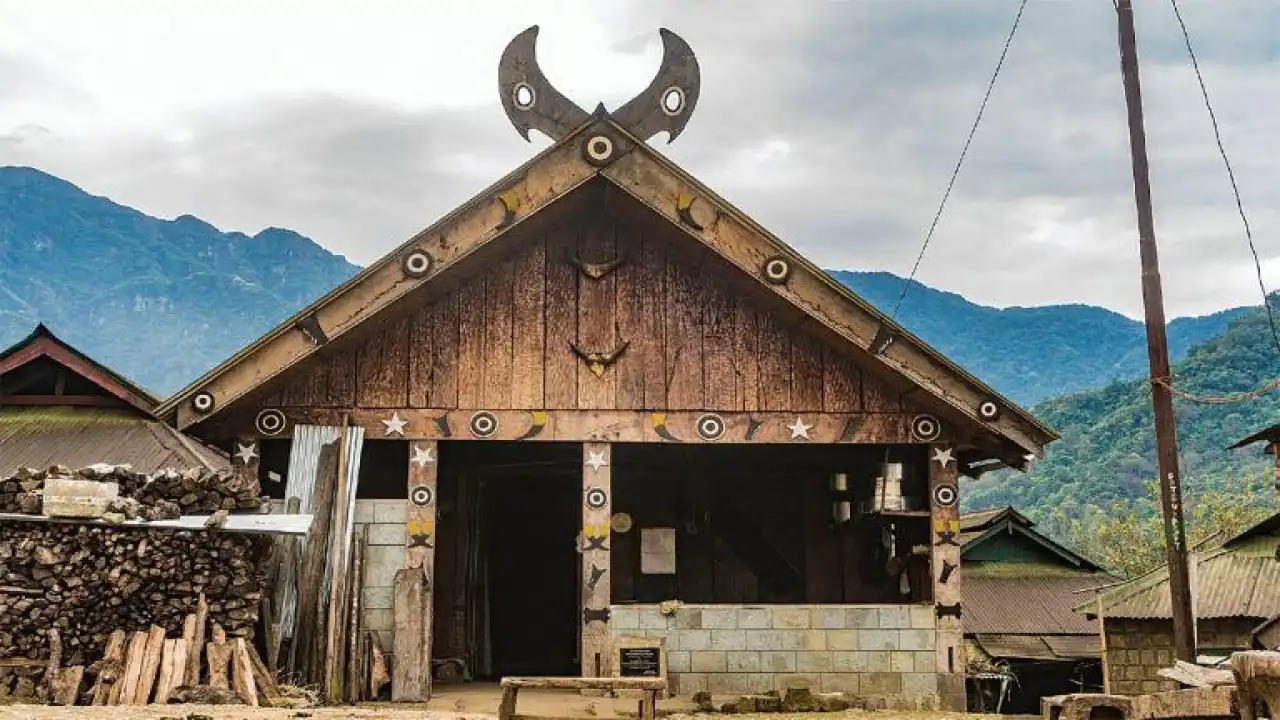
Morungs aren’t just wooden huts; they’re cultural powerhouses. Step inside and you’ll find young members of each tribe chatting, weaving, cooking, carving, basically living out traditions that textbooks can’t do justice to. They feel like open chapters of Naga heritage where nothing is behind glass, everything breathes, and everyone is welcome to look around.
3. Performances That Rumble Through Your Bones
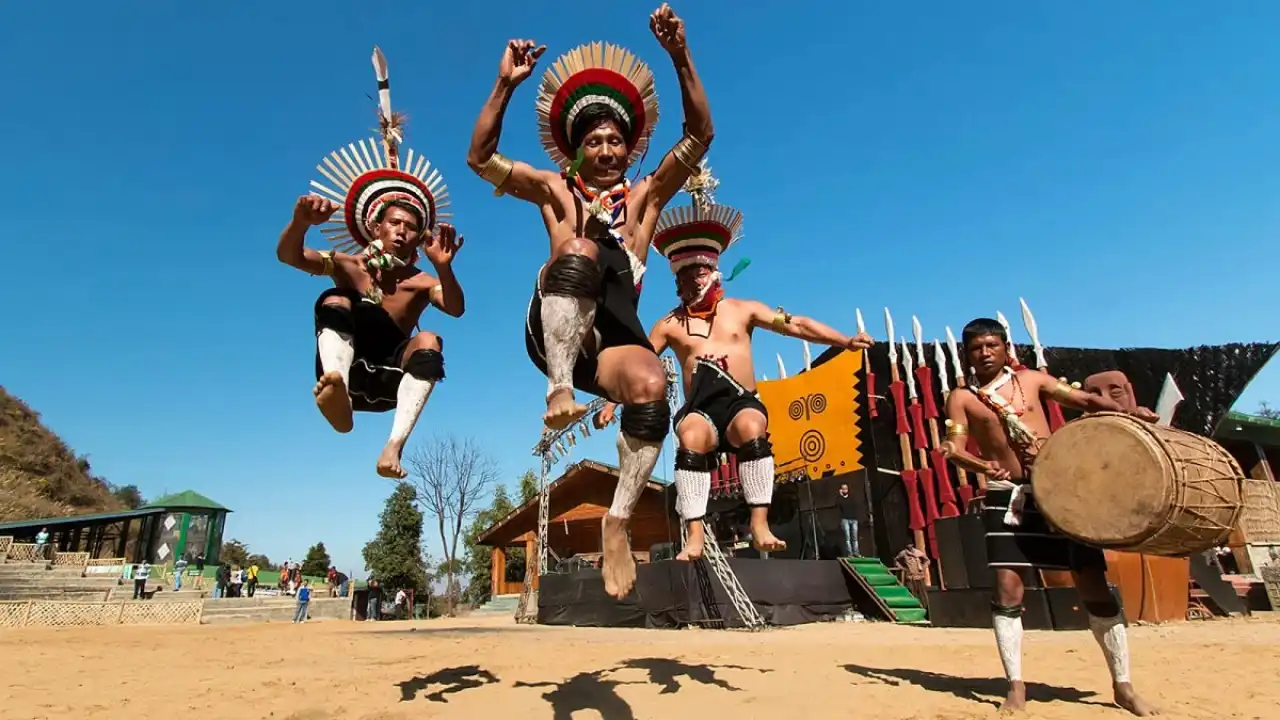
The festival’s rhythm is impossible to ignore. Log drums echo across the hills. Dancers stomp with warrior-like precision. Folk singers warm up in corners like they’re preparing for the soundtrack of a very dramatic biopic. It’s chaotic in the best way, and you’ll constantly be torn between watching, filming, and simply soaking it all in.
4. Art & Craft That Begs to Be Taken Home
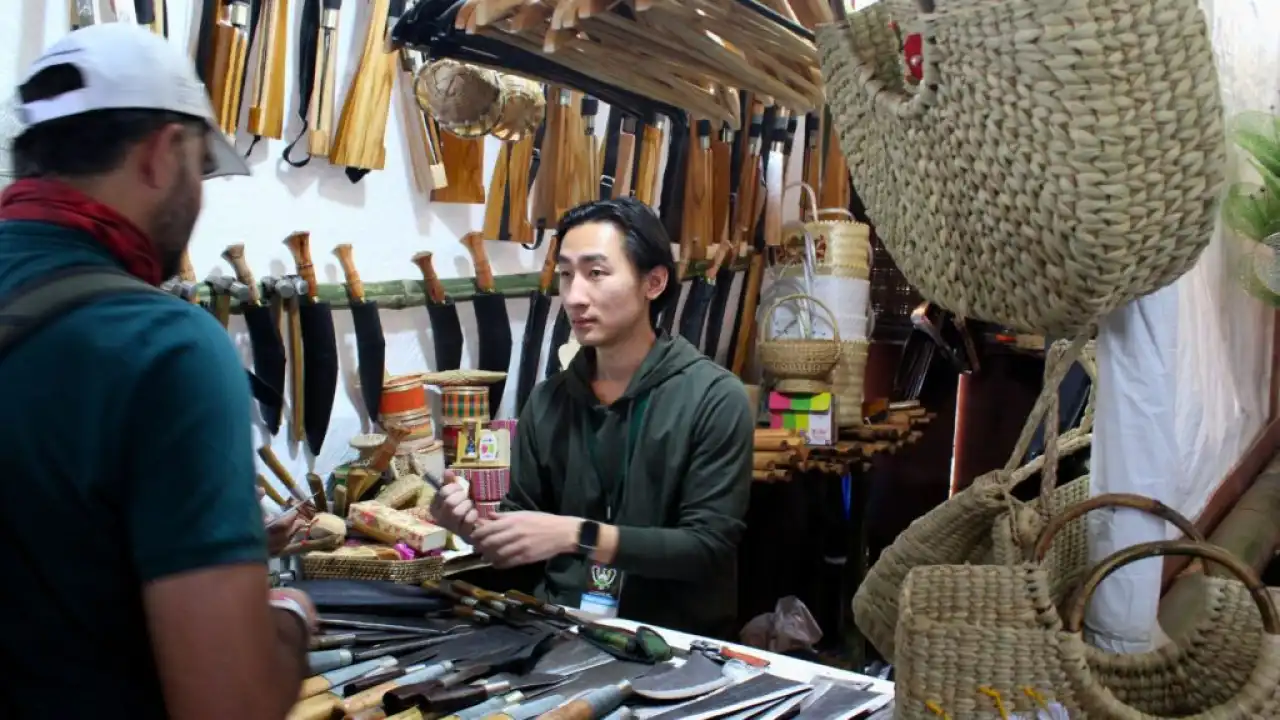
The craft market at Hornbill is a full-blown temptation zone, so consider your wallet warned. From handwoven shawls and bamboo baskets to carved ornaments and tribal jewellery, everything looks like it has its own personality. And unlike mass-produced souvenirs, these pieces are the kind you actually want to show off, not hide at the back of a cupboard.
5. Sports With Grit and Soul
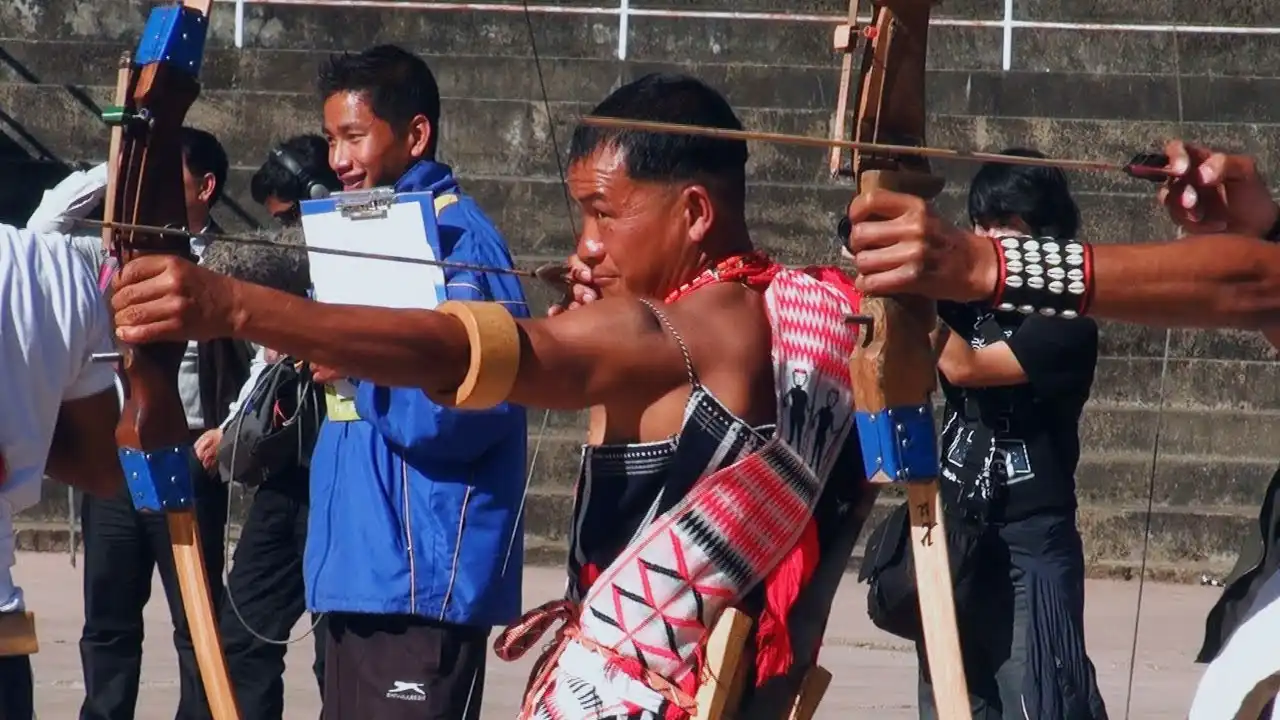
If you’re used to polished stadium sports, Naga wrestling and indigenous strength games might feel like a thrilling plot twist. There’s a raw charm to it, no sparkle, no filters, just skill, power, and the loudest cheering crowd you’ll ever meet
6. Food That’s Bold, Smoky, and Seriously Addictive
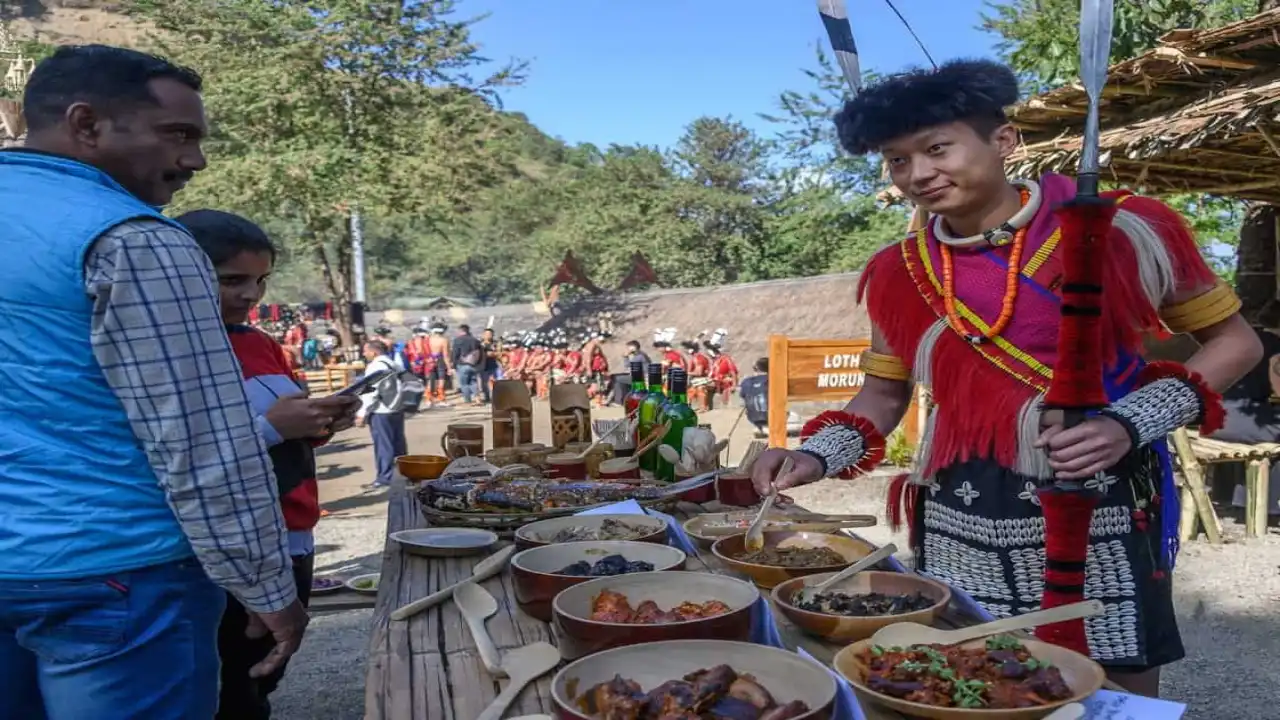
Nagaland does not believe in shy flavours. Expect pork slow-cooked over wood fires, bamboo shoot gravies, smoked meats, sticky rice, chutneys that wake you up better than coffee, and local brews that pair perfectly with the winter chill. Even if your taste buds are on the cautious side, you’ll find something that hooks you.
7. Good Vibes, Minus the Pretence
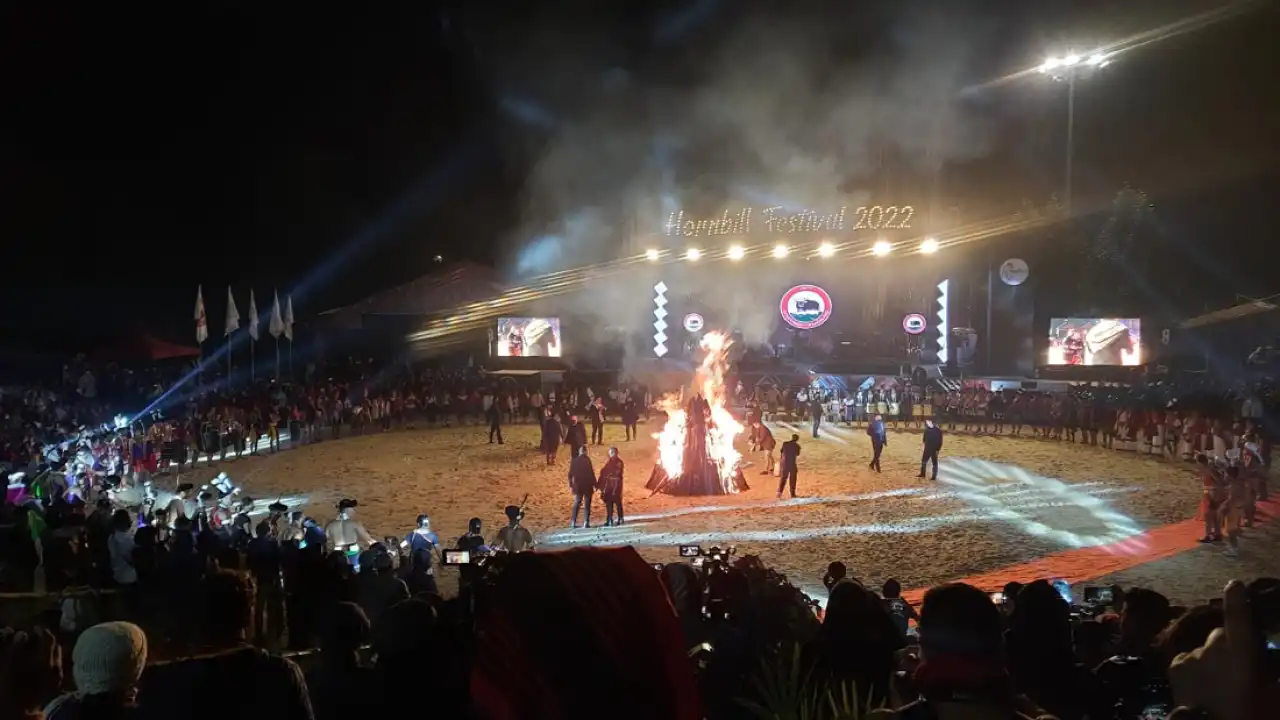
The most refreshing part? The energy. Locals and travellers mingle like they’ve been planning this get-together for years. No over-the-top commercial drama, no artificial “cultural showcases.” Just real people, celebrating real traditions under crisp December skies. It’s honest, warm, and genuinely uplifting.
Hornbill Festival: The Short Version
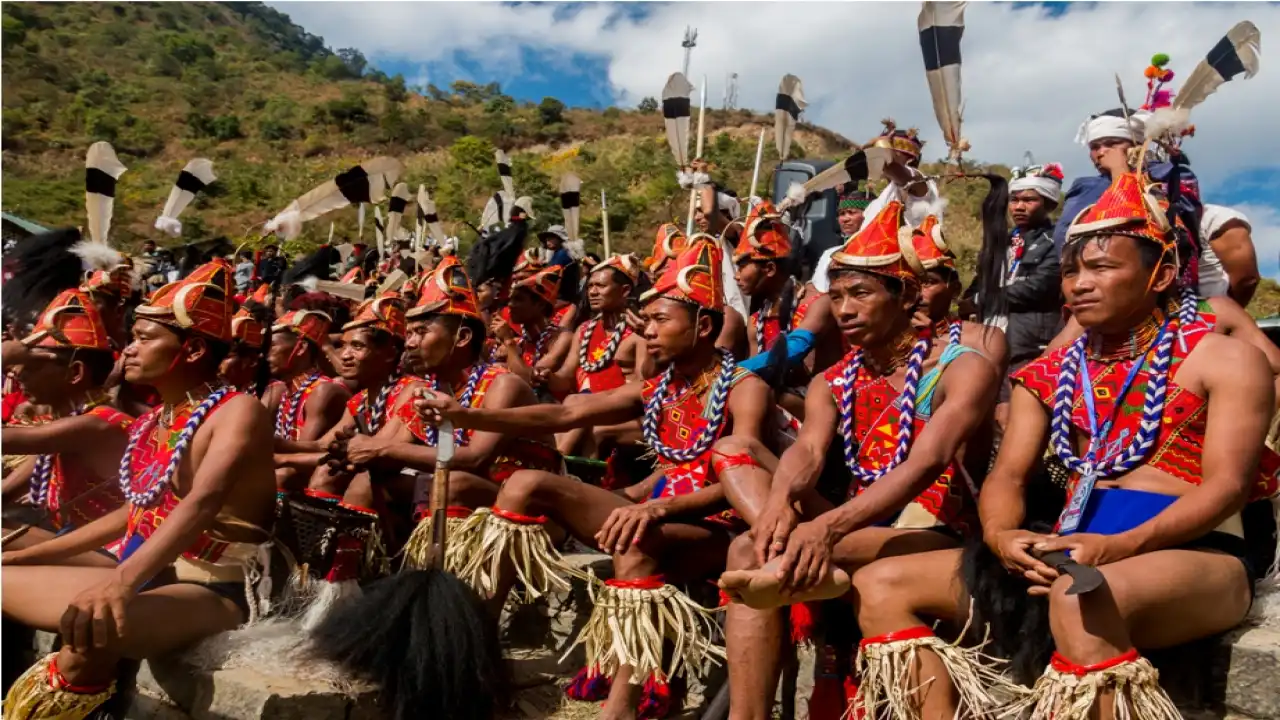
Seventeen tribes. Hundreds of traditions. A festival that started in 2000 and quietly grew into one of Asia’s biggest cultural gatherings. That’s Hornbill.
There’s no fancy twist to it, just a genuine effort to keep heritage alive, all wrapped in ten days of celebration.
How to Attend Hornbill Festival 2025 Without Losing Your Patience
1. ILP (Inner Line Permit)
You’ll need one unless you’re exempt. Apply online at ilp.nagaland.gov.in, which is super quick, or grab it from Nagaland Tourism counters in cities like Delhi or Kolkata. And, foreign nationals, including OCI cardholders, require a Protected Area Permit (PAP) to enter the state.
2. Flying In
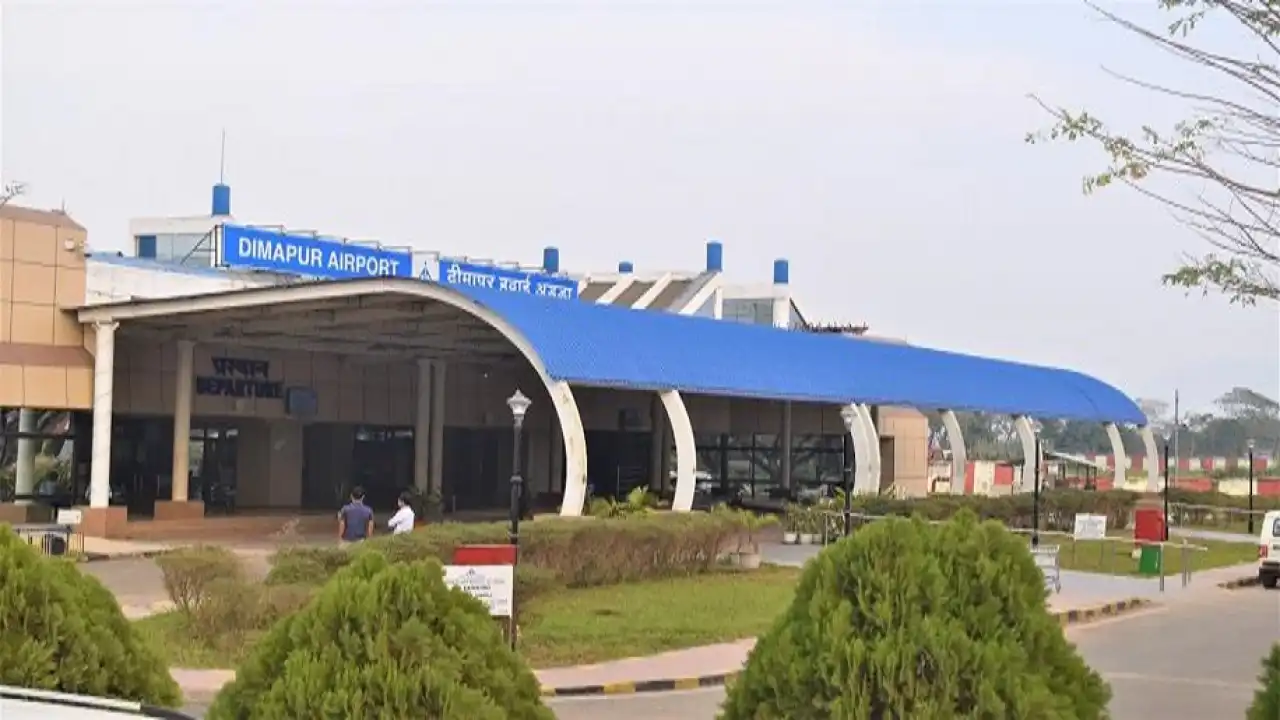
Take a flight to Dimapur Airport, Nagaland’s only commercial airport. From there, Kohima is a 3–4 hour drive and quite scenic if the fog behaves.
3. By Train
Dimapur Railway Station is fairly well-connected. The moment you step out, shared taxis and buses start buzzing around for Kohima.
4. By Road
NH-29 connects Dimapur and Kohima. Good views, twisty curves, and the occasional “why is there fog at 2 pm?” moment.
5. Or Let Travel Junky Handle the Annoying Bits
If you don’t enjoy running behind permits or decoding taxi rates or figuring out which road closes at what time, just hand everything to Travel Junky.
We’re used to handling:
- transit
- ILP
- stays
- guides
- festival entries
- day tours
- the whole “North East tour packages” scene. Your only job? Show up with the right jacket.
What Else to See in Nagaland While You’re There
Here are some quick picks:
- Khonoma Village – Asia’s first green village and unusually peaceful
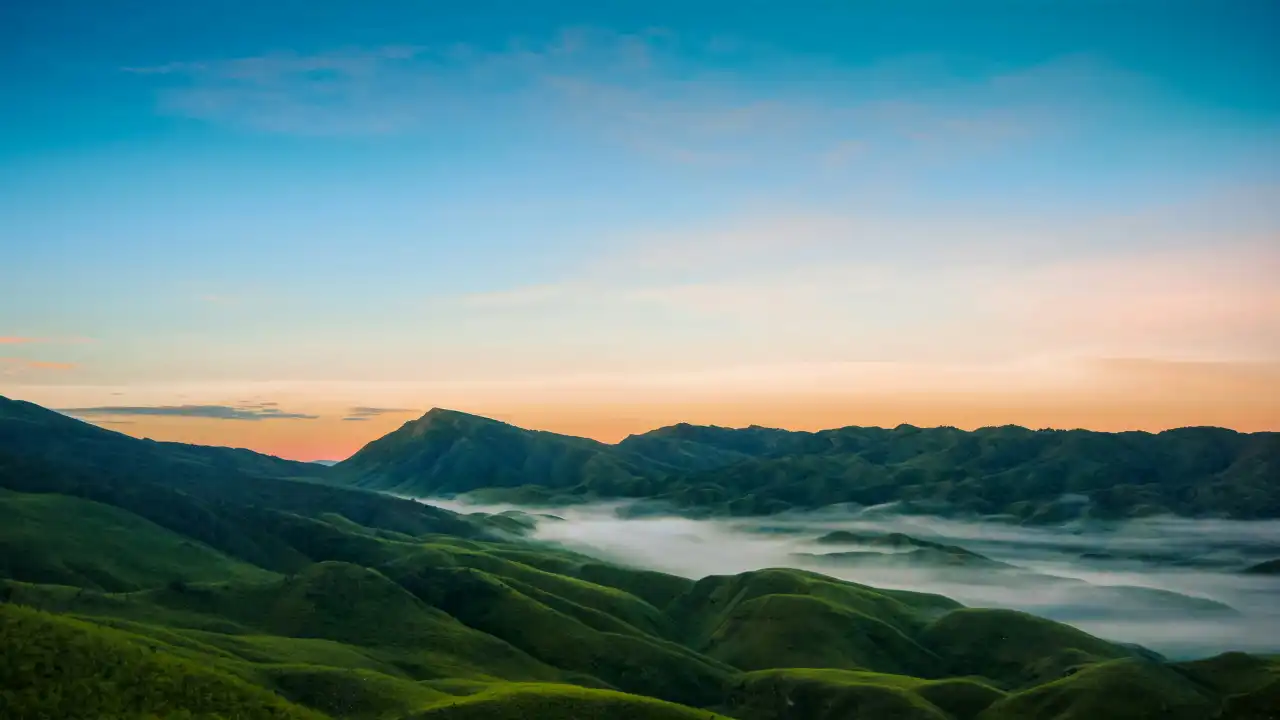
- Dzukou Valley – rolling meadows that look like nature ironed them flat
- Mt. Japfu – perfect for sunrise chasers
- Kohima Cathedral – oddly calming, and rich in history.
- WWII Cemetery & War Museum – touching and historically rich
- Local markets – colourful chaos, great food, great people
Conclusion
Some trips you forget in two weeks. This one lingers. The crisp mountain air, the warmth of the Naga people, the thumping drums, the flavours, the rawness- Hornbill Festival hits you differently. And if you’ve been meaning to take a trip that actually stays with you, trust me, December in Nagaland is a solid bet. If you want the smoothest possible experience, Travel Junky has curated domestic packages and complete Nagaland trips that keep the adventure intact but remove the chaos. Book it, pack it, go. Let Nagaland surprise you the way it surprises everyone.
Also Check: Discover Meghalaya’s Beauty: North East Honeymoon Package