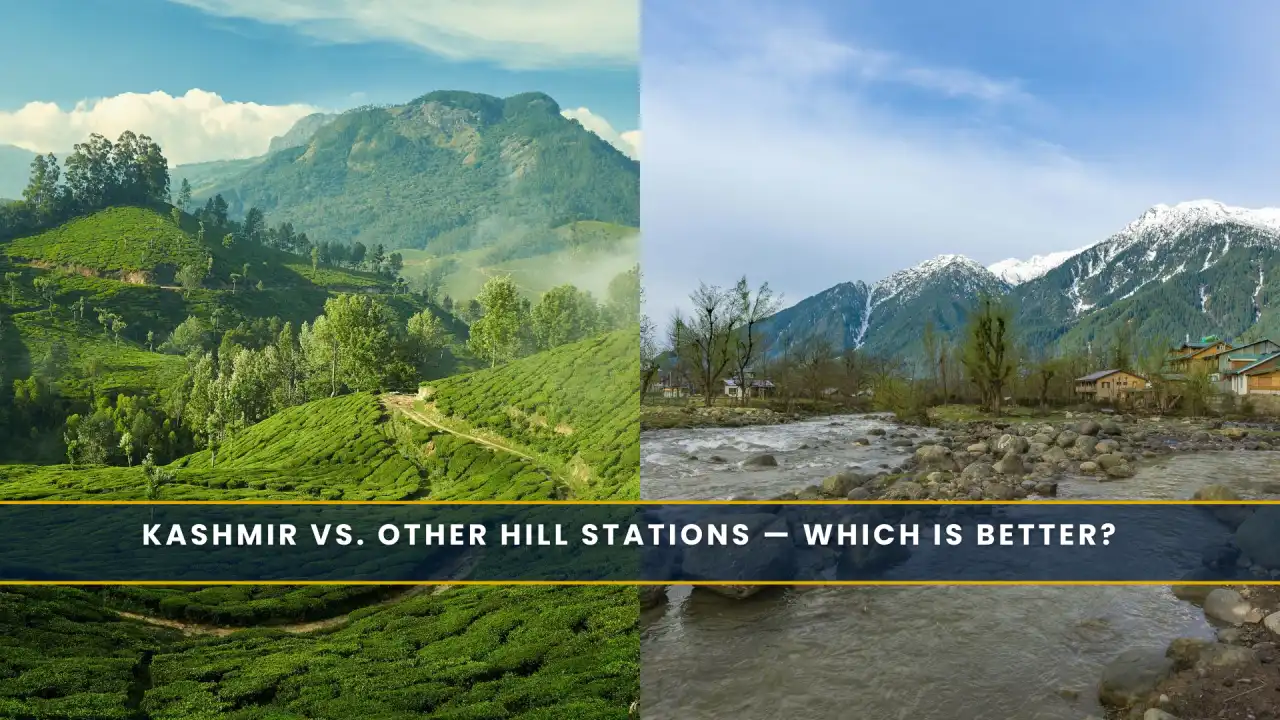
Kashmir vs. Other Hill Stations — Which Is Better?
Introduction
You know how every traveler has that one mountain place they swear by? Ask around and you’ll notice something odd but kind of charming. Some people picture snowy valleys, slow mornings, and that first cup of hot chai when the air still bites a little. Others think of busy promenades, shop signs glowing at night, toy trains rattling past crowds, and cafés where you can’t find an empty chair. And somewhere in between all that, the question arises again and again: Is Kashmir really different from other hill stations or are we just romanticizing it? This isn’t only about scenery. It’s about what kind of trip you enjoy: comfort or curiosity, silence or movement, raw nature or well-planned tourism. So, here’s a traveler-to-traveler comparison. Weather, landscapes, activities, culture, accessibility, cost and how each place feels when you’re actually there, not just in photos.
Kashmir — A Different Kind of Mountain Experience
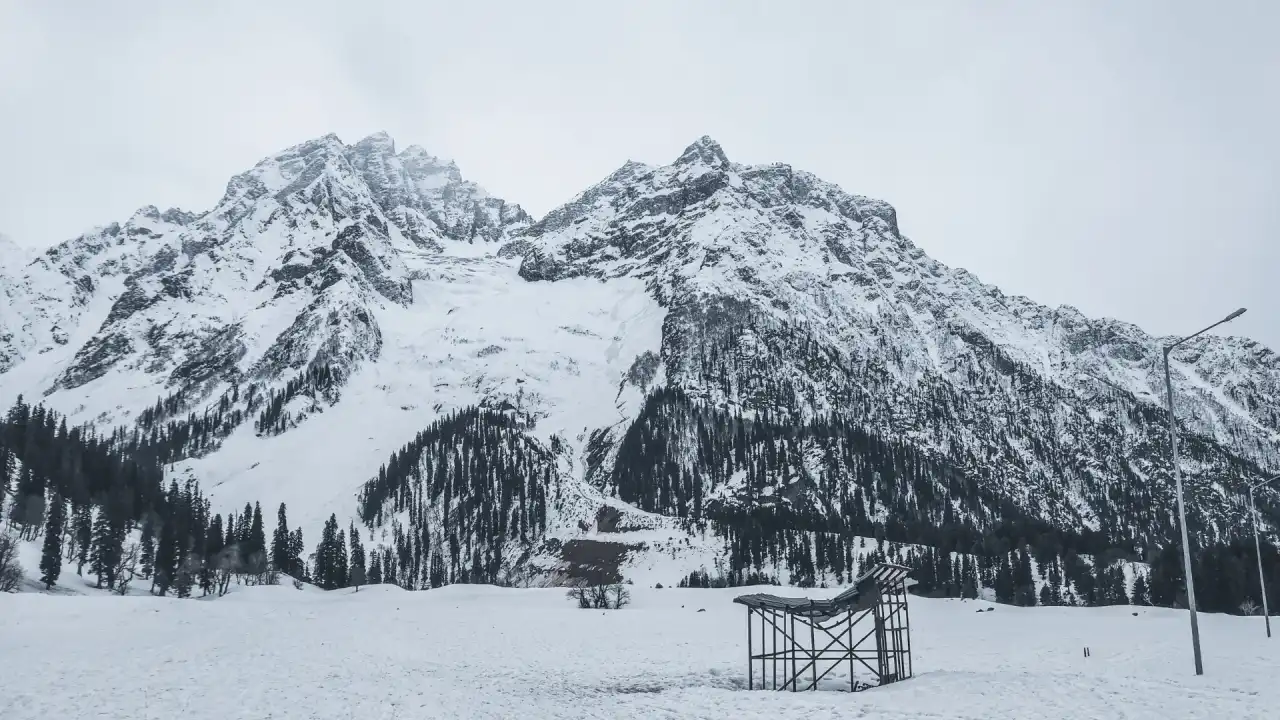
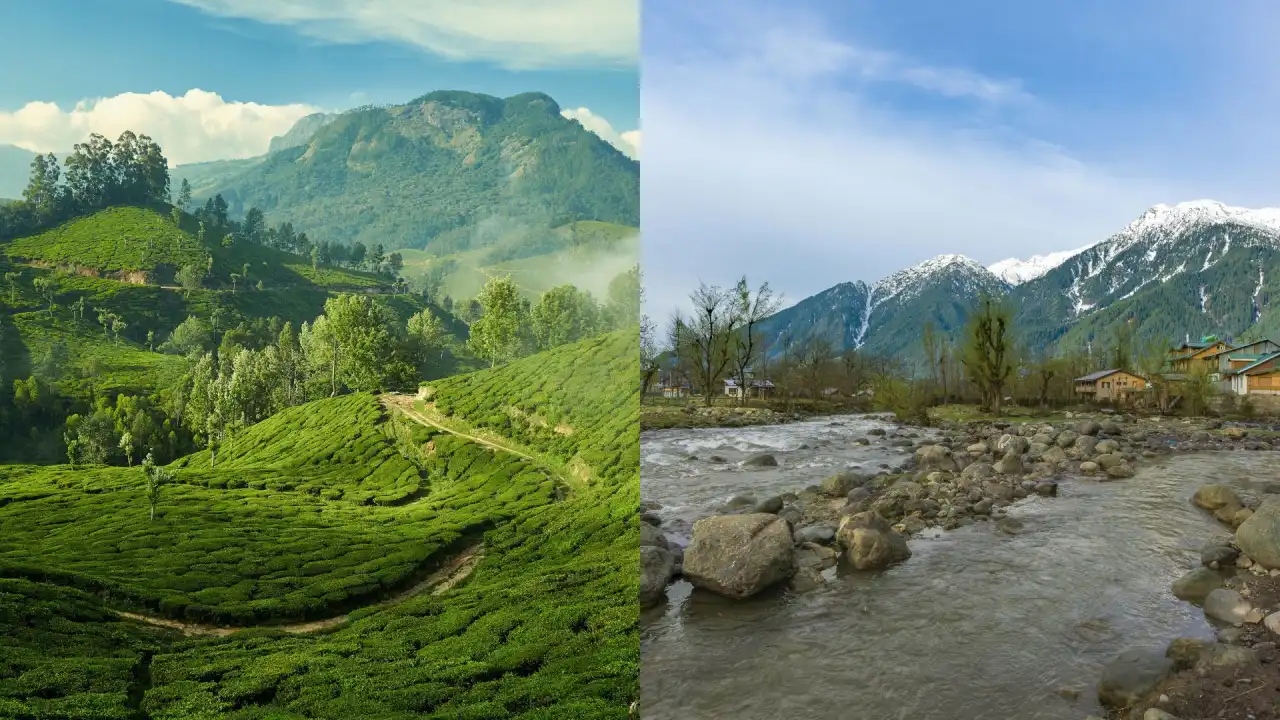
Kashmir doesn’t greet you like a regular tourist town. It feels like I don’t know, wider somehow, slower, like the whole landscape is just breathing around you. Not like those cramped streets or jam-packed markets you see everywhere else. Here, there are open valleys, rivers stretching like lazy ribbons, and bits of countryside where life seems to have forgotten the clock.
And honestly, that’s the magic of a Kashmir hill station. The pace doesn’t push you, doesn’t nag. You could be wandering along the river, or maybe just drifting on a shikara while the water makes tiny little ripples under the boat, or even sitting on some random bench staring at clouds crawling over the mountains. It doesn’t demand your attention; it just pulls you in. Weirdly, quietly, and you kind of like it that way. It’s less about ticking attractions and more about small, quiet moments. Sunlight on the slopes in Gulmarg. The sound of water in Pahalgam is almost like it’s talking to the stones. Slow walks through Srinagar’s gardens where time honestly feels a little stretchy. For many people, that calm sticks in the memory long after the trip ends.
How Other Hill Stations Create Their Own Appeal
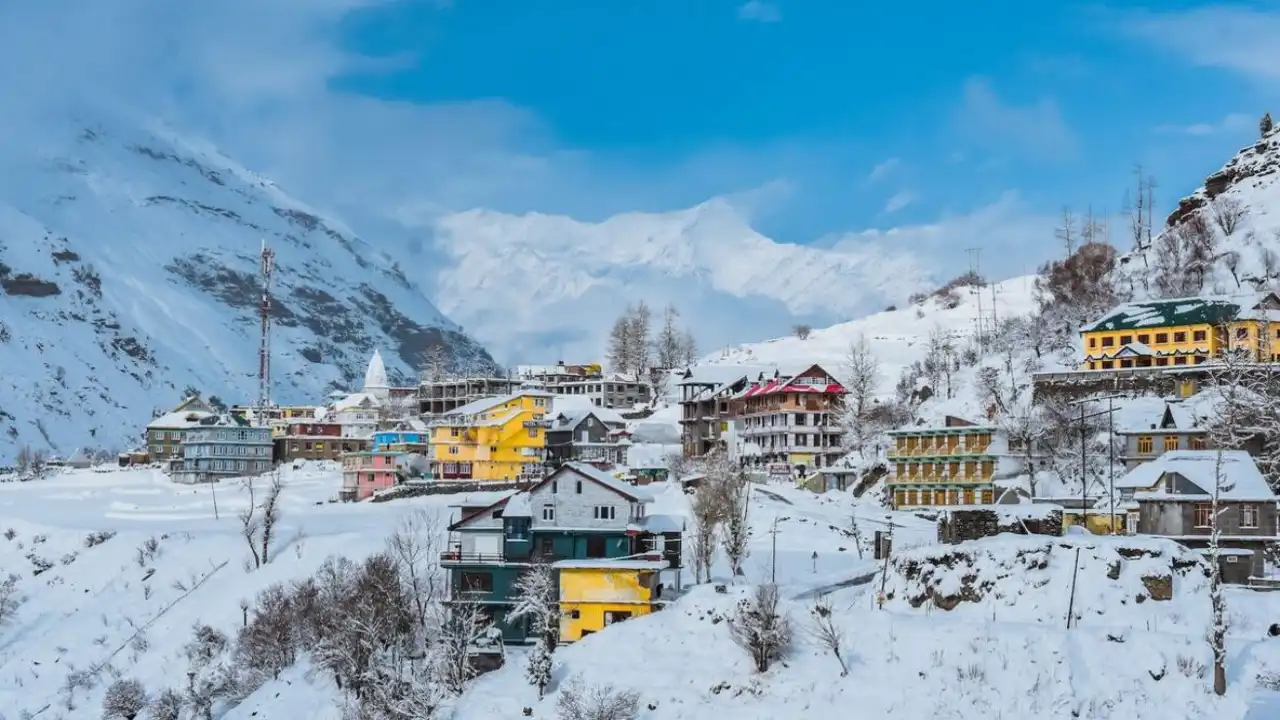
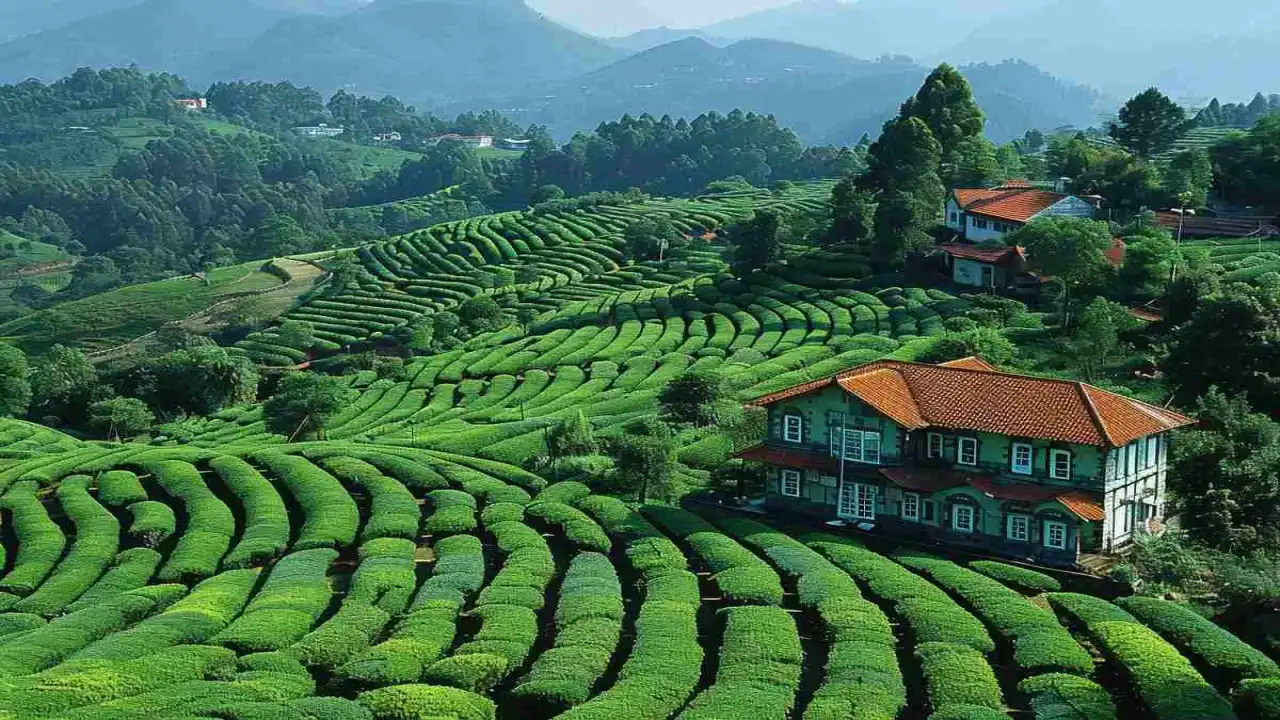
Now, flip the coin. A lot of travelers love the energy of other popular mountain towns across India and honestly, fair enough. These places, honestly, they’re all about tourism, and you notice it the minute you get there. Shimla, Manali, Ooty, Mussoorie, they’ve got streets that never quit, cafés on almost every corner, tiny amusement spots, ropeways climbing the hills, and shopping lanes that feel like they go on forever. It’s busy, noisy, and fun. If you like evenings that hang around instead of disappearing into quiet, you’ll love it. For someone visiting for the first time, it’s kind of a blessing. Hotels, restaurants, sightseeing, everything’s just close enough. You don’t have to think too much, just follow the crowd or the map. It’s neat, predictable but in a comforting way. Perfect if you plan to have fun without stressing over the details.
Landscapes — Raw Valleys vs. Structured Mountain Towns
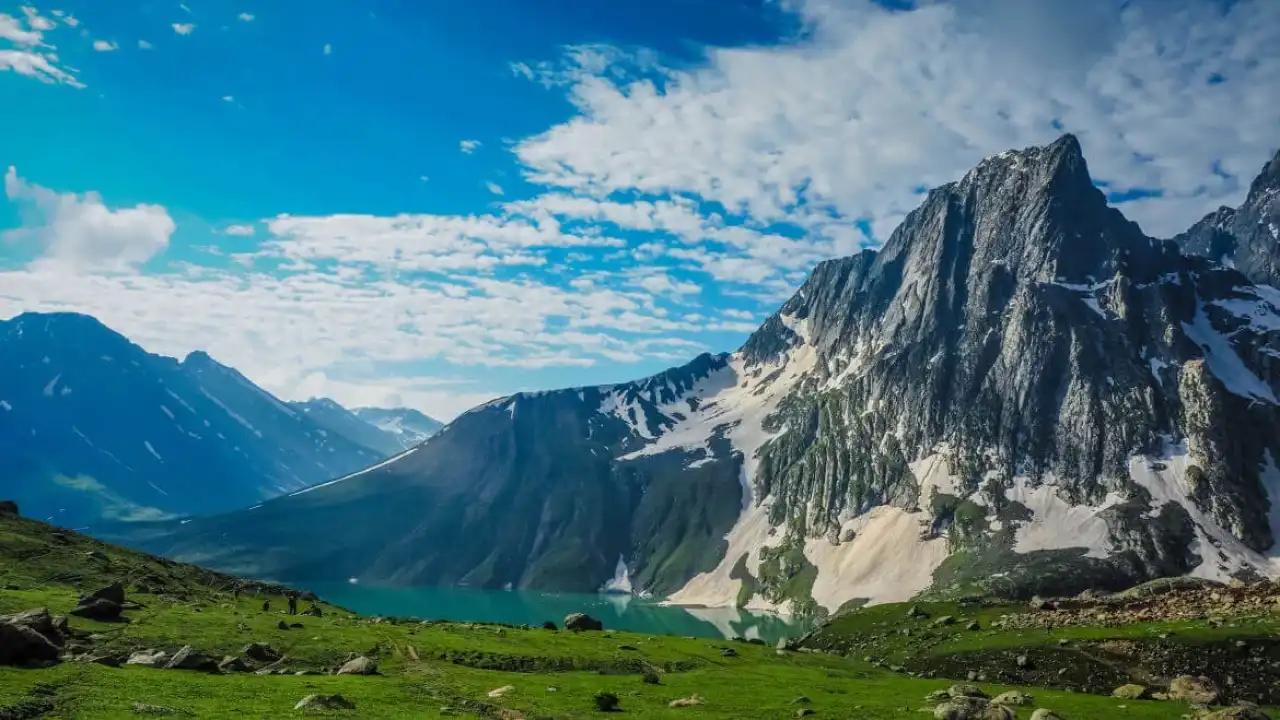
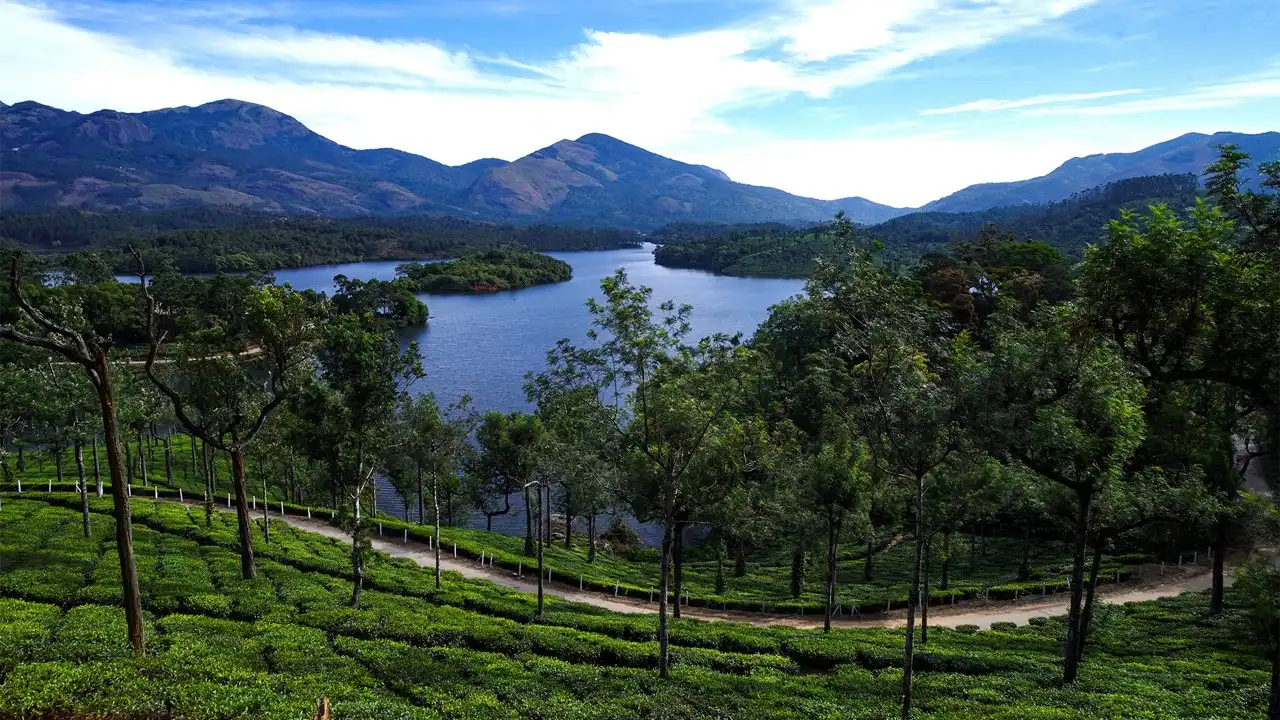
Kashmir feels more open and untouched. Meadows. Pine forests. Apple orchards. Valleys that don’t look like someone designed them for tourism. Every region feels slightly different as you move along, like the scenery keeps unfolding instead of repeating itself. Other hill stations offer beauty too, but in a more structured way, viewpoints with railings, hilltop cafés, parks, lakeside walks, sightseeing loops that fit neatly into half a day. Still charming, still memorable, just a little more curated. And that’s why many nature-focused travelers call Kashmir the “best hill station.” Not because others lack beauty but because Kashmir feels vast, layered, and deeply scenic rather than crowded or staged.
Climate & Seasonal Experience
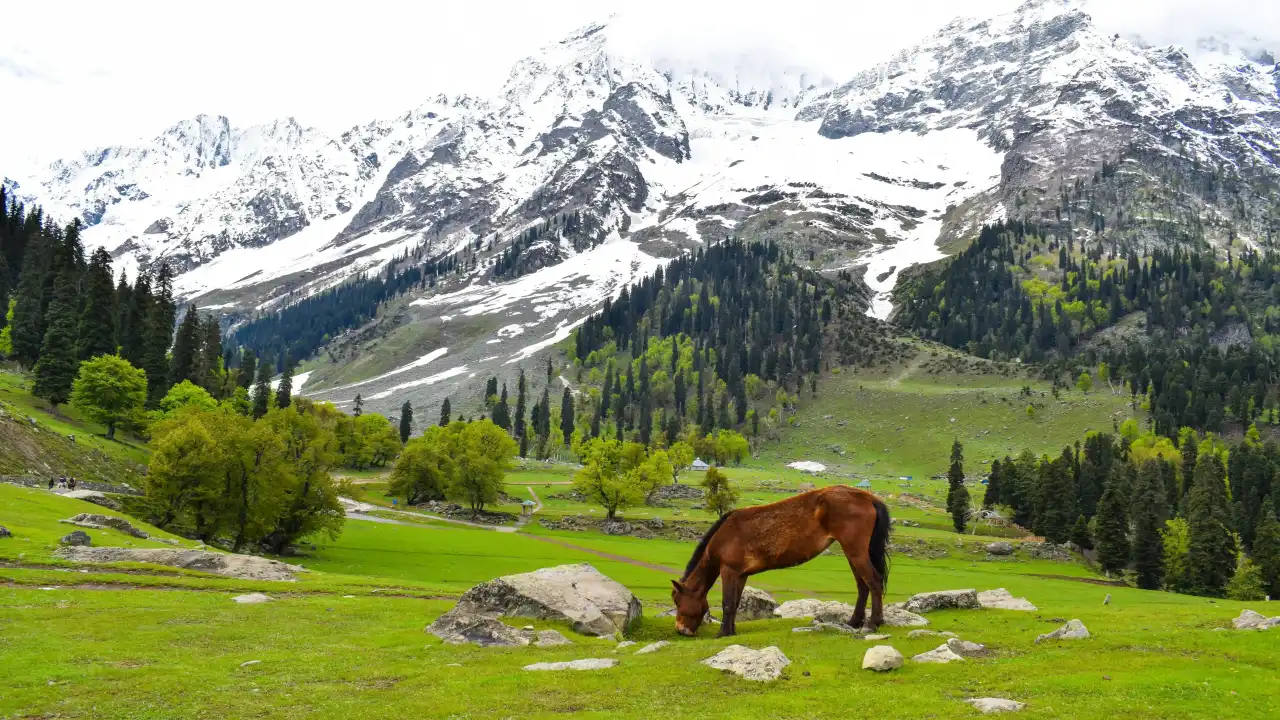
Seasons don’t just change the weather in Kashmir, they change the mood of the whole place. Winters can be dramatic, especially in Gulmarg, where the snow sits heavy on rooftops and trees. Summer brightens everything: rivers, meadows, slopes. Autumn turns leaves into shades of gold that look almost unreal. And spring? Flowers everywhere, like the earth decided to decorate itself. Other hill stations stay pleasant too, but the transitions are gentler. Many places stay green most of the year with smaller temperature swings. So if you love strong seasonal moods, Kashmir feels magical. If you prefer mild and predictable weather, the other destinations make travel easier.
Activities — Slow Travel vs. Lively Tourism
Kashmir leans toward nature-centric experiences:
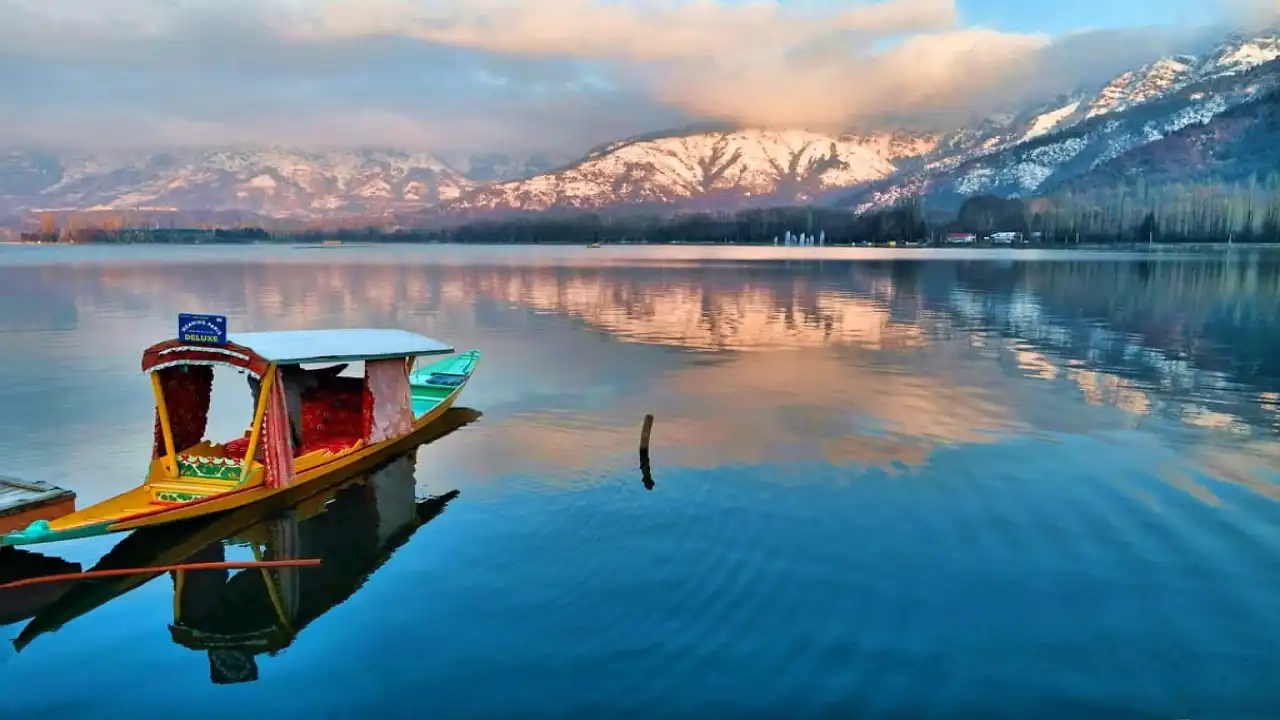
- River walks and scenic drives
- Gondola rides in Gulmarg
- Shikara rides and houseboat stays
- Light treks and countryside wanderings
Other hill stations lean toward lively recreation:
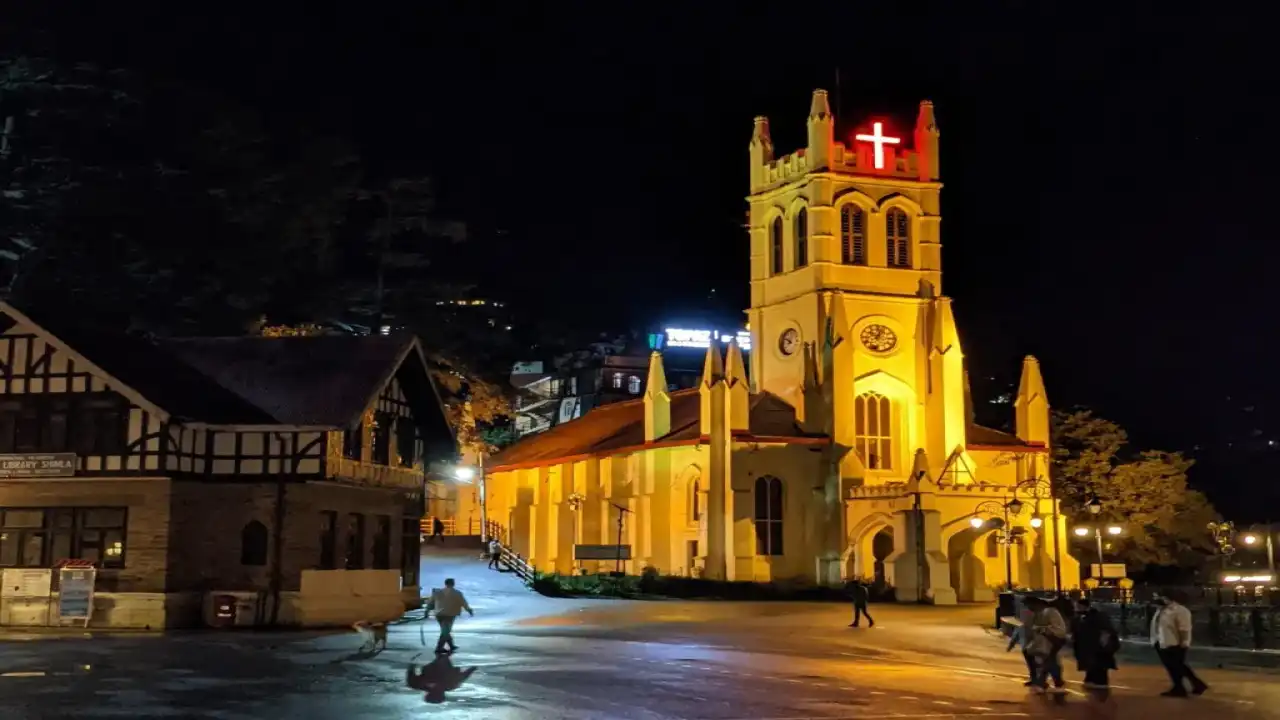
- Mall roads and buzzing markets
- Cafés, games, and small amusement areas
- Toy trains and heritage rides
- Viewpoints and adventure parks
Quick take:
Choose Kashmir if you want slow days and immersive landscapes.
Choose other hill stations if you love activity-packed itineraries.
Culture, Food & Local Interaction
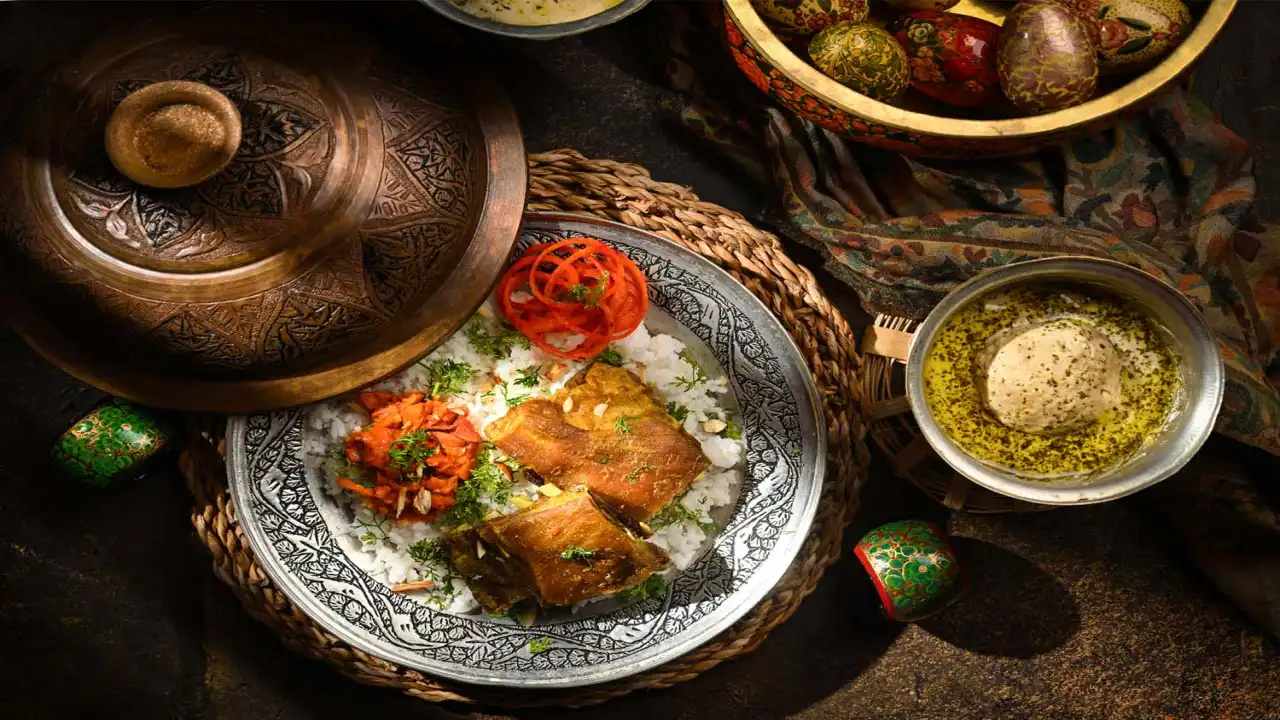
Kashmir carries its own strong cultural flavor, warm hospitality, distinct cuisine, soft-spoken conversations, and traditional markets. Even something as simple as local bread with noon chai feels different. And Wazwan, well, that deserves its own paragraph. In most other hill stations, the culture blends with mainstream tourism. You’ll find multicuisine restaurants, popular snacks, cafés, and street food comfortable, familiar, and easy for everyone. Families, meanwhile, often look for convenient locations with easy transport, nearby hotels, kid-friendly spots, and clear sightseeing plans. That’s why many towns promote family tour packages that wrap stays, transfers, and sightseeing into one straightforward bundle.
Accessibility & Travel Ease
Kashmir needs a little more planning. Flights, transfers, and seasonal road conditions sometimes permit. It suits travelers who don’t mind coordination and slightly longer journeys. Most other hill stations are road-friendly and simple to reach, ideal for weekend plans, road trips, or quick escapes.
Budget & Trip Value
Kashmir can feel premium in some seasons or spots, but honestly, the experience usually feels richer, maybe it’s the wide landscapes, the silence, that little sense of uniqueness you don’t shake off easily. Other hill stations sit across every kind of budget, from pocket-friendly guesthouses to shiny luxury resorts, making them perfect for short, economical getaways when you just need a quick break from routine. And if you like things planned, a curated Kashmir trip package really helps with stays, transport, and sightseeing all stitched together, which many families with elders or kids find far smoother than managing everything on their own.
(Plenty of travelers also browse Domestic tour Packages while comparing places, mostly to see price differences, what’s included, and what kind of vibe each destination actually offers.)
Different choices, same goal: finding the version of the trip that feels right for you.
Who Should Choose What?
Pick Kashmir if you love:
- Wide landscapes and deep scenery
- Quiet spaces and fewer crowds
- Distinct culture and emotional, slow-burn travel
Pick other hill stations if you prefer:
- Easy access and short trips
- Structured sightseeing
- Lively evenings, shopping, cafés, and activities
Conclusion
Sometimes it’s less about which place is better and more about what kind of travel mood you’re in at that moment. Kashmir feels like a place where nature quietly takes charge big skies, slow valleys, and that soft hush in the air. Other hill stations lean the other way, where tourism sets the rhythm: cafés, crowds, lights, plans stacked for the day. Both leave memories, just shaped differently.
If your heart leans toward silence and deep, open scenery, Kashmir tends to stay with you longer. If you enjoy easy access, lively streets, and lots of things happening around you, the busier hill towns make more sense. In the end, the “best” trip is simply the one that matches how you like to wander, slow and close to nature, or social and full of movement.
Safety, Comfort & Practical Tips
Both kinds of destinations welcome travelers warmly. The key is preparation. Kashmir needs stronger seasonal awareness, especially in winter. Other mountain towns usually stay more stable year-round.
A few simple tips:
- Check the weather and road conditions before booking
- Reserve stays early in peak months
- Carry basic meds and light warm layers (even in summer evenings)
- Respecting local customs and pace always pays off