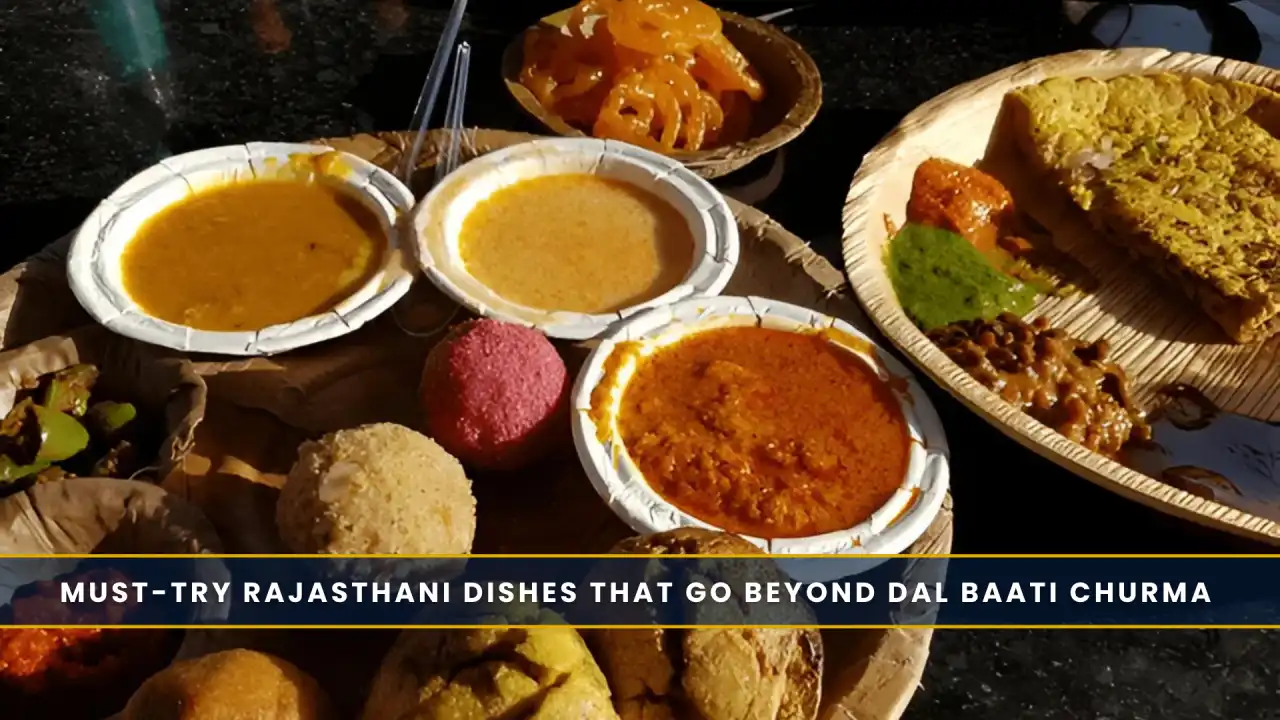
Must-Try Rajasthani Dishes That Go Beyond Dal Baati Churma
Introduction
When people start talking about Rajasthani food, it almost always circles back to dal bati churma. That’s the dish everyone knows. And honestly, it deserves the attention. It’s heavy, rich, comforting in that slow, sit-back kind of way. The kind of food you want when you’re tired and hungry and don’t feel like counting bites. But stopping there feels unfinished. Like reaching a city, snapping one photo near the exit gate, and telling people you’ve “done” the place. Technically true, but not really.
Once you look past the obvious, Rajasthan’s food story opens up in a very different way. It isn’t neat or fancy. It’s layered, sometimes a little rough around the edges. This cuisine didn’t come from abundance or luxury kitchens. It came from heat that doesn’t let up, from dust in the air, from not knowing if water would last. People cooked with whatever they had on hand, and more importantly, with whatever could survive. Over time, those habits turned into food. And that’s what makes it interesting.
Why Rajasthani Food Feels So Different
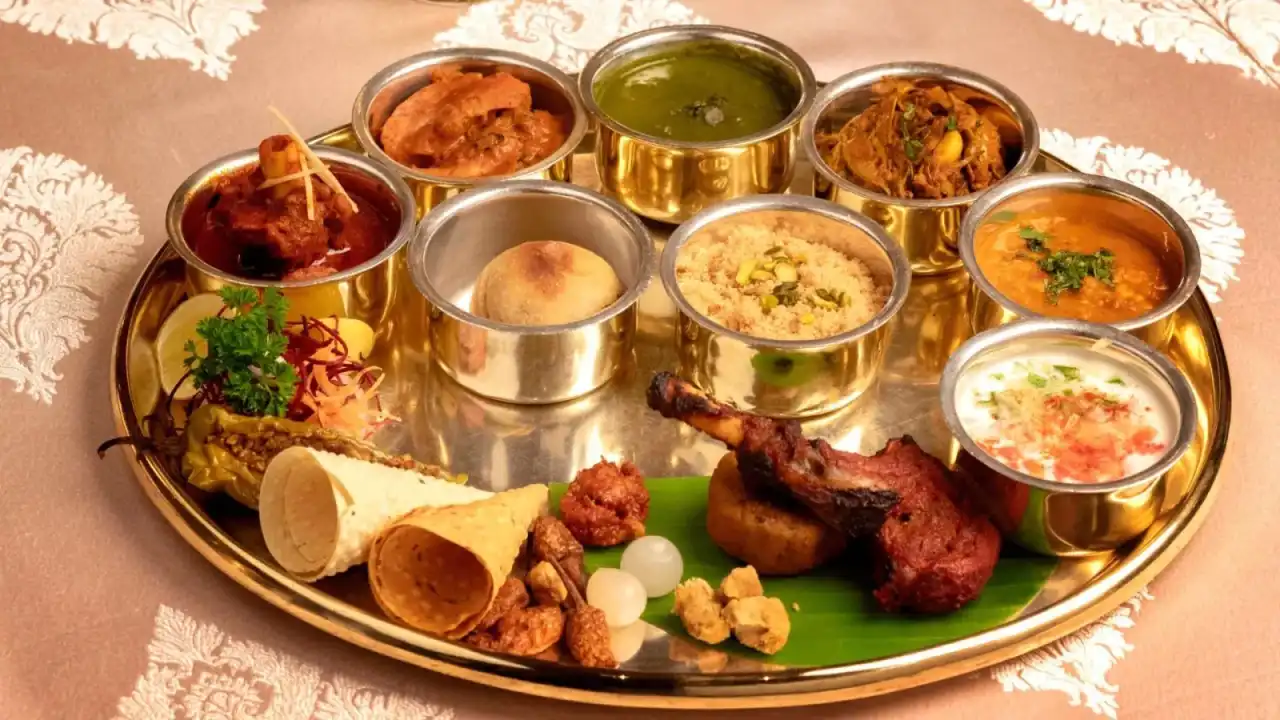
Rajasthan is dry. Not mildly dry. Proper, unforgiving dry. Fresh vegetables were never something people could rely on daily. So kitchens adapted. Slowly. Cleverly. Ghee replaced oil because it lasted longer. Gram flour stepped in where vegetables couldn’t. Lentils became the backbone of meals. Cooking slowed down because food needed to last, and people needed energy for long days. Hospitality matters here a lot. Even a simple meal is served with care and love. Guests are fed more than they ask for. Sometimes more than they can handle. That mindset shaped many traditional Rajasthani dishes. They feel heavy at first, but they make sense once you understand the environment.
A few things you notice quickly:
- Ghee is used generously, without guilt
- Spices build warmth and depth, not just heat
- Meals are designed to keep you full for hours
- Recipes are passed down verbally, not measured
With that context, the dishes below start to make more sense.
1. Gatte Ki Sabzi
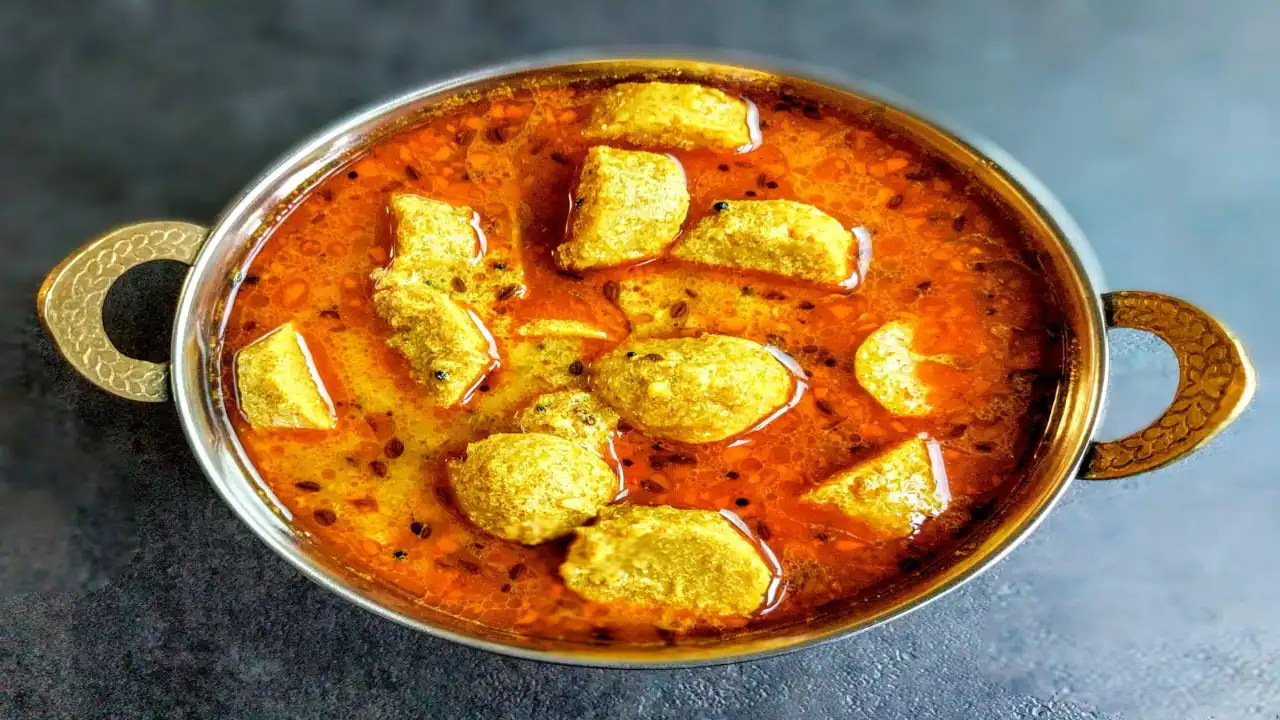
This is everyday food. No celebration required. Gatte ki sabzi shows up quietly, often when there’s nothing much else in the kitchen. Made from gram flour dumplings dipped in a yogurt-based gravy, it’s one of those dishes that always works. The dumplings are firm on the outside and soft on the inside. They absorb the gravy slowly, which somehow makes the dish feel steady and comforting. Most homes eat it with roti. Sometimes rice. It’s dependable food. The kind you don’t think twice about making.
Why it’s worth trying:
- Filling without being overwhelming
- Slightly tangy, warm flavors
- A reminder that simple ingredients can carry a meal
Pro tip: Hand-rolled gatte matter. You can feel the difference, even if you can’t explain it.
2. Ker Sangri
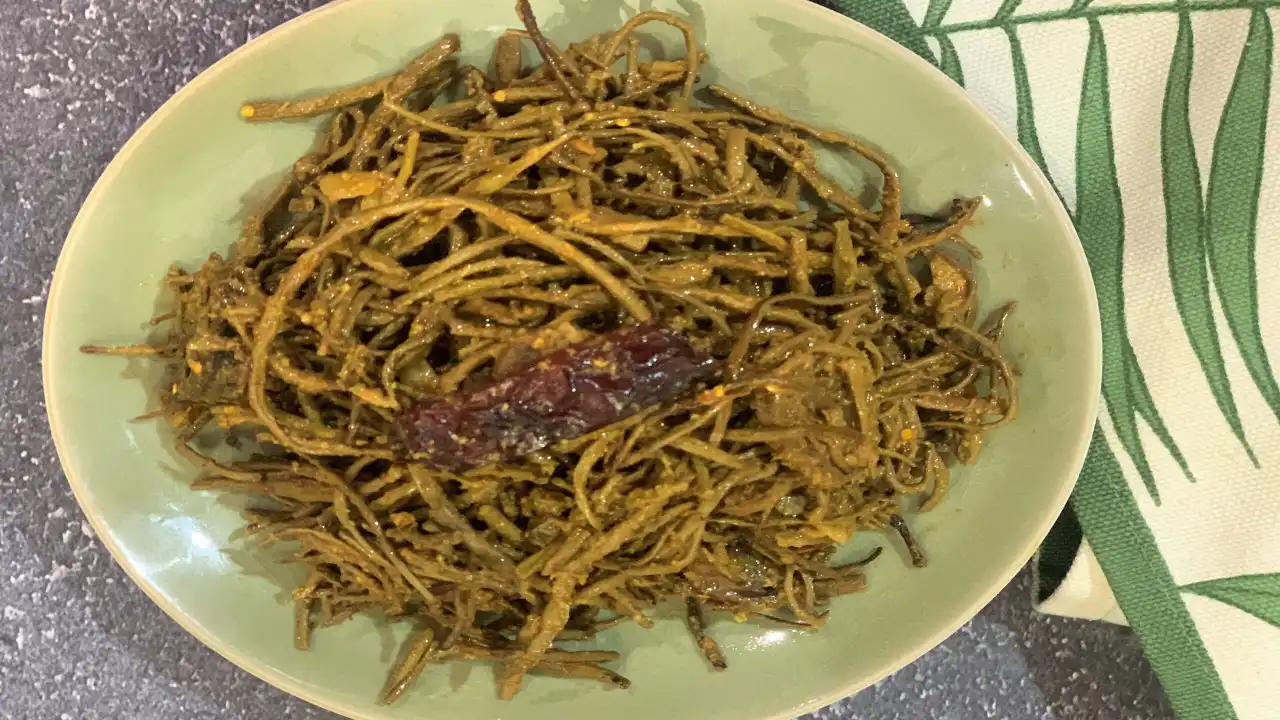
Ker sangri doesn’t try to win you over immediately. It makes you pause. Made from dried desert berries and beans that grow in harsh conditions, this dish tastes earthy, slightly sour, and very much rooted in the land. The first bite can feel unfamiliar. Then something clicks. You keep going back. It’s usually cooked with spices, sometimes yogurt, depending on the household. This is survival cooking turned tradition.
Why it stands out:
- Ingredients rarely seen outside Rajasthan
- Designed to last without refrigeration
- A bold flavor
Pro tip: Eat it with bajra roti. Anything else feels wrong.
3. Laal Maas
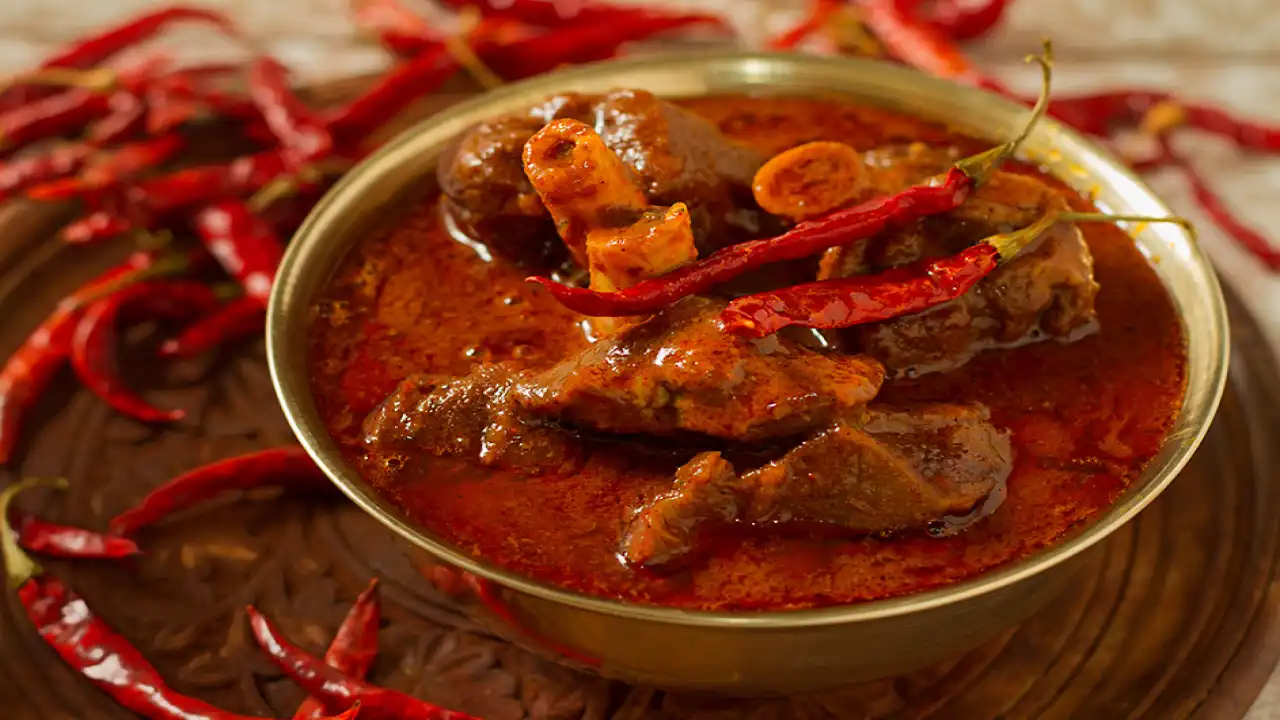
Laal maas doesn’t pretend to be gentle. It’s spicy. Deep, serious spice. Traditionally made with mutton and dried red chilies, this dish is all about intensity. The meat is slow-cooked until tender, and the chilies sink deep into the gravy. It started as hunter food, made with whatever was available. Eventually, it reached royal kitchens. The heat stayed. People who love spice don’t forget it.
Why people order it:
- Smoky, bold flavor
- Rich without feeling oily
- Built for spice lovers
Pro tip: Ask about spice levels before ordering. Some places won’t warn you.
4. Bajra Roti with Lashun Chutney
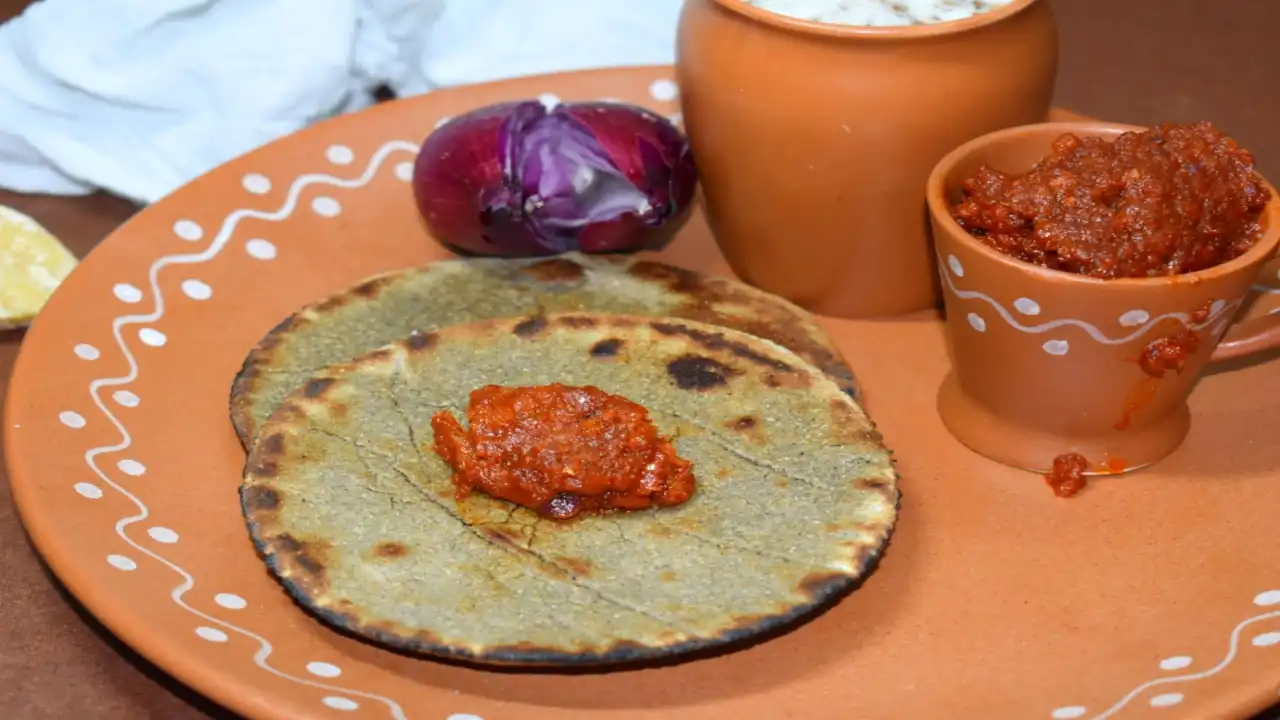
This is honest food. No drama. Bajra roti is dense, slightly rough, and deeply filling. Paired with sharp garlic chutney, it becomes a complete meal. You see it most in villages and during colder months. It doesn’t try to impress. It just does its job.
Why it matters:
- Nutritious and grounding
- A rural staple
- Strong flavors
Pro tip: Add a small spoon of ghee. It changes everything.
5. Mohan Maas
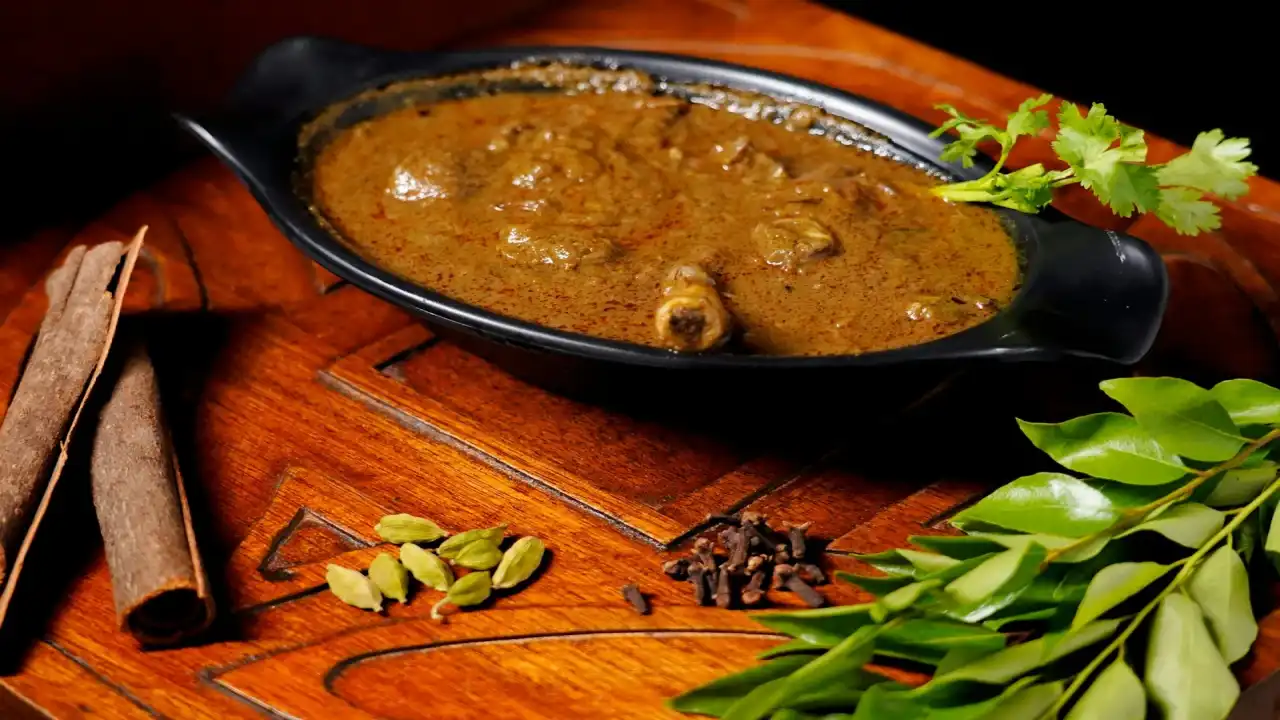
If laal maas is fire, mohan maas is calm. Creamy, rich, and slow-cooked with milk and cream, this dish comes from royal kitchens. The meat becomes incredibly soft, almost falling apart. The spices stay gentle, letting the richness lead. It’s not common everywhere, but it’s worth seeking out.
What makes it special:
- Smooth, luxurious texture
- Mild spice profile
- Old-school royal cooking
6. Papad Ki Sabzi
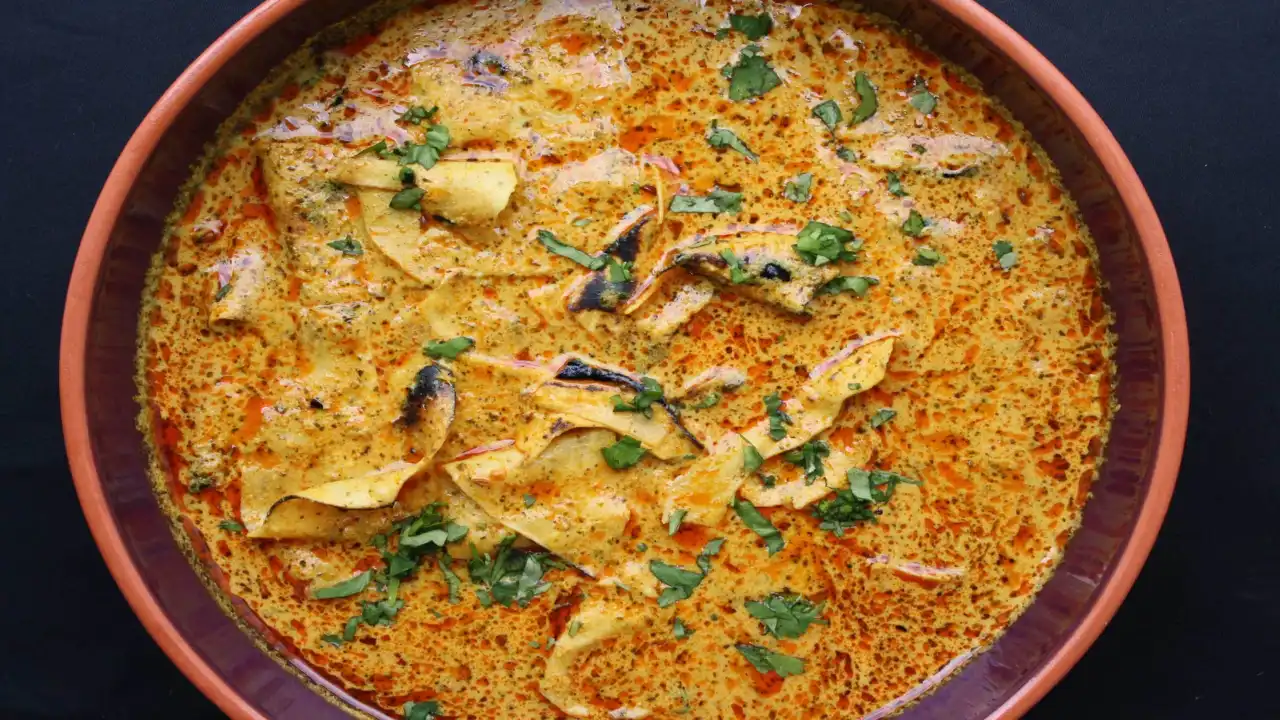
Papad ki sabzi sounds strange until you eat it. Papad, those thin lentil crisps, are cooked in a yogurt-based gravy. They soften but still hold shape, creating a texture that’s both familiar and unexpected. It’s quick, practical, and very much a home dish.
Why people love it:
- Fast to make
- Comforting despite being unusual
- Uses pantry staples
Pro tip: Eat it fresh. Reheating ruins it.
7. Pyaaz Kachori
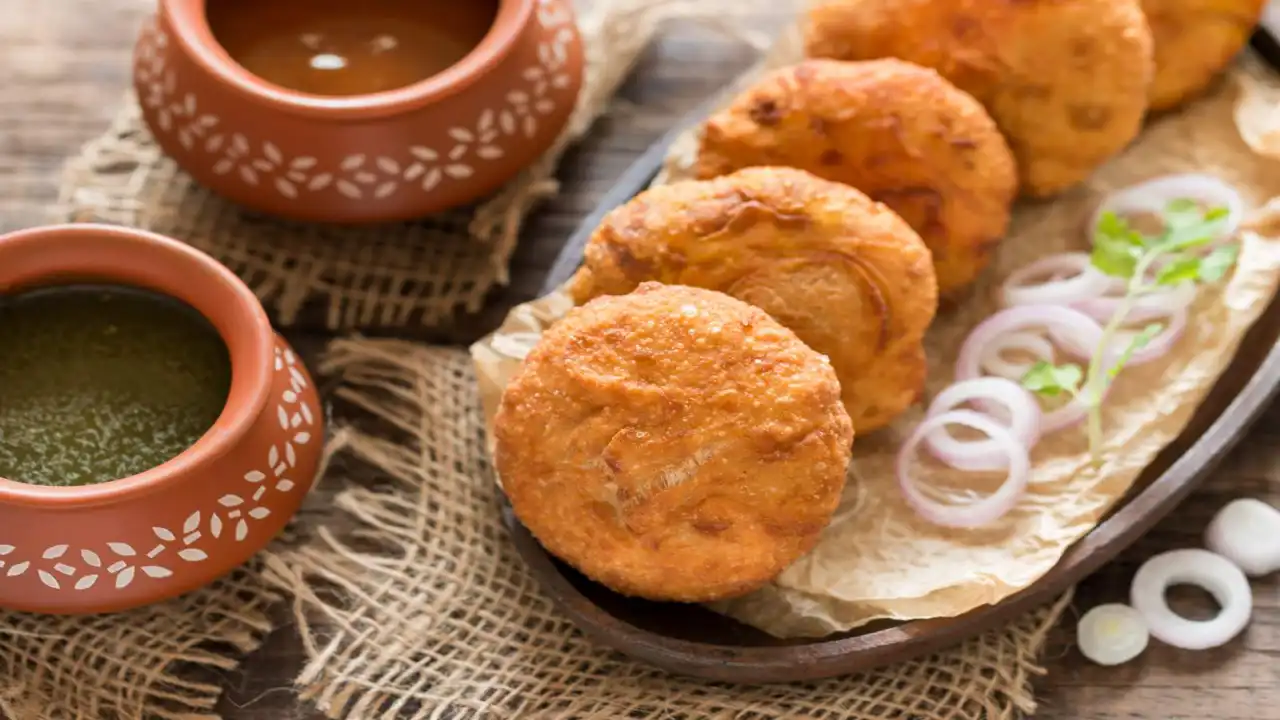
Pyaaz kachori is a morning food. Especially in Jodhpur and Jaipur. Deep-fried, filled with spiced onions, and served hot, it’s the kind of snack you eat standing near a stall. Tea in one hand. Kachori in the other. Talking about nothing important.
Why it’s hard to skip:
- Crispy outside, soft inside
- Strong onion flavor
- Everywhere in local markets
8. Ghewar
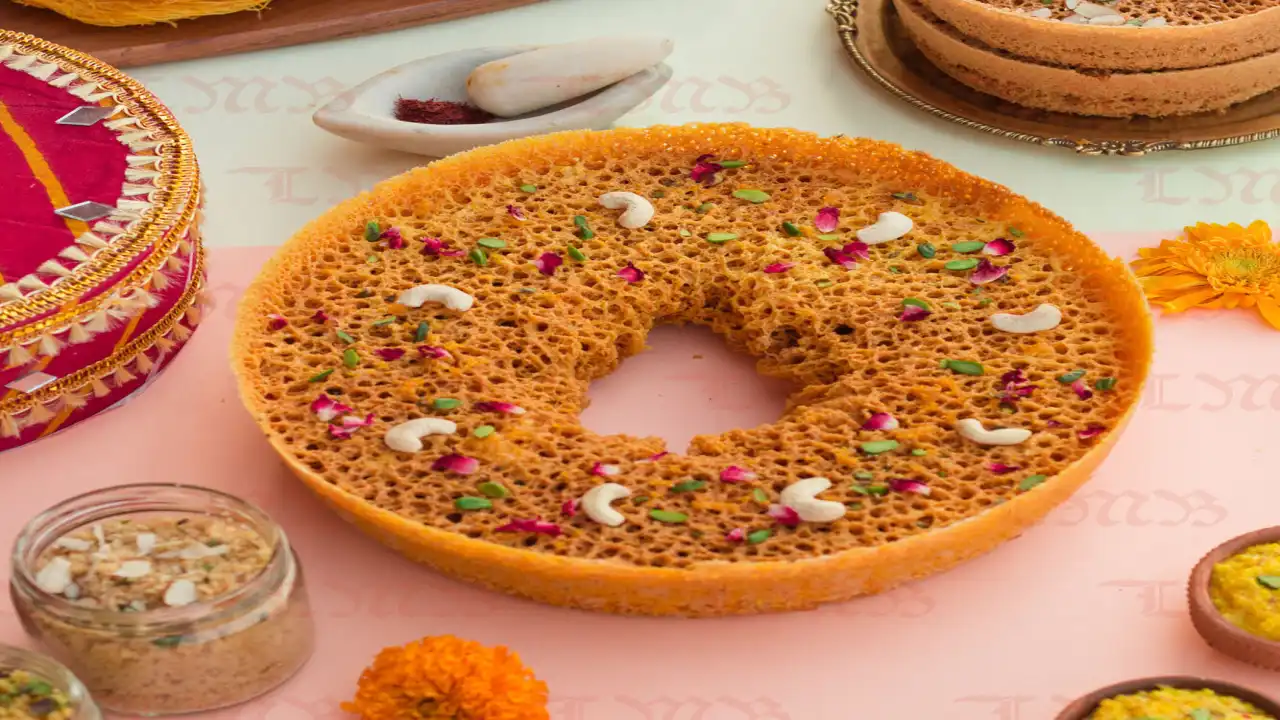
Ghewar appears during festivals. It has a honeycomb texture and is soaked in sugar syrup. Some versions are plain. Some come topped with cream. Families gift it to each other. That alone says enough.
Why it stands out:
- Unique texture
- Linked to celebrations
- Sweet without being cloying
Food and Travel, Always Together
Food explains a place better than guidebooks ever can. Many travelers now plan trips around meals, not monuments. And honestly, those are the memories that last. Exploring Rajasthan through Family trip packages that include food experiences adds depth to the journey. You don’t just see places. You sit, eat, listen, and remember.
Beyond the Plate
Meals open conversations. About families. About seasons. About weddings and old habits. That’s where travel feels real. Many people choose a Rajasthan tour package that allows time for proper meals instead of rushed stops. It changes the pace. And the experience.
Conclusion
Rajasthan’s food goes far deeper than people expect. Every dish carries traces of survival, pride, and generosity. If you like understanding places through food, Rajasthan stays with you. Its cuisine is practical, bold, and closely tied to everyday life. These dishes are only the beginning. Once you start eating this way, you realize Rajasthan cuisine isn’t just about feeding you. It’s telling you stories, one plate at a time.
Practical Food Tips
- Start slow with spice
- Follow where locals eat
- Ask about ingredients if unsure
- Balance heavy meals with water and lighter food