Thailand Visa Tips for the Indian Traveller
Introduction
Traveling to another country isn’t only about booking flights and scrolling through hotel photos. It’s also about that quiet confidence you carry when you know your paperwork is sorted. For a lot of first-time Indian travelers heading to Thailand, that confidence really begins with understanding the visa process. If you’ve ever found yourself worrying about documents or second-guessing what immigration officers actually check, trust us, you’re not the only one. Almost everyone goes through that phase before their first international trip.
This guide walks through things in a simple, friendly way, more like someone sharing lessons from their own journey rather than reading from a rulebook. You’ll find practical tips and the kind of advice people usually learn only after they travel. And yes, right here in the beginning, we touch on Thailand Visa Tips for the Indian Traveller, and from here onward, we move naturally into helpful details without repeating them.
A Real-Life Beginning — Why Understanding the Visa Matters
Picture this for a moment. You’re standing at Mumbai airport with your passport tucked under your arm, and your head is already wandering to Phuket beaches or those loud, colorful Bangkok markets. Then suddenly, that tiny voice kicks in. Wait, did I fill that form correctly? What if the officer asks something unexpected?
It happens to almost everyone. The funny thing is, most problems don’t come from strict rules; they come from confusion. Once you get why officers ask certain questions and what they’re trying to confirm, the whole thing feels less scary. It’s kind of like doing a quick rehearsal before stepping on stage. Nerves calm down when you know what’s coming.
Understanding Thailand Visa Options for Indian Travelers
Before submitting anything, it's helpful to know which visa best suits your travel plan. Thailand gives a few options, and choosing the right one saves a lot of unnecessary stress.
Common choices people go for include:
- Visa on Arrival (VOA) — usually for short leisure trips
- Tourist Visa (applied in advance) — for slightly longer stays
- Multiple-entry visas — useful if you plan to visit more than once or combine trips
Think of it like driving on a highway, pick the lane that matches your speed and destination, and the ride feels smoother.
Documents You Should Prepare — A Simple Checklist
Instead of memorizing rules, treat this like a travel-folder checklist. Some people even keep everything in one zip pouch, which makes life easier at the counter.
You’ll generally need:
- A valid passport with enough remaining validity
- Recent passport-size photos
- Return flight tickets
- Hotel booking or accommodation proof
- Bank balance or financial proof
- Filled application form
- Travel insurance (honestly, a wise idea)
Pro Tip:
Carry photocopies. Immigration officers appreciate neat, organized paperwork; it shows you’re prepared and not guessing your way through.
A Small Scenario — What Really Happens at the Counter
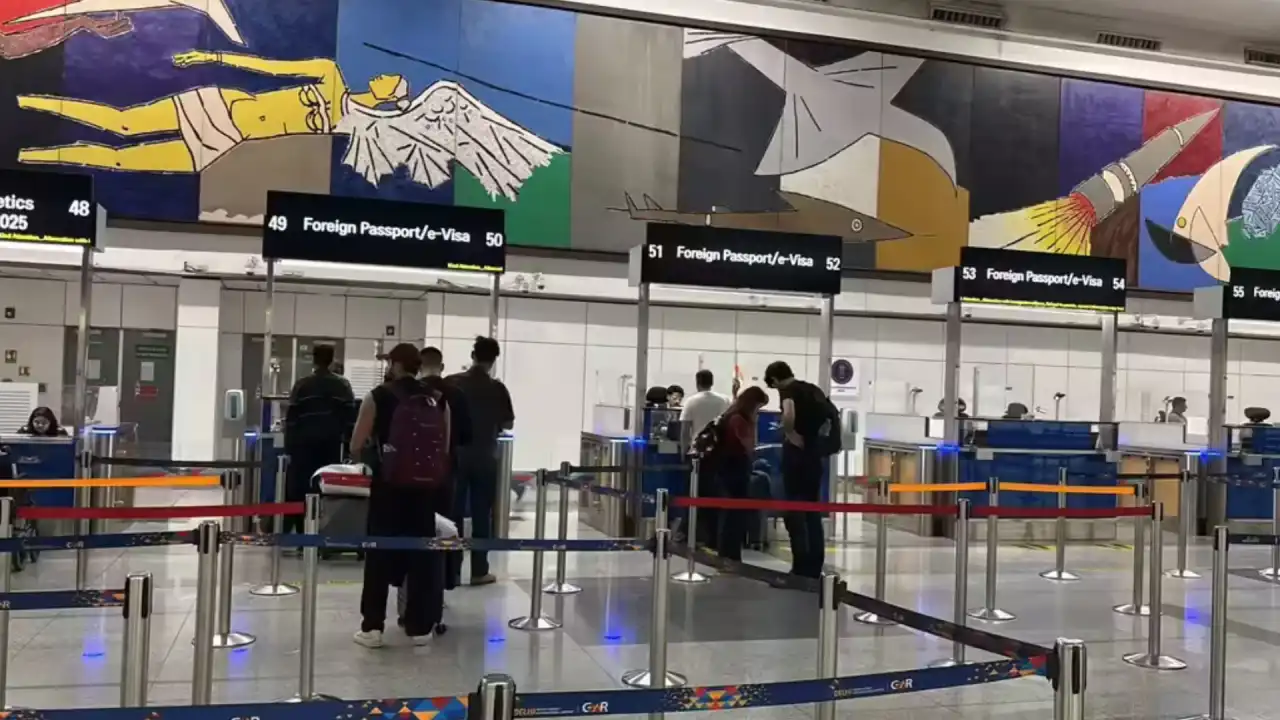
A lot of people imagine immigration like a strict interview scene from a movie. In reality, most conversations are short and straightforward.
Typical questions might be:
- How long are you staying?
- Where will you be staying?
- When is your return flight?
If your answers match your documents, things move quickly. It’s less about perfect English or flawless answers and more about being honest and clear.
Planning — Why Timing Matters

One common mistake? Applying too late. Visa timing works a lot like catching a train; arriving early simply makes the journey calmer.
A rough timeline that works well:
- Start preparing 2 to 3 weeks before travel
- Leave room for correcting small errors or printing missing papers
- Avoid last-minute scrambling
Pro Tip:
Festival seasons get busier than you’d expect. Apply earlier if you’re traveling around holidays.
Budgeting for the Visa — Small Things People Forget

Visa fees change sometimes. So instead of assuming old rates, always double-check the latest info before payment. Also, remember tiny side expenses photos, photocopies, and travel to the submission center, they sneak up quietly.
Keep these in mind:
- Maintain a small budget cushion
- Avoid shady middle-agents who “promise shortcuts.”
- Keep every receipt; don’t toss them casually into your bag
If anything feels confusing, ask. Guessing usually makes things harder.
Financial Proof — What Officers Really Look For

Financial proof isn’t about showing wealth. It’s simply about proving that you can support your stay without trouble.
Examples that usually work well:
- Savings account statements
- Salary account records
- Recent transaction history
Avoid making large deposits right before applying, as they may appear suspicious and raise questions.
Immigration Experience at Arrival — What to Expect
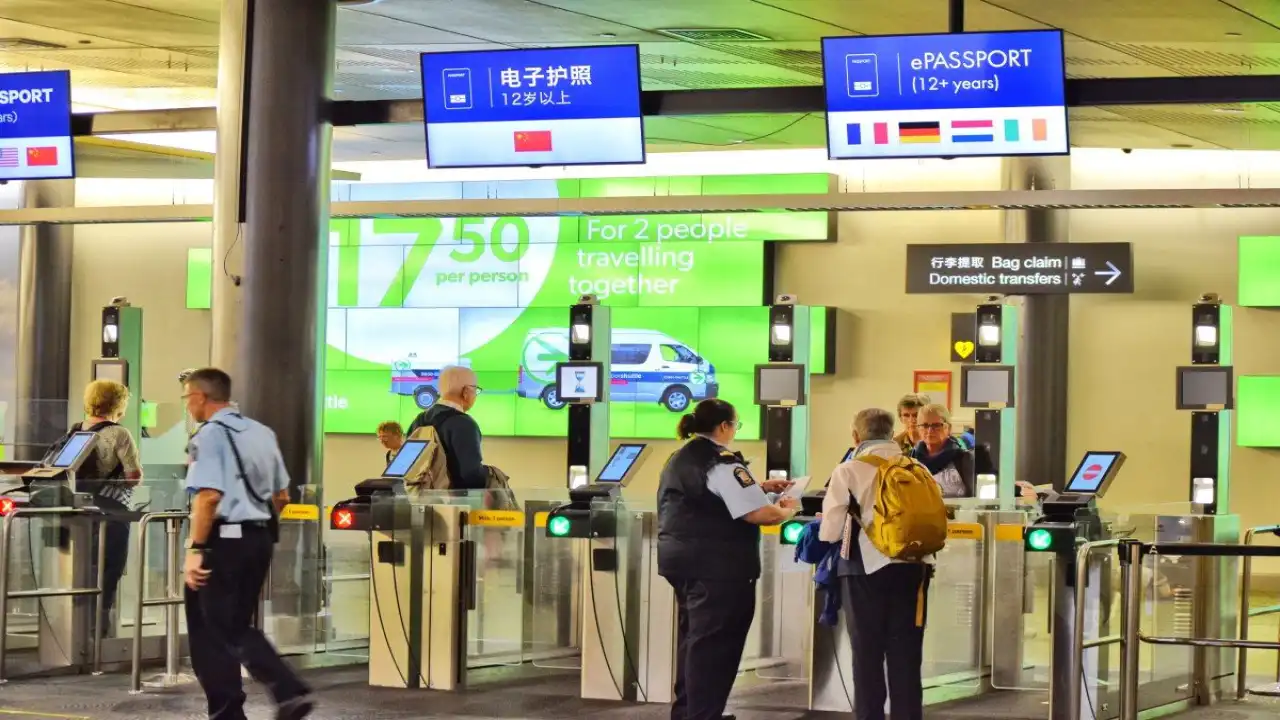
When you land in Thailand, immigration usually feels calm and orderly. Officers may ask again about:
- Your length of stay
- Where are you staying
- Your return flight
Answer briefly and confidently. Short, straightforward answers work best.
Pro Tip:
Avoid unnecessary explanations, just answer what’s asked.
Linking Your Trip to Your Travel Plan
Your paperwork should tell a simple, believable travel story where you’re going, how long you’ll stay, and how you’ll manage expenses.
For example:
- Hotel booking dates match your trip dates
- Return ticket aligns with your stay duration
- Bank balance reflects realistic travel spending
When everything aligns, your application feels solid and reliable.
When You’re Booking Experiences
While planning, some travelers also look at structured itineraries or guided trips. If you’re someone who likes things organized, you might even compare a Thailand Holiday Package just to understand costs and what’s included. It’s not compulsory for the visa, but it sometimes helps you present a clearer travel plan.
First-Time Traveler Confidence — Learning from Common Mistakes
Let’s look at mistakes people often make (and later regret):
- Submitting half-filled forms
- Using blurry or incomplete hotel booking screenshots
- Mixing personal money and sponsor money without clarity
- Having mismatched dates across papers
Pro Tip:
Read your documents like a story. If the flow makes sense, you’re usually on the right track.
Traveling With Friends or Family? What Changes
Traveling in a friend's group doesn’t mean one person carries everyone’s paperwork. Each traveler still needs their own documents and proof.
For instance:
- Everyone should keep individual document sets
- Friends or family, Group tickets are fine, but names and details must be visible
- One incomplete file can create delays for that person
Sometimes families also explore a family package while planning, mainly to manage budgets and schedules more smoothly.
Accommodation Proof — More Important Than People Think
Accommodation proof shows where you’ll stay and for how long. Even if you’re staying with a friend, the details should be clear and documented.
Practical reminders:
- Use official booking confirmations
- Don’t rely on vague or temporary plans
- Keep printed copies, phones die, printers don’t
Pro Tip:
If you booked a refundable stay, be mindful of cancellation timing. Don’t cancel too early before your trip.
When You Prefer Structured Itineraries
Some travelers like free exploration, while others prefer a planned route. If you fall into the second group, exploring something like a Thai tour package can help organize travel between cities and sightseeing schedules. It isn’t a visa requirement, but it often makes your plans easier to explain if asked.
Showing Travel Purpose Clearly
Your documents should reflect your real travel intention. If the trip is for tourism, your bookings and timeline should support that, not something unrelated like business visits.
Stay consistent by:
- Keeping explanations simple
- Matching trip duration to your bookings
- Sharing only relevant details
Consistency builds trust and that’s what officers look for.
Health, Safety, and Basic Preparedness
Travel insurance may not always be compulsory, but it’s honestly smart to have. Think of it like carrying a spare tire; you hope you’ll never use it, but you’ll be glad it’s there if something goes wrong.
Other small but useful habits:
- Save emergency contacts in your phone
- Know your embassy or consulate location
- Learn a few local rules beforehand
Tiny details often make big differences during travel.
Travel Planning Beyond the Visa
Once the visa part is sorted, the real excitement begins: food trails, night markets, little island ferries, all of it. Some travelers later start exploring bigger journeys and even compare International Packages for future trips, using Thailand as their “first big step” into global travel. That’s how confidence grows one trip at a time.
Conclusion
The visa process may feel confusing the first time, but once you understand how it works, everything becomes much easier, almost like learning a simple board game before playing. It’s not about perfection. It’s about preparation, clarity, and staying calm. With organized documents and a clear plan, your journey to Thailand starts smoothly, leaving you free to focus on memories, moments, and experiences instead of paperwork. Travel safe, stay curious, and enjoy every bit of the adventure ahead.
Practical Pro Tips
- Keep your phone charged sometimes, officers ask to see digital copies
- Avoid last-minute plans, rushed itineraries look uncertain
- Double-check spellings (names, dates, passport numbers)
- Plan realistic budgets that reflect responsibility
- If unsure, ask; guessing rarely helps