Traditional European Bakeries and Europe’s Deep-Rooted Bread Culture
Introduction
Europe and bread, it’s complicated. Not just food. Walk down a random street and there it is: the smell. Warm, yeasty, sometimes a little tangy, drifting out of tiny shops squished between old buildings. You follow it, half awake, half hungry, and suddenly you’re standing in front of a boulangerie. A crusty baguette winks at you from the window. Danish pastries puff up like little clouds. Dense German rye stares back, serious as ever. Each one has a story, a little history baked into it. And honestly, that’s exactly what it is, history you can chew.
European bakeries aren’t just places to buy bread. They’re living museums, little slices of culture you can hold in your hand. Recipes are often ancient, passed down like family secrets. Some have been in business for a hundred years or more. Planning a trip, any kind of trip, without stopping to taste authentic European bread? Don’t even bother.
The Heartbeat of Europe: Traditional Bakeries

Walking into a European bakery feels accidental, like you stepped in to escape the cold and stayed. The air hits first hot bread, sugar, butter, something nutty you can’t name. Kids press their faces to the glass, leaving foggy circles and fingerprints everywhere. Old men sit at a corner table, newspapers open, grumbling at nothing in particular.
Behind the counter, dough lands hard on wood, no ceremony, just work. Trays bang, metal on metal, the coffee machine screams and then goes quiet again. Shelves are stuffed too tightly with baguettes bending, braids tangled, and rolls cracking under your fingers. You tell yourself you’re in a hurry, but your feet don’t listen. There’s flour on a child’s cheek, sunlight stuck on a jam tart like it chose that spot. You sip your coffee slowly, watching, and forget why you were rushing in the first place.
France: Baguettes, Croissants, and Tiny Sweet Things
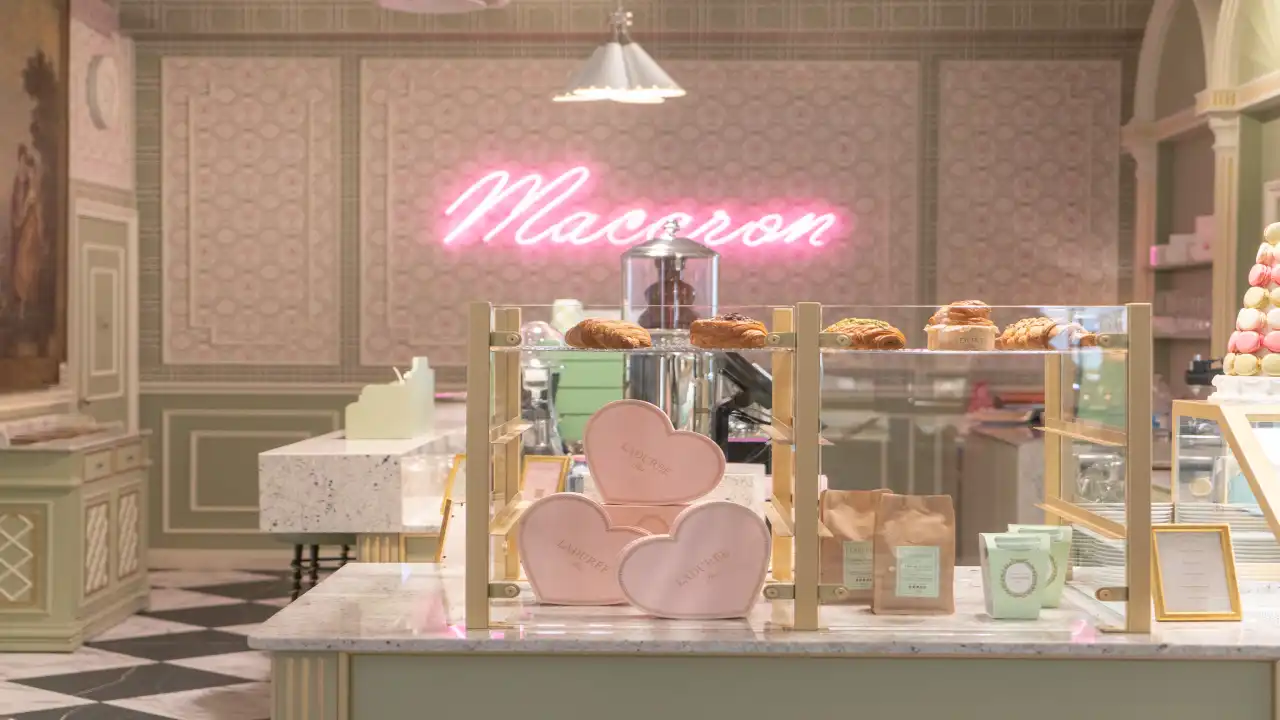
Paris has a million boulangeries and honestly, you could spend a month and still can't try them all.
- Poilâne (Paris) – Famous for sourdough. Crust that cracks in your hands, soft inside. Been baking since 1932. This is bread that makes you pause mid-bite.
Pro Tip: Their apple tart. Sweet, buttery, a little tart from the apples. Worth getting up early for. - Ladurée (Paris) – Macarons. Yes, everyone knows. But also buttery croissants, delicate pastries that almost melt when you breathe near them. An early morning visit is key. The crowd arrives fast.
Some French bakeries still use wood-fired ovens, hand-kneaded dough. Slow, patient. Every loaf tastes like someone spent time loving it.
Austria: Vienna, Cake Heaven
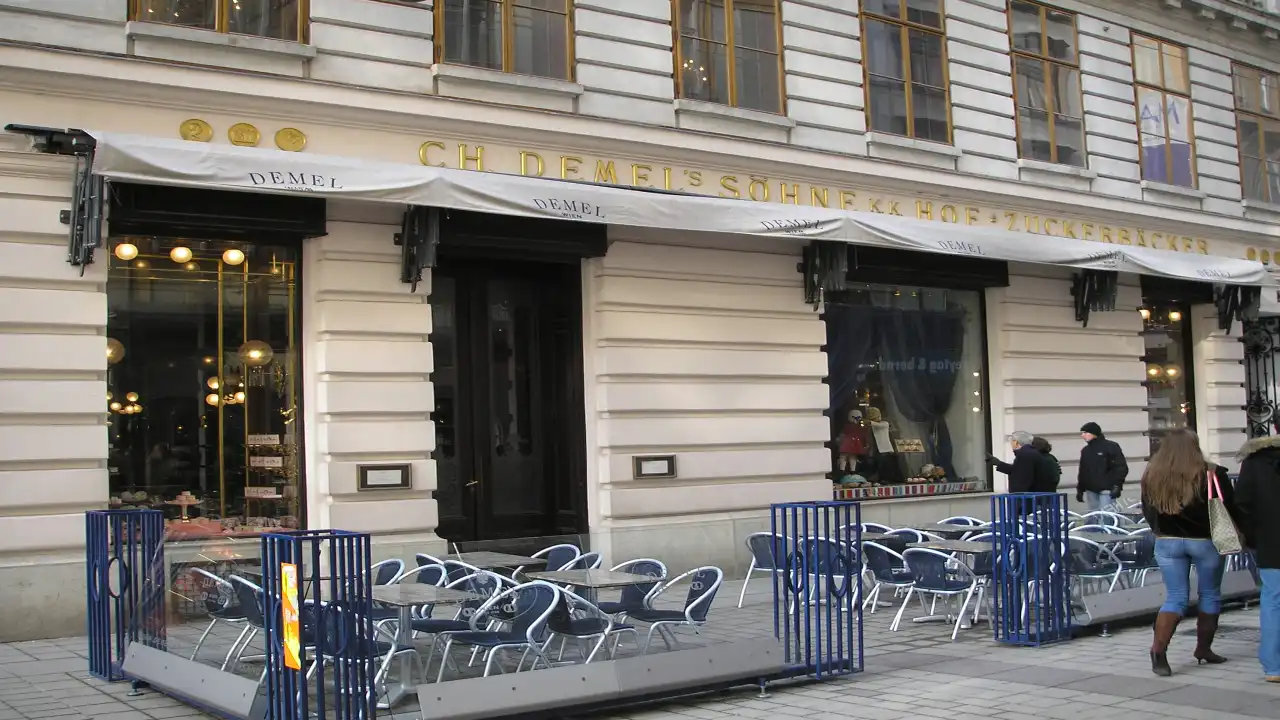
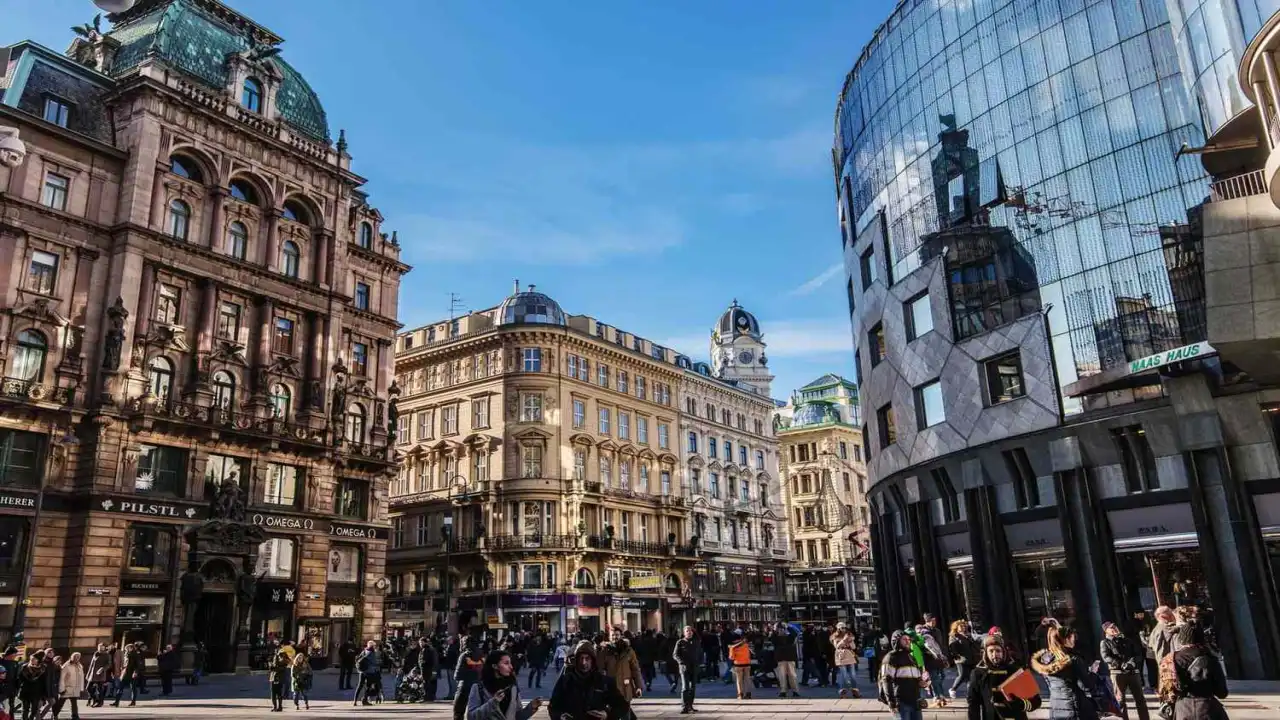
Vienna is not about bread alone. Here, bakeries are more like temples. Cakes, pastries, and coffee are life.
- Demel (Vienna) – Sachertorte. Chocolate, apricot jam, cream. Eat slowly. Close your eyes. You’re welcome.
- Café Central – Historic, literary, a little fancy, but the pastries are down-to-earth magic. Croissants, tiny tarts, buttery everything.
Austrian bakeries show something cool: food isn’t just fuel. It’s social glue. People wait for hours for coffee and cake. You might forget time exists.
Germany: Where Bread Matters
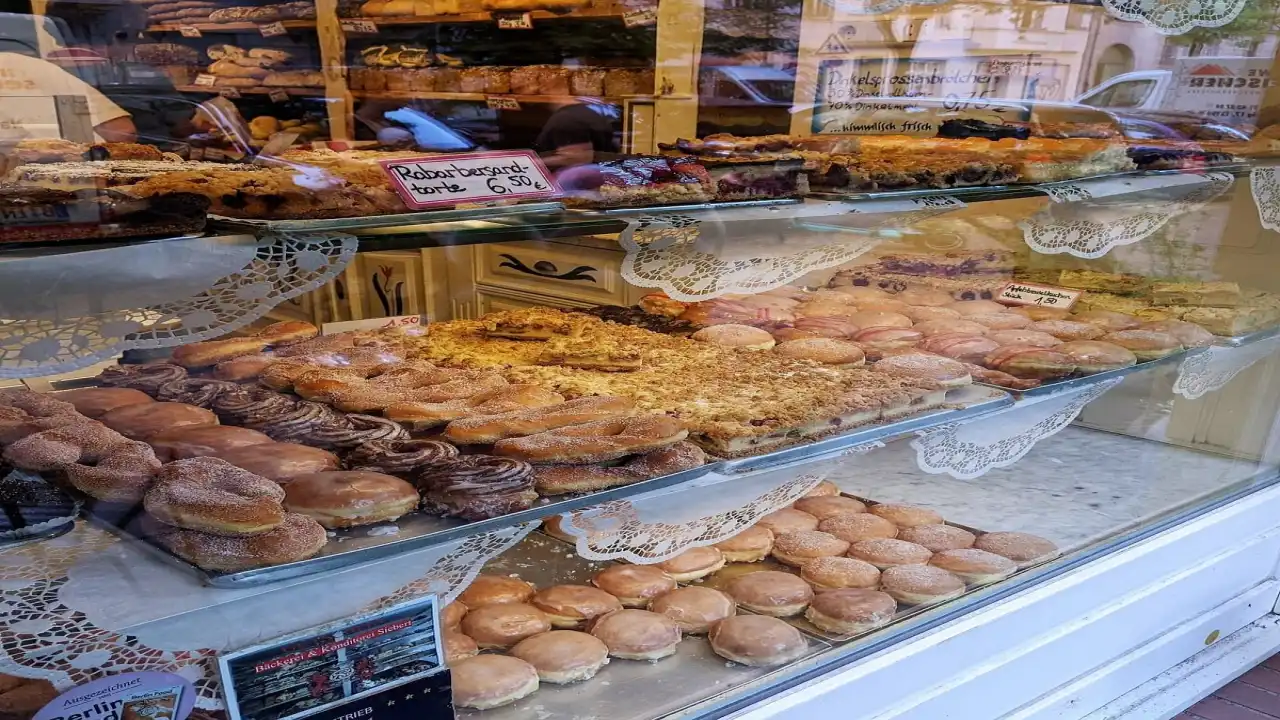
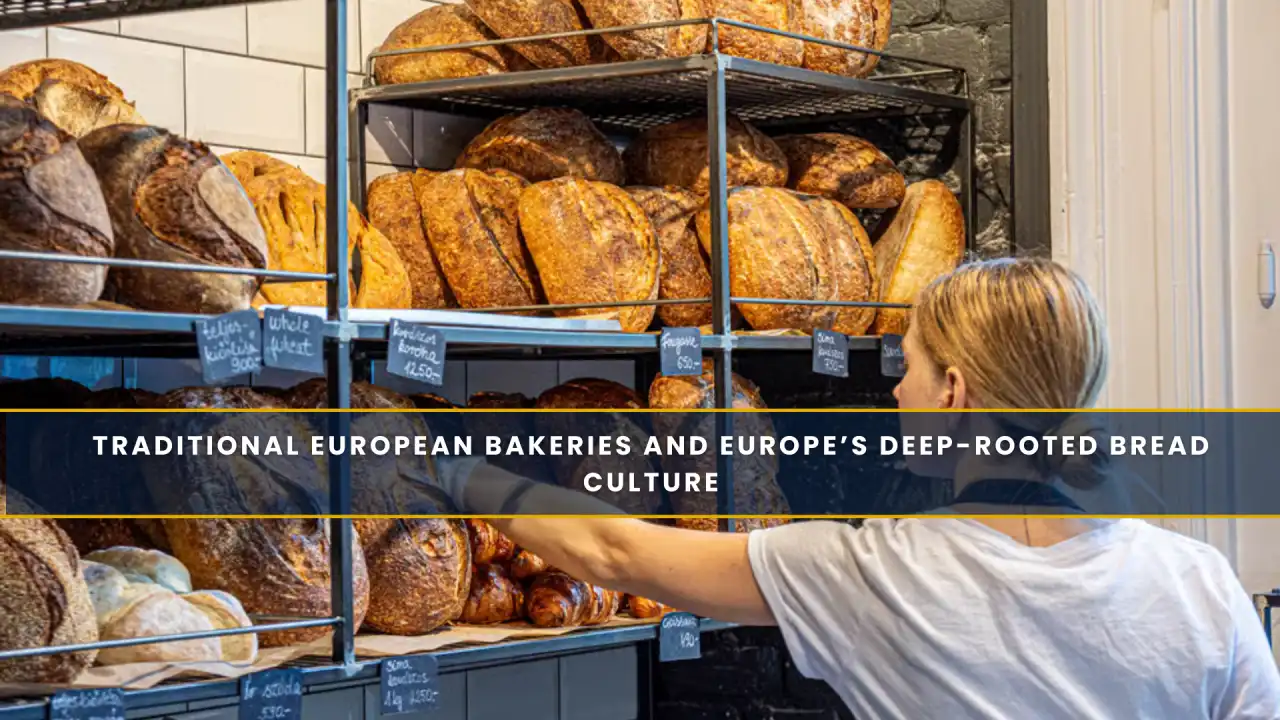
Germany. Bread isn’t a snack here. It’s an institution. Rye, spelt, multigrain, over 300 varieties.
- Bäckerei Siebert (Nuremberg) – Rye bread so dense it could double as a pillow. Slice it, add cheese, and it's a snack heaven.
- Ritter Sport Café (Berlin) – Not a bakery in the classic sense, but chocolate plus cake combos? Yes, take it.
Each loaf is regional. Northern rye, southern spelt, central multigrain. Geography on a plate.
Italy: Simple, Delicious, Perfect
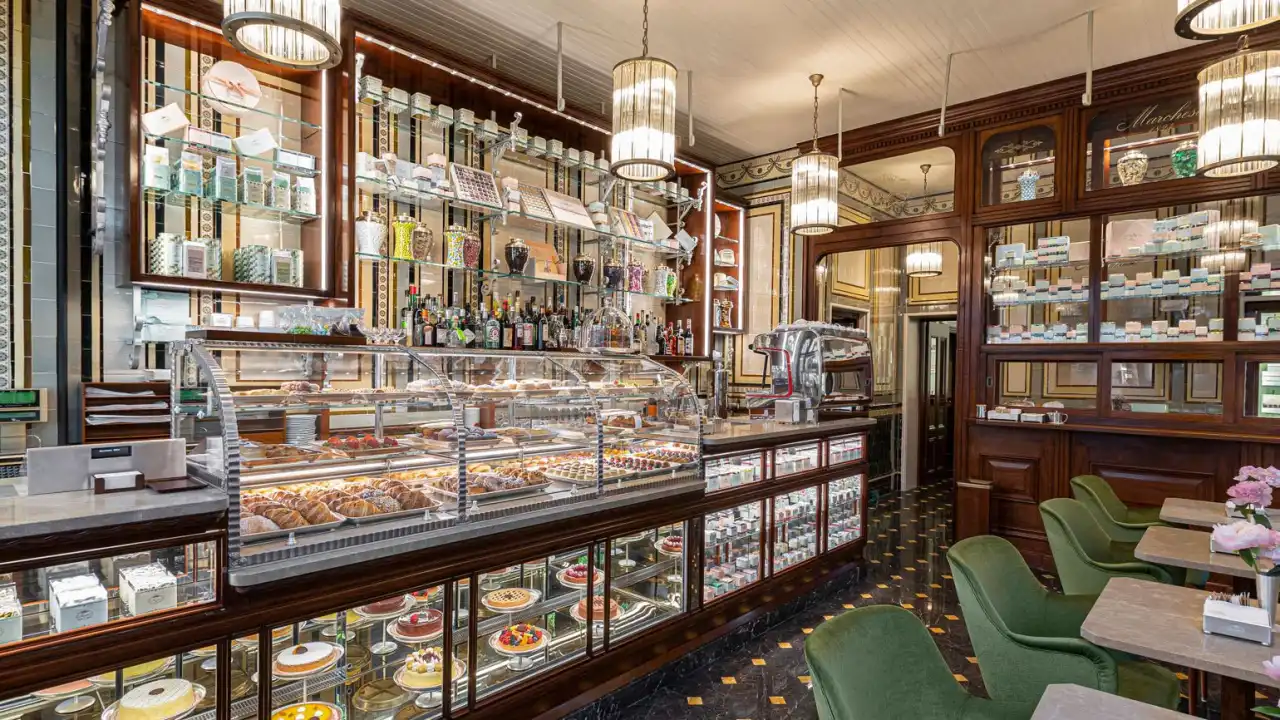
Italian bakeries look simple. Don’t be fooled. Perfect breads, focaccia, pastries, panettone, centuries of know-how hiding in plain sight.
- Pasticceria Marchesi (Milan) – Almond cakes, soft breads, pastries that almost melt in your mouth. Around Christmas? Panettone is a legend.
- Forno Campo de’ Fiori (Rome) – Rustic breads, focaccia. Fresh out of the oven. Golden crust, soft center. Eat with olive oil. You won’t regret it.
Italy is comfort food, heritage, and family. Nothing fussy. Just good things.
Why Bread Matters
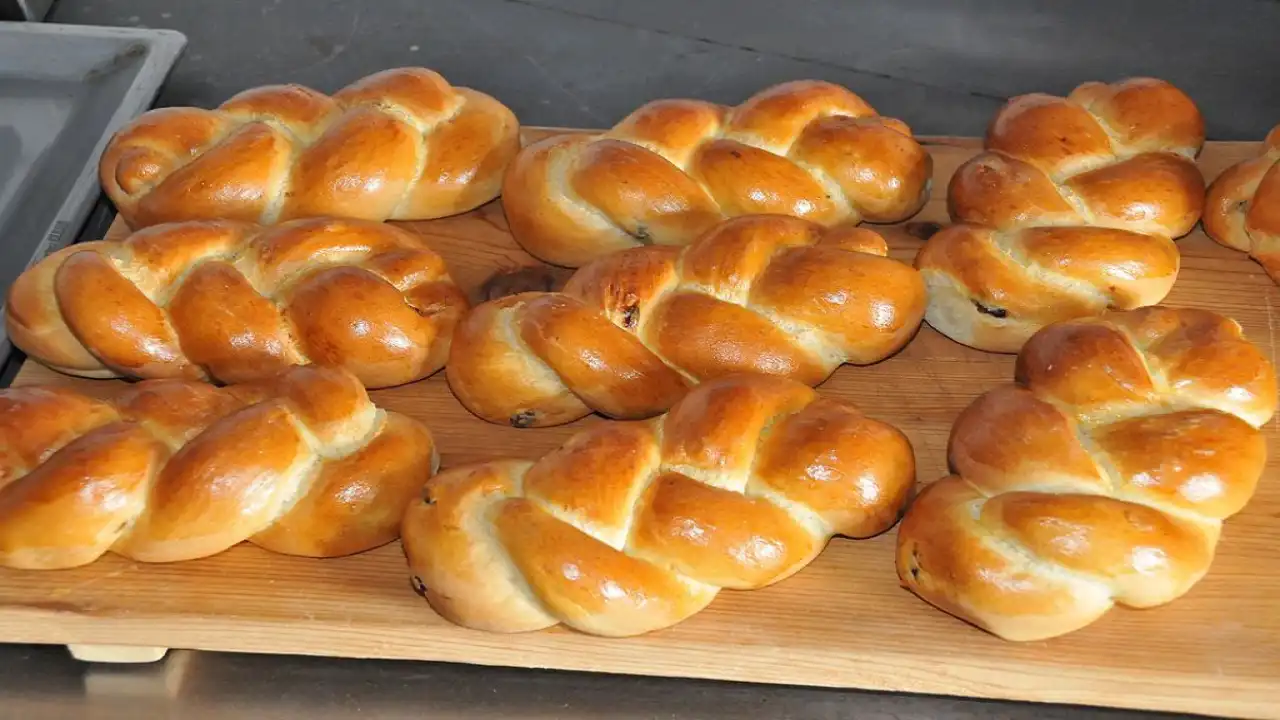
Bread isn’t just food. It’s culture. Ritual. Community.
- Villagers meet at bakeries. Daily bread is a conversation starter.
- Recipes are centuries old. Slow fermentation, hand kneading with care.
- Seasonal ingredients. Cherries, almonds, pumpkin seeds, hazelnuts. Depending on where you are.
Even on a family trip package, stopping by a bakery tells you more about European life than most monuments.
Cakes: You Can Eat
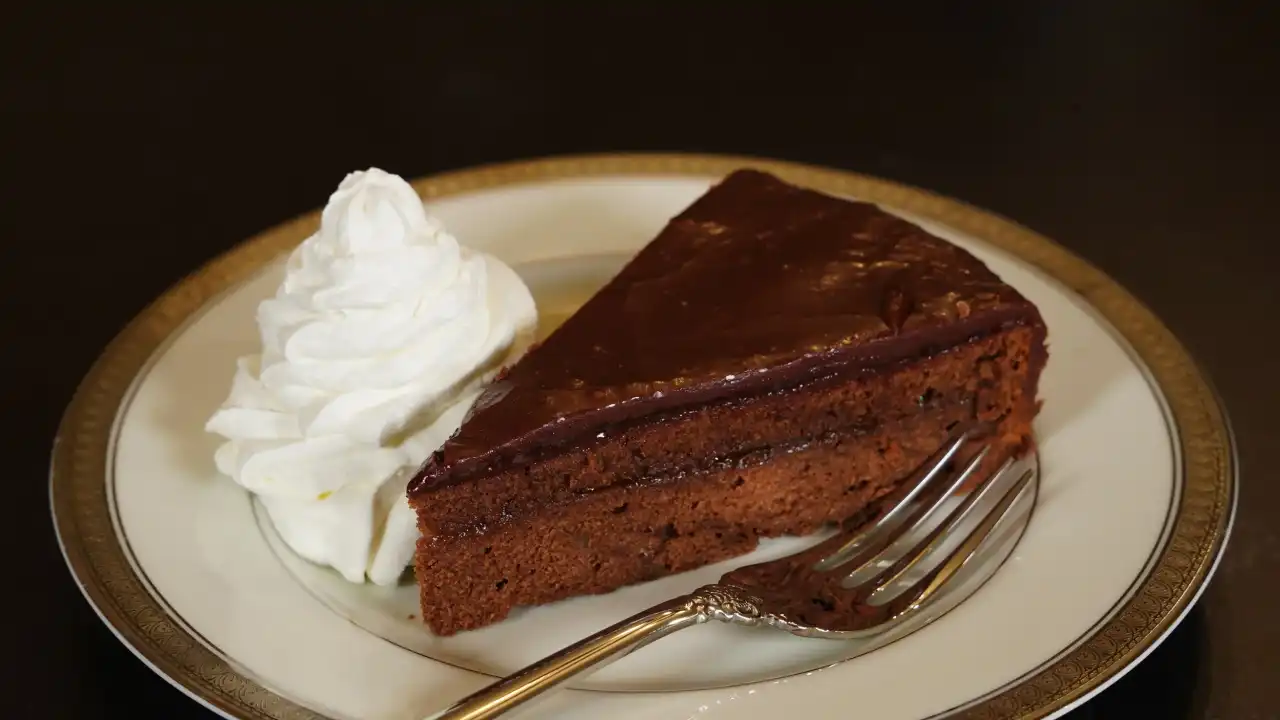
- Sachertorte (Vienna) – Chocolate, apricot jam and cream. Enough said.
- Tarte Tatin (Paris) – Caramelized upside-down apple tart. Hug on a plate.
- Panettone (Milan) – Sweet, fluffy, raisins, candied fruit. Seasonal magic.
European cakes mark festivals, holidays, and life events. Eating them is like eating history.
Planning Your Bakery Tour
Cities:
- Paris – For baguettes and croissants.
- Vienna – Cakes and café culture.
- Berlin & Nuremberg – Hearty, regional bread.
- Milan & Rome – Rustic bread, almond cakes, and focaccia.
Baking at home:
- Be patient with the dough.
- Quality ingredients. Butter, yeast, and unbleached flour.
- Experiment with grains like Rye, spelt, and multigrain.
- Decorate simply with Powdered sugar, nuts, and by adding tiny touches.
Why European Bakeries Matter
- Tradition & heritage baked in.
- Art & craft in every loaf.
- Community insight.
- Flavors? Mind-blowing.
A bakery visit is more than eating. It’s an experience. Culture. History. Bite by bite.
Conclusion
European bakeries are living museums of flavor. Paris baguettes, Viennese chocolate, Italian panettone, they’re all history, love, passion and patience. Don’t just see Europe. Taste every loaf; every cake is a story. Planning a Europe trip package? Make sure bakery stops are on your list; they’ll leave memories far sweeter than any selfie.
Tips:
- Go early. Freshness is non-negotiable.
- Ask locals. Hidden gems aren’t on maps.
- Try seasonal food. Holidays mean special breads and cakes.
- Pair wisely. Bread and cheese, cakes and coffee/wine. Don’t skip it.