What Are the Best Palaces in Rajasthan?
Introduction
If you’ve ever paused while scrolling through Rajasthan photos and thought, Why do these palaces feel different?, you’re not imagining it. These palaces weren’t built as showpieces for cameras or tourists. They lived in. Properly lived in. Mornings started here. Arguments happened. Kids ran around the courtyards. Weddings, bad days, celebrations, long boring afternoons, everything unfolded within these walls.
That’s why visiting them feels different from ticking off a monument. You don’t just look at stone and carvings. You sense routines. Habits. Silence in some corners, noise in others. When people talk about the best palaces in Rajasthan, they’re usually not chasing size or Instagram fame. They’re chasing feeling. Places that stay in your head after you leave, for reasons you can’t always explain. This isn’t a textbook list. It’s a look at palaces as they really are, slightly imperfect, layered with time, shaped by people who once called them home.
How to Look at Rajasthan’s Palaces
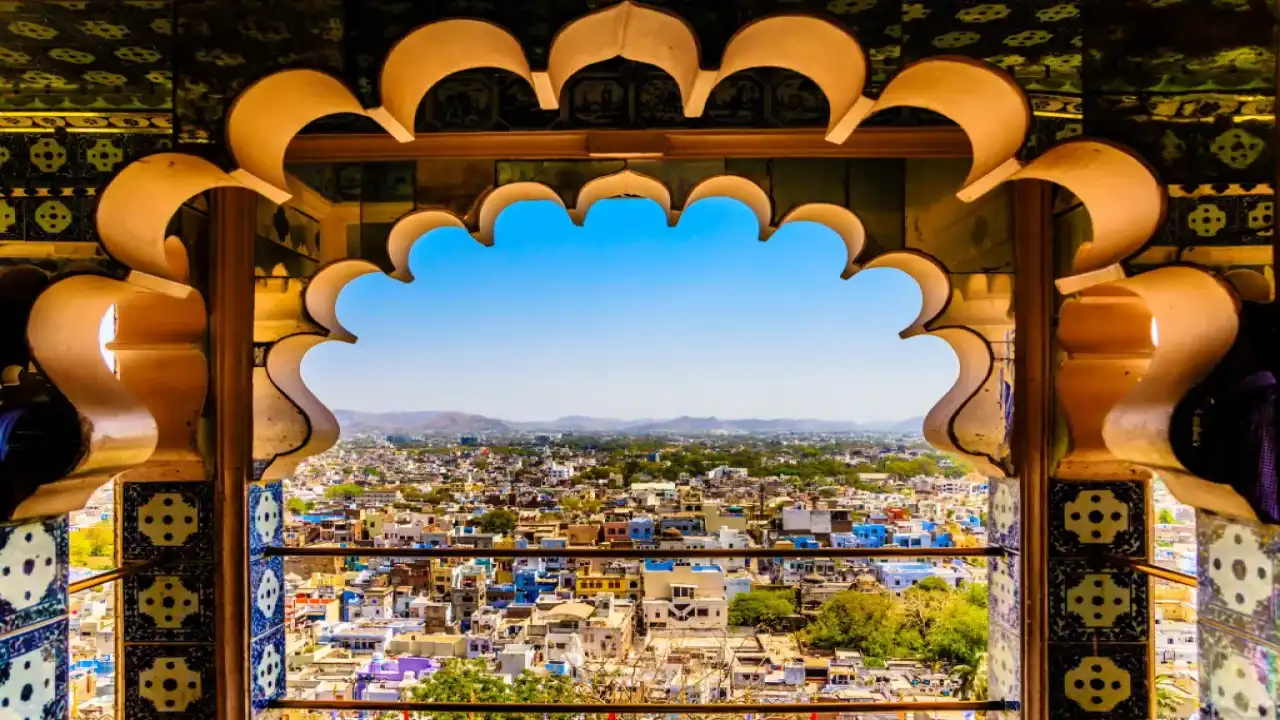
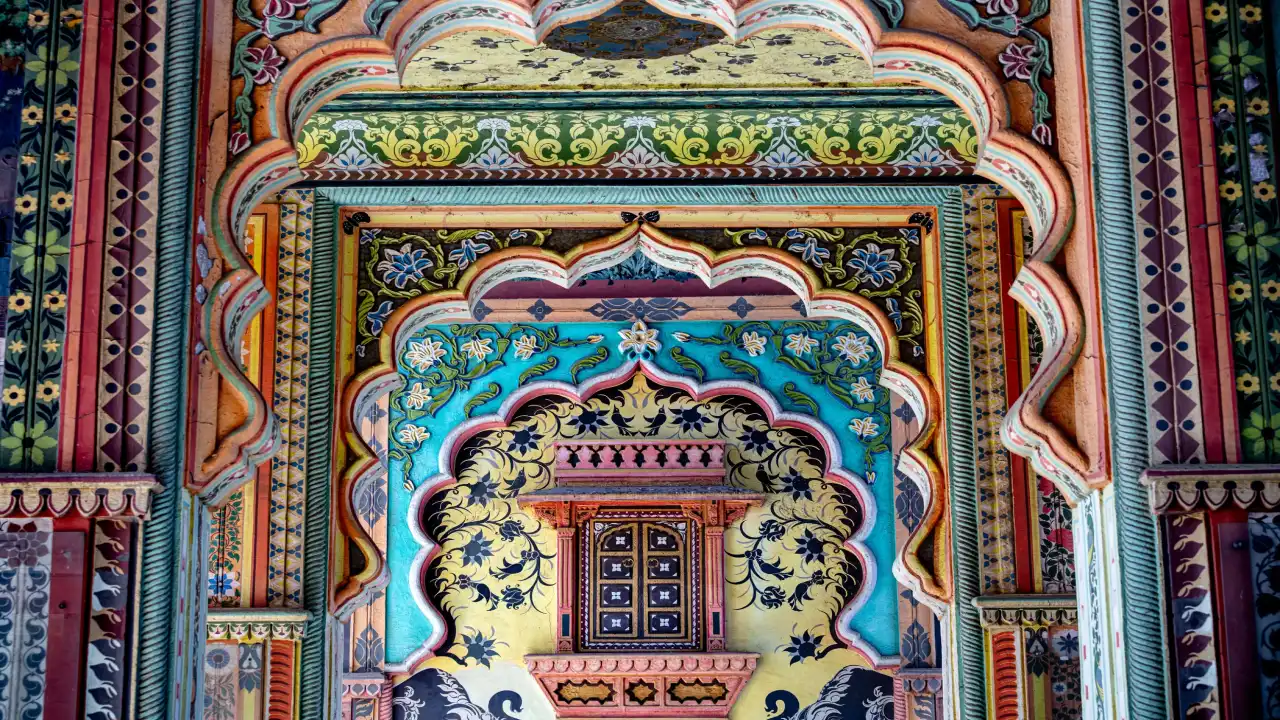
Before jumping into names, one thing matters: Rajasthan’s palaces aren’t built with one rulebook. Some were meant to impress visitors. Some were meant to protect families. Others were simply designed to survive brutal heat without making life miserable.
A few things worth remembering while reading:
- Some palaces are huge. You’ll walk, stop, sit, and still feel like you’ve missed rooms
- Others are smaller but packed with detail and personality
- A lot of them still have royal families living inside parts of the complex
- Many have quietly shifted into museums or heritage hotels
It helps to stop thinking of them as “tourist spots.” Think of them as old neighborhoods that just stopped changing at some point.
City Palace, Udaipur: Built for Light, Water, and Breathing Space
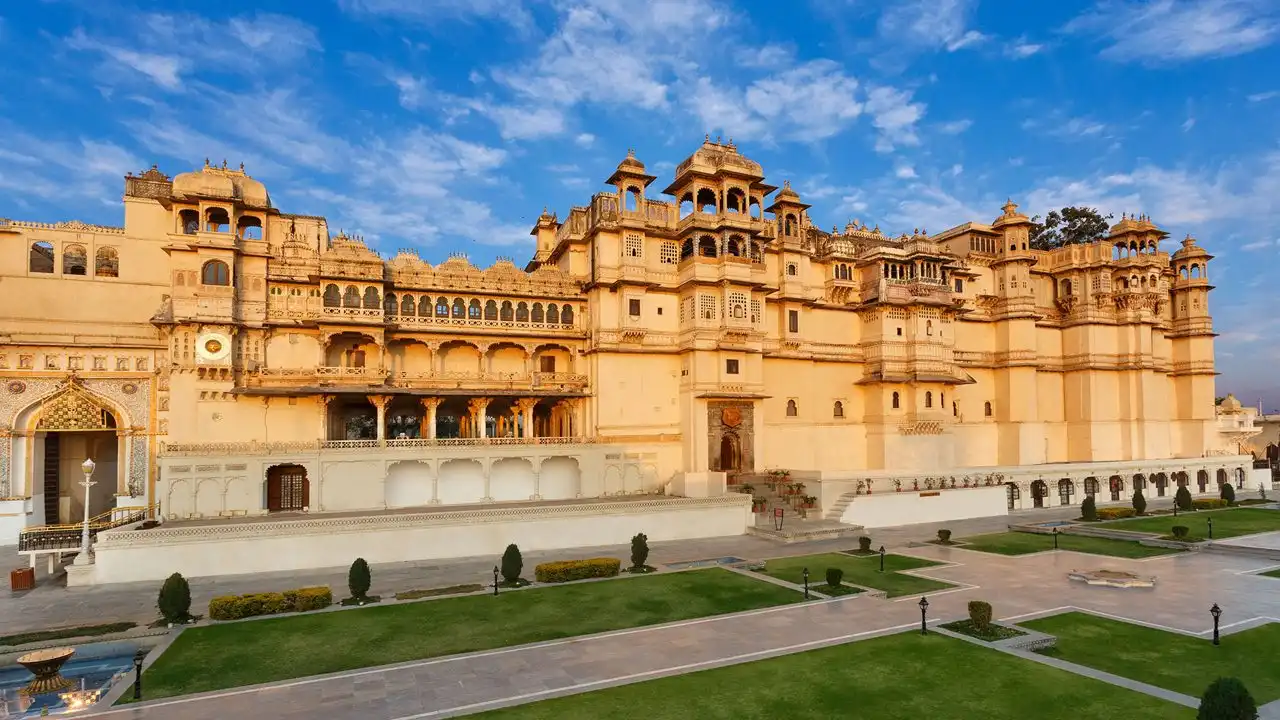
Walk into Udaipur City Palace and the first thing that hits you isn’t a hall or a doorway. It’s light. Actual, soft, bouncing-off-the-lake light. Lake Pichola lets sunlight go into corridors and balconies in a way that feels deliberate, as someone tested it for years. This palace wasn’t built in one go. It grew. Slowly. Each ruler added something, sometimes smart, sometimes just personal taste. The result isn’t a single style. It’s a mix, and somehow it works.
Why it stands out:
- Built along the water, not up on a hill
- Designed to stay cool without modern tricks
- Views everywhere, but they never feel forced.
Walking inside feels less like touring a palace and more like getting lost in a well-planned old town. Narrow passages suddenly open into wide courtyards. Small doors lead into rooms that feel unexpectedly grand. You catch yourself thinking, someone definitely sat here for hours doing nothing.
Pro tip: Go early. Not for photos. For quiet. The palace feels more honest before the crowds arrive.
City Palace, Jaipur: Royal, Yes, But Still Approachable
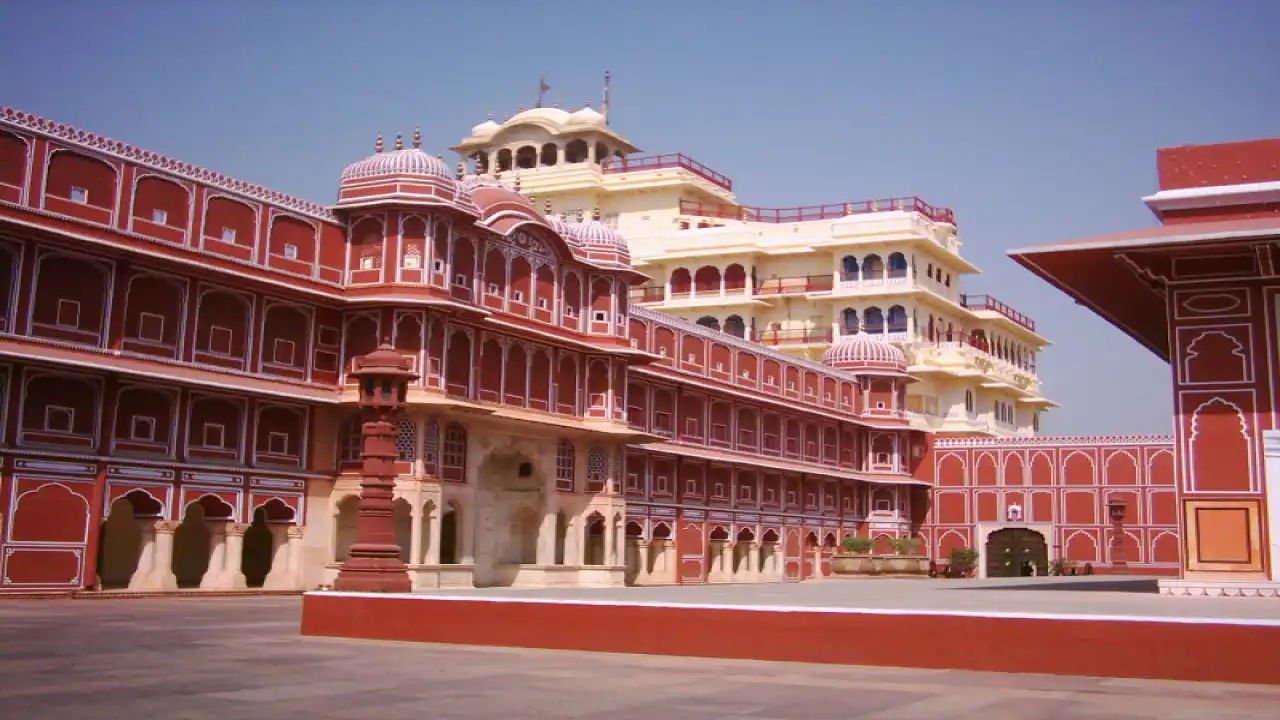
Jaipur’s City Palace doesn’t hide. It sits right in the middle of chaos. Shops, traffic, honking, food smells, step outside and you’re back in modern life. That’s part of its charm. Among the Jaipur royal palaces, this one feels balanced. Not dramatic. Not distant. It was clearly designed to interact with people, not tower over them.
What feels different here:
- Flat, symmetrical layout instead of hilltop drama
- Clear Mughal–Rajput blend without excess
- Still partially used by the royal family
You don’t feel tiny walking through it. It’s grand, sure, but not overwhelming. It feels human-sized, which sounds strange for a palace, but you’ll get it when you’re there.
Pro tip: Slow down in the museum rooms. The small things, clothes, tools, letters, often say more than giant halls.
Umaid Bhawan Palace, Jodhpur: Luxury with a Backstory

From far away, Umaid Bhawan Palace looks like pure indulgence. Massive, clean, confident. But here’s the twist: it was built during a famine. The goal wasn’t just beauty. It was jobs. Thousands of them. Once you know that, the place feels different.
What makes it unique:
- One of Rajasthan’s newer palaces
- Art Deco mixed with Indian elements
- Split between the residence, the museum, and the hotel
This palace doesn’t carry war scars or defensive tension. It feels calm. Comfortable. Almost relaxed, like royalty had stopped worrying about invasions and started caring about living well.
Pro tip: Even if you’re not staying here, the museum is worth it. The context matters.
Lake Palace: Quiet, Floating, Unbothered
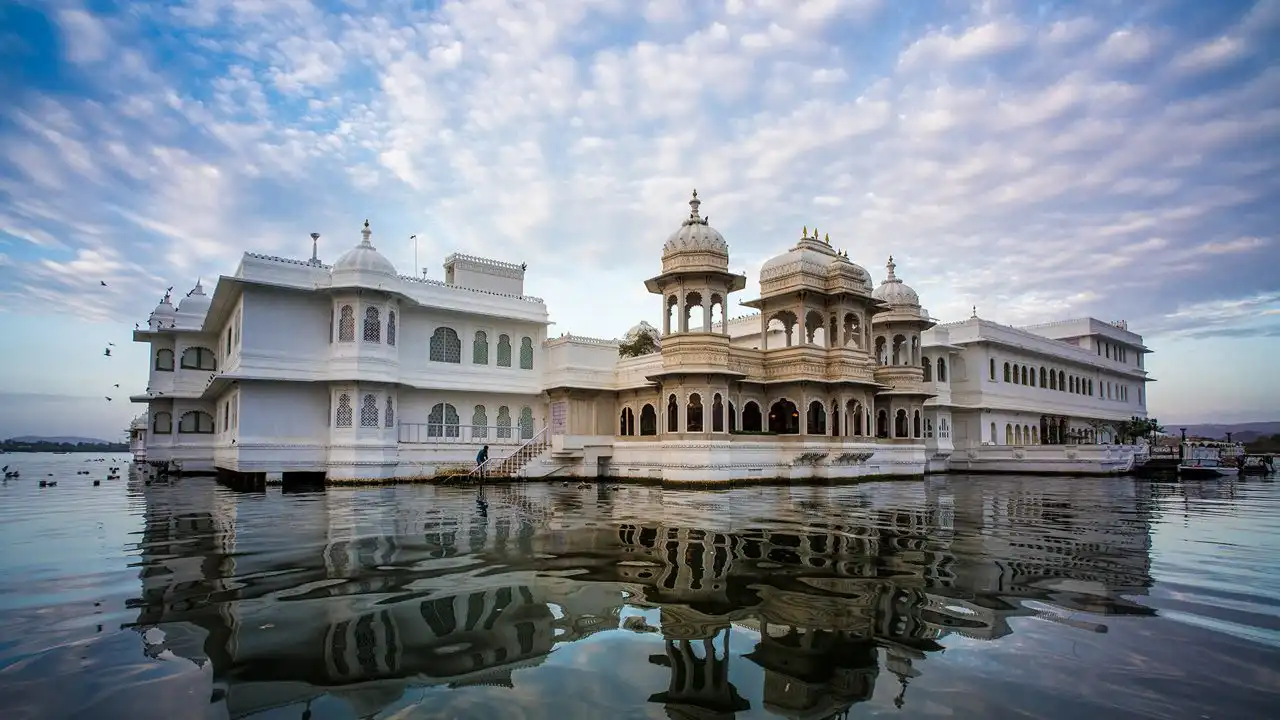
The Lake Palace doesn’t need an introduction. You see it floating on Lake Pichola and it sticks in your mind immediately. What people forget is that it wasn’t built just for romance. It was practical. Water cooled the structure naturally. Summers were bearable here.
What stays with you:
- Reaching it by boat feels like arriving somewhere private
- White marble softens the light, not reflects it harshly
- Even when busy, it feels oddly peaceful
It’s one of those places where noise feels out of place.
Rambagh Palace, Jaipur: Grown, Not Designed
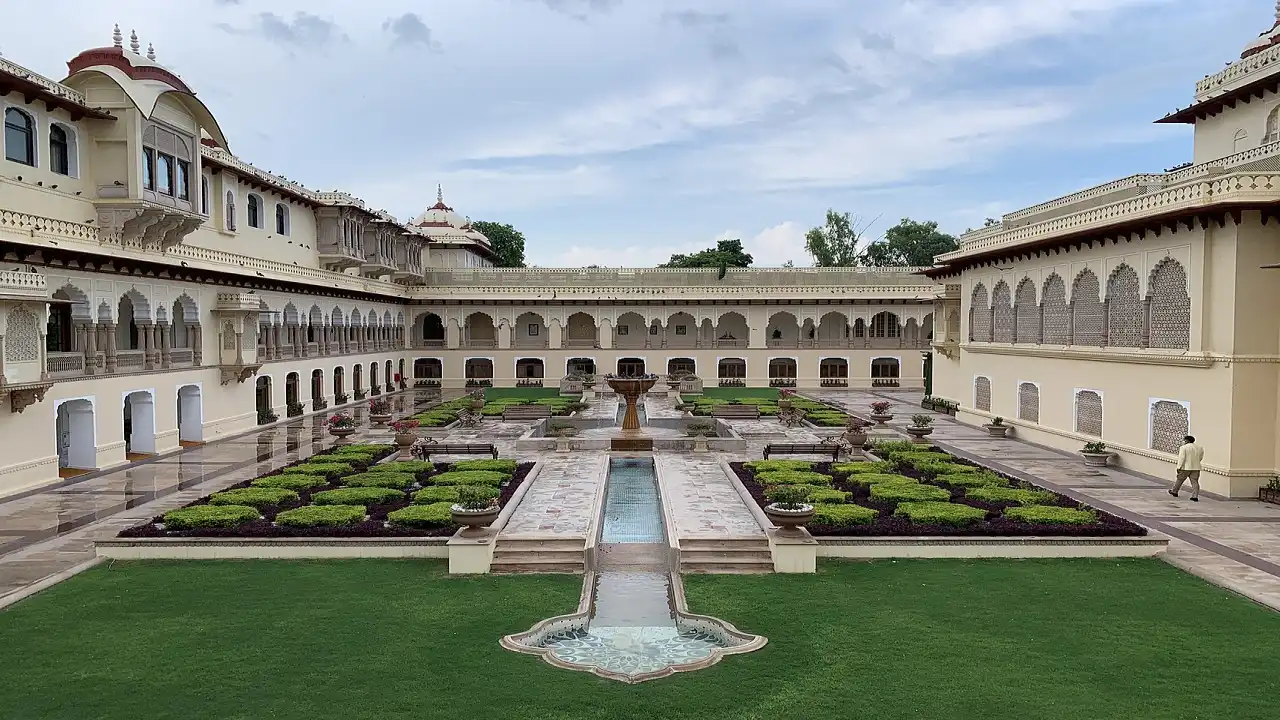
Rambagh Palace didn’t start grandly. It evolved. First, a garden house. Then slowly, room by room, it became a palace. You can feel that growth.
Why it feels personal:
- Less rigid design
- Rooms that feel lived-in, not ceremonial
- Gardens that actually matter
Even now, as a heritage hotel, it doesn’t feel staged. It feels settled.
Pro tip: Don’t rush through the gardens. Sit. Walk slowly. That’s where the mood lives.
Junagarh Palace, Bikaner: Confident Without a Hill
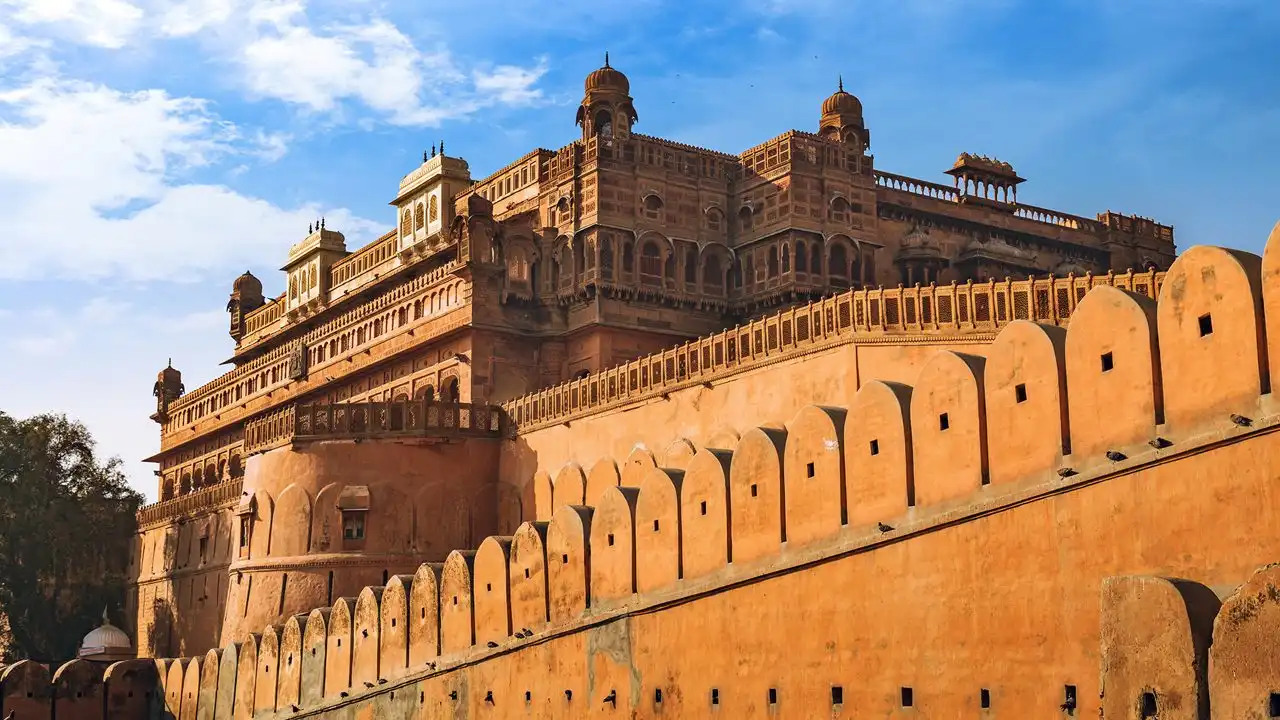
Most palaces are hidden on hills. Junagarh doesn’t bother. Flat land. No natural defense. And yet, it feels solid. This palace focuses inward.
What to notice:
- Painted halls and carved details
- Clear zones for public and private life
- Architecture that explains itself if you pay attention
Nothing here feels random. Every space had a job.
Laxmi Niwas Palace, Bikaner: When Royals Looked West
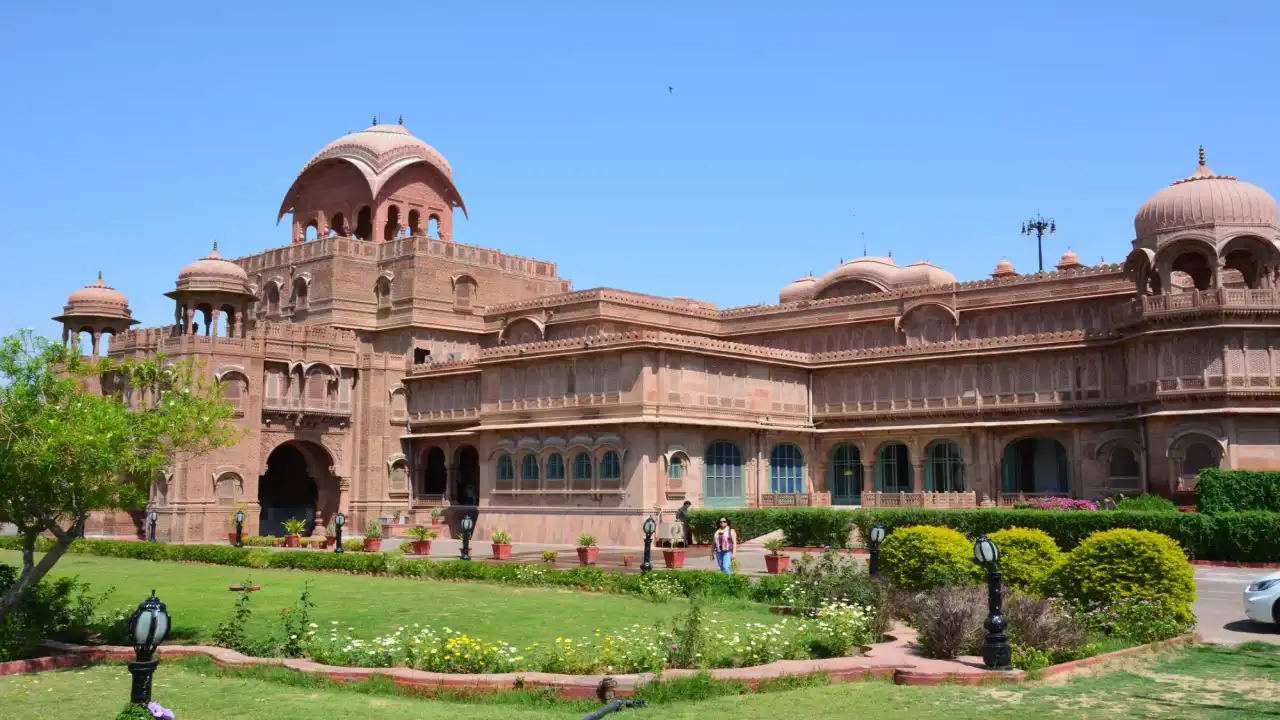
Originally a guesthouse, Laxmi Niwas Palace shows a phase when Indian royalty wasn’t afraid of Western ideas.
Why it works:
- European planning with Indian touches
- Big lawns instead of tight courtyards
- Bright, open interiors
It reflects confidence. No insecurity. Just curiosity.
Monsoon Palace: Simple, Honest, Purpose-Driven
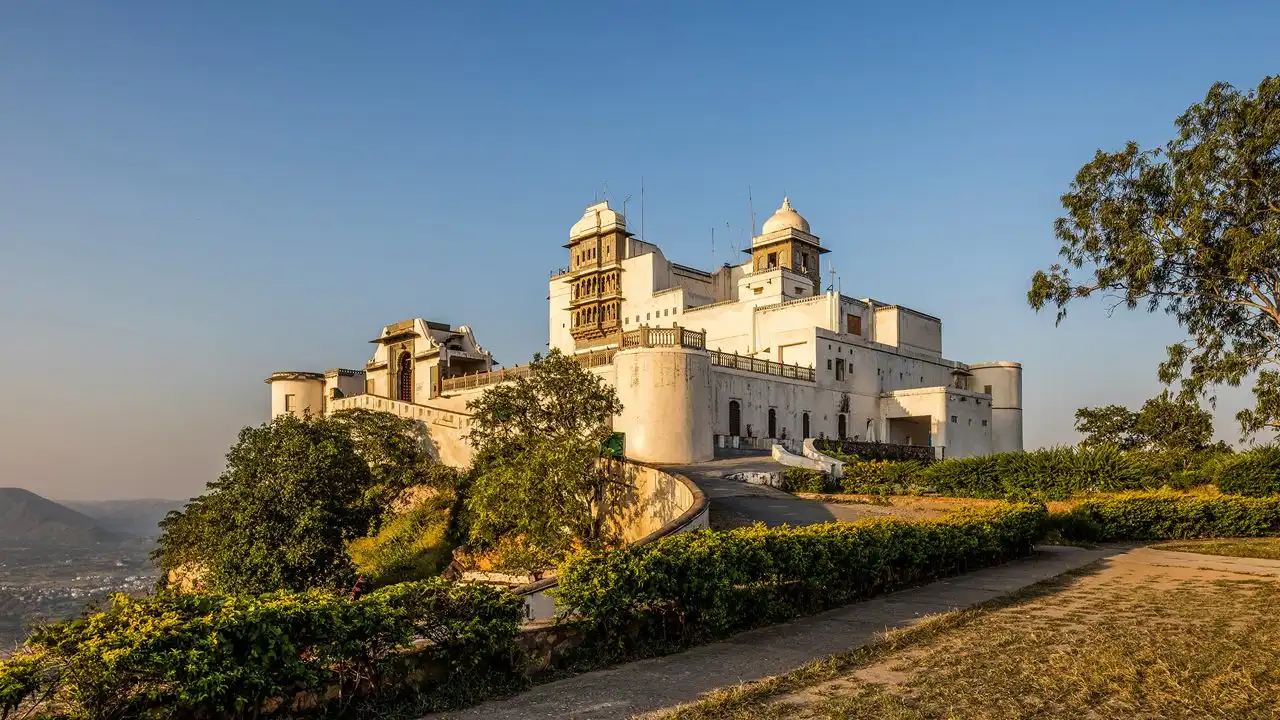
The Monsoon Palace wasn’t built to impress guests. Its real purpose was to watch the movement of monsoon clouds and plan agriculture accordingly.
Why people still visit:
- Unreal sunsets
- Bare interiors
- Strong connection to weather and landscape
It proves that not everything royal was about luxury.
Choosing the Right Palace for Your Trip
Not every palace fits every traveler. Be honest about what you enjoy.
If history pulls you in:
- Junagarh Palace
- City Palace, Jaipur
If views matter most:
- Lake Palace
- Monsoon Palace
If comfort wins:
- Rambagh Palace
- Umaid Bhawan Palace
This matters even more when planning a Rajasthan family tour package, where interests don’t always match.
Why These Palaces Still Matter
These aren’t frozen museums. They’re more like quiet lessons in adjustment, how people figured out climate, power, money, and constant change as they went along. Some spaces almost shout wealth, while others feel surprisingly restrained. A few are meant to impress. Others are built simply to comfort the people living inside them. That mix is Rajasthan. And it’s exactly why these places often end up being the heart of many domestic trip packages, not just because they look grand, but because they show how life actually unfolded behind palace walls.
Conclusion
What stays with you isn’t how big a palace is or how old it claims to be. It’s the small, human details. A window set at the perfect height. A bench looking out at absolutely nothing. A corridor that feels quiet in a way you can’t quite explain. If you move through these palaces slowly, without rushing from one “must-see” spot to another, they stop feeling like monuments. They start feeling like stories. And somewhere along the way, Rajasthan stops being just a destination and begins to feel like a place you almost understand, even if it’s only a small part of it.
Practical Travel Tips
- Wear shoes you trust; floors can be uneven
- Read the small signs; they’re easy to miss
- Take breaks; palace fatigue is real
- Don’t push into restricted areas
Pro tip: Hire one good local guide. Just one. It changes everything.