What Are the Most Peaceful Temples to Visit in Japan?
Introduction
Japan does this strange thing to you. You land with plans stacked back-to-back, train times saved, cafés pinned, camera battery fully charged. And then, somehow, it all loosens. Maybe it’s a narrow lane with no signboard, or it’s the soft clink of a bell somewhere behind a wall. Your steps slow before you even realize it. Temples are often where that shift happens. They don’t grab you by the collar the way big attractions do. They don’t shout for attention. They just exist, quietly, until you wander in.
If you’re searching for peaceful temples in Japan, this isn’t a checklist of the most famous names or the places everyone posts online. This is about temples where silence feels normal, where people naturally drop their voices, and where even ten minutes can leave you steadier than before. Think of these temples as places where, even if you arrive tired or distracted, the atmosphere naturally encourages you to slow down and leave calmer than when you entered.
Why Japan’s Temples Feel Different
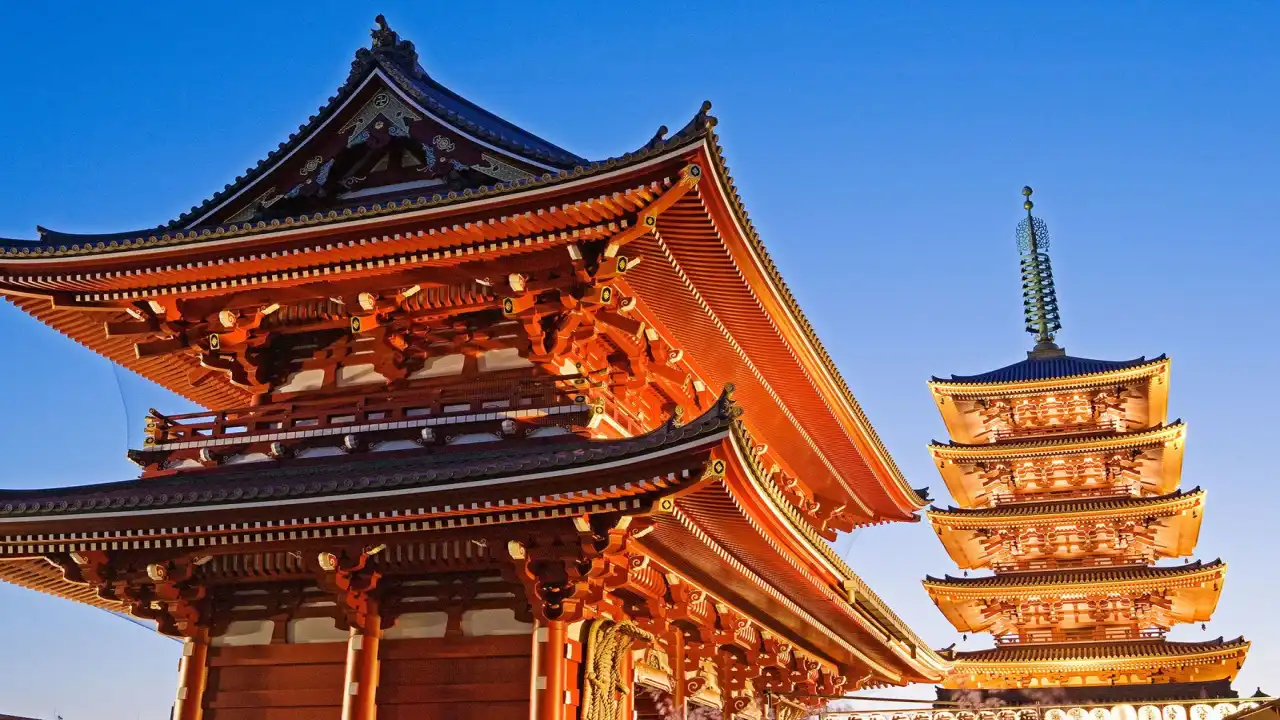
Before jumping into specific places, it helps to pause and ask why these temples feel so calm in the first place. A lot of Japanese temples aren’t built to impress. They’re built to hold space. You won’t always see grand entrances or dramatic viewpoints. Instead, you’ll notice small, intentional details:
- Wooden halls that don’t try to look new
- Gardens that feel maintained, not decorated
- Stone paths that subtly slow your pace
- The low hum of wind, bells, or incense smoke
Most of these temples aren’t museums. They’re working spaces. Monks live there. Locals stop by before work or after dinner. That everyday rhythm gives the place a grounded feeling. Nothing feels staged.
Pro tip: Early mornings or late afternoons make a huge difference. Even well-known temples feel completely different once tour buses disappear.
Ryoan-ji, Kyoto: Quiet Through Almost Nothing
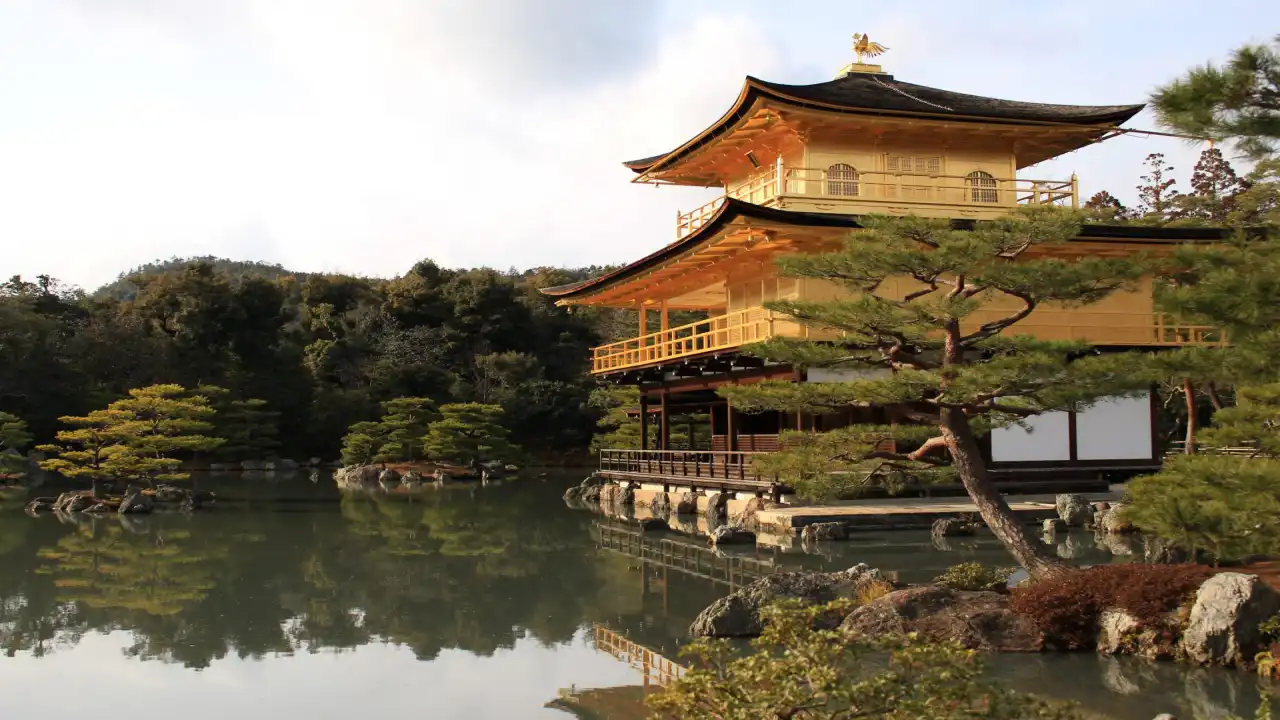
Ryoan-ji is famous, but it doesn’t behave like a famous place. Its rock garden is almost empty. A few stones. Raked gravel. Space. That’s the whole setup. People often stop, look, and think, That’s it? But if you stay, something shifts. Your eyes stop searching. Your brain stops asking questions.
What makes it calming:
- No bright colors pulling your attention
- Seating that invites you to pause
- Silence broken only by footsteps or birds
You don’t need to understand the garden. Honestly, trying to understand it misses the point.
Pro tip: Sit first. Don’t touch your phone. Give it five minutes. Photos can wait.
Nanzen-ji, Kyoto: Room to Exhale

Nanzen-ji feels open in a way that’s hard to explain until you’re there. No tight corridors. No sense of being herded along. Just wide paths, tall trees, and space to wander without pressure. The old brick water channel has a strangely peaceful vibe. Visitors often just sit nearby, doing almost nothing, letting the gentle sound of water bouncing off the stone fill the air.
Why it works:
- The grounds are big enough that crowds spread out
- Plenty of corners away from the main halls
- History without feeling heavy
It’s peaceful without feeling remote, which makes it easy to enjoy even if you’re not in a deep, reflective mood.
Eihei-ji, Fukui: Order That Slows You Down
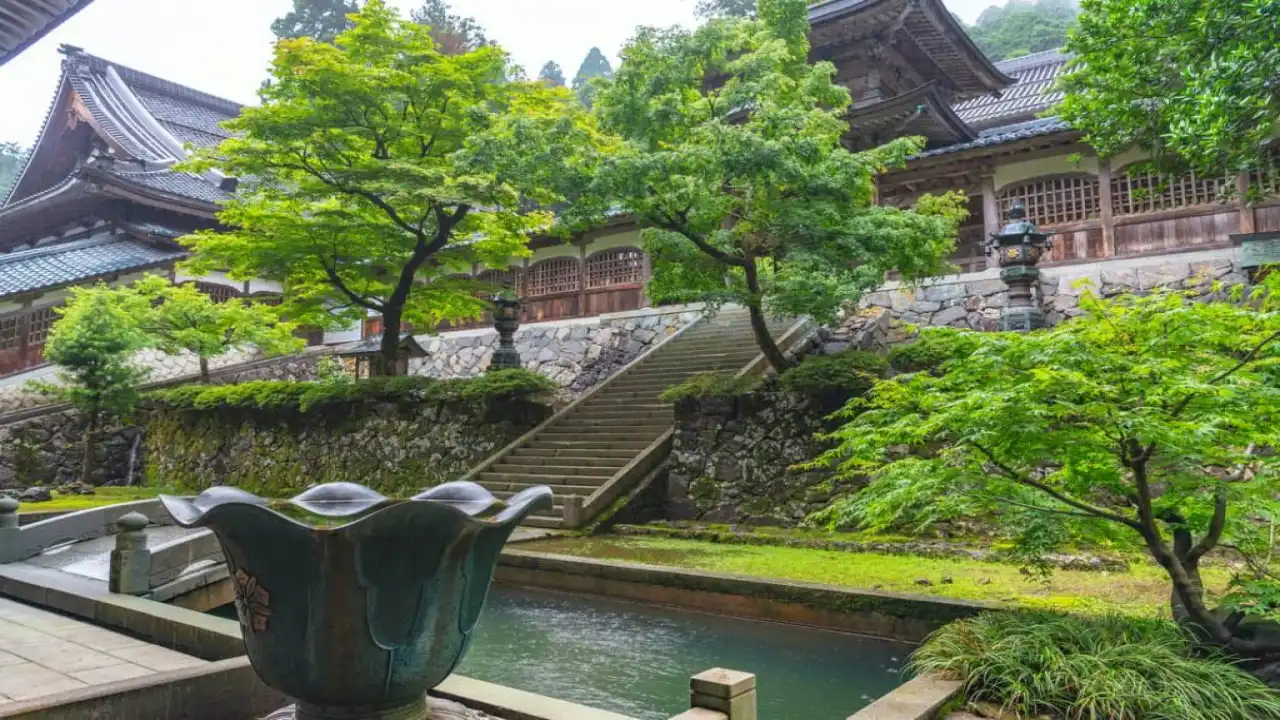
Eihei-ji is in the mountains, far enough that you have to decide to go there. That journey alone filters out casual visitors. This is a functioning Zen monastery. Monks follow strict schedules. Visitors move quietly and follow rules. And strangely, that structure creates calm instead of tension. It’s one of the most respected meditation temples in Japan, and you can feel why.
What grounds you here:
- Clear expectations for behavior
- Forest air and mountain stillness
- Silence that feels intentional
As you walk through its halls, your body adjusts. Your steps get softer. Even your breathing changes.
Pro tip: Respect the rules. The calm here depends on everyone doing their part.
Horyu-ji, Nara: Calm That Comes With Age
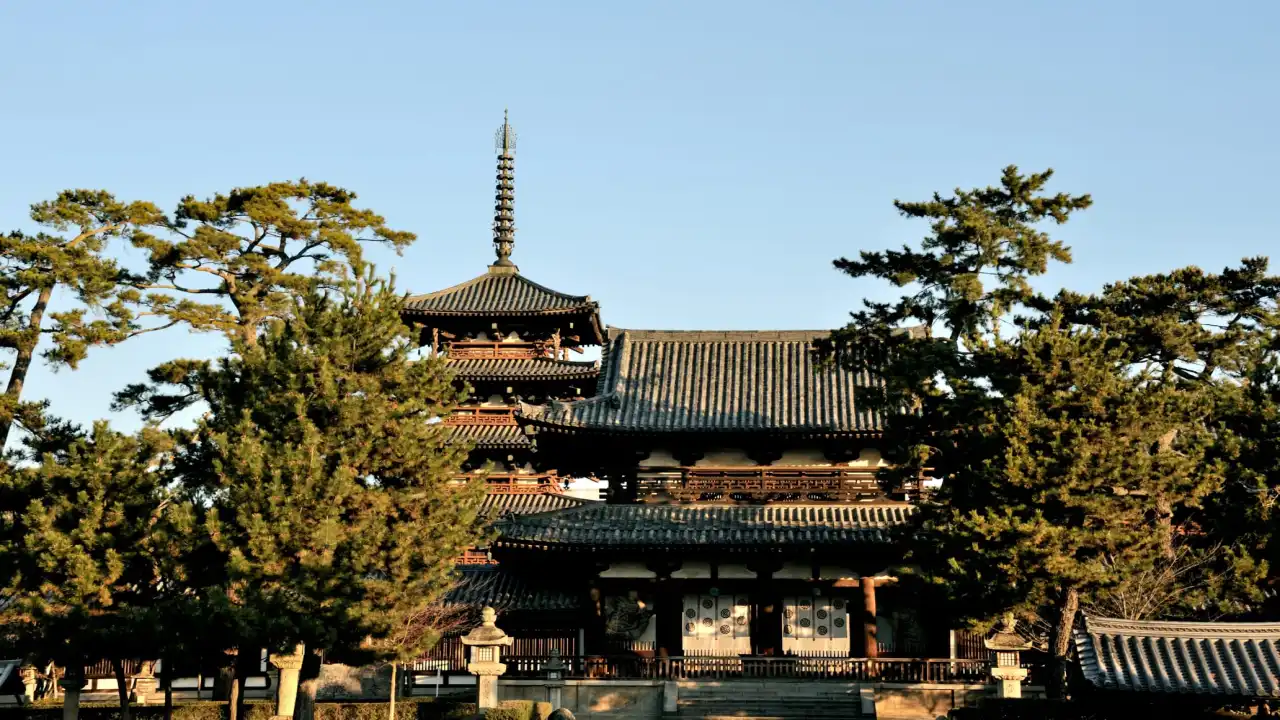
Horyu-ji doesn’t sparkle. It doesn’t try to. It’s old, and it knows it. As one of the oldest surviving wooden temple complexes in the world, it carries a quiet confidence. Buildings don’t compete for attention. They simply stand. Compared to busier parts of Nara, this place feels unhurried.
Why it feels gentle:
- Open courtyards with space to wait
- Fewer tour groups
- History that feels settled, not loud
You don’t feel like a tourist here. You feel like a temporary guest in a very old home.
Engaku-ji, Kamakura: A Pause Near the Noise
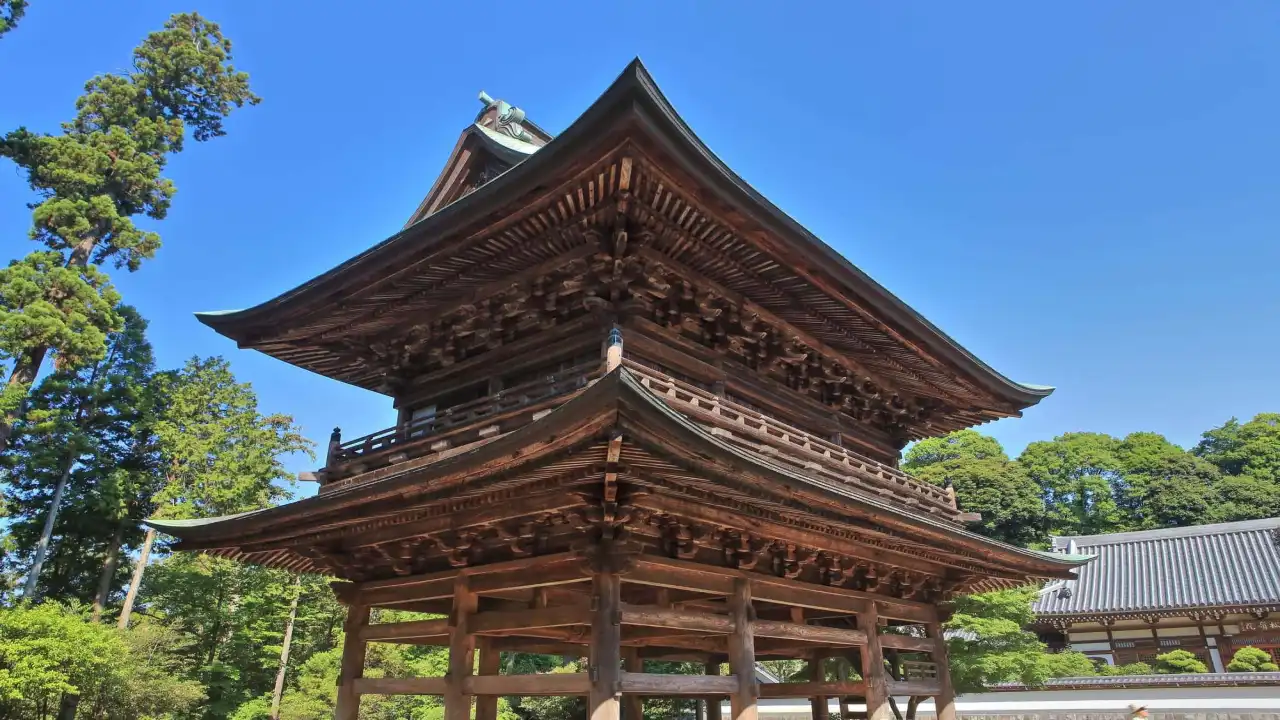
Kamakura can be busy with beaches, cafés, and weekend crowds. Engaku-ji sits just a short walk from the station, yet somehow feels removed from all that. Once inside, trees block city sounds. Paths curve gently. The mood shifts fast.
Why it surprises people:
- Easy access without city chaos
- Hills and trees that muffle noise
- Simple Zen halls open to visitors
It’s proof that you don’t always need distance to find calm, you just need the right boundary.
Saiho-ji, Kyoto: Slow by Design
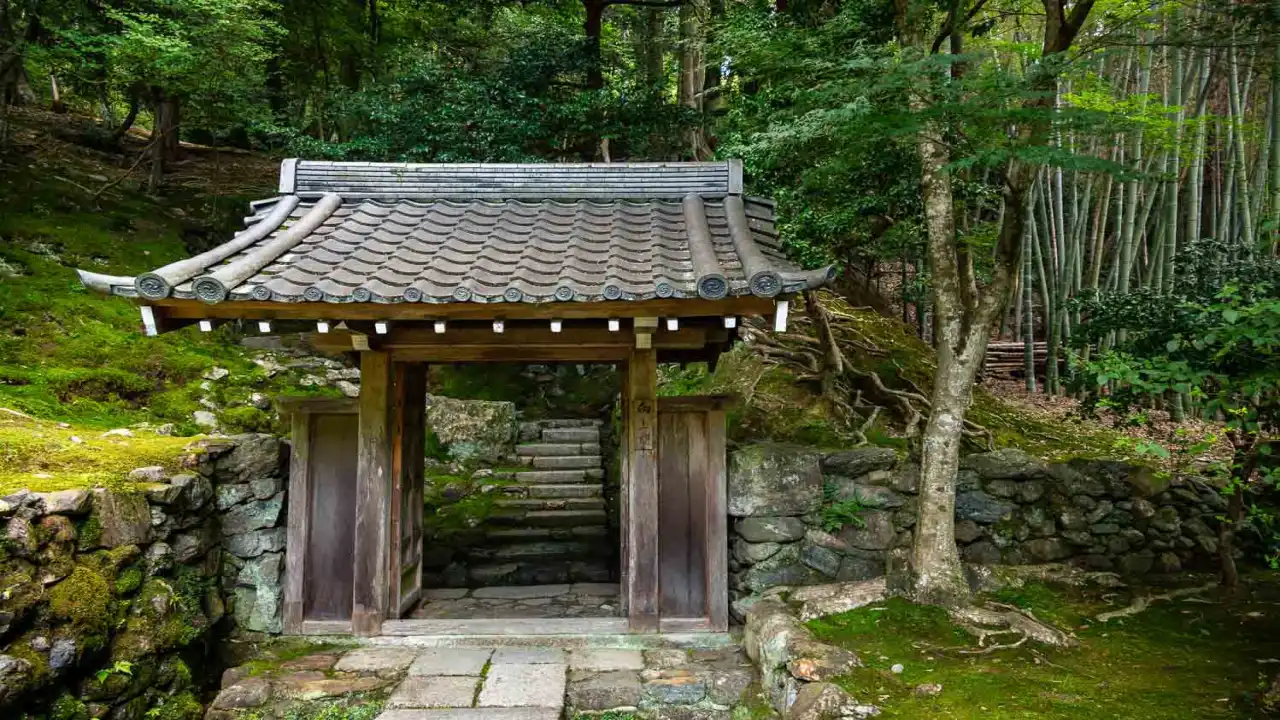
Saiho-ji, the Moss Temple, makes you work a little. You need to book ahead. You need to show up on time. That effort already sets a different tone. Before entering the garden, visitors copy sutras by hand. It’s slow. A bit awkward at first. And then strangely calming. Many travelers find that including Saiho-ji in a Japan tour package is a great way to experience its serenity without worrying about the logistics, making the visit smoother and more rewarding.
Why does it stay with you:
- Visitor numbers are limited
- The moss garden feels alive and soft
- Focus comes before sightseeing
Among all the quiet temples Japan has, this one feels especially intentional.
Pro tip: Don’t rush the garden. The moss rewards slow eyes.
Shunkoin, Kyoto: Calm Without Pressure
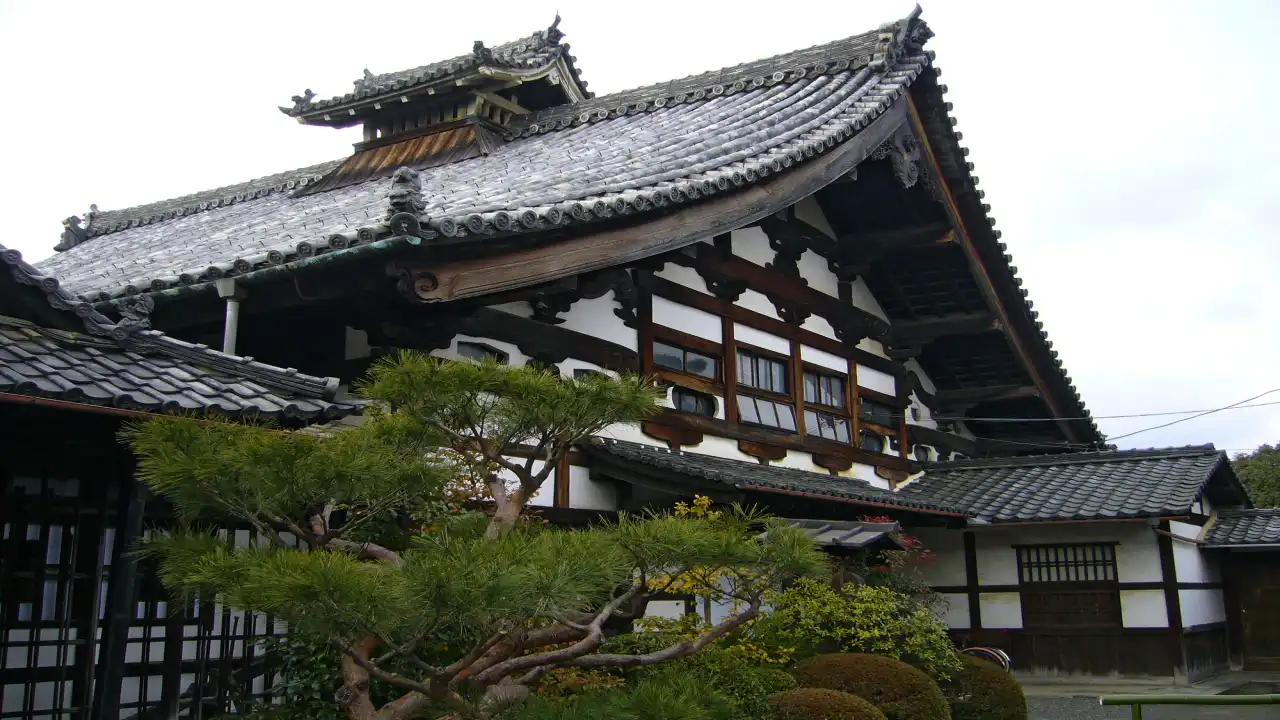
Shunkoin doesn’t intimidate. It welcomes. Meditation sessions are open even to complete beginners, and explanations are clear, not mystical. Nobody expects you to be good at anything here.
Why do people feel comfortable:
- Simple instructions
- Small groups
- Spaces designed for sitting, not showing
If meditation feels intimidating, this temple gently proves it doesn’t have to be.
Daitoku-ji Subtemples: Find Your Own Corner
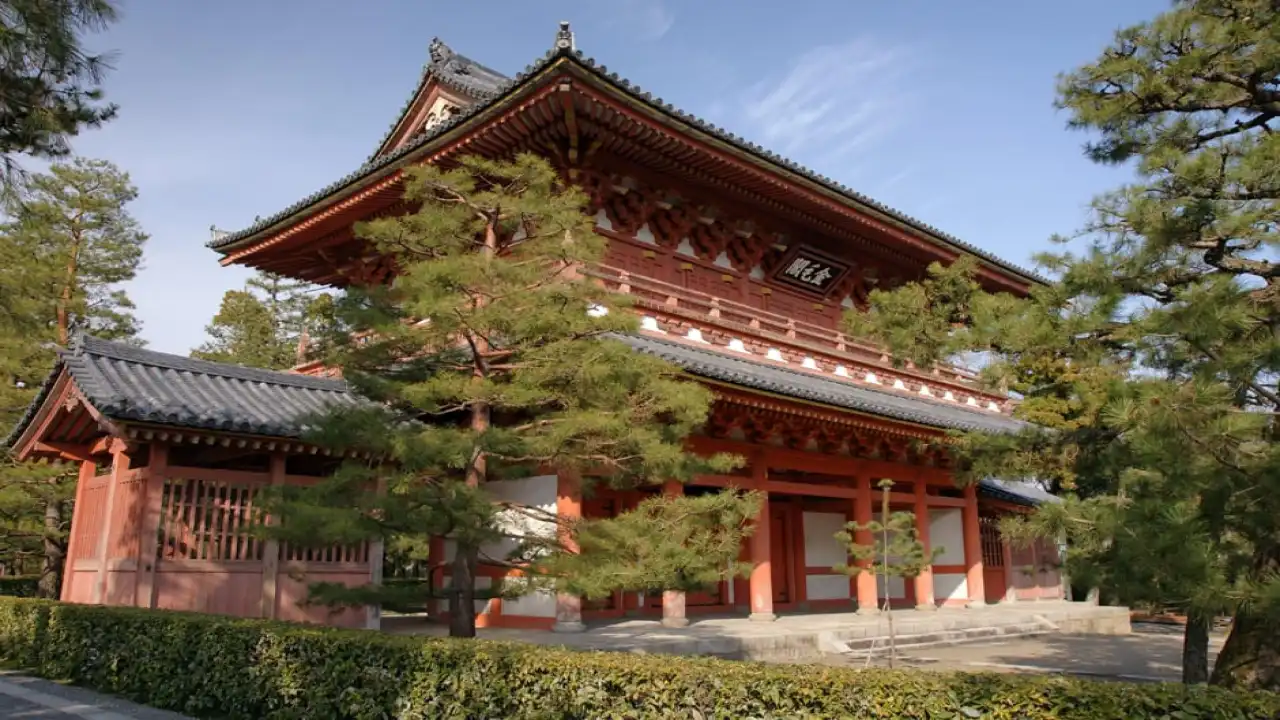
Daitoku-ji is a collection of subtemples rather than one single experience. Each has its own feel. Some formal. Some are almost hidden. You don’t have to see them all. You can choose.
Why it feels personal:
- Fewer crowds than in central Kyoto spots
- Different garden styles to explore
- No fixed route forcing you along
This area rewards curiosity and patience more than speed.
Zuiho-in, Kyoto: Quiet, Most People Miss
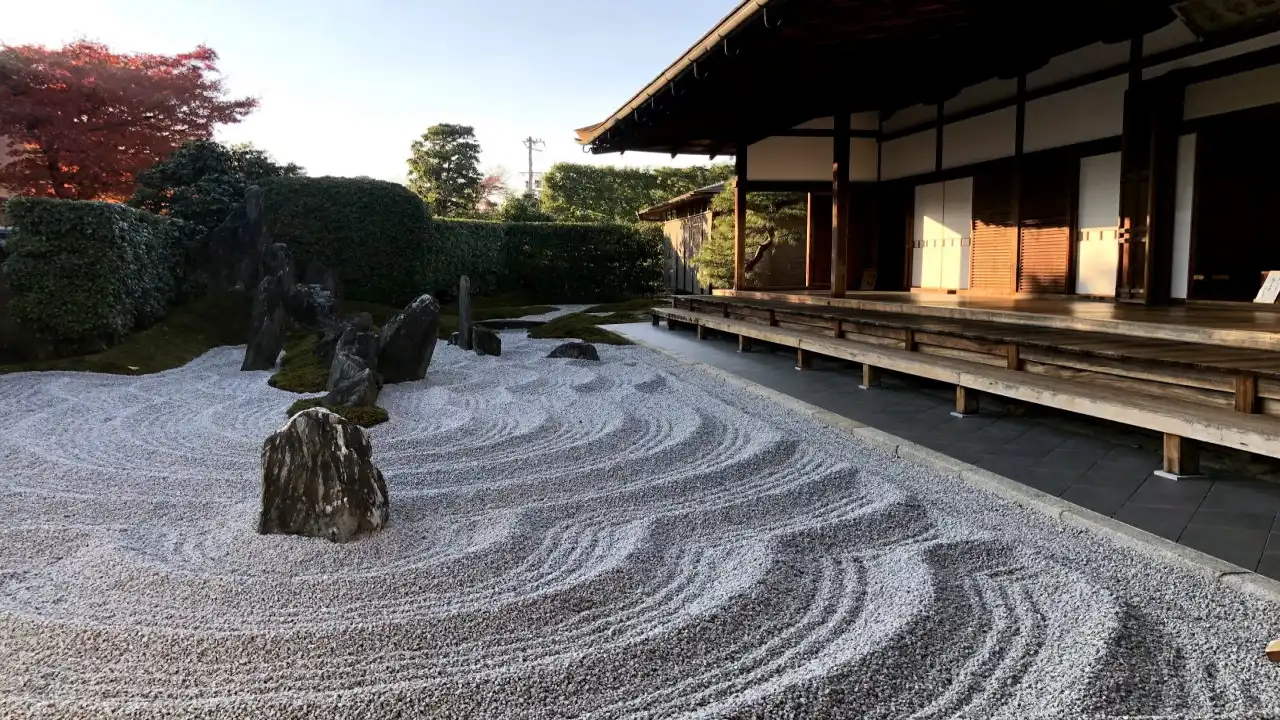
Zuiho-in sits within Daitoku-ji, yet many people walk right past it. That’s exactly why it’s special. The garden is clean and restrained. Gravel lines are precise. Stones feel carefully chosen.
Why it soothes:
- Rarely busy
- Visual simplicity
- A sense of balance without effort
Sometimes calm isn’t hidden. It’s just ignored.
Myoshin-ji, Kyoto: Space Without Demands
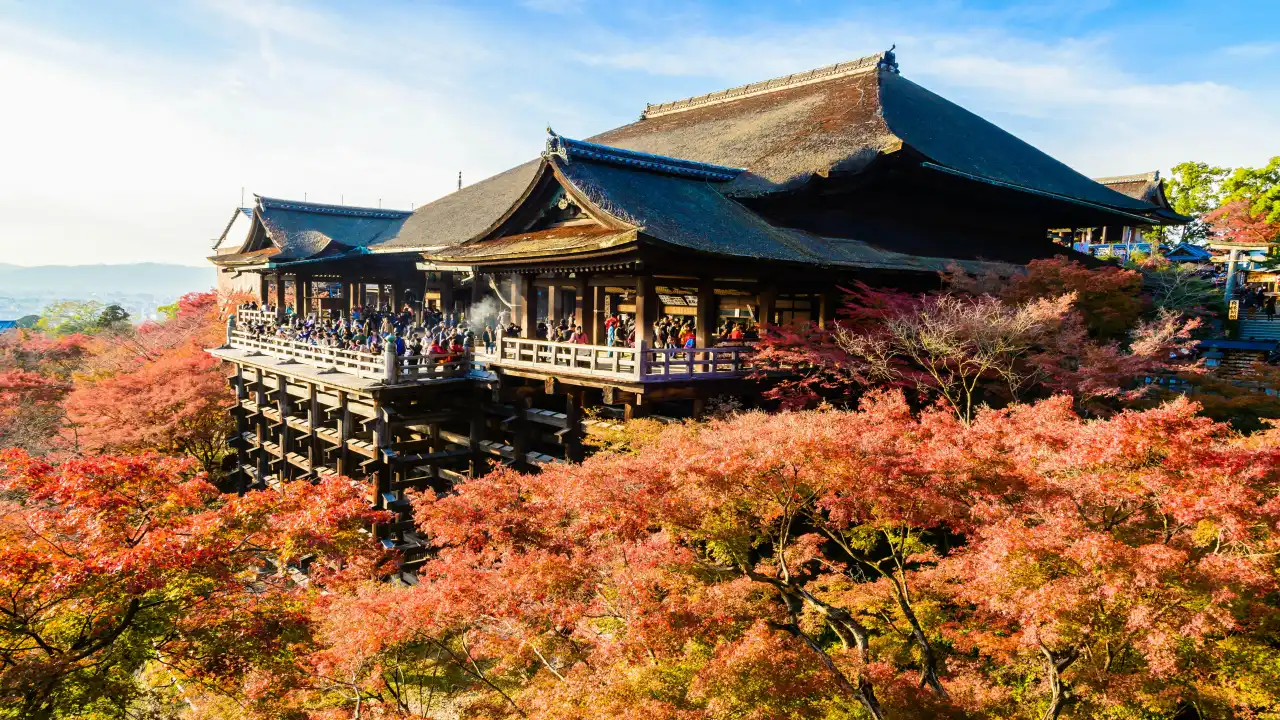
Myoshin-ji is large but forgiving. Wide paths, open courtyards, and multiple subtemples mean you never feel boxed in. You can walk. Sit. Leave. Come back. No pressure.
Why it’s easy:
- Comfortable walking routes
- Benches everywhere
- A lived-in atmosphere
It’s a great place to reset when travel fatigue starts creeping in.
Visiting Temples Without Stress
Peace doesn’t magically happen. Small choices matter.
Helpful habits:
- Go early when you can
- Wear clothes that don’t distract you
- Silence your phone
- Walk slower than usual
Things to avoid:
- Rushing for photos
- Loud conversations
- Treating temples like checklists
Pro tip: One calm visit beats five rushed ones.
Conclusion
Not every temple will feel peaceful to everyone. Some calm through silence. Others through space. Sometimes it’s just the mood you arrive in. What makes Japan’s temples special isn’t fame or beauty alone. It’s the permission they give you to sit, to breathe, to stop doing something useful for a while.
They don’t rush you. They don’t demand anything. They just hold space until you’re ready to leave. Take fewer photos. Stay a little longer. Walk a little slower. The quiet usually finds you when you stop chasing it. For travelers planning an international package, these moments of calm can turn a regular sightseeing trip into a truly restorative experience.