Which Cities in Japan Are Best for Family Trips?
Introduction
Traveling with family always sounds like a great idea. Then the planning starts. One person wants to sightsee. Someone else wants rest. Kids want fun. Older family members want comfort and food they recognize. It can get messy fast. Japan, oddly enough, handles this chaos better than most places. It’s clean. Very safe. Trains arrive when they say they will. Streets make sense. And once you get past the quiet train rides and polite bows, the country feels warmer than people expect. Many family-friendly cities in Japan are built in a way that just works. Sidewalks are wide. Signs are clear. Locals help without being intrusive. Even attractions seem designed with kids in mind without turning everything into loud theme parks. This guide isn’t written like a glossy brochure. Think of it more like advice from someone who’s planned these trips before. Calm, practical, and honest. No hype. Just what actually works when traveling in Japan with family.
How to Choose the Right Japanese City for Your Family
Before picking cities, it helps to slow down and think about why some places feel easier than others when kids are involved. When planning Japan family trip to Japan, there are a few basics we always check first:
- How easy is transport? Elevators, short walks, simple routes
- Are there things for different ages, not just adults
- Is the food flexible enough for picky eaters?
- Does the city let you rest, or does it drain energy too fast
No city is perfect. And it doesn’t need to be. The closer it comes to ticking these boxes, the smoother your trip usually feels.
Tokyo: Big City, But Not as Hard as It Looks
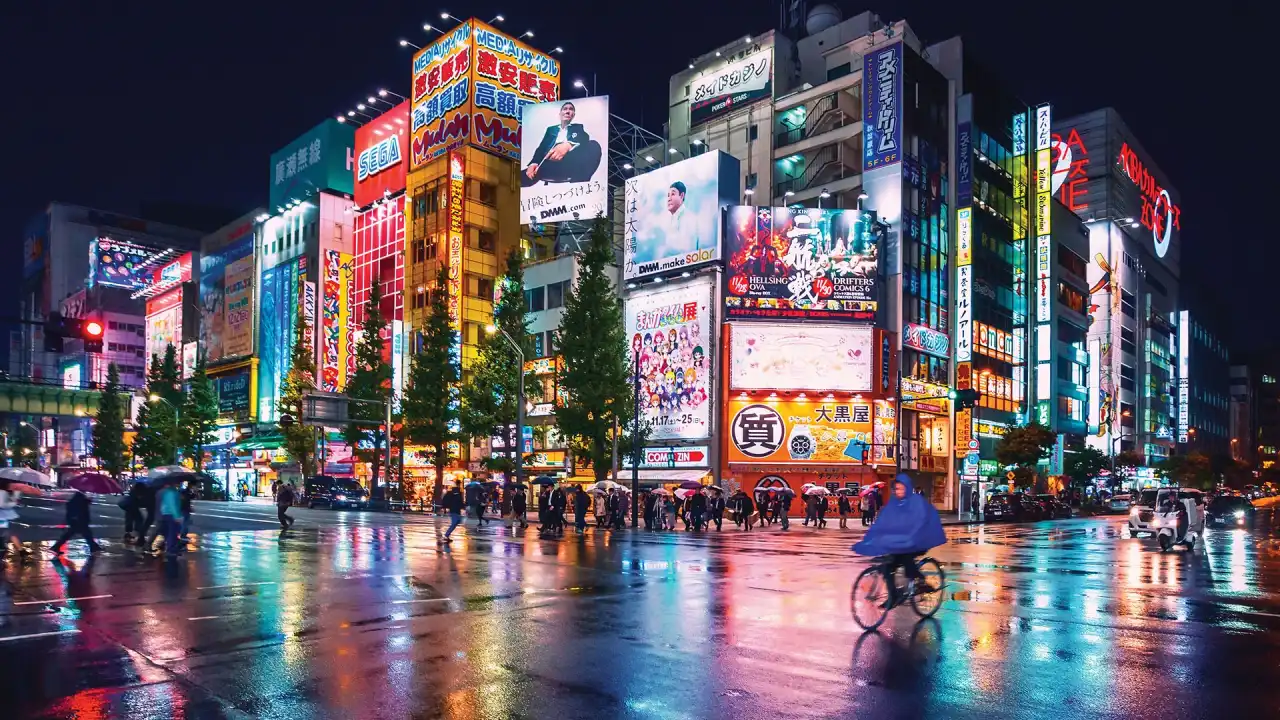
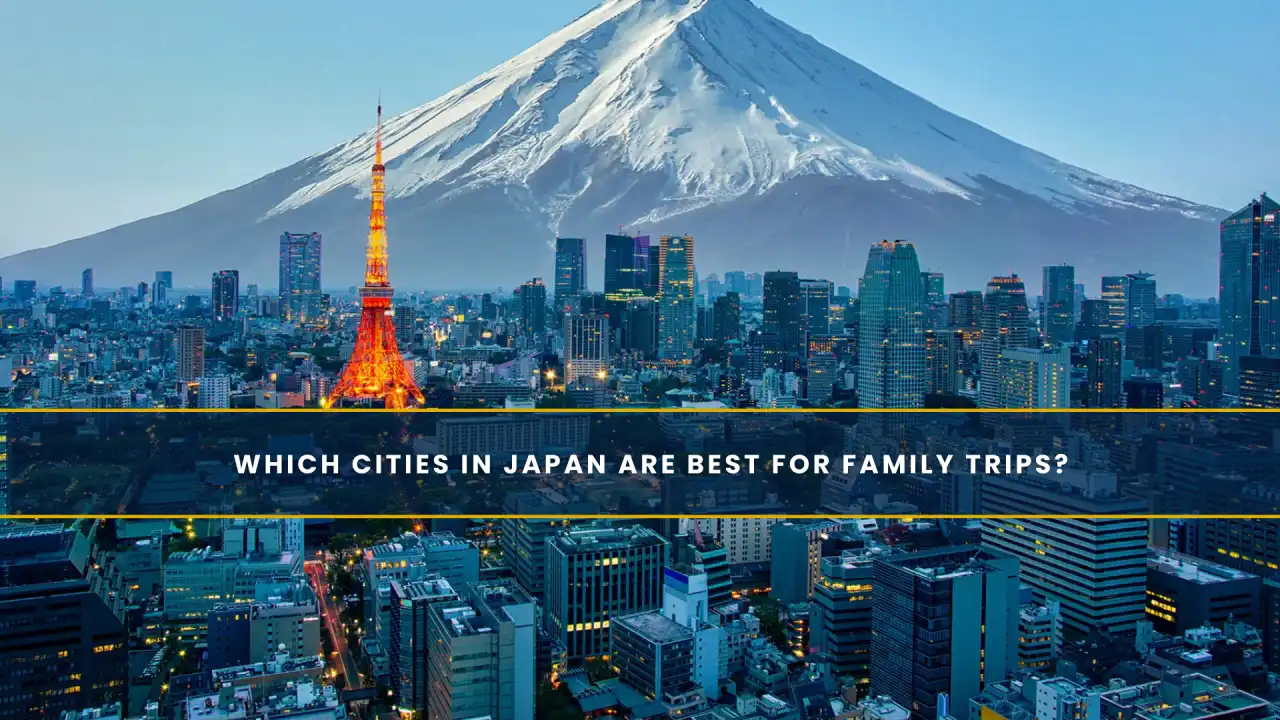
Tokyo scares people at first. It’s huge. Bright. Busy. Screens everywhere. But after a day or two, something clicks. Once you stop trying to see everything, Tokyo becomes surprisingly manageable. Think of it like a giant toolbox. You won’t use every tool. But whatever you need, food, transport, rest, or entertainment, it’s there somewhere.
Why Tokyo Works for Families
- Trains are reliable and clearly marked
- Public toilets are clean and easy to find (this matters more than you think)
- Parks appear where you don’t expect them
- Attractions mix fun with learning
Family Highlights in Tokyo
- Ueno Zoo & Ueno Park – Open space, shade, room to breathe
- TeamLab-style digital museums – Kids usually don’t want to leave
- Tokyo Disneyland & DisneySea – One full day, minimum
- Asakusa – Cultural, but not overwhelming
Pro Tip:
Stay close to a major station, but not right in the busiest zones. Ueno, Asakusa, or Ikebukuro are calmer at night and easier on the budget.
Kyoto: Culture That Doesn’t Have to Feel Serious
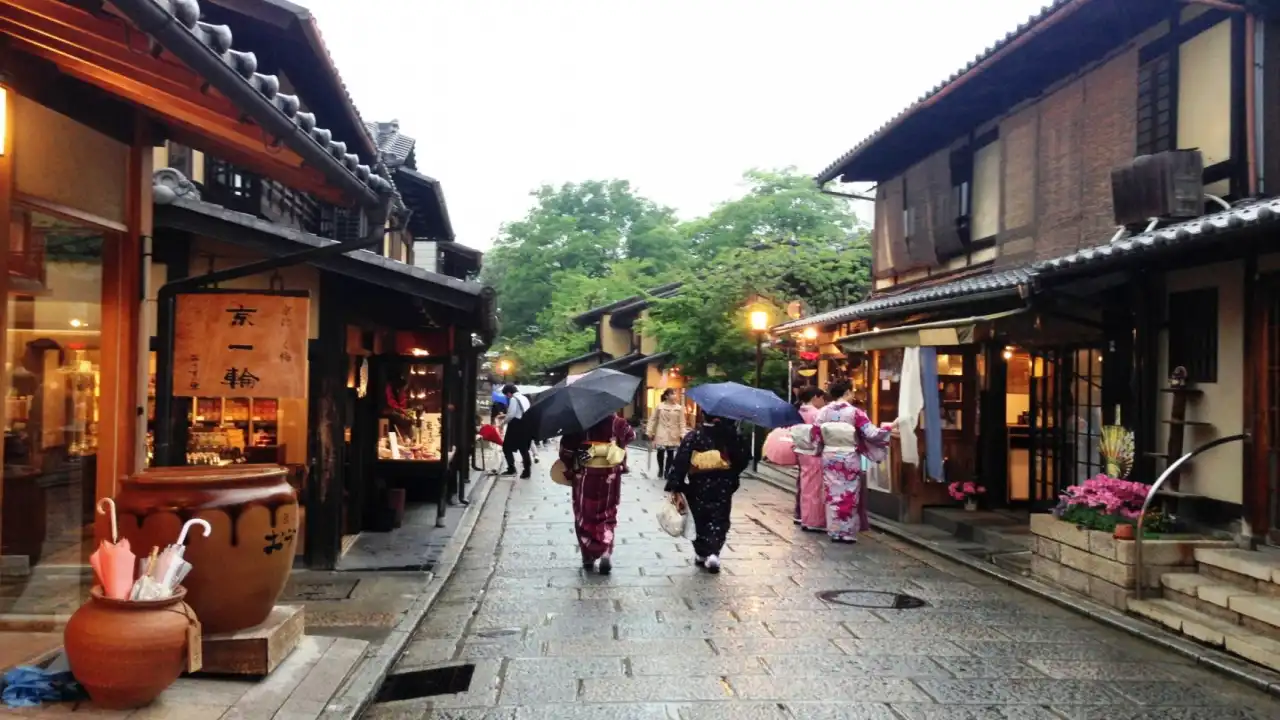
Kyoto has a reputation. Too quiet. Too traditional. Too “adult.” That’s only partly true. If you plan it gently, Kyoto becomes a place where kids absorb culture without realizing they’re learning anything. The city moves more slowly than Tokyo. Streets are narrower. Temples are everywhere. And somehow, kids notice more here. The sound of gravel. The smell of incense. The stillness.
Why Kyoto Works for Families
- Sightseeing areas are compact
- Neighborhoods are walkable
- Cultural moments feel real, not staged
Family-Friendly Experiences
- Arashiyama Bamboo Grove – Short walk, big impression
- Kyoto Railway Museum – Quietly excellent for kids
- Early-morning Gion – Peaceful and photogenic
- Traditional sweet shops – Easy breaks between walks
Pro Tip:
Don’t line up temples back-to-back. One stop, then food. One walk, then rest. Kyoto rewards patience.
Osaka: Relaxed, Friendly, and Food-Driven
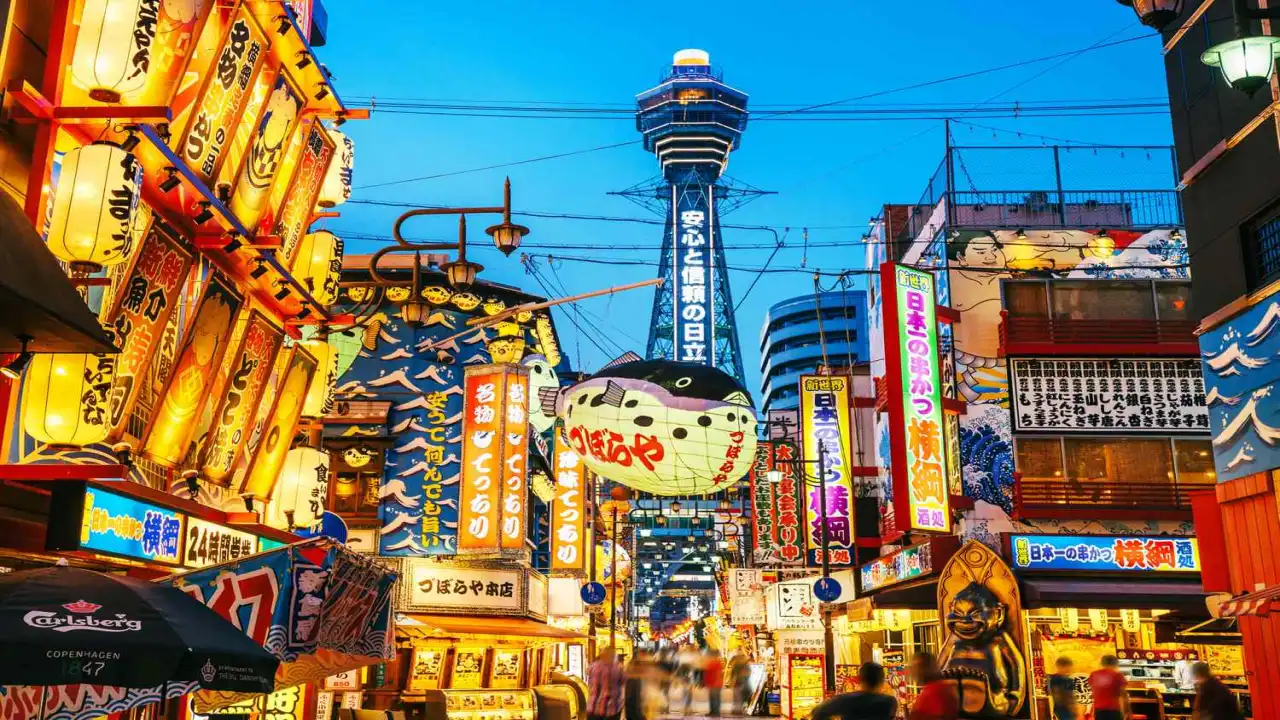
If Tokyo feels structured and Kyoto feels reserved, Osaka feels friendly and relaxed. People smile more. Conversations feel casual. Food is everywhere. And families usually relax here without trying.
Why Families Like Osaka
- Locals are warm and informal
- Street food keeps kids interested
- Attractions sit close together
Things to Do With Family
- Universal Studios Japan – Long day, but worth it
- Osaka Aquarium Kaiyukan – Massive and well-designed
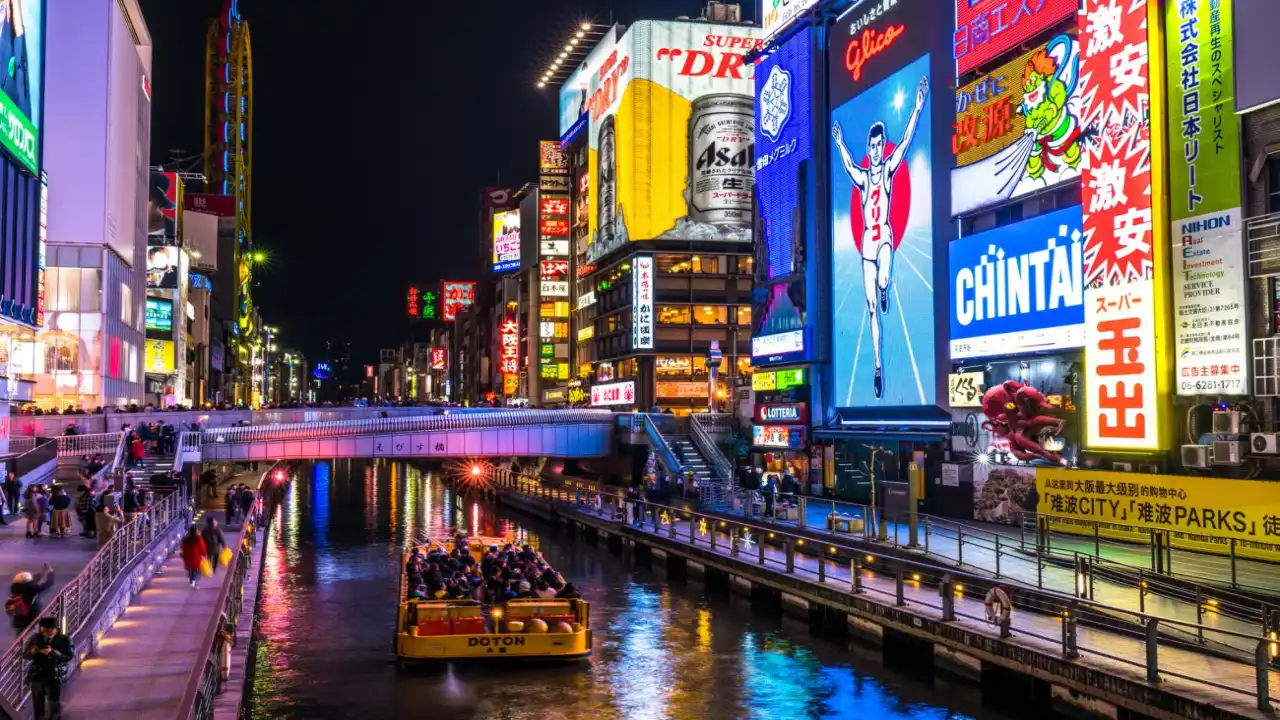
- Dotonbori – Lights, snacks, movement
- Namba Parks – Shopping mixed with greenery
This city often fits naturally into a Family tour package, especially for first-time visitors who want fun without overthinking logistics.
Pro Tip:
Stay near Namba or Umeda. You’ll save time and energy every day.
Hiroshima: Quiet, Thoughtful, and Easy to Navigate
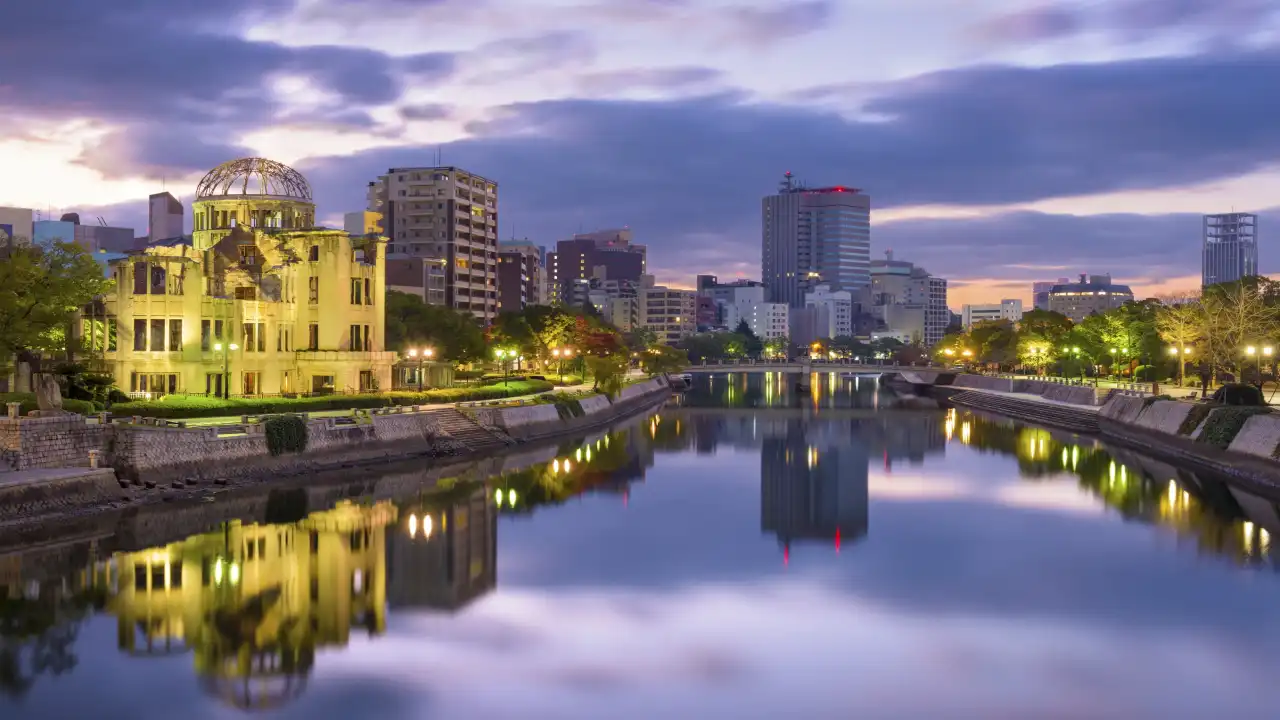
Hiroshima doesn’t always make it onto family itineraries, but it should. The city is calm, the streets are flat, and everything feels manageable. For families with slightly older kids, the experience can be meaningful without feeling heavy or overwhelming.
Why Hiroshima Works
- A smaller scale means less fatigue
- Easy walking routes
- Educational without feeling like a lecture
Family Experiences
- Peace Memorial Park – Quiet, reflective, respectful
- Miyajima Island – Deer, ropeway rides, open views
- Okonomiyaki cooking – Food as an activity
Pro Tip:
Explain the history simply before visiting. Context helps kids understand what they’re seeing.
Nagoya: The City People Skip and Later Regret
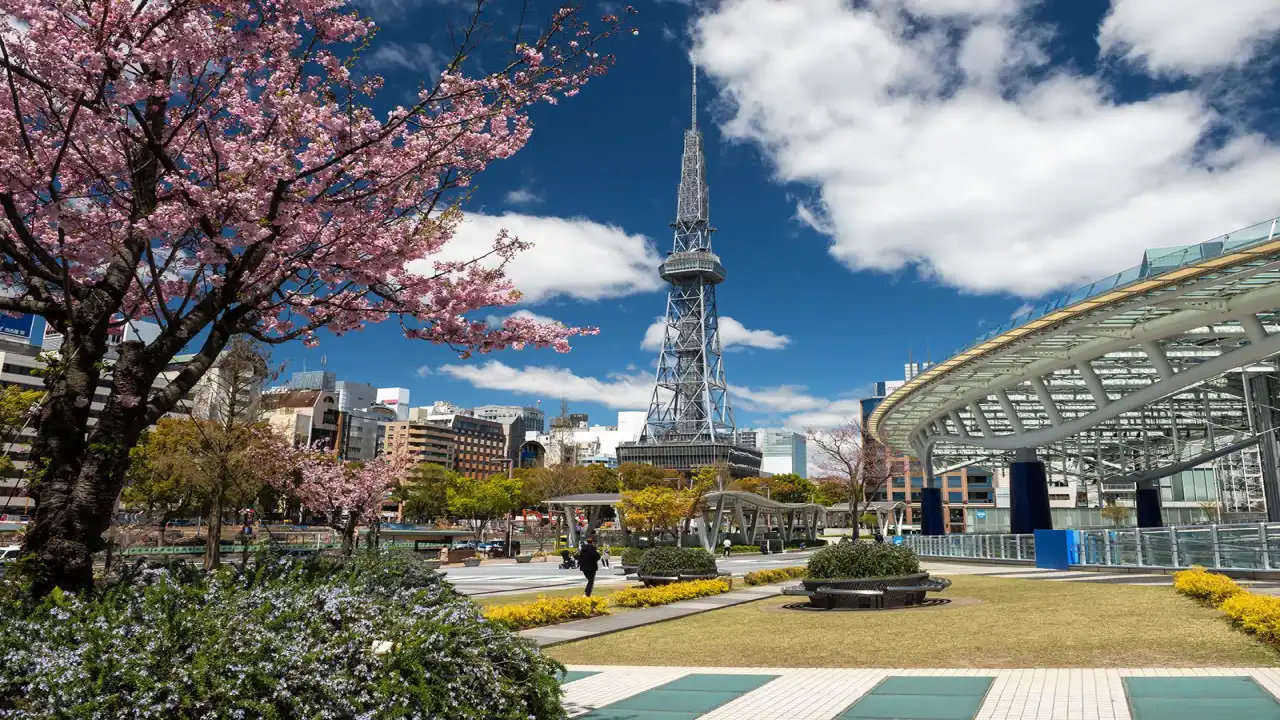
Nagoya doesn’t shout for attention. It doesn’t need to. Families often arrive with low expectations and leave pleasantly surprised.
Why Nagoya Is Family-Friendly
- Excellent science and transport museums
- Spacious streets and parks
- Hotels cost less than in Tokyo
Must-Visit Spots
- SCMAGLEV and Railway Park
- Nagoya City Science Museum
- Nagoya Castle grounds
Nagoya works well for families on a longer Japan family vacation, especially when moving between Tokyo and Kyoto.
Pro Tip:
Two nights are usually enough. Don’t rush it.
Sapporo: Space, Air, and a Slower Feel
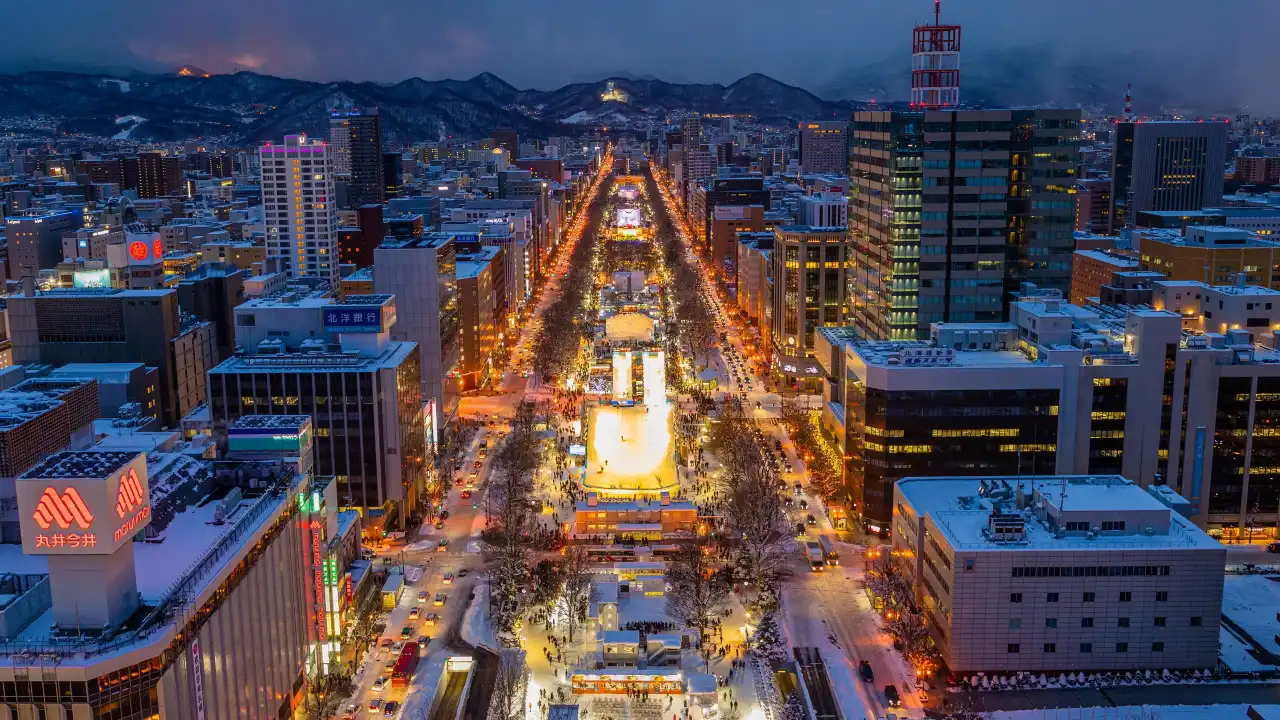
If temples aren’t your thing, Sapporo might be. Located in Hokkaido, it feels open. Roads are wide. Parks are everywhere. Breathing feels easier.
Why Families Enjoy Sapporo
- Plenty of open space
- Cooler weather
- Seasonal food and festivals
Family Activities
- Odori Park is right in the city center.
- Zoo visits and chocolate factories
- Snow activities in winter
Pro Tip:
Summer and winter are best. Spring and autumn are quieter, but calmer.
Yokohama: Close to Tokyo, But Calmer
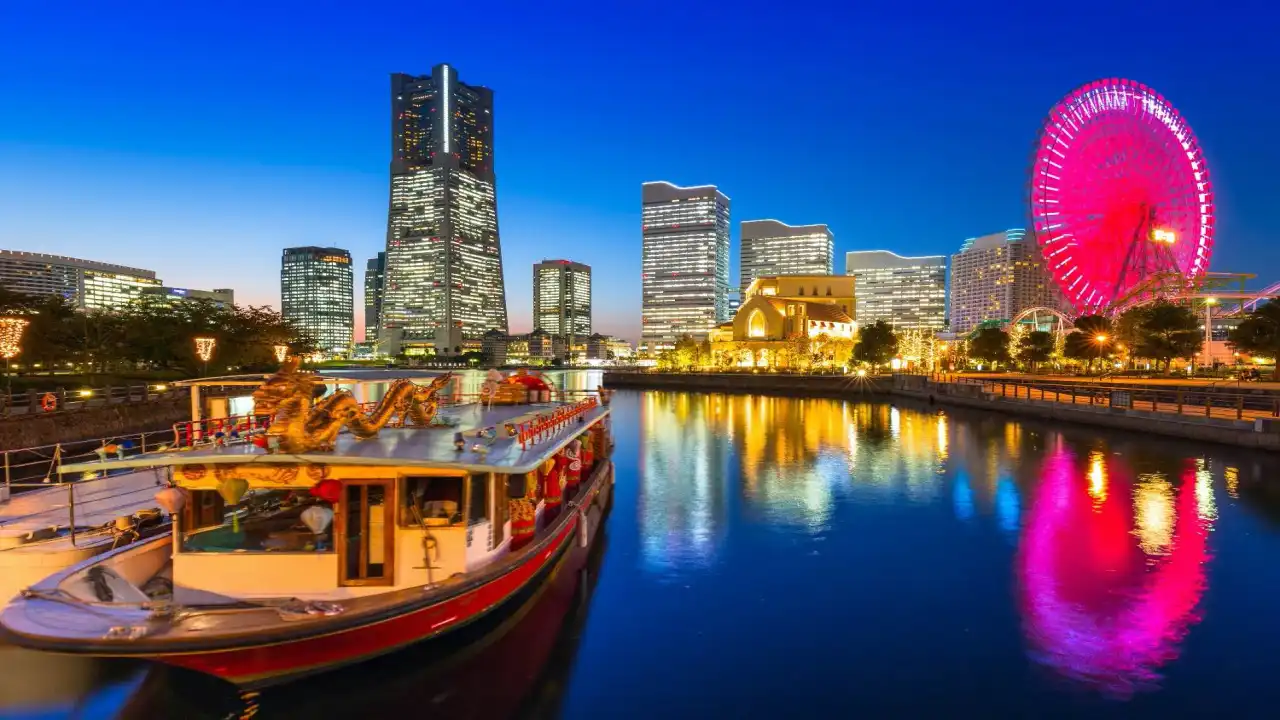
Just half an hour from Tokyo, Yokohama feels like a deep breath. It’s slower. Less crowded. And perfect for families who want space without losing city comforts.
Why Families Choose Yokohama
- Fewer crowds
- Easy waterfront walks
- Simple day trips
Family Attractions
- Cup Noodles Museum – Surprisingly engaging
- Cosmo World – Small rides, big fun
- Red Brick Warehouse – Open and relaxed
It fits well into shorter stays or Japan family travel plans when Tokyo feels like too much.
Food in Japan With Kids

Food anxiety is common. It’s usually unnecessary.
Easy options include:
- Plain rice or noodles
- Tempura
- Omelet rice
- Bakery items
- Fresh fruit
Most places are flexible if you ask politely.
Conclusion
There isn’t one perfect city. There’s just the right mix.
- Tokyo and Kyoto for balance
- Osaka for fun and food
- Hiroshima or Nagoya for calm and learning
- Sapporo or Yokohama for space
Japan doesn’t overwhelm you if you let it set the pace. The cities don’t push themselves forward. They quietly support your trip, train by train, meal by meal. When planned well, whether you are traveling independently or as part of a thoughtfully designed international trip package, a Japanese family vacation doesn’t feel rushed or tiring. It simply feels smooth. And that’s what most families are really looking for.
Practical Family Travel Tips
A few things that make life easier:
- Carrying a small trash bag as a bin is rare
- Convenience stores are lifesavers
- Kids being noisy isn’t a big issue
- Elevators exist, but aren’t always obvious to ask about
- Cash still helps in smaller cities