Which Theme Parks in Japan Are Worth Visiting?
Introduction
When people talk about Japan, theme parks don’t always come first. Usually it’s temples, food stalls, neon streets, maybe cherry blossoms if the timing is right. But once you start planning properly, theme parks quietly fall into the picture. And honestly, they deserve that spot. Theme parks here aren’t loud, chaotic playgrounds where you just hop from ride to ride. They feel planned and thoughtful through. You notice it the moment you walk in. Floors are spotless. Staff actually look at you when they help. Lines move calmly instead of turning into a mess. That’s what sets Japan's theme parks apart. They don’t rush the experience. They let it unfold. Whether you’re with kids, friends, or even traveling as a couple, the right park can end up being the most memorable day of your trip. This guide isn’t hype-driven. It’s based on how these parks actually feel once you’re inside them, what works, what doesn’t, and who they’re really meant for.
Why Theme Parks Feel Different in Japan
Before getting into names, there’s something worth understanding. Theme parks in Japan don’t work the same way as many others around the world.
A few things stand out almost immediately:
- Everything is extremely clean. Not just clean-looking, actually clean.
- Even on busy days, crowds stay oddly respectful. People wait. They follow lines.
- The design feels complete. No half-done corners or rushed expansions.
- Staff treat their roles seriously. Not stiff, just professional.
- Seasonal changes are real. Decorations, food, and even shows shift throughout the year.
You’re not only paying for rides. You’re paying for calm. And that calm is rare when thousands of people are packed into one place.
Tokyo Disneyland: Familiar, Comfortable, and Well Run

Tokyo Disneyland is one of the first parks people think of. It’s familiar, yes. Mickey, castles, parades, all the classics. But there’s a quiet difference here. Everything feels smoother. Lines move better. Rides are maintained obsessively. Even the parade timing feels sharper. If you’ve visited Disney elsewhere, you’ll notice it within an hour.
Why it’s worth your time:
- Stories and characters everyone already knows
- Attractions that feel cared for, not worn out
- Parades that don’t feel rushed or sloppy
- Surprisingly good food options
It doesn’t try to reinvent anything. It just does the basics very, very well.
Best suited for:
- First-time visitors to Japan
- Families with younger kids
- Anyone who enjoys classic theme parks
Pro tip:
Get there early. Not “kind of early.” Properly early. Locals line up long before gates open, and that head start changes the whole day.
Tokyo DisneySea: Quietly Impressive and Grown-Up
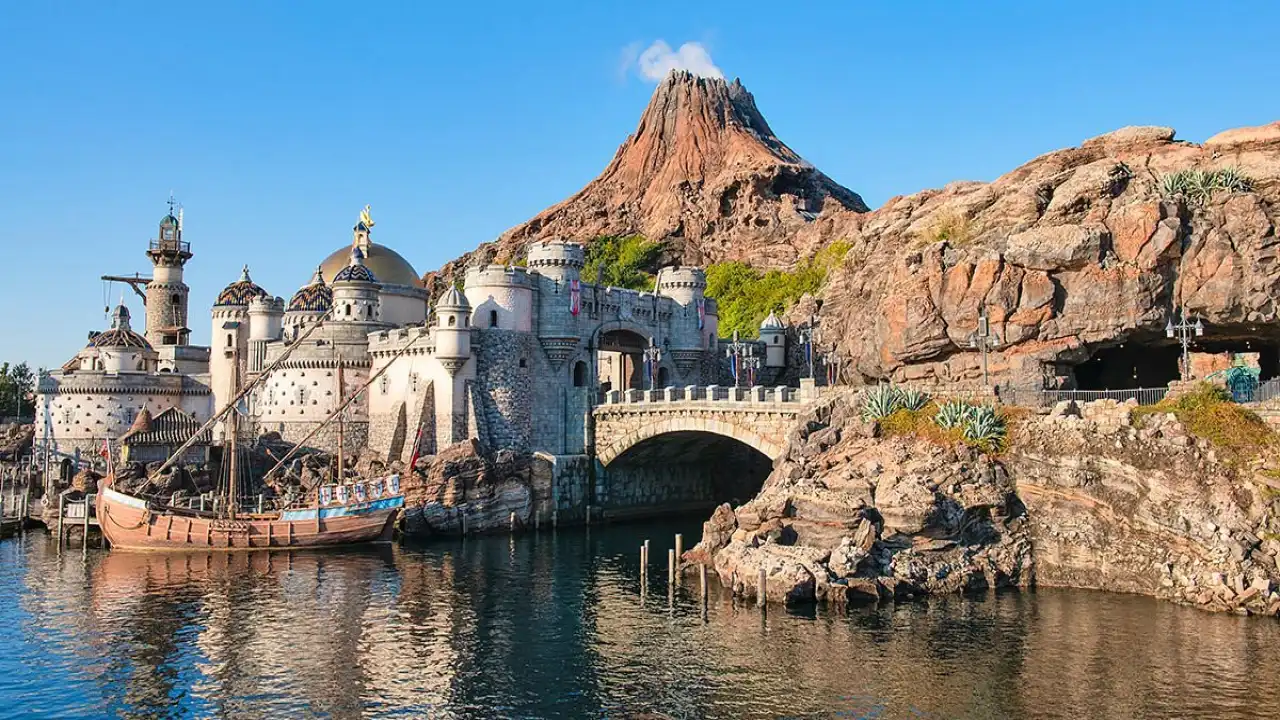
DisneySea is often mentioned as one of the best theme parks in Japan, and that’s not marketing talk. It genuinely feels different. This park doesn’t shout for attention. It pulls you in slowly. The areas are detailed, the music shifts as you move, and the whole place feels slightly more adult. Not serious, just calmer.
What really stands out:
- A nautical theme that actually feels immersive
- Attractions you won’t see anywhere else
- Strong storytelling without being obvious
- Evenings that feel almost cinematic
You start noticing little things. The lighting. The background sounds. The way zones blend without sharp edges.
Best suited for:
- Couples
- Adults traveling without kids
- People who’ve already seen other Disney parks
Pro tip:
If possible, stay till evening. DisneySea at night feels like a different place altogether.
Universal Studios Japan: Loud, Busy, and Full of Energy
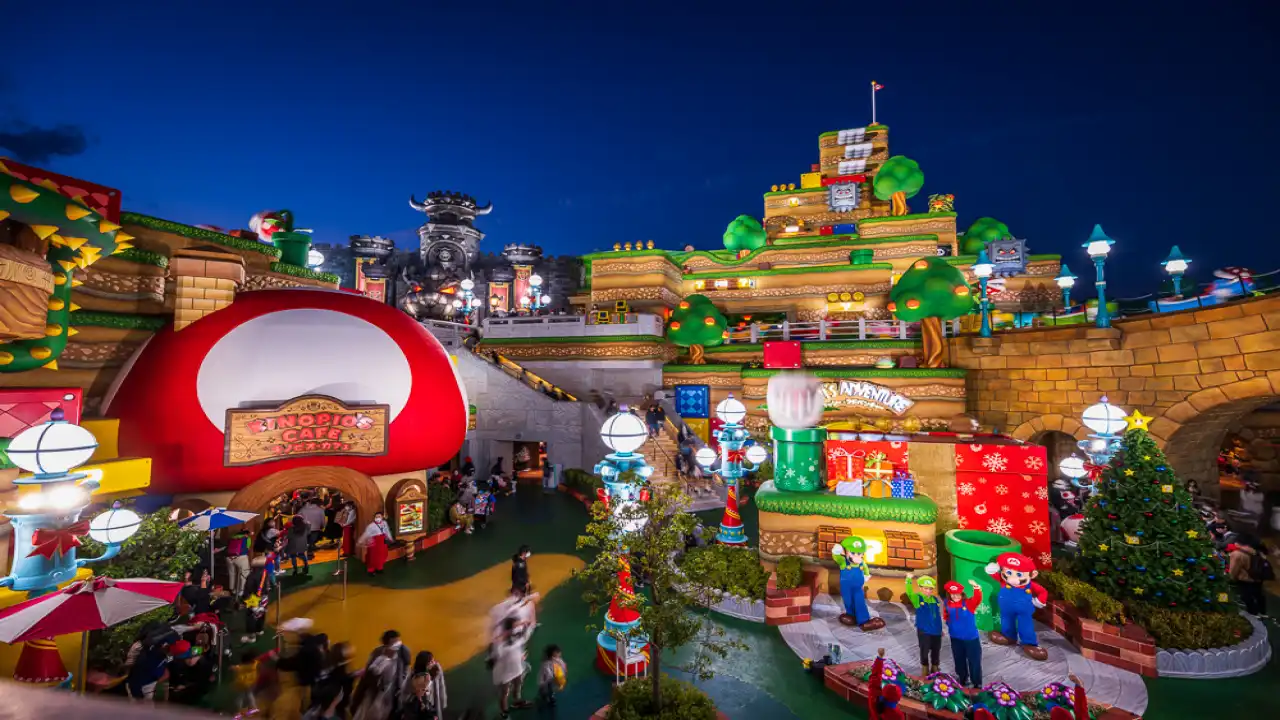
Universal Studios Japan in Osaka has the opposite vibe. It’s noisy, crowded, and packed with recognizable franchises. And that’s exactly why people love it. This park doesn’t slow down. It throws you straight into big names and fast rides.
Main attractions include:
- Super Nintendo World
- Wizarding World of Harry Potter
- Minion Park
- Large-scale thrill rides
It can feel overwhelming, especially on weekends. But for the right traveler, that energy is part of the fun.
Best suited for:
- Teenagers and young adults
- Movie, gaming, and pop-culture fans
- Groups of friends
Pro tip:
Timed-entry areas fill up quickly. Lock those slots as soon as you enter, or you’ll regret it later.
Fuji-Q Highland: Not for the Nervous
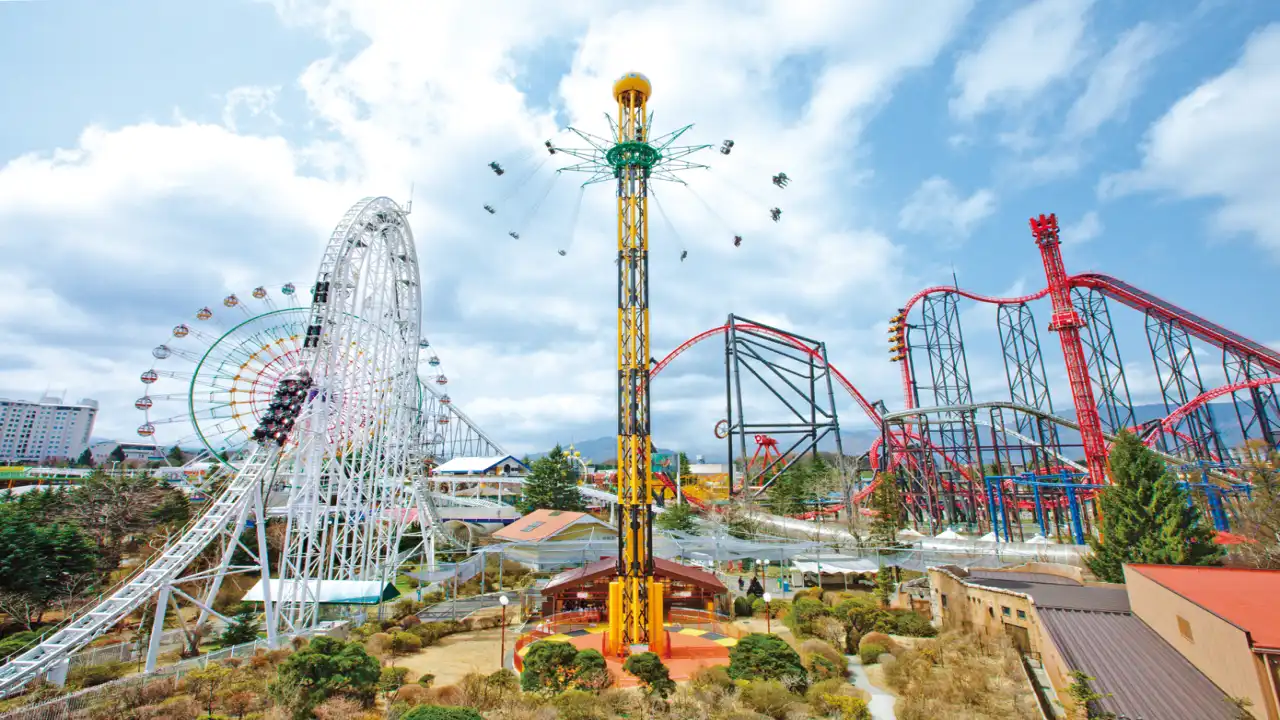
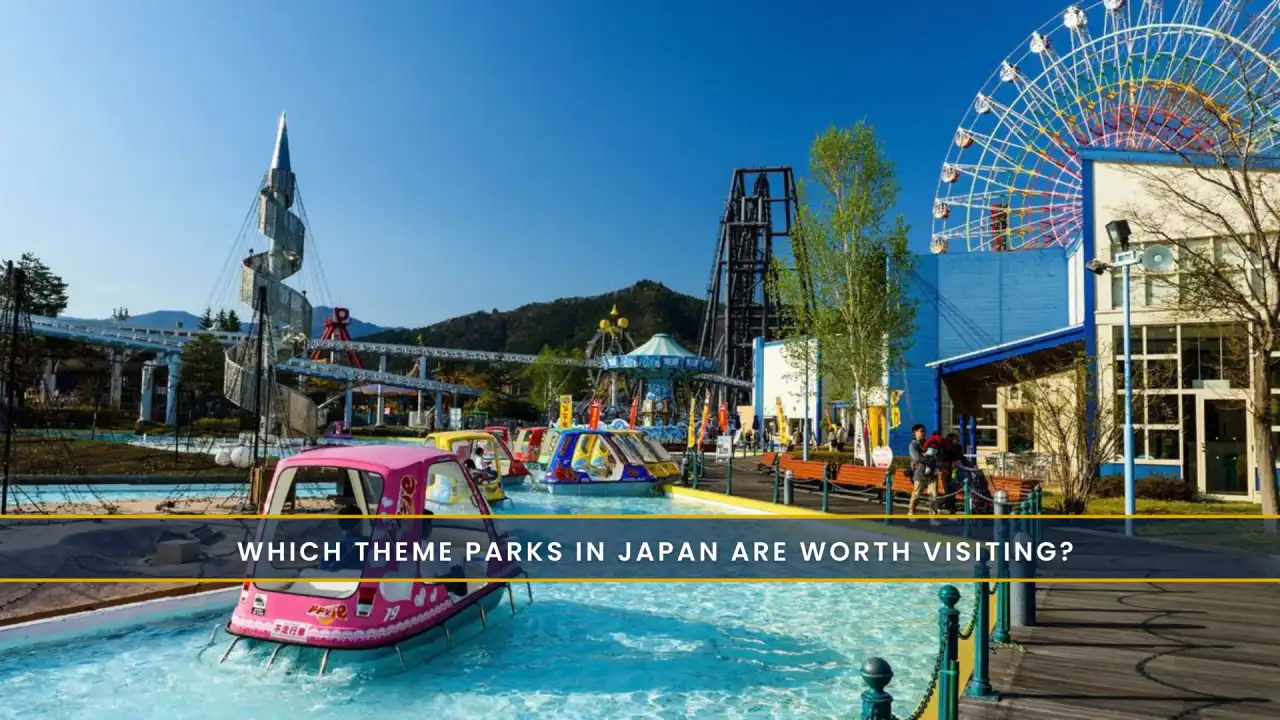
Fuji-Q Highland doesn’t try to charm you. It doesn’t care if you’re nervous. This park is about extremes. Located near Mount Fuji, it’s known for record-breaking roller coasters that go straight to your stomach.
Why do people come here:
- Some of the wildest coasters in the country
- Clear views of Mount Fuji on good days
- No cartoon themes, no distractions
It’s direct. Intense. Not subtle at all.
Best suited for:
- Hardcore thrill seekers
- Travelers wanting something totally different
- Short visits with a clear goal
Pro tip:
Check the weather before going. Clear skies make a huge difference, both for views and mood.
Sanrio Puroland: Slow, Cute, and Indoors
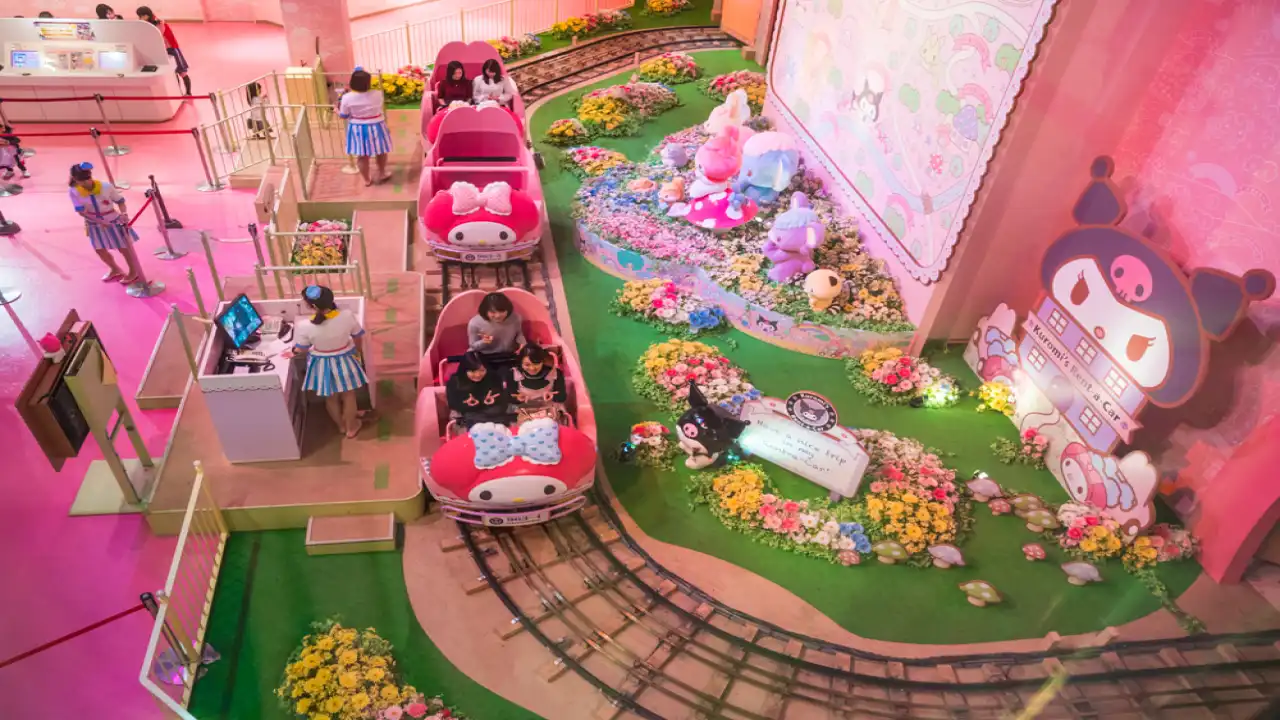
Sanrio Puroland surprises people. It doesn’t have big rides. It doesn’t rush you. It’s indoors and gently themed around Hello Kitty and friends. And somehow, it works.
What to expect:
- Indoor attractions (great on rainy days)
- Live shows and interactive moments
- Endless photo spots
- A slower pace overall
This park isn’t about thrills. It’s about atmosphere and comfort.
Best suited for:
- Younger children
- Fans of Japanese pop culture
- Travelers wanting a relaxed half-day plan
Pro tip:
Don’t try to rush through it. That defeats the point.
Nagashima Spa Land: Balance Between Action and Rest
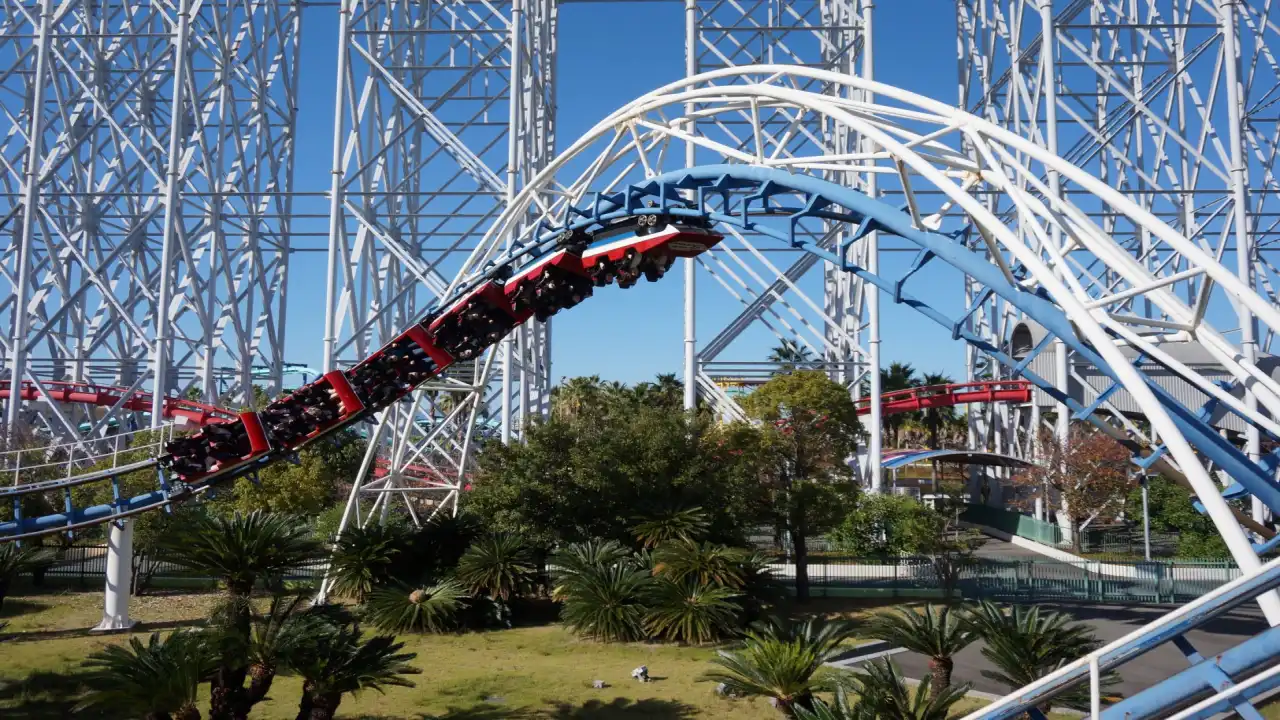
Nagashima Spa Land near Nagoya mixes things up nicely. Big rides, yes, but also space to slow down afterward.
Why it stands out:
- Large roller coasters
- Shopping outlets nearby
- Hot springs to relax post-rides
You can scream in the morning and soak in the evening. That balance is rare.
Best suited for:
- Mixed-interest groups
- Repeat visitors to Japan
- Travelers who want variety
Pro tip:
Plan your day into two halves. Rides first. Relax later.
Huis Ten Bosch: Calm, Spacious, and Unexpected
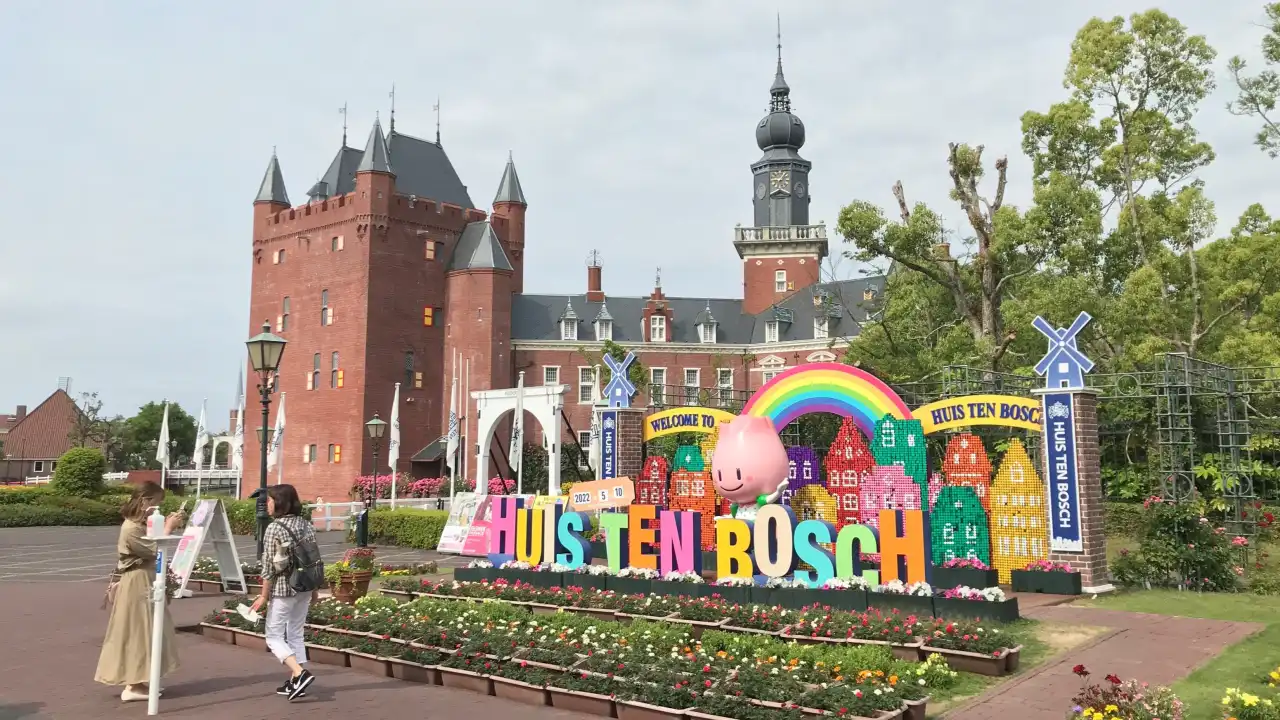
Huis Ten Bosch feels more like walking through a European town than visiting a theme park. Windmills, canals, brick streets, it’s oddly peaceful.
What makes it different:
- Wide walking paths
- Seasonal flowers
- Evening light shows
- Very few thrill rides
It’s more about wandering than rushing.
Best suited for:
- Couples
- Photography lovers
- Slow travelers
Pro tip:
Visit during festivals or seasonal events. That’s when it really shines.
Smaller Parks That Still Do a Good Job
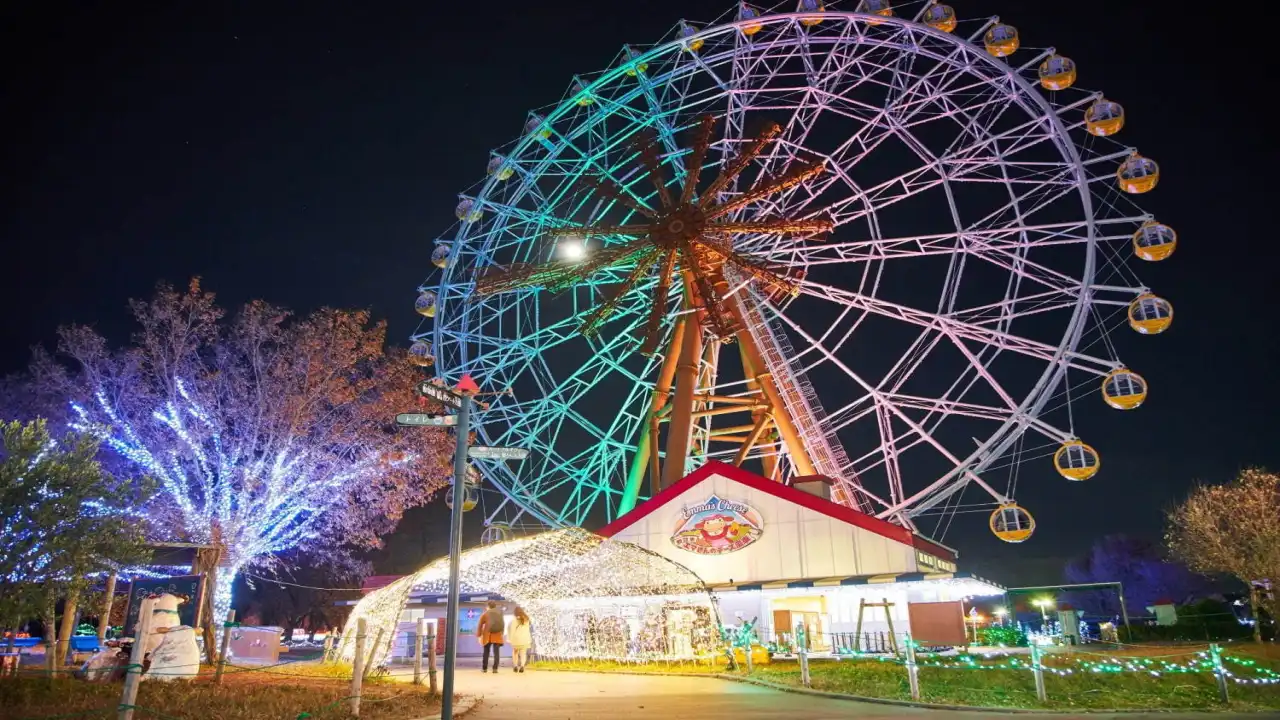
Not every worthwhile park is massive or famous.
Some quieter options include:
- Legoland Japan (Nagoya) – ideal for younger kids
- Edo Wonderland (Nikko) – history-focused, immersive
- Tobu Zoo (Saitama) – zoo plus amusement rides
These often suit travelers who want something calmer, especially those looking into family theme parks, which Japan is known for.
Picking the Right Park for You
Popularity doesn’t always equal enjoyment. Choosing the right park depends on you.
Ask yourself:
- Do I want rides or atmosphere?
- Am I traveling with kids or adults?
- How much time can I realistically spend?
- Can I handle crowds?
Honest answers save time, money, and energy.
Traveling With Family
Japan is exceptionally good at handling family or friend group travel. Parks are clean, safe, and clearly organized. Strollers aren’t a problem. Staff are patient. That’s why families often enjoy these parks more than expected.
Why families appreciate them:
- Clean rest areas
- Child-friendly food
- Clear signage everywhere
- A strong sense of safety
Many people balance sightseeing days with park visits, especially when planning a Japan family package that mixes culture with fun.
Tickets and Budgeting
Theme park tickets aren’t cheap. But the experience usually justifies the cost.
Smart ways to plan:
- Buy tickets online
- Avoid peak travel seasons
- Use express passes wisely
- Don’t overload your schedule
One relaxed park day is better than rushing through two.
Food Inside the Parks
Food isn’t an afterthought here.
You’ll notice:
- Themed snacks that actually taste good
- Seasonal menus
- Clean seating spaces
- Clear allergy information
Even simple meals feel handled with care.
Where Theme Parks Fit Best in a Trip
Theme parks work best when they’re spaced out between walking-heavy sightseeing days. After temples and city exploration, a structured park day feels refreshing. They fit especially well into balanced itineraries, like an International trip package, where fun and rest are planned together.
Conclusion
Japan’s theme parks don’t rely on excess. They rely on execution. Everything feels intentional, from the way lines move to how staff interact with guests. You don’t need to visit them all. Pick one or two that match your travel style. That’s enough to understand why people speak so highly of them. Plan carefully, don’t rush, and let the experience unfold. When done right, theme parks in Japan can easily become the calmest, happiest days of your entire trip.
Practical Tips That Actually Help
- Arrive early, even on weekdays
- Download official apps
- Respect queue etiquette
- Drink water, especially in summer
- Take breaks
These parks reward patience.