Why Is Udaipur Called the City of Lakes?
Introduction
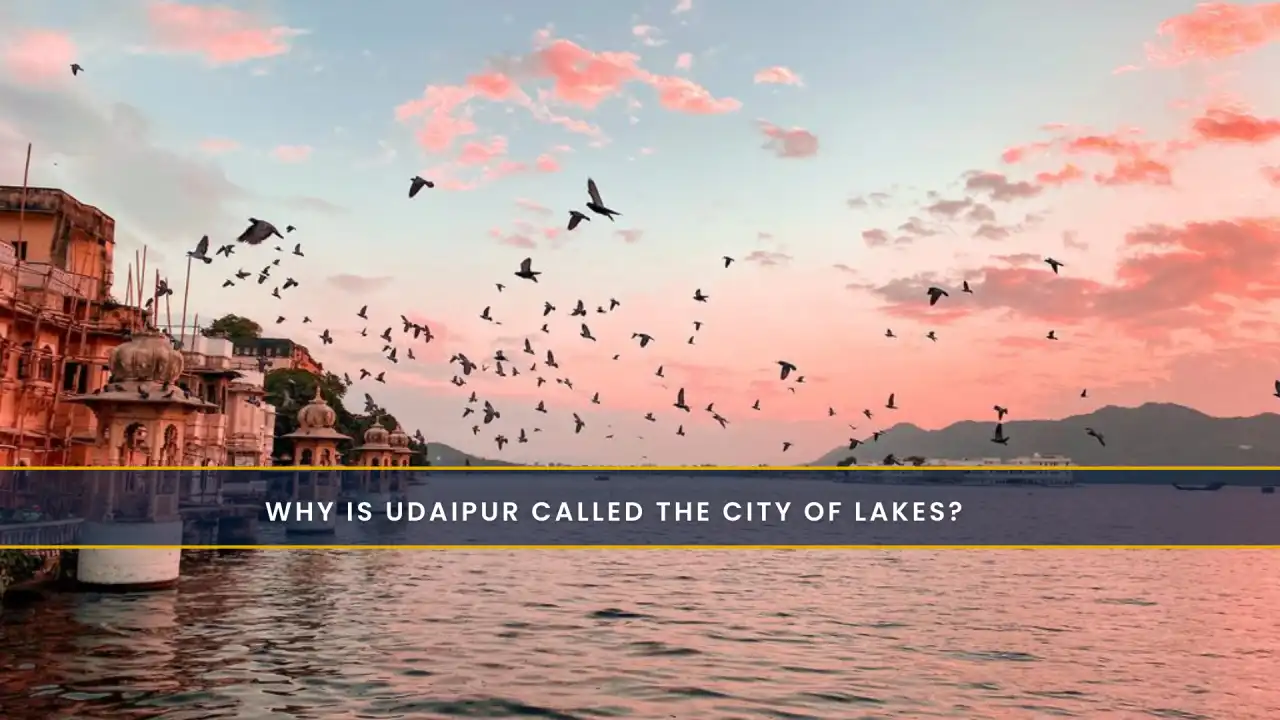
Some places in India don’t just show up on a map; they kind of sneak into your memory. Udaipur is one of those places. Before you even finish your first day there, you start hearing the phrase people love to use: Udaipur city of lakes. And honestly, it doesn’t feel like some branding tagline. It feels earned. Once you walk around, watch the water shimmering near old walls, hear distant traffic blending with temple bells, you sort of get why the name stuck. This piece digs into how that identity came to be, why the lakes matter so much, and why the city still treats them like something worth protecting.
How the Idea of a “Lake City” Began
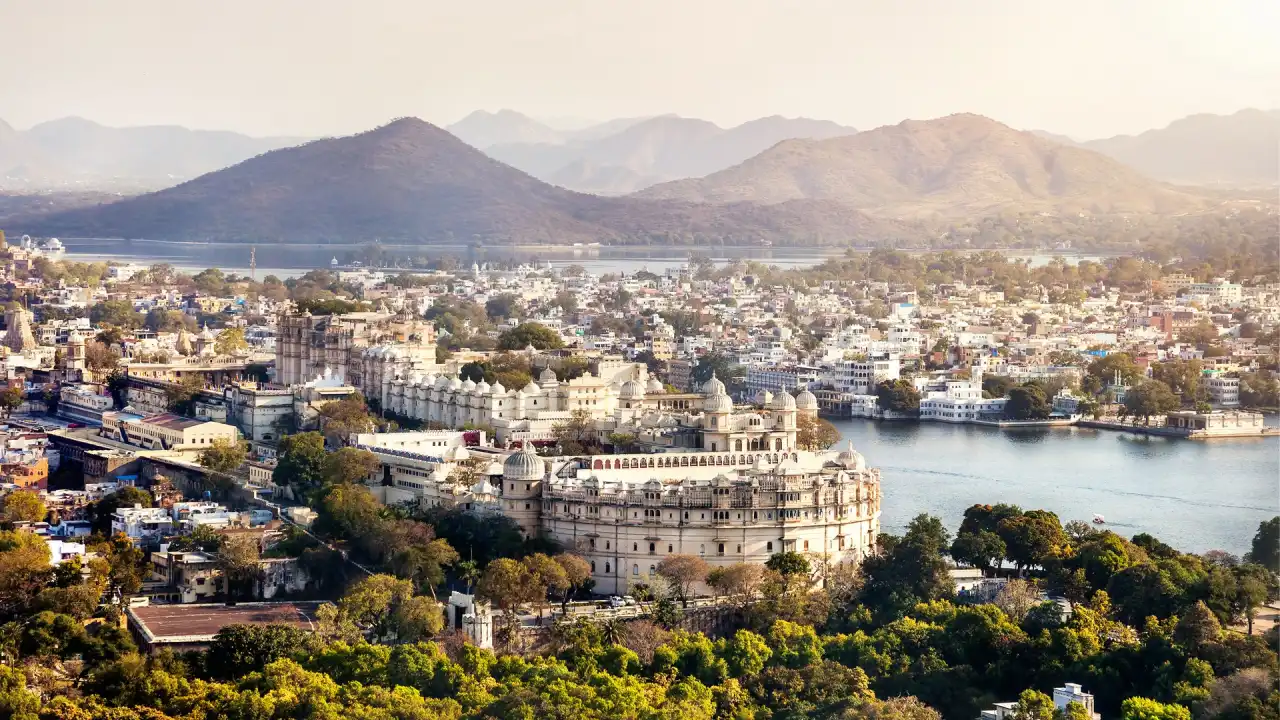
To figure this out, you have to rewind a few centuries, back to Maharana Udai Singh II. The city didn’t appear because someone wanted a pretty palace view. It was built in a region where rain didn’t always show up on time, and water truly meant survival. Life was tougher, slower, more thoughtful. Instead of waiting around and hoping nature would cooperate, the rulers with help from local communities, created solutions. Step by step, they built artificial lakes, channels, and catchment systems that collected monsoon water. These weren’t built for selfies or postcards. They were for farmers, animals, households, basically, the entire future of the kingdom. And slowly, almost unintentionally, those water bodies started becoming something more than storage. They turned into gathering spots, quiet corners, and emotional markers in the city’s story.
Why the Lakes Still Matter Today
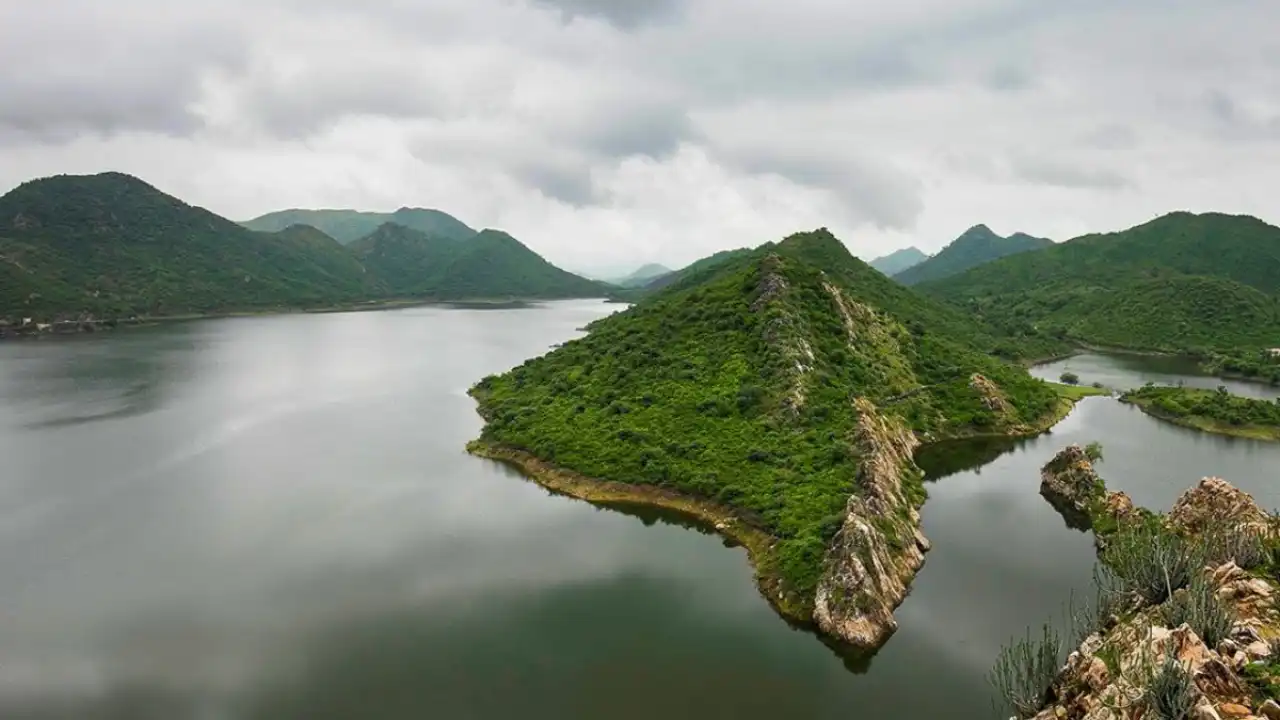
Modern cities expand fast, sometimes at the cost of nature. Udaipur still understands that its lakes are its backbone. Conservation groups, communities, and awareness efforts continue to protect them.
They support:
- ecology and local climate
- livelihoods
- social spaces and traditions
- the city’s identity itself
If the lakes disappear, the essence of the city disappears with them and everyone here knows that.
The Lakes That Shape Udaipur’s Identity
You don’t really notice how central the lakes are until you spend a whole day here. Mornings drift past joggers and tea sellers, evenings fill up with families, students, street snacks, and the occasional photographer trying to catch the light before it disappears. A few lakes stand out:
Lake Pichola
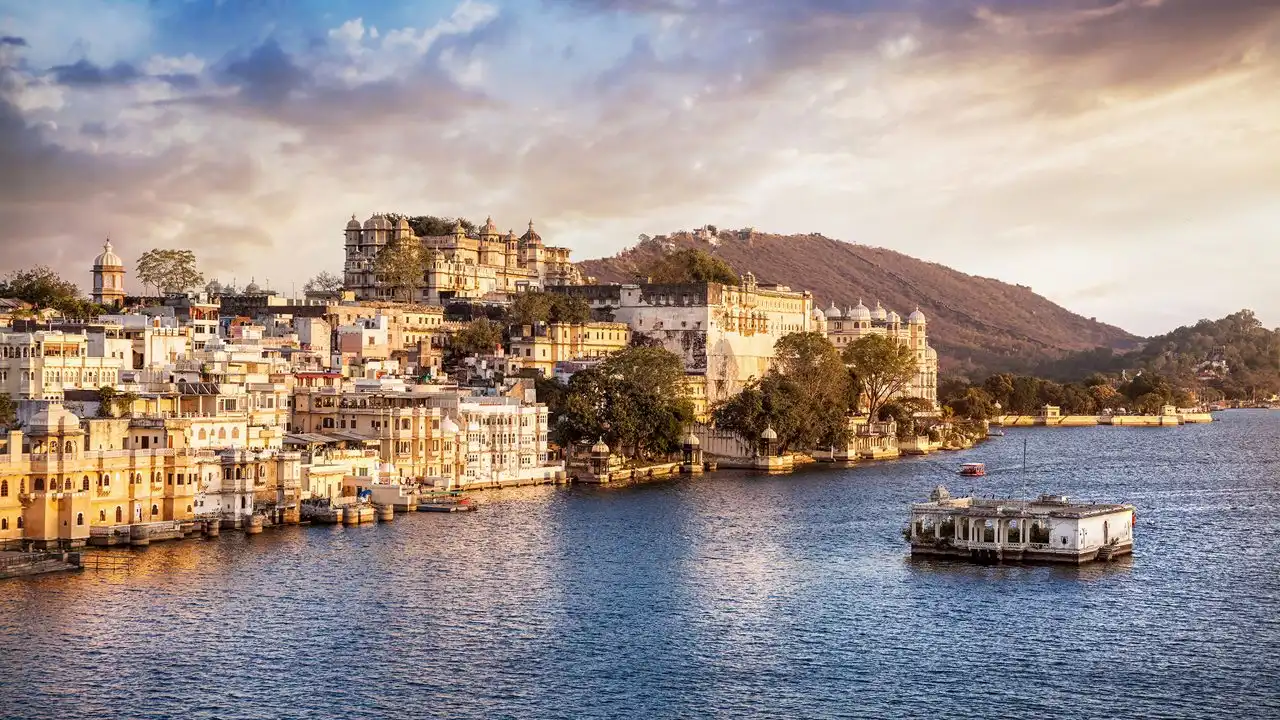
Probably the one everyone sees first. It sits there with old ghats, heritage buildings, and landmarks wrapping around it like a frame. A boat ride isn’t just scenery; it feels like moving through layers of time, where everyday life and history quietly overlap.
Fateh Sagar Lake
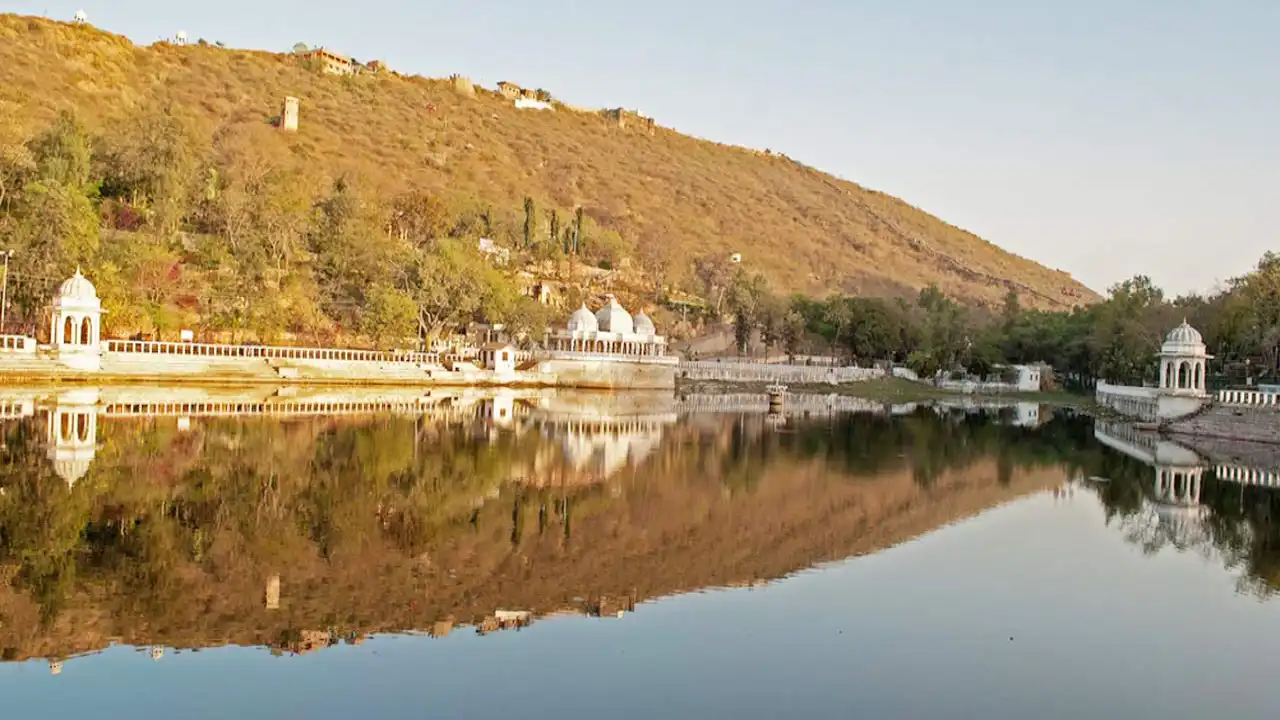
Different vibe here. Calm but lively. Locals love evening strolls, couples lean quietly on railings, and food stalls add that typical everyday warmth. It’s less dramatic and more familiar, like a part of real life rather than a tourist backdrop.
Swaroop Sagar & Badi Lake
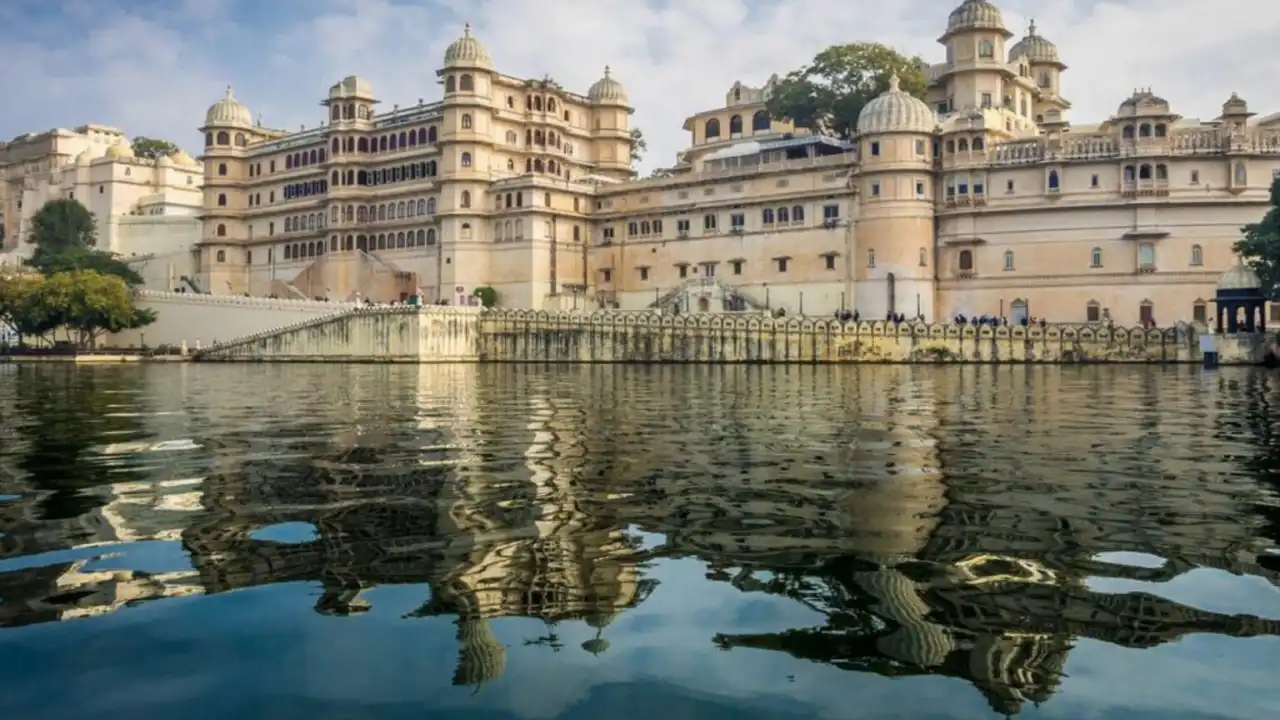
Not as crowded, a little quieter, and honestly, that’s part of their charm. They remind you that Udaipur isn’t defined by only one famous viewpoint; it’s a whole connected water system supporting the climate, nature, and people who live around it.
Each lake has its own job: tourism, storage, emotion, identity, and sometimes all at once.
Activities and Experiences Around the Lakes
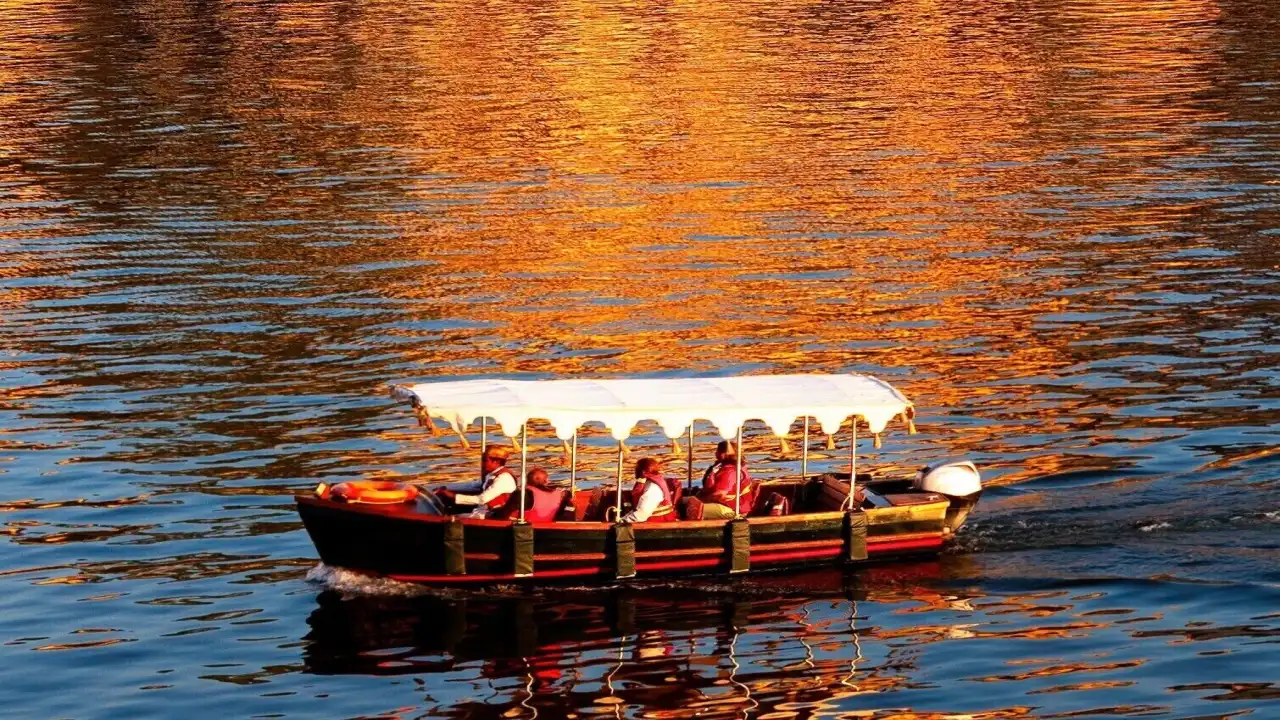
Udaipur isn’t just about staring at the water from far away. There are plenty of small, meaningful ways to enjoy it.
Things You Can Do
- Take a slow sunset boat ride
- Walk or cycle along the lake pathways
- Relax in gardens overlooking the water
- Try local snacks near the ghats
- Click reflections of old buildings on the lake
- Or just sit quietly and watch daily life go by
Udaipur’s Place in Regional Tourism
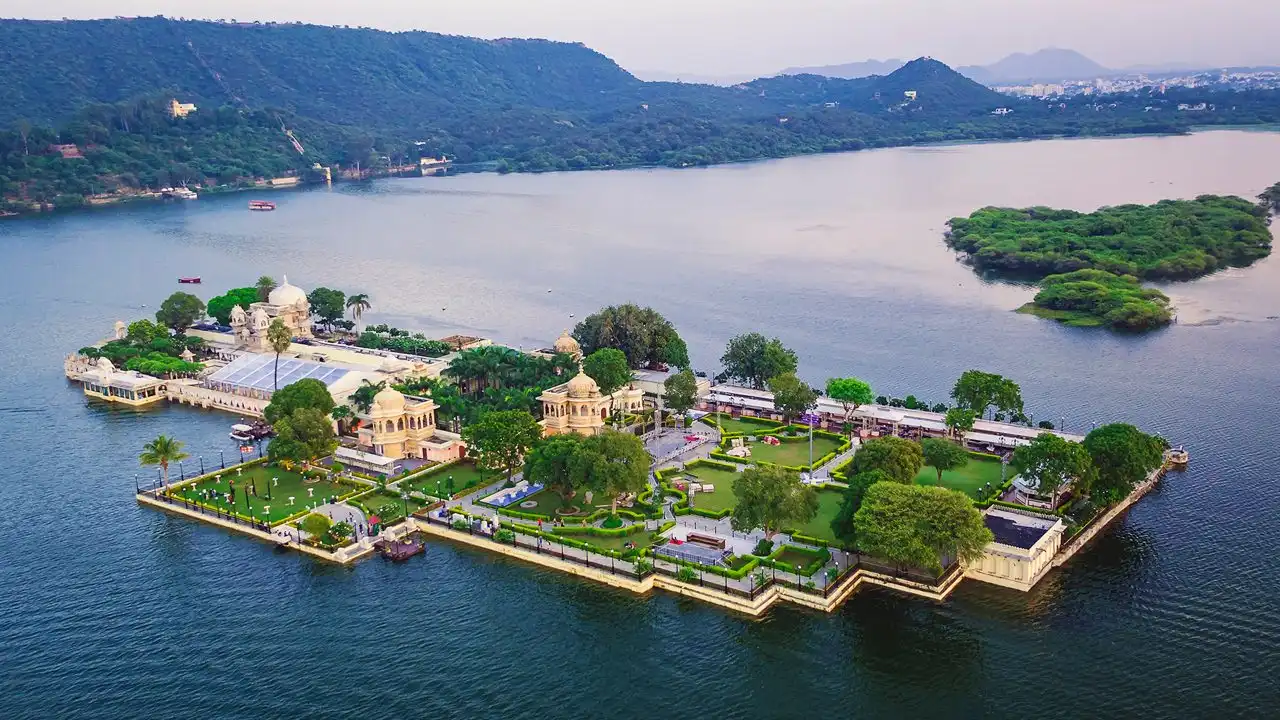
Sometimes, Rajasthan lake tourism surprises people. You spend days looking at dusty roads and dry hills, then you reach Udaipur and suddenly there’s water everywhere, cooler air, a bit of green, evenings that feel softer on the skin. It doesn’t rush you; it kind of slows the mood, like the city is saying, “breathe, stay a minute.” That contrast is what really makes Udaipur stick in your head, forts and deserts on one side, quiet lakes and hills on the other. And maybe that’s why travelers don’t get bored here, it gives variety instead of the same old scenery.
Why Travelers Fall in Love With the Experience
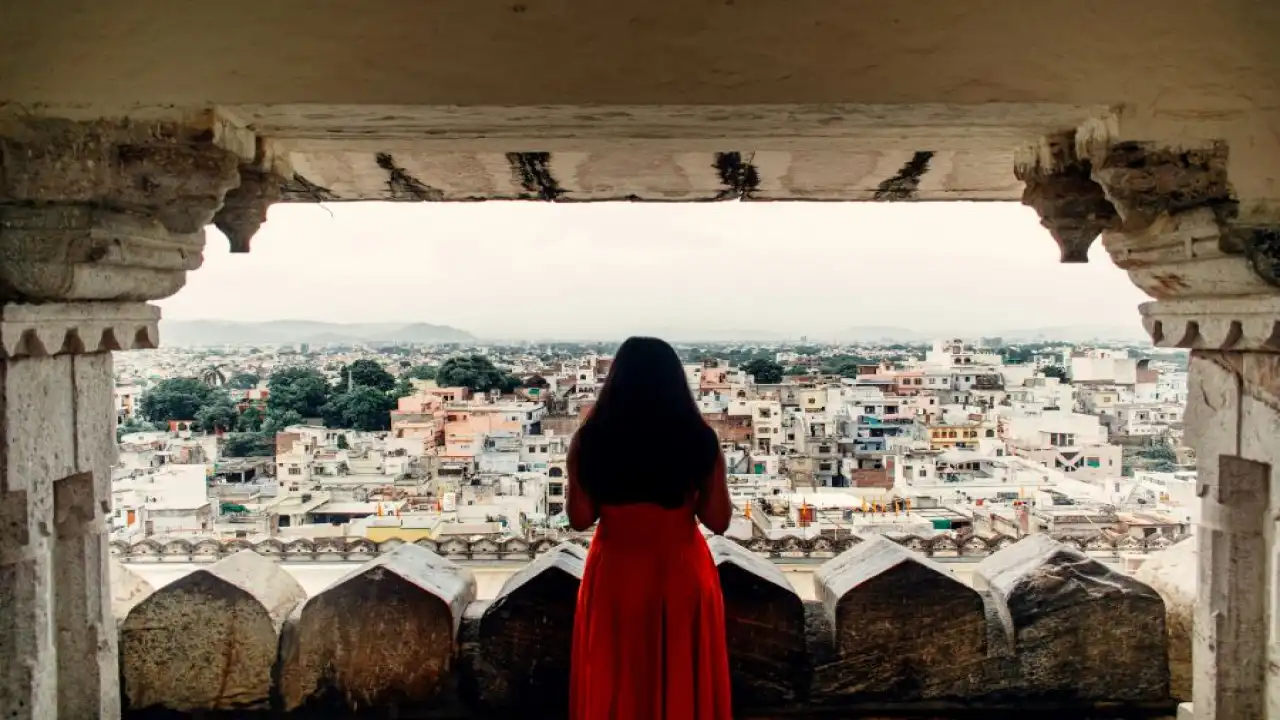
People say Udaipur has this way of slowing you down and honestly, it feels nice. You stop rushing. Sometimes you just end up by the lake without planning it, leaning on a railing, sitting on the ghats, watching the light slide across the water while scooters buzz past and someone laughs in a tiny café behind you. After a bit, the place starts to feel oddly personal, like you’ve drifted into its rhythm without trying. And then you realise this is the real Udaipur feeling, not racing through a checklist, but moving slowly, letting the city breathe with you. It’s quiet, imperfect, kind of emotional in a way you don’t expect. Maybe that’s why people keep coming back. Not for brand-new views, but for the same ones that somehow feel a little different every time.
How Architecture and Water Blend Together
Look around, and you notice something subtle: buildings here face the lakes. Balconies open toward the water, courtyards let the breeze move through, and even heritage hotels try to keep that original idea alive. It’s not about luxury. It’s about how the city was designed from the beginning, respecting the landscape instead of fighting it. Maybe that’s why Udaipur feels visually balanced instead of overwhelming or chaotic.
The Emotional Side of the Lakes
For residents, the lakes are part of life’s rhythm. People grow up celebrating festivals here, meeting friends, and cooling off after long days. It’s familiar, comforting, and quietly significant. Visitors can sense that without anyone explaining it. The place doesn’t feel like a staged tourist set; it feels lived-in and welcoming. Some families even look for curated Family Packages so they can enjoy lake views, slower schedules, and relaxed stays instead of rushed itineraries.
Lakes as Part of Everyday Life
In many cities, lakes are “places to visit.” In Udaipur, they’re part of the routine. You’ll see students hanging out after classes, elders chatting on benches, small rituals near ghats, someone feeding birds, and someone else just sitting and thinking.
They influence:
- How neighborhoods grow
- where people spend time
- food stalls, cafés, small traditions
- the slower, calmer rhythm of the city
Nothing about it feels staged. The bond between people and water has grown over generations and just stayed that way.
Planning Your Visit the Right Way
If it’s your first visit, think of Udaipur as a mix of scenery, culture, and calm, not just a list of tourist spots. Spend time by the lakes, talk to people, walk through old streets, and let the place sink in gradually.
A balanced plan could include:
- sightseeing and viewpoints
- some hours just sitting near the water
- trying local food instead of only restaurants
- slow walks to feel the city’s natural pace
Travel becomes more meaningful when you stop treating it like a checklist.
Conclusion
Sometimes people come to Udaipur for the palaces, the museums, the history and yes, all of that is absolutely there but it’s really the lakes that quietly hold everything together. They aren’t just pretty views in the background. They slip into old memories, evening walks, slow mornings, tourism plans, and even those itineraries people book for a short getaway. It’s like the city runs on them in small, unspoken ways that you only start noticing after you’ve spent a little time here.
And even now, when someone mentions Udaipur in a random conversation maybe over tea, maybe while talking about a domestic package for a weekend trip, the talk somehow drifts back to the same thing. Not the traffic or the shops, but the water, the reflections, those calm edges of the city. The lakes aren’t just scenery on the side of Udaipur like scenery on the side. In a way, they are the city’s heart and everyone who’s been there kind of feels it, even if they never quite say it out loud.
Pro Tips
- Early mornings or evenings feel cooler and look better in photos
- Be mindful around temples and ghats
- Don’t litter; locals really care about these spaces
- Wear comfortable footwear because you’ll walk more than you expect
- If you’re curious about history, a good local guide helps a lot
Small habits like these make your visit more respectful and meaningful.