Why Tet Festival Is the Heartbeat of Vietnam
Introduction
What comes to your mind when you hear “Festival”?
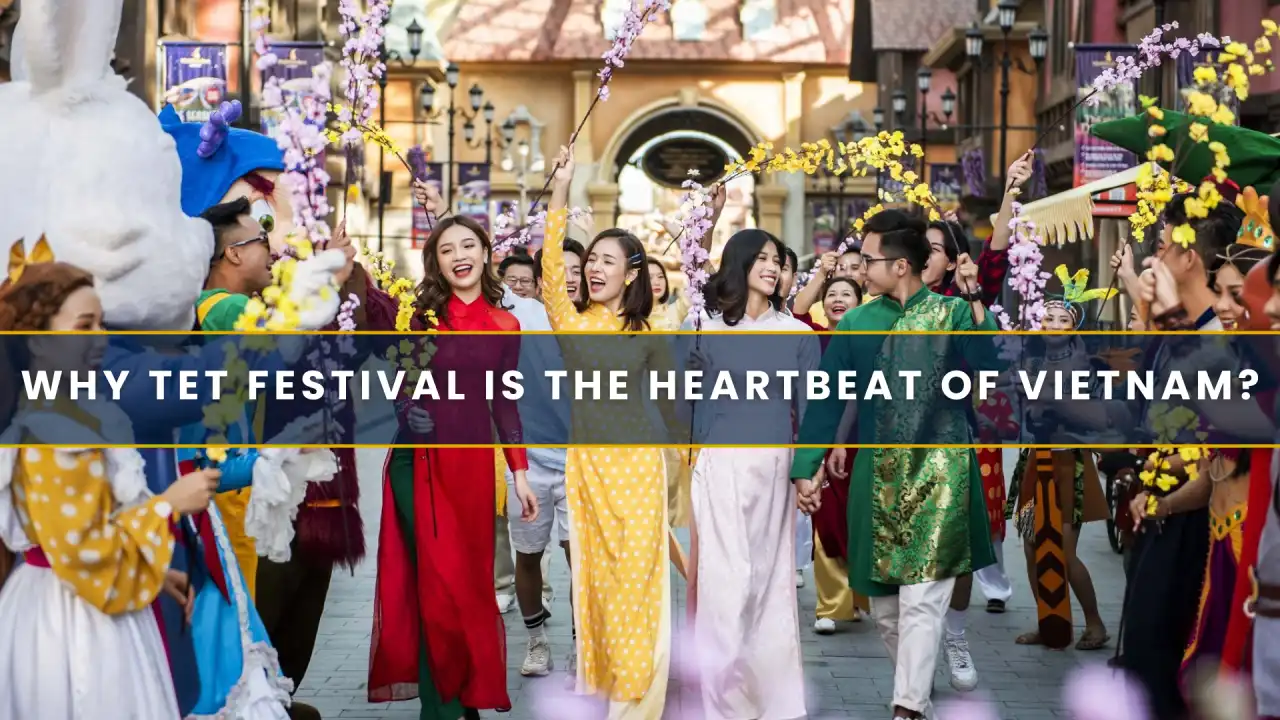
Usually, it's culture, lights, food, fireworks, colors, music, and for some people, it means finally a day off from work. Either way, festivals make us happy. One of such festivals is the Tet festival in Vietnam. Tet marks the lunar new year and stands as the most important cultural moment in the country. But what makes it stand out as a festival? We tend to expect a spectacle during a festival, but instead, what we encounter during Tet is intention. Families leave cities in waves. Homes are cleaned with near-ceremonial focus. Even traffic, Vietnam’s most reliable constant, seems to pause out of respect. Somewhere between watching flower sellers rearrange peach blossoms at dawn and noticing how empty a usually frantic street feels, it becomes clear that the Tet celebration in Vietnam is not designed to entertain. It is designed to reset.
What exactly is Tet, and why does it matter so deeply?
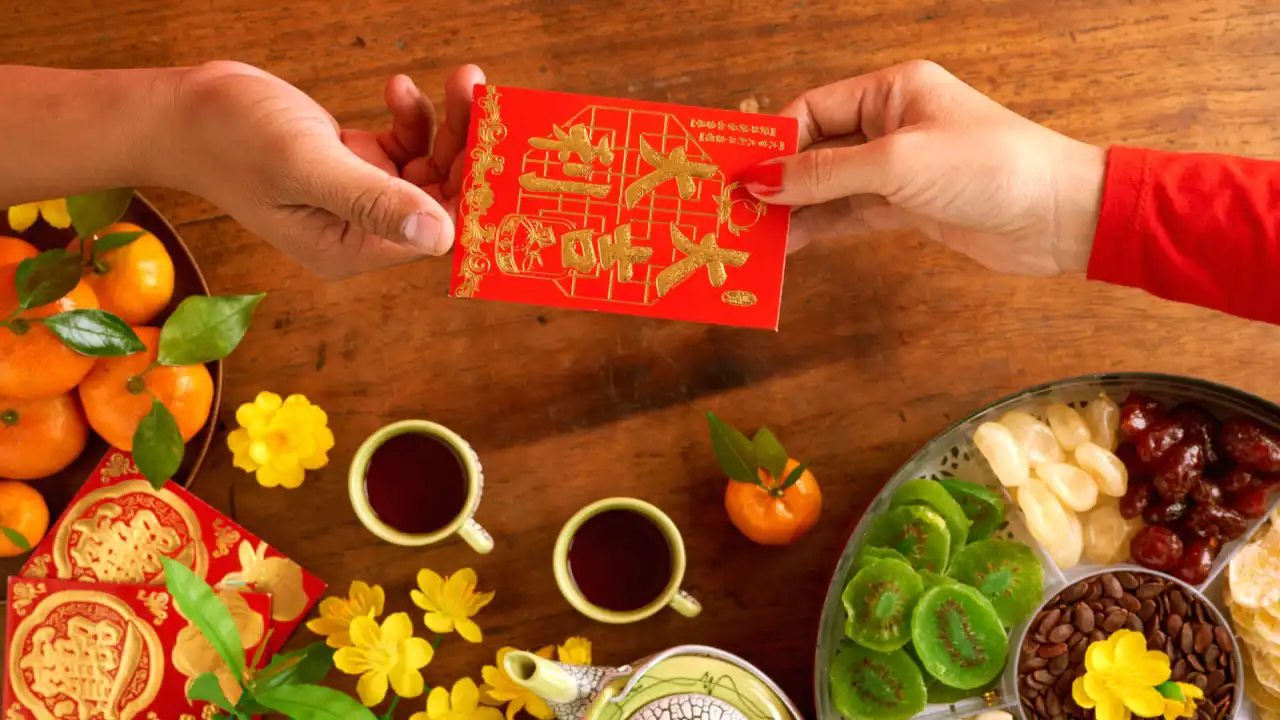
Tet, which is short for Tết Nguyên Đán, is often explained to outsiders as the Vietnamese New Year, which is correct but incomplete. A New Year suggests moving forward. Tet insists on looking back first.
It began as a way for agrarian communities to mark the end of the harvest and gradually absorbed Confucian ideas of ancestor veneration and moral renewal. In the days leading up to Tet, families settle debts, repair strained relationships, and prepare offerings for ancestors. Homes are cleaned thoroughly, not for guests, but to remove bad luck from the past year.
This seriousness shapes behavior. Words are chosen carefully. Arguments are postponed. Wishes are spoken with meaning rather than habit. Understanding this internal logic changes how a traveler experiences Tet Festival Vietnam. It stops being something to observe and starts becoming something to understand.
When exactly does Tet happen? Key dates first-timers should know
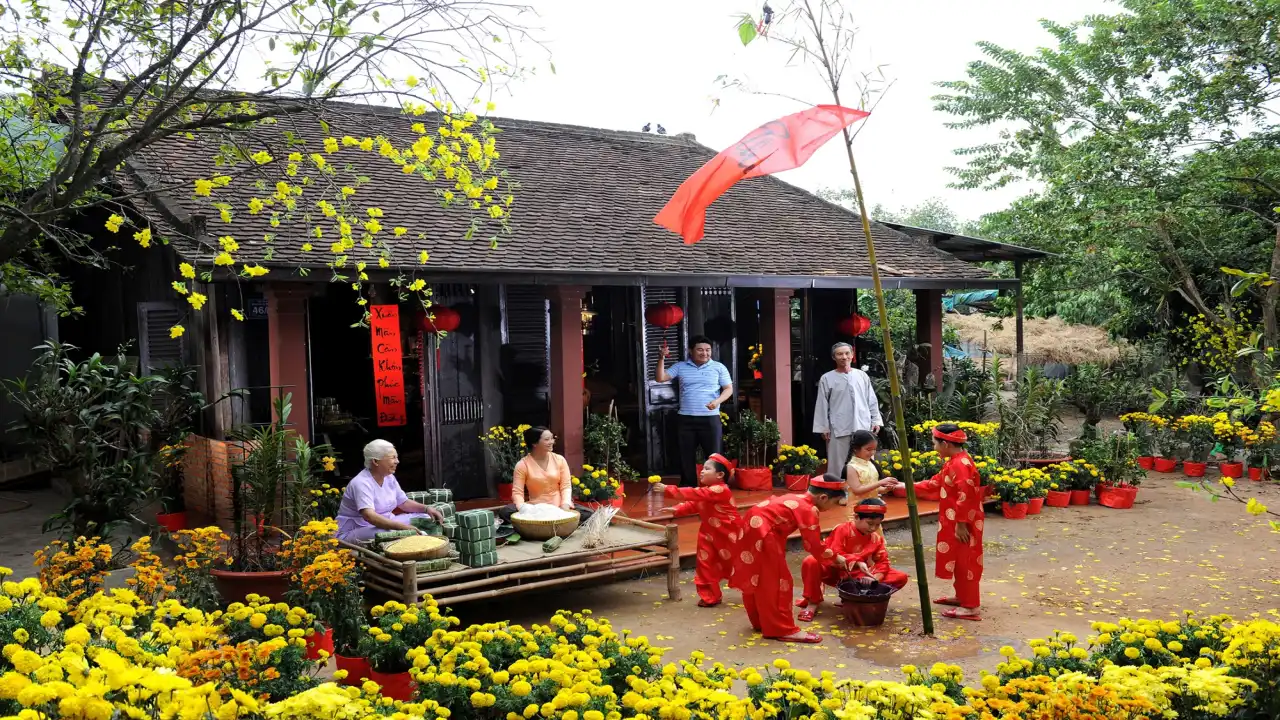
Tet follows the lunar calendar, which means its dates shift every year. It usually falls between late January and mid-February. The Vietnamese New Year in 2026 will be on February 17th. What matters more than the exact date is the rhythm around it. Rather than focusing on a single day, think of Tet as a phase.
- Seven to ten days before Tet: Preparation, travel, flower markets, rising prices.
- Tet Eve: Family reunions, brief fireworks in major cities, peak transport congestion.
- First three days of Tet: Emotional core of the festival, widespread closures.
- Days four to seven: Temples, flower streets, and public celebrations become active again.
For most first-time visitors, arriving just before Tet and staying through the reopening phase offers the clearest picture of the Tet Festival in Vietnam without feeling stranded.
What does a Tet day actually look like for a visitor?
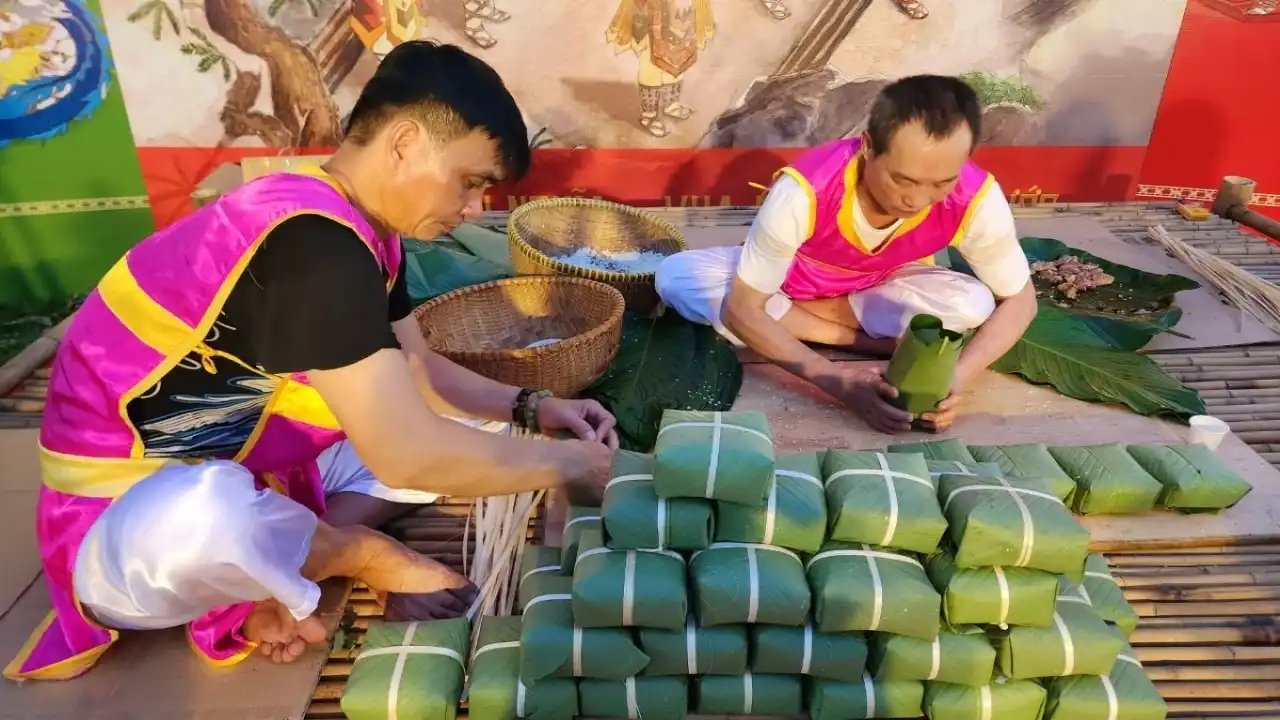
- Mornings during Tet unfold slowly. Streets stay quiet longer than usual. Cafés open late or not at all. Locals dress neatly, often traditionally, even if they are just stepping out briefly.
- Midday belongs almost entirely to families. Entire neighborhoods seem deserted as life concentrates indoors. This is not an absence. It is a focus.
- Evenings are calm. Fireworks, where allowed, are short and symbolic. Public spaces gather energy gradually rather than exploding into celebration.
For travelers expecting constant stimulation, this rhythm can feel unfamiliar. But for those who visit a place to observe their culture, it captures the essence of the Tet celebration in Vietnam.
Which places come alive during Tet and are worth visiting?
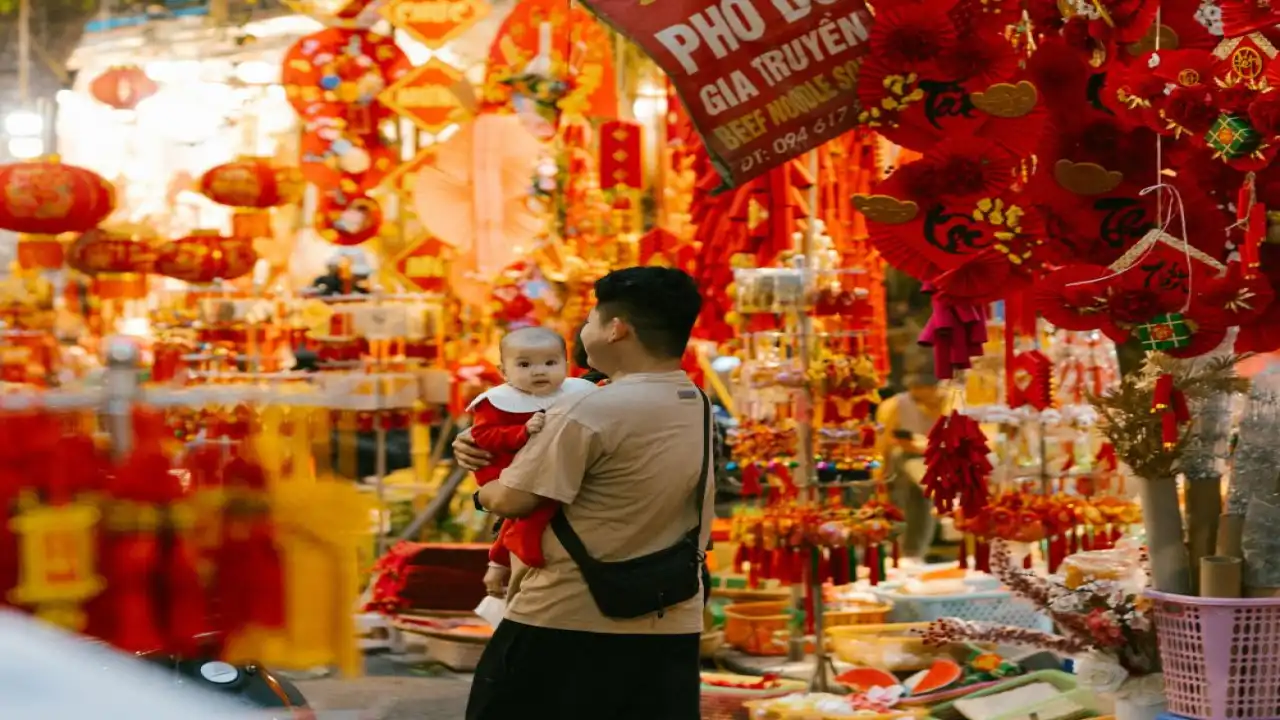
Hanoi during Tet
Hoan Kiem Lake becomes a space for quiet evening walks once families step outside. The Old Quarter feels unusually calm, making it ideal for slow exploration. Local temples and pagodas receive steady visitors offering incense and prayers.
Ho Chi Minh City during Tet
Nguyen Hue Walking Street hosts floral displays and relaxed evening crowds. Tao Dan Park traditionally features seasonal flower exhibitions. Pagodas in areas like Cholon draw worshippers throughout the holiday.
Central Vietnam during Tet
Hue carries a ceremonial tone, shaped by its imperial past. Hoi An’s old town feels intimate during Tet evenings, especially after the first few days. These are not high-energy venues. They are places where the Tet celebration in Vietnam becomes visible without being staged.
What should first-time visitors realistically expect to be open?
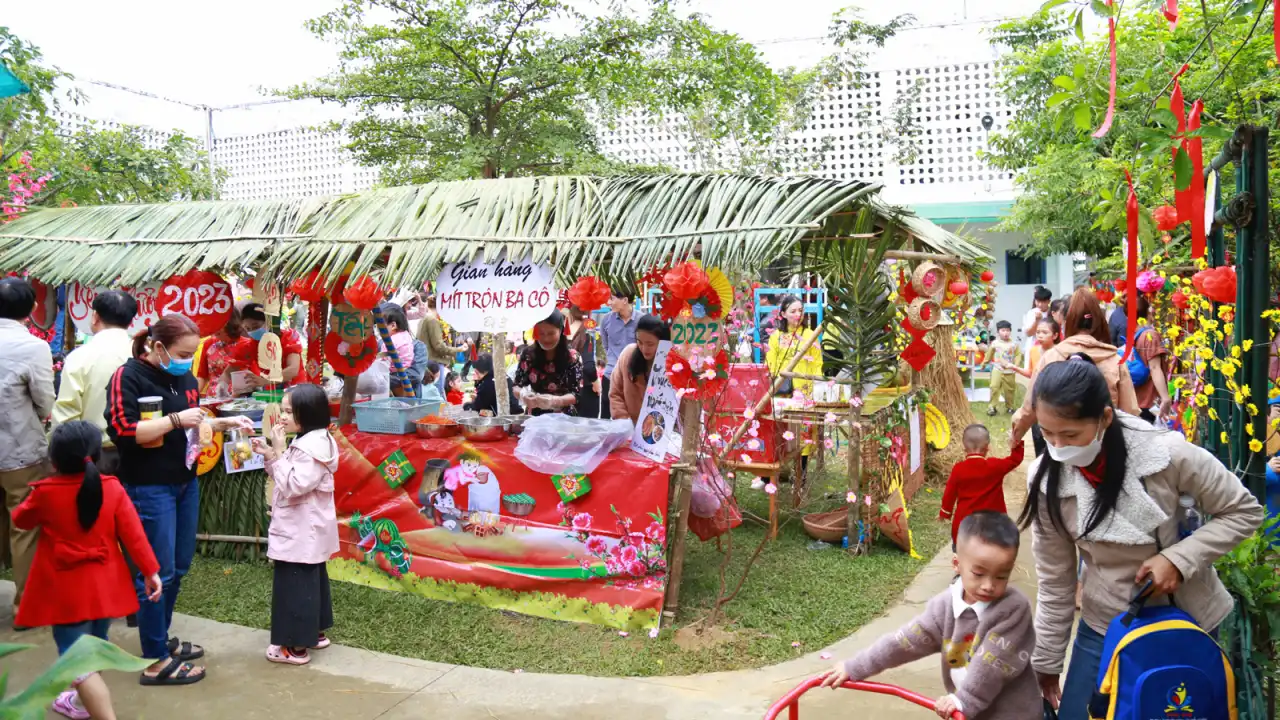
During the first three days of Tet, major hotels operate normally. Convenience stores and some cafés reopen gradually. Museums and tourist attractions may close or run on reduced hours. Many family-run restaurants remain shut. After the third day, public spaces grow livelier. Restaurants reopen selectively. Domestic travel becomes easier again. These closures are not disorganized. They are part of the design of the Tet Festival.
How does Tet affect food, restaurants, and daily comforts?
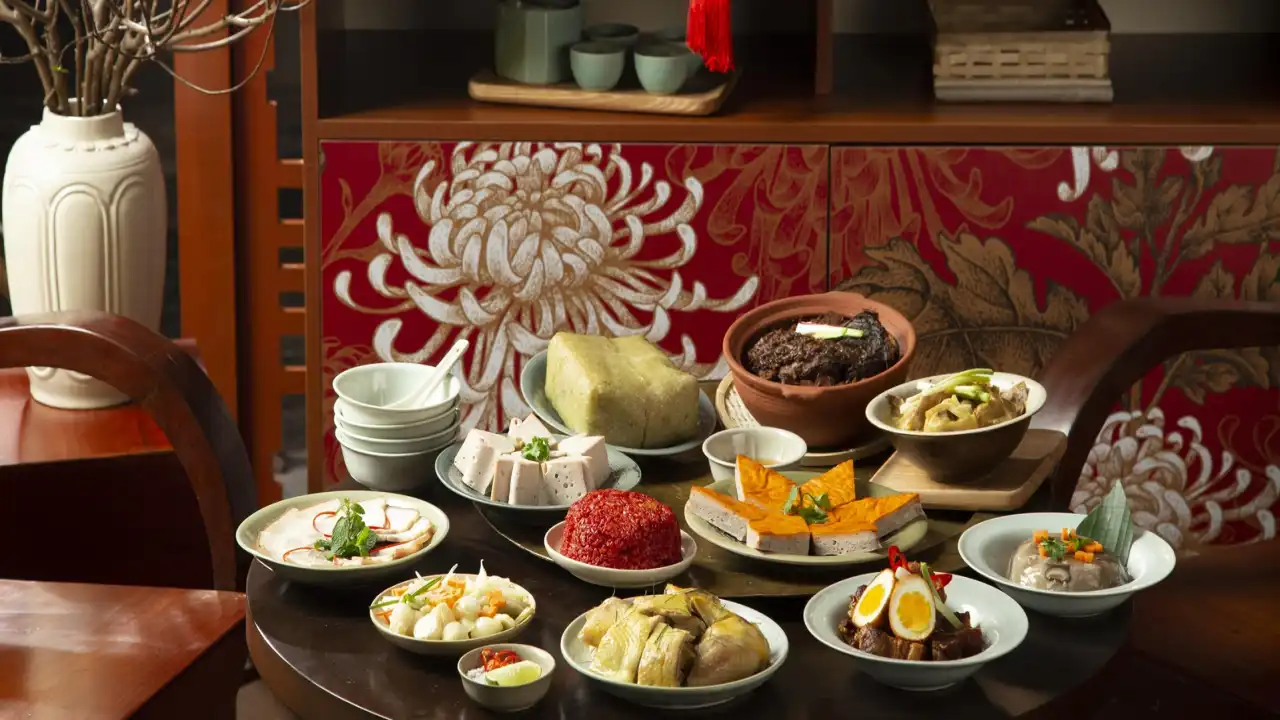
Food remains central during Tet, but access changes. Family kitchens replace street stalls. Restaurants simplify menus or close entirely. Convenience becomes secondary to meaning.
What appears on Tet tables is deliberate and symbolic:
- Banh Chung: square sticky rice cake in the north, representing earth and gratitude
- Banh tet: cylindrical version common in the south, often sliced and shared over days
- Pickled vegetables: used to balance rich meats and reset the palate
- Braised pork with eggs: slow-cooked, comforting, and tied to prosperity
- Candied fruits and seeds: served casually to guests as a sign of welcome
Is Tet suitable for solo travelers?
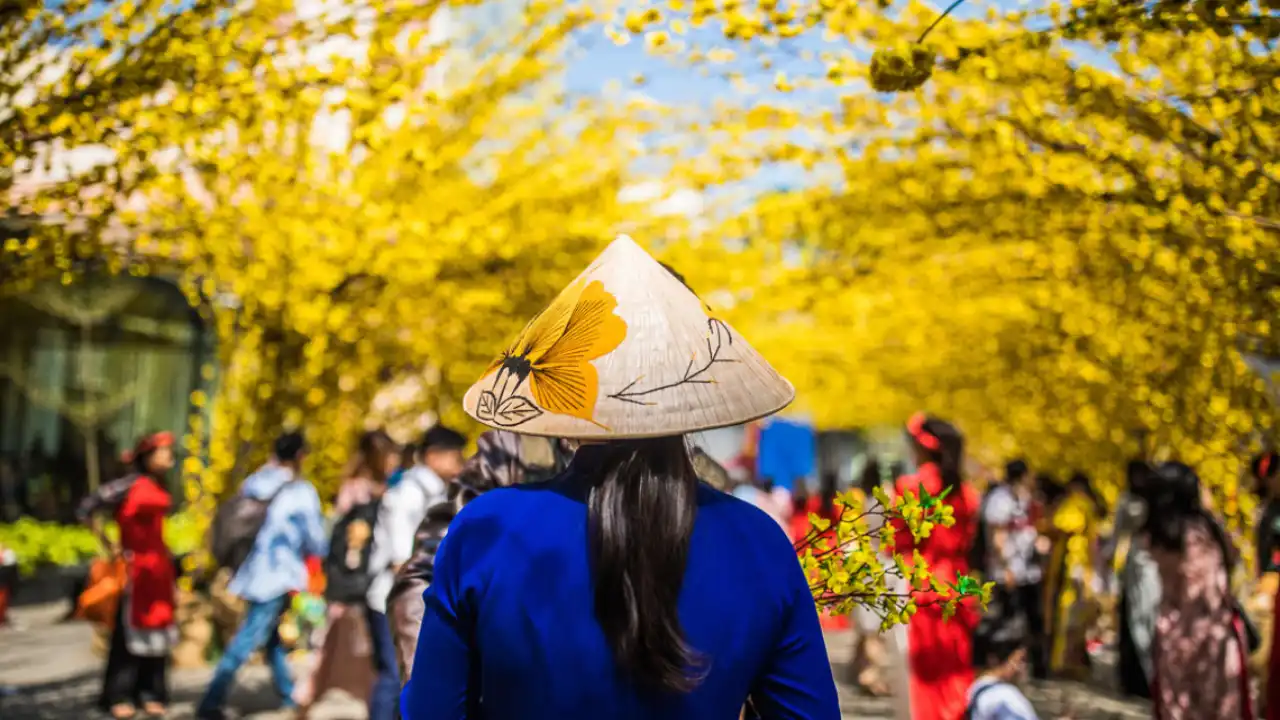
Tet can be rewarding for solo travelers, but it requires emotional awareness. The holiday revolves around family, and moments of solitude can surface if constant activity is expected. At the same time, locals often extend warmth to those clearly away from home. Conversations begin easily. Invitations are sincere. Silence is shared comfortably. Solo travelers who lean into observation rather than motion often find Tet Festival in Vietnam grounding rather than isolating.
What should travelers expect regarding transport and mobility?
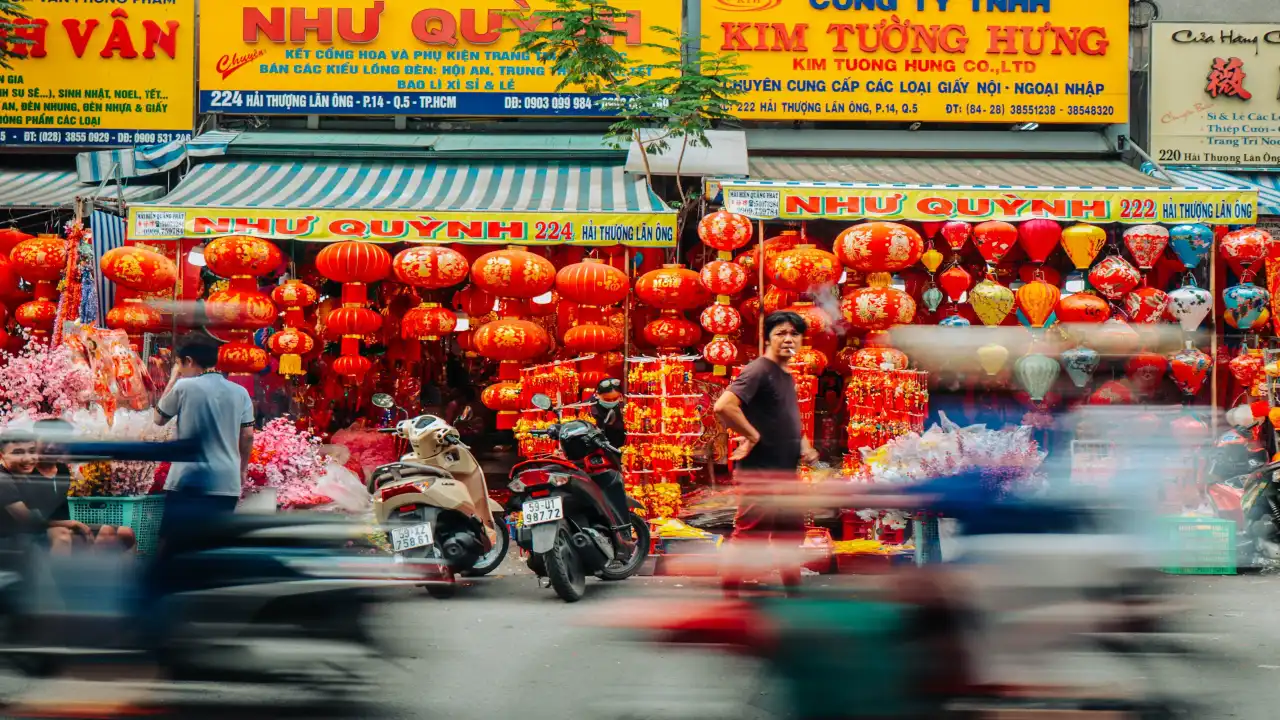
Transport is the most visible challenge during Tet. Trains, buses, and flights book out weeks in advance. Schedules change. Delays are common. Within cities, taxis and ride-hailing services operate irregularly. Walking becomes the most reliable way to move. These constraints reshape how travelers experience distance and time. Accepting reduced mobility often deepens the experience of Tet Festival in Vietnam instead of limiting it.
How should travelers plan attractions around Tet days?
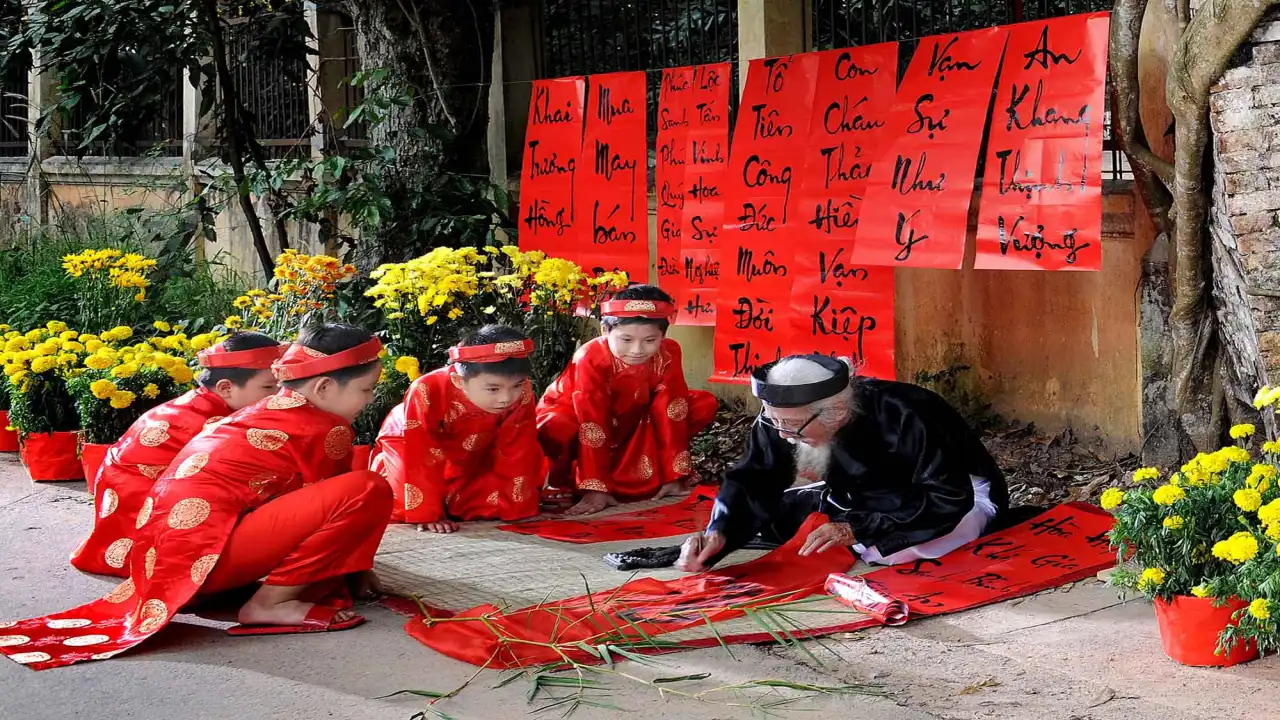
A simple approach works best. Use pre-Tet days for museums, long-distance travel, and sightseeing. Use core Tet days for walking, temple visits, photography, and observation. Use post-Tet days for excursions, food exploration, and nightlife. Trying to force a normal sightseeing pace during the Tet Festival in Vietnam usually backfires. Letting the festival set the rhythm produces better days.
Where thoughtful planning actually makes Tet easier
Tet is one of the few times in Vietnam when planning quietly matters more than enthusiasm. Transport fills early, hotels operate on holiday staffing, and entire neighborhoods pause together. This is where Travel Junky fits naturally. The focus is not on adding activities during the Tet celebration in Vietnam, but on choosing the right base, timing arrivals before peak shutdown days, and minimizing unnecessary movement. Small decisions, like staying within walking distance of temples or flower streets, shape the entire experience. Good Tet planning does not make the festival smoother. It makes it make sense.
Why does Tet leave such a lasting impression on travelers?
Tet stays with people because it does not perform. It does not compete for attention. It simply exists, confident in its meaning. Travelers remember moments rather than highlights. Empty streets at sunrise. A family altar glimpsed through an open doorway. A conversation without urgency. Tet Festival in Vietnam shows that celebration does not always need noise. Sometimes it only needs intention.
Conclusion
Tet is Vietnam’s heartbeat because it asks the country to pause, remember, and step forward deliberately. For travelers willing to meet it on its own terms, the Tet Festival in Vietnam offers rare access to a nation in conversation with itself. It may not be the easiest time to travel. It is often the most honest. After all, you can never say you have been to a place if you have never truly “lived” in it, and festivals are a window that makes you truly live in a place. You experience their culture and people in their most raw form, and maybe, just for one moment, you feel like you are one of them. Who would ever miss experiencing this?
Pro Tips for Travelers Experiencing Tet
- Arrive a few days early to see preparations and avoid transport pressure.
- Carry enough cash, as ATMs may run low.
- Confirm hotel staffing during the holiday period itself.
- Learn a basic Tet greeting. Effort matters more than accuracy.
- Keep your schedule light. Tet fills space naturally.