10 of Europe’s Best National Parks to Explore This Summer
Introduction
Most people picture Europe in summer as crowded cafés, beach towns, overpriced gelato, and tourists standing in the middle of roads trying to take photos. And honestly, that does happen. A lot. But the quieter side of Europe is usually the part people remember later. The random mountain road. The cold lake nobody expected. The strange silence in a forest after leaving a busy city behind.
A lot of travelers searching for Europe national parks think they’re signing up for hardcore hiking or exhausting outdoor trips. It’s not always like that. Some of these places are surprisingly peaceful and easy to explore. You walk a little, stop a lot, stare at views longer than expected, maybe eat a sandwich somewhere with an absurdly beautiful backdrop. That’s kind of the charm. One week, you could be near waterfalls in Croatia, then suddenly driving through Icelandic lava fields that look fake in real life. Europe changes fast once you leave the cities.
1. Plitvice Lakes National Park, Croatia
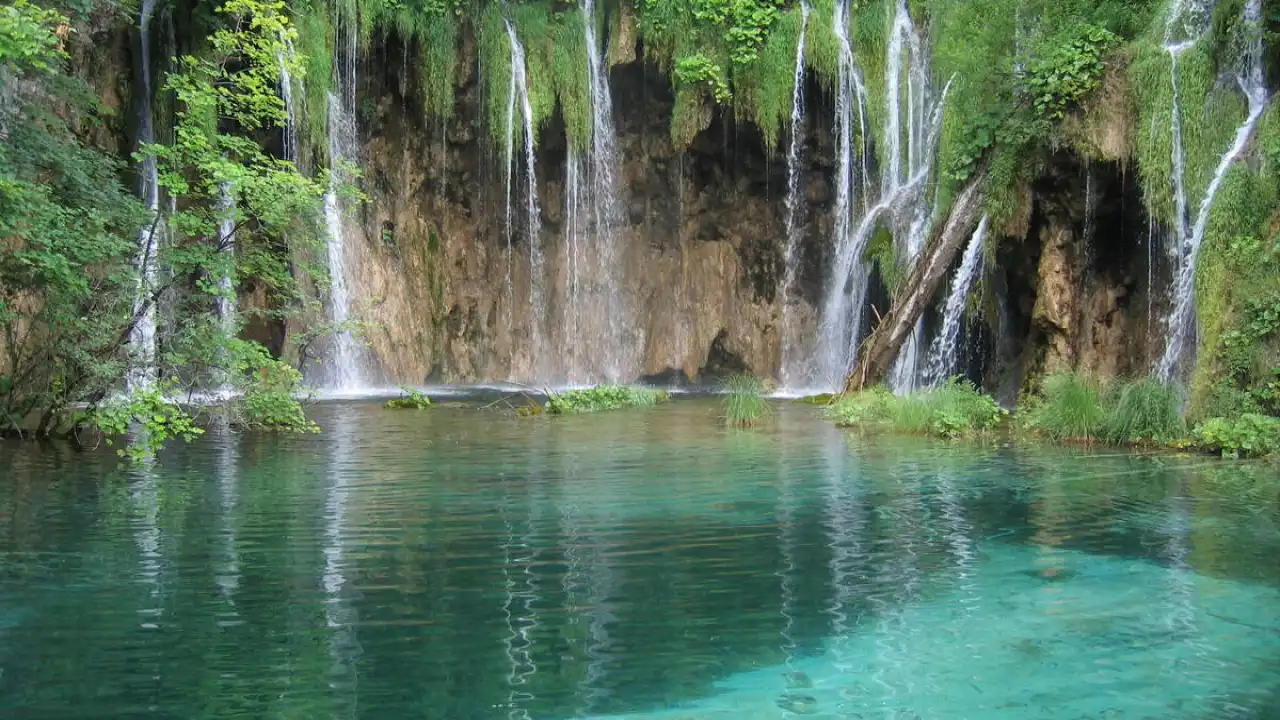
Croatia’s beaches get all the attention online, but inland Croatia feels completely different. Plitvice Lakes almost looks edited, which sounds dramatic, but it’s true. The water is clear. Wooden walkways cut through forests, and waterfalls appear everywhere like someone forgot to turn them off. And the colors here are weirdly intense in summer. Bright greens, blue water, sunlight hitting the lakes at odd angles. Sometimes it doesn’t even feel real for a second.
What makes it memorable?
- 16 connected lakes
- Endless waterfalls
- Easy walking trails
- Great photo spots without difficult hikes
Pro Tip: Go early. Around sunrise, if possible. Once the crowds arrive, the whole mood changes.
2. Swiss National Park, Switzerland
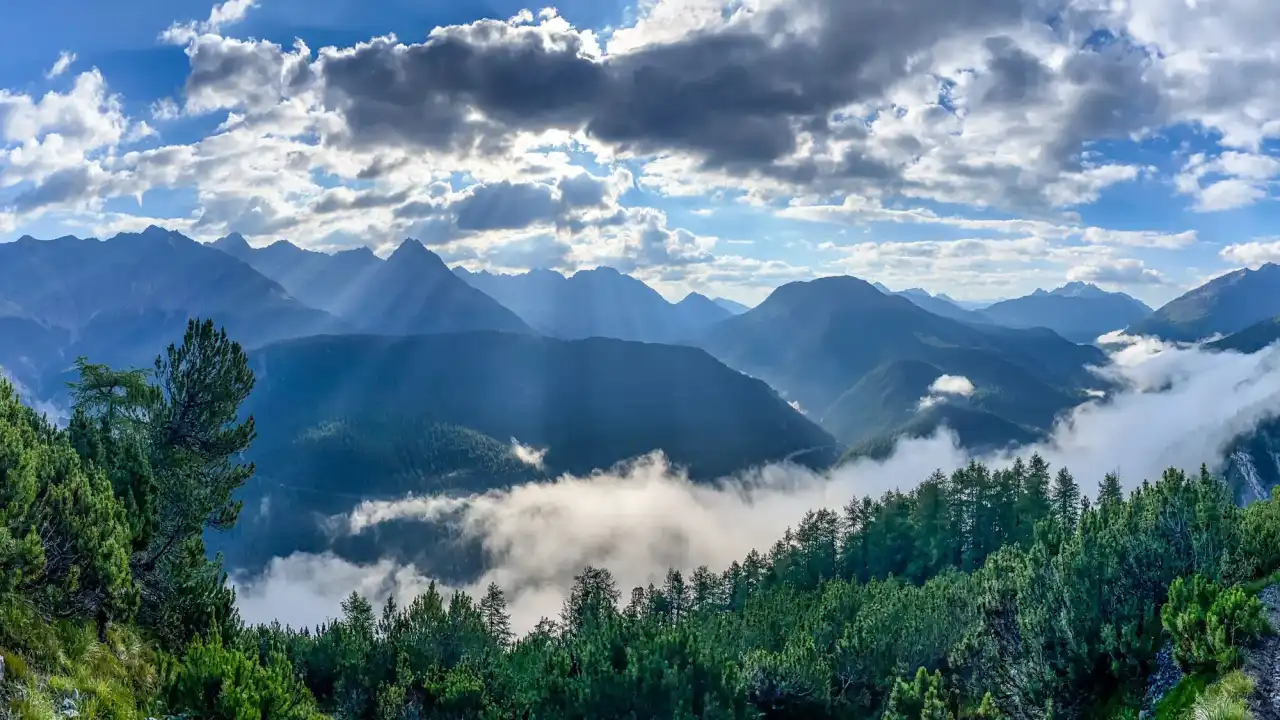
Switzerland already feels unreal half the time, but this park feels quieter and less polished than the postcard version people usually imagine. No luxury shopping streets. No giant crowds. Just mountains, trails, cold air, and random wildlife appearing when you least expect it. There’s something oddly calming about walking here. Even people who normally hate hiking end up enjoying it because the scenery distracts them from the walking itself.
Why do people love it?
- Super clean trails
- Fresh mountain air
- Peaceful atmosphere
- Chances to spot animals like marmots and ibex
Late evenings here are special, too. The mountains slowly turn orange, and everything becomes almost silent except the water streams nearby.
3. Vatnajökull National Park, Iceland
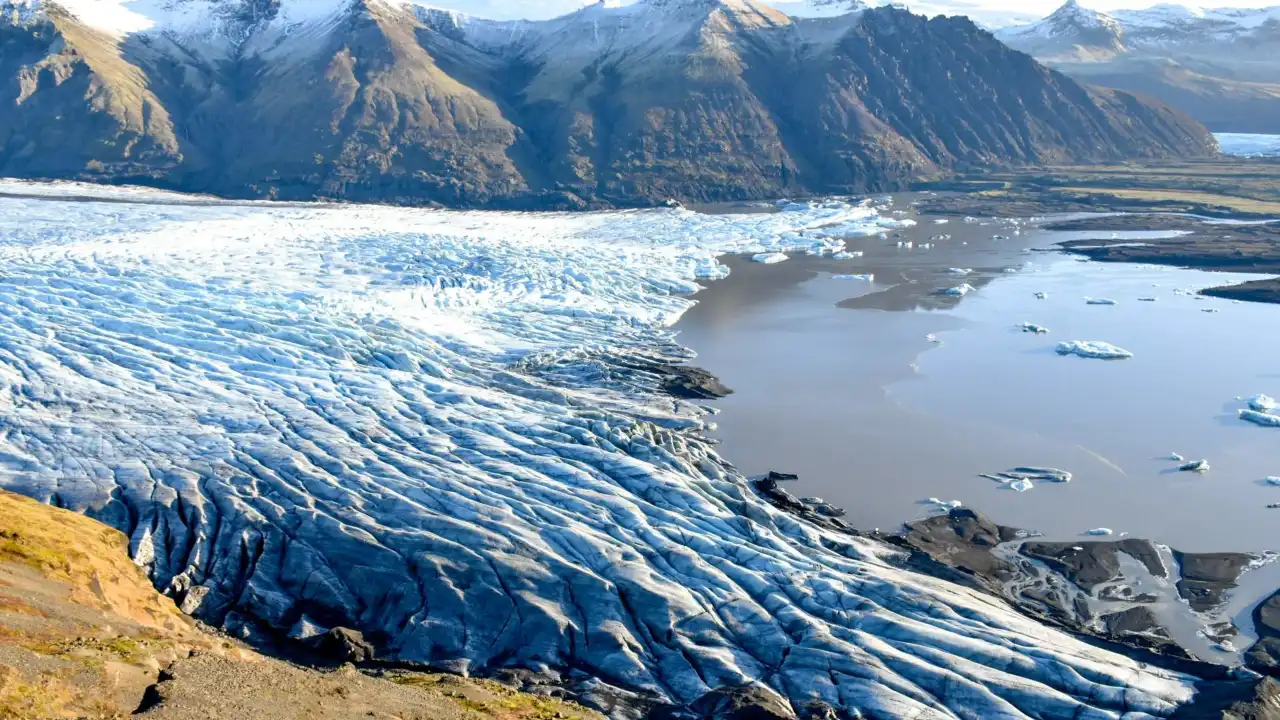
Iceland barely feels connected to the rest of Europe sometimes. Vatnajökull is probably the best example of that. You’ll see glaciers, black sand, waterfalls, volcanic rock, and giant empty spaces all within the same drive. The strange part is how empty it can feel. You drive for ages, staring at landscapes that look like scenes from science fiction movies. People always ask: Which are the best national parks in Europe for dramatic scenery? This one easily makes the list.
Highlights
- Massive glaciers
- Glacier hiking tours
- Waterfalls everywhere
- Almost endless daylight in summer
Pro Tip: Summer road conditions are much easier. Winter here can get rough very quickly.
4. Saxon Switzerland National Park, Germany
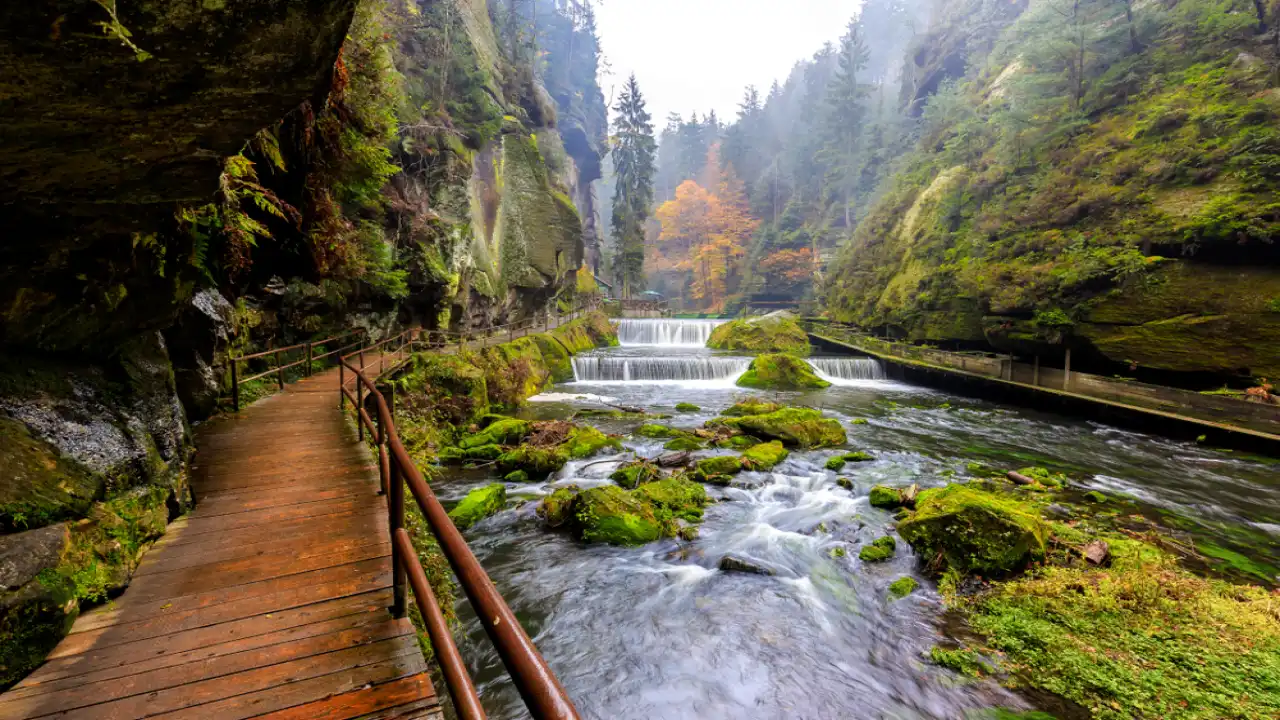
The name confuses almost everyone at first because it’s actually in Germany, not Switzerland. The landscape is full of giant sandstone cliffs, forests, and narrow trails winding through rock formations. The Bastei Bridge is the famous viewpoint, but honestly, some smaller trails feel even better because they’re quieter and slightly mysterious. Certain parts almost look prehistoric.
Best experiences
- Forest hikes
- Sunrise viewpoints
- River valley scenery
- Rock climbing routes
Morning fog here changes everything. The cliffs start appearing through the mist slowly and it feels strangely cinematic.
5. Gran Paradiso National Park, Italy
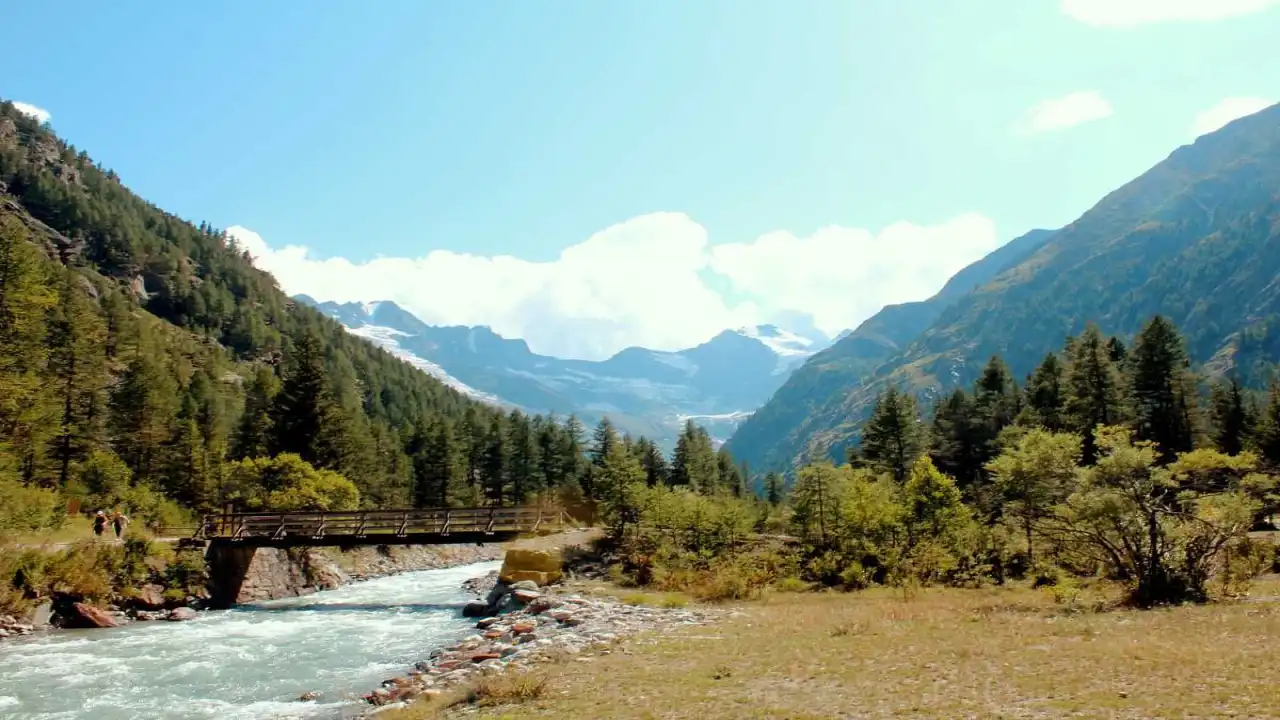
Italy usually makes people think of pasta, old cities, and crowded tourist spots. But the Italian Alps in summer feel slower in the best possible way. Gran Paradiso has lakes, mountain villages, wildflowers, and tiny cafés where lunch somehow turns into a two-hour break. There’s less rush here. People walk more slowly. Conversations last longer. Even the air feels calmer somehow.
Why visit during the summer?
- Comfortable hiking weather
- Alpine flower fields
- Fewer crowds
- Beautiful mountain views
This area works really well for couples, too, especially people wanting quieter trips instead of busy beach destinations.
6. Jotunheimen National Park, Norway
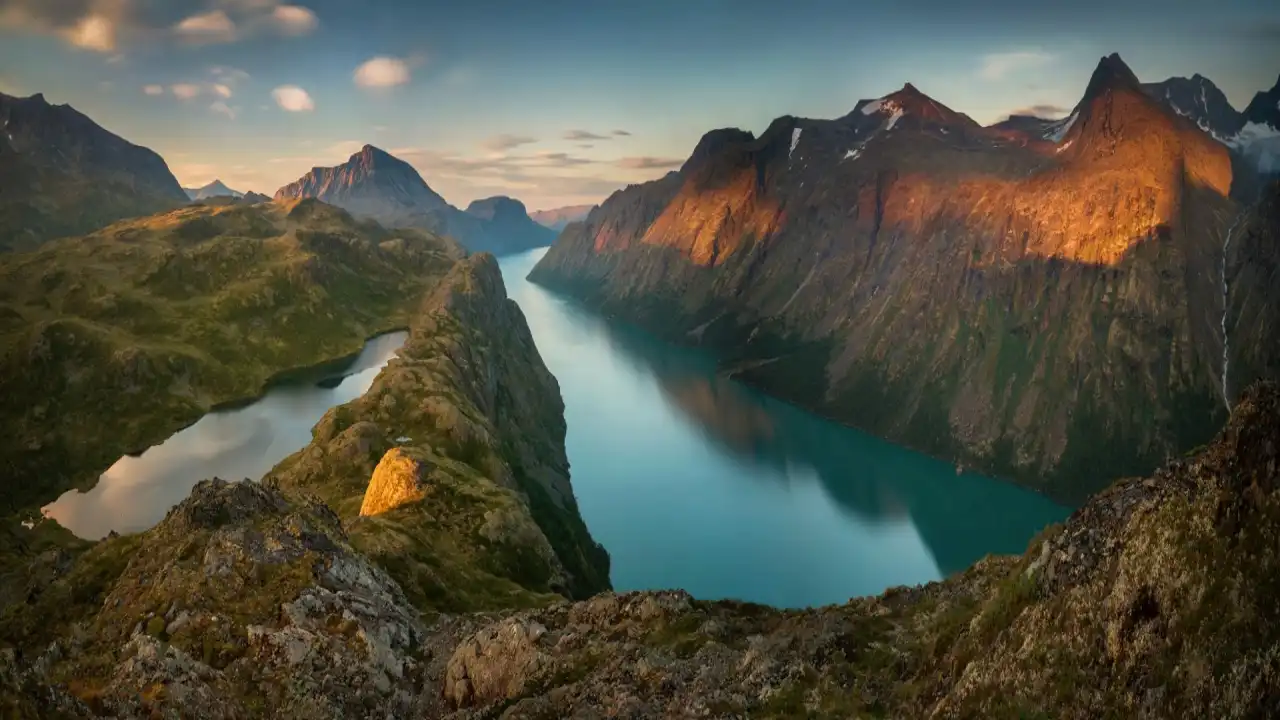
Norway’s landscapes often feel oversized, and Jotunheimen is one of the best examples. Summer is the best time because trails finally open properly after the snow melts. The weather stays cool, too, which honestly feels amazing if you’re escaping hotter countries. Travelers planning Europe summer travel destinations overlook Norway because they assume it’s only for winter trips.
Things worth doing
- Mountain hikes
- Scenic drives
- Kayaking
- Staying in mountain lodges
Pro Tip: Always carry an extra jacket. Norwegian weather changes for absolutely no reason.
7. Triglav National Park, Slovenia
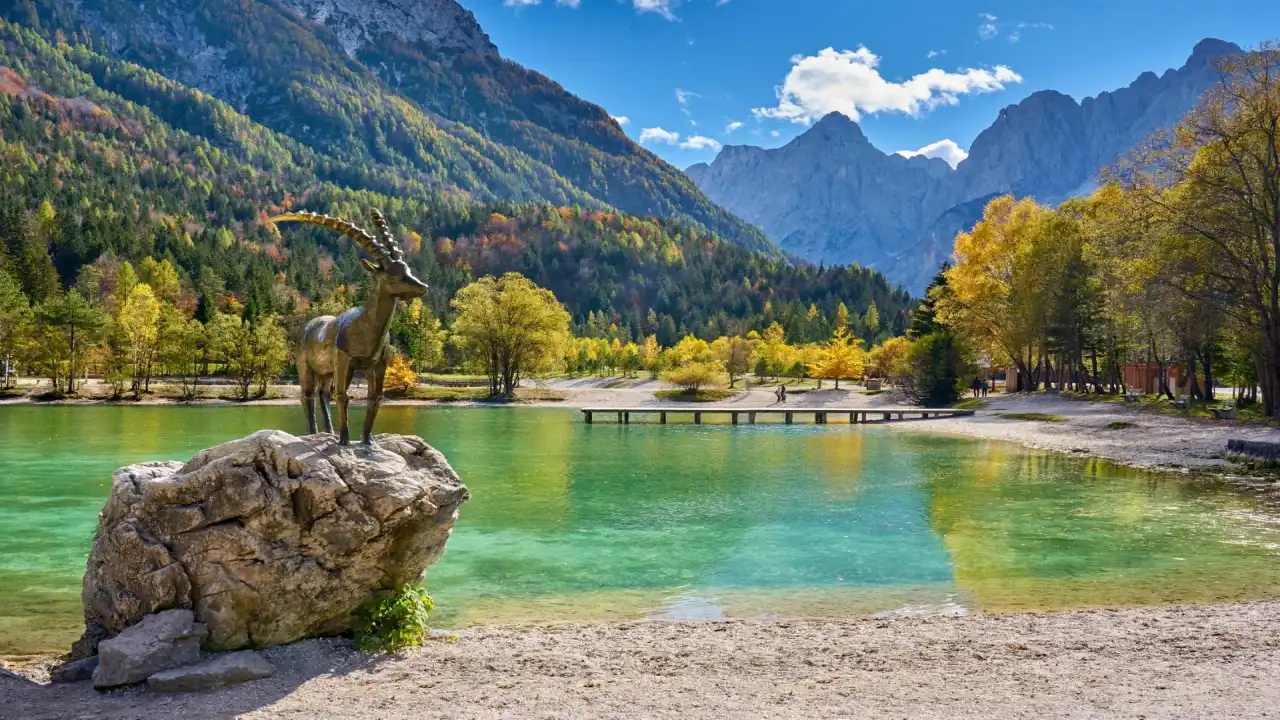
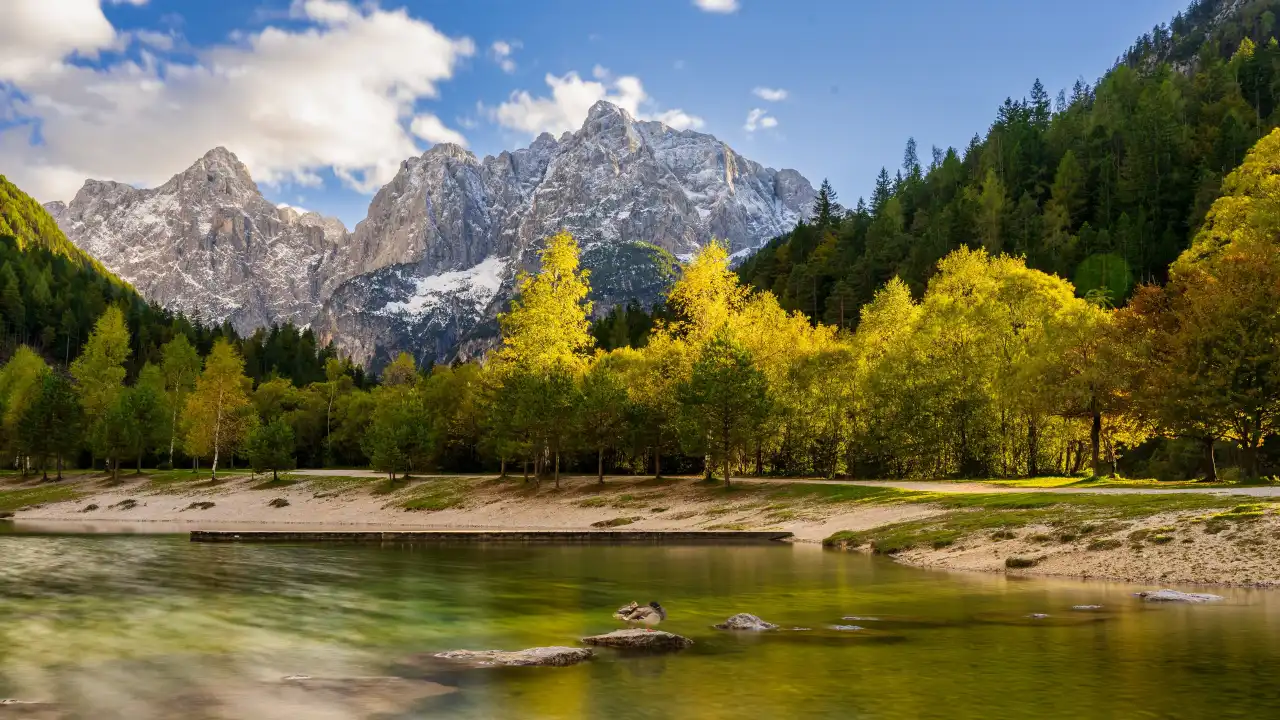
Slovenia surprises almost everyone. It has Alpine scenery without the overwhelming tourist crowds you get elsewhere. Triglav National Park is full of lakes, rivers, forests, and peaceful villages that somehow still feel authentic. Lake Bohinj especially stands out. Early mornings there feel unbelievably calm. Sometimes the water reflects the mountains so perfectly that it almost looks fake.
Reasons people love it
- Relaxed atmosphere
- Less expensive than nearby countries
- Beautiful lakes
- Great photography spots
This is the kind of destination people accidentally end up loving more than expected.
8. Cinque Terre National Park, Italy
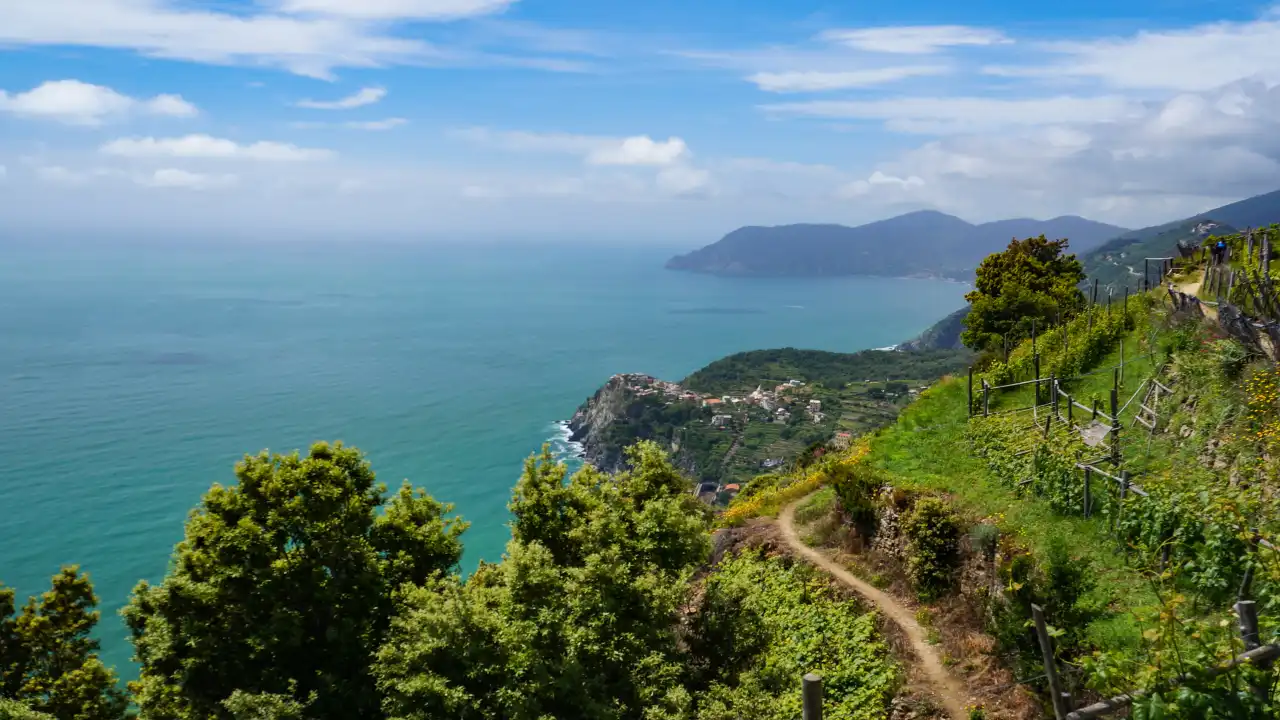
Cinque Terre somehow mixes hiking and coastal life perfectly. Colorful villages sit on cliffs above the sea while trails connect them through vineyards and steep coastal paths. Summer afternoons here smell like saltwater, lemons, sunscreen, and seafood restaurants hidden in tiny streets. It’s chaotic sometimes, but in a good way.
Best parts
- Coastal hikes
- Sunset viewpoints
- Amazing food
- Relaxed seaside vibe
For travelers booking an Europe tour package, this area adds something different beyond museums and city sightseeing.
9. Pyrenees National Park, France
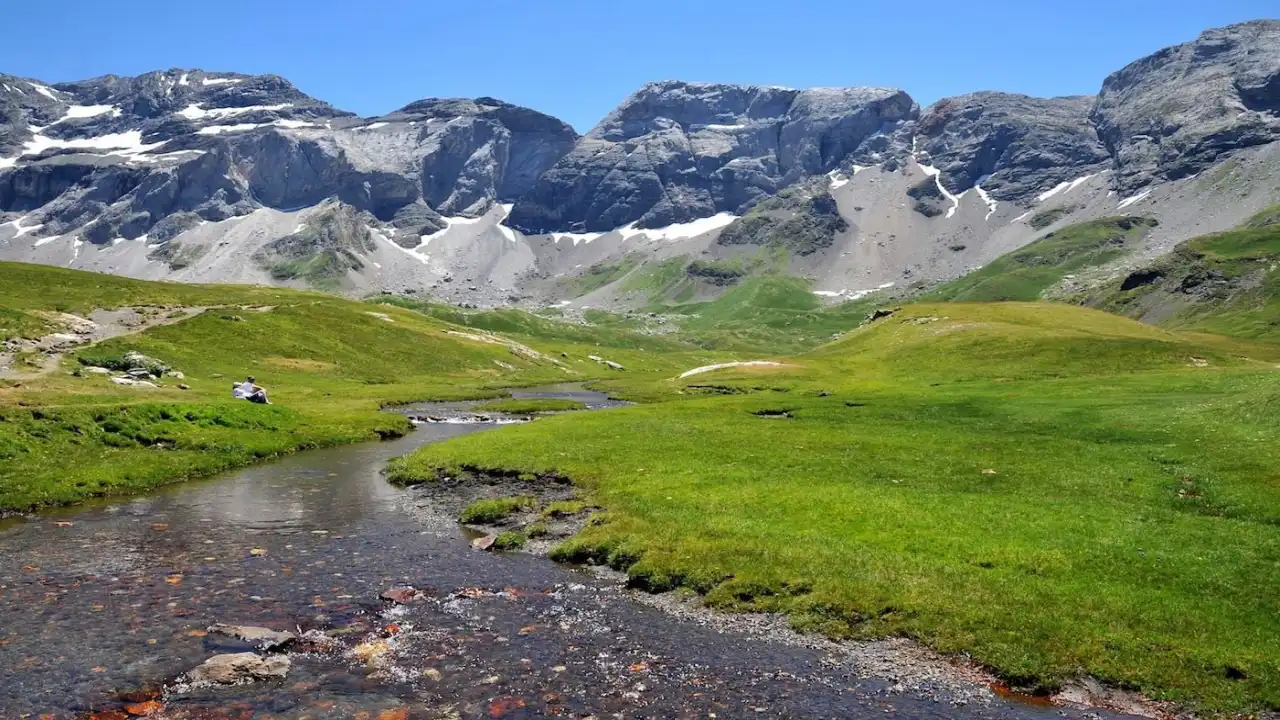
The Pyrenees sit between France and Spain, but somehow stay quieter than the Alps. Which honestly makes them even better for some travelers. You get waterfalls, green valleys, mountain lakes, and hiking trails without feeling packed into crowded tourist routes all day.
What people enjoy most
- Quiet hiking trails
- Cooler temperatures
- Scenic villages
- Wildlife spotting
Evenings here feel slow in the nicest way possible. Tiny cafés fill with tired hikers while mountains disappear into sunset colors behind them.
10. Hohe Tauern National Park, Austria
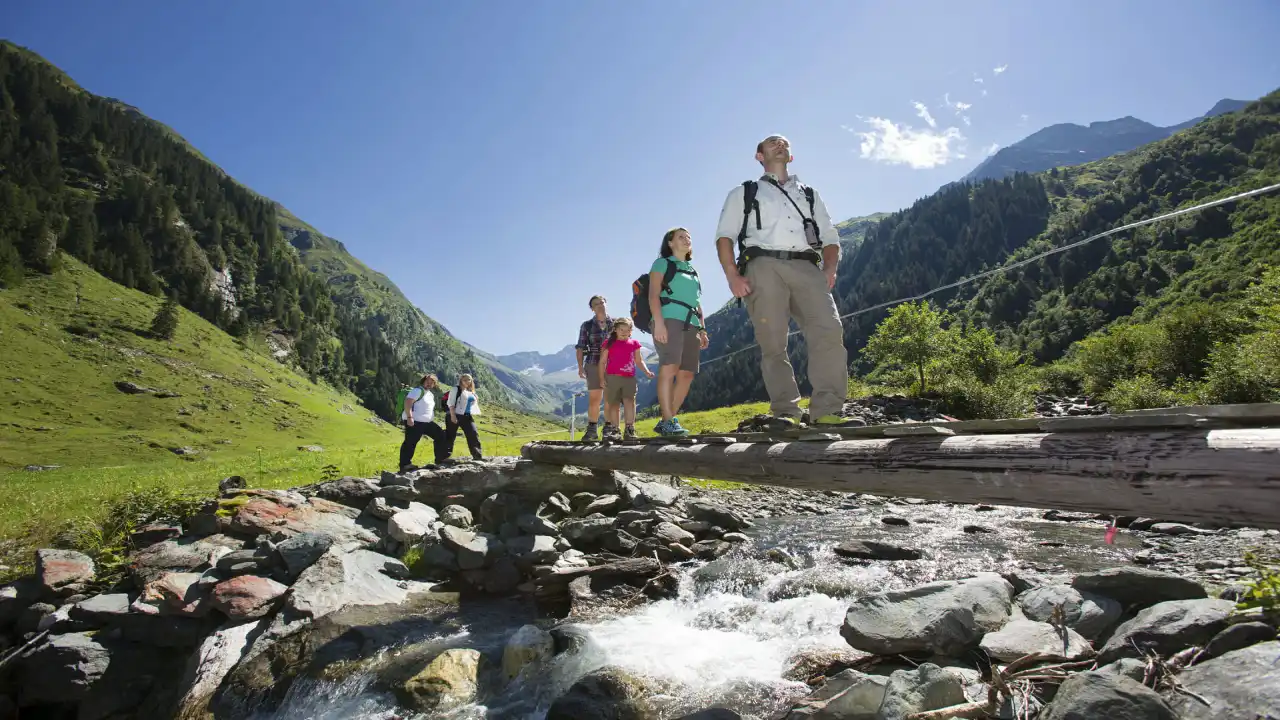
Austria’s Hohe Tauern National Park feels exactly how people imagine the Alps should look. Snowy peaks, waterfalls, green valleys, little villages, all of it. The mountain roads alone are worth the trip. Sometimes the best moments happen during random roadside stops instead of famous viewpoints. People often ask: What are the top national parks in Europe that travelers should visit for summer road trips? This park deserves a serious mention.
Summer highlights
- Beautiful alpine drives
- Glacier views
- Hiking trails for all levels
- Traditional mountain villages
Pro Tip: Don’t rush through it. Some of the best scenery appears unexpectedly between destinations.
Best Time to Visit
June to September usually works best because:
- Trails stay open
- The weather becomes comfortable
- Lakes are accessible
- Scenic roads fully open
July and August get busier, though. Early September honestly feels more relaxed.
Conclusion
Europe’s national parks are not just pretty landscapes for photos. They change the entire mood of a trip. Cities can be exciting, sure, but people often remember quiet mountain mornings or random lake views much longer. Maybe it’s the silence. Maybe it’s the fresh air after crowded cities. Or maybe nature just forces people to slow down a little without realizing it.
Whether it’s Icelandic glaciers, Norwegian mountains, or hidden lakes in Slovenia, these places feel different from the usual Europe people expect. For longer vacations, combining routes through curated International Packages can also make remote areas easier to explore without dealing with complicated planning every single day. Sometimes Europe feels best once the cities disappear behind you and the roads start getting quieter.
Pro tips
Trying to visit too many parks sounds exciting at first, but it gets exhausting quickly.
A few things that genuinely help:
- Stick to 2–3 parks in one trip
- Rent a car if possible
- Keep extra time for random stops
- Book summer stays early
- Carry proper walking shoes
Nature trips work better when the schedule stays flexible. Some places deserve slower mornings.