5 Beautiful Shrines in Japan Every Traveler Should Visit
Introduction
Japan just never misses the chance to amaze you. It's like one minute you are standing on a busy street in the middle of train announcements, people rushing to work all around with giant screens displaying advertisements just above your head. A short while later, you pass through a wooden gate and it seems like everything has changed. The noise fades. The pace slows down. Everything feels, even the air sounds calmer.
That contrast is one of the reasons why so many fall in love with the country. Other than the food, tech and iconic cityscapes, there remains an untold variability of cultural wealth. Visiting the Beautiful Shrines in Japan is one of the best ways to experience that side of the country. They are not just historic sites. They are living parts of the day-to-day reality, people still come to pray and celebrate important events in their lives, and keep traditions that have existed for centuries alive. If you're planning a trip to Japan, these five shrines are worth making time for.
1. Fushimi Inari Taisha, Kyoto
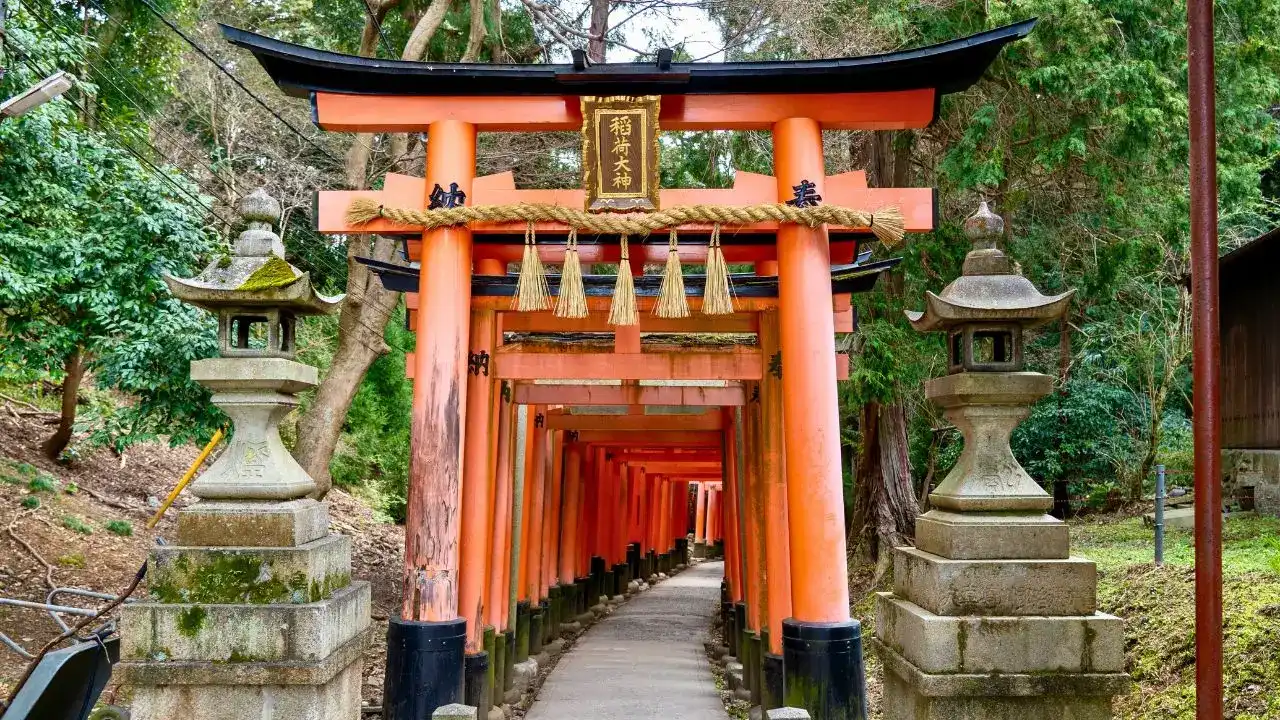
When you ask someone to imagine a Japanese shrine, the odds are that they will be picturing Fushimi Inari Taisha. The shrine is known for its endless rows of bright orange-red torii gates that wind through the forested slopes of Mount Inari. Photos are nice, but to be perfectly honest, they don't really seem to capture the accuracy of walking through them.
The gates go on seemingly for eternity, and each bend reveals yet another fork leading off into the trees. This is a shrine to Inari, the God of fertility and agriculture. You will see fox statues throughout the grounds. These are believed to be messengers of Inari. Most people turn back after the bottom half, and if you go higher up the mountain you can often find quieter paths and a more peaceful atmosphere. It is, however, a little bit of a climb. You should opt for comfortable shoes.
Highlights
- Thousands of torii gates
- Scenic mountain trails
- Kyoto city views
- Historic significance
- Excellent photo spots
Pro Tip
Try arriving early in the morning. By mid-morning, the crowds can become quite heavy, especially during peak travel seasons.
2. Meiji Jingu, Tokyo
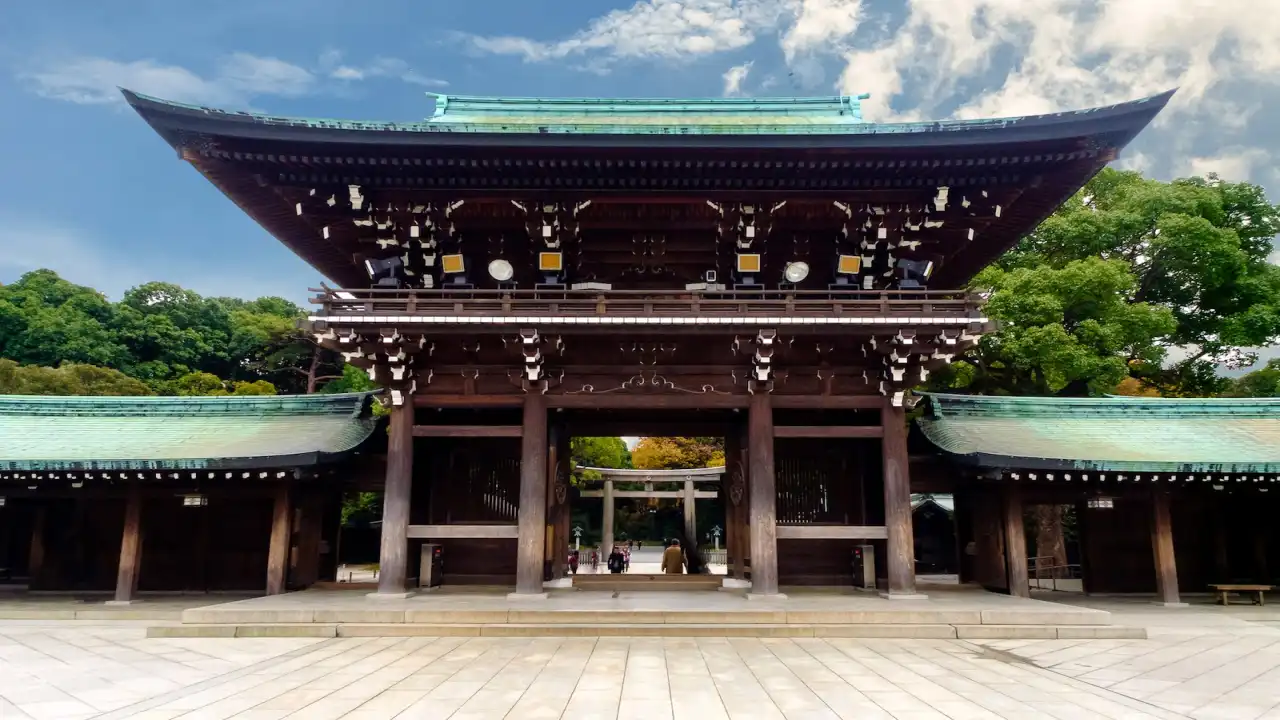
Tokyo is known for its speed, liveliness, and sometimes too much to take. And that is just why Meiji Jingu has a very magical and special feel to it. This shrine is located in the heart of Tokyo, close to the bustling areas of Shibuya and Harajuku but you are completely unaware that you're in one of the world's largest cities when finding this vast, wooded area. The walk up to the main shrine building is integral to the experience.
Built to honor Emperor Meiji and Empress Shoken, the shrine serves as one of Tokyo's most significant cultural and spiritual destinations. Surprisingly, one thing that many visitors don't realize is how frequently traditional events happen here. If you're lucky, you might see a wedding procession quietly making its way through the grounds. It's one of those moments that can unexpectedly become a highlight of the day. For culture-loving travelers, Meiji Jingu is one of the Famous Shrines in Japan and helps to see traditions still being a part of modern life.
What Makes It Stand Out?
- A huge forest in central Tokyo
- Historic importance
- Traditional ceremonies
- Beautiful wooden architecture
- Calm atmosphere despite the location
Pro Tip
Spend a little extra time wandering the forest paths. Most visitors head straight to the main hall and miss some of the quieter corners.
3. Itsukushima Shrine, Miyajima Island
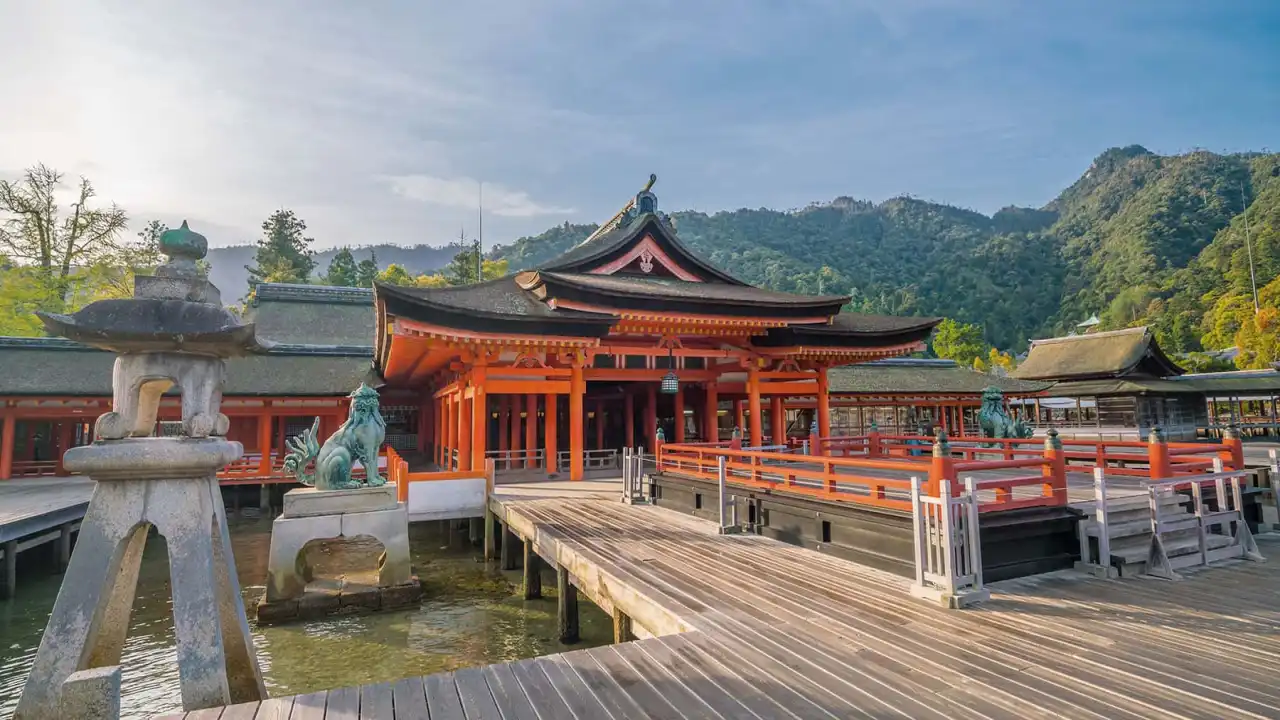
There are travel destinations that receive so much hype, reality has no chance of living up to it. Some of them aren't an option; Itsukushima Shrine isn't one of them. The shrine is located on Miyajima Island, a short distance from Hiroshima, and its giant torii gate which stands in the water. At high tide, it appears to hover above the water. That may sound deceptively simple, but it is surprisingly memorable to see in person.
The shrine itself consists of wooden platforms at an elevation above the water and a number of corridors. At low tide, the scene transforms completely. At low tide, people can walk right to the gate. The water rushes back again a couple of hours later and it completely changes the image. Miyajima Island also maintains the experience. Deer roam around the streets, local shops barter regional snacks and you almost realise that life moves at a slower pace than perhaps in most big touristy spots.
Reasons People Love It
- Floating torii gate
- Beautiful coastal setting
- Historic significance
- Changing scenery throughout the day
- Relaxed island atmosphere
Pro Tip
Check the tide schedule before your visit. Seeing both high and low tide is worth the extra planning.
4. Toshogu Shrine, Nikko
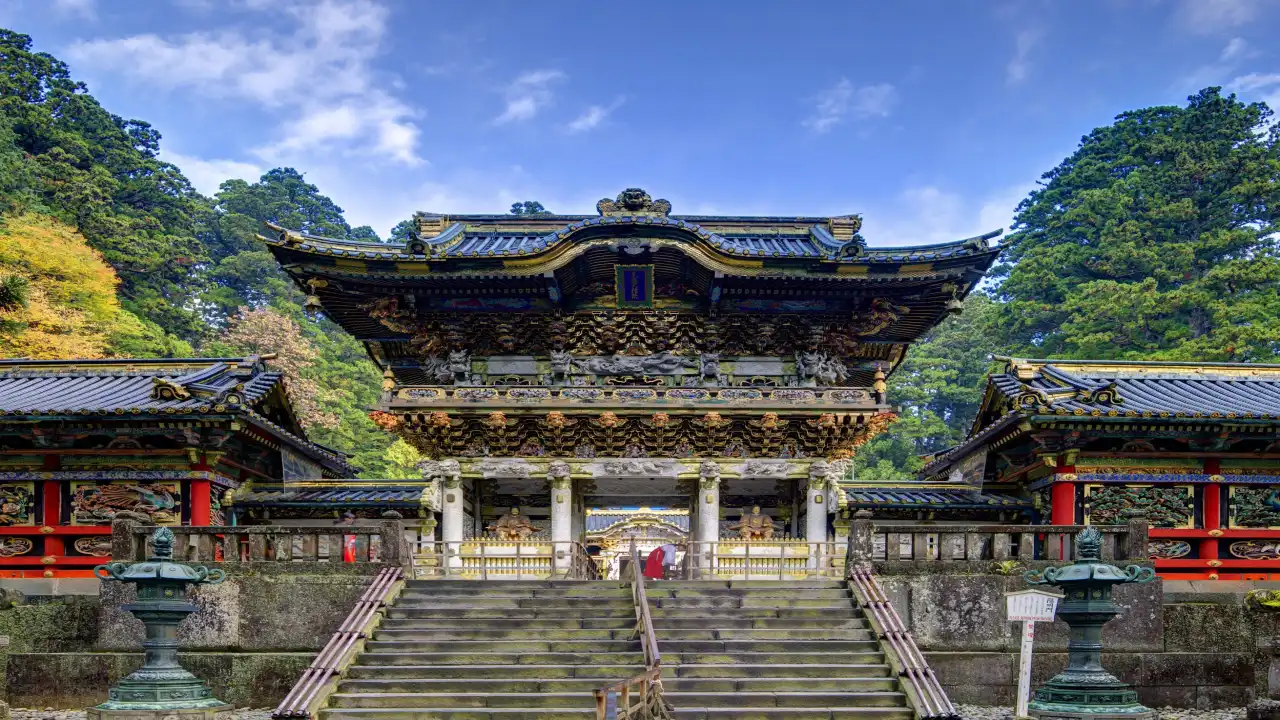
Not all Japanese shrines follow this sort of design. Toshogu Shrine proves that immediately. Most shrines are simple, but Toshogu tends to be bright and busy with elaborate decorative details. Go look around and you see carvings, gold trimmings, and well-crafted buildings everywhere.
It's like an outdoor art museum, and the shrine, it is for Tokugawa Ieyasu, one of the most important people in Japanese history. Even people who are not interested in history are amazed by the craftsmanship shown on every corner of the complex. The Three Wise Monkeys is one of the most photographed features. The chances are that you have encountered the image before without knowing where it comes from.
Must-See Features
- Detailed architecture
- Historic significance
- Cedar forest surroundings
- Famous monkey carvings
- UNESCO World Heritage status
Pro Tip
Nikko deserves more than a quick stop. There are lakes, waterfalls, and scenic viewpoints nearby that make the journey even more worthwhile.
5. Izumo Taisha, Shimane
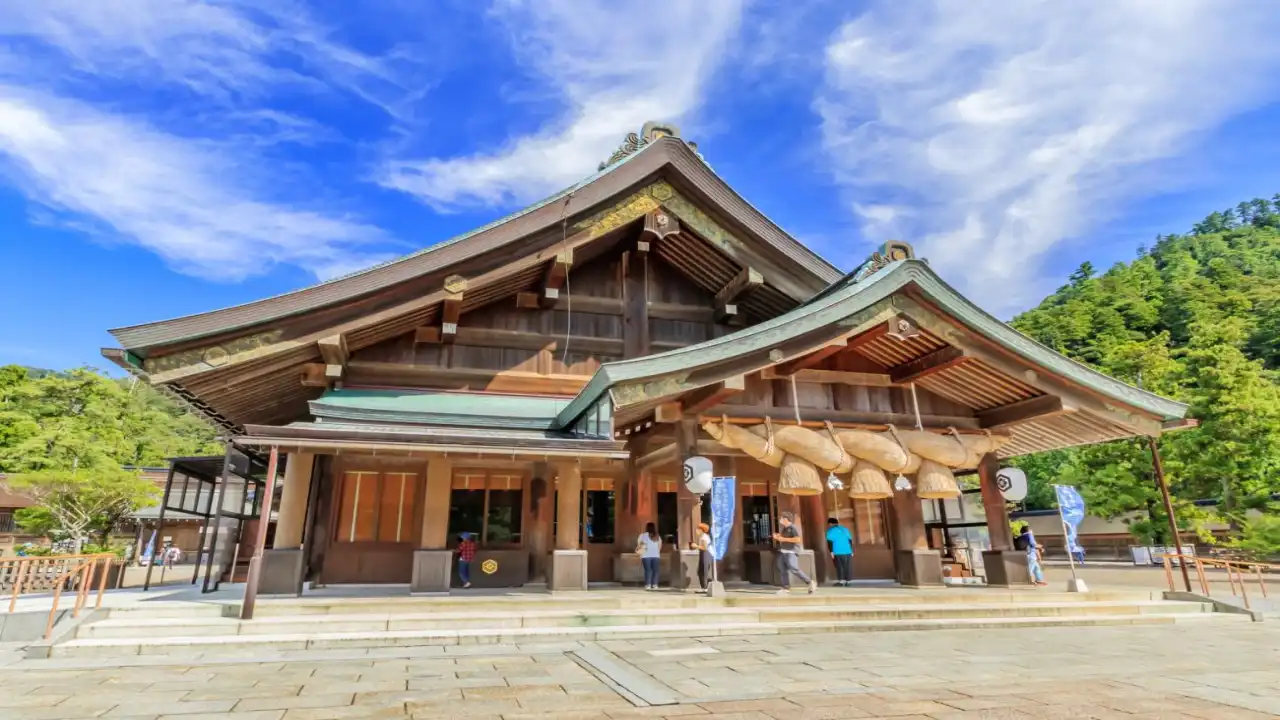
The moment you pull into the entrance of Izumo Taisha, it feels different. Unlike many of Japan's more popular tourist spots, it is rarely full or hurried. The atmosphere is quieter, which, to be frank, makes it more enjoyable to realise the place.
The shrine is believed to be one of the oldest shrines in Japan, and is associated with relationships, links and good fortune. Worshippers come from across the nation to pray, particularly those hoping for children and romantic partners. One of the first things people see is this massive sacred rope that hangs inside the shrine grounds. It looks grander in images, but being underneath it grants one a better perspective on its scale.
Reasons to Visit
- Deep historical roots
- Traditional architecture
- Fewer crowds
- Important cultural site
- Relaxed surroundings
Pro Tip
If time allows, explore the nearby coastline afterward. The scenery around the region is often overlooked by international travelers.
When Is the Best Time to Visit?
The good news is that shrines can be visited throughout the year.
Spring
- Cherry blossoms
- Comfortable weather
- Great for walking
Summer
- Festivals and events
- Green landscapes
- Larger crowds
Autumn
- Colorful leaves
- Pleasant temperatures
- Excellent photography conditions
Winter
- Peaceful atmosphere
- Fewer visitors
- Occasional snowy scenery
Many travelers booking a Japan trip package prefer spring or autumn because the weather is generally comfortable and the scenery is especially beautiful.
Making the Most of the Experience
It's easy to focus on major cities when planning a Japan itinerary. The most memorable experiences though will come at a slower pace in places that show another side of the country. Shrines aren't just attractions. They are locations where customs are kept alive, where local communities meet, and somehow history feels very much alive. Even if you are not a religious person these sites can add a new dimension to your trip.
Both scenarios would be mathematically accurate, but for travelers looking to explore through International Packages adding cultural architecture along with modern attractions maintains a more even balance. These are among the Best Shrines to visit in Japan for various reasons as well. Some is scenery, some architecture and history. Combined, they provide a rich insight into an aspect of Japan which many visitors continue to recall long after the trip is over.
Conclusion
Shrines in Japan are way more than just good photo opportunities. They are also an opportunity to have a break, to learn something new and experience traditions that have made the way of life for centuries. Whether it is trekking under thousands of torii gates in Kyoto, escaping the crowds in a Tokyo forest, gazing at a shrine floating on the sea, admiring at centuries-old craftsmanship in Nikko or exploring a more tranquil Shimane – each place offers a different piece to your travel puzzle. Sometimes, those quieter times become your greatest memories. Not a train ride nor a shopping street, a silent old path between trees, footsteps on wooden boards under feet or even the feeling of standing in a spot where humans have stood for centuries.
Travel Tips for Shrine Visits
A little preparation can make shrine visits more enjoyable.
Keep These Tips in Mind
- Dress respectfully.
- Speak quietly around worshippers.
- Carry some cash for offerings or souvenirs.
- Visit early whenever possible.
- Learn basic shrine etiquette beforehand.
- Check festival dates before traveling.
One thing first-time visitors sometimes worry about is getting the customs wrong. Don't stress too much. Most locals understand that tourists may not know every tradition. Showing respect goes a long way.