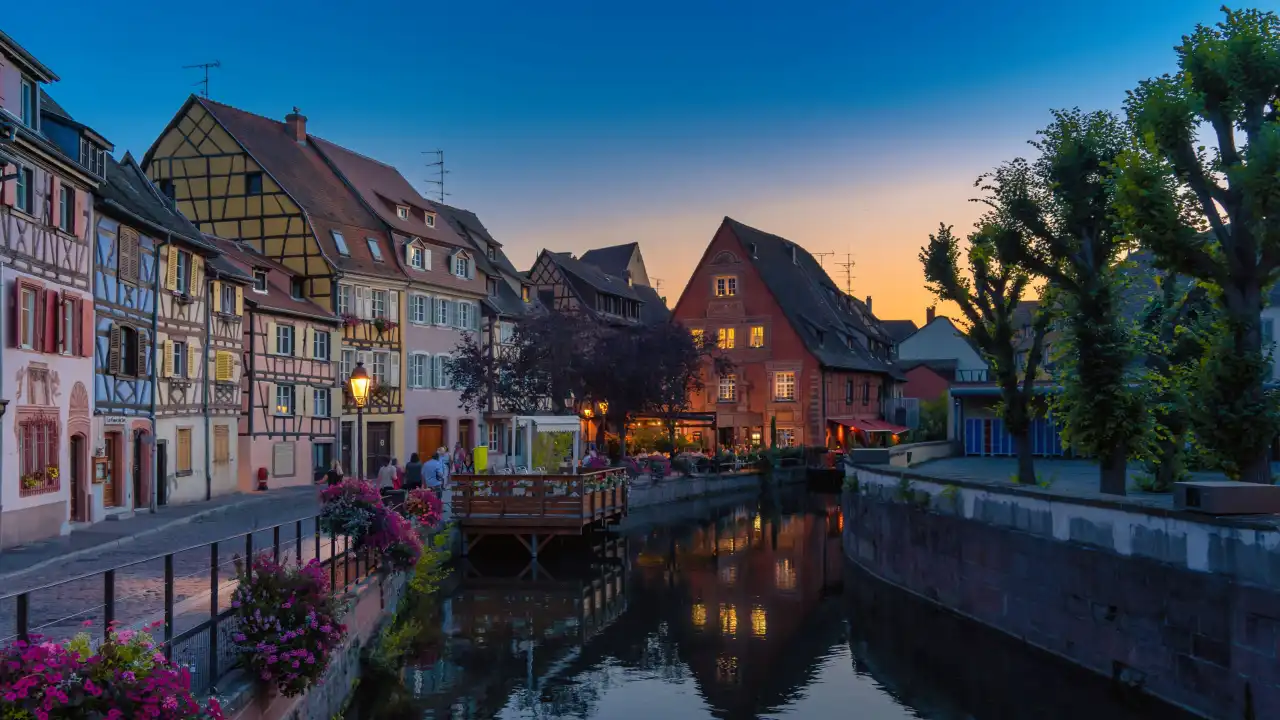
7 Fairytale Towns in Europe That Feel Like a Dream
Introduction
Most people planning a European trip usually think about cities first. Paris. Rome. Amsterdam. Places you've seen a hundred times online. And honestly, they deserve the attention. But some of the places that stay with you the longest are much smaller. They're the towns you stumble across between major destinations. The kind of places where it rains a lot and you end up chasing a deer down there at the dock beneath your farm, the pieces of heaven on earth, the places to explore as much with your eyes opened wide as you walk; where church bells were always somehow louder than car horns and how thirty minutes would turn now into an hour or two just exploring around.
Towns scattered on the shores of lakes, secluded in valleys or meandering along silent rivers that are almost too good to be true across Europe. Not because they are pristine, but because they still have a life about them. Laundry hangs out the window. Locals chat in small squares. Flowers spill out of balconies like a completely unplanned event. In this guide, we review some of the most charming Fairytale Towns found in Europe that seem to be lost in time.
1. Hallstatt, Austria
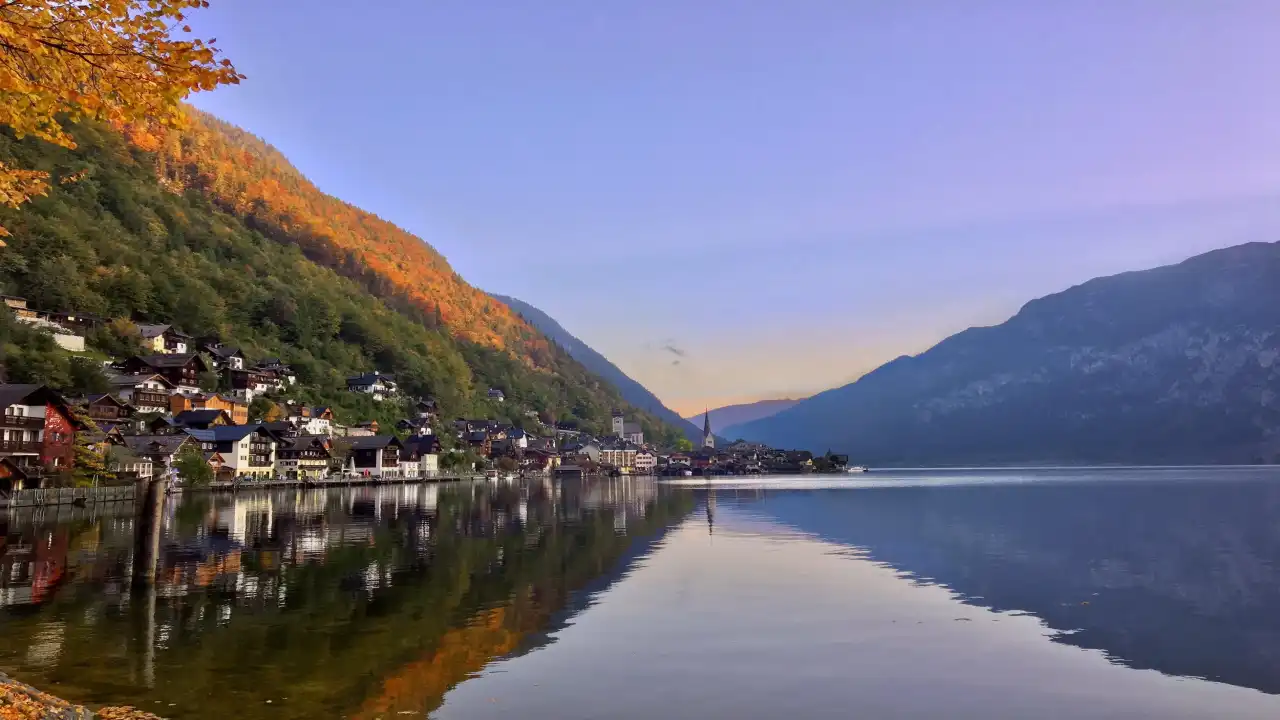
When you arrive in Hallstatt, the first thing most people do is stop for a moment and stare. It's hard not to. The lake is right there, mountains rise behind it, and the houses appear squeezed neatly in between them. Granted, a photo makes it look beautiful but it feels different standing there. Early mornings are especially memorable. The water is sometimes so flat it almost acts like a mirror. All you can hear is the odd avian noise, perhaps a boat engine from miles away.
Things worth doing:
- Walk along the lakefront
- Visit the old salt mines
- Explore the village center
- Take a boat ride
- Head up to the Skywalk
Pro Tip
Spend a night here if your schedule allows. Once the day-trippers leave, the town feels quieter and much more personal.
2. Colmar, France
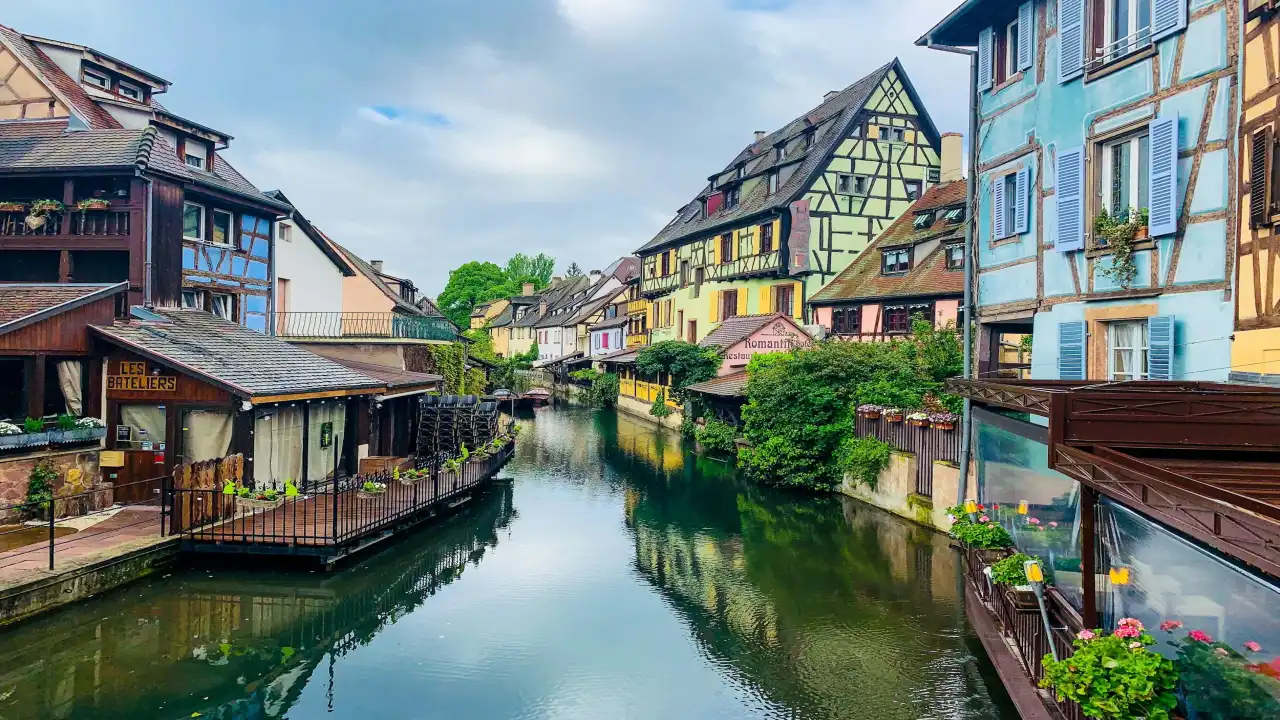
Colmar almost feels unfair. You turn one corner and find colorful houses. Then another corner somehow looks even better. Add flower boxes, narrow lanes, and little canals, and it starts feeling like someone designed the whole place for postcards. The district called Little Venice is usually where visitors spend the most time. Boats move slowly through the canals while cafés spill onto the streets nearby. What makes Colmar special isn't just how it looks. It's also the atmosphere. People sit outside for long lunches. Bakeries smell incredible. Even a quick walk to grab coffee can turn into an unexpected sightseeing session.
Highlights include:
- Little Venice
- Historic churches
- Traditional Alsace buildings
- Local markets
- Regional wines
3. Český Krumlov, Czech Republic
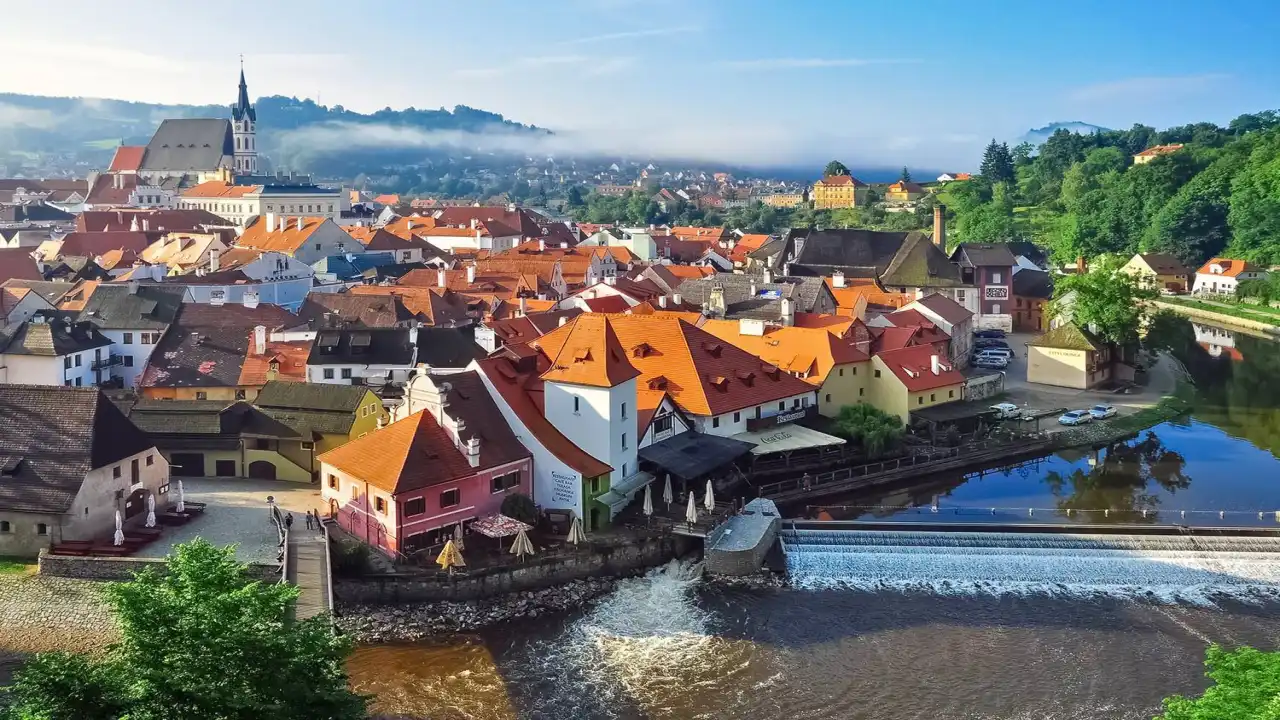
Many travelers who visit Prague never go further. That's a mistake. Český Krumlov has a completely different feel. It winds around the Vltava River, and from a distance the town more resembles something drawn rather than built. However, it's the smaller things that make the castle memorable even if it is a skyline-dominating structure. Tiny courtyards. Narrow passages. The little cafés are hidden away in old buildings. Here, you don't need an itinerary really. It is actually an experience; it gets a little lost there.
Things people love about it:
- Medieval architecture
- Castle views
- River scenery
- Cozy restaurants
- A slower pace
It's easy to see why many travelers consider it one of the Most Beautiful Towns in Europe.
4. Rothenburg ob der Tauber, Germany
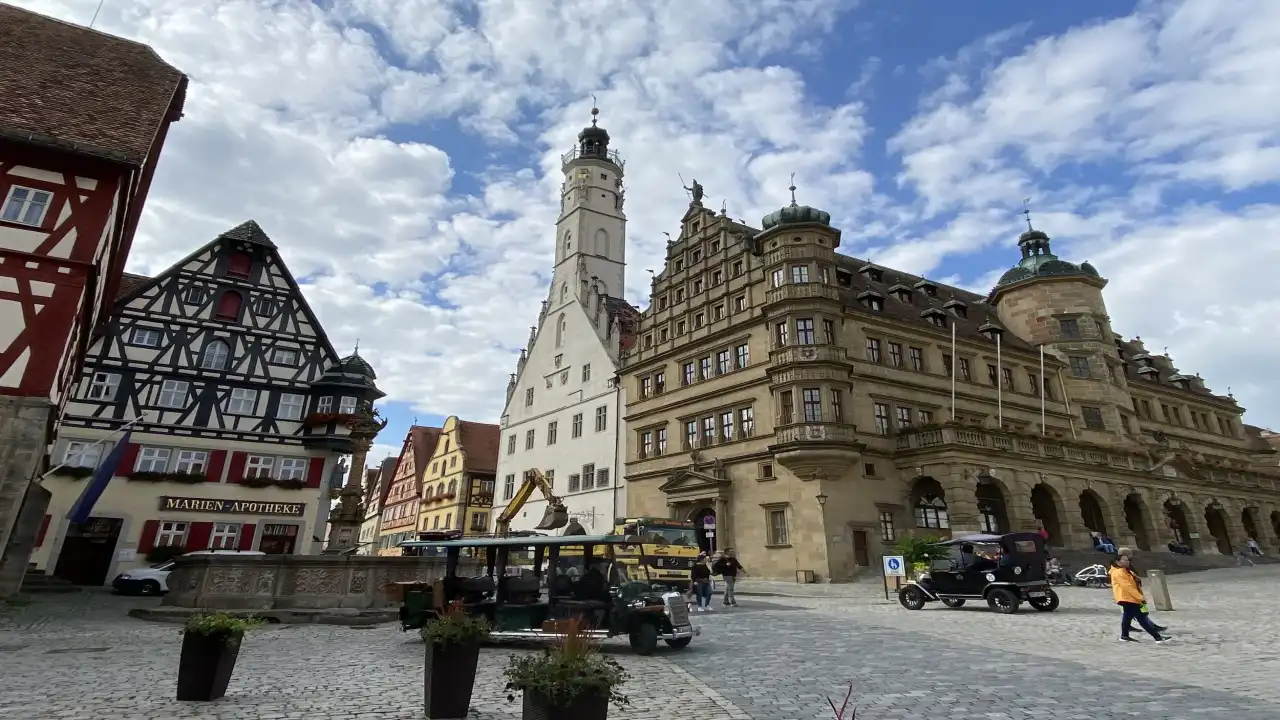
Some historic towns lose their character over time. Rothenburg didn't. Walking through the old center feels surprisingly authentic. Stone streets wind between colorful buildings, and sections of the medieval walls are still standing centuries later. At times it feels like an open-air museum. Then you'll pass someone walking their dog or opening a shop, and you're reminded that people actually live here.
Popular experiences:
- Walk the town walls
- Explore Market Square
- Visit museums
- See the famous Plönlein corner
- Try local German dishes
Pro Tip
Wake up early. Really early. Seeing the streets before the crowds arrive changes the whole mood of the town.
5. Bruges, Belgium
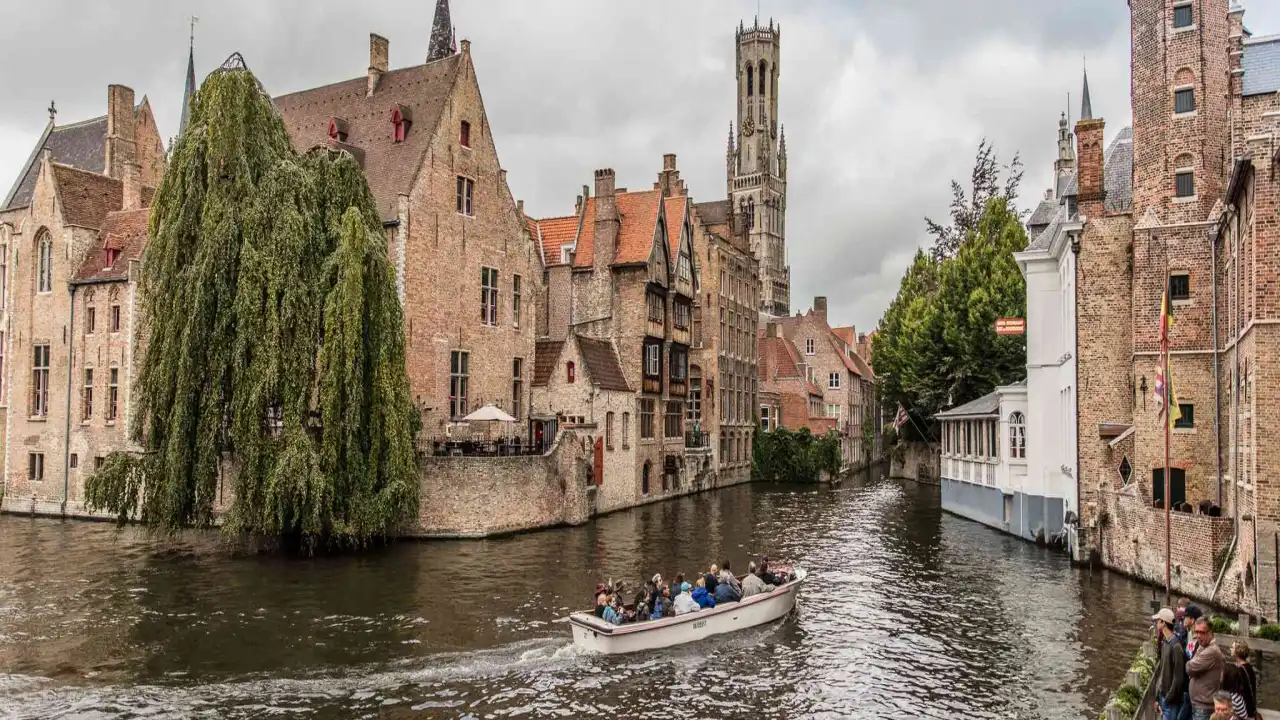
Bruges has a strange effect on people. Nobody seems to rush. Maybe it's the canals. Maybe it's the old buildings. Whatever the reason, visitors tend to slow down without even noticing. One minute you're wandering through a busy square, and ten minutes later you're standing beside a quiet canal watching reflections move across the water. Evenings are particularly nice. As the crowds thin out and lights start appearing along the streets, the city feels softer and more relaxed.
Things to see:
- Belfry of Bruges
- Market Square
- Canal cruises
- Basilica of the Holy Blood
- Chocolate shops
6. Bled, Slovenia
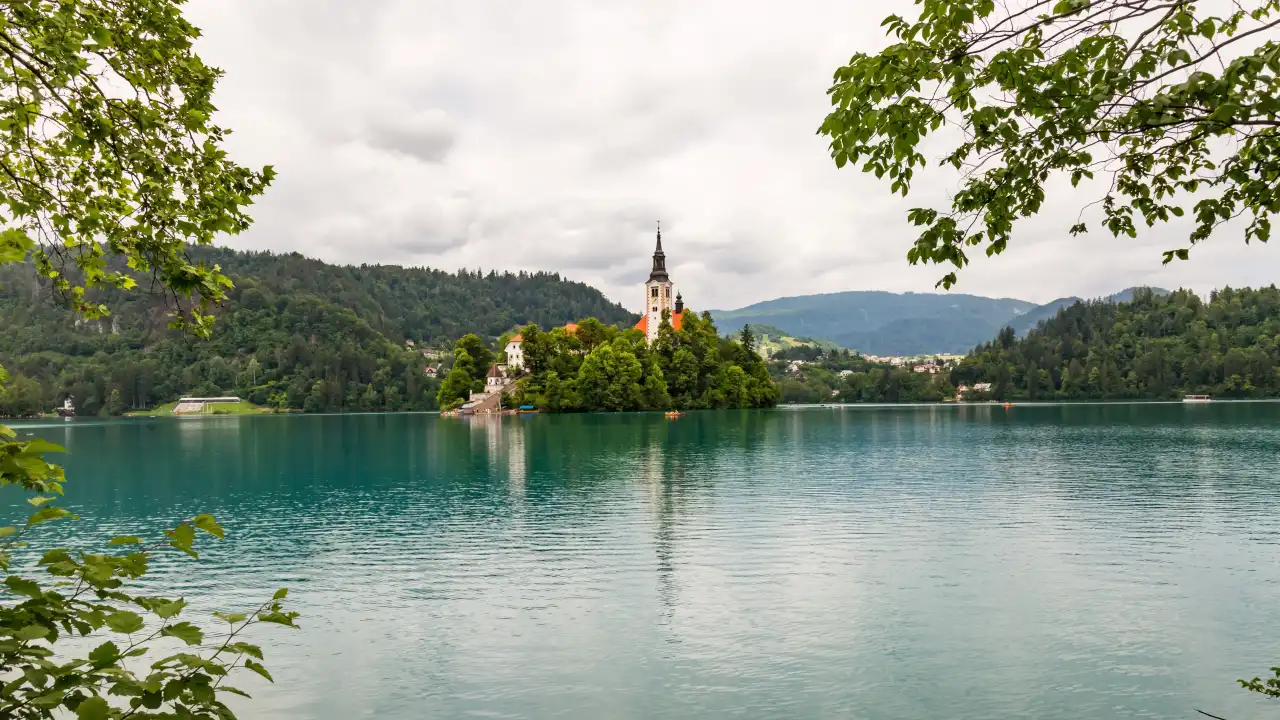
Some places look edited in photographs. Bled is one of them. The lake, the island church, the mountains in the background—it almost feels too neat. Yet somehow it all works. Most visitors head straight for the famous island, and that's understandable. Reaching it by a traditional wooden boat is part of the fun. But don't rush. Some of the best moments happen during a simple walk around the lake. You might stop for photos, sit on a bench for a while, or grab a slice of the town's famous cream cake.
Things to do:
- Visit Bled Island
- Explore Bled Castle
- Walk the lakeside path
- Try the cream cake
- Enjoy the viewpoints
Many travelers add Bled to a Europe trip package because it offers something completely different from the region's larger cities.
7. Giethoorn, Netherlands
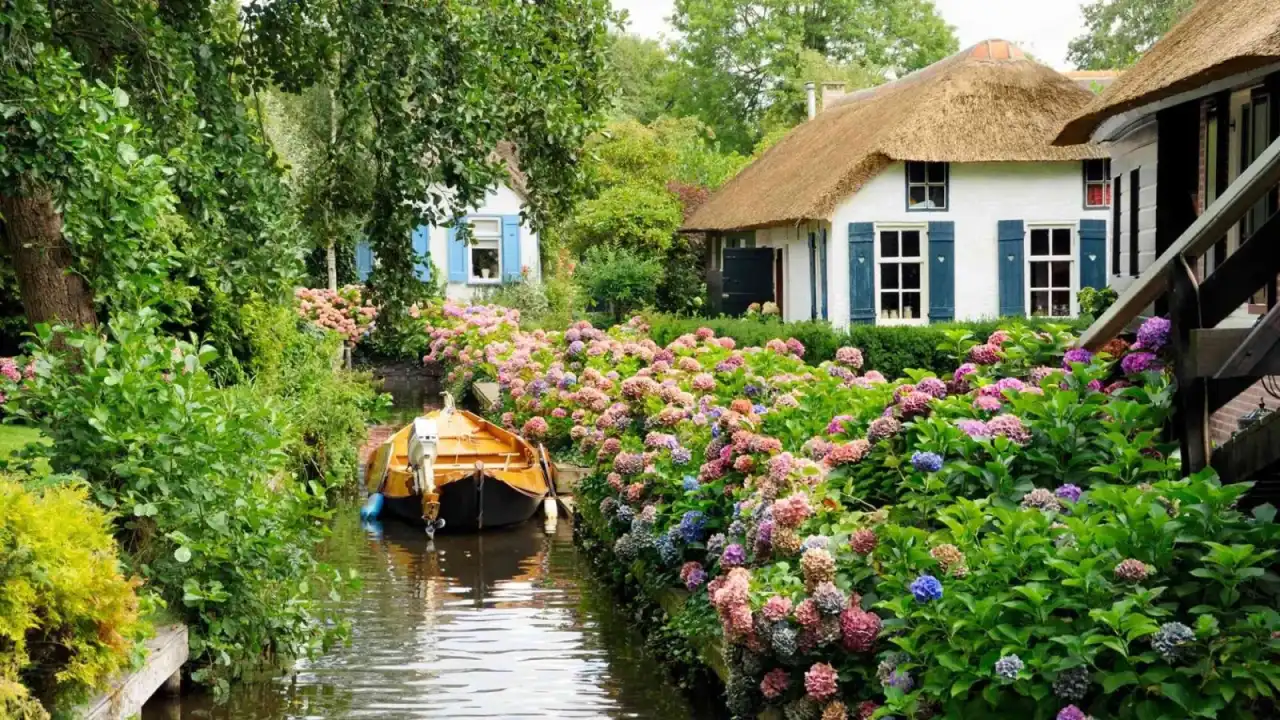
Giethoorn doesn't feel like most towns. For starters, cars aren't the main focus. Boats are. Canals run through the community, connecting homes, gardens, and small bridges. It sounds unusual at first, but after a few hours it feels perfectly normal. The pace here is slow. Really slow. And honestly, that's the appeal. There's no pressure to tick off major landmarks. You simply move through the canals, admire the cottages, and enjoy the surroundings.
Reasons to visit:
- Beautiful waterways
- Traditional Dutch homes
- Peaceful atmosphere
- Boat trips
- Countryside scenery
Among the many Charming European Villages scattered across the continent, Giethoorn manages to feel completely different.
Conclusion
The biggest cities in Europe get most of the attention, but smaller places frequently make a bigger impression. Maybe it's the slower pace. Maybe it's the history. Or perhaps it's just they're more personal. Whether parked alongside a lake in Austria, meandering old streets in the Czech Republic or floating down Dutch canals, these places deliver what major cities seem incapable of. They force you to slow down, just a little.
And sometimes, that is precisely what makes for a travel experience to be remembered, whether you're exploring on your own or through carefully planned International Packages that let you discover these places at a more relaxed pace. Years later, you might think about how much the tickets cost or what times the trains came. However, you will most likely not forget the quiet street you stumbled upon, the cafe you never expected to end up in or that view that made you stop for just a minute and said: wow. That's generally how the best travel stories start!
A Few Tips Before You Go
These towns aren't places to rush through.
A few things can make the experience much better:
Stay Overnight
The atmosphere changes dramatically once most visitors leave.
Wander Aimlessly
Some of the best discoveries happen when you stop following maps.
Visit Local Businesses
Family-run cafés and small shops often become the most memorable parts of a trip.
Travel in Spring or Autumn
You'll usually find fewer crowds and more breathing room.
Slow Down
It sounds obvious, but many people forget. Sit in a square. Watch daily life happen around you. Not every travel moment needs to be an attraction.