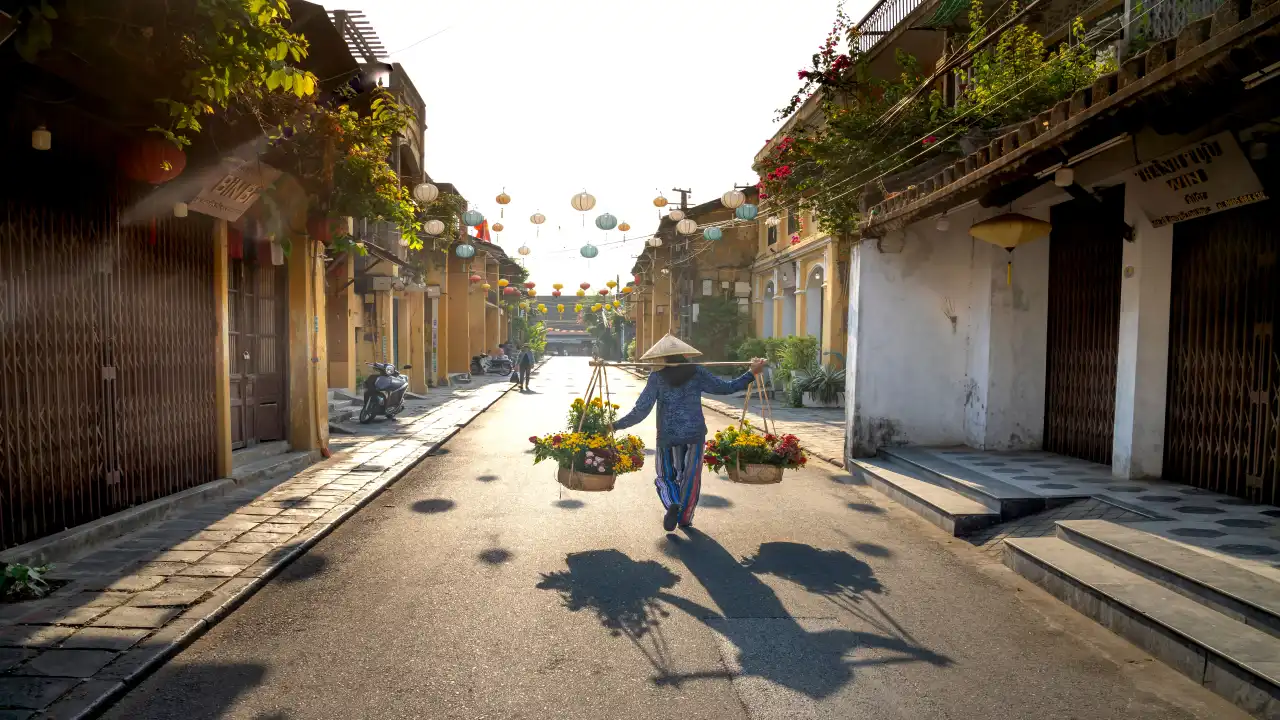
8 Best Places to Visit in Vietnam: The Ultimate Travel Itinerary
Introduction
Vietnam is one of those countries people mention casually at first, then somehow cannot stop talking about after they come back. It sneaks up on you a little. One minute you are in Sapa wearing a hoodie, hands freezing around a cup of strong coffee while clouds roll over the hills so thick you can barely see the next house. A few hours later, Ho Chi Minh City hits like pure chaos, humidity, nonstop horns, scooters squeezing through impossible gaps, grilled food smells mixed with traffic smoke, all of it happening at once. Honestly, the roads there make no sense for the first day or two. Then weirdly, your brain adapts. Kind of. If you are searching for the best places to visit in Vietnam, these are the places people genuinely remember later, not just spots that look pretty for social media photos.
Quick Vietnam Travel Itinerary
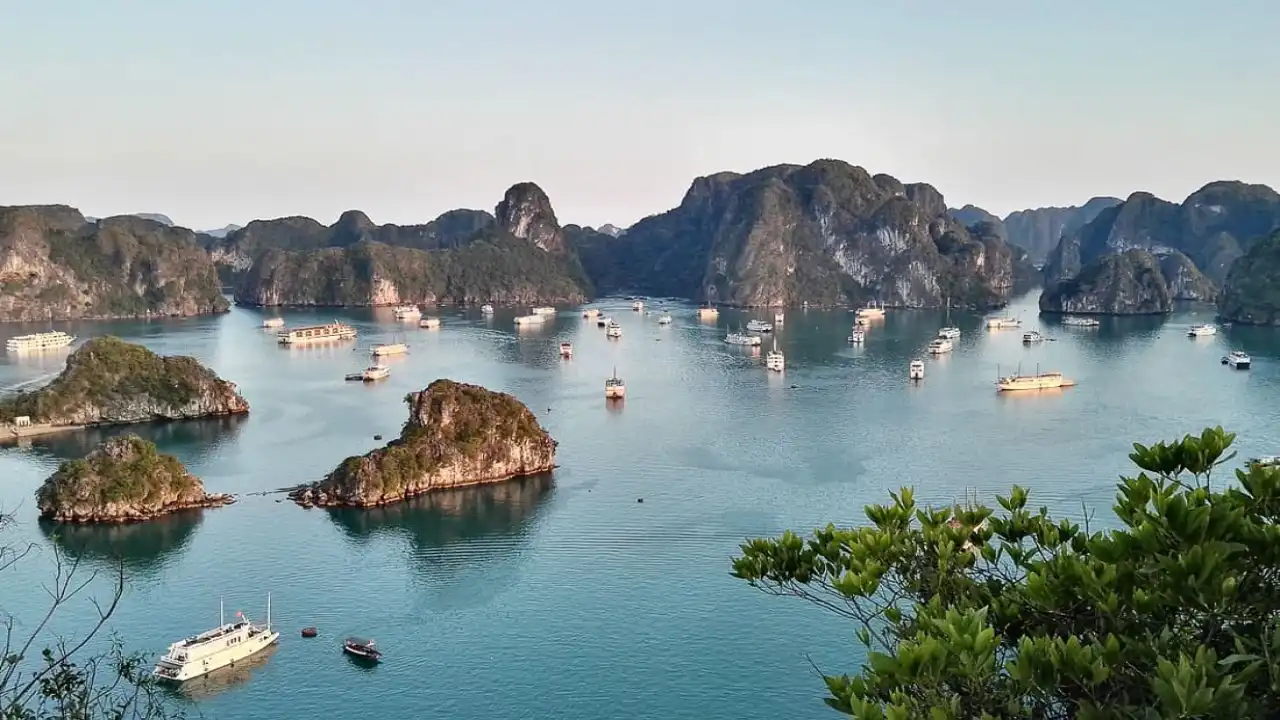
Vietnam looks small on a phone screen until you actually start planning transport. Then you realize getting from north to south takes time. A lot of people try to squeeze everything into one week and end up exhausted before the trip even gets good.
Honestly, slower works better here.
People always ask about the ideal Vietnam travel itinerary for first-timers. Probably 10 days. Enough time to actually breathe a little without turning the whole trip into airport check-ins and night buses.
Small Tips
- Overnight trains sound scary but are honestly fun.
- Domestic flights are cheap if booked early enough.
- North Vietnam feels cooler and greener. South Vietnam feels louder and way more humid.
The 8 Best Places to Visit in Vietnam
1. Ha Long Bay
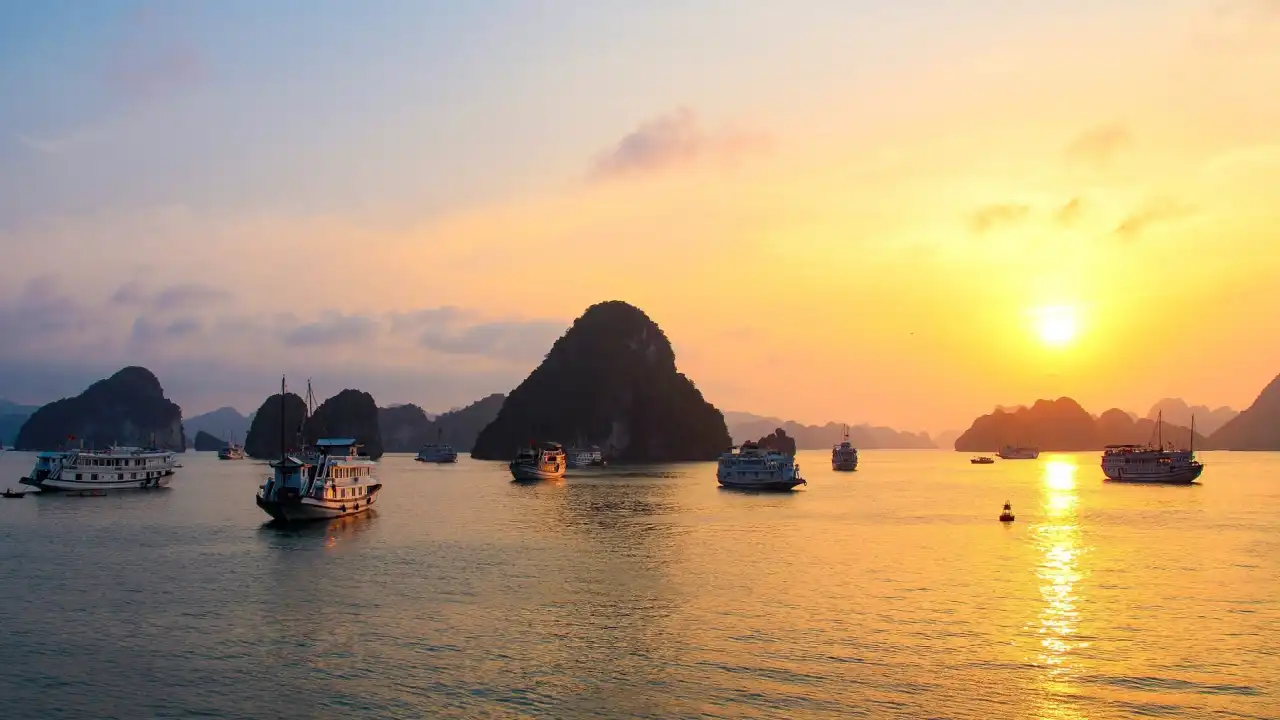
Ha Long Bay even looks unreal sometimes. Early mornings, especially. Fog hangs low over the water, giant limestone cliffs appear slowly through the mist, and everything feels strangely quiet for a tourist place. Most people stay overnight on cruises. Some boats are luxury-level fancy, some definitely are not. But honestly, once you are standing outside watching sunrise over the bay, the room barely matters anymore.
Must-See
- Sung Sot Cave
- Titop Island
- Kayaking around Luon Cave
Best Time
October to April.
2. Hoi An
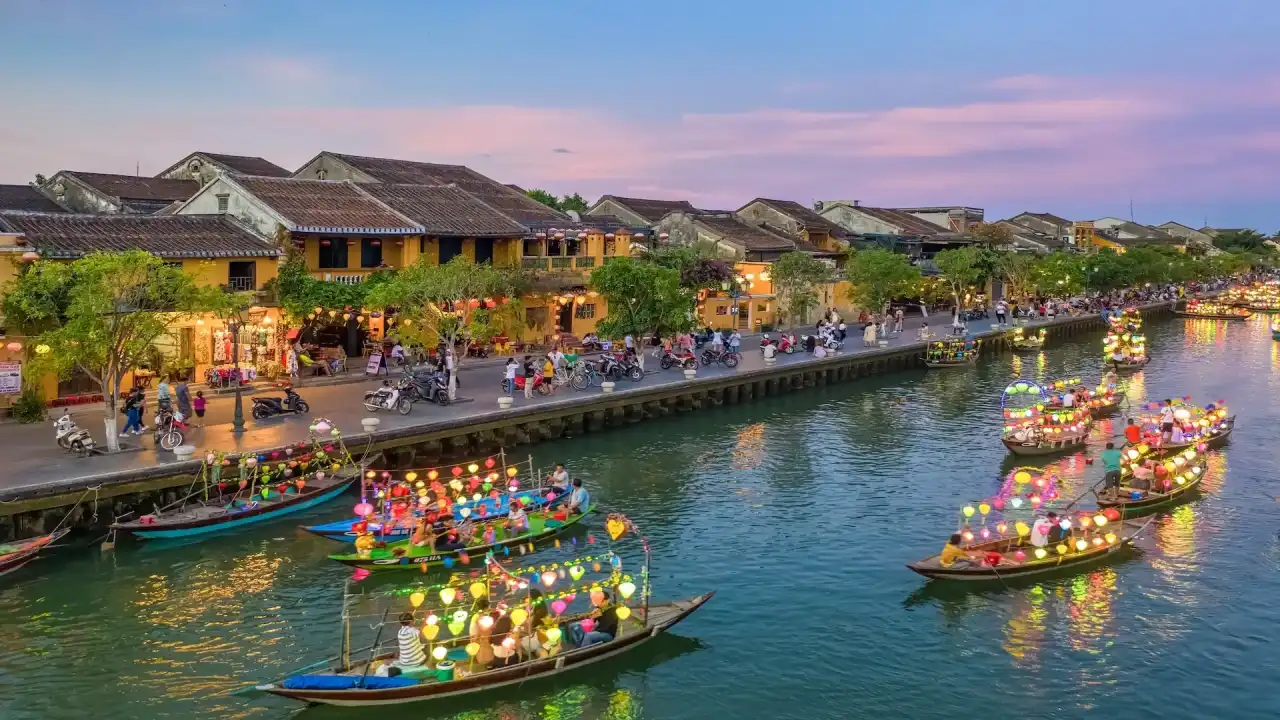
Hoi An feels calmer than almost everywhere else in Vietnam. At night, the lanterns light up the whole town and reflections bounce across the river while tourists try taking perfect photos for twenty minutes straight. Still, somehow the town keeps its charm despite all that. People searching for top destinations in Vietnam end up loving Hoi An the most because there is not much pressure here. You can literally spend half a day walking around eating random snacks and still feel like you had a good day.
Must-See
- Japanese Covered Bridge
- Lantern Market
- An Bang Beach
Best Time
February to August.
3. Hanoi
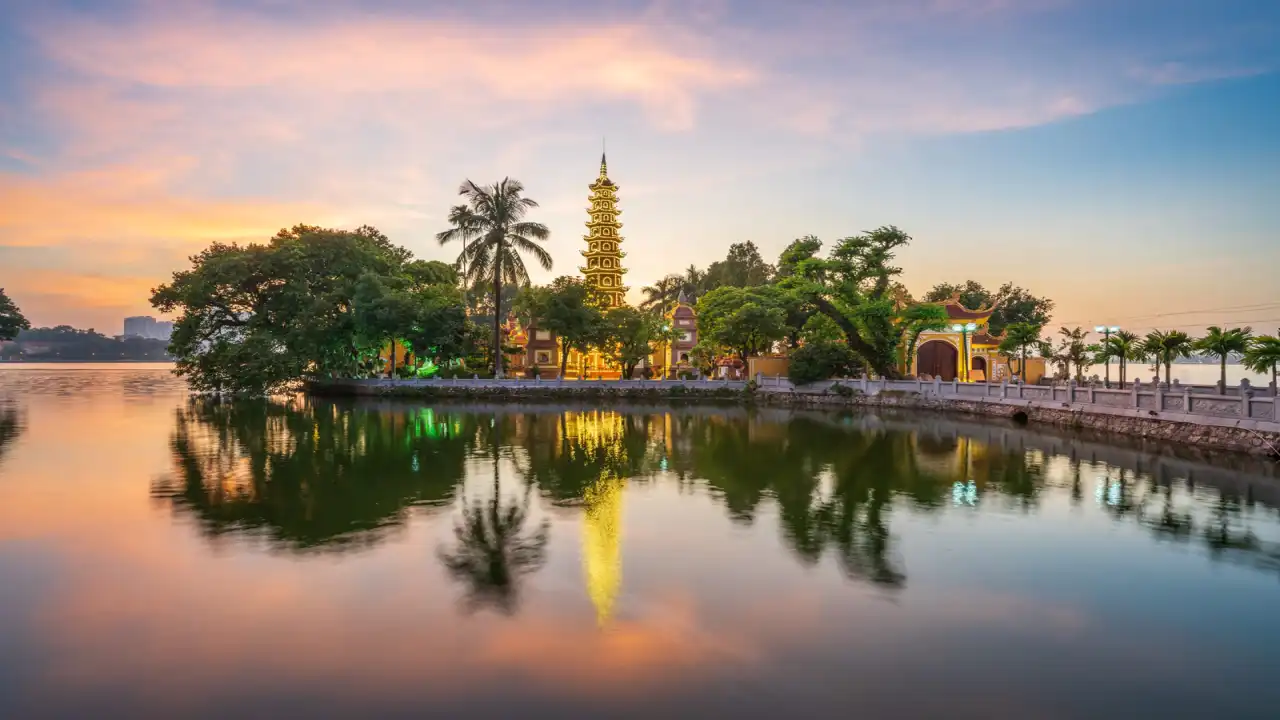
Hanoi feels chaotic at first. Crossing roads feels like a trust exercise because scooters never really stop. You just slowly walk and hope traffic flows around you. Somehow it usually does. The Old Quarter, though, is amazing. Tiny cafés hidden upstairs, soup boiling on sidewalks, people sitting on little plastic stools drinking tea at 6 AM. Some streets smell incredible. Some smell like old fish. That is just Hanoi, honestly.
Must-See
- Hoan Kiem Lake
- Train Street
- Ho Chi Minh Mausoleum
Best Time to Visit
September to November.
Pro Tip
Egg coffee sounds strange. Still try it.
4. Ho Chi Minh City
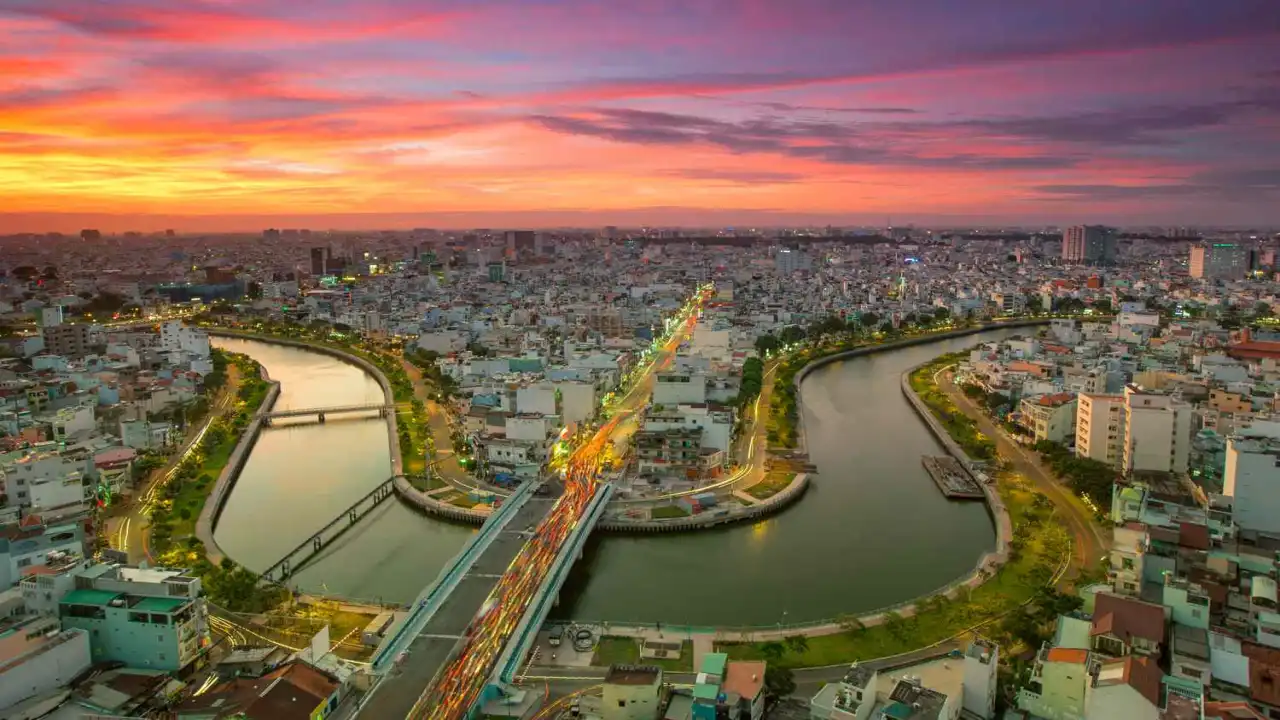
Ho Chi Minh City feels faster than Hanoi. More modern too. Rooftop bars, loud nightlife, traffic everywhere, and buildings lighting up the skyline at night. But underneath all that energy, there is heavy history here too. The War Remnants Museum especially stays in your head afterward. Not an easy visit emotionally, honestly. People ask about Vietnam tourist attractions inside cities usually end up liking Ho Chi Minh City because it feels alive all the time.
Must-See
- War Remnants Museum
- Ben Thanh Market
- Cu Chi Tunnels
Best Time to Visit
December to April.
5. Hue
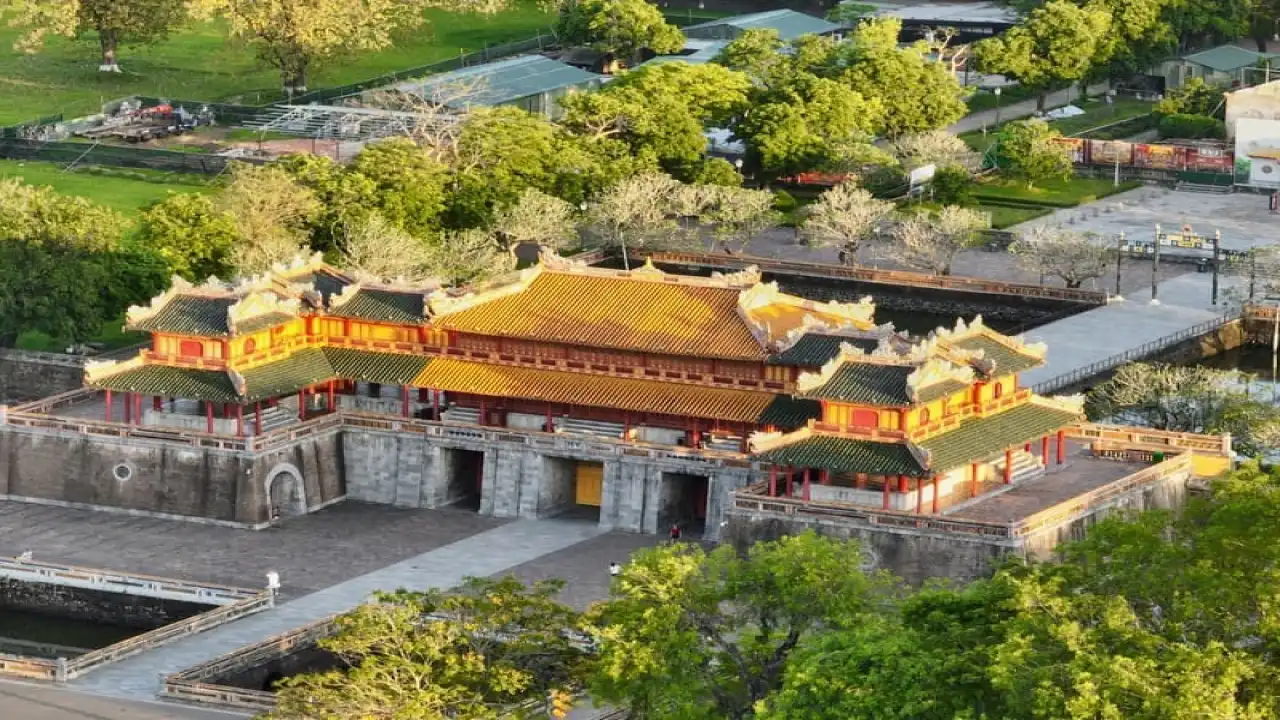
Hue gets skipped by some travelers, which is kind of a mistake. The city feels quieter and older. The Imperial Citadel has this faded royal atmosphere, cracked walls, giant gates, and empty courtyards with moss growing everywhere. It almost feels abandoned in parts, but in a beautiful way.
Must-See
- Imperial Citadel
- Thien Mu Pagoda
- Royal Tombs
Best Time to Visit
January to April.
6. Phong Nha-Ke Bang National Park
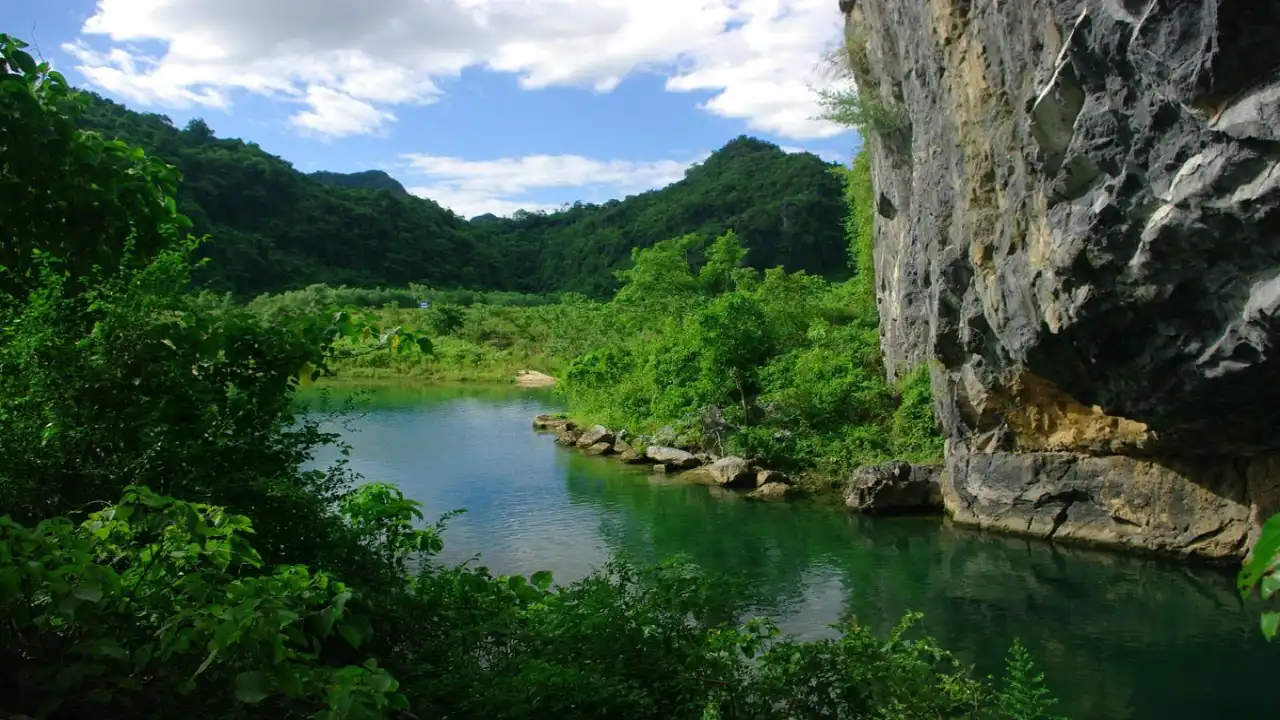
Phong Nha feels raw compared to other places in Vietnam. Less polished. More adventurous. The caves here are massive. Like genuinely hard-to-explain massive. Son Doong Cave is so huge that it has clouds inside sometimes, which honestly sounds made up but apparently is true.
Must-See
- Paradise Cave
- Dark Cave
- Phong Nha Cave boat ride
Best Time to Visit
February to August.
Pro Tip
Book tours early because they fill up fast.
7. Da Nang
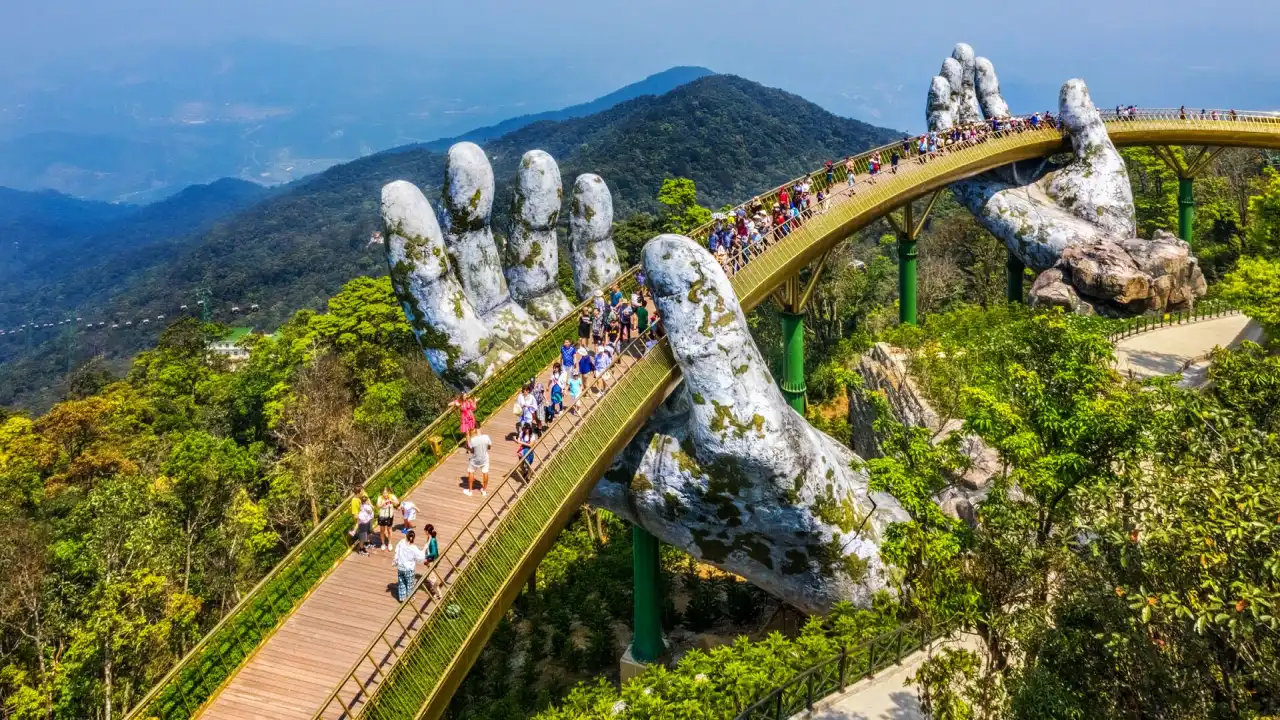
Da Nang is somewhere between a beach city and a modern urban escape. Most people know it because of the Golden Bridge with giant stone hands holding it up, but the beaches are honestly the better surprise. My Khe Beach especially feels cleaner and calmer than expected.
Must-See
- Golden Bridge
- Marble Mountains
- My Khe Beach
Best Time to Visit
March to August.
8. Sapa
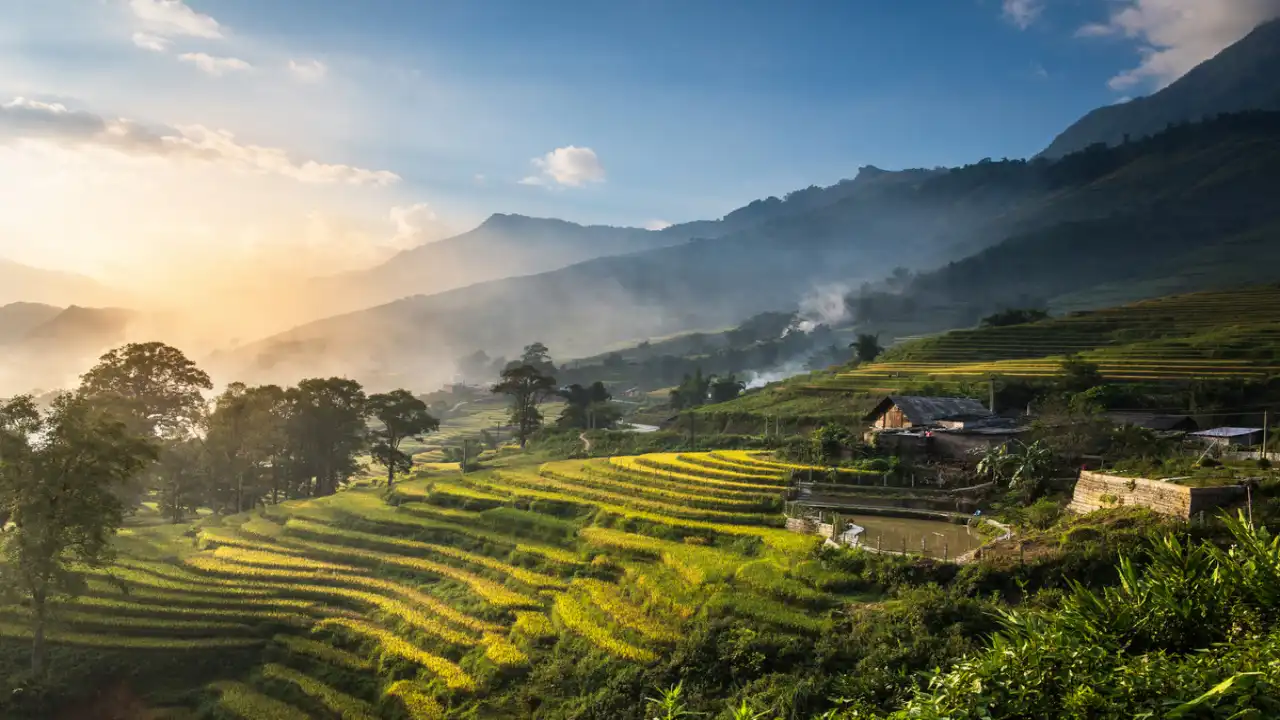
Sapa feels like a completely different country compared to southern Vietnam. Cold air. Mountain fog. Endless rice terraces. Sometimes clouds move across entire villages so fast you can barely see ten feet ahead for a minute or two. Trekking gets messy after rain: mud everywhere, shoes ruined. But honestly, that roughness is part of why people love Sapa in the first place.
Must-See
- Fansipan Mountain
- Cat Cat Village
- Muong Hoa Valley
Best Time to Visit
March to May or September to November.
Quick Vietnam Highlights
- Ha Long Bay – Cruises, cliffs, peaceful mornings
- Hoi An – Lanterns, cafés, old streets
- Hanoi – Street food and nonstop energy
- Ho Chi Minh City – Nightlife and history
- Hue – Old royal architecture
- Phong Nha – Massive caves and adventure
- Da Nang – Beaches and modern city vibes
- Sapa – Rice terraces and trekking
Conclusion
Vietnam sticks with people. Probably because the country changes mood every few days, which is exactly why so many travelers now look for flexible International Packages instead of rushed one-city tours. One minute you are in peaceful mountains drinking coffee in silence, the next minute you are sitting on a plastic stool in Hanoi eating noodles while scooters nearly brush your elbows every ten seconds.
It is not polished all the time either. Trains get delayed. Roads feel insane. The weather changes suddenly. But weirdly, those imperfect moments are what make the trip memorable later. That is probably why so many people leave Vietnam, already planning another trip back.
Practical Vietnam Tips
Weather
- North Vietnam gets cooler winters.
- Central Vietnam stays sunny for long stretches.
- South Vietnam stays warm most of the year.
So there is never really one perfect season for the whole country.
Money & Visa
- Vietnam uses the Vietnamese Dong.
- Carry cash for smaller places.
- E-visas are easy, but check the rules before booking.
Travelers booking a Vietnam trip package usually do it because transport between cities gets confusing pretty quickly.
Transport
- Flights save time.
- Sleeper trains are worth trying once.
- Grab app works well for taxis.
- Motorbikes are fun if you are brave enough.