A Guide to Thailand's Most Fascinating Cultural Traditions
Introduction
Thailand is not a country that most people book a trip to just for its customs. Normally the beaches are first eyes on. Perhaps it's all the pictures of turquoise water, island-hopping with blue skies and white sand; never-ending food stalls in crowded night markets or gold-plated temples. That's what draws people in. But after some days in the country, something different begins to show itself. Maybe that's just the way strangers say hello? The respect shown to elders.
Or perhaps it is the watching of an entire family coming together to hang out for a festival while outsiders watch from the sidelines trying to figure out what all of this means. But again, those moments will never make a travel brochure, but are what most people remember the best. When traveling in Thailand, for those looking to experience more than just ticking off a bunch of attractions, learning about the Thailand Culture can change the way that you feel about how the country is. Rather than looking at things, you start to know why they're important. And really, that makes travel so much more interesting.
The Wai: A Small Gesture With a Big Meaning
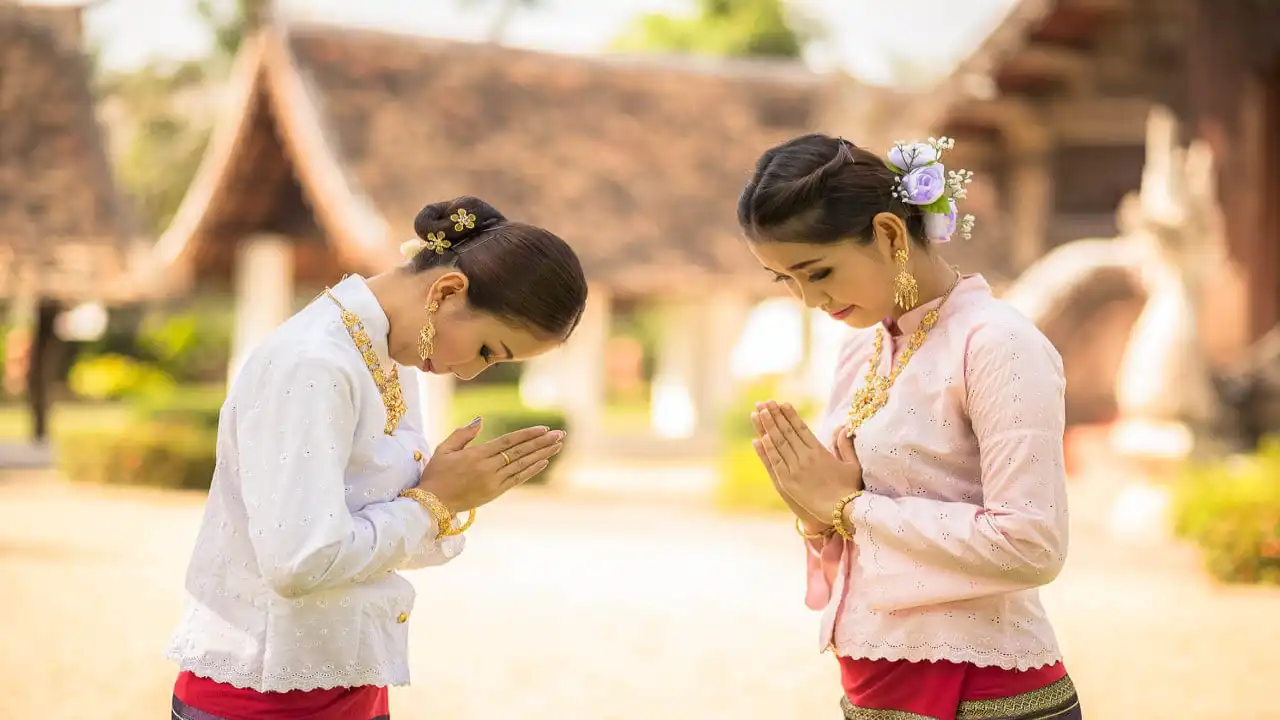
One of the first things many visitors notice is that people don't automatically reach for a handshake. Instead, they perform something called the Wai. Hands are placed together near the chest, almost like a prayer position, followed by a slight bow of the head. It looks simple enough. The fun thing is that it could do several things which depend on the situation.
To say hi, thank you or sorry to show respect. After spending some time in Thailand, you'll start seeing it everywhere. A student greeting a teacher. A young person bowing to an elder one. Someone thanking a shop owner. A hotel employee welcoming guests. For a time, travelers can get too caught up in whether or not they are traveling correctly. The bottom line is: most locals would prefer you give it a shot rather than trying to pull off perfection.
Pro Tip:
If someone greets you with a Wai, return it politely. Don't stress about getting every detail right. A genuine smile usually matters more than technical accuracy.
Buddhism Isn't Just Seen in Temples
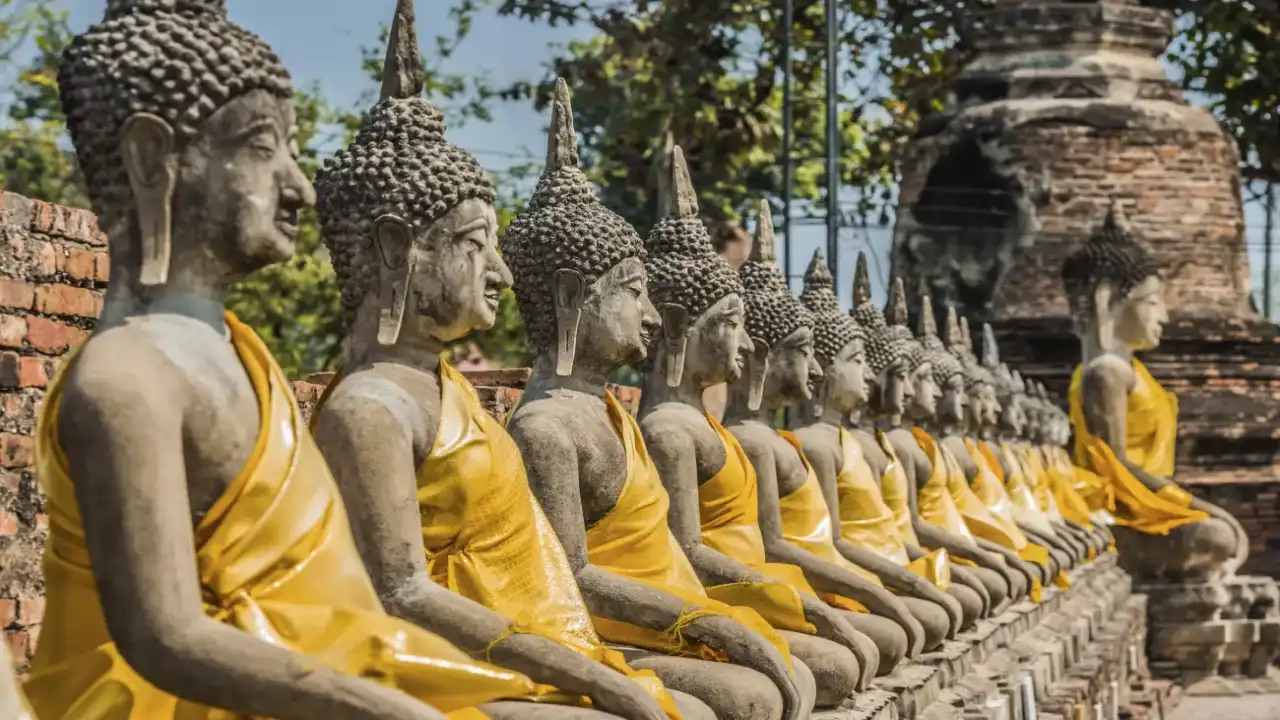
Many countries have important religious sites. Thailand certainly does too. Religion seems always to be connected to daily life in a way that other arts never concern themselves with: Take an early morning stroll and start noticing the monks collecting food offerings. Go to your local neighborhood and you may see mini shrines outside homes and businesses. Go into a temple, and you'll typically find some locals praying softly as tourists snap away. It's just part of daily life.
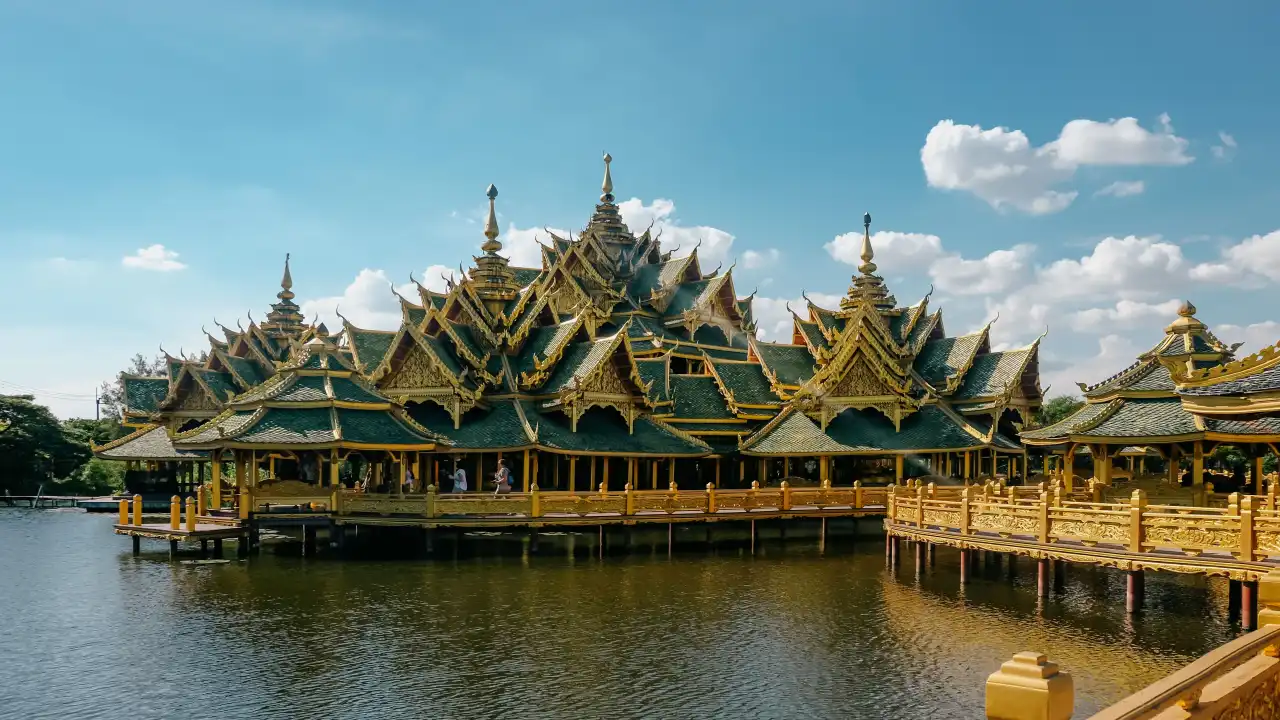
Most of the population practices Buddhism, and its impacts are not limited to religion. For instance, values such as patience or humility and kindness and respect are often associated with Buddhism, which travelers who come here for the first time may notice. Temples are still a big part of the experience, of course. Some sit in crowded city centers surrounded by traffic and shopping districts. Others are tucked away in more hidden spots where the sounds might only be birds, distant bells, or leaves moving in the wind.
When visiting temples, a few basic rules help:
- Dress modestly.
- Remove shoes where required.
- Speak quietly.
- Respect religious ceremonies.
Simple things, really. But they go a long way.
Family Still Sits at the Center of Life
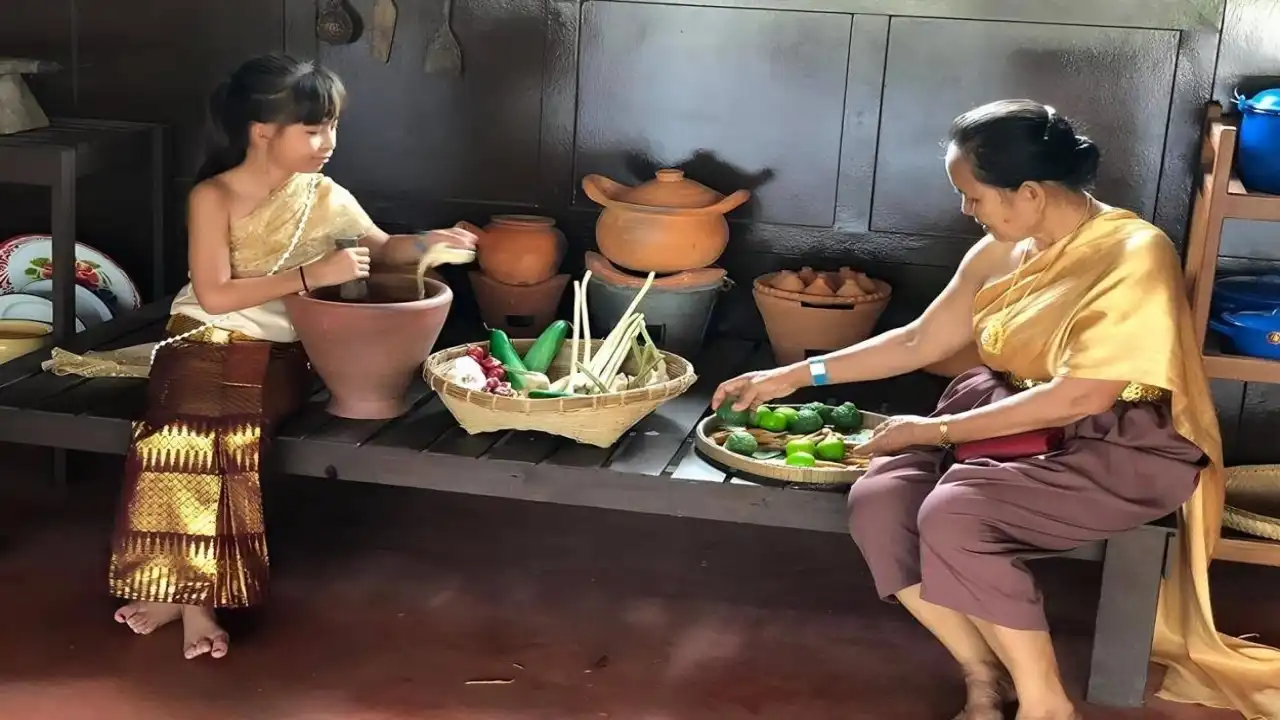
One thing that catches many travelers off guard is how important family is across Thailand. In some places, family members live completely separate lives once they become adults. Thailand often feels different. Grandparents, parents, and children usually maintain strong relationships. Many large family gatherings like these will be seen on holidays and festivals.
Older family members usually merit respect, and the younger generations will be expected to assist in their care when they enter old age. That feeling of connection, though, is not unique to family. Especially within smaller communities, neighbors tend to know each other well. Rather than a shopping centre, it appears more like where you walk in to buy some veggies, all the while catching up on local news. Visitors sometimes describe the atmosphere as welcoming without being intrusive. People are friendly, but not in an overly dramatic way. It's more subtle than that.
Songkran: The Festival Everyone Talks About
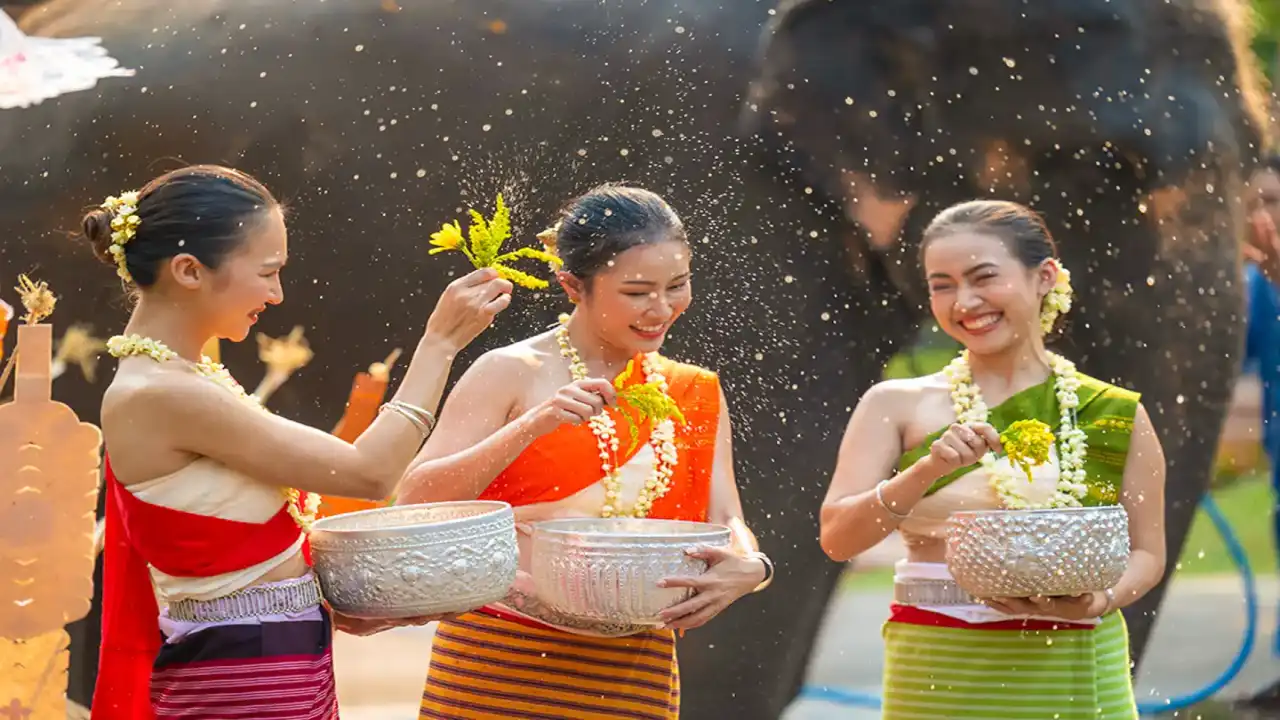
If you have ever done a good search for Thai festivals, then there will be no way that the following images would have escaped your view of Songkran: Buckets of water, Water guns and Crowded streets. People are laughing while trying to avoid getting wet. What first-time visitors often fail to understand is that there really is more to the celebration than just the massive water battles. Songkran is the traditional Thai New Year, which falls each year in April.
It was long before the invention of water guns, and people poured water into the hands of elders as a mark of respect to receive blessings for the year ahead. The water was symbolic of washing away the old to become new and fresh. Those traditions still exist today. The modern version simply happens to include a lot more splashing. Walking through Thailand during Songkran can be slightly unpredictable. One moment you're heading somewhere dry. Five minutes later you're completely soaked and wondering why you thought carrying a camera without protection was a good idea. That's part of the experience.
Loy Krathong: A Completely Different Atmosphere
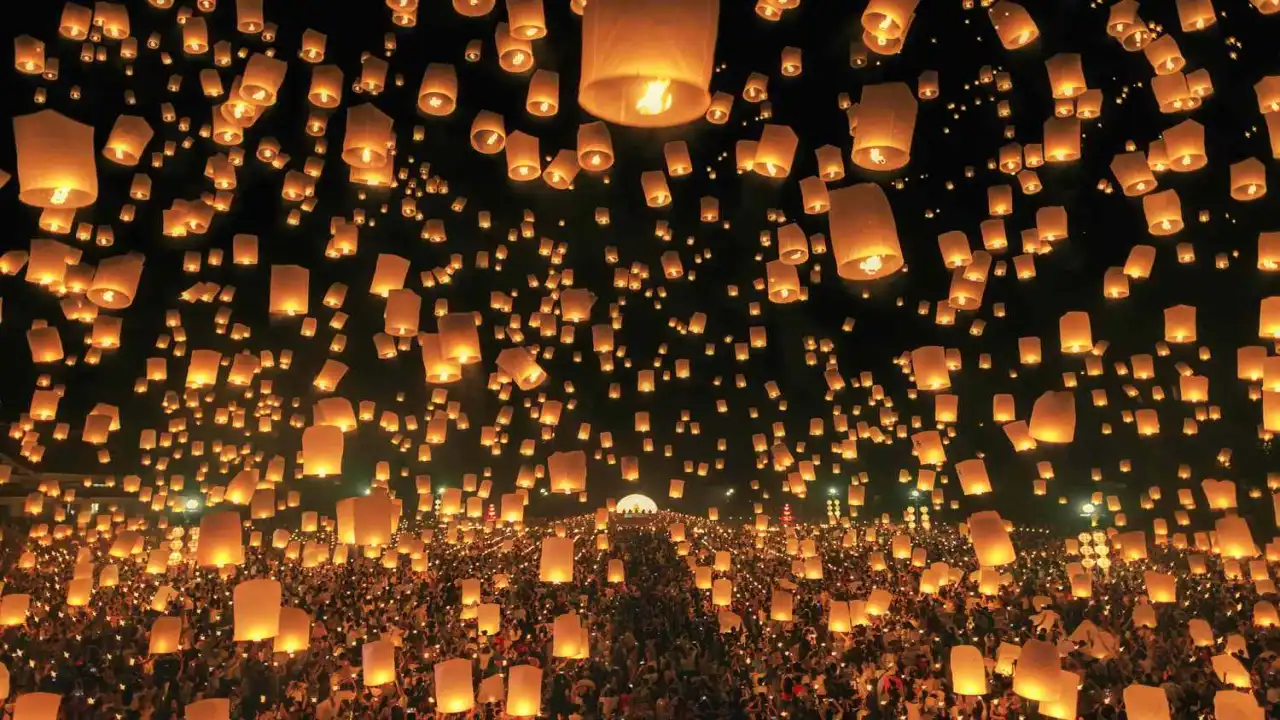
If Songkran feels energetic and loud, Loy Krathong feels like meditation. It is held on the full moon day in November and involves placing small, decorated baskets (Krathongs) containing candles that float in rivers, lakes and canals. Baskets are traditionally decorated with flowers, candles and incense. Some are placed into the water, while making a wish to remember the year that has gone by or trying to leave behind something that they no longer want in their lives.
The symbolism is often linked to:
- Gratitude.
- Reflection.
- Forgiveness.
- New beginnings.
Not Every Festival Makes International Headlines
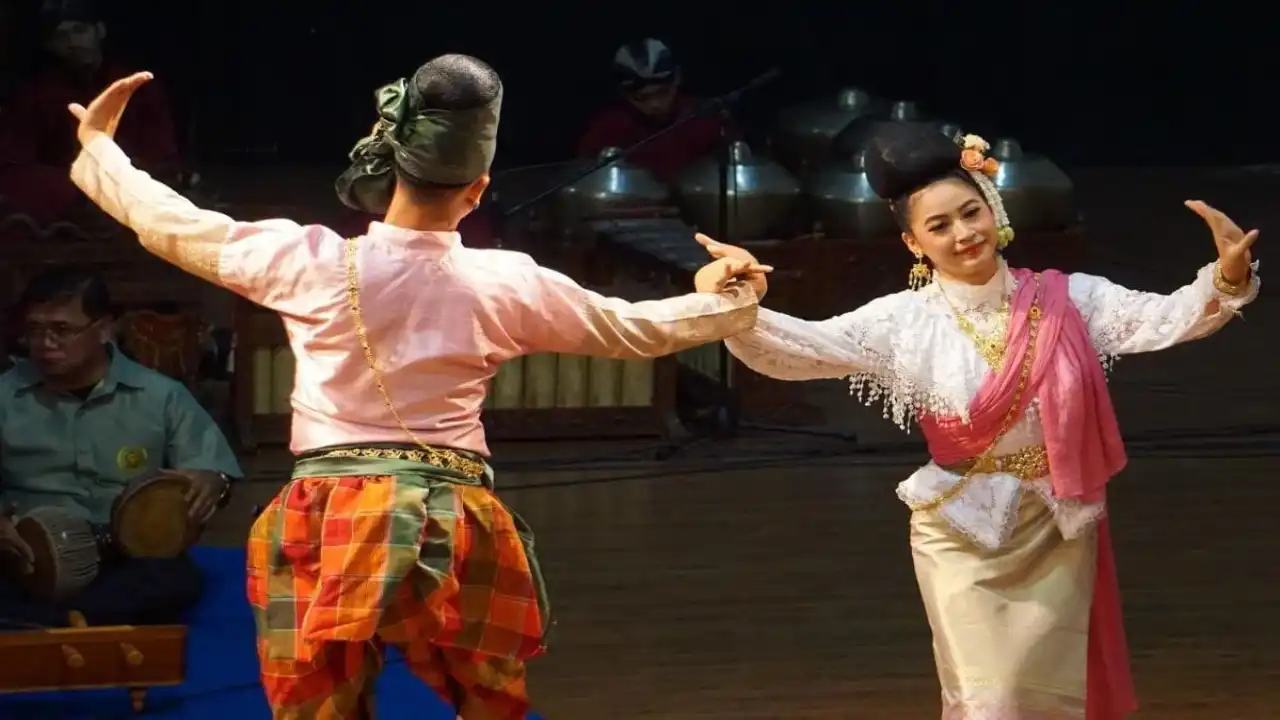
While Songkran and Loy Krathong get more attention than the rest, they are not the only celebrations happening throughout the year. It's one of those festivals you probably never heard all too much about before reaching Thailand, but there are a ton of regional festivals in this country that most visitors go on to miss completely. Some celebrate local history. Some concern agriculture, religion or community traditions. Depending on where you travel, you might come across:
- Traditional dance performances.
- Local parades.
- Religious ceremonies.
- Community feasts.
- Folk music events.
Sometimes these smaller festivals end up feeling more memorable because they're less crowded and more closely connected to local life. You don't feel as though you are viewing a tourist attraction performance. You feel like you have just accidentally discovered something real.
Food Says a Lot About a Culture
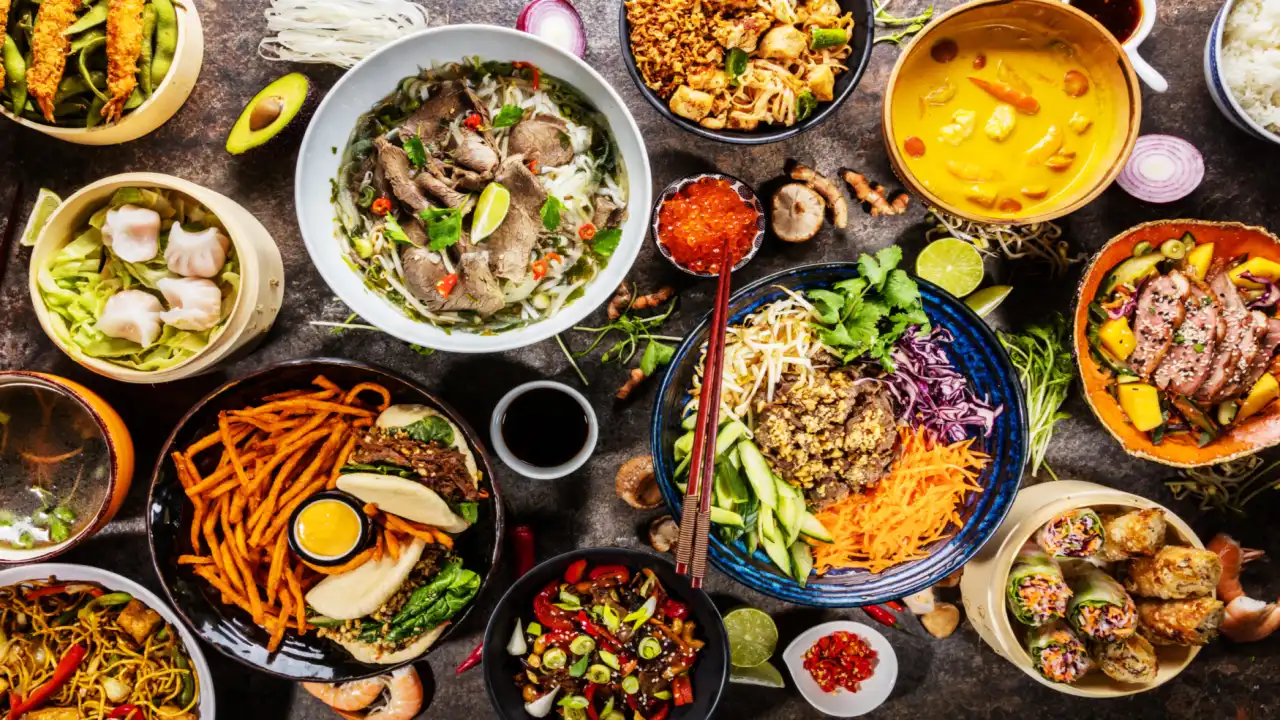
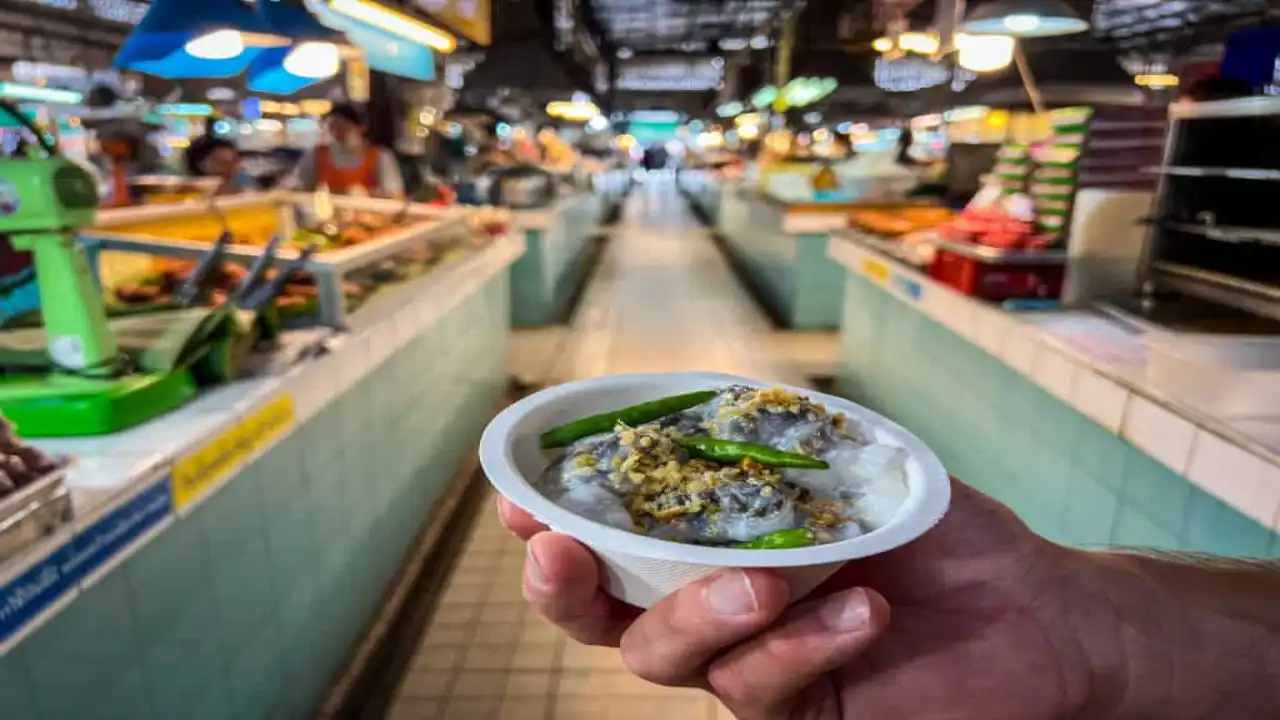
Food is obviously important in Thailand. That's probably not shocking news to anyone. But what often gets overlooked is how meals are shared. Instead of everyone ordering a completely separate dish, it's common for multiple dishes to be placed in the middle of the table. People share. They talk. They pass plates around. The meal becomes social rather than individual. Thai cuisine is also known for balancing flavors.
You'll often find combinations of:
- Sweet.
- Sour.
- Salty.
- Spicy.
Sometimes all in the same meal. Street food markets showcase this perfectly.
Traditional Arts Continue to Thrive
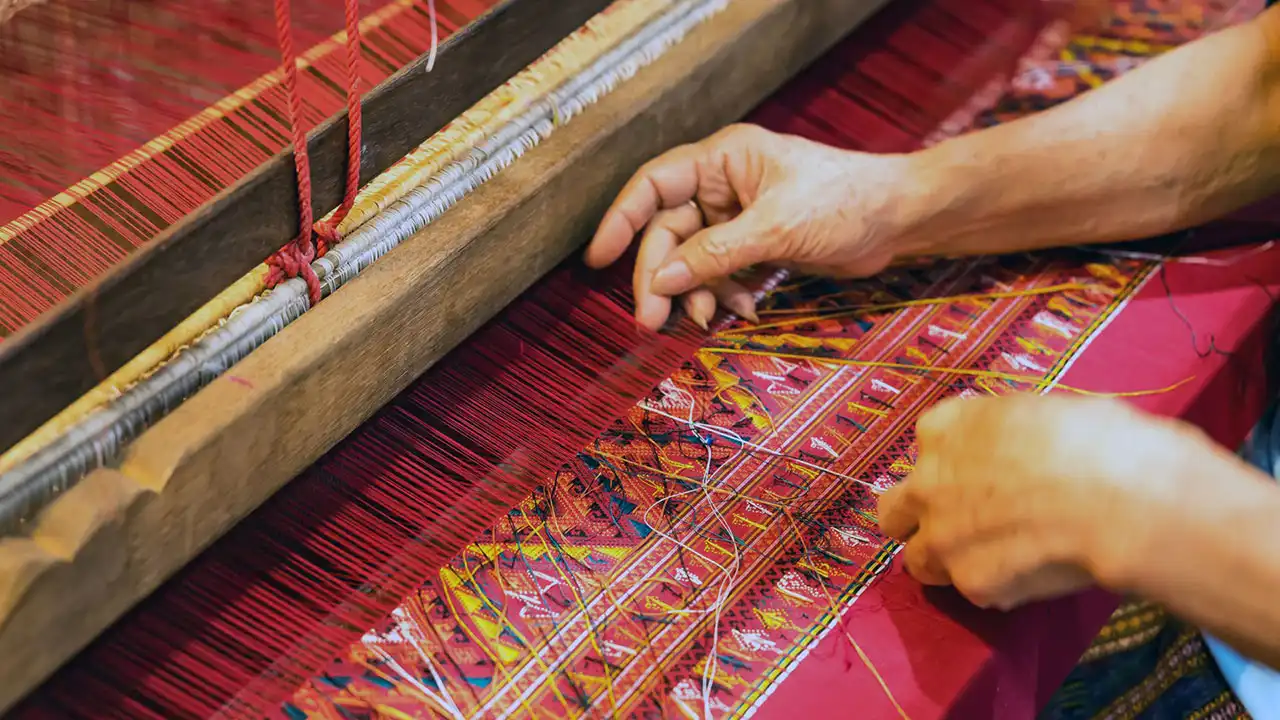
Thailand's artistic traditions remain an important part of cultural life. Across the country, skilled craftspeople continue producing work using techniques that have existed for generations.
These traditions include:
- Silk weaving.
- Pottery.
- Wood carving.
- Traditional music.
- Decorative arts.
Some visitors expect fast-moving entertainment and are surprised by the slower pace of traditional dance. But once you start paying attention to the costumes, music, and storytelling, it becomes much more interesting.
Understanding Everyday Etiquette
Thailand has earned a reputation for being friendly, and a lot of that comes from customs built around respect and consideration. Visitors don't need to memorize an entire rulebook.
A few basics are usually enough.
Personal Behavior
- Avoid shouting in public.
- Stay calm during disagreements.
- Be patient when things don't move quickly.
Temple Visits
- Wear appropriate clothing.
- Remove shoes when necessary.
- Respect ongoing ceremonies.
Cultural Awareness
- Follow local guidance.
- Respect sacred objects.
- Observe before participating.
Most people understand that visitors won't know every custom. What matters is showing respect and being willing to learn.
Why Understanding Local Traditions Matters
It's entirely possible to enjoy Thailand without learning much about its customs. Many people do exactly that. But understanding the stories behind certain traditions adds another layer to the experience. A temple visit becomes more meaningful. A festival becomes more than entertainment. A greeting becomes more than a gesture. Learning about Thailand's cultural traditions helps visitors understand the values that shape everyday life across the country. In the same way, becoming familiar with Thai Traditions and Customs often leads to more respectful interactions and a deeper appreciation of the places you visit.
Planning a Cultural Journey
Travelers interested in local heritage often enjoy exploring beyond the usual tourist hotspots. When choosing a Travel junky international trip package, it can be worth looking for itineraries that include cultural experiences alongside beaches and sightseeing.
Some worthwhile additions include:
- Historic cities.
- Traditional markets.
- Temple visits.
- Local festivals.
- Cultural performances.
- Regional food experiences.
The combination creates a more complete picture of the country.
Conclusion
Not only is Thailand somewhat nostalgic about traditions. They're woven into everyday life. They exist as part of greetings, festivals, family bonds, faith practices, admiration for virtue and morality, food culture and civil functions. While others have been emerging in recent years some of them even survived for centuries. However, they continue to play a vital role in creating the identity of any country. The last (and least) visited region of Thailand, it is the land travelers remember most for its people, customs and inspiration to love a place more. And more times than not, they're the memories that stay with you long after your trip has ended.