A Guide to Traditional Vegetarian Thai Cuisine
Introduction
Most people think they’ll remember a country because of some famous landmark. A temple. A beach. A skyline photo they saved on their phone before the trip. But honestly? Sometimes it’s food that sticks first. Like standing beside a smoky roadside cart in Thailand while somebody throws garlic into a hot pan and suddenly the whole street smells unreal. Or that first spoon of soup when you’re sweaty, tired, slightly lost, and somehow the broth fixes your mood immediately. That’s kind of the thing with Thai food. It doesn’t arrive quietly.
Sweetness hits first, then chili shows up a second later like it remembered something important. Coconut milk calms everything down before lime cuts through again. There’s always something happening. Even simple meals don’t taste simple. For travelers trying to understand local life through food, exploring Vegetarian Thai Cuisine becomes way bigger than just finding dishes without meat. You start noticing family cooking styles, temple food traditions, regional ingredients, tiny market habits, all these little details that most tourists walk past without thinking. And weirdly, some of the best meals aren’t expensive at all. Plastic chairs. Tiny tables. Maybe a fan is barely working overhead. Still unforgettable.
Why Vegetarian Food Works So Naturally Here
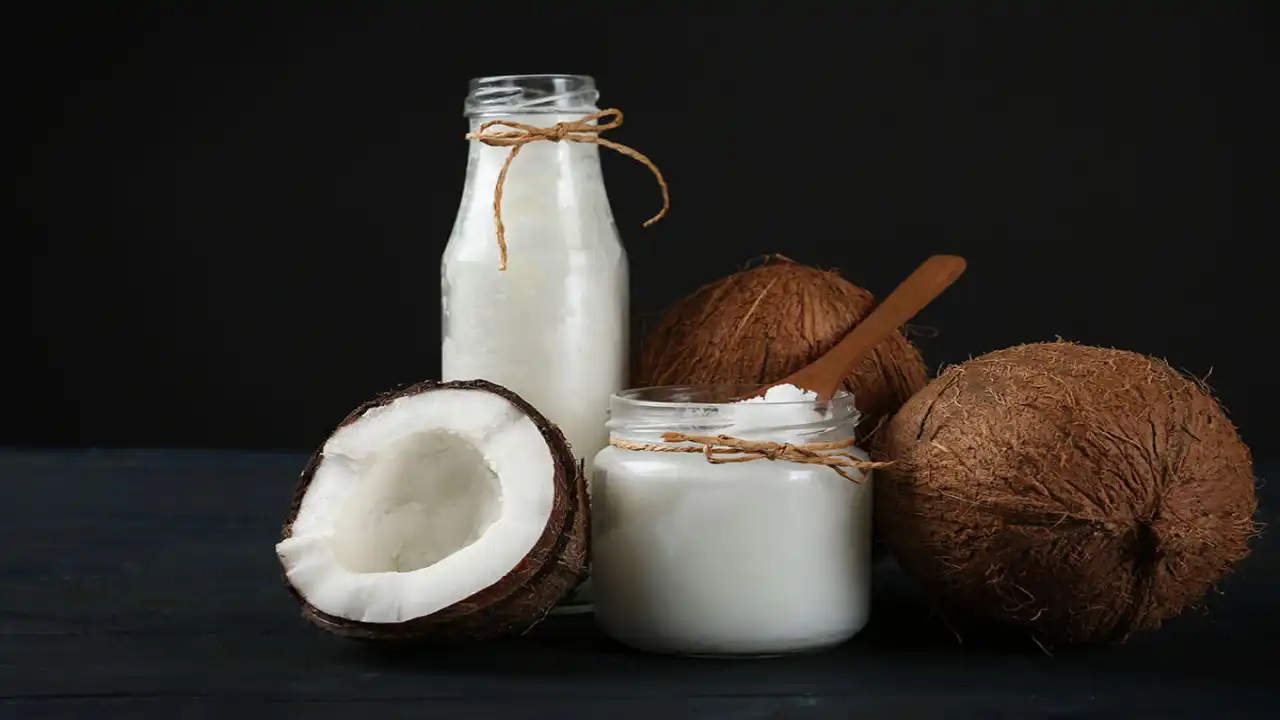
Thai cooking already depends heavily on herbs, spices, roots, and fresh vegetables, so removing meat doesn’t suddenly make dishes boring.
You still get:
- lemongrass
- basil
- kaffir lime
- galangal
- chili
- coconut milk
- tamarind
- garlic
Basically, flavor is already doing most of the work. In several parts of the country, Buddhist influence also shaped everyday eating habits. Around temple areas, especially, vegetarian food feels normal rather than trendy. Nobody’s trying to “sell” it as a lifestyle. It just exists naturally. And honestly, Thai meals rarely taste flat. One bite can somehow feel spicy, sour, creamy, crunchy, and smoky together. It sounds exaggerated until you actually eat there. Then it makes sense.
Traditional Cooking Feels Different
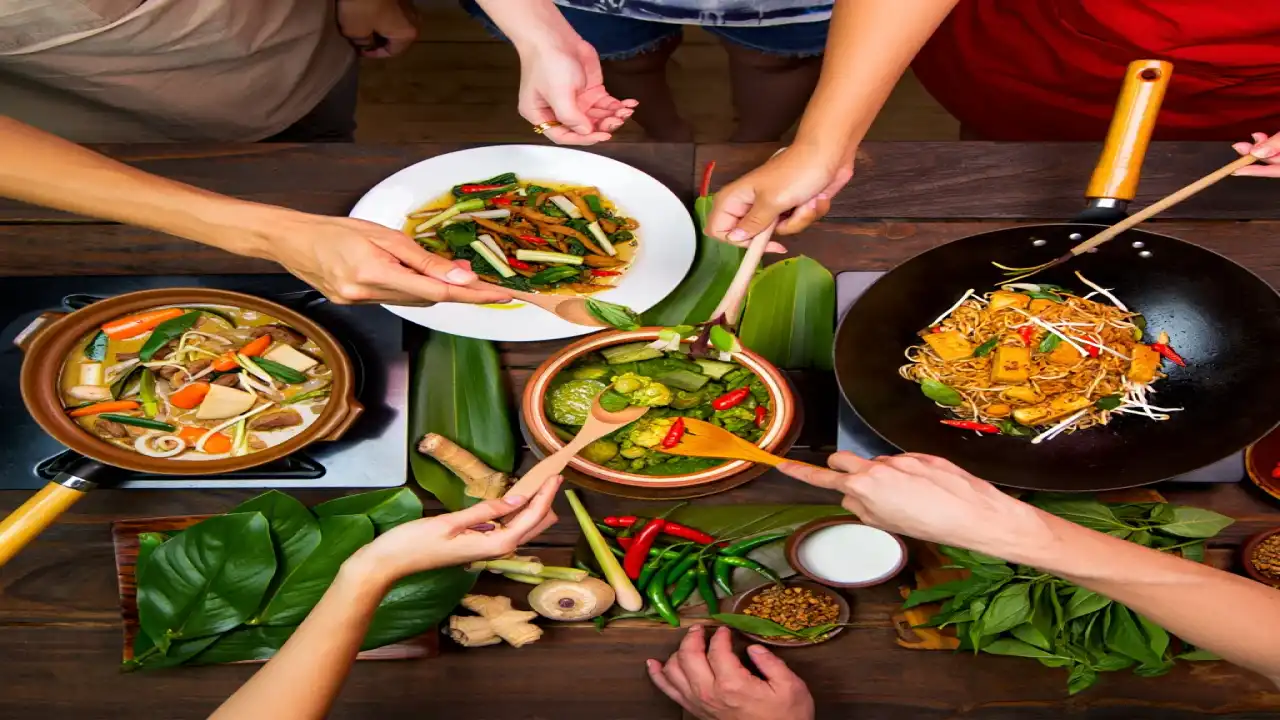
Many travelers only know restaurant-style Thai food designed for tourists. Usually sweeter. Heavier too sometimes. Traditional cooking feels less controlled in a good way. Recipes aren’t treated like science projects. People cook by instinct. A little more lime because the weather feels hot. Extra chili because somebody in the family likes spice. Maybe less coconut milk this time because it already tastes rich enough. You can feel that looseness in the food. In northern Thailand, especially, meals often taste homemade even inside restaurants. Not polished. Not designed for Instagram first. Just real food people actually eat. And that changes the experience completely.
Dishes Worth Trying
Pad Pak Ruam Mit
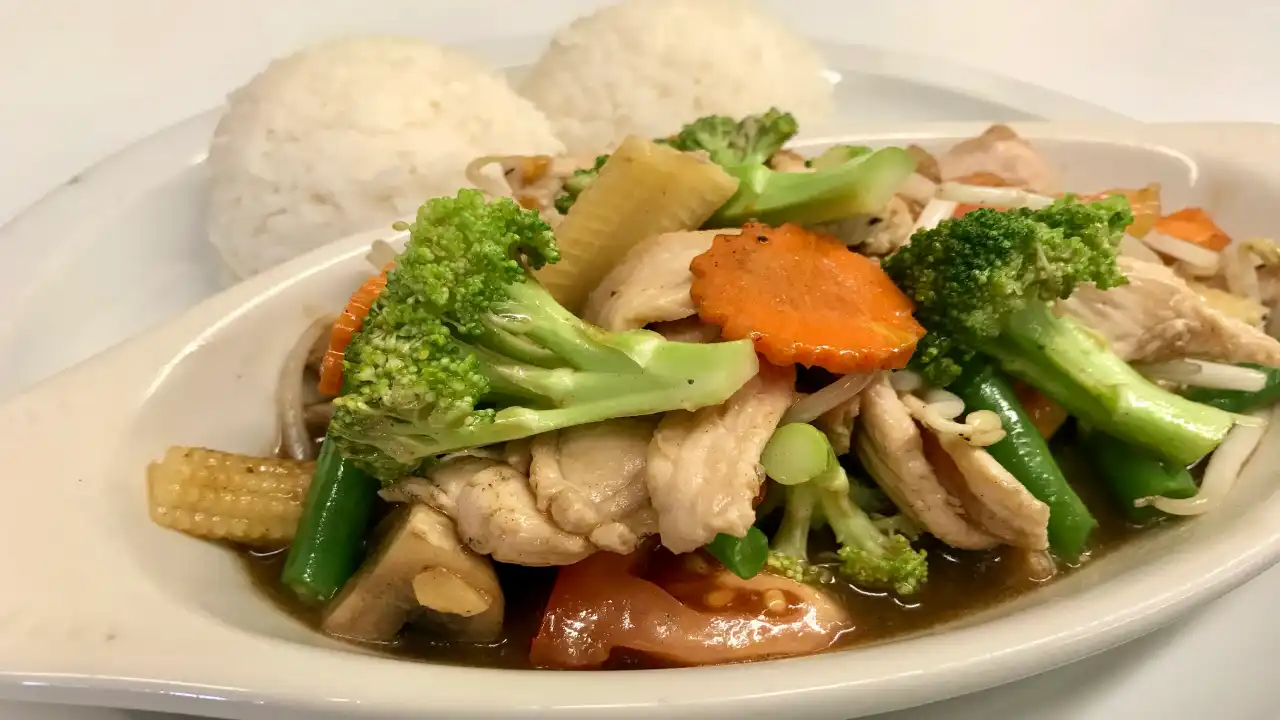
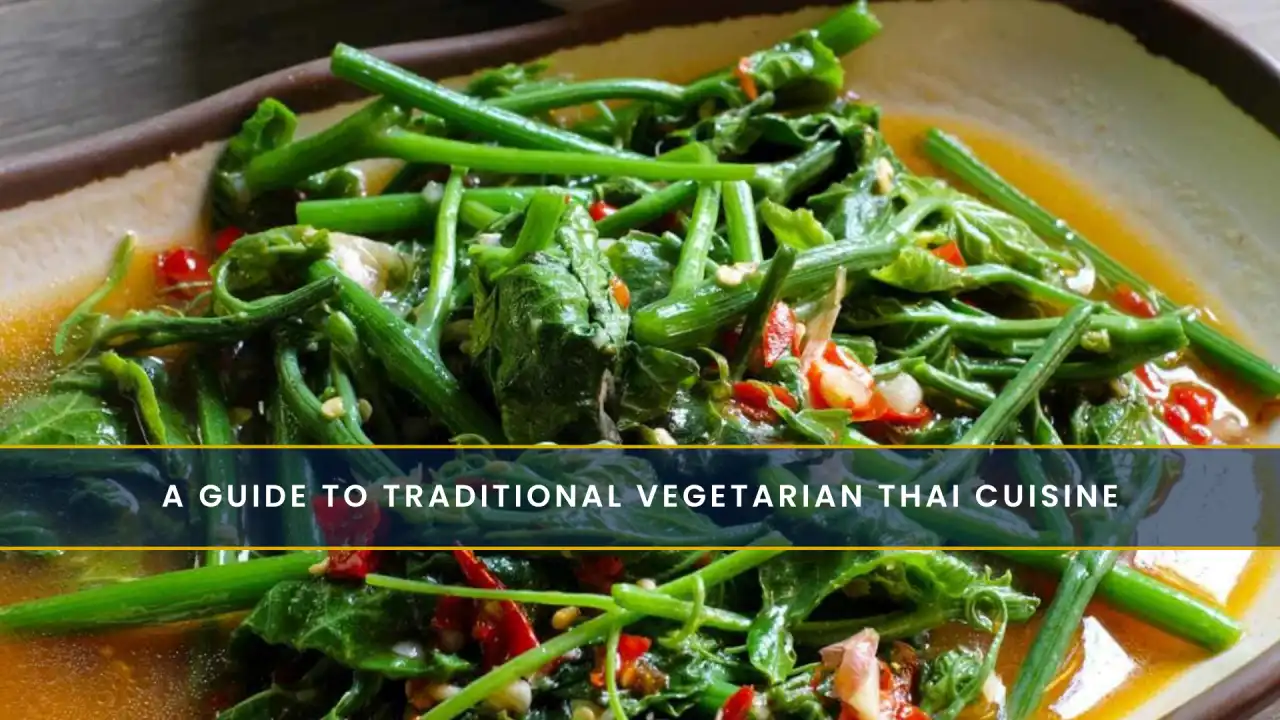
At first glance, it’s just mixed vegetables stir-fried together. Doesn’t sound exciting, honestly. Then you try a good version. The vegetables stay crisp, garlic comes through strongly, mushrooms soak up sauce properly, and suddenly you’re halfway through the plate before realizing it. Happens fast. After eating rich curries for days, this dish feels refreshing in a weirdly comforting way.
Small Tip
Order jasmine rice with it. It may sound obvious, but together it works much better.
Green Curry Without Meat
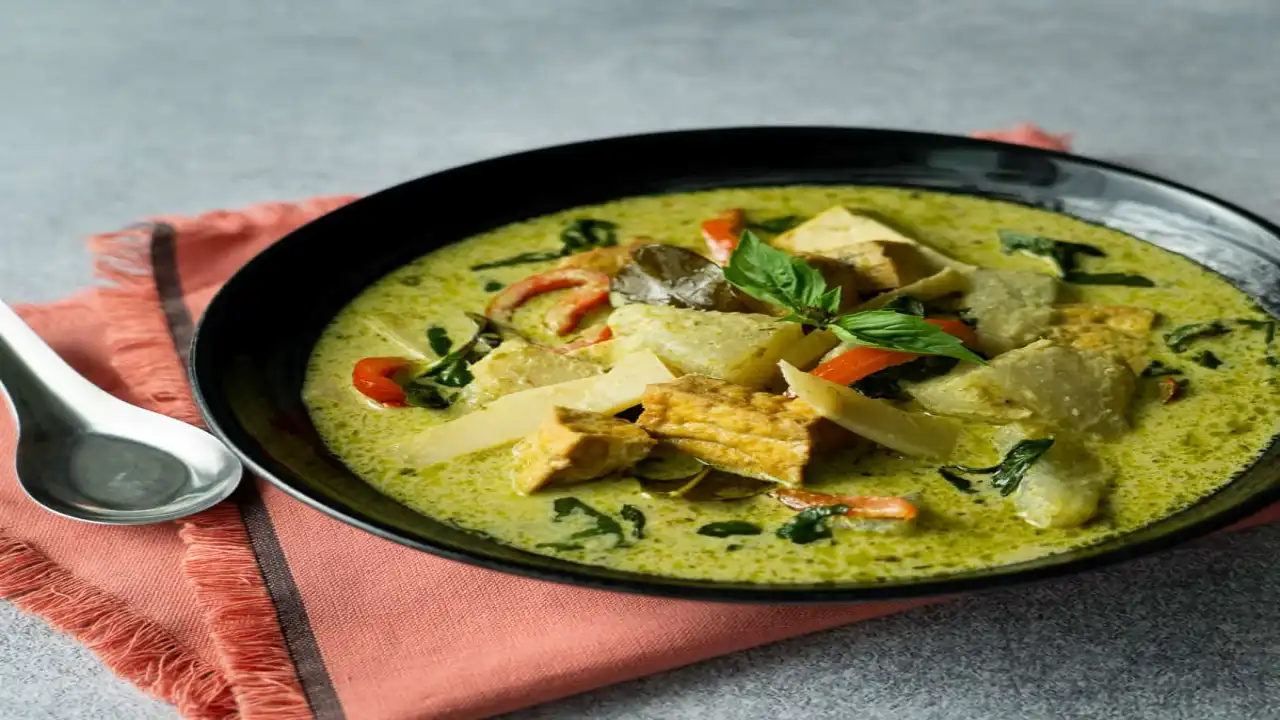
Green curry can go wrong very easily outside Thailand. Too sweet. Too thick. Sometimes weirdly heavy. But authentic versions feel balanced instead.
You’ll usually find:
- Thai eggplant
- bamboo shoots
- basil
- tofu
- coconut milk
- green chili paste
The heat builds slowly rather than attacking immediately. And the smell of the herbs, coconut, and chili kind of fills the whole table before you even start eating. Some people sweat through the meal. Still keep eating though. That says enough.
Som Tam Jay
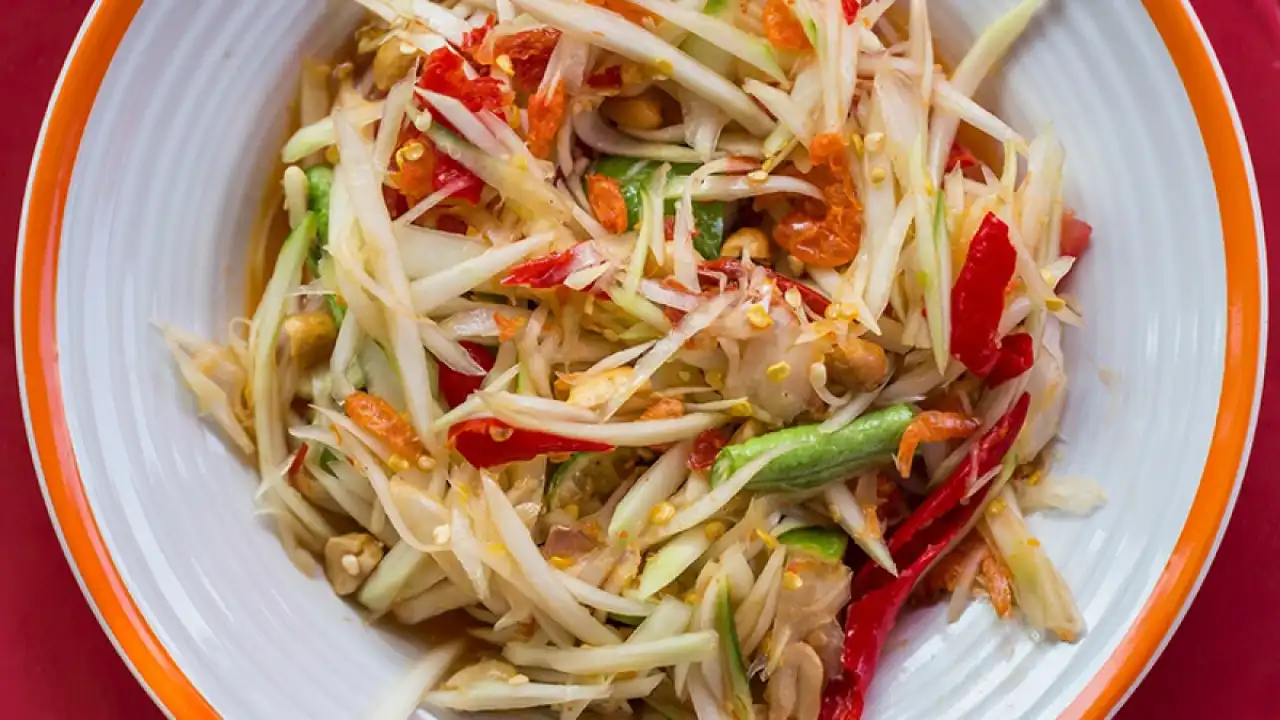
This vegetarian papaya salad feels chaotic in the best way. Crunchy. Sour. Sharp. Sweet for maybe half a second before chili takes over again. Street vendors usually make it right in front of you, mixing ingredients at impressive speed while scooters fly past behind them. There’s always noise around. Music somewhere. Metal pans clanging. People talking over each other. And somehow the salad tastes even better because of all that chaos around it.
Tom Yum Hed
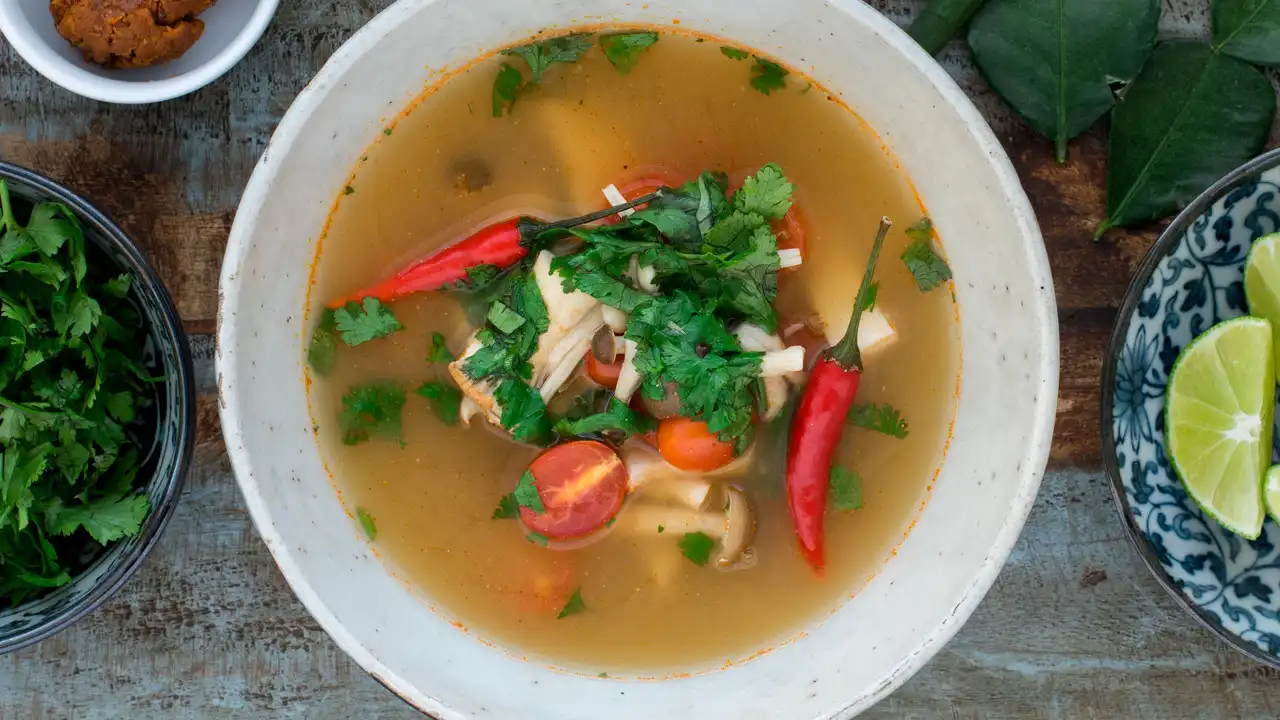
This mushroom soup wakes up your entire face, honestly.
The broth combines:
- lemongrass
- galangal
- lime leaves
- chili
- lime juice
First sip feels sharp and hot at the same time. Clears your head immediately. Especially during rainy weather or after long travel days. It’s the kind of soup that makes you sit quietly for a minute afterward.
Desserts Deserve More Attention
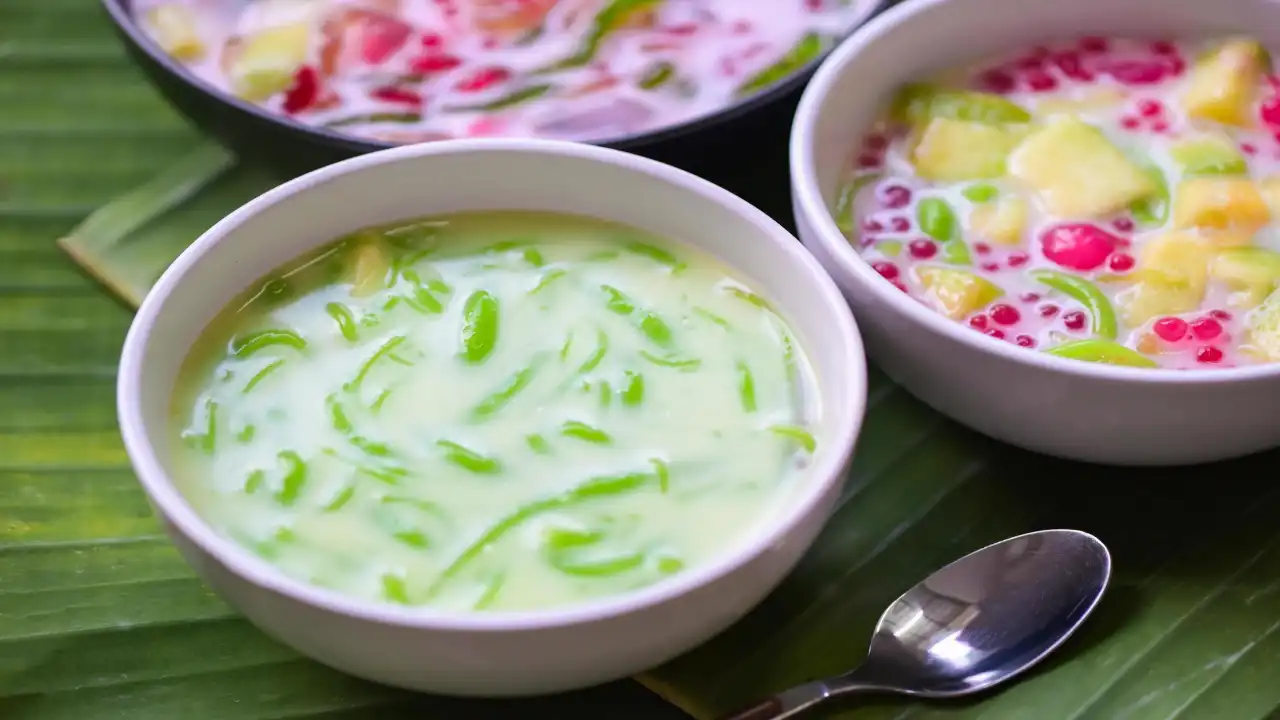
Thai desserts don’t always get enough credit. Most travelers know mango sticky rice, which obviously deserves the hype. But there’s also coconut pancakes, banana fritters, pandan sweets, and coconut ice cream sold from tiny carts half-melting in the afternoon heat. The desserts usually feel lighter than expected too. Sweet, yes, but refreshing somehow. Especially after spicy food.
Regional Food Feels Surprisingly Different
One mistake travelers make is assuming food tastes the same everywhere in the country. It really doesn’t.
Northern Areas
Food in places like Chiang Mai tends to feel milder and more herbal. Sticky rice appears everywhere. Grilled flavors too. Markets there are incredible, honestly. Tiny stalls selling soups you’ve never heard of, handmade snacks, and vegetables you probably can’t name properly. This is also where many travelers discover Traditional Thai Vegetarian Dishes cooked through family recipes that haven’t changed much in years. Sometimes those meals end up being better than famous restaurant food.
Southern Areas
Southern food usually hits harder spice-wise. Curries feel richer. Coconut flavors become stronger. Even basic stir-fried vegetables somehow taste intense because the herbs are so fresh. If you’re sensitive to chili, maybe don’t act overconfident on your first day. A lot of people regret that decision immediately.
Bangkok and Central Regions
Bangkok feels nonstop when it comes to food. You walk one street and smell grilled skewers, fried garlic, coconut desserts, chili oil, fresh basil, all within maybe thirty seconds. It’s slightly overwhelming at first, actually. But good and overwhelming. Night markets especially become dangerous for self-control. You keep saying “last dish” and then order another thing twenty minutes later.
Herbs Basically Run Thai Cooking
Without herbs, Thai food loses half its personality. Thai basil tastes sweet and almost floral. Holy basil feels sharper and peppery. Kaffir lime leaves completely change soups. Even coriander roots add depth that most people don’t notice directly. Then there’s turmeric, mint, pandan, and galangal. It’s why vegetarian dishes don’t feel incomplete here. The flavor layers are already strong enough on their own.
Temple Food Has a Different Feeling
Near Buddhist temples, food often becomes simpler. Less oily. Less rushed too. Small family kitchens serve rice, tofu, soups, noodles, and vegetables. Nothing flashy. But weirdly comforting. Sometimes, travel memories stay with you because of the atmosphere more than the actual recipe. Rain outside. Quiet conversations nearby. Steam rises from the broth while ceiling fans hum slowly overhead. Those little moments matter more than people expect.
Markets Show the Real Side of Food Culture
Markets feel messy, loud, humid, crowded, and honestly that’s part of why they’re great. You’ll see office workers grabbing dinner, monks walking through crowds, students buying snacks after class, and older women bargaining over herbs at sunrise. A proper Thai Vegetarian Cuisine Guide should include local markets because that’s where everyday eating culture actually reveals itself. Also, some of the best meals happen when you randomly point at something you can’t pronounce and hope for the best. Not every travel decision needs a spreadsheet.
Food Changes the Whole Trip
More travelers now build entire holidays around food experiences, and honestly, it makes complete sense here. Cooking classes, floating markets, countryside cafés, night food stalls, temple kitchens, all of it adds another layer to the trip. Some people even book a Thailand trip package mainly to explore regional food culture beyond tourist-heavy spots. And weirdly, that often becomes the part they talk about most afterward.
Conclusion
Long after people leave Thailand, the food tends to stay in memory. Not only because it tastes good. Because it becomes attached to moments. Late-night markets. Rainy train rides. Tiny cafés hidden beside temples. Plastic stools beside strangers who start recommending dishes halfway through your meal.
That emotional part matters. Good food fills you up for an hour, maybe. Great food stays attached to places, smells, weather, and conversations. And years later, one random bite of lime and chili somewhere else can pull an entire trip back into your head without warning, which is probably why so many travelers start looking at International trip Packages differently after experiencing food culture personally.
Street Food Tips That Actually Help
Street food is one of the best parts of traveling here, but ordering matters carefully.
Useful phrases
- “Jay” = vegetarian/vegan Buddhist style
- “Mai sai neua” = no meat
- “Mai ao nam pla” = no fish sauce
Even when communication feels messy, vendors usually try pretty hard to help.
What to look for
Pick stalls that:
- have local customers
- cook fresh food openly
- smell clean and aromatic
- Stay busy consistently
If locals are waiting patiently, that’s normally a very good sign.