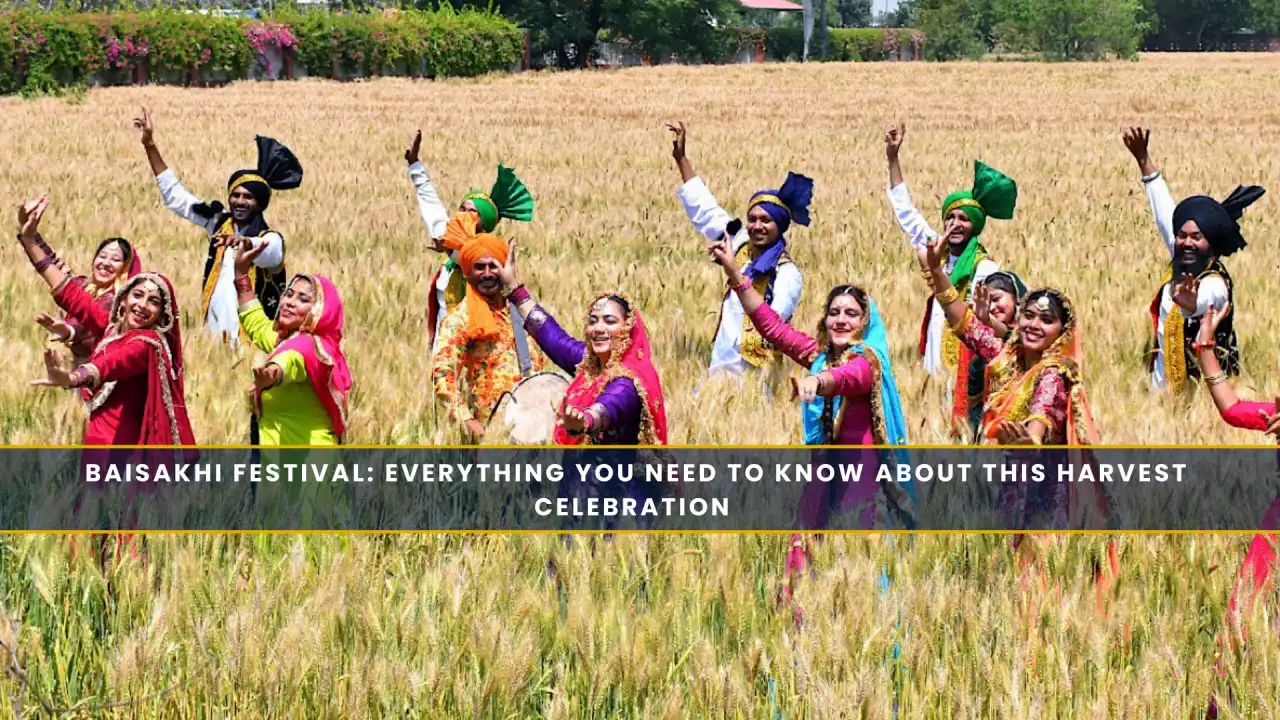
Baisakhi Festival: Everything You Need to Know About This Harvest Celebration
Introduction
Mid-April in North India has a very specific vibe. It’s not dramatic; nothing suddenly changes overnight but you notice it. Mornings don’t feel as cold, afternoons start getting a bit sharp, and those wheat fields? Proper golden. Like someone just turned the saturation up. That’s the time when Baisakhi, also known as Vaisakhi, arrives. It typically occurs on April 13 or 14 each year; in 2026, it’s April 14. And people are prepared to, even if no one will say it aloud.”
If you’ve ever spent just one Baisakhi Festival in Punjab, India, you might agree that this doesn’t feel like an “event.” It’s something you more or less fall into without getting to plan. You start by observing and then somebody you're having a chat with passes you on to another friend who hands you a plate, or someone else drags you into bhangra, and suddenly all these people are part of your world. Slightly confused, but happy. Anyway, let’s not overcomplicate it. Here’s what it really is, without sounding like a lecture.
What is Baisakhi, and why is it celebrated?
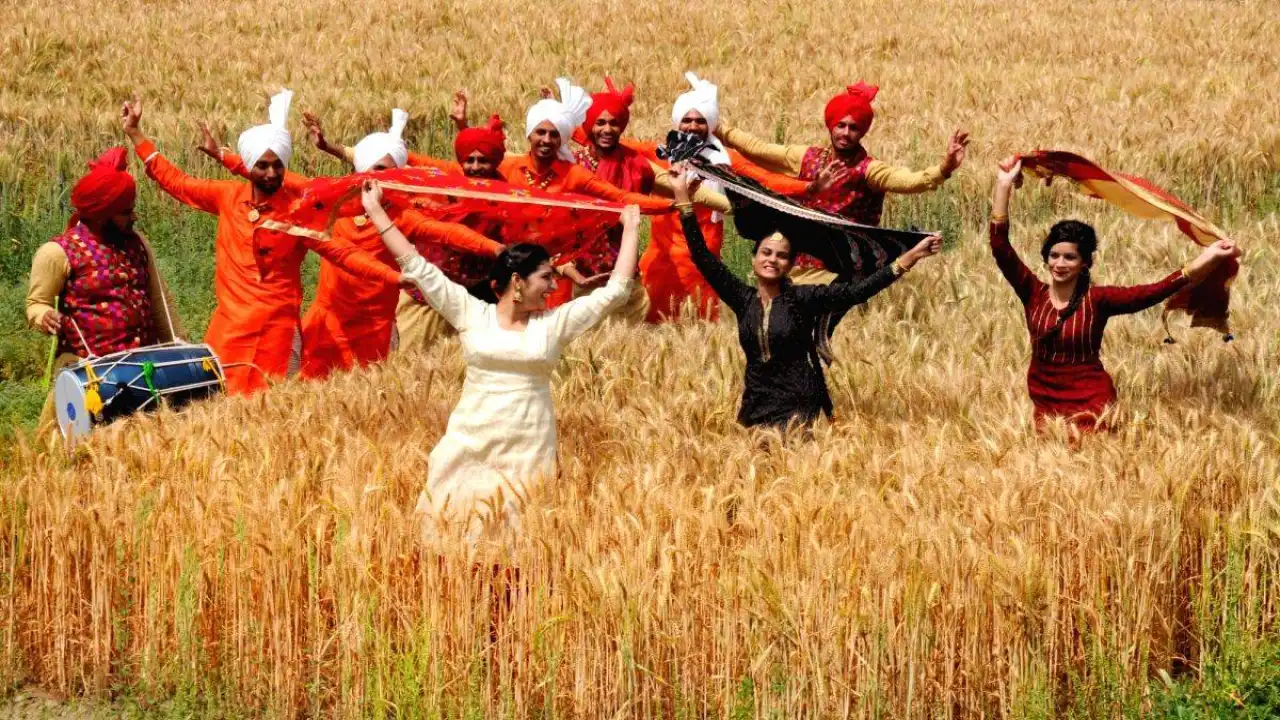
At the basic level, it’s a harvest festival. Wheat crops are ready, fields are cleared, and farmers finally get that moment where they can breathe a little. It’s not loud happiness. More like relief mixed with pride. If you think about it, months of waking up early, dealing with weather that never listens, working nonstop and then finally, it works out. Of course you’d celebrate that.
But Baisakhi isn’t just about farming. For many, it also marks a fresh beginning, almost like a new year, both spiritually and in everyday life. For Sikhs, this day goes way deeper. In 1699, Guru Gobind Singh ji founded the Khalsa Panth. And yeah, that’s not a small detail; it shaped identity, beliefs, everything. So the day kind of holds two things at once. One is very grounded (harvest, land, work), and the other is spiritual and historical. And somehow, both fit together.
Where is Baisakhi Celebrated?
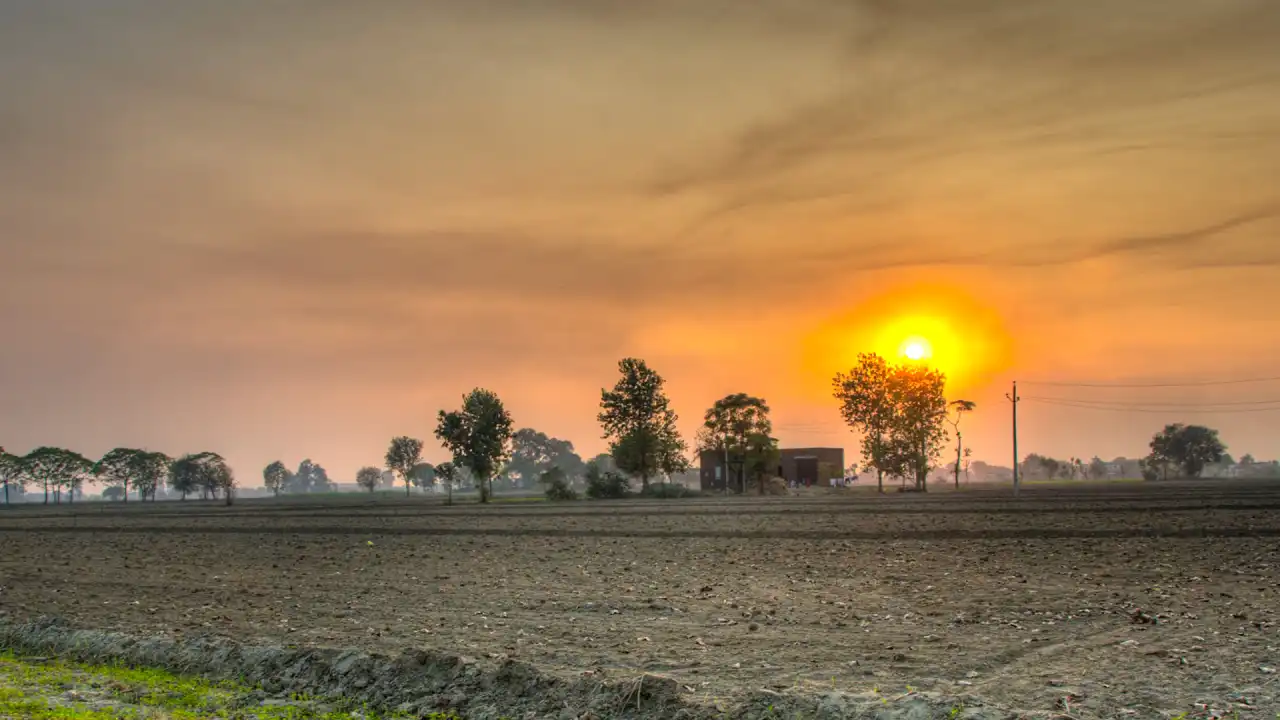
You’ll see Baisakhi being marked in different parts of India, but if we’re being real, Punjab is where it actually feels alive. Not flashy. Just full of happiness. Villages, towns, cities, everything moves together in a way that’s hard to explain. Morning starts slow, then by afternoon there’s sound everywhere. Music from one corner, people gathering in another. And then there’s the Golden Temple. Even if you’re not religious, going there during Baisakhi does something. The sound of kirtan, people sitting quietly, the overall calm, it kind of balances out the rest of the day.
The Cultural Side of the Celebration
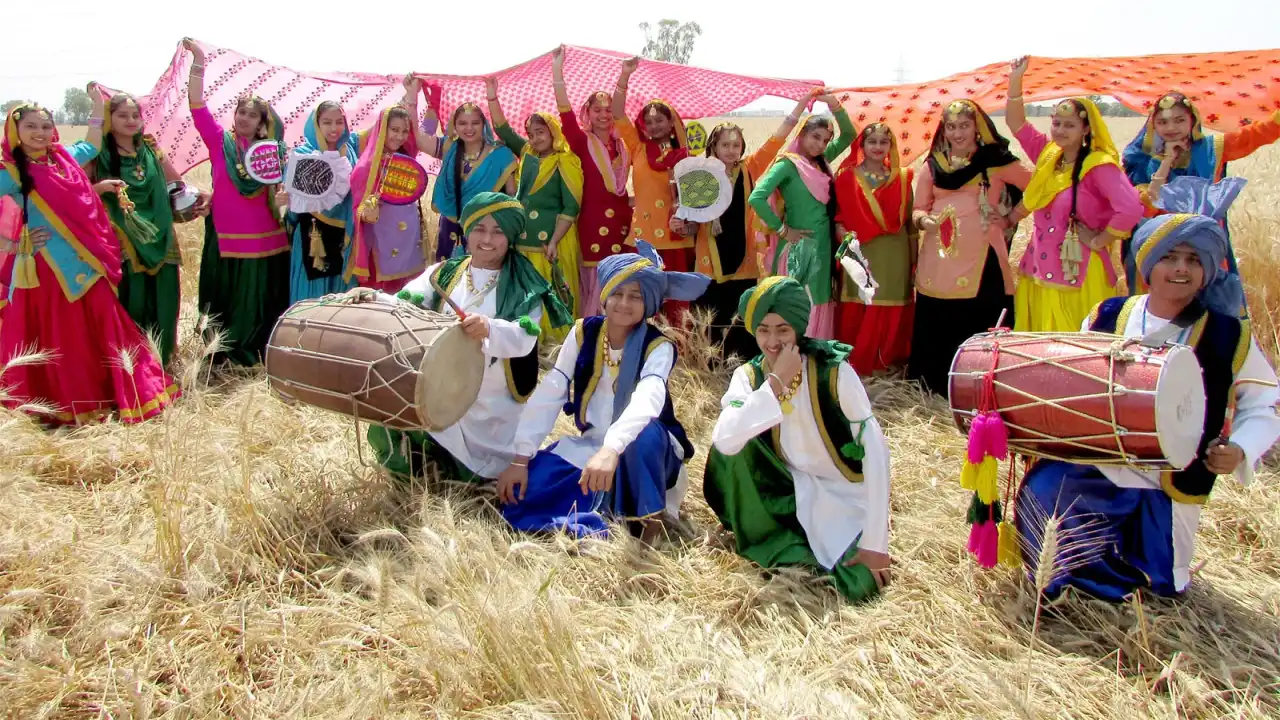
Okay, so here’s where things shift. Morning is peaceful. But after that? Completely different energy. Dhol starts. And not softly. You actually feel it like proper beats in your chest. People gather in open areas, and within minutes, it’s not organized anymore. It’s just happening.
- Bhangra — high energy, big movements, a little chaotic
- Gidda — more expressive, but still very lively
And no, it’s not a performance. No stage, no audience sitting and judging. Someone starts dancing. Someone else joins. Then a group forms. And if you’re standing nearby long enough, someone will pull you in. You don’t need to know the steps. Honestly, most people don’t care if you mess up.
What Happens on the Day?
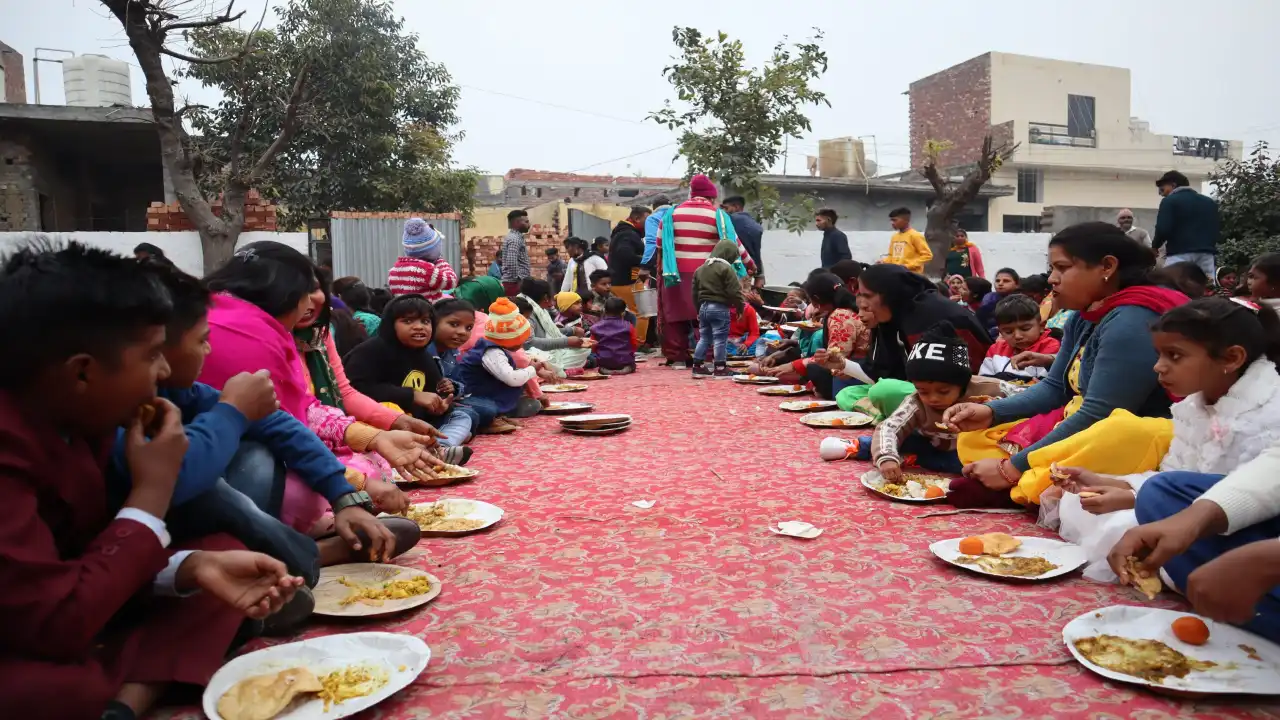
The day itself isn’t tightly planned, which is probably why it feels natural.
Morning
People wake up early. Gurudwaras fill up slowly. Hymns play, and people sit quietly. It’s calm in a way that makes you slow down without trying. Then Nagar Kirtans move through the streets steadily, not rushed, just flowing.
Afternoon
This is when things loosen up. Families gather. Food gets made (a lot of it, seriously). People move fields, open spaces outdoors, wherever there’s room. And then yeah, music, dancing, random conversations that don’t really go anywhere but still feel important in the moment.
Evening
Evenings are quieter again. People sit together, eat, and talk about small things. No big plans. No “what next.” Just being there. That simplicity? Kinda rare these days.
Best Places to Experience Baisakhi
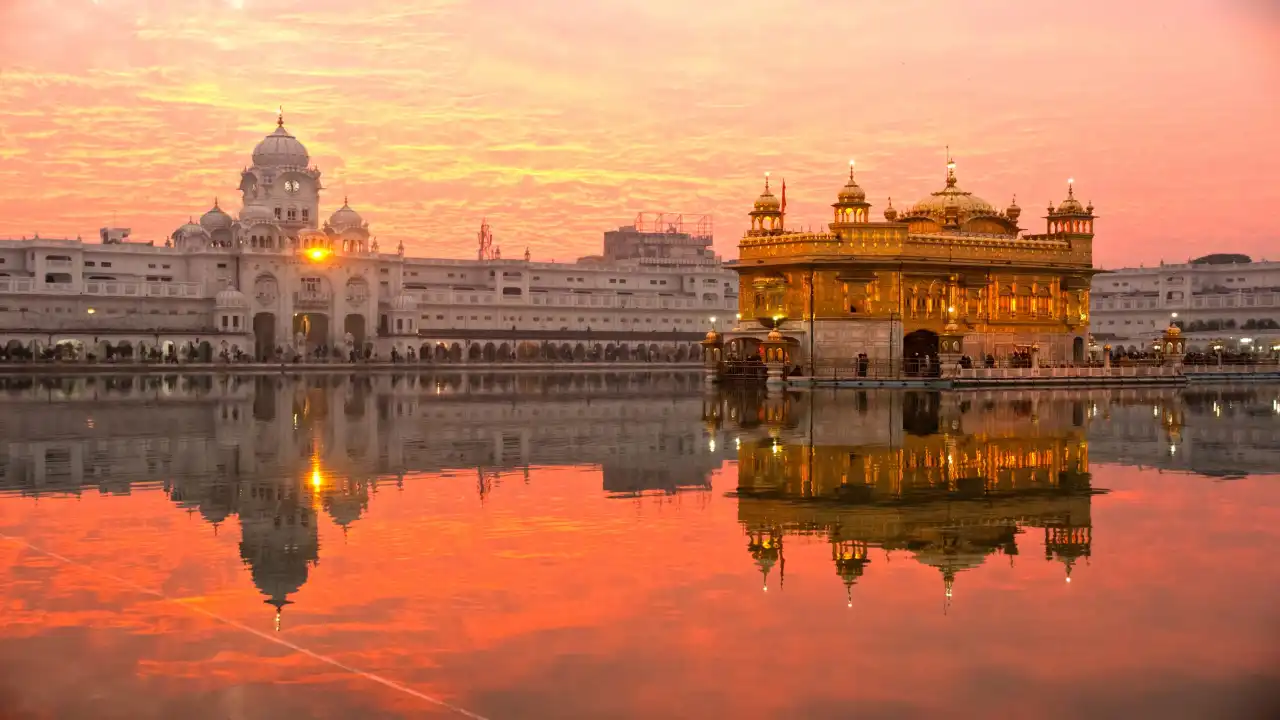
If you’re actually thinking of seeing Baisakhi in person, a few places just hit differently. Not saying others aren’t good, but these feel more in it, if that makes sense.
- Amritsar – This is where things slow down a bit, in a good way. Around the Golden Temple, especially during Baisakhi, there’s this mix of calm and movement at the same time. You hear prayers, people walking quietly, then suddenly a bit of crowd noise and somehow it all works together. Hard to explain properly, but it stays with you.
- Anandpur Sahib – There’s a stronger connection to Guru Gobind Singh ji and the whole Khalsa history here. You can actually feel that this day means something beyond just celebration. It’s not just music and food; there’s weight to it.
- Ludhiana – A bit more relaxed compared to the others. You’ll still see traditional things, but also more casual city energy. Like people celebrating in their own way, not trying too hard.
Honestly, you don’t need a plan in any of these places. In fact, having one night might be a lot. Just walk around, stop when something catches your eye, and maybe sit somewhere for a bit. Things sort of happen on their own.
Why the Kesari (Saffron) Colour Feels So Important During Baisakhi
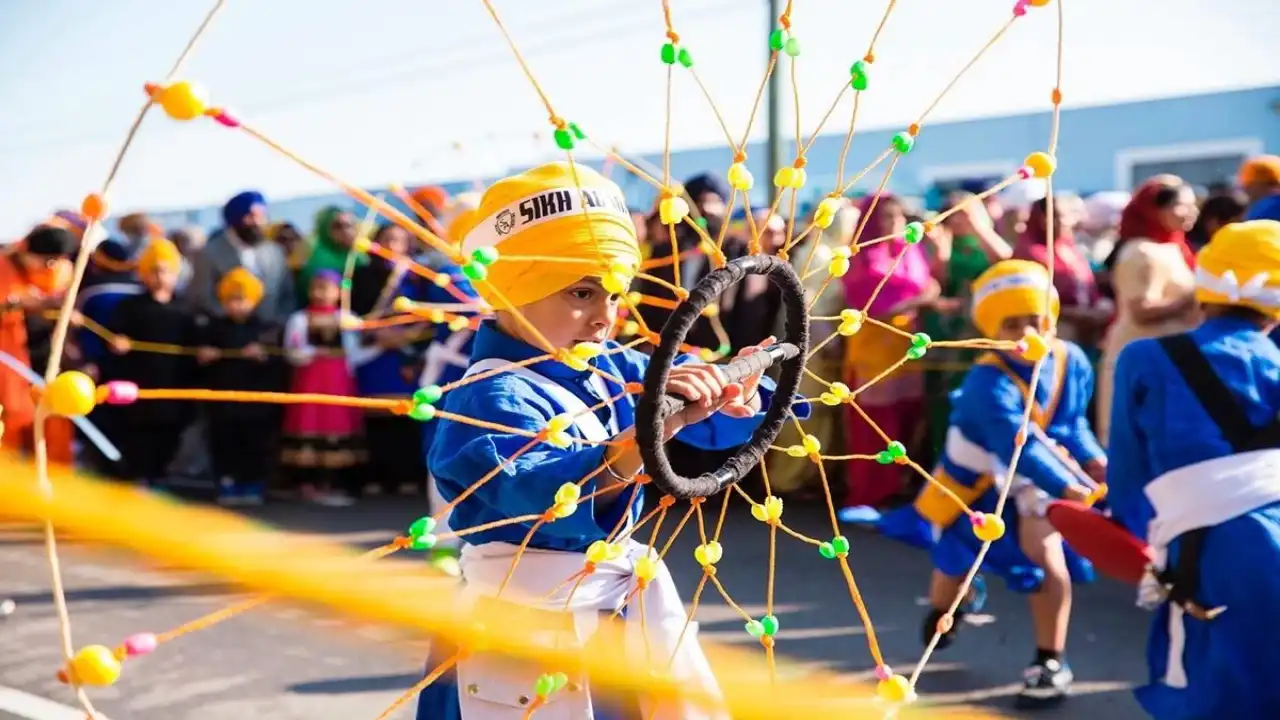
One thing you’ll start noticing pretty quickly during Baisakhi is that saffron, or kesari colour. It’s everywhere. Not in an overwhelming way, but enough that you can’t ignore it. Turbans, flags, bits of decoration, even small details you only catch if you’re actually paying attention. And yeah, it’s not random. Kesari has a strong meaning in Sikh tradition. It’s tied to courage, sacrifice, and strength, but not the loud, show-off kind. More like quiet strength. The kind where you don’t need to explain yourself.
You’ll especially see it in the Nishan Sahib, the Sikh flag. That saffron shade stands out, especially during Baisakhi. It almost feels like a reminder, there’s history here, don’t forget that. What’s interesting is, even if you don’t know all this beforehand, the colour still feels different. It doesn’t come across as decoration. There’s something about it that feels intentional. So yeah, when you see that Kesari everywhere, it’s not just for the look. There’s a story behind it. You might not fully get it in one day, but you’ll definitely notice it.
Traditional Food You’ll See Everywhere
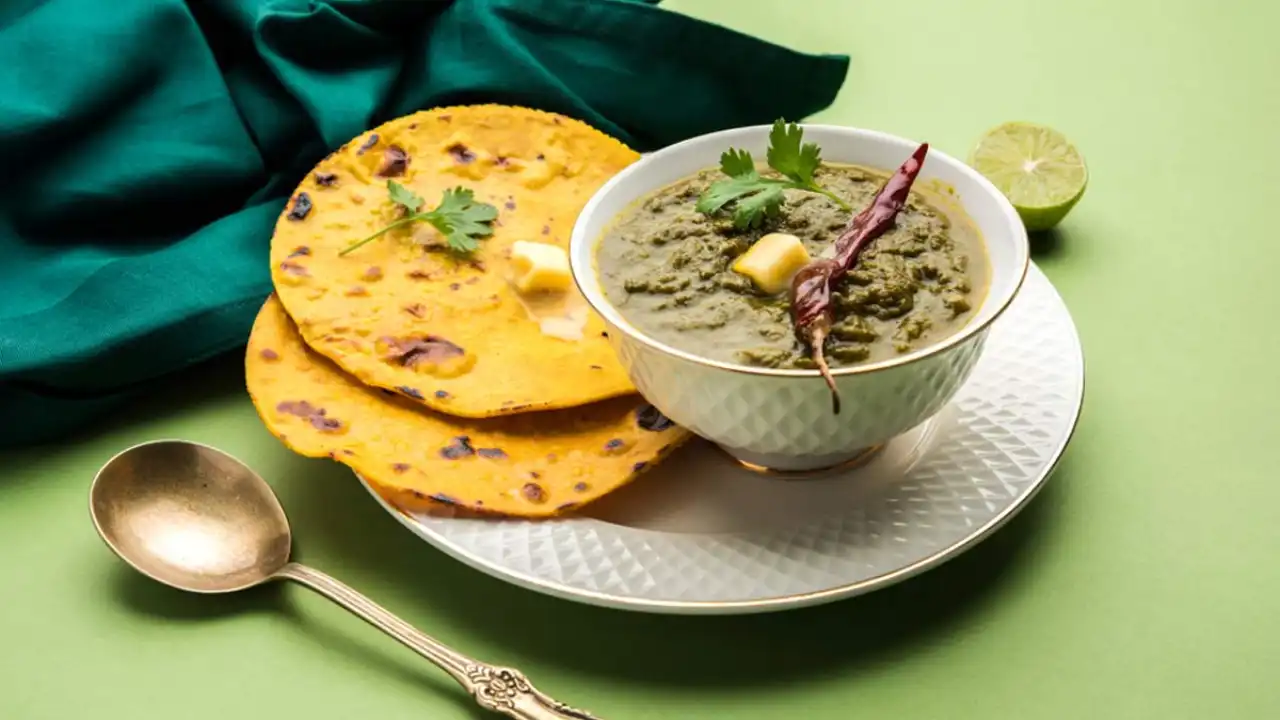
Food during Baisakhi is not about presentation. It’s about comfort. The kind of food that feels heavy in a good way.
You’ll usually find:
- Sarson da saag with makki di roti
- Chole with rice or bhature
- Lassi (almost always in big steel glasses)
- Kheer and simple sweets
And then there’s langar. You sit on the floor, next to people you don’t know, and eat the same food as everyone else. No special treatment, no separate space. Sounds simple. But when you’re actually sitting there, it feels different. Hard to explain properly.
Why Baisakhi Still Feels Relevant Today
A lot of festivals now feel rushed. Like you’re trying to fit them between work, notifications, everything else. Baisakhi doesn’t feel like that. Maybe because it’s tied to something real. Effort, waiting, results. It’s not symbolic in a distant way; it’s immediate. Even if you’re not connected to farming, you still get it. Everyone has their own version of working towards something and waiting for it to pay off. Also, there’s no pressure to do things perfectly. No checklist. You just show up. That’s it.
Experiencing Baisakhi as a Traveler
If you plan to travel during this time, the Baisakhi Festival in India feels very different from regular trips. It’s not about sightseeing or ticking places off. It’s more about being there when something real is happening.
What stands out:
- People are open, like genuinely welcoming
- Music isn’t limited to one place; it’s everywhere
- Food feels homemade, not commercial
- The day naturally shifts from calm to energetic without forcing it
Some people go for Domestic Packages to make things easier, especially if it’s their first time. It helps, but honestly, even unplanned experiences here tend to work out.
The Deeper Meaning Behind the Celebration
If you slow down a bit and just observe, you’ll notice small things. Farmers looking at their fields, not celebrating loudly, just quietly satisfied. People sitting together in langar, no one standing out, everyone the same. Traditions continue without anyone making a big deal about them. The Harvest Festival of Punjab doesn’t try to impress anyone. It just exists, and people live it. That’s probably why it feels real.
Conclusion
Festivals mean different things to different people. For some, it’s about tradition. For others, just a break. Sometimes, it’s simply about being around people without any reason. Baisakhi somehow fits all of that. It’s simple, but not boring. Lively, but not overwhelming. And when it ends, it doesn’t feel like something is over, more like something stayed with you a bit longer. Hard to explain perfectly. But yeah, if you ever get the chance, go see it for yourself. You’ll get it.
Pro Tips for First-Time Visitors
A few things that can actually help (not generic advice):
Before You Go
- Book early, because places do fill up fast
- Try staying somewhere local instead of big hotels
- Check if there are any nearby events or gatherings
During the Festival
- Dress simply, nothing too flashy
- Cover your head in gurudwaras (important)
- If someone asks you to join something, just go, don’t overthink
Food & Safety
- Eat at clean places or langars
- Stay hydrated (April heat sneaks up on you)
- Keep an eye on your belongings in crowded spots