Baku Food Tours & Wine Tasting Experiences
Introduction
Whenever you land in a new country, one question quietly comes up after the first few hours: what does this place actually taste like? People talk about landmarks and museums, but months later, many travelers remember a meal or a small bakery more clearly than a monument. That’s something visitors quickly realize when they join a Baku food tour. Instead of trying to guess where to eat, you discover the city through places where locals actually love tiny kitchens, corner bakeries and restaurants that smell incredible before you even walk in. The city of Baku is two things in one.
One street has shiny glass buildings, then you turn a corner into older lanes where bread is baking and meat is grilling, spices wafting through the air. Food tours here are more slow-paced, almost strolls with bites being consumed along the route, a casual restaurant stop perhaps, or a bakery pulling bread from an earthen oven. And then there’s wine. It is something many travelers do not expect: Azerbaijan has been making it for thousands of years. By the end, most people come to realize that journeying through Baku by way of food and wine is what they will remember best about their trip.
Why Food Tours Give You a Better Feel for the City
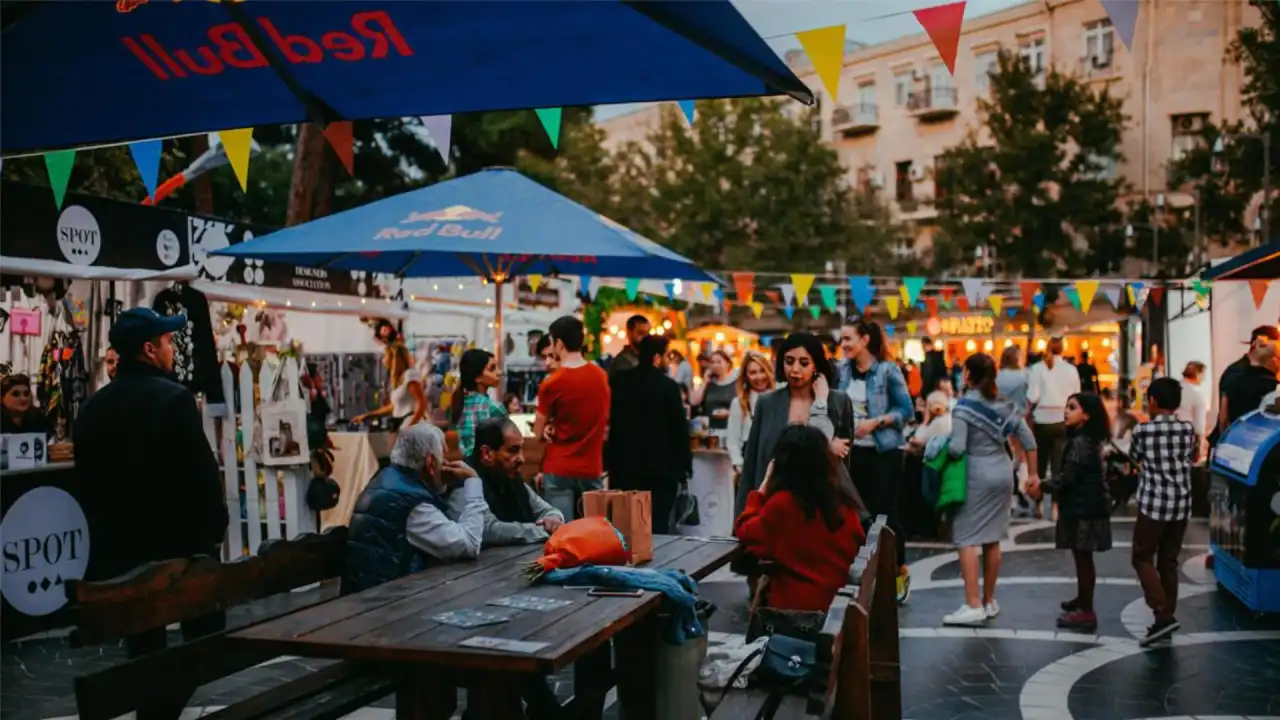
Food tours sound simple when you first hear about them. Walk a little. Eat something. Walk again. But the interesting part isn’t just the eating. It’s the stories that come with the food. For example, you might try a dish and the guide casually mentions it’s something families cook for big gatherings. At another stop, you hear how traders on the Silk Road influenced certain recipes centuries ago. Slowly, you start realizing that every plate has a backstory.
Guides also share little details that you probably wouldn’t notice on your own, like:
- Why do Azerbaijani dishes use so many fresh herbs
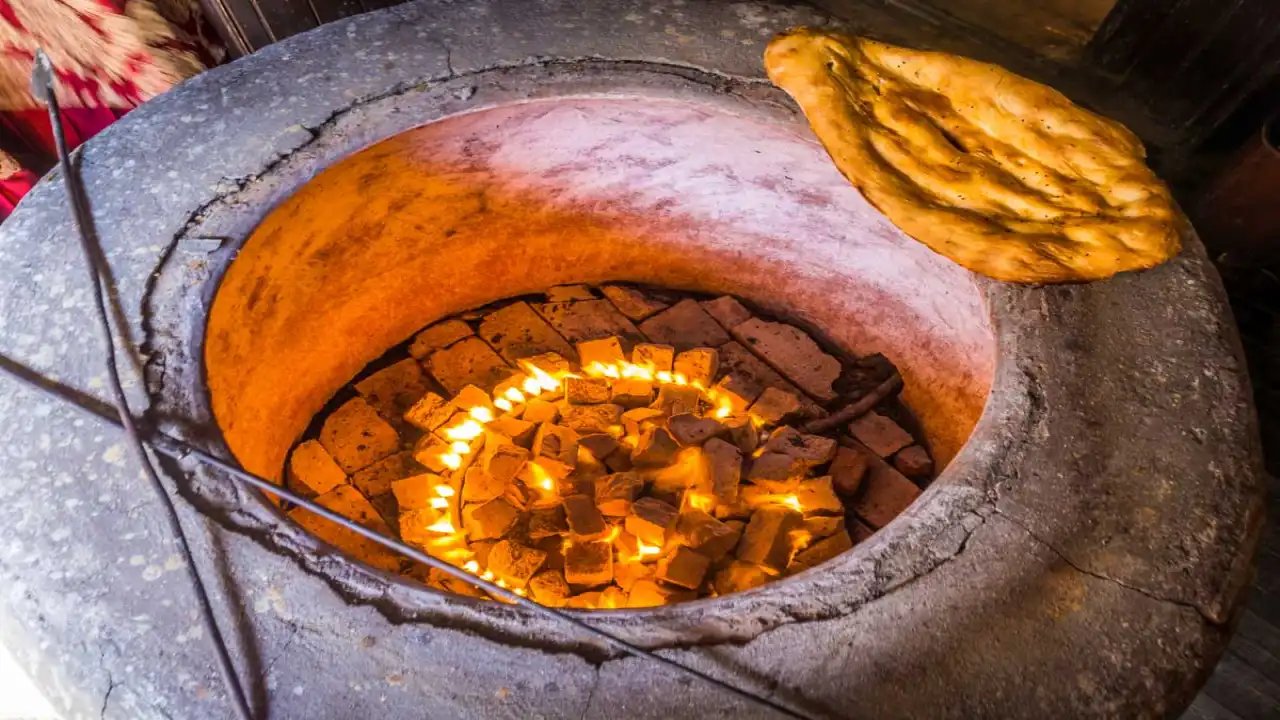
- How those deep clay ovens actually bake bread
- Which foods appear during weddings or festivals
- Why does tea always seem to show up after meals
And sometimes the best moments happen by accident. Maybe the restaurant owner starts talking about the recipe. Maybe someone in the kitchen waves you over to see how the dough is rolled. The conversation jumps between English, hand gestures, and a few laughs. It’s not polished. But that’s the charm.
Traditional Dishes You’ll Probably Come Across
Most food tours in Baku focus on dishes that locals eat regularly. Not just the ones that appear on travel websites. Some are familiar. Others might be completely new if you’ve never tried Azerbaijani food before.
Plov (Azerbaijani Pilaf)
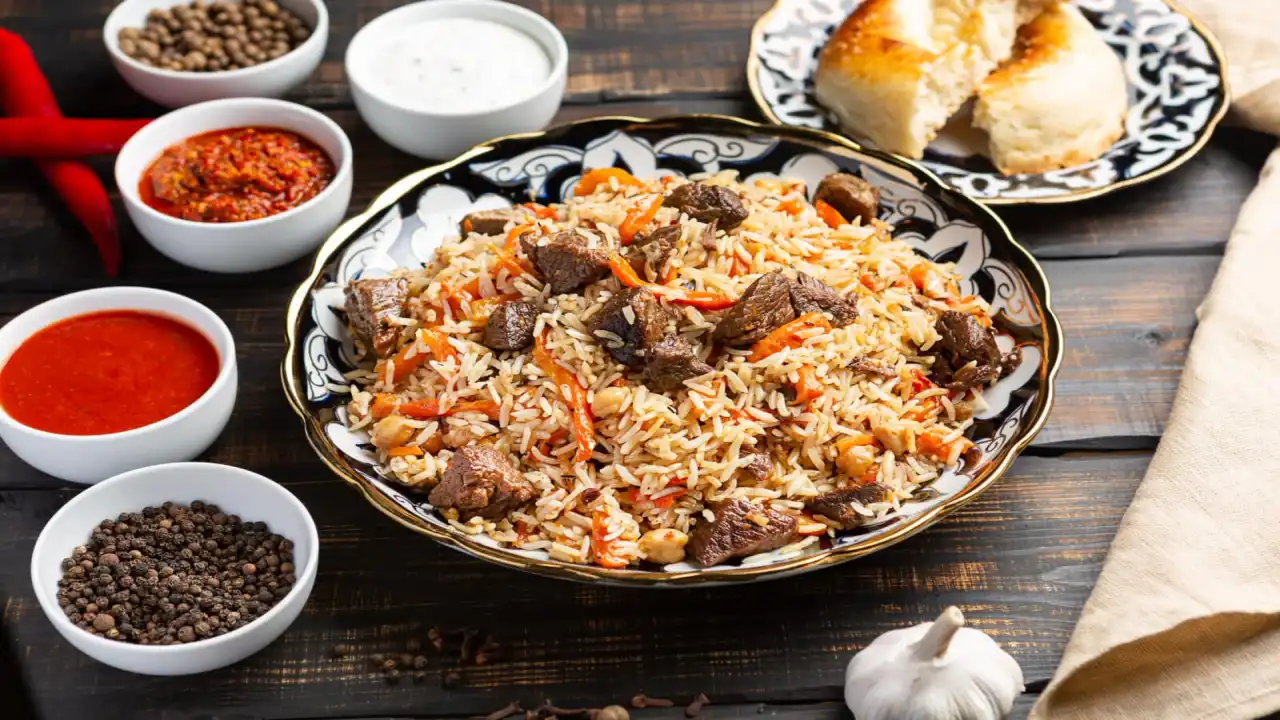
Plov is basically one of the country’s most important dishes. It’s rice cooked with saffron and served with ingredients like lamb, chestnuts, herbs, or dried fruits. On paper, it sounds simple, but the flavor is deeper than people expect. The interesting part is that there isn’t just one version. Different regions prepare it differently. Guides usually explain those variations while you’re eating, which honestly makes the meal more interesting.
Dolma
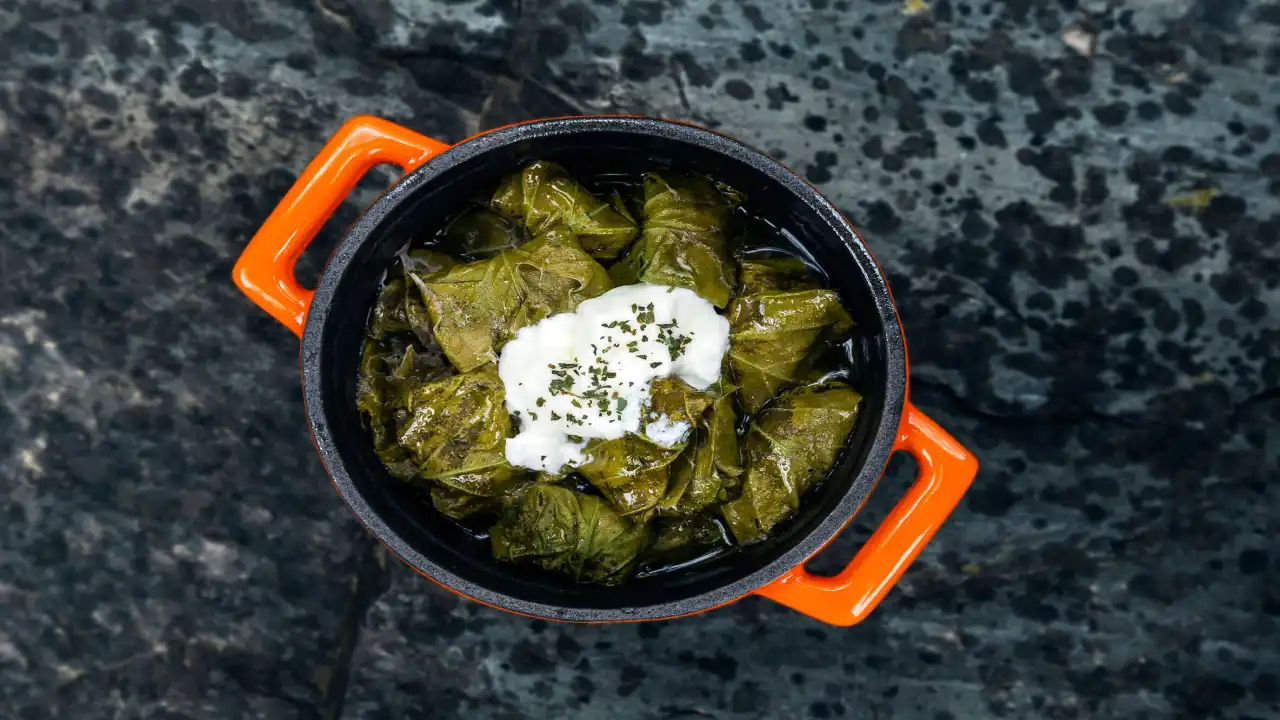
Dolma is another classic you’ll probably see. Grape leaves wrapped around minced meat, rice, and herbs. You might recognize something similar from other cuisines, but Azerbaijani dolma has its own flavor style. The taste is balanced. Slightly tangy. Slightly savory. Not heavy at all. Most people try one pause for a second, then quietly reach for another.
Fresh Tandoor Bread
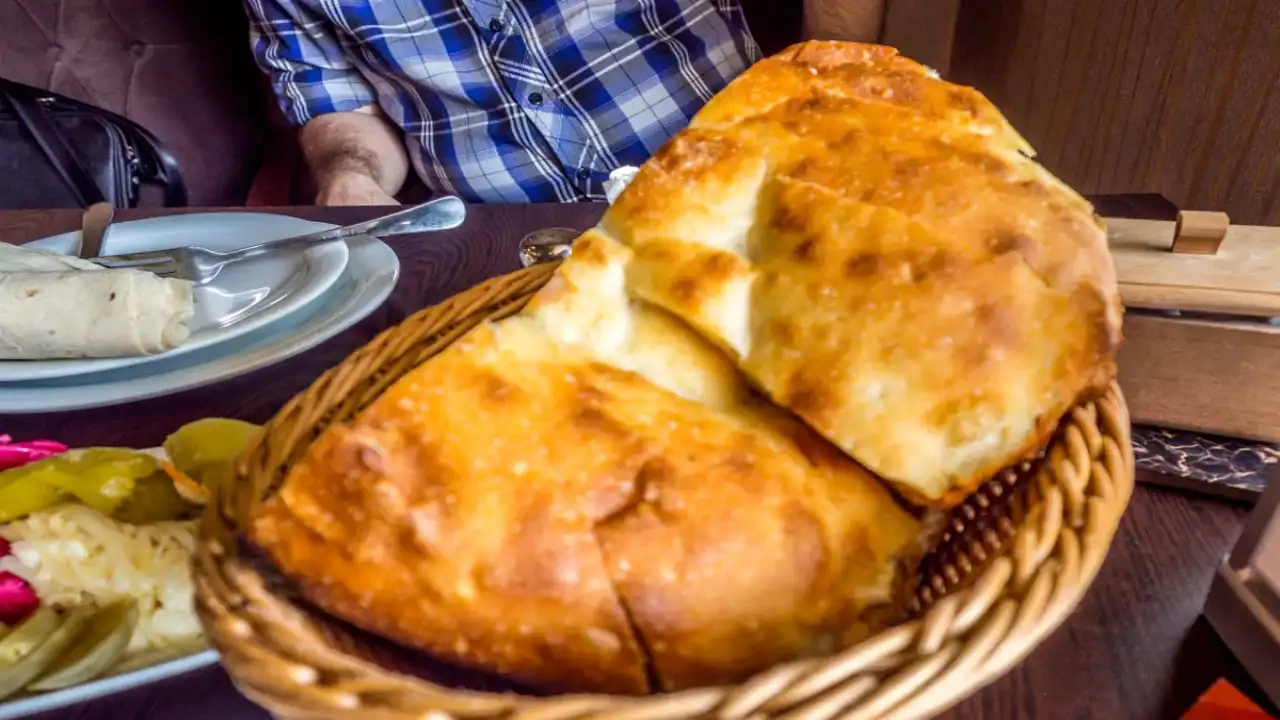
Bread is taken seriously here. Many bakeries still use deep clay ovens called tandoors. Someone sticks the dough onto the hot wall inside the oven, waits a few minutes, and pulls it out golden and slightly smoky. Watching the process is oddly satisfying. Eating the bread right after it comes out? Even better.
Qutab
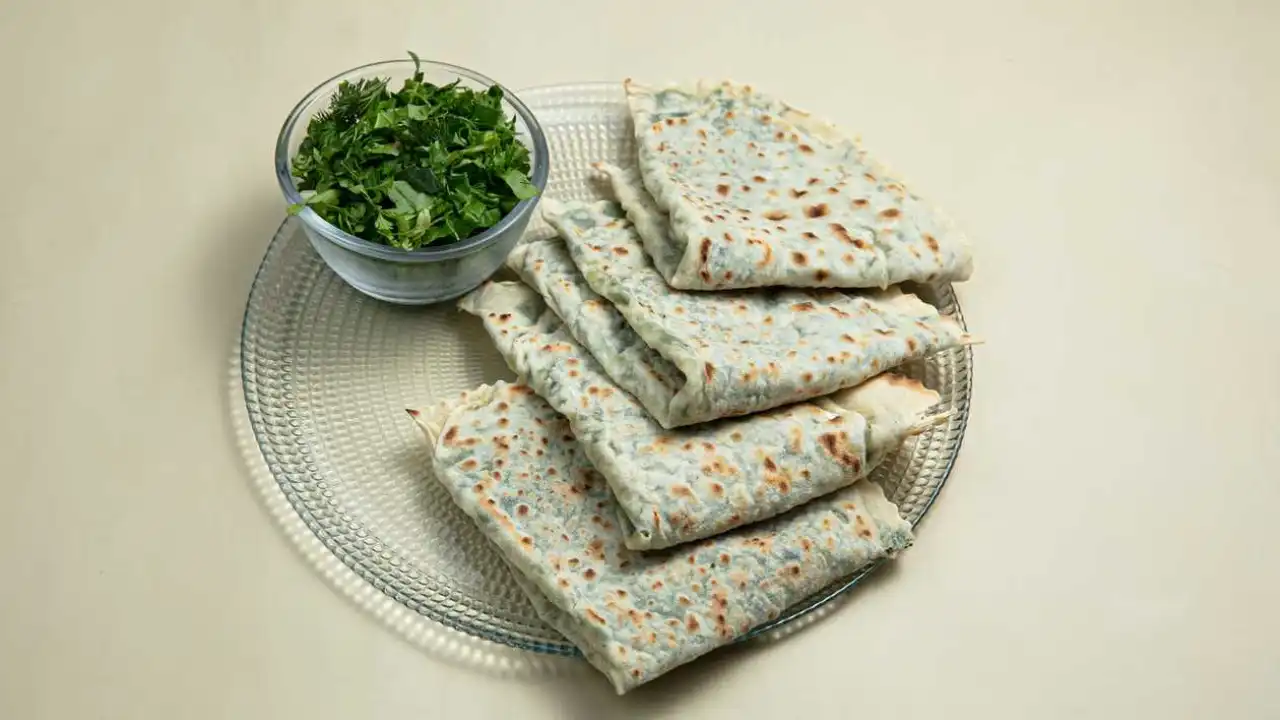
Qutab is one of those foods people don’t expect to like so much. It’s a thin flatbread stuffed with things like herbs, meat, pumpkin, or cheese. Cooked quickly in a hot pan and served warm, usually with yogurt. The first bite feels simple. Nothing flashy. But somehow comforting. Before you notice, you’ve eaten two.
Why Baku’s Food Feels a Bit Different
Azerbaijani cuisine didn’t develop alone. Over time, the region absorbed influences from nearby cultures: the Middle East, Central Asia, and Eastern Europe. Instead of replacing each other, those influences slowly blended.
That’s why you often see:
- Lots of fresh herbs in dishes
- Mild spices rather than extreme heat
- Combinations of meat with grains or fruits
- Meals meant for sharing
Another thing visitors notice quickly is the pace of meals. Dinner isn’t rushed. People sit for a while. Talk. Drink tea. Talk again. Then maybe order something else. Food tours naturally follow that rhythm. You stop, eat, chat a bit, and move on. It feels less like ticking off restaurants and more like discovering the city through small meals.
The Story Behind Wine in Azerbaijan
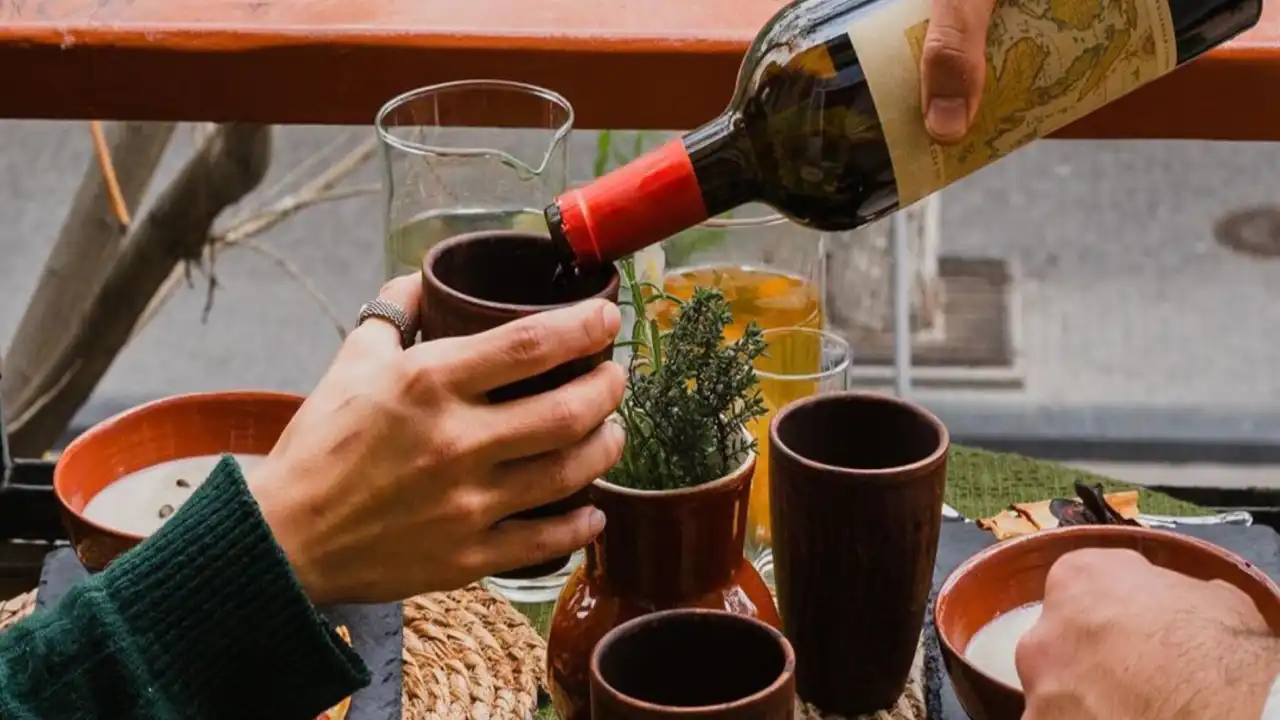
Many travelers arrive in Baku without thinking about wine at all. Then someone casually mentions that wine production here goes back thousands of years. That usually surprises people. Archaeologists have actually found evidence of ancient grape cultivation across the region.
So wine in Azerbaijan isn’t a new trend. It just hasn’t always been widely known outside the country. When visitors experience wine tasting in Azerbaijan, they often notice the wines taste a little different from what they expected. Part of that comes from local grape varieties that aren’t widely grown elsewhere. Climate and soil also shape the flavor in unique ways.
Wine tastings often include stories about:
- Indigenous grape varieties
- The history of local vineyards
- Traditional fermentation methods
- Modern wineries are bringing back old techniques
For many travelers, this part of the trip ends up being an unexpected favorite.
Visiting Vineyards Outside Baku
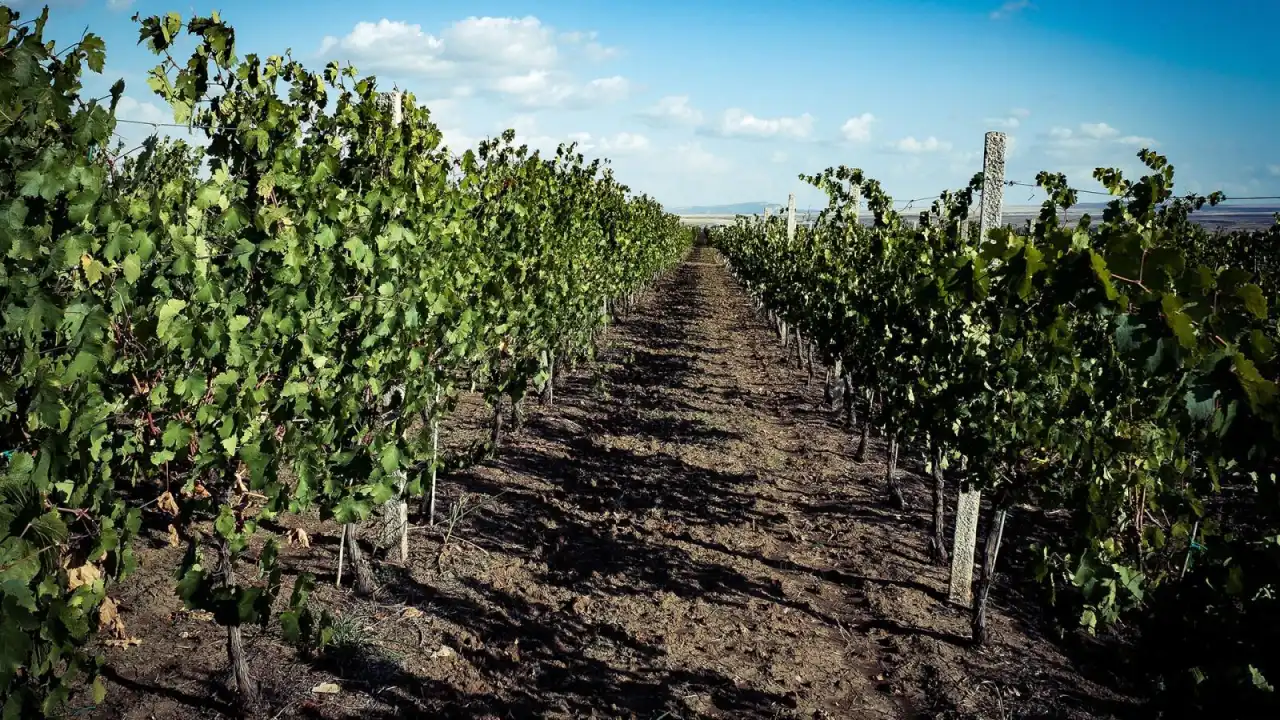
Baku itself is lively and busy, but drive a couple of hours away and the atmosphere changes quickly. Some tours include trips to nearby vineyard regions where visitors can see how the wine is actually produced. The setting feels calmer. Wide landscapes. Long rows of grapevines stretch across the hills. Much quieter than the city streets.
A typical vineyard visit might include:
- Walking through the vineyards
- Seeing the production areas
- Tasting different wine varieties
- Trying small snacks alongside the tasting
It’s slower, more relaxed. And honestly, that slower pace makes the experience enjoyable.
How Food Connects You to Local Life
Food has a strange way of pulling you into everyday life. You sit at a small table. Families are chatting nearby. Someone pours tea into tiny glasses. Plates move around the table without much formality. It stops feeling like a tourist experience. It just feels normal. And sometimes the memory that stays with you isn’t a famous building. It might be something simpler, standing outside a bakery, eating warm bread while watching people walk past. Those little moments stick longer than you expect.
Who Would Enjoy These Experiences
Food and wine activities in Baku work well for many travelers.
Especially:
- First-time visitors wanting an easy introduction to the cuisine
- Couples looking for relaxed cultural experiences
- Travelers curious about cooking traditions
- People who enjoy exploring markets and local eateries
Some visitors even book a food tour on their first day in the city. That way, they already know which dishes they like and where they might want to return later. Not a bad idea, honestly.
Adding It to Your Travel Plans
These days, many travel companies include culinary experiences in their itineraries. Some International Packages combine sightseeing with food walks, market visits, and vineyard trips. It works well because food helps travelers understand a destination in a more personal way. You’re not just seeing the city anymore. You’re tasting it. Smelling it. Experiencing it through everyday life. And those sensory memories often stay longer than photos.
Conclusion
Honestly, food and wine tell you a great deal if you want to understand a place. Peering around the dining tables in Baku, it becomes clear rather quickly that each dish seems to be carrying a history with it, and long conversations make up meals, not necessarily quick dinners. You’d see bread getting pulled directly from a clay oven, hot, as people sit around and talk to each other and share plates.
Visits to vineyards and tastings and the trip suddenly seems fuller somehow; that’s why many travelers choose it as part of a Baku trip package so they don’t have to rush to experience both the city’s cuisine and its wine culture. together. By the end, people often leave realizing something simple: The places we remember most aren’t always the ones we saw. Sometimes, they’re the ones we tasted.
Pro Tips for Food and Wine Experiences in Baku
If you’re planning to explore Baku’s food scene, a few simple tips can help.
Come hungry
Food tours include multiple stops, so a full stomach beforehand isn’t ideal.
Ask questions
Guides usually enjoy sharing stories about dishes and traditions.
Try unfamiliar food
Some dishes might look unusual, but they often end up being the favorites.
Carry some cash
Smaller bakeries or street vendors may not accept cards.
Take your time
Meals here are meant to be enjoyed slowly.