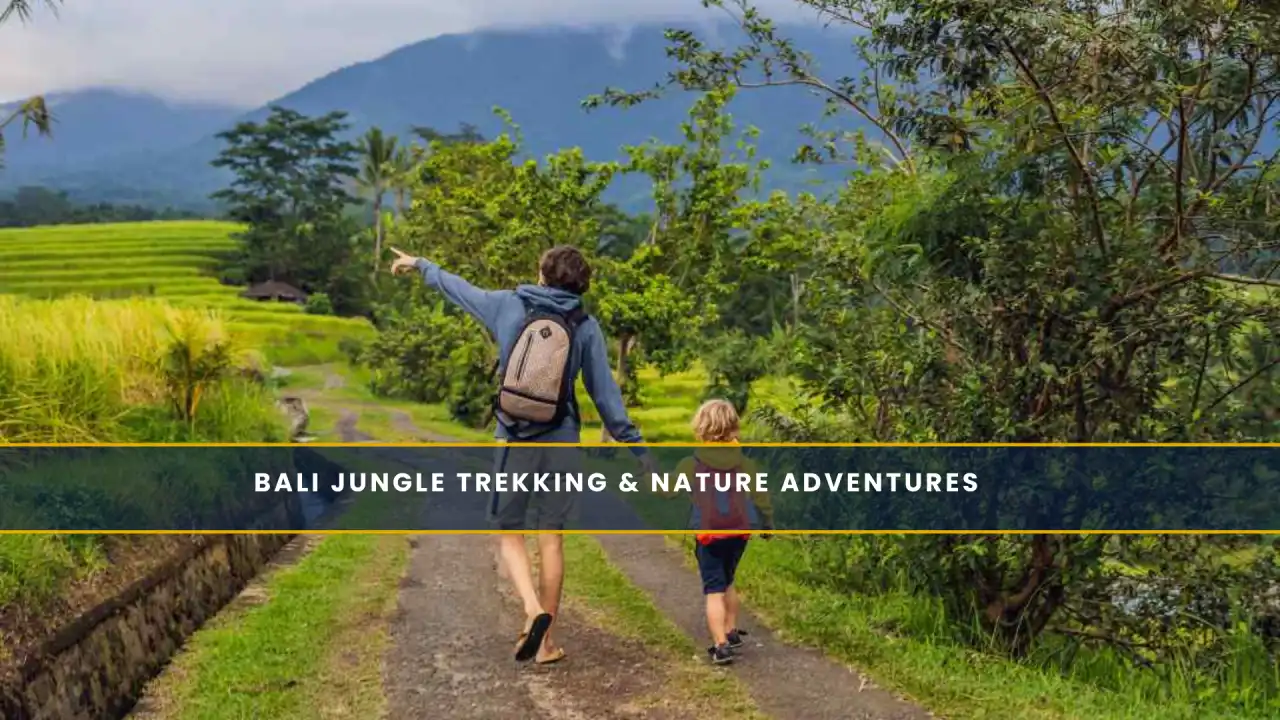
Bali Jungle Trekking & Nature Adventures
Introduction
Ask someone what comes to mind when they think about a Bali jungle trek and you’ll probably hear the same things again and again. Beaches, golden sunsets and those giant Bali swings over the sea, you’ve likely seen the pictures. And honestly, they’re not wrong. There are postcard moments like those in Bali.
But that is just one part of the island. Drive an hour inland and everything gradually shifts. The roads shrink, the crowds and rice terraces start ratcheting up the sides of hills like great green staircases. Soon, the jungle claims Tarzan trees, living plants thicker green than paint and cooler, quieter air. That’s when jungle trekking becomes something other than another day of typical sightseeing. You’re not hurrying between attractions anymore, you are just walking through the forest, observing the sounds, the smells and the calm around you.
Why Explore Bali’s Jungles?
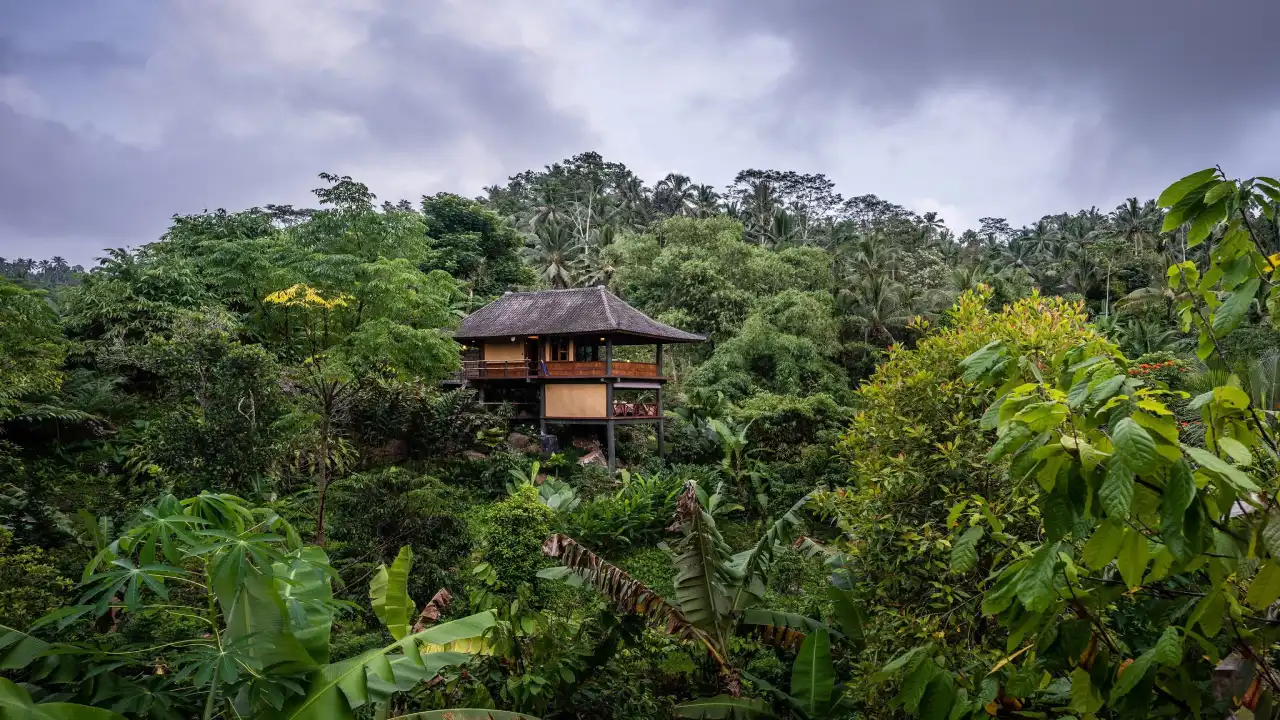
What surprised us and many others was just how varied Bali trekking areas can be from one spot to the next. It’s not a single big uniform forest. Some trails lead you deep into the rainforest, where ancient trees block out the sky and sunlight filters down in tiny golden flecks. Other trails wind through bamboo forests where the high stalks sway and creak gently in the wind.
There are also river trails that you will often hear rushing long before you see them. It’s quieter and slower than Bali’s tourist centers. It is not quiet, but insects hum nearby, leaves whisper and birds call somewhere beyond the canopy. But it’s organic, the kind of noise not intrusive like city sounds. That’s why Bali jungle trekking often becomes a highlight for many visitors. Most treks include local guides who point out things you’d normally miss, medicinal plants, hidden shrines, and stories about the forest. Those little details make the whole jungle experience feel far more alive.
Best Places for Jungle Adventures in Bali
There are actually quite a few places around Bali where you can go jungle trekking. Some are close to popular towns, others take a bit more effort to reach. But each one feels slightly different.
Ubud Rainforest Trails
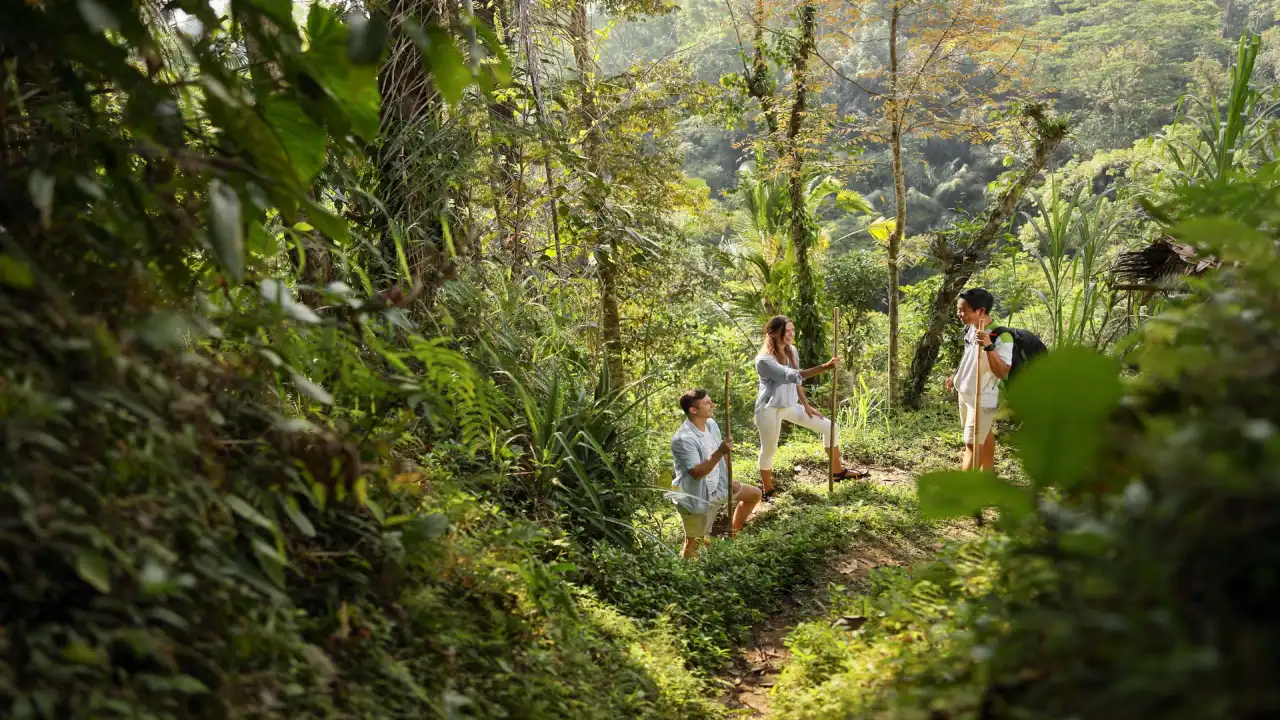
Ubud is often called Bali’s cultural center. You’ll find art galleries, yoga studios, small cafés, traditional markets that sort of thing. But once you step away from the busy streets, the scenery changes surprisingly fast. Within minutes, you’re surrounded by rice fields, forest trails, and quiet river valleys. The hiking paths around Ubud are mostly gentle. More like relaxed nature walks than serious treks. Nothing too intense. Sometimes you start on a wide trail overlooking rice terraces and then suddenly it narrows into a dirt path disappearing into the trees.
A few well-known routes include:
- Campuhan Ridge Walk
- Tegalalang forest trails
- Paths near the Ayung River
Though honestly, half the fun is just wandering a little and seeing where the trail leads.
West Bali National Park
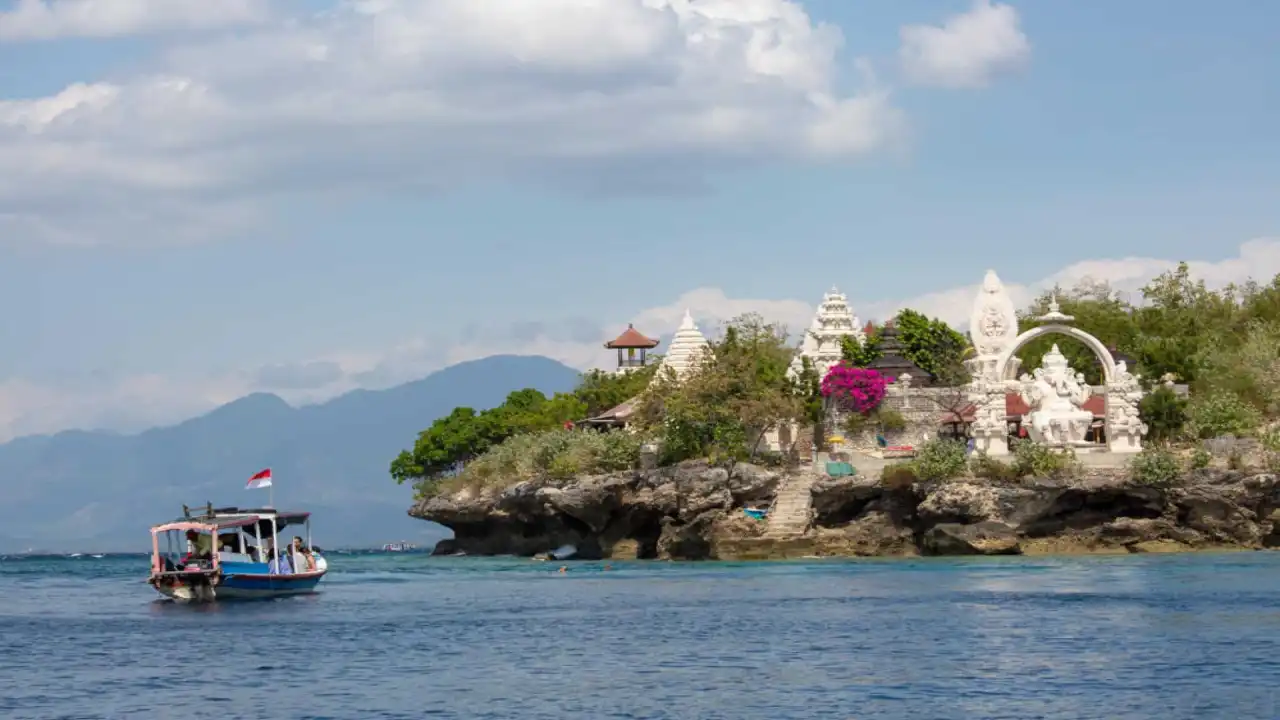
If you’re looking for something a little wilder, this is probably the best option. West Bali National Park sits far from the island’s busiest tourist zones. Getting there takes time, sometimes a few hours, depending on where you start. But once you arrive, the difference is obvious. The jungle feels deeper. Older somehow. Wildlife sightings are also more common here.
Visitors sometimes spot things like:
- Bright tropical birds
- Deer moving quietly through the forest
- Monkeys jumping through the canopy
Guides are required for many trails inside the park. At first, that might sound restrictive, but it actually helps protect the ecosystem. Places like this need that kind of care.
Mount Batur Jungle Trails
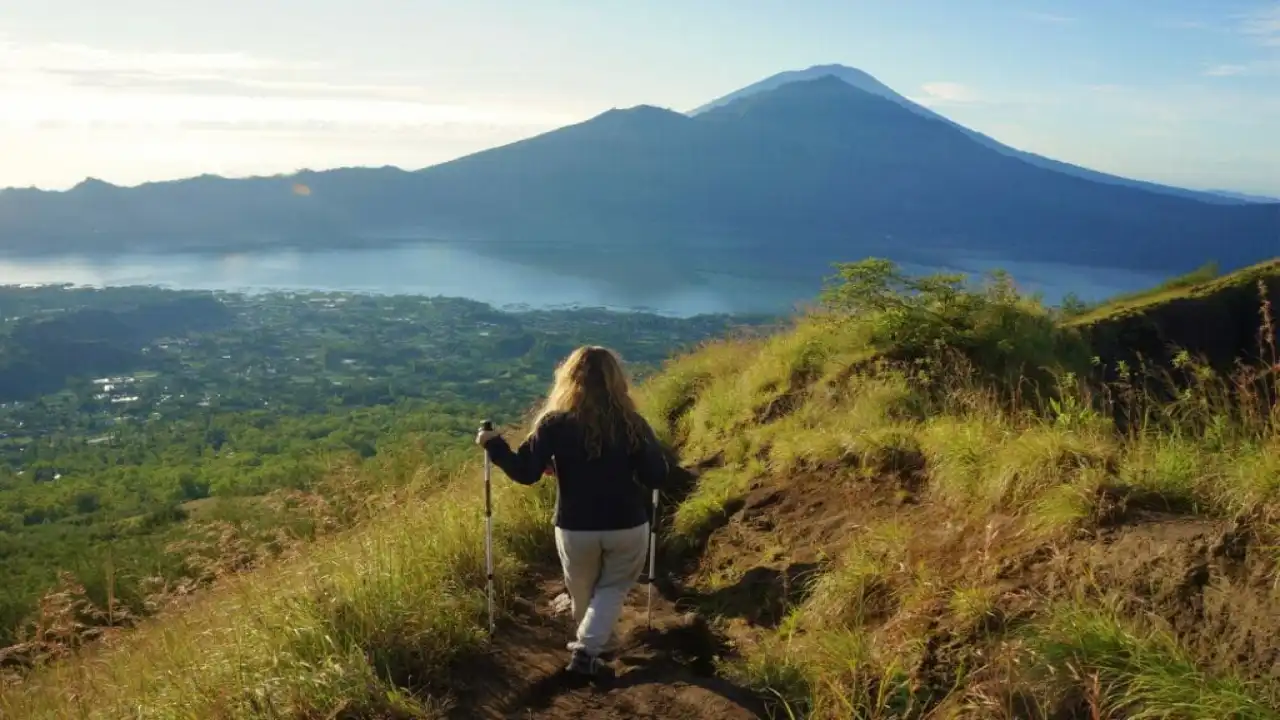
Most travelers recognize Mount Batur because of the sunrise volcano hike. But the forest areas around the mountain are worth exploring too. The terrain here feels different from Ubud. A bit rougher. The landscape is very scale contrast, and you will see a volcanic rock big, open hillside with patches of jungle mixed.
Some travelers do a sunrise climb followed by a jungle walk later in the morning, essentially making it an all-day outdoor adventure. If you start early enough, it’s so serene all over. Cool morning air. Mist drifting across the hills. Birds zooming between trees as the sky begins to brighten. Moments like this remind you how quiet the world can be before everyone’s awake.
What to Expect During a Jungle Trek
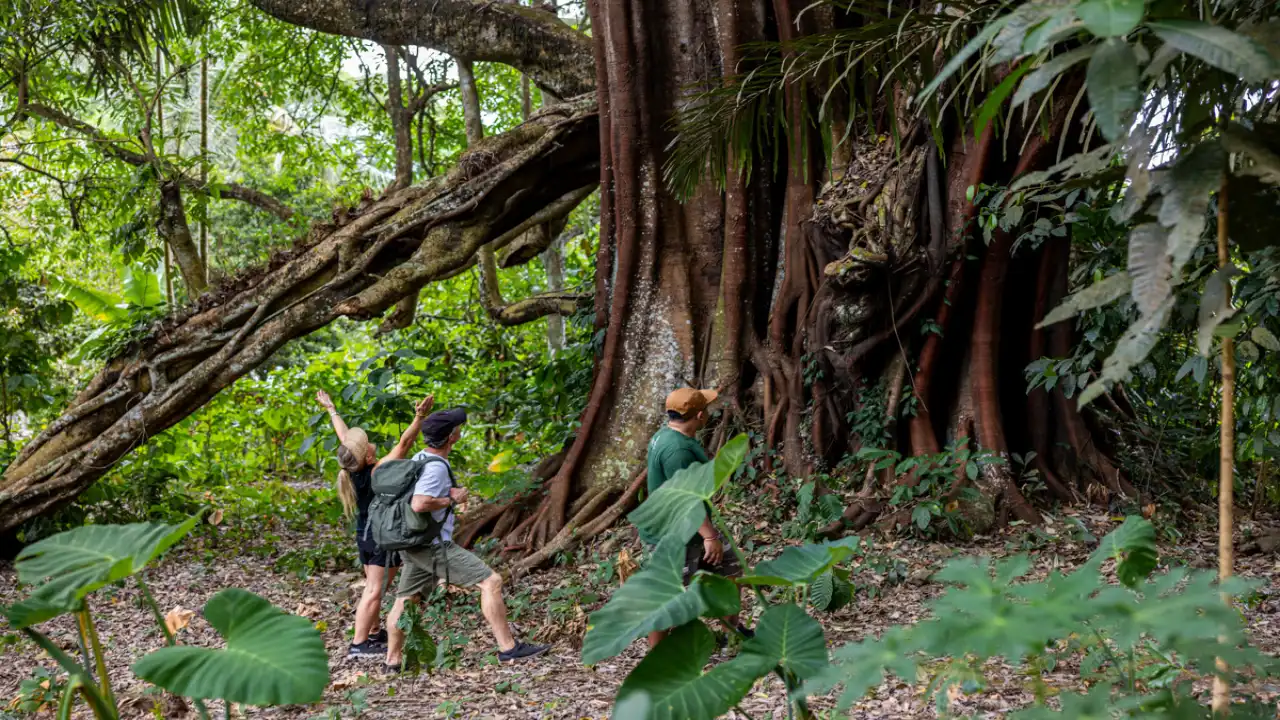
Most jungle treks begin early in the morning. That’s when the forest is cooler and animals are more active. By midday, the tropical humidity can feel pretty intense. You’ll usually follow a local guide who knows the trails well. And sometimes they suddenly stop mid-walk to point out something tiny you would’ve missed completely. A strange leaf. A hidden bird. Maybe a plant used in traditional medicine. The trails themselves vary quite a bit. Some parts feel like simple nature walks. Other sections climb hills or cross small streams where you have to watch your step.
During a typical trek, you might find yourself:
- Walking beneath tall bamboo forests
- Stepping across shallow streams
- Discovering small waterfalls tucked away in the trees
- Passing quiet farming villages The pace tends to be relaxed.
Someone stops for photos. Another person needs water. The whole group pauses. Then everyone moves again. After a while, it stops feeling like a hike and more like a slow wander through nature.
Wildlife and Nature You Might See
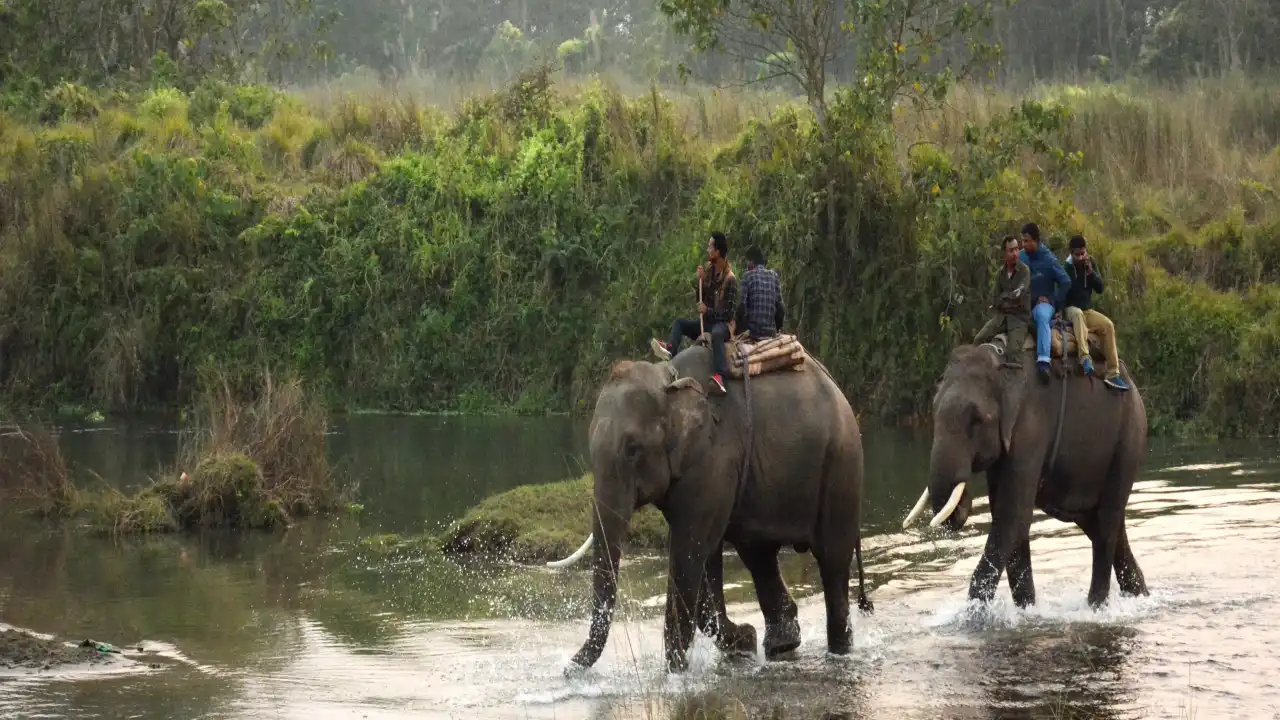
Jungles are full of life, though sometimes it takes a moment before you start noticing it. At first, everything might seem strangely still. Then you begin spotting movement everywhere. Butterflies floating across the path. Small lizards warming themselves on rocks. Bright birds flashing through the trees before disappearing again.
Depending on the location, you might see:
- Long-tailed macaque monkeys
- Colorful tropical birds
- Tree frogs near streams
- Monitor lizards moving through thick vegetation
Of course, wildlife doesn’t operate on a schedule. Some days, the forest feels busy with activity. Other days it’s quiet. That unpredictability is part of the experience. Nature doesn’t perform on command.
Combining Jungle Treks With Other Bali Adventures
A jungle trek doesn’t need to be the only activity for the day. Many travelers combine it with nearby experiences.
For example:
- Visiting waterfalls afterward
- Exploring rice terraces in the afternoon
- Stopping for lunch in a small village café
It keeps the day interesting without feeling rushed.
Some people organize these activities through Bali trip packages that include guides and transportation. That can make things easier if you’d rather not handle the planning yourself.
Who Should Try Jungle Trekking in Bali?
The nice thing about jungle trekking in Bali is that you don’t need to be an experienced hiker. Many trails are beginner-friendly.
It’s a great option for:
- Nature lovers
- Couples looking for a quiet adventure
- Families with older kids
- Photographers interested in landscapes or wildlife
Some couples even add jungle walks to their honeymoon trip packages. And honestly, it makes sense. Walking together through peaceful forest paths feels very different from standing in crowded tourist spots. Simple experiences sometimes leave the strongest memories.
The Cultural Side of the Jungle
One thing that makes Bali unique is how closely nature and culture are connected. During a Bali rainforest trekking you might pass through small villages where people still farm using traditional methods. Rice fields line rolling hills, and fruit trees bloom next to family homes. You can also spot small temples and stone shrines along jungle trails. Many have small offerings of flowers and leaves laid in front. It also reminds us that the forest is not wilderness here. It’s part of everyday life. Local guides often tell you about how Balinese traditions honor nature and consider the forests sacred. Once you grasp that connection, the landscape is somehow more resonant.
Conclusion
Bali jungle hiking reveals a side of the island many travelers never really see. The beaches usually get all the attention. And to be fair, they deserve it. But the forests offer something different. Cooler air. Greener scenery. A slower rhythm. You don’t need fancy gear or serious hiking skills to experience it. Just curiosity. Comfortable shoes. And perhaps a willingness to step off the beaten tourist track. Do so, and the chances are that those peaceful jungle pathways will remain with you far beyond your journey.
Pro Tips for a Better Jungle Trek
A little preparation helps a lot when trekking in tropical forests.
Some useful tips:
• Wear proper hiking shoes; jungle trails can get muddy
• Bring plenty of water because humidity sneaks up quickly
• Insect repellent helps near rivers and shaded areas
• Start early to avoid the worst heat
• Carry a small backpack with snacks and essentials
• Follow your guide when exploring unfamiliar paths
One tip people rarely mention, though. Stop walking for a minute. Not to take photos. Not to check your phone. Just stop and listen. The forest sounds are strangely calming.