Bali South vs North Bali: Which Region Offers the Better Experience?
Introduction
Bali is honestly confusing sometimes. More as you land there expecting one kind of tropical vacation, then suddenly realize the island keeps changing personalities depending on where you go. One minute you’re sitting near a beach club hearing loud music and scooter horns every ten seconds, and a few hours later you’re driving past foggy hills where the loudest sound is probably rain hitting banana leaves.
That’s why people keep debating South vs North Bali before planning a trip. They almost don’t feel like parts of the same island. The South is louder, busier, and more social. The north feels slower and calmer, almost like Bali before tourism exploded everywhere. And honestly? There isn’t a “correct” choice. It mostly depends on what kind of mood you’re in when you travel.
North Bali: The Quiet Side of the Island
First Impressions of North Bali
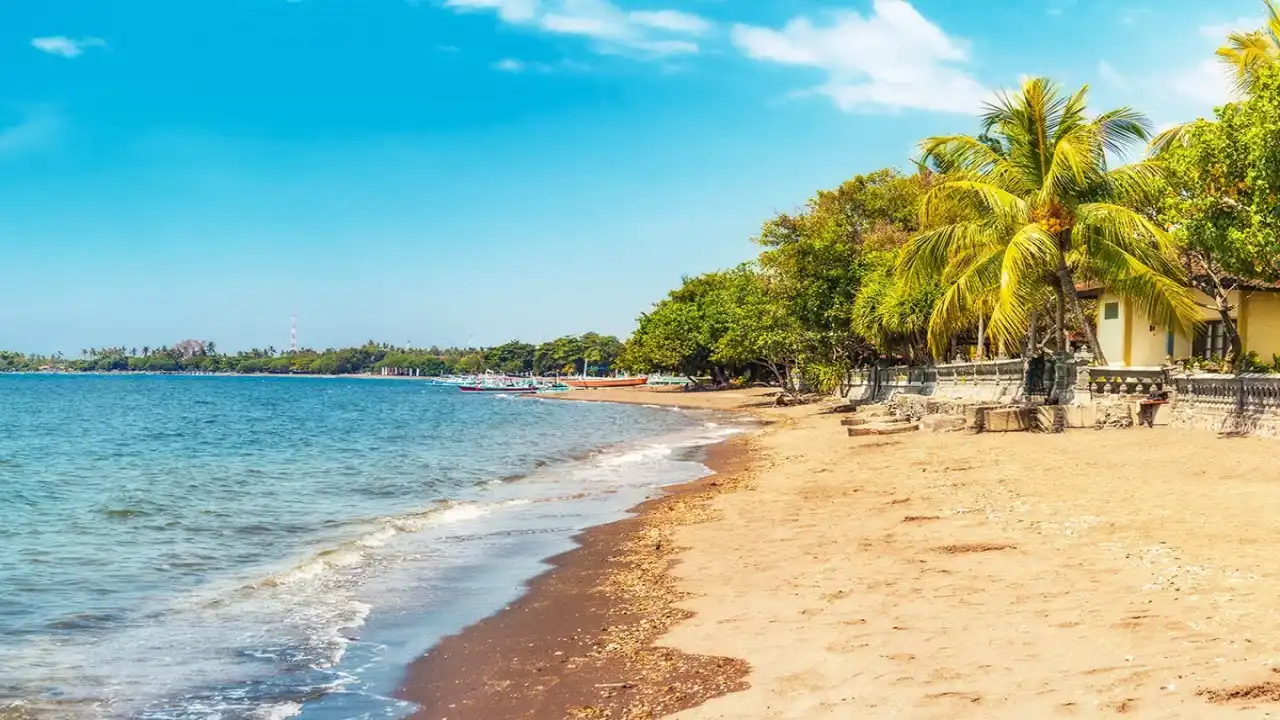
The first thing people usually notice in North Bali is how everything suddenly relaxes a little. The roads stop feeling chaotic. Traffic thins out. Big trendy cafés disappear for long stretches. You start seeing forests, tiny roadside shops, random temple statues covered in moss, and dogs sleeping directly in the middle of the road like they own the place. Which, honestly, they probably do.
North Bali doesn’t scream for attention. It’s quieter than that. Sometimes you’ll drive for twenty minutes without seeing another tourist. Then suddenly there’s a tiny warung selling coffee with mountains behind it that somehow ends up becoming one of your favorite memories from the whole trip. That happens a lot here.
Nature and Waterfalls
North Bali is where the island really starts showing naturally. Sekumpul Waterfall is probably the best example. Getting there is slightly annoying, not gonna lie. There are stairs, jungle paths, humidity, random slippery rocks, and at some point, you start questioning whether the waterfall could be worth all this sweating. Then you finally see it. And suddenly nobody complains anymore. The water crashes down between these giant green cliffs, mist everywhere, your shoes probably soaked already. Photos look amazing, but in real life, it feels louder and colder than expected.
The Munduk area has a completely different vibe. Fog rolls through the hills in the mornings, coffee plantations appear around corners, and the temperature randomly drops enough to make you want an actual hoodie for once in Bali. It almost feels weird after spending time near the coast. And then there’s Ulun Danu Beratan Temple sitting near the lake, looking peaceful, especially early in the morning when the mountains are half-covered in mist. It doesn’t even look real sometimes. North Bali feels less curated somehow. Less polished. That’s probably why people end up loving it.
Beaches in North Bali
The beaches up north surprise people because they don’t look like the Bali postcards sold in tourist shops. A lot of them have dark volcanic sand instead of bright white beaches. Some travelers love that immediately. Others need a day or two before it grows on them.
Lovina Beach is probably the best-known beach area in North Bali, mostly because of the dolphin tours at sunrise. Boats head out early while the sky slowly changes color behind the mountains. It’s peaceful in that sleepy, half-awake kind of way. No giant beach clubs. No blasting music. No huge crowds taking fifty sunset selfies. Just calm water, fishing boats, and mornings that somehow feel slower than normal life. Honestly, some people might call it “too quiet.” Others completely fall in love with that exact feeling.
Culture and Local Life
North Bali still feels closely tied to traditional Balinese life, and you notice it constantly without anyone needing to point it out. Small temples sit between houses. Offerings appear outside shops every morning. Old men casually sit outside chatting for hours like time barely matters. Local markets start early, long before most tourists are awake, doing yoga somewhere.
Nothing feels rushed here. And, those tiny ordinary moments become memorable. Sitting near a roadside café while rain starts pouring suddenly feels like an experience instead of just “waiting for the weather to pass.” North Bali kind of teaches you how to slow down without saying it directly.
Who Should Stay in North Bali?
North Bali usually works best for:
- Introverts
- Nature lovers
- Slow travelers
- Couples wanting privacy
- People are already tired of crowds before the vacation even starts
A lot of travelers eventually end up Googling something like, where to stay in Bali? and honestly, the answer depends on personality more than budget sometimes. If your dream trip involves waterfalls, mountain roads, silence, and mornings where you can actually hear birds instead of scooters, North Bali probably makes more sense.
South Bali: Bali’s Energetic Tourist Hub
First Impressions of South Bali
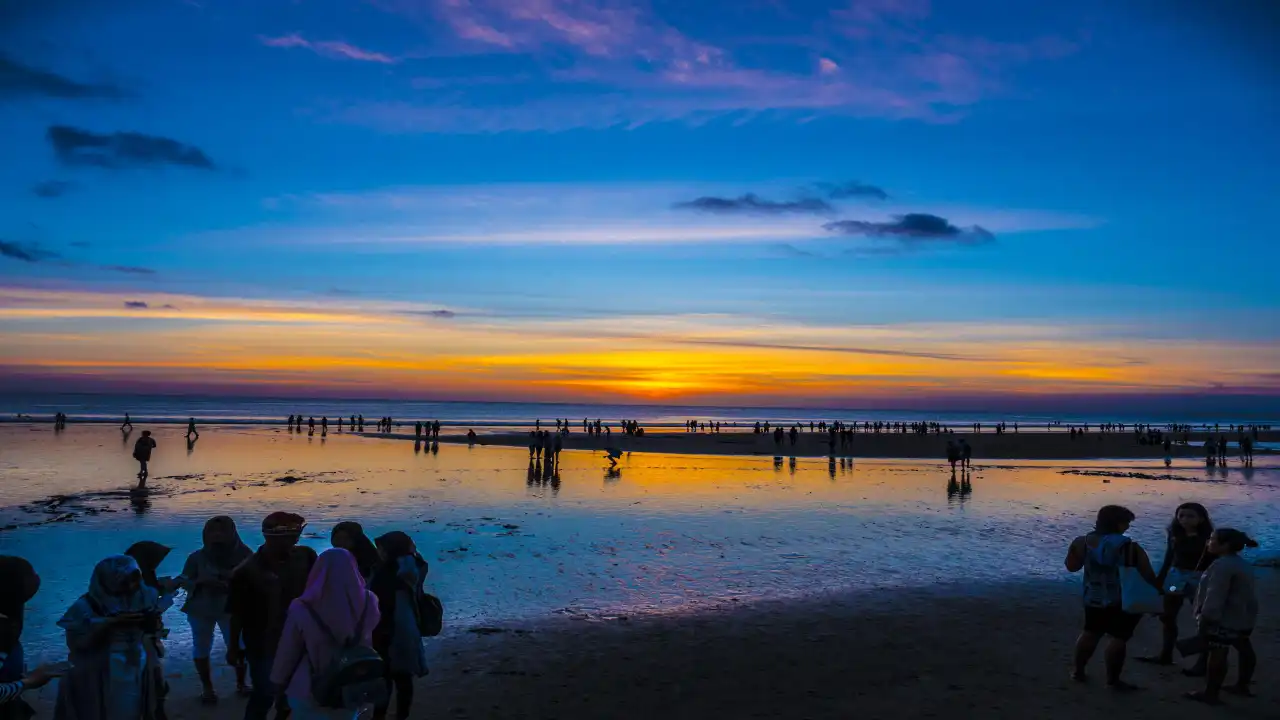
South Bali feels alive immediately, sometimes aggressively alive. There’s traffic everywhere, scooters squeezing through impossible spaces, cafés packed with people working on laptops, beach clubs already playing music before sunset even begins. You either get energized by it or exhausted by it. Occasionally both at the same time. But it’s exciting. The South has this constant movement to it. Even late at night, there are still people walking around looking for food, bars, parties, or “one last place” before going back to the hotel. And somehow nobody actually sleeps early.
Famous Beaches and Surf Culture
Kuta Beach, Seminyak Beach, and the cliffs near Uluwatu Temple are basically the version of Bali most people imagine before visiting. Surf culture is everywhere here. Even people who don’t surf somehow start talking about surfing after two days.
Kuta feels chaotic but energetic. Seminyak feels trendier and slightly more polished. Uluwatu feels dramatic in the cinematic sense, with giant cliffs, crashing waves, and sunsets that honestly look fake sometimes. South Bali beaches aren’t really quiet places. They’re social spaces. Something is always happening nearby.
Nightlife and Social Scene
South Bali completely takes over once the sun goes down. Canggu and Seminyak are packed with rooftop bars, DJs, beach parties, late-night cafés, and digital nomads pretending they’ll only stay for “a few weeks” before accidentally living there for six months.
Meeting people here is easy. Sometimes you stop somewhere for coffee and somehow end up on a random group dinner later that night with travelers from four different countries. South Bali has that kind of energy. Not everybody loves it, though. Some people eventually hit a point where the noise starts feeling tiring instead of exciting.
Luxury Resorts and Cafés
South Bali really knows how to sell the dream version of vacation life: Private villas. Infinity pools, fancy brunch cafés where every plate looks carefully designed for Instagram. Wellness retreats. Beachfront restaurants. Giant floating breakfasts that honestly seem impractical but people still love photographing anyway. Everything feels curated. Sometimes almost too curated. Still, if you enjoy stylish hotels, trendy cafés, shopping, and comfort, South Bali absolutely delivers.
Who Should Stay in South Bali?
South Bali usually makes the most sense for:
- First-time Bali travelers
- Honeymoon couples
- Social travelers
- Nightlife lovers
- People who want convenience and variety
Many travelers searching online for the best areas in Bali often choose the south because it’s easier, more connected, and packed with things to do.
North Bali vs South Bali: The Real Difference
Honestly, the difference mostly comes down to mood.
Crowds
- North Bali feels quiet and uncrowded
- South Bali is busy almost all the time
Budget
- North Bali is generally cheaper
- South Bali has more luxury options and higher prices
Traffic
- North Bali drives feel scenic and calm
- South Bali traffic can genuinely test your patience
Food
- North Bali focuses more on local cafés and simple food
- South Bali has trendy restaurants and international cuisine everywhere
Atmosphere
- North Bali feels peaceful and slower
- South Bali feels energetic and social
Accessibility
- North Bali takes longer to explore
- South Bali is easier for first-time visitors
A proper Bali travel guide? It should probably stop pretending one side is universally “better,” because North and South Bali are built for completely different kinds of travelers, which is exactly why many people booking International Trip Packages now try to experience both regions in the same trip.
Conclusion
There’s honestly no clear winner between North Bali and South Bali. Some travelers leave obsessed with sunsets, nightlife, beach clubs, and the social energy of the south. Others can’t stop thinking about quiet mountain roads, waterfalls, rainy mornings, and the slower rhythm of the north.
That’s kind of the magic of Bali. The island changes depending on what you’re looking for emotionally, not just geographically. Bali isn’t one single experience. It shifts constantly depending on where you go and how fast you move through it. The better question isn’t “which region is better?” Maybe it’s simply: what version of Bali do you need right now? And honestly, choosing a good Bali trip package that includes both regions usually gives travelers the most complete experience anyway.
Pro Tips Before Choosing Your Region
- Don’t rush North Bali. It’s better when explored slowly
- Split your trip between both regions if you can
- South Bali traffic is genuinely worse than people expect
- Early mornings in North Bali are worth waking up for
- Don’t overplan every single day in Bali
- Some of the best moments happen during random unplanned stops