Beautiful Cities in Europe with Famous Europe Sightseeing Places
Introduction
When most people think about traveling through Europe, a few familiar images come to mind. Old streets with uneven stones. Tiny cafés where people sit longer than planned. Buildings that look like they’ve been standing there forever. But once you actually start traveling, you realize Europe isn’t just about ticking landmarks off a list. It’s about how a city feels when you slow down and stop chasing everything.
This guide to Beautiful Cities in Europe is for travelers who want more than just photos and checklists. It’s written the way advice is shared over coffee, not from a brochure. From missed trains to quiet streets found by accident, these cities slowly show their character if you give them space. That’s usually when they make the biggest impression. The structure here is simple and practical. No big promises. Just real experiences, useful tips and moments that feel familiar if you’ve ever wandered without knowing exactly where you were going.
Why European Cities Leave a Lasting Impression
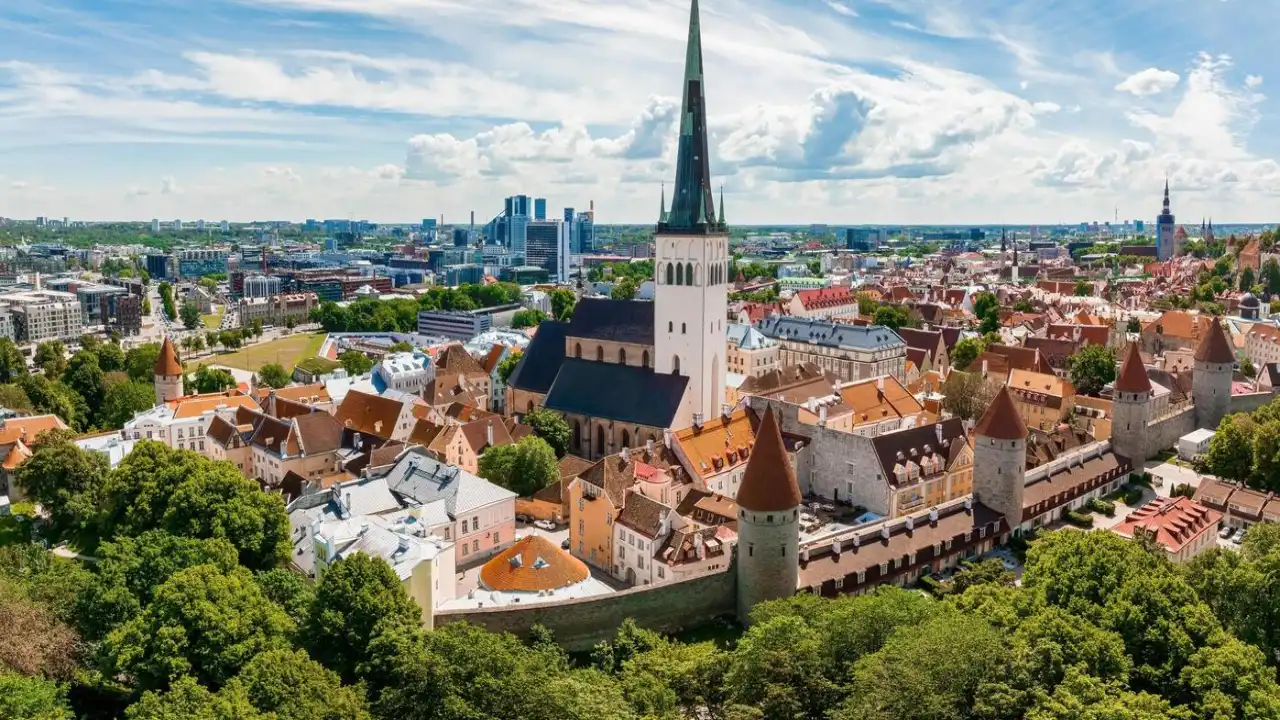
European cities don’t really try to impress you. And somehow, that’s what makes them memorable. History isn’t locked behind ropes or glass. A centuries-old church might sit next to a small grocery shop. Locals pass famous buildings every day without looking twice. It’s normal life for them, even if it’s a once-in-a-lifetime moment for visitors.
What stays with you isn’t just what you see, but how it all fits together:
- Most places are easy to walk to
- Public transport actually works
- Food feels local, not designed for trends
- Every city moves at its own speed
Some places feel quiet and thoughtful. Others are loud and restless. There’s no “best” city. The right one depends on your mood, your energy, and sometimes even the weather.
Paris: More Than Just a Romantic Image
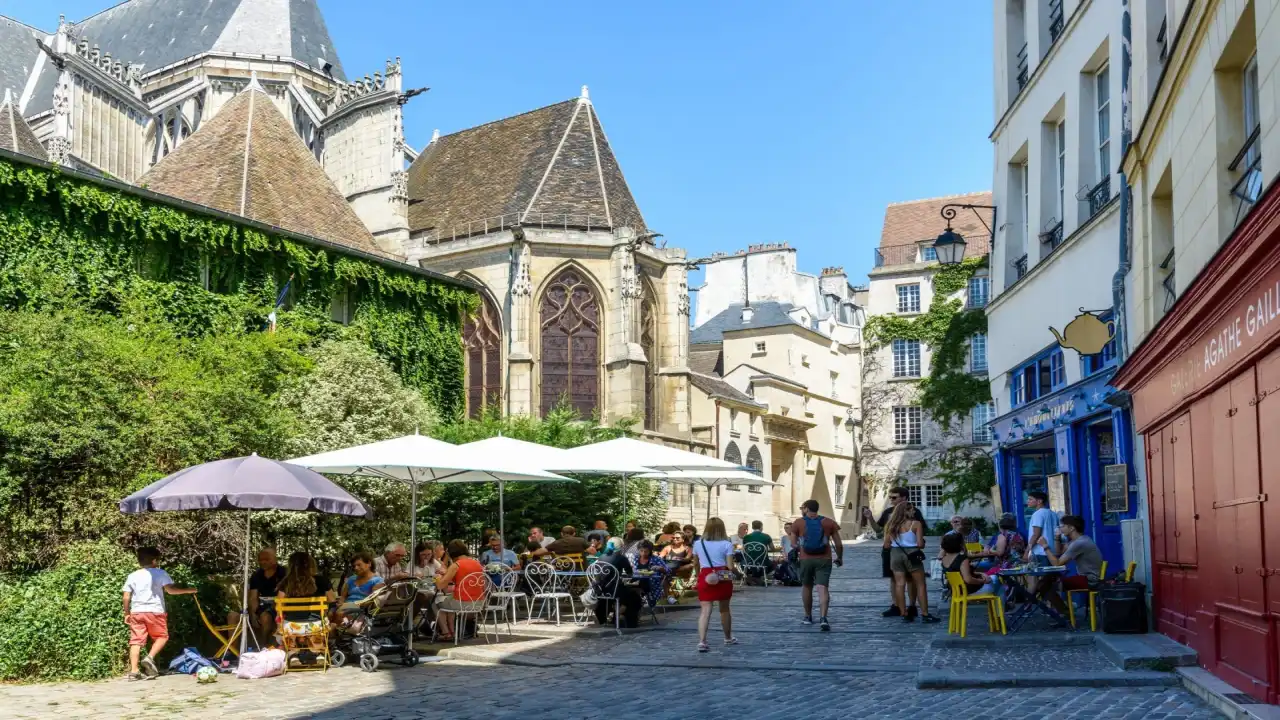
Paris has a reputation. Big words are often used to describe it. But honestly, the real Paris shows up in smaller moments. Early walks along the river. Bakeries are opening before sunrise. People sitting with coffee, not rushing anywhere. There are famous places, of course. But Paris isn’t a city you should rush through.
Things that feel most Parisian:
- Walking areas like Le Marais or Saint-Germain without a plan
- Sitting at a café longer than you meant to
- Choosing a small museum instead of standing in long lines
It’s also an easy city to get around, which is why many first-time travelers look at a Paris tour when planning their trip.
Pro Tip:
See popular spots early or late. Paris feels completely different when the crowds thin out.
Rome: History You Can Touch
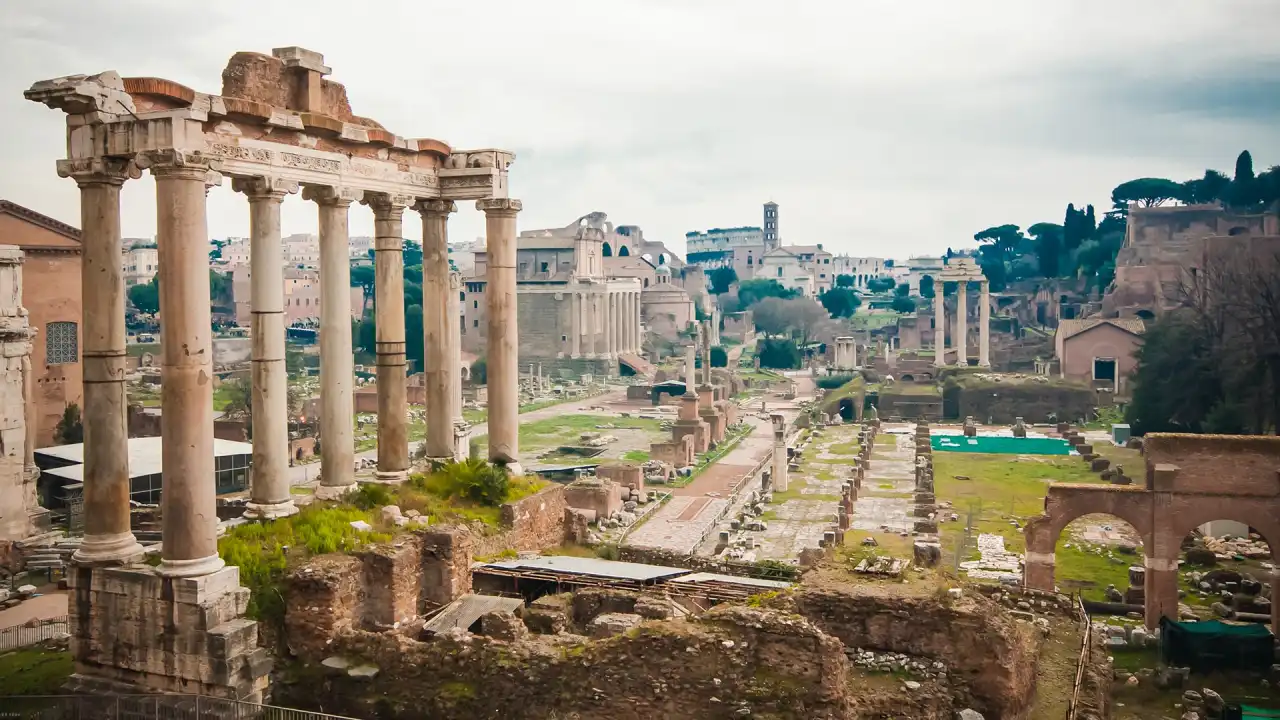
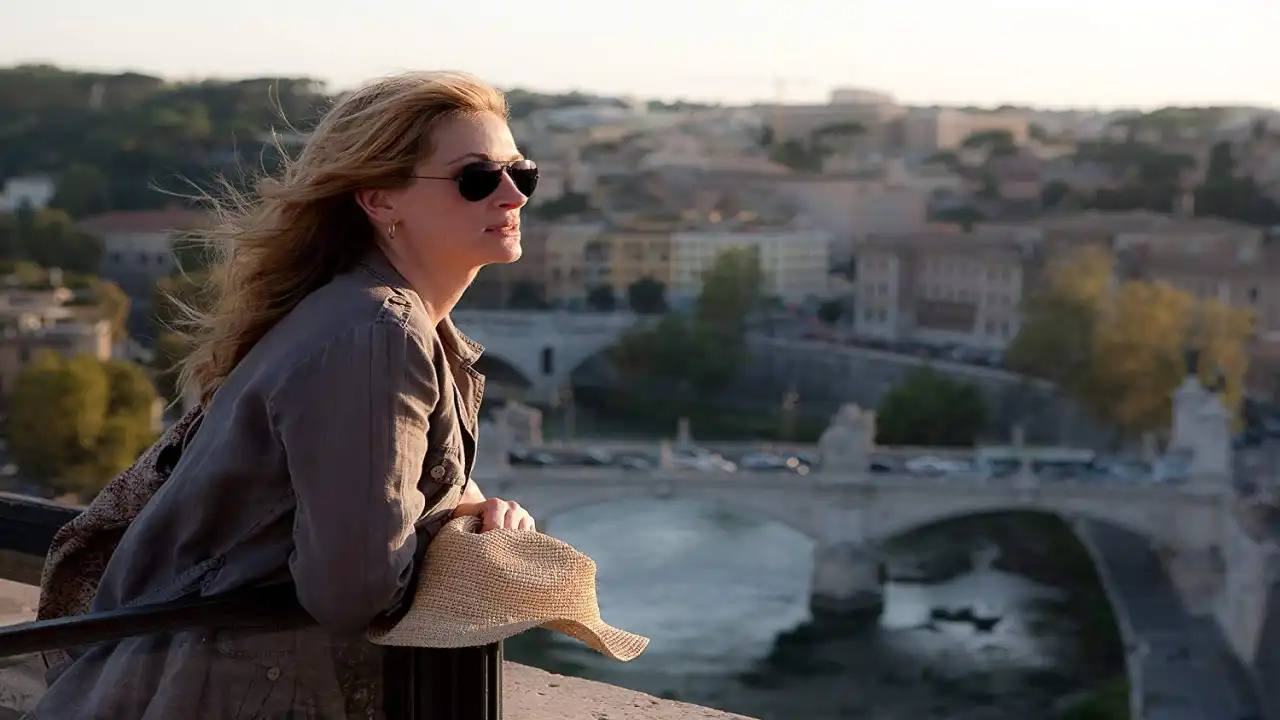
Rome doesn’t feel neat. And that’s exactly the point. Stones are worn smooth. Streets aren’t straight. Ancient ruins show up between apartment buildings like they were always meant to be there. You don’t need a guidebook to feel the history. It’s under your feet.
What defines Rome:
- Ruins mixed into daily life
- Neighborhoods that feel real, not staged
- Simple food that doesn’t need explaining
Rome can feel like too much at first. But once you stop trying to do everything, it clicks.
Pro Tip:
Pick one main site a day. Spend the rest of your time wandering. Rome rewards patience.
Barcelona: Easy Energy and Everyday Beauty
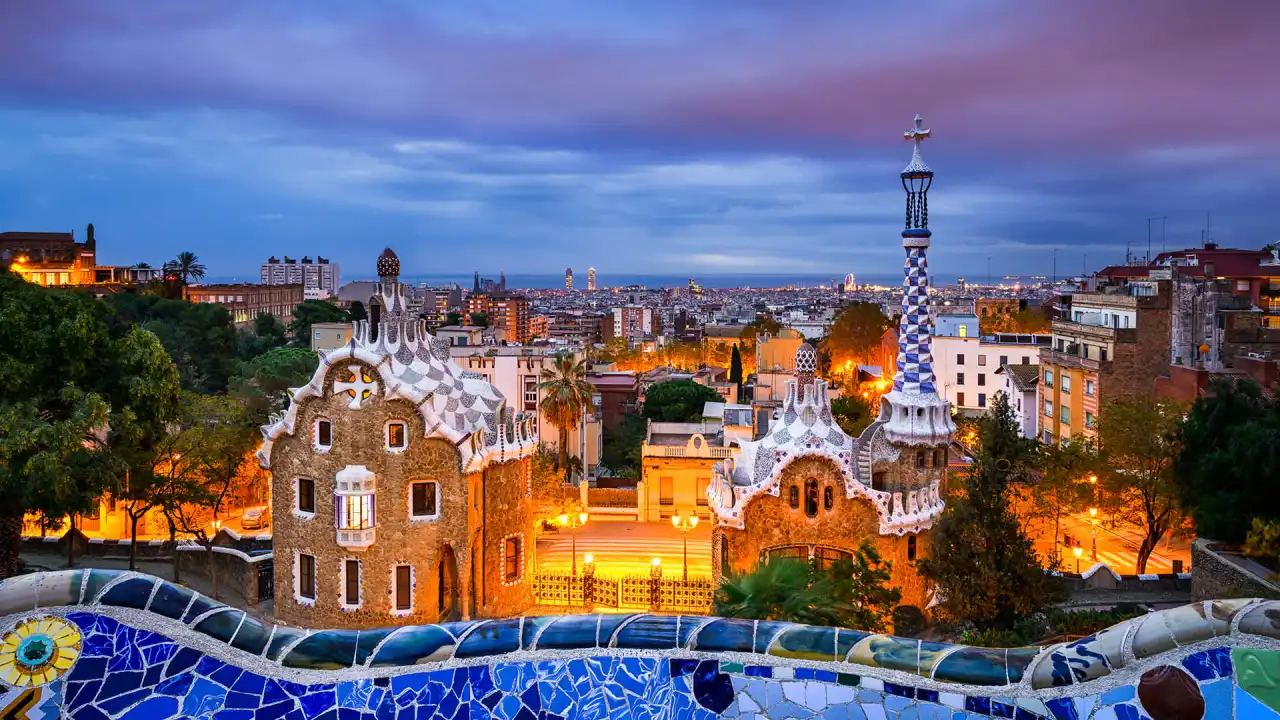
Barcelona feels lighter than many older cities. There’s color everywhere. The pace is relaxed, but not slow. Beach life blends naturally with culture and architecture. Days here often stretch longer than planned.
Why Barcelona works so well:
- City streets and sea views in one place
- Architecture that feels playful, not heavy
- Late dinners and lively nights
It’s a great choice for people curious about romantic europe cities but who still want something casual and relaxed.
Pro Tip:
Spend time in neighborhoods like Gràcia. It feels local and unhurried.
Amsterdam: Calm, Order, and Character
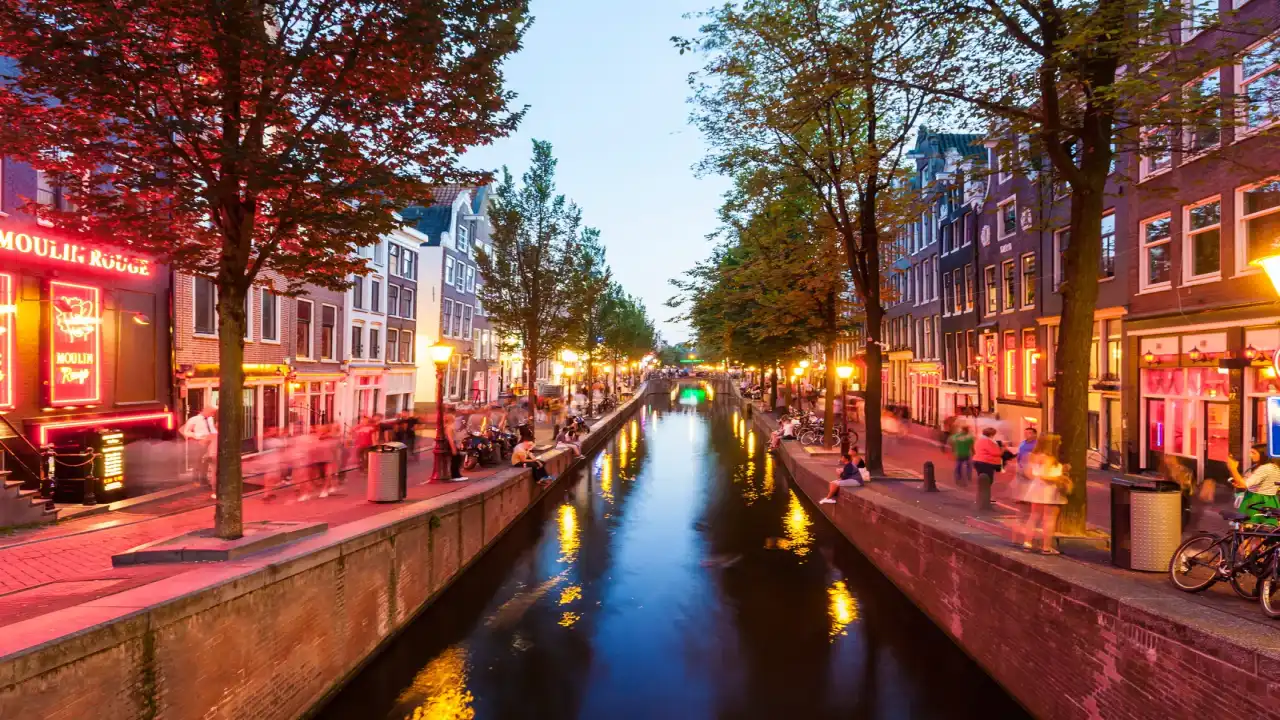
Amsterdam surprises a lot of people. It’s quieter than expected. Very organized. The canals shape the city in a way that makes walking feel calm and balanced. People value routine and personal space here, and it shows.
What stands out:
- Canal-side walks
- Compact, easy neighborhoods
- Museums that don’t feel overwhelming
It’s a city where slowing down feels natural.
Pro Tip:
Only rent a bike if you’re comfortable. Walking and trams are more than enough.
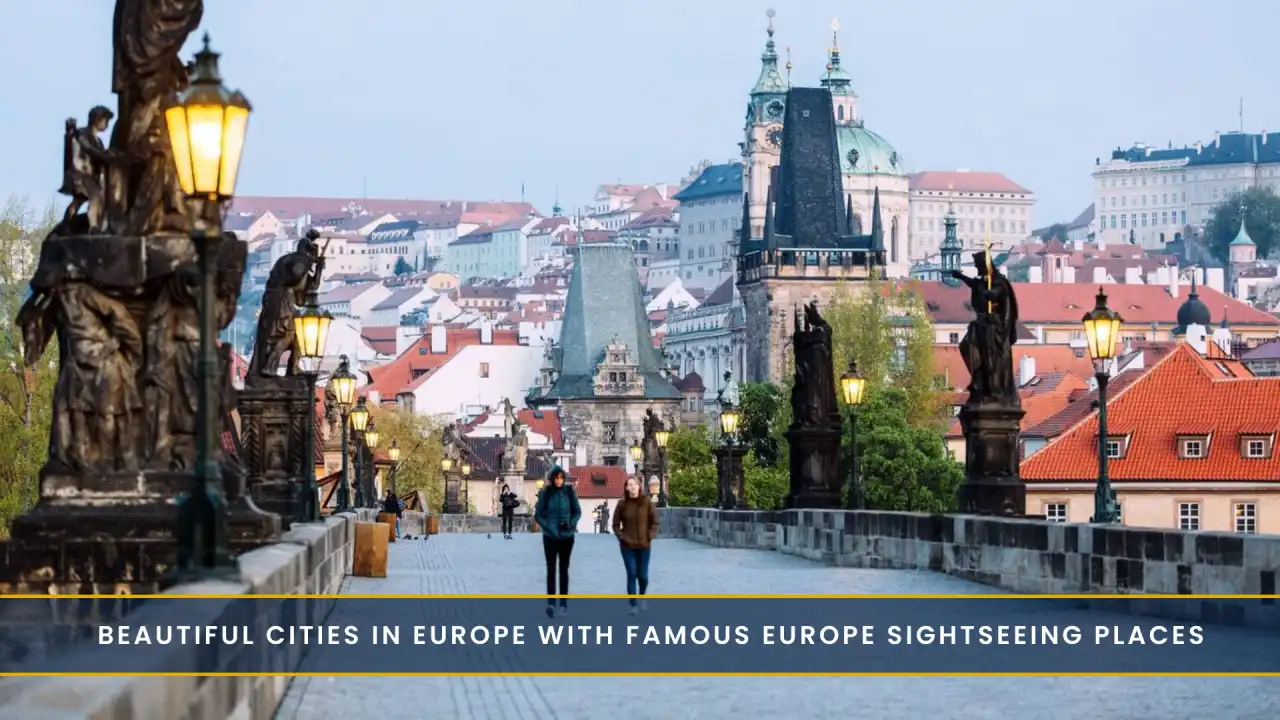
Prague: Storybook Streets Without the Noise
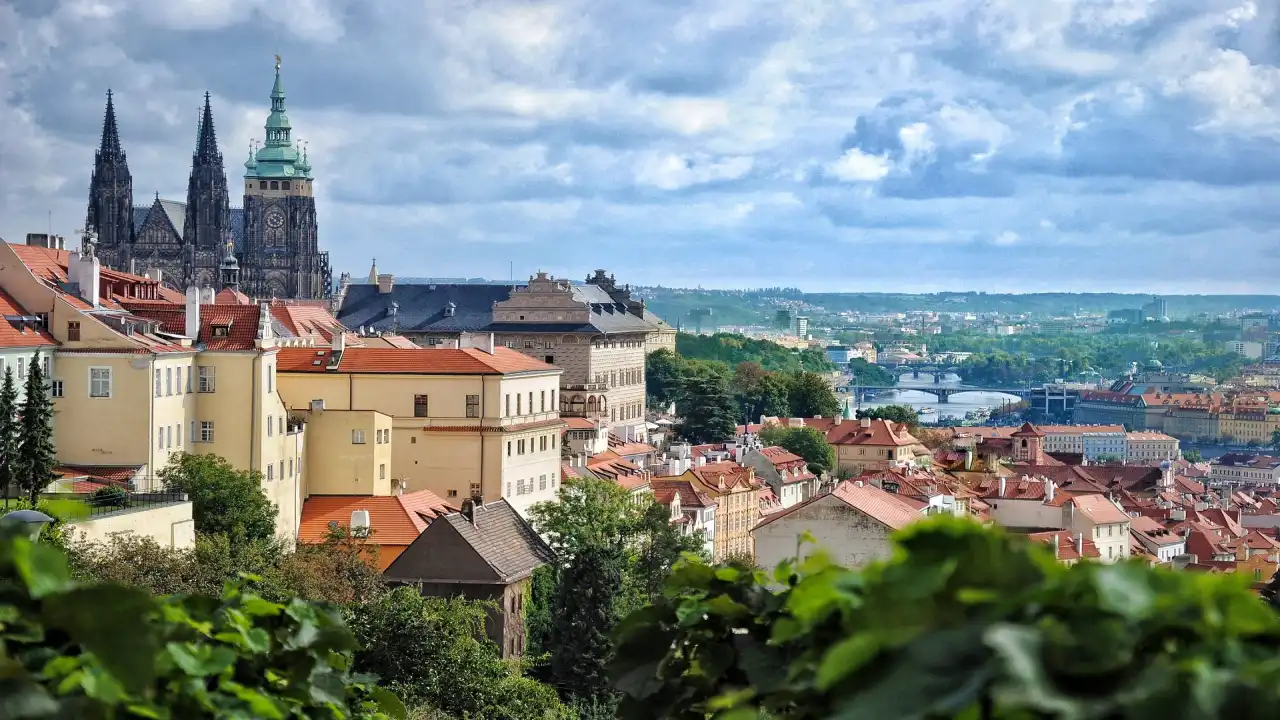
Prague feels like time moves differently there. The old town is beautifully preserved, but real life continues around it. Early mornings are quiet. Almost unreal. You don’t need a strict plan in Prague.
What people remember most:
- Wandering old streets
- Bridge views at sunset
- Affordable food and stays
It’s perfect for travelers who care more about atmosphere than long attraction lists.
Pro Tip:
Wake up early once. The city feels completely different without the crowds.
Vienna: Structure, Elegance and Balance
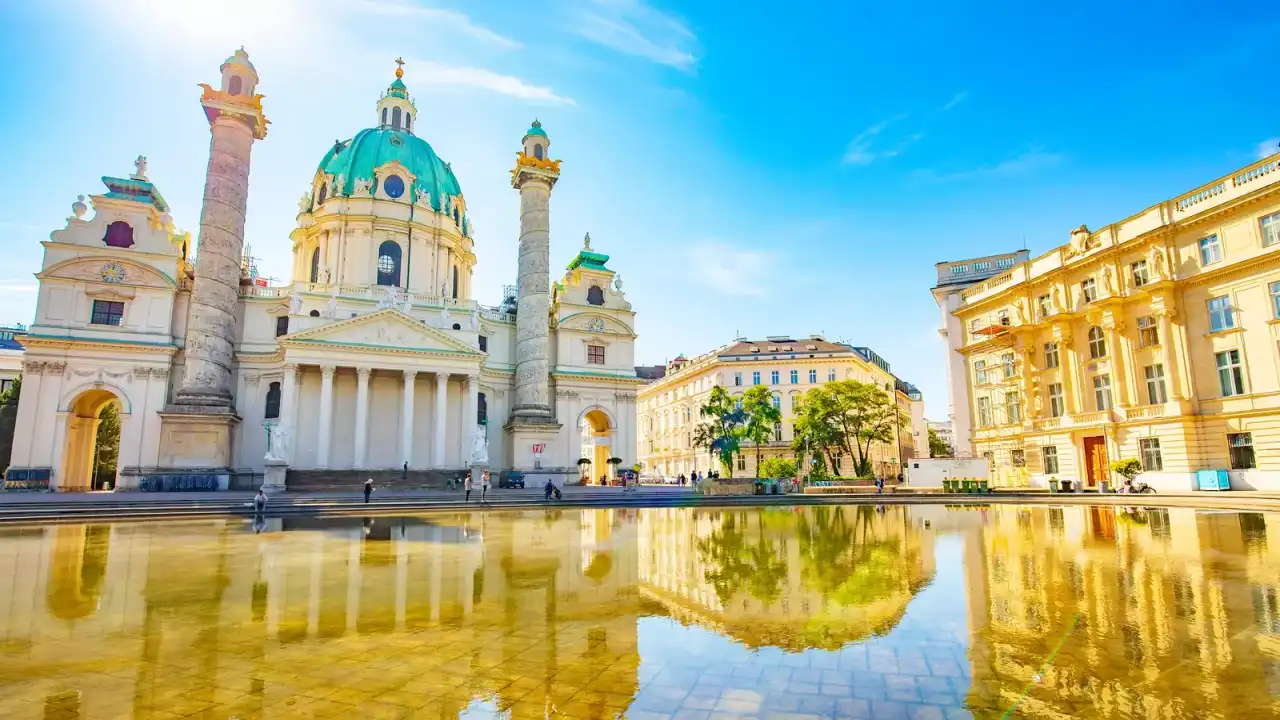
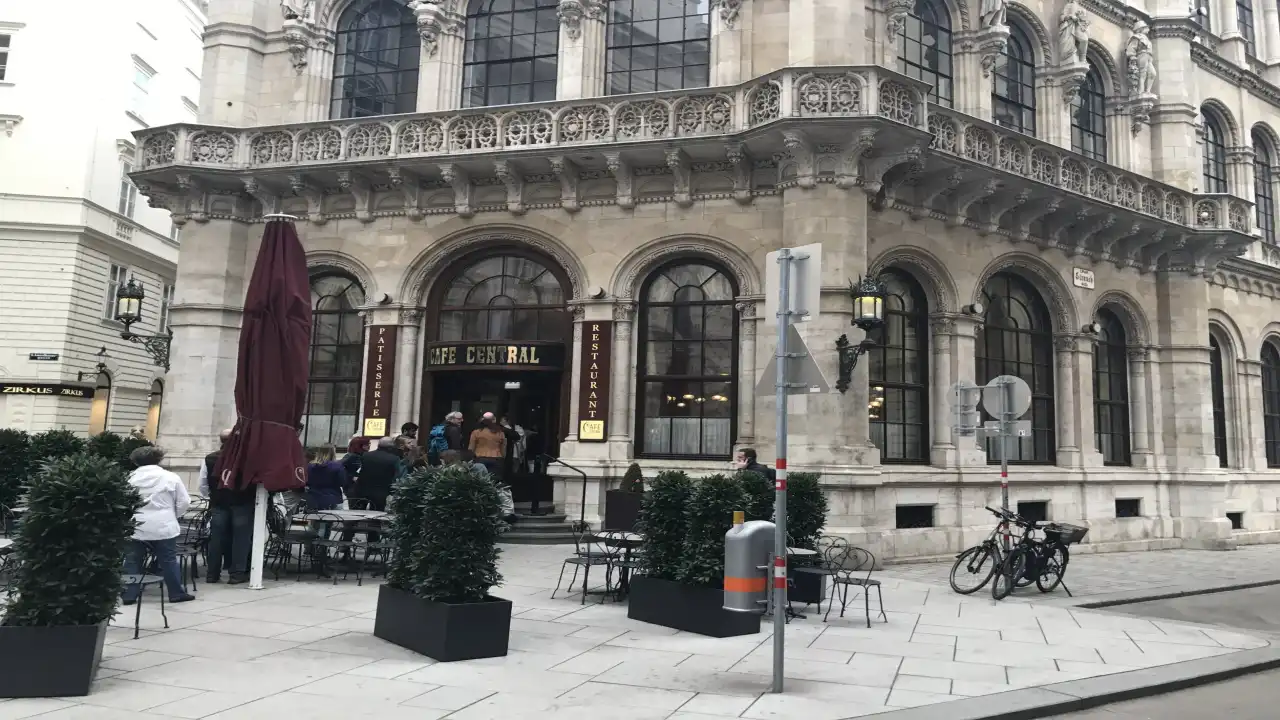
Vienna doesn’t chase attention. It doesn’t need to. Everything feels steady and well-organized. Music, art and tradition aren’t special events here. They’re part of daily life. The city feels calm and confident.
Vienna’s strengths:
- Grand but not overwhelming architecture
- A strong café culture
- Reliable transport
It’s proof that order doesn’t have to feel cold.
Pro Tip:
Sit in a traditional café. Stay longer than planned. That’s the experience.
Florence: Small City, Big Presence
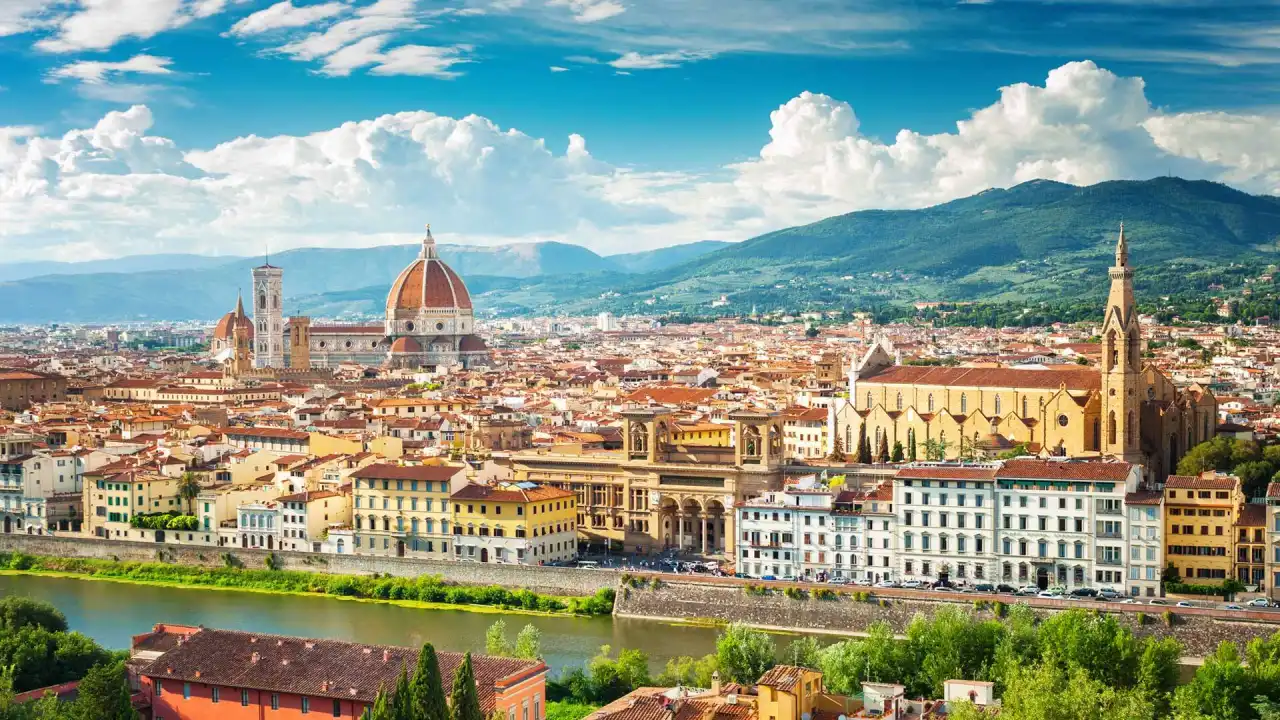
Florence is compact and that’s what makes it work. Everything feels close. Art isn’t hidden away. It’s part of the city’s identity. You don’t need to rush here.
Why Florence leaves an impact:
- Walkable historic center
- Deep connection to art and history
- Food that feels rooted and honest
Florence suits travelers who prefer depth over speed.
Pro Tip:
Book museum tickets ahead of time. It saves time and stress.
Budapest: Two Sides, One City
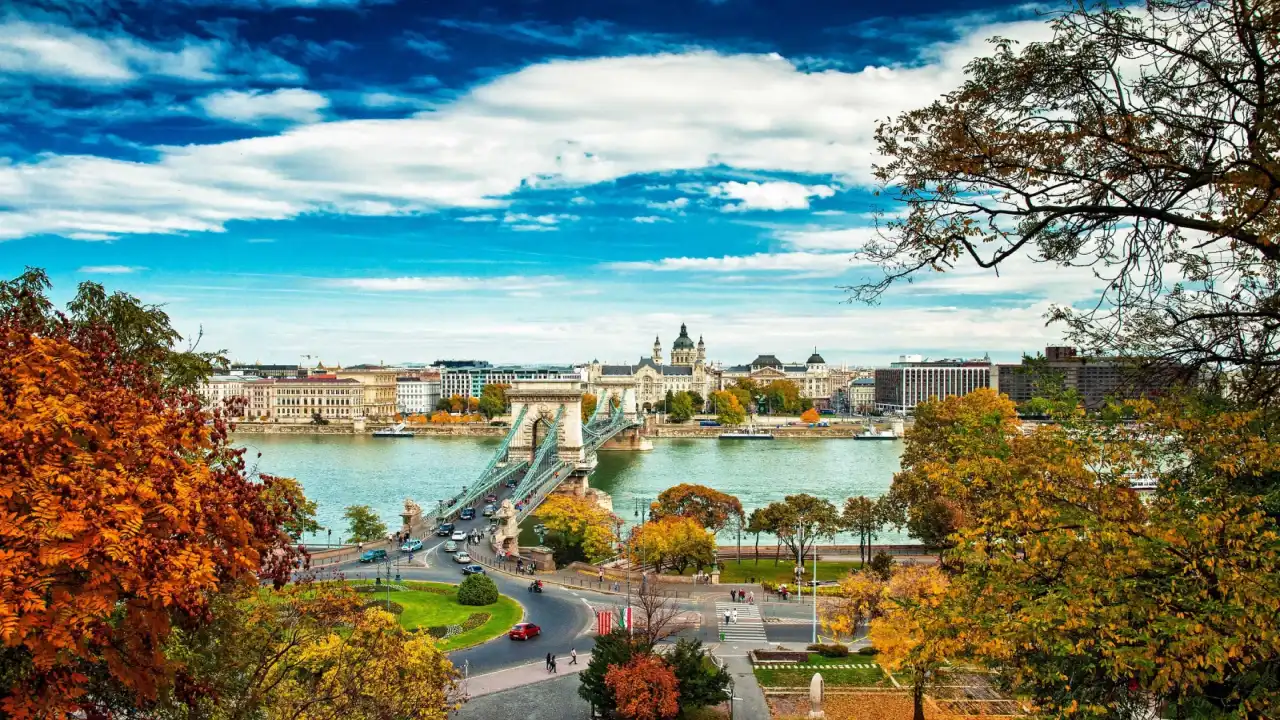
Budapest feels split, but in a good way. One side is hilly and quiet. The other is flat and lively. The river connects everything. It’s scenic, affordable and less crowded than many capitals.
What makes it special:
- Thermal baths
- River views
- A strong local feel
Among europe sightseeing places, Budapest offers a variety without pressure.
Pro Tip:
Visit thermal baths in the evening. It’s calmer and more relaxing.
How to Choose the Right City for Your Trip
Not every city fits every traveler. It really depends on what you want.
Ask yourself:
- Do you want calm or energy?
- Is food important to you?
- Do you enjoy walking or public transport more?
- Are you traveling solo, as a couple, or with family?
Families often prefer cities with parks and open spaces. Many people planning International Packages mix busy cities with quieter ones to keep the trip balanced.
Conclusion
Europe doesn’t need exaggeration. Its cities speak quietly, but clearly, if you listen. Walking without direction. Sitting by a river. Watching everyday life unfold from a café table. That’s where the real memories form, whether you’re traveling on your own or following a thoughtfully planned Europe trip package that still leaves room for wandering.
This guide isn’t about perfection. Cities are messy. Trains run late. Plans change. But those moments often turn into the stories you remember most, the ones no schedule can predict. Slow down. Stay curious. Let each city reveal itself in its own time.
Travel Planning Tips That Actually Help
These aren’t fancy tips. They’re practical ones that come from experience:
- Don’t change hotels too often
- Leave one day completely unplanned
- Eat where locals eat
- Learn a few basic local words
Pro Tip:
Comfortable shoes matter more than any attraction.