Beltane Fire Festival 2026 Guide to the Edinburgh Celebration of Fire and Spring
Introduction
Some festivals you simply attend. You buy a ticket. Watch a few performances. Maybe take some photos for Instagram. Grab food. Head back to your hotel. Nice evening. Done. And then some festivals feel a little different. The Beltane fire festival 2026 is definitely one of those. It’s not the kind of event where you quietly stand at the edge like an audience member watching a stage. That idea disappears pretty quickly. Instead, you sort of get pulled into the experience without even realizing it.
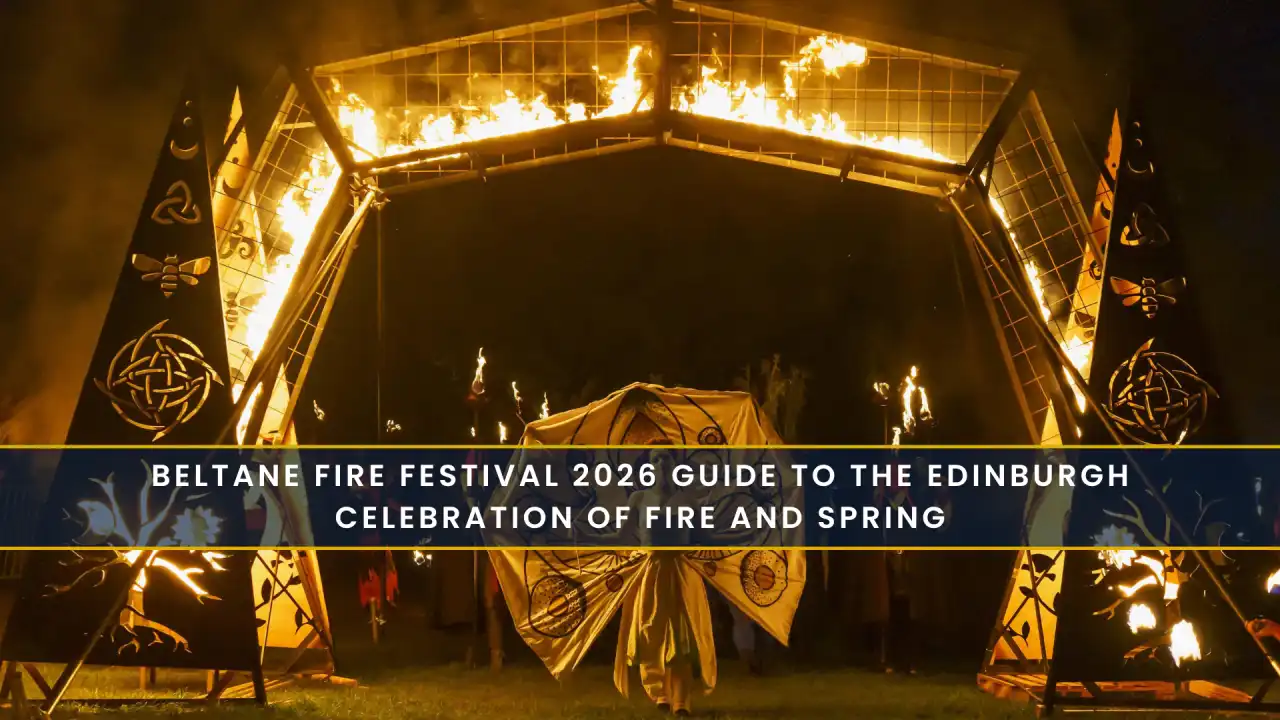
One moment, you're standing on a hill watching the sky fade from orange to that deep evening blue. The next moment drums start echoing from somewhere behind you. Torches flicker through the crowd. People start turning their heads, trying to see where the sound is coming from. There’s smoke in the air too. Not thick or choking just enough that you notice it. That faint burnt-wood smell. And then people walk past you dressed as if they stepped out of some old myth. Painted faces. Leaves tied into costumes. Antlers. Body paint glowed orange in the firelight. For a split second, you might actually think, wait, did I walk into the wrong century?
But no. That’s just how the night begins. Every year, thousands of people gather in Edinburgh for this celebration, welcoming the turning of the seasons. It’s basically a giant symbolic way of saying, “Alright winter, you’ve had your moment.” Longer days return. Warmer air slowly creeps back into the city. And this festival marks that shift. What started decades ago as a small revival of an ancient Celtic ritual has quietly turned into something travelers add to their bucket lists. If you’re planning to visit in 2026, it helps to understand what you’re stepping into. Not just the schedule. The atmosphere. The crowds. The strange magic of the whole thing.
What the Beltane Festival Really Celebrates
To understand the celebration, you need to rewind history a bit. Long before modern cities, traffic noise, and endless phone notifications, people paid serious attention to the seasons. They had to. The weather controlled everything. Crops. Animals. Food supplies. Survival, basically. Beltane marked one of the most important seasonal turning points. Traditionally held on the night between April 30 and May 1, it represented the movement from winter toward summer. Fires were lit on hillsides. Communities gathered. There were rituals meant to protect people and welcome brighter months ahead.
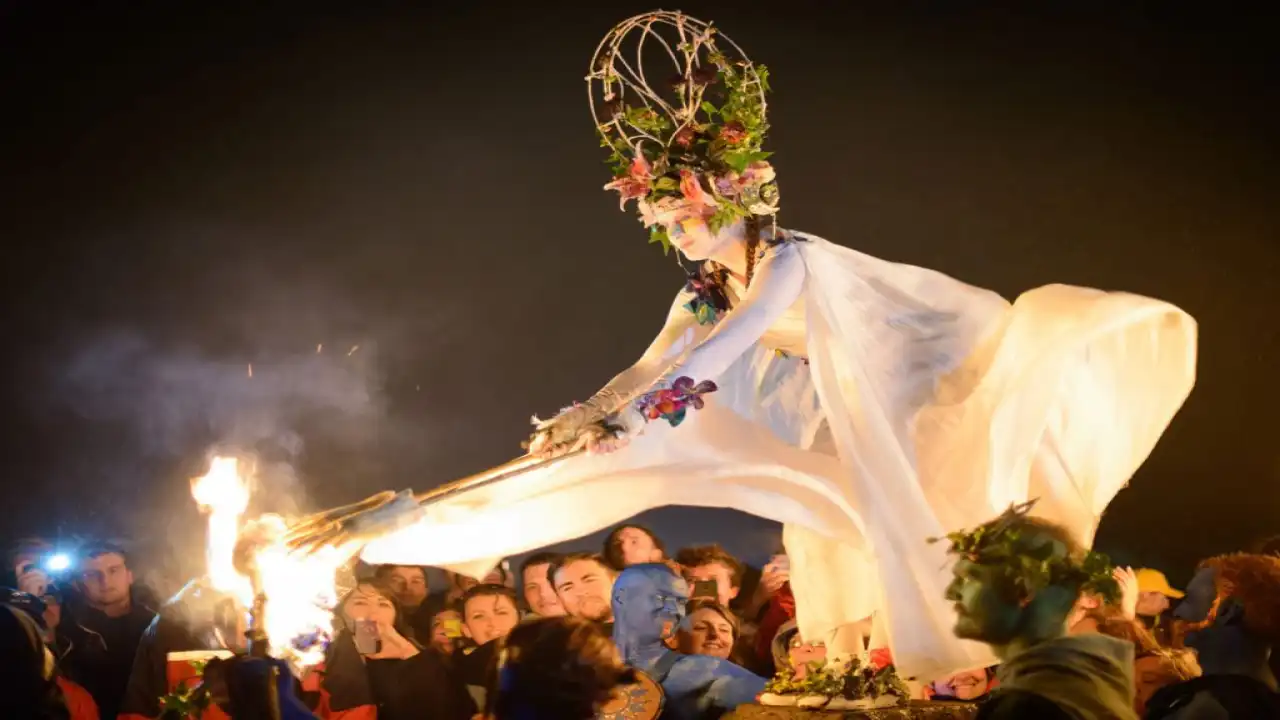
The modern version in Edinburgh doesn’t try to recreate those ancient ceremonies. Instead, artists reinterpret those ideas using theatre, dance, music, and storytelling. Throughout the evening, performers move across the hill portraying mythological scenes. Drummers appear. Dancers weave through the crowd. Two characters often sit at the center of the story: the May Queen and the Green Man. They represent fertility, renewal, nature waking up again after winter fades away. Watching it all unfold doesn’t really feel like watching a performance. It feels more like wandering through someone else's dream.
Why Edinburgh Feels Like the Perfect Place for It
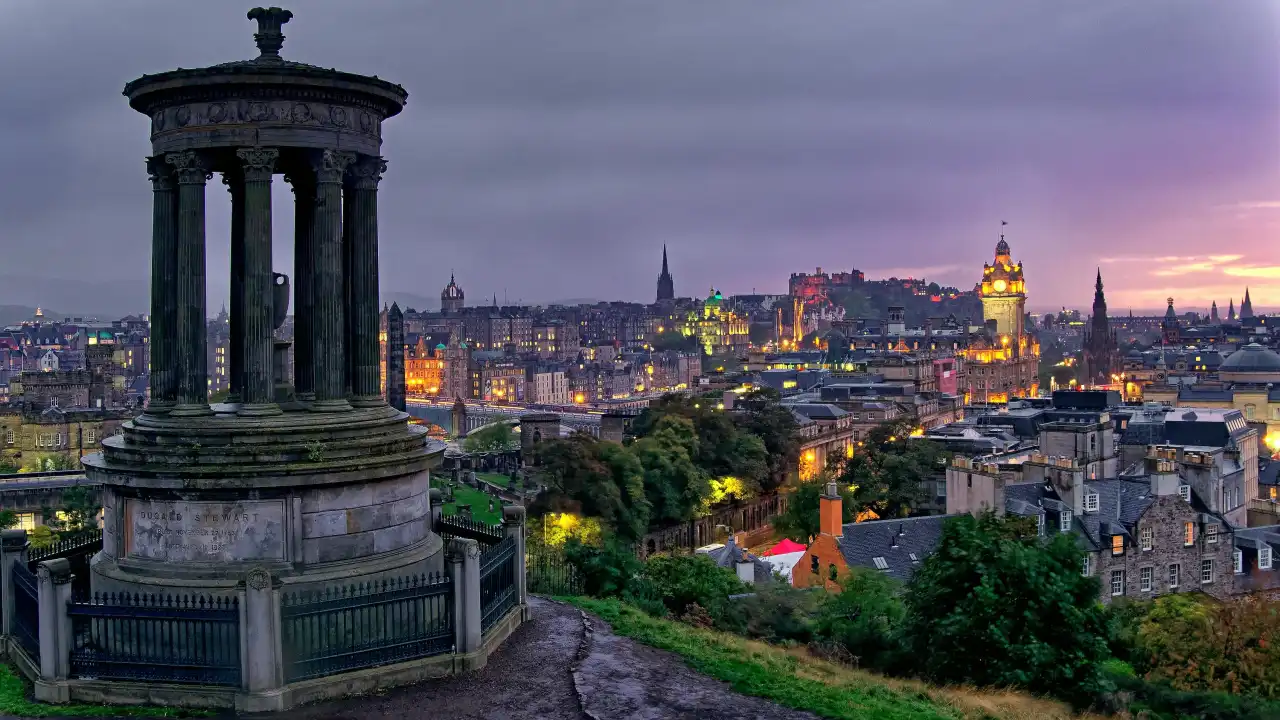
Honestly, not every city could host something like this and make it work. Edinburgh can. Even on an ordinary day, the city already feels a bit dramatic. Narrow cobbled streets twist between old buildings. Hills appear suddenly between neighborhoods. Sometimes fog rolls through the skyline like the city is trying very hard to look mysterious.
People often call it the festival city, Edinburgh, and that reputation didn’t appear randomly. The city hosts huge cultural events all year round, including theatre festivals, art shows, music events, and street performances. But this particular festival feels different. It’s messy in a good way. There are no neat rows of seats. No tidy stage. Performers weave through the crowd. Scenes appear unexpectedly. Someone dancing past you might be part of the story or just a visitor enjoying the moment. You never fully know. And that unpredictability is part of the fun.
Where is the Beltane Fire Festival held?
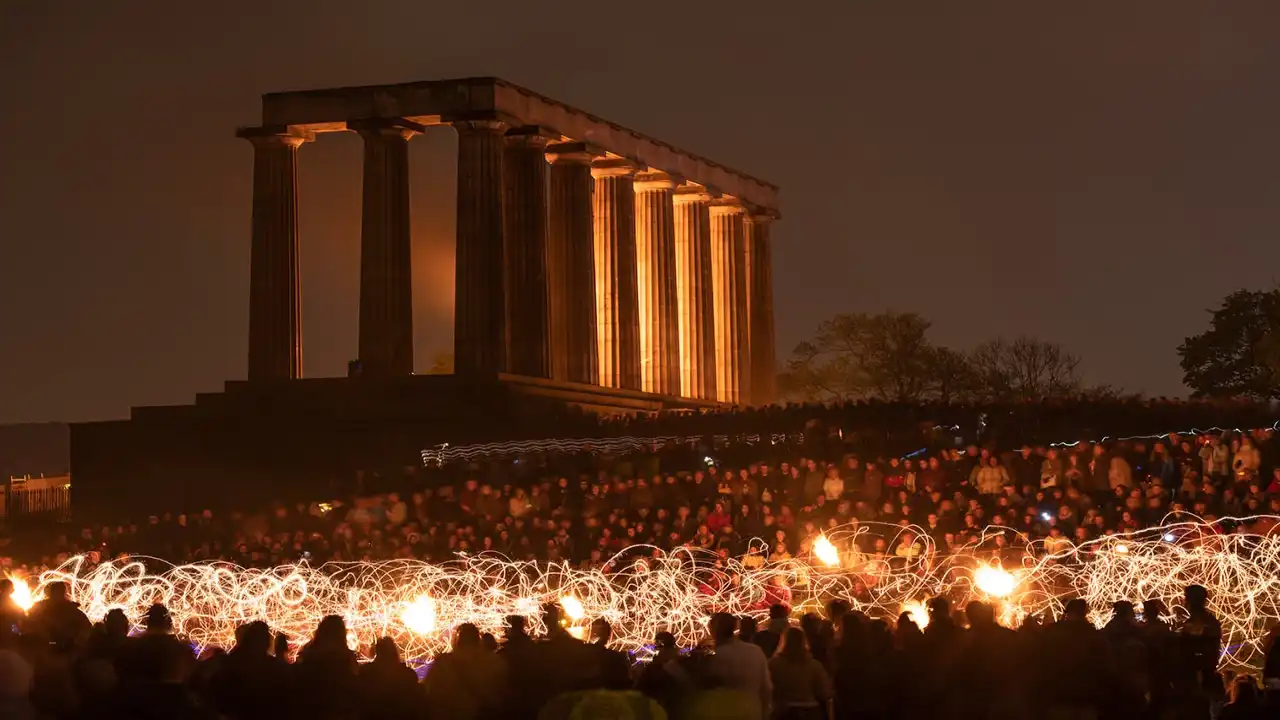
The entire event takes place on Calton Hill, Edinburgh, which during the daytime, feels surprisingly calm. Tourists wander up for the views. Locals sit on the grass drinking coffee. Photographers spend time capturing the skyline and the old monuments scattered around the hill. It’s peaceful. Then the festival night arrives.
And the whole place transforms. Paths glow with torchlight. Drums echo between the monuments. Fire dancers appear suddenly, spinning flaming staffs that briefly light up the faces of people around them. Someone cheers. Someone laughs. Somewhere else music starts again. It’s noisy. Slightly chaotic if we're being honest. But somehow it works. At a certain point, you stop trying to understand everything happening and just go with it.
The Role of Fire in the Celebration
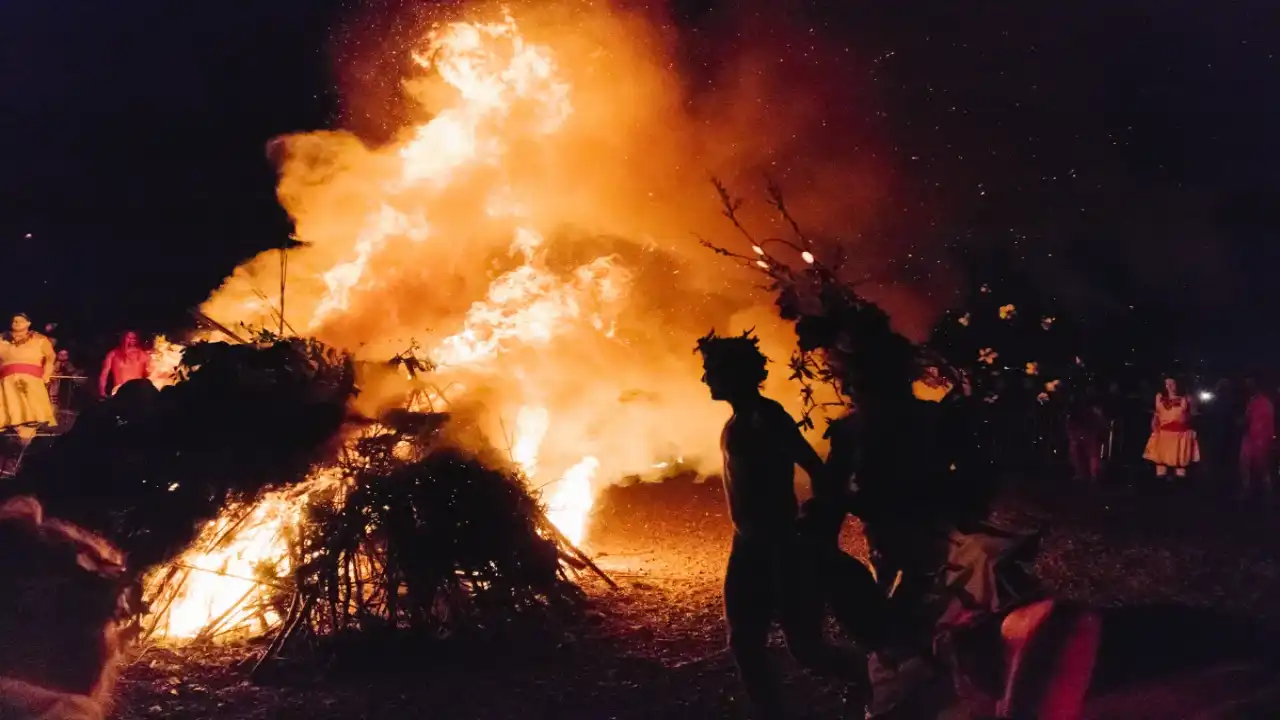
Fire is everywhere during the festival. But it isn’t there just because it looks dramatic. In many ancient traditions, fire symbolized renewal, cleansing, and protection. Flames were believed to push away negativity and strengthen communities entering a new season. So naturally fire plays a central role here.
You’ll see things like:
- Large ceremonial fires are burning across parts of the hill
- Performers walking through crowds carrying torches
- Fire dancers spinning blazing staffs in wide circles
- Dramatic moments where flames mark important points in the story
Watching hundreds of small flames flicker across the dark hillside creates a powerful atmosphere. People stop talking. Phones come out for photos at first. But eventually, most people lower them again and just watch.
How the Night Usually Unfolds
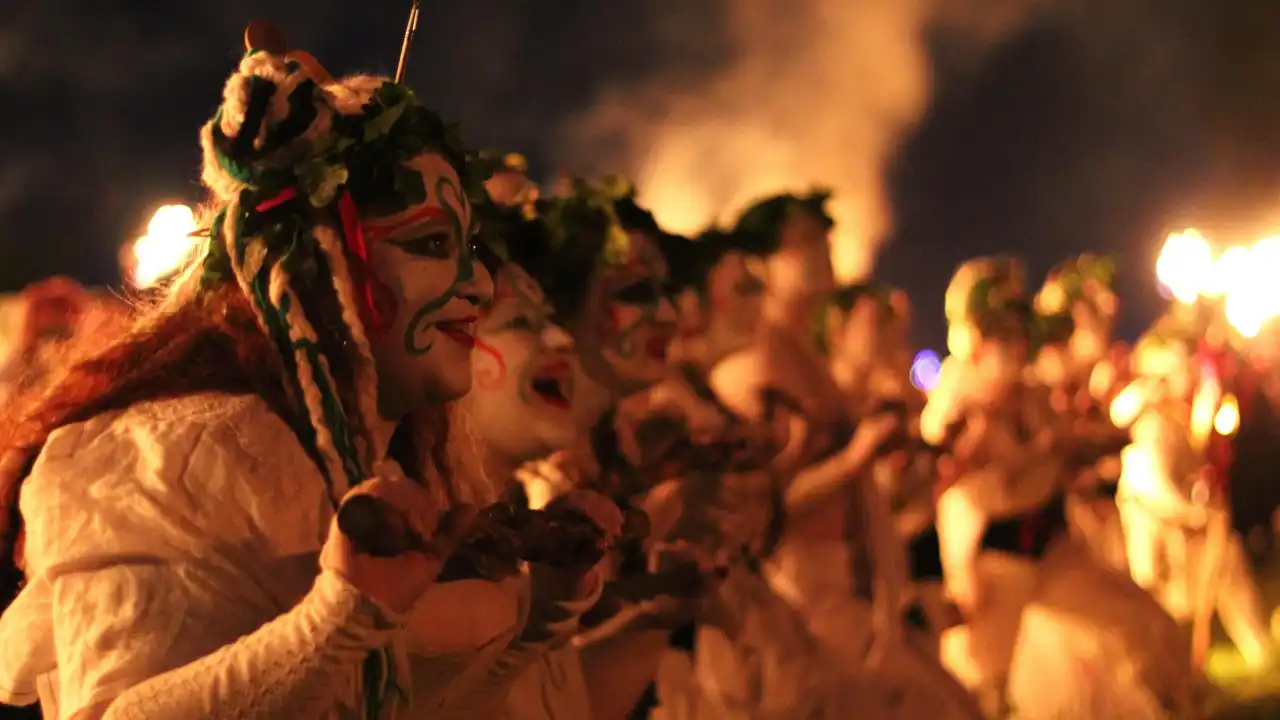
One thing that surprises many first-time visitors is that the event isn’t arranged like a traditional performance. There’s no single stage. Instead, the story moves across the hill and the audience sort of follows along. Characters travel between areas and crowds drift behind them. Sometimes you’ll stumble onto small performances happening quietly in corners you almost walked past. Still, the evening usually follows a loose rhythm.
1. Gathering at Sunset
Visitors arrive before dark. There’s chatter, music, food stalls, and that slightly electric feeling that something interesting is about to happen.
2. The Opening Procession
Drums begin somewhere in the distance. Performers appear. The story slowly begins.
3. Ritual Performances
Dancers, musicians, and actors portray mythological scenes while the crowd moves along with them.
4. Fire Rituals
Flames begin lighting up different parts of the hill as the celebration reaches its most intense moments.
5. The Final Moment
Eventually, the narrative closes with a symbolic act welcoming the new season. Even though the general structure stays similar every year, details change constantly, such as costumes, choreography, and story elements.
Experiencing Spring in Scotland Through the Festival
There’s something oddly fitting about celebrating spring in Scotland like this. The country spends months dealing with cold winds and grey skies. Winter here can feel long. So when warmer days finally return, the mood changes almost overnight. Parks fill up again. Evenings stretch longer. Cafés start putting tables outside. The festival mirrors that emotional shift. It begins in darkness with smoke and distant drums. Slowly, things brighten. Fires glow stronger. Music grows louder. By the end of the night the entire hill feels lighter somehow. Like winter quietly stepped aside.
Combining the Festival With a Longer Trip
For many travelers, this festival becomes the centerpiece of a bigger trip. Edinburgh alone deserves several days. The castle, winding historic streets, quiet cafés hidden in corners, it’s the sort of city where wandering without a strict plan works surprisingly well. Some travelers even include it in a larger Europe itinerary or Europe trip package, combining it with other destinations across the continent. And if you have extra time, the Scottish Highlands are not far away. Mountains. Lochs. Long empty roads. Landscapes that sometimes feel unreal.
Why the Festival Feels Different From Typical Events
Most modern festivals focus on entertainment big music stages, food trucks, and crowded photo spots. This celebration feels different. It’s built more around storytelling and symbolism than spectacle. You hear drums before you see the performers. Smoke drifts through the night air. Characters appear suddenly and then disappear somewhere into the crowd. It’s immersive in a way that’s hard to fully explain. Maybe that’s why people keep coming back every year.
Should You Attend in 2026?
If you enjoy travel experiences that feel unusual, slightly unpredictable, and memorable, then yes. You probably should. The festival blends ancient traditions with modern creativity in a way that doesn’t feel overly staged. Some moments feel dramatic. Some feel chaotic. A few might leave you confused. And honestly, that’s fine. Travel isn’t always about understanding everything perfectly. Sometimes it’s just about being present while something strange and beautiful unfolds around you.
Conclusion
Travel exposes us to the landscapes, food, and famous sites. Festivals also illuminate something deeper about the way that people share life and seasons. This party in Edinburgh does just that. Mythology, performance and community energy meld in a way that feels both ancient and alive. But standing on that hill, watching the flames flicker across the skyline and hearing drums echo through the mass of grazing people, this really lingers with you and for those who will be visiting Scotland as part of a longer trip taking in other international itineraries too, this festival is well worth working into one of your moments in life to remember.
Travel Tips for First-Time Visitors
If you're attending for the first time, a few small tips help.
Arrive early
Crowds build fast. Getting there before sunset gives you room to explore.
Dress for unpredictable weather
Scottish evenings can still feel chilly in early May.
Expect large crowds
Thousands attend every year.
Carry some cash
Some stalls may still prefer it.
Respect performers
Many participants spend months preparing their costumes and roles.