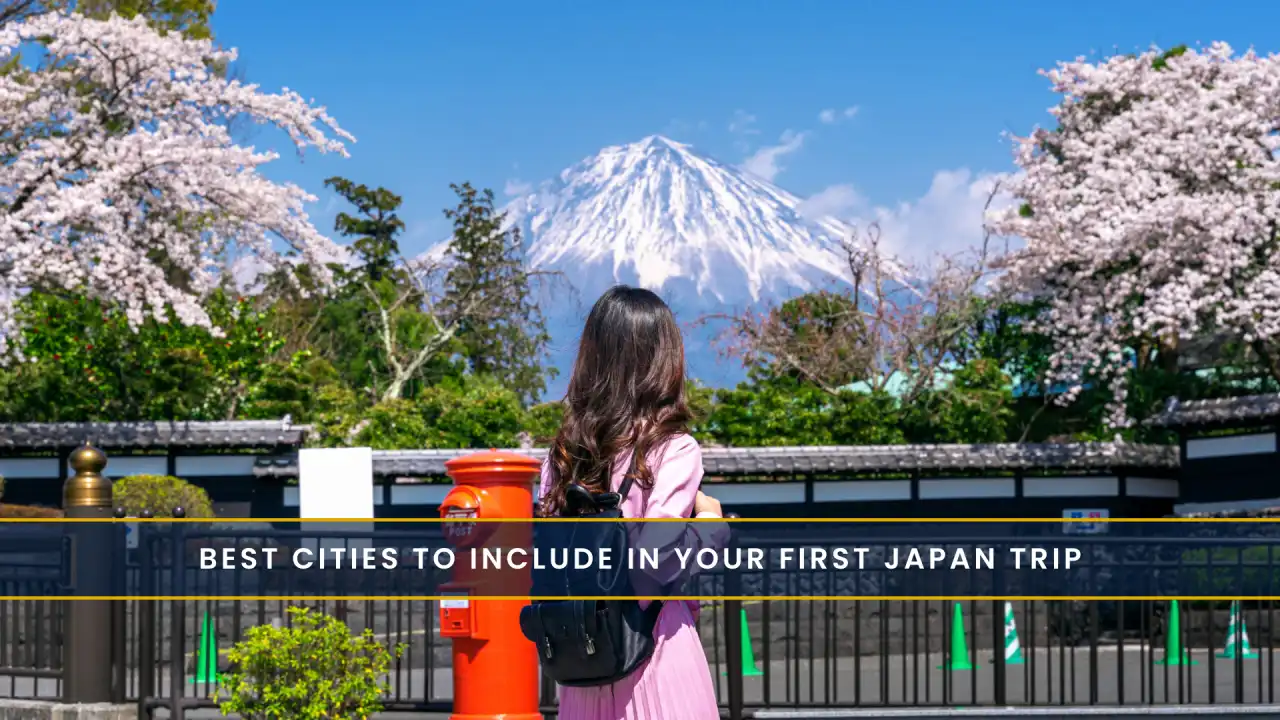
Best Cities to Include in Your First Japan Trip
Introduction
Most first trips to Japan start with excitement and end with confusion. Not panic. Just that quiet moment where you stare at a map and think, okay, this is more than I expected. Every city feels like it has its own rules. Its own tempo. Some places rush you along. Others slow you down whether you want them to or not. This guide on Best Cities to Include in Your First Japan Trip isn’t for people who want to tick boxes. It’s for travelers who want balance. Who doesn’t mind wandering without a plan for an hour? Those who eat well, get lost once or twice, and still come home feeling like the trip made sense. Japan doesn’t reward speed. It rewards attention. You don’t need to see everything. You really don’t. Just enough.
How to Think About Your First Japan Route
If it’s your first time, staying in central Japan makes life easier. Trains show up when they say they will. Signs are usually in English and Japanese. You don’t lose half your trip just moving around. Trying to cover the entire country sounds fun when you’re planning. It feels very different when you’re carrying bags through stations and checking Google Maps for the fifth time. Instead, pick places that feel different from each other but connect easily.
A simple way to think about it:
- One loud, busy city
- One historic, slower place
- One spot where things quiet down
That’s more than enough for a first visit.
Tokyo: Where Everything Hits You at Once
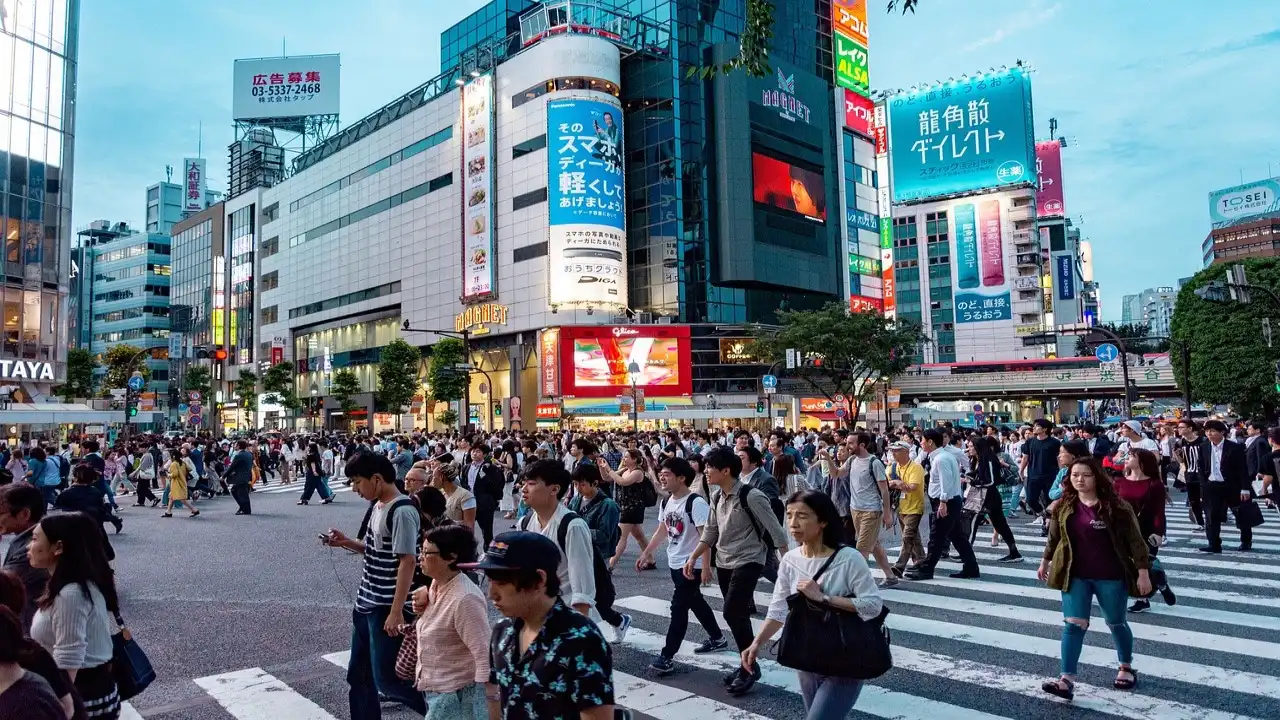
Tokyo doesn’t introduce itself politely. It just throws everything at you and somehow expects you to keep up. One minute, you’re passing a tiny shrine squeezed between buildings. Next, you’re standing in a crossing with hundreds of people moving in every direction, screens flashing, sounds everywhere. It feels chaotic. And yet, it works. Somehow. That’s why Tokyo is such a common starting point.
Why Tokyo Works Early
- Trains that actually make sense after a day or two
- Food everywhere, at every price
- Easy escapes when you need breathing room
Areas You’ll Probably Enjoy
- Shibuya for energy and crowds
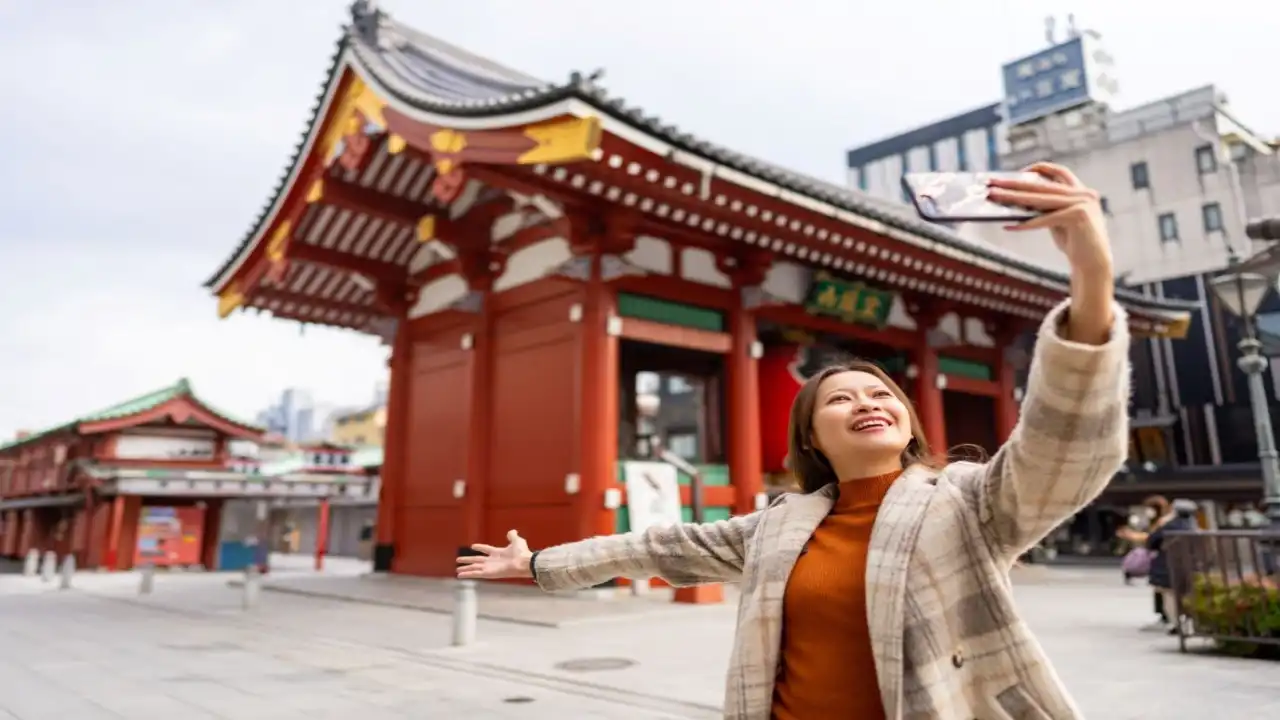
- Asakusa for something calmer
- Shinjuku for city views and late nights
- Harajuku for snacks and people-watching
Tokyo gets exhausting if you try to do too much. Don’t. Pick a couple of neighborhoods. Walk. Sit down. Watch how the city moves.
Pro tip: Tokyo isn’t meant to be conquered. Let it happen.
Kyoto: Where Things Slow Down
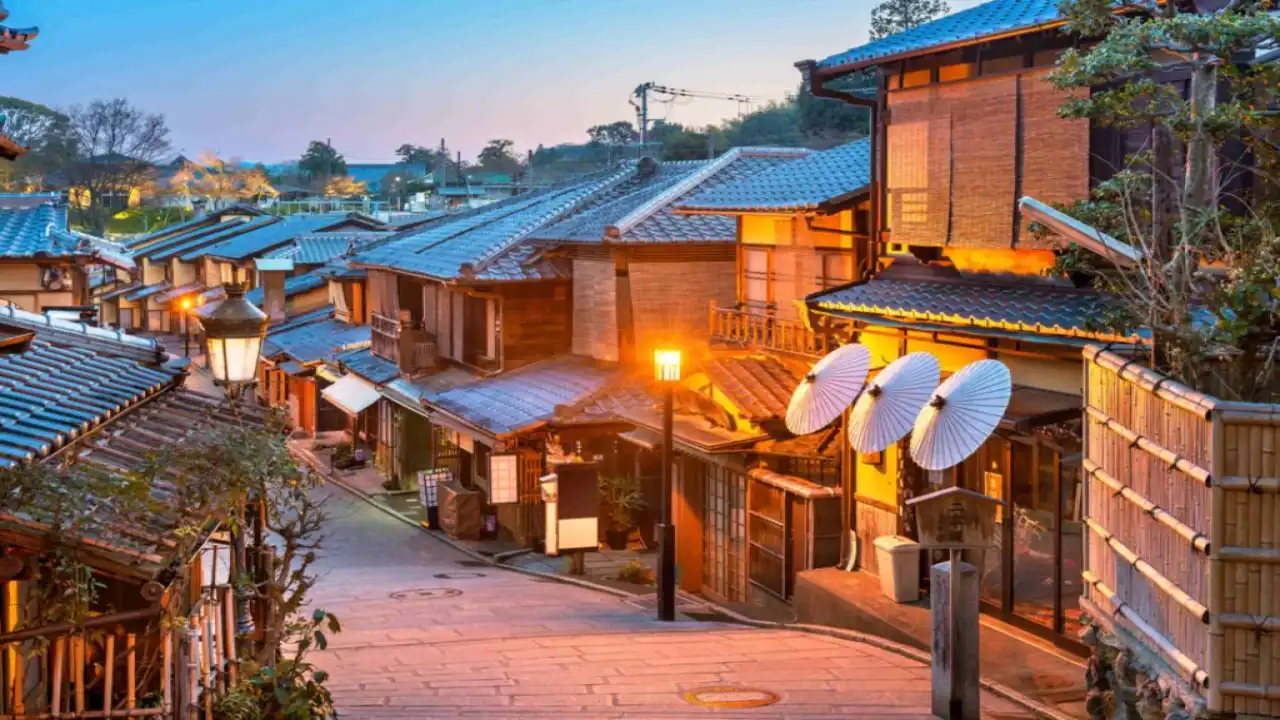
Kyoto feels quieter on purpose. After Tokyo, it’s almost surprising how calm it can be. This was Japan’s capital for centuries, and you feel it in small ways. Narrow streets. Old wooden houses. People walking without urgency. Nothing here rushes you.
Why Kyoto Belongs on a First Trip
- Temples that feel real, not staged
- Old neighborhoods that still feel lived in
- A slower pace that changes how you travel
Moments That Stick
- Fushimi Inari early, before the crowds
- Gion in the evening when things settle
- Sitting near the river in Arashiyama doing nothing
Kyoto teaches patience. Midday crowds can test it, but mornings and evenings feel calm and personal, which is why the city often appears in honeymoon trip packages.
Pro tip: If you can wake up early here, roam around. It’s a different place.
Osaka: Loud, Friendly, and Always Hungry
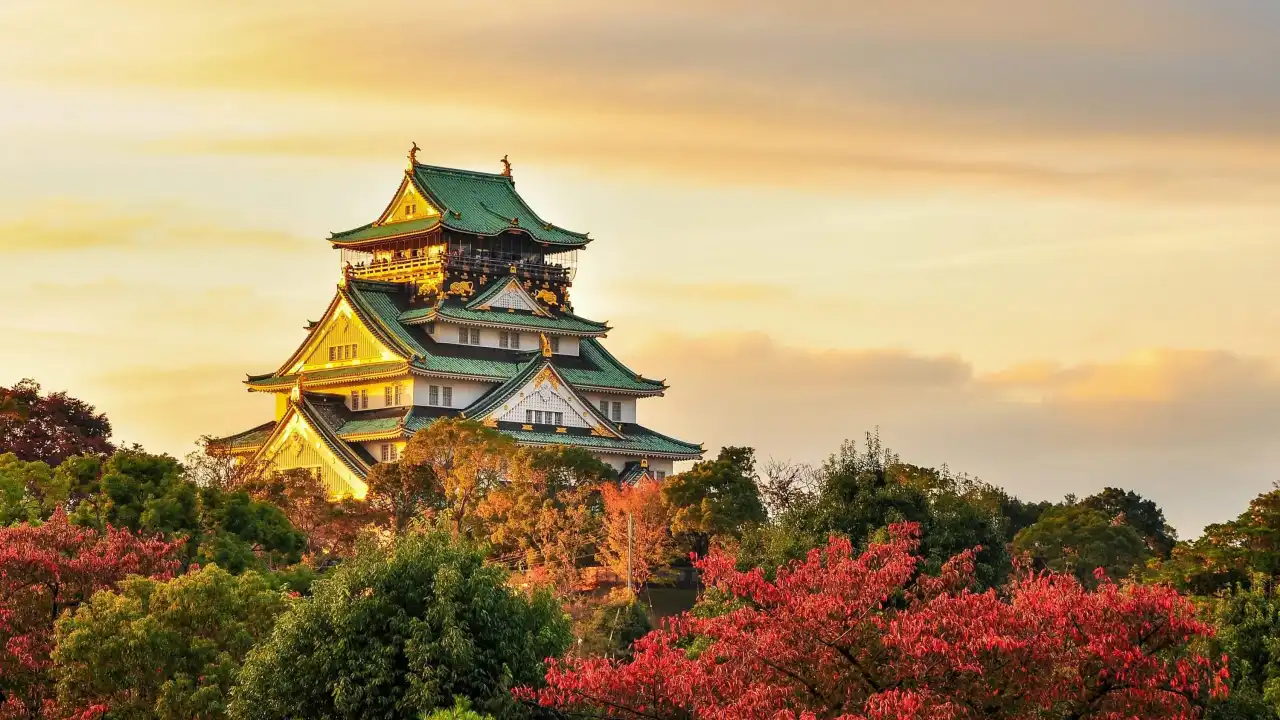
Osaka doesn’t try to impress you. It just feeds you. Constantly. Compared to Tokyo, it’s messier. Louder. More relaxed. People joke more. Streets feel alive. Food smells follow you everywhere. It’s not elegant, and that’s exactly why people love it.
Why First-Timers Like Osaka
- Street food everywhere
- A relaxed, friendly feel
- Easy trips to nearby cities
What Usually Happens Here
- You eat takoyaki you didn’t plan for
- You wander Dotonbori at night
- You see Osaka Castle, even briefly
Osaka is a great base if you’re building a first Japan trip itinerary, since Kyoto, Nara, and Kobe are all close.
Pro tip: People talk more here. Even short chats feel genuine.
Nara: Small, Calm, and Better Than Expected
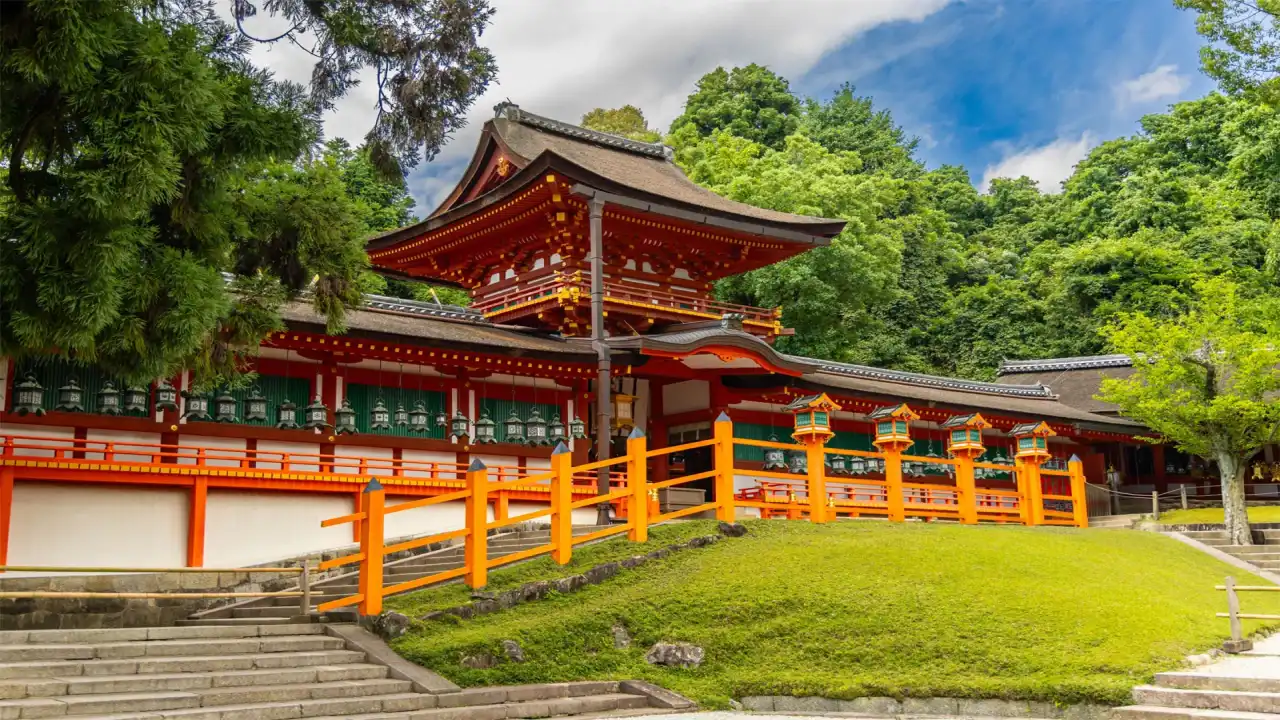
Nara doesn’t need much time. That’s part of the appeal. It’s usually a day trip. That’s fine. It still leaves a mark.
Why Nara Works
- Deer walking around like locals
- A Buddha statue that actually stops you
- Open space to slow down
Nara feels like a pause. A reminder that Japan isn’t always busy.
Pro tip: Keep food hidden unless you enjoy being followed.
Hiroshima: Quiet, Honest, and Thoughtful
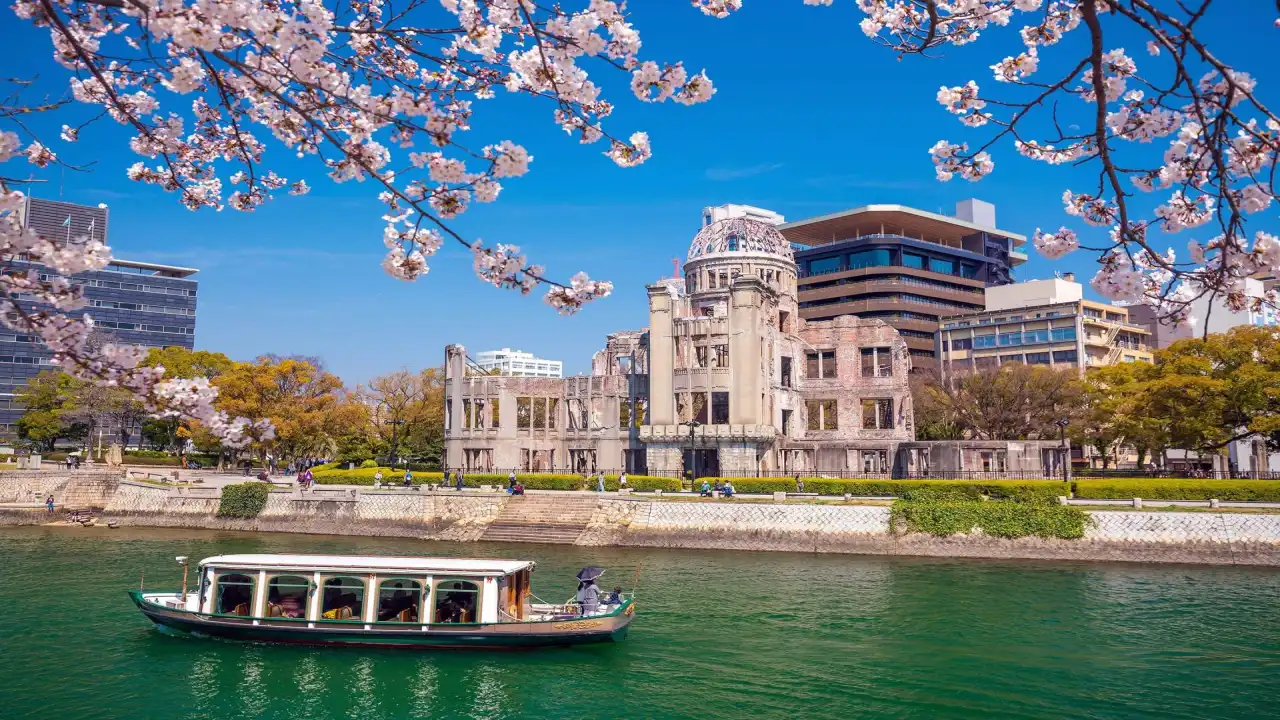
Hiroshima is often seen only through its history. That history matters, yes. But the city today feels calm, modern, and open. Visiting Hiroshima adds weight to your trip, in a good way. It makes you reflect without overwhelming you.
Places That Matter
- Peace Memorial Park
- Atomic Bomb Dome
- Hiroshima-style okonomiyaki
Many people pair Hiroshima with Miyajima Island, and the contrast feels right.
Pro tip: Stay the night if possible. It deserves time.
Hakone: When the Trip Needs a Pause
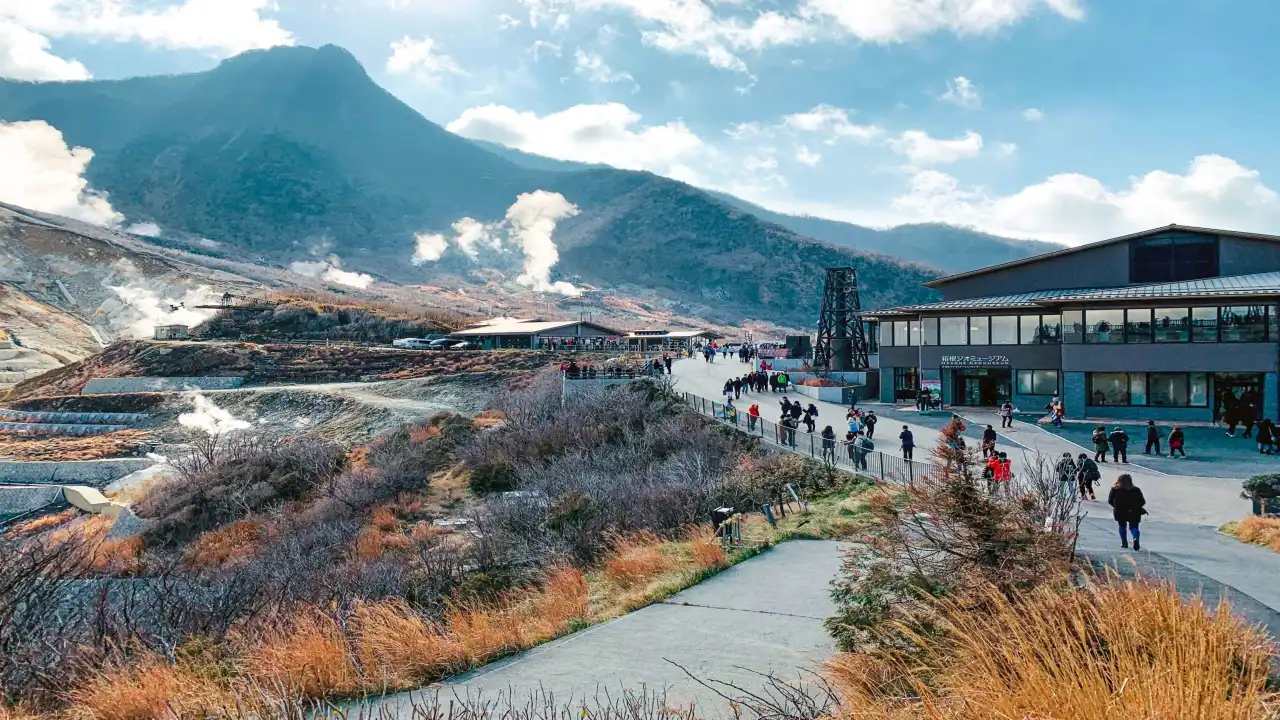
Hakone isn’t really a city. It’s more like a deep breath. After days of walking and noise, Hakone slows everything down. Mountains. Water. Quiet trains. And sometimes, if you’re lucky, Mount Fuji shows up.
Why Hakone Is Worth It
- Hot springs for tired legs
- Fresh air and lake views
- Actual silence
It fits naturally between Tokyo and Kyoto.
Pro tip: Fuji appears when it wants to. Don’t chase it.
Yokohama: Easy, Calm, and Often Missed
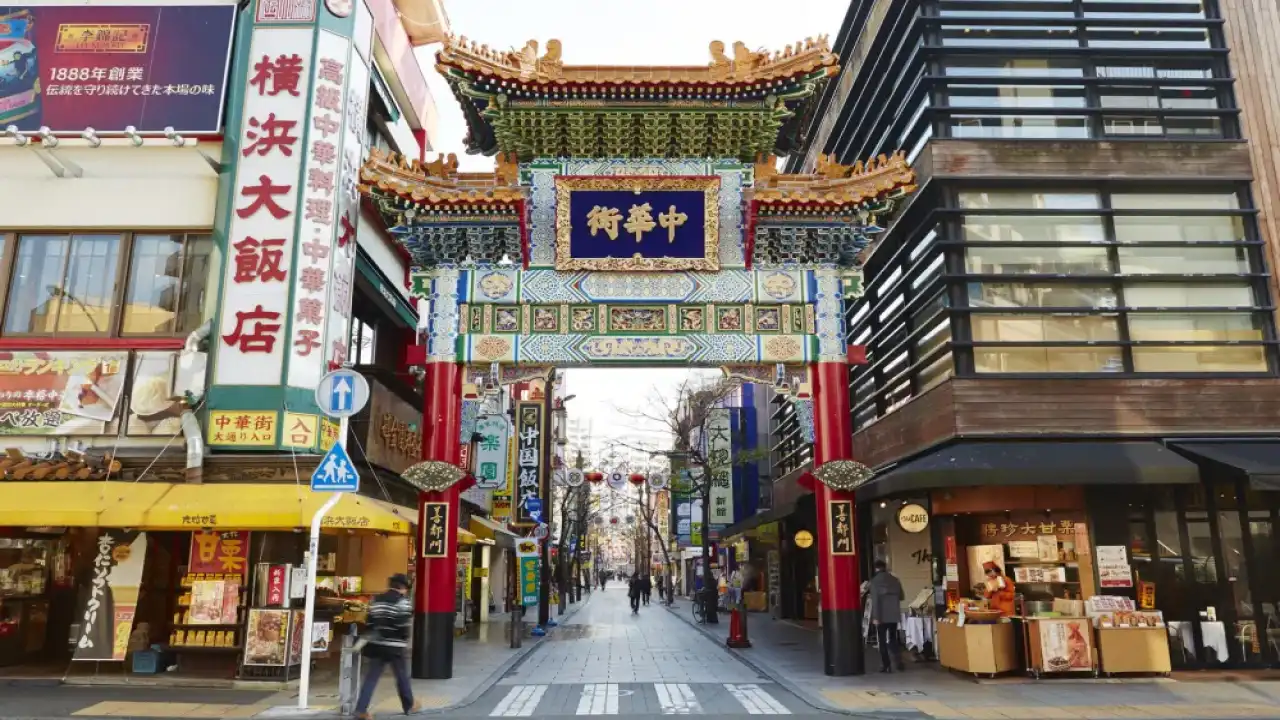
Yokohama doesn’t shout for attention. Maybe that’s why it gets skipped. It’s close to Tokyo but feels more open. Cleaner. Calmer.
What Stands Out
- Waterfront walks
- Relaxed pace
- One of the best Chinatowns in Japan
It works as a day trip, but staying overnight lets it sink in.
Pro tip: Harbor walks at night are underrated.
How Many Cities Are Enough?
For most first-time visitors, 4 to 6 cities is plenty. More than that starts to feel rushed.
A comfortable route:
- Tokyo
- Hakone
- Kyoto
- Osaka
- Nara (day trip)
- Hiroshima
This works well for smooth Japan travel planning, especially for 10–14 days.
Things You’ll Be Glad You Knew
Transport
- Get an IC card early
- Trust the trains
Food
- Picture menus help
- Convenience stores surprise you
Culture
- Watch what others do
- Follow rules even if unstated
Packing
- Comfortable shoes matter
- Luggage forwarding helps more than you think
Conclusion
Your first Japan trip doesn’t need to be perfect. It just needs to feel right. These cities give you variety without overly busy streets, quiet corners, good food, and moments where you stop and notice where you are. And once you’re back home, something strange happens. You start thinking about going again. Not right away. Quietly. Maybe it starts with photos. Maybe with browsing a Japan trip package just to “look.” That’s how Japan works. It stays with you.
Common First-Timer Mistakes
- Trying to see everything
- Planning every hour
- Skipping rest
- Ignoring smaller places
Japan works best when you leave room for surprises.