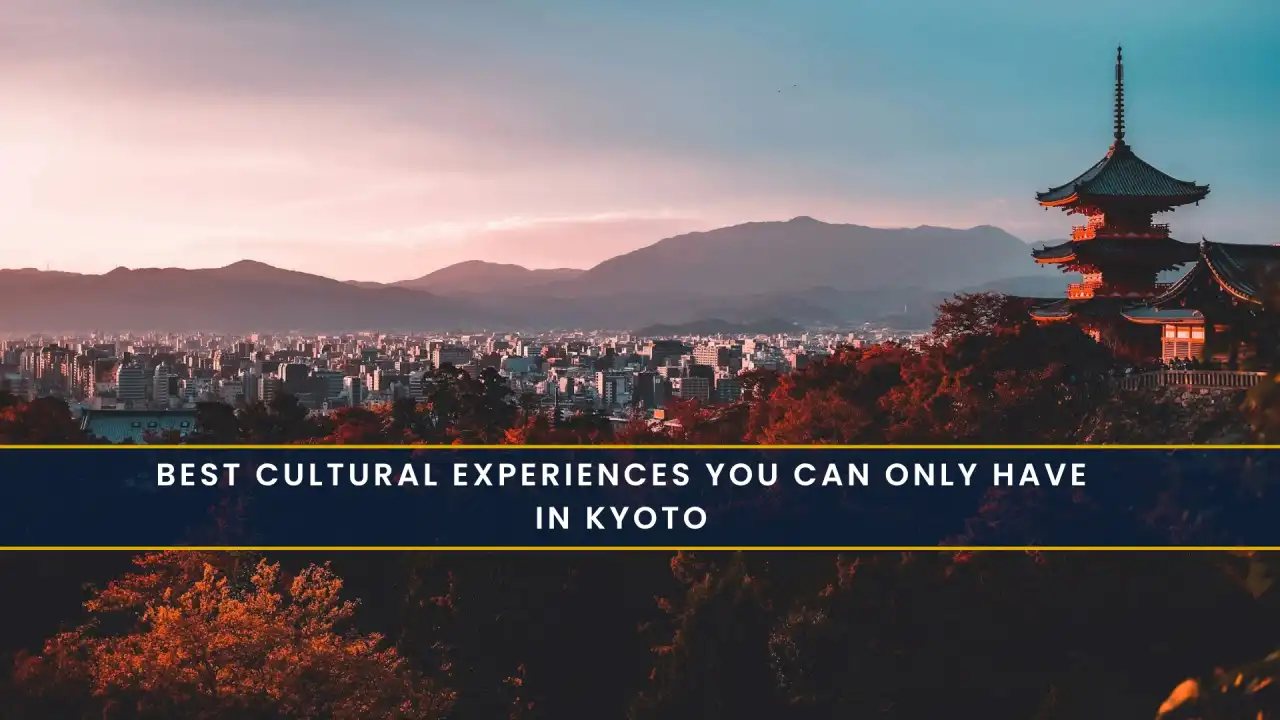
Best Cultural Experiences You Can Only Have in Kyoto
Introduction
Some cities impress you instantly. Kyoto doesn’t rush like that. It reveals itself slowly, almost quietly, through tiny moments you don’t expect to remember later. Maybe it’s the sound of wooden sandals tapping across an old stone lane at dusk. Or the smell of incense drifting out from a centuries-old temple while rain softly hits the rooftops. Maybe it’s the way a tea master folds a cloth with such care that even silence starts feeling meaningful. That’s what makes Kyoto cultural experiences different from ordinary sightseeing. They don’t feel staged. They feel lived-in. Ancient traditions still breathe here naturally, tucked between modern cafés, bamboo forests, family-run shops, and hidden shrines that locals still visit every morning.
Kyoto isn’t just somewhere you “see.” It’s somewhere you absorb slowly. And honestly, that’s rare now. Many destinations around the world preserve history behind glass. Kyoto somehow lets you walk inside it. Whether you're wandering through lantern-lit alleys, learning centuries-old rituals, or sharing a meal in a tiny traditional restaurant where nobody speaks much English but everyone smiles warmly, the city creates memories that feel deeply personal. If you're planning a Japan trip package, Kyoto is often the place that stays in people’s minds long after the journey ends.
1. Participate in a Traditional Tea Ceremony
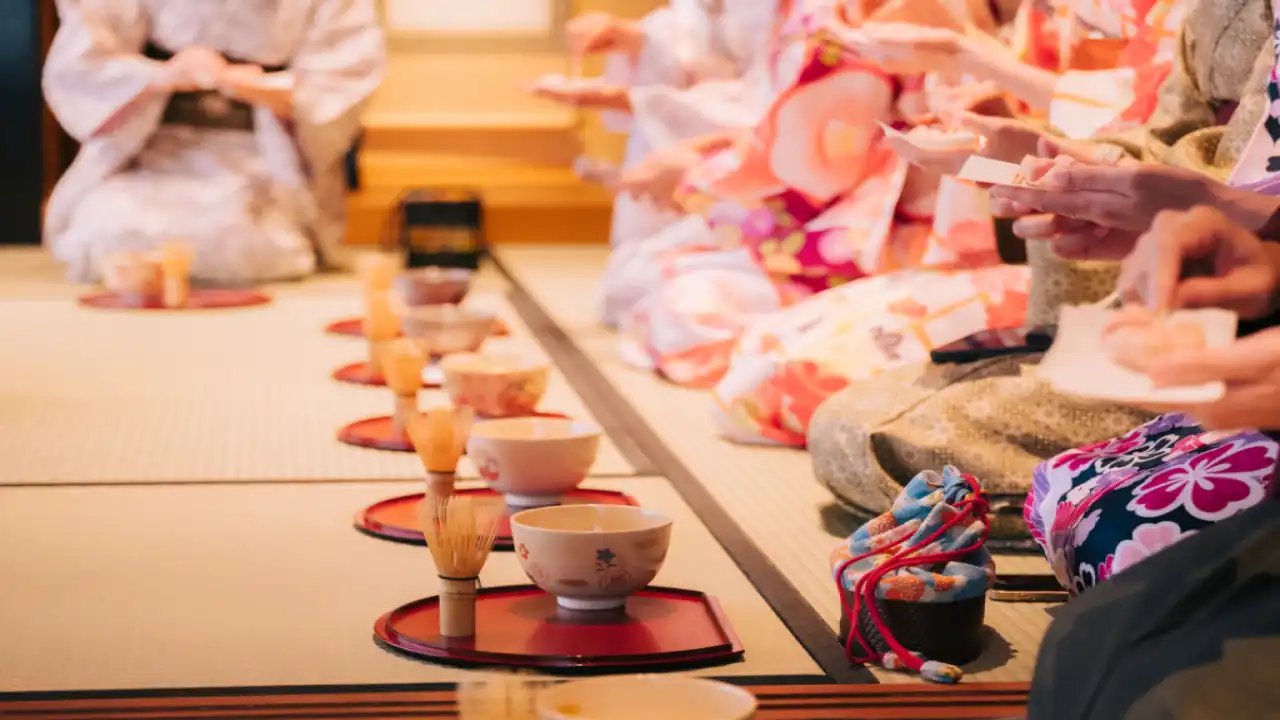
There’s drinking tea, and then there’s experiencing tea in Kyoto. The first time many travelers attend a Japanese tea ceremony, they expect something formal and educational. What surprises them is how calming and emotional it feels. You enter a quiet room. Shoes come off. Conversations soften automatically. Every movement the tea master makes feels precise without appearing robotic. The bowl is turned carefully. The tea is whisked slowly. Even the pauses matter. For a while, your brain stops racing. And in a world constantly buzzing with notifications and noise, that stillness feels strangely powerful.
Why does Kyoto feel special for this
Kyoto has deep connections to Japanese tea culture, especially areas like Gion and Uji. Some tea houses are hundreds of years old, and you can feel that history without anyone needing to explain it dramatically. Even the silence feels practiced somehow.
Pro Tips
- Wear socks without holes. Seriously. Shoes come off.
- Don’t stress about etiquette too much.
- Smaller tea houses usually feel more genuine than huge tourist venues.
2. Walk Through Gion at Night
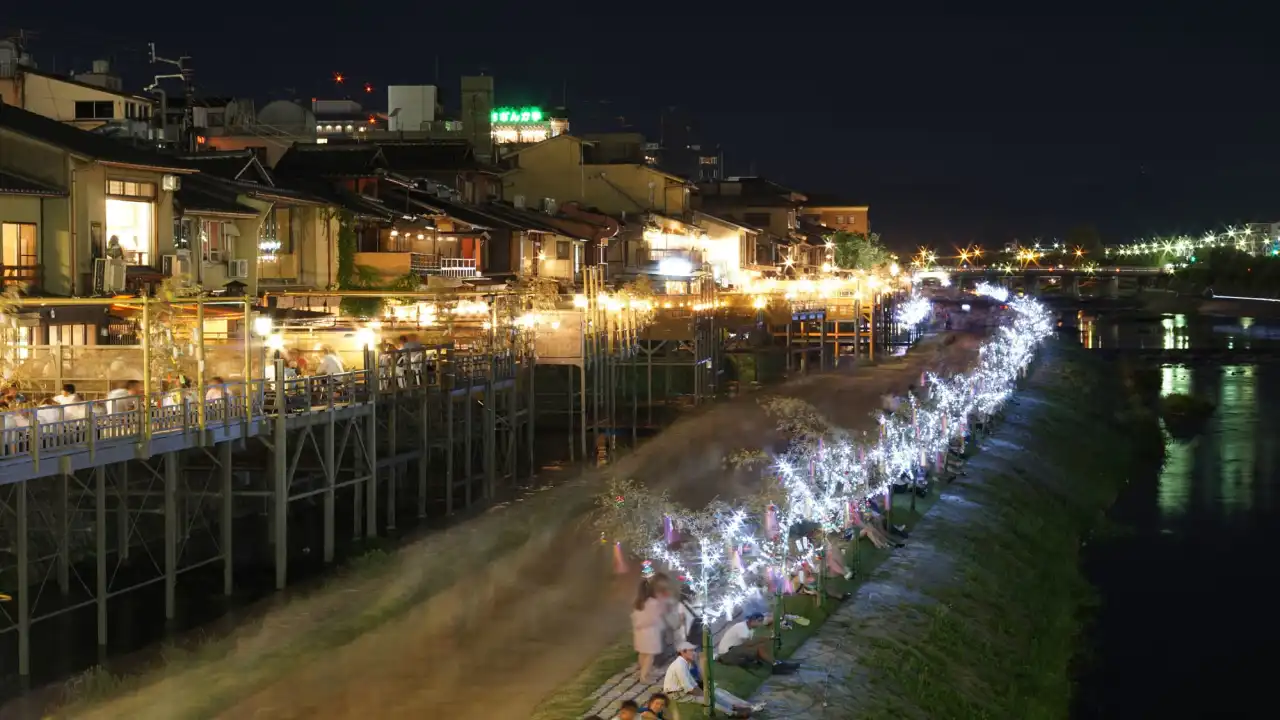
Daytime Gion is beautiful. Nighttime Gion feels like someone slowed the world down. The lanterns glow softly against old wooden buildings. Tiny alleyways disappear into darkness. Restaurant doors slide open for a second and you catch smells of grilled fish or broth before they close again. And now and then, if you’re lucky, you might spot a maiko or geiko walking quickly between appointments.
The interesting part is how normal locals react to it. Nobody makes a huge scene. Nobody runs after them. People just keep walking. That tiny bit of restraint somehow makes the whole thing feel more authentic. Kyoto is good at moments like that. Small moments. Quiet ones. The kind you don’t even photograph properly because cameras can’t really capture atmosphere.
3. Stay in a Traditional Ryokan
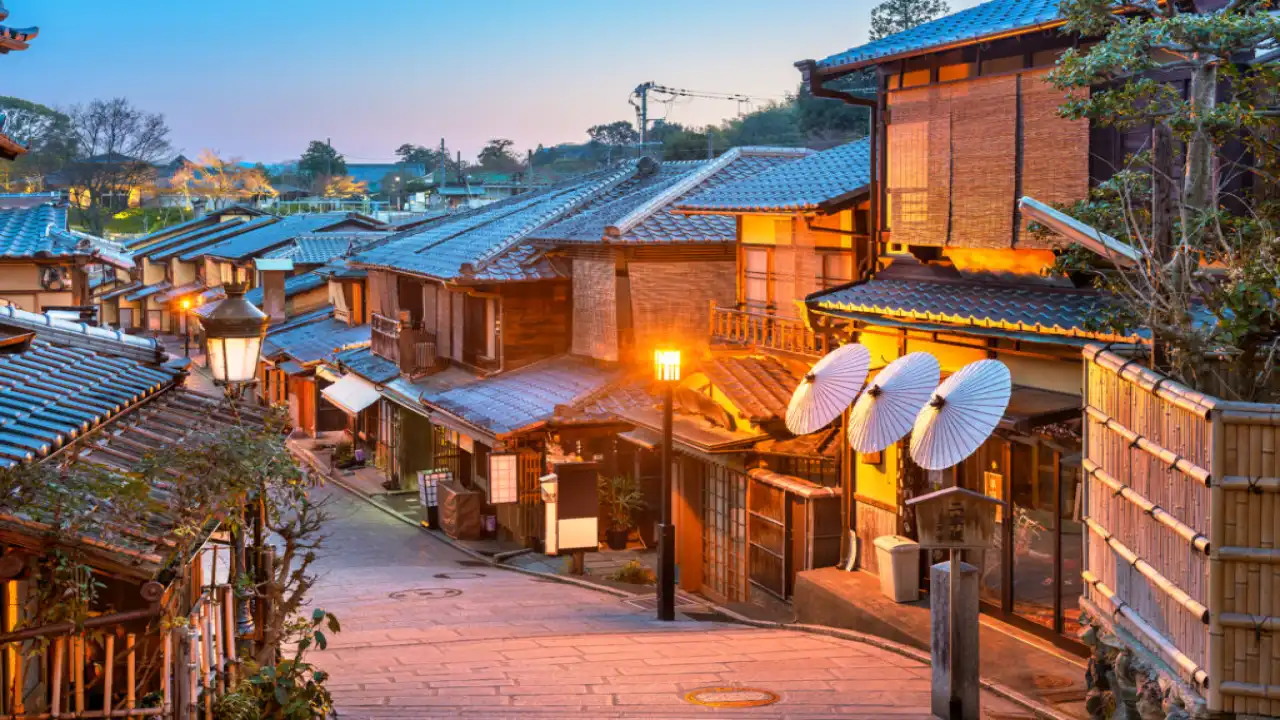
Hotels are comfortable. Ryokans feel personal. There’s a difference. The first time you stay in a traditional Japanese inn, everything feels slightly unfamiliar at first. You remove your shoes immediately. Floors smell faintly of tatami straw. Sliding paper doors soften every sound around you. Even your room feels calmer somehow.
No giant TV blasting noise. No bright hotel lighting. No chaotic feeling. And then there’s the food. Breakfast especially. Instead of grabbing coffee while half asleep, you sit down to this beautifully arranged meal with rice, soup, tea, grilled fish, and pickles. Tiny dishes everywhere. What stays with most people isn’t luxury exactly. It’s the attention to detail. Somebody folded your blanket carefully. Somebody arranged flowers in the hallway. Somebody prepared tea before you arrived. Tiny gestures. But they add up emotionally.
Why Kyoto ryokans stand out
Kyoto still has neighborhoods where traditional architecture hasn’t disappeared completely. Staying there feels less like visiting history and more like briefly living inside it.
Pro Tips
- Learn a couple of polite Japanese phrases. It matters.
- Book early during cherry blossom season.
- Try one with a small garden or onsen if possible.
4. Explore Fushimi Inari Early in the Morning
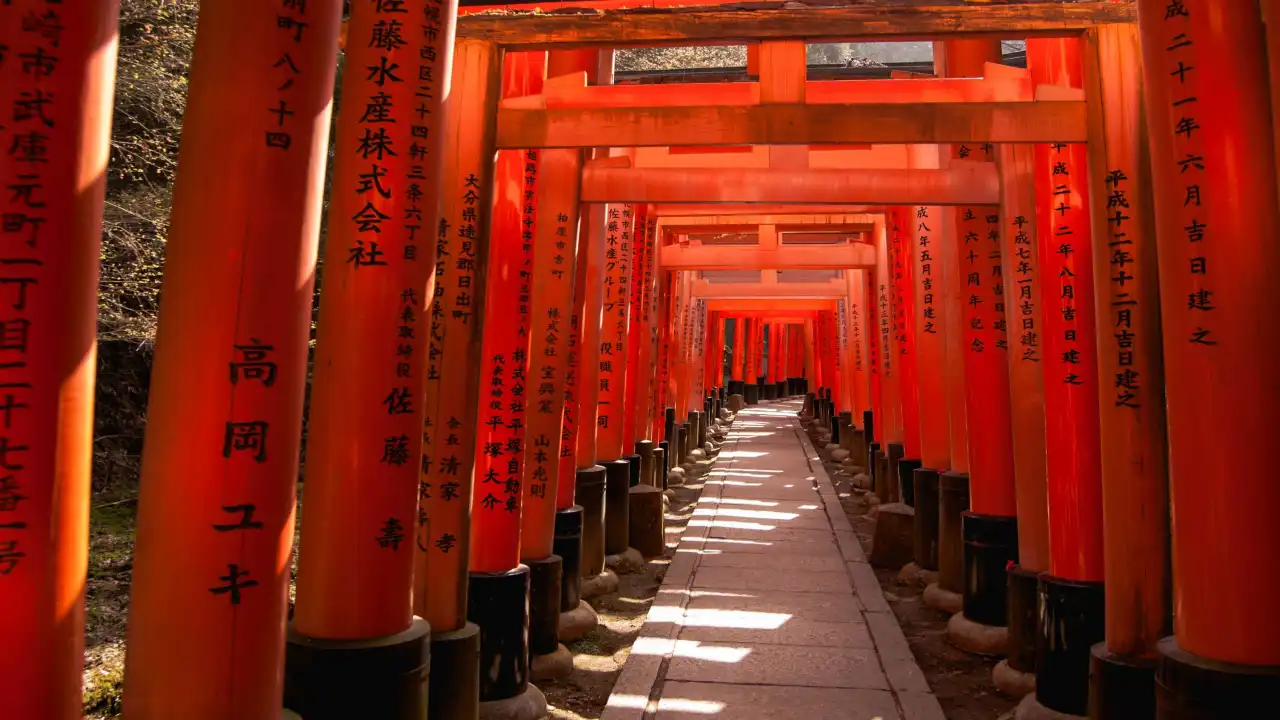
Everybody has seen the photos. Bright red torii gates. Huge crowds. Instagram poses every few feet. But here’s the thing nobody mentions enough: Go early. Fushimi Inari before sunrise feels like a different planet compared to midday. The air is colder. Birds echo through the forest. The mountain paths stay mostly quiet except for footsteps and distant rustling trees. You start walking through gate after gate after gate, and after a while, your brain sort of drifts off into autopilot. Not in a boring way. More meditative. Honestly, that peaceful feeling stayed with me the entire day afterward.
Pro Tip
Bring water and wear decent shoes. The hike is longer than many people expect.
5. Learn Japanese Calligraphy
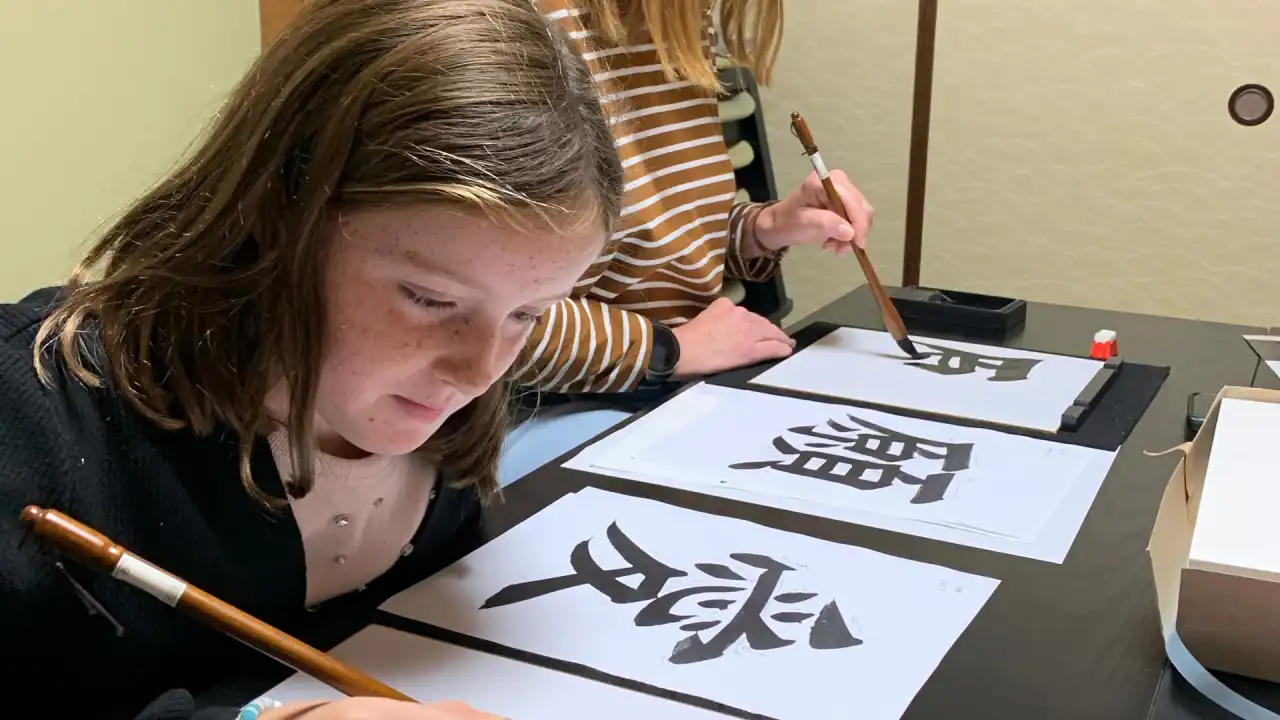
Modern life ruins handwriting a little. Everything becomes typing. Swiping. Tapping. Then you try Japanese calligraphy, and suddenly your hands feel clumsy again. In Kyoto, many small studios offer beginner workshops for shodō, the traditional art of calligraphy. It looks easy while watching the instructor. Then the brush touches paper.
And suddenly every tiny movement matters. Too fast? Ink spreads weirdly. Too slow? Lines look shaky. You can actually feel your concentration changing while doing it. Breathing slower. Paying attention differently. And unlike random souvenirs you buy and forget later, this becomes something personal you actually made yourself.
6. Visit Nishiki Market Instead of Fancy Restaurants
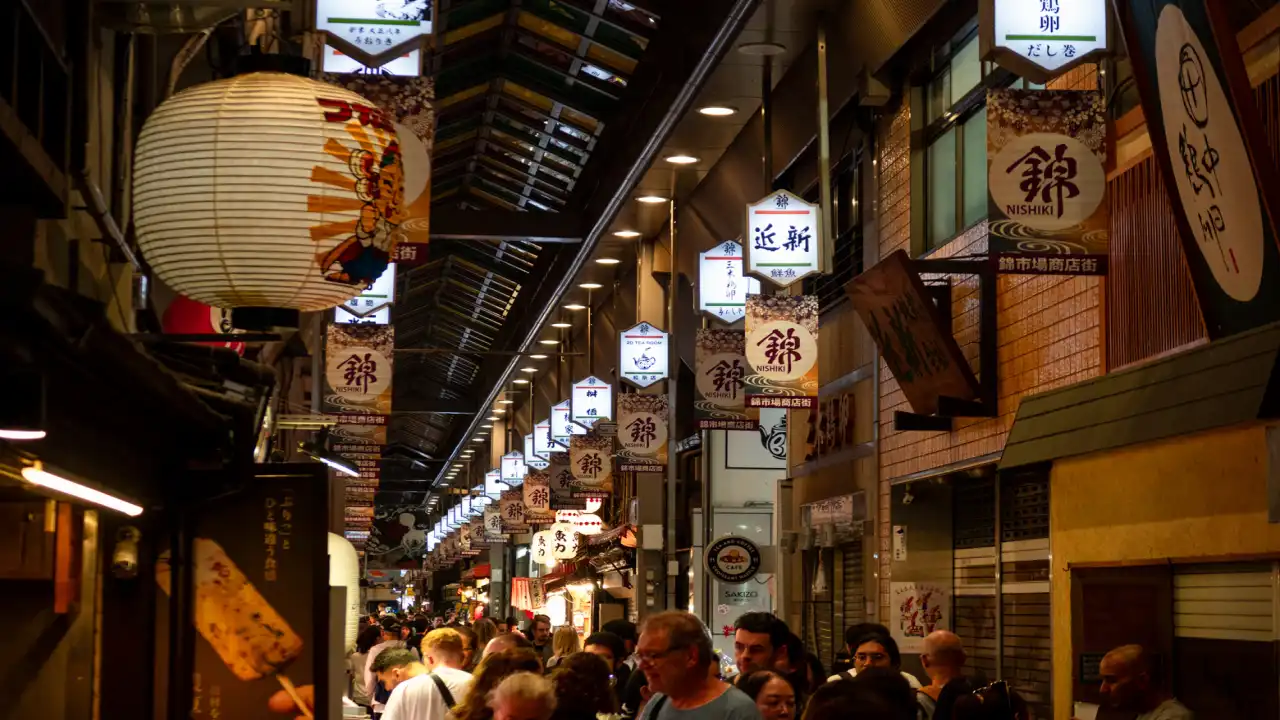
Some cities reveal themselves best through museums. Kyoto sometimes reveals itself through snacks. Nishiki Market is chaotic in the best possible way. Tiny stalls squeezed together selling grilled seafood, tea, pickles, sweets, knives, skewers, tofu, rice crackers, honestly, half the time you don’t even know what you’re looking at. That’s part of the fun.
You wander. You point at things. You accidentally buy something amazing or sometimes something deeply confusing. But that unpredictability makes markets memorable. And unlike expensive restaurants where everything feels curated carefully, markets feel alive. Messier. More real. If you’re looking for genuine things to do in Kyoto, wandering through Nishiki while randomly eating things is honestly one of the best ways to spend an afternoon.
Foods worth trying
- Matcha sweets
- Fresh tofu
- Tamagoyaki
- Rice crackers
- Kyoto pickles
Pro Tip
Don’t eat a huge breakfast beforehand. You’ll regret it later.
7. Experience a Temple Stay
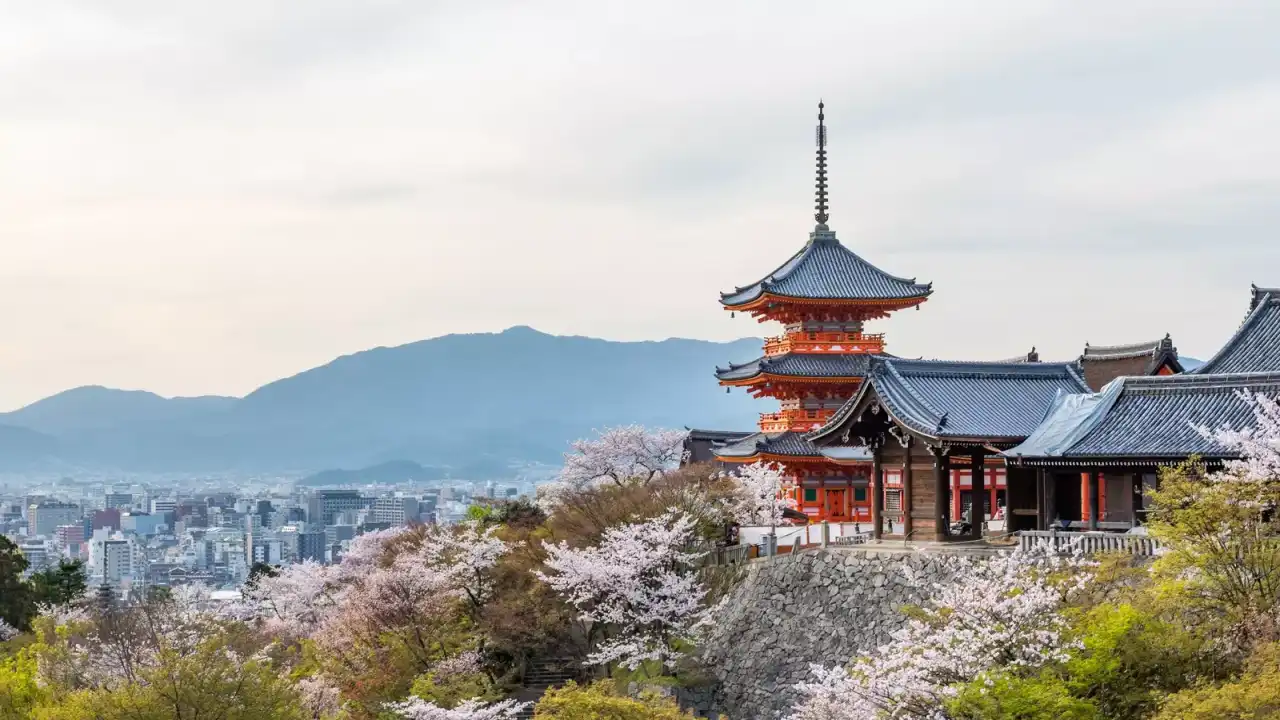
Most people visit temples for an hour and leave. A temple stay changes that completely. Known as shukubō, these experiences let travelers spend the night inside temple grounds. The accommodations are usually simple. Sometimes very simple. You wake up early to the sound of chanting drifting through wooden hallways. Breakfast is vegetarian and quiet. People speak softly without needing signs telling them to.
There’s not much entertainment. No loud distractions. No endless notifications. Just routines. And after a while, your nervous system kind of settles down without you realizing it. Not every traveler connects spiritually with temple stays, obviously. Some people just appreciate the peace and sleep really well for once. Honestly, either outcome feels valuable.
8. Wear a Kimono While Exploring Kyoto
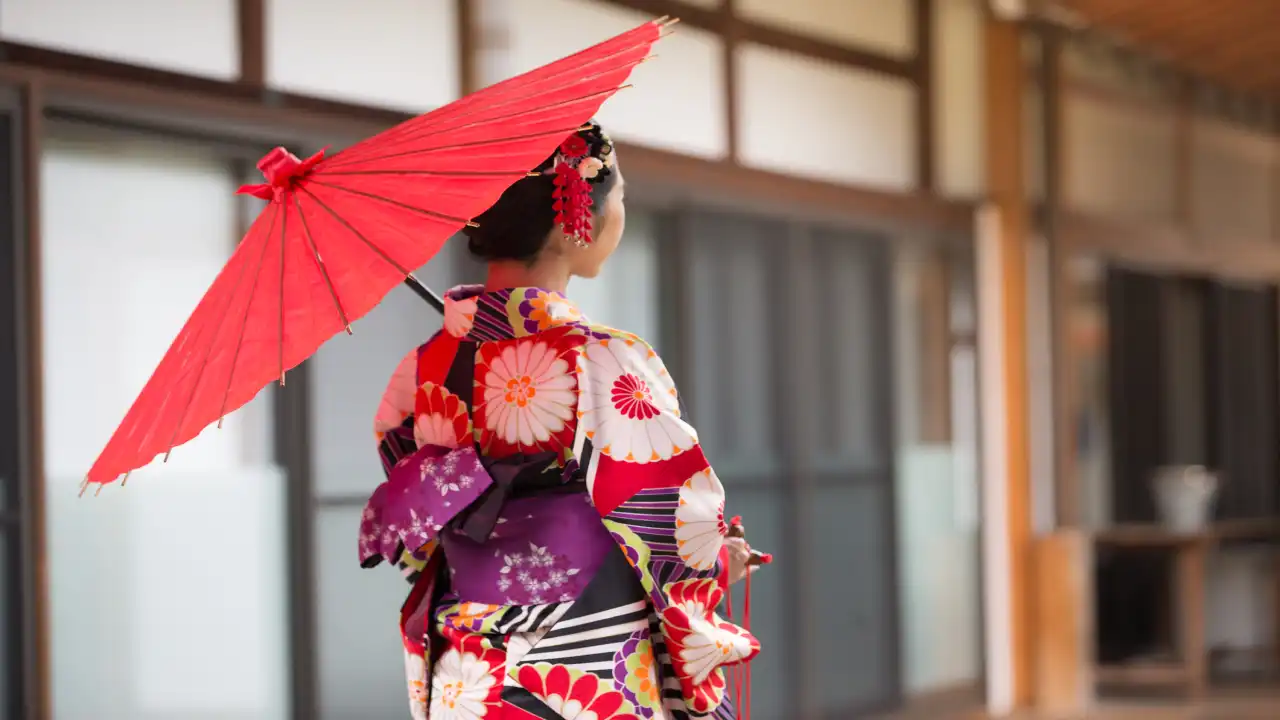
The old streets, temples, tea houses, wooden buildings, everything fits together naturally enough that wearing a kimono doesn’t feel completely performative. It also changes how you move. You walk more slowly automatically. You sit differently. You notice architecture more carefully. Maybe because the clothing itself forces you to become more aware of posture and movement.
The best part isn’t taking photos, honestly. It’s wandering through quiet streets in the early evening while hearing the fabric move softly as you walk. Tiny sensory details like that stick in your memory strangely well. That’s probably why these traditional experiences in Japan feel meaningful for a lot of visitors.
Best places for kimono walks
- Gion
- Higashiyama
- Arashiyama
- Sannenzaka streets
9. Watch Kyoto Change With the Seasons
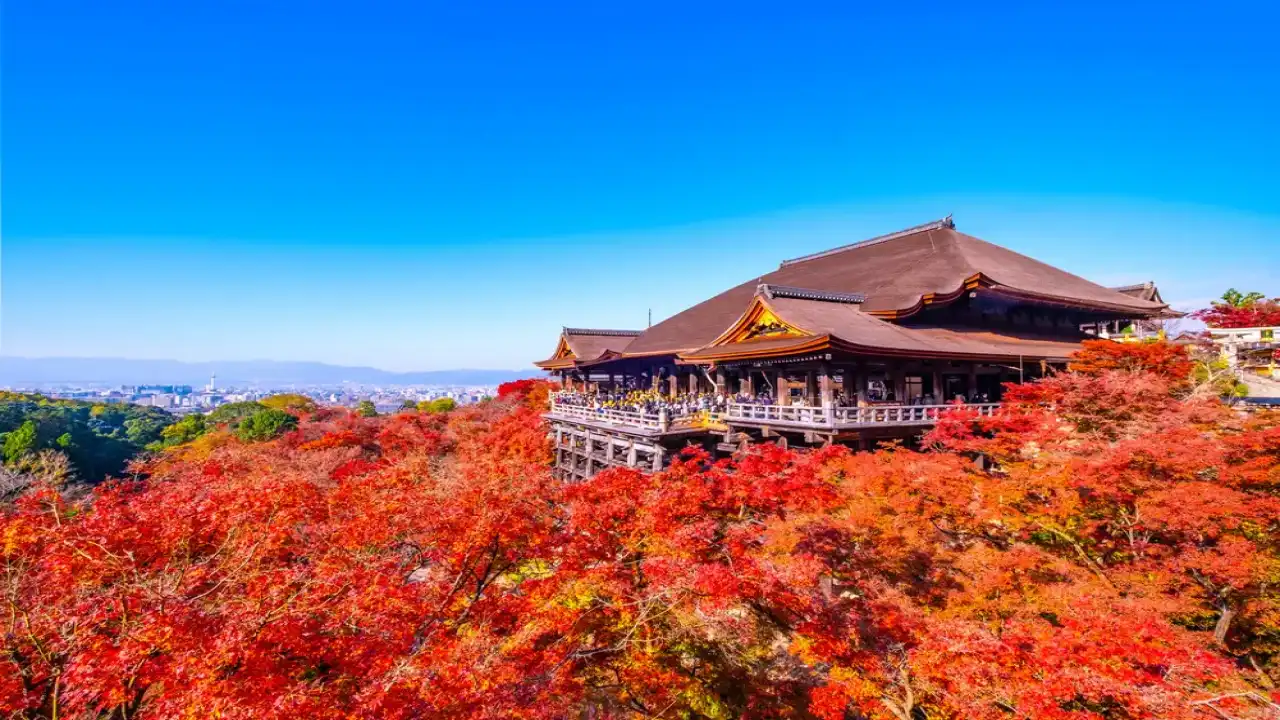
Kyoto doesn’t look the same twice. That’s part of its charm. Spring covers temple gardens in cherry blossoms that drift through the air like pink snow for a few days before disappearing again. Summer feels heavier. Warmer. Lantern festivals glow at night while people eat near rivers to escape the heat. Then autumn arrives and suddenly, entire hillsides turn deep red and gold.
Honestly, Kyoto in autumn almost looks fake sometimes. And winter? Quiet. Cold. Beautiful in a softer way. Snow settles over shrines and rooftops while steam rises from bowls of ramen in tiny restaurants. The interesting thing is how much locals care about seasonal change here. Food menus shift constantly. Decorations change. Even sweets and tea flavors reflect the time of year. Nature doesn’t feel separated from daily life in Kyoto. It feels woven into everything.
10. Join a Local Craft Workshop
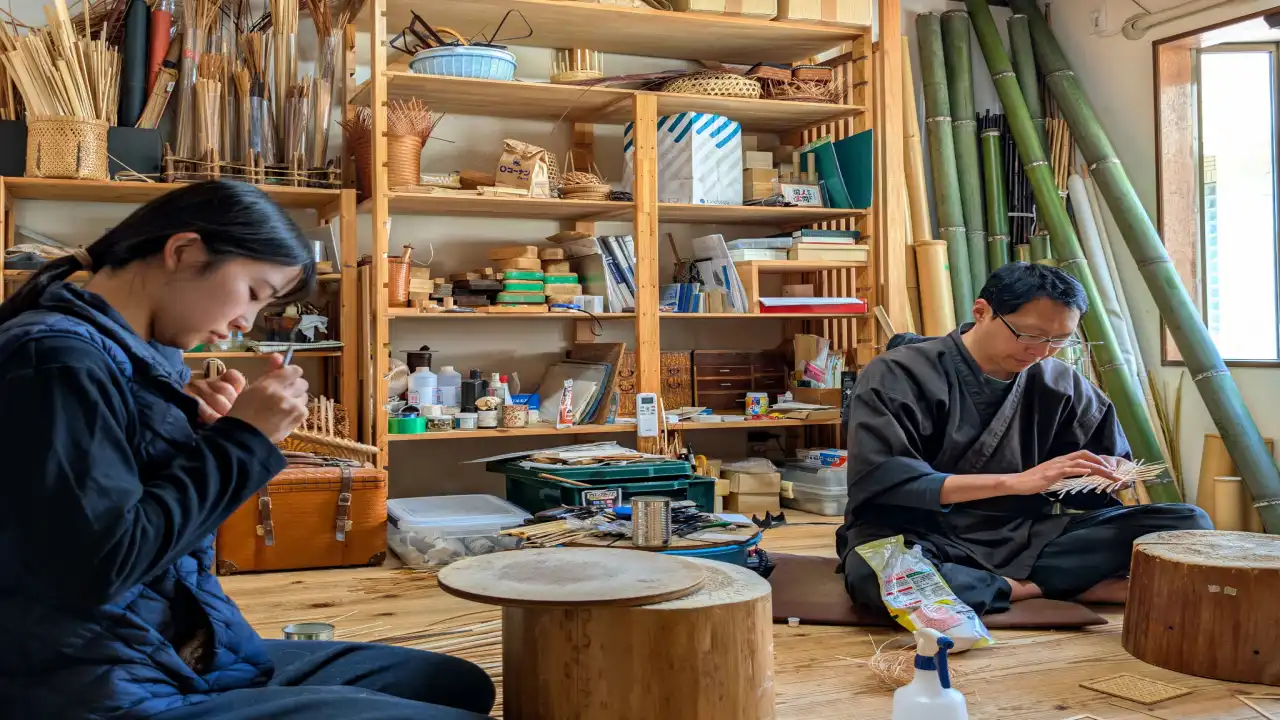
Kyoto still takes craftsmanship seriously. You can feel it when watching artisans work. Pottery makers shape clay carefully by hand. Fan painters add tiny details with unbelievable patience. Incense makers blend scents slowly while explaining traditions older than most countries. The fascinating part is realizing how much time goes into objects we normally barely think about. A handmade bowl suddenly feels different after watching somebody spend hours shaping it. And honestly, your own attempts probably won’t turn out perfect. Mine definitely didn’t. But there’s something oddly satisfying about carrying home an imperfect object you made yourself instead of another generic souvenir from an airport shop. Those pieces usually end up meaning more later.
Why Kyoto Feels So Different
Kyoto stays quieter than expected. And somehow that quietness becomes the thing you remember most. Not giant attractions. Not dramatic moments. Just small details returning to your memory randomly months later. The sound of temple bells in cold air. Warm tea after rain. Bamboo moving softly in the wind. An old shopkeeper bows goodbye. Tiny things. But sometimes tiny things hit harder than huge experiences. That’s probably why Kyoto affects people differently than they expect before arriving. For travelers exploring International Packages, Kyoto often becomes less of a vacation stop and more of a feeling they keep thinking about long after getting home.
Conclusion
Kyoto doesn’t chase attention. That’s exactly why people fall in love with it. The city rewards patience. Curiosity. Slowing down enough to actually notice where you are instead of racing toward the next attraction. And honestly, maybe that’s what makes it memorable now because modern travel can feel noisy sometimes. Optimized. Over-planned. Kyoto still leaves room for quiet moments. The kind that don’t seem important while they’re happening. Until suddenly, much later, you realize those were the moments you carried home with you the whole time.