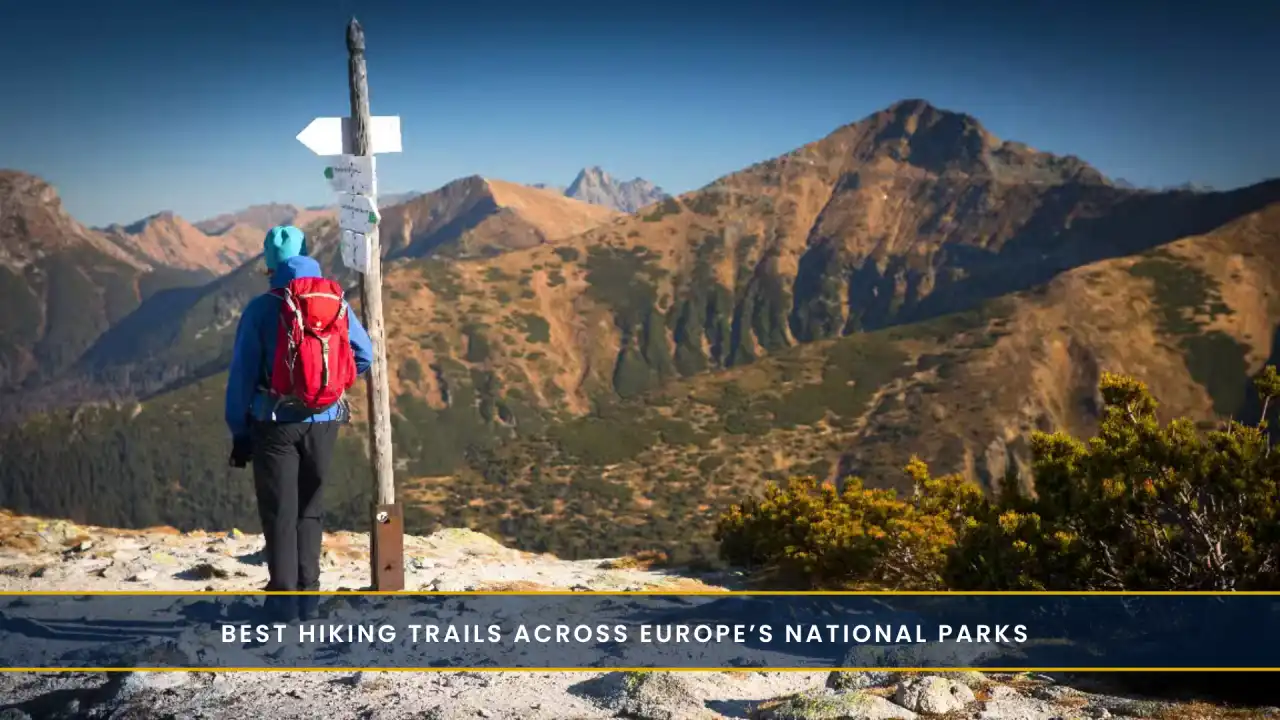
Best Hiking Trails Across Europe’s National Parks
Introduction
There’s a moment that comes after you’ve been walking for a while. Not immediately. It takes time. Your breathing settles on its own, your shoulders loosen, and your thoughts stop racing. All that’s left is gravel under your shoes, wind moving past, maybe a bird you hear but never see. That quiet pause is what draws people to hiking in Europe. It’s not just about views or photos. It’s the mental space it opens up, often without you noticing right away. Europe’s national parks aren’t chaotic or untamed. They’re protected and well cared for, with marked trails and clear rules. Still, they’re far from dull. You’ll walk through mountains, forests, cliffs, and open meadows where time feels slower. Some paths test you. Others simply let you keep moving. Most offer a mix of both.
Why Europe’s National Parks Are Ideal for Hiking
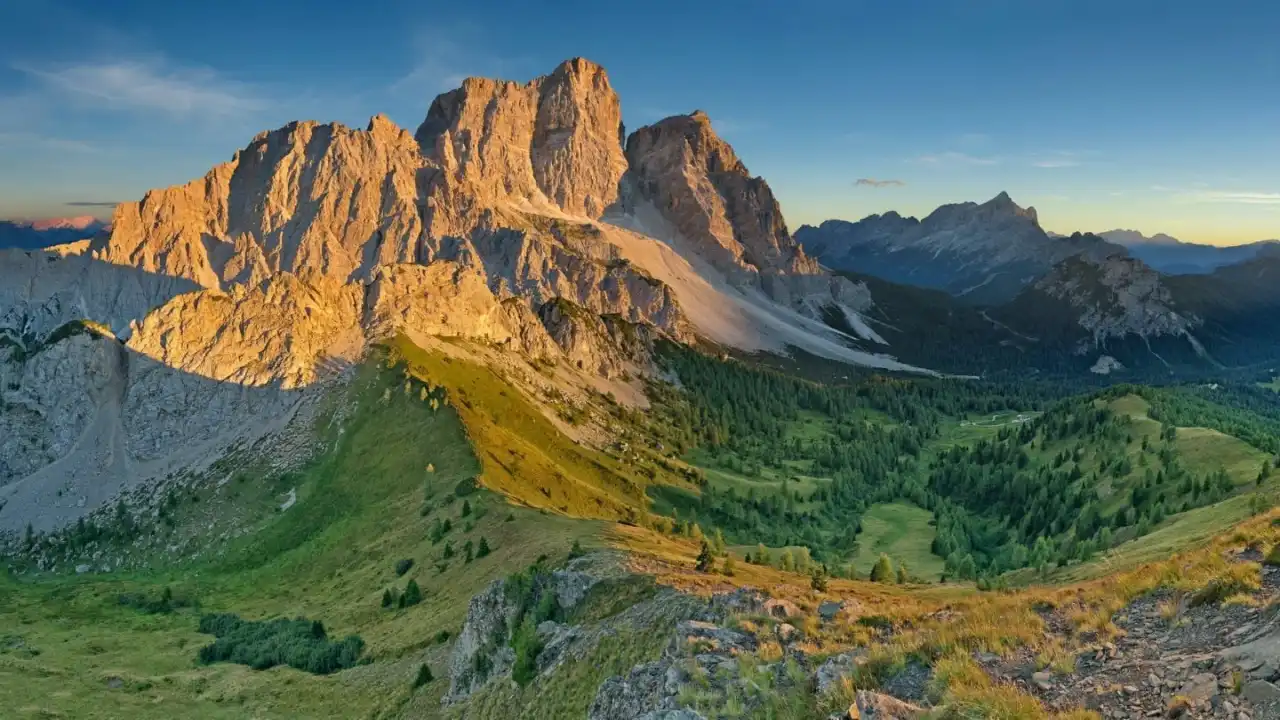
Hiking here feels different compared to many other parts of the world. You’re rarely far from a village, a shelter, or at least a sign that tells you where you are. That mix of real nature, but with support nearby, makes a difference. It’s safer, yes. But it’s also more relaxed. You don’t feel like one wrong turn ruins the whole day.
A few things that stand out across Europe’s national parks:
- Trails are generally well-maintained and easy to follow
- Conservation rules are taken seriously
- Local culture often sits right next to the trail
- Routes exist for beginners, families, and experienced hikers
You don’t have to be hardcore to enjoy these places. Many hikes let you stop often, take long breaks, and still feel like the day counted for something.
1. Gran Paradiso National Park, Italy
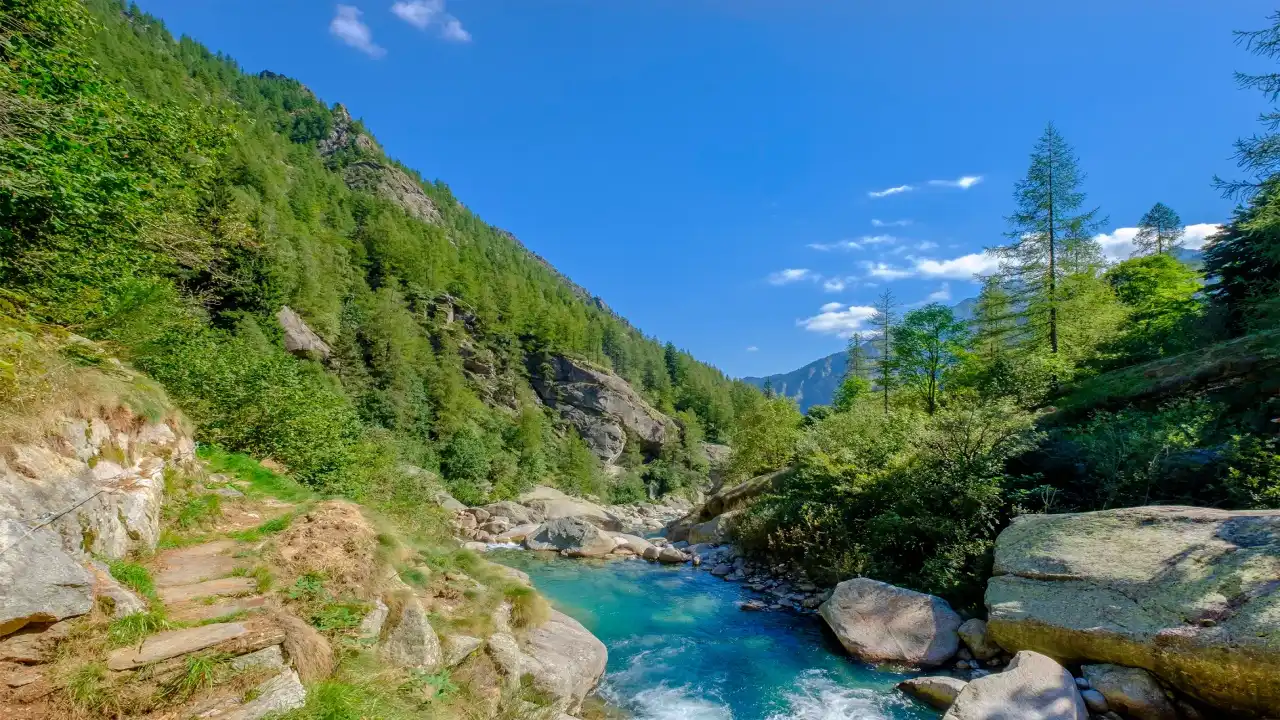
Gran Paradiso is Italy’s oldest national park, and somehow it feels comfortable in its age. The mountains don’t try to impress. They’re just there. Solid. Calm. Ibex often stand on rocky ledges, completely unbothered, watching hikers go by like they’ve seen this routine for decades. Which they probably have.
Best Trail: Rifugio Vittorio Emanuele II Trail
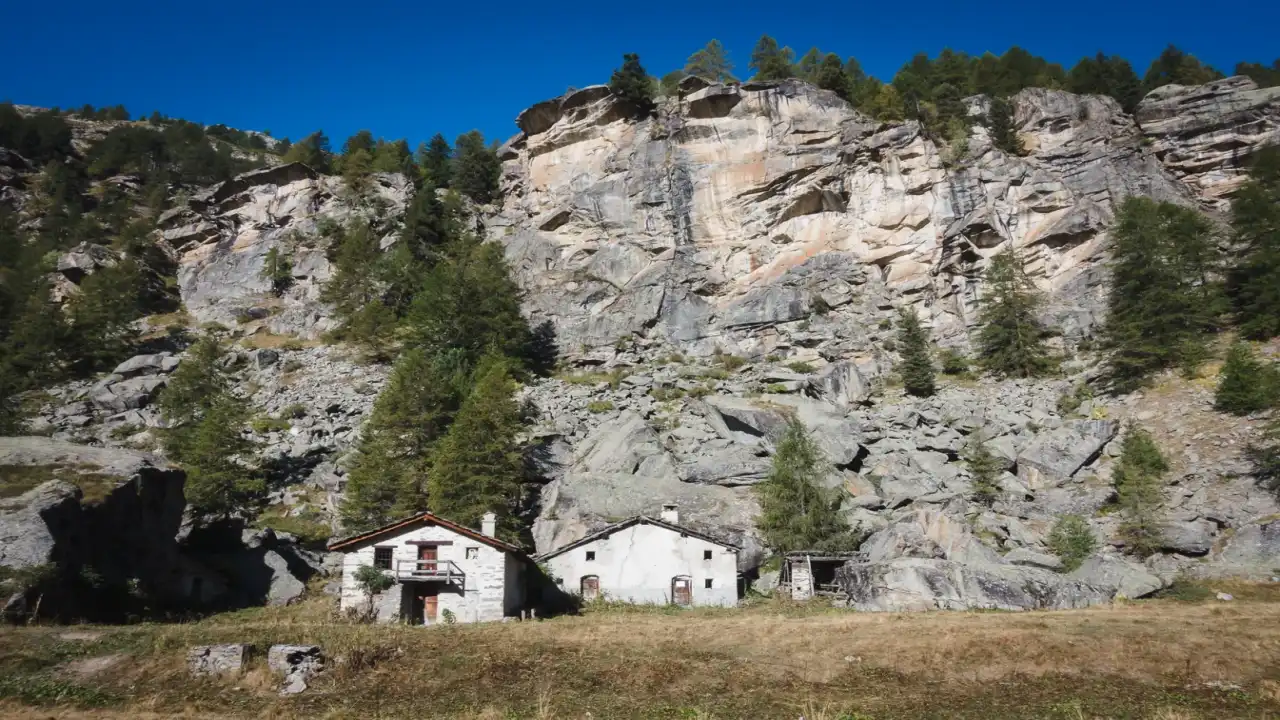
This trail gets busy, especially in season. But once you’re on it, you understand why.
What the walk feels like:
- A steady climb, nothing sudden
- Wide paths with stone underfoot
- Glaciers appear in the distance without warning
Who it suits:
Fit beginners or intermediate hikers who want mountain views without technical difficulty.
Pro Tip:
Start early. Not just for crowds. Morning light makes everything look sharper and cleaner up here.
2. Saxon Switzerland National Park, Germany
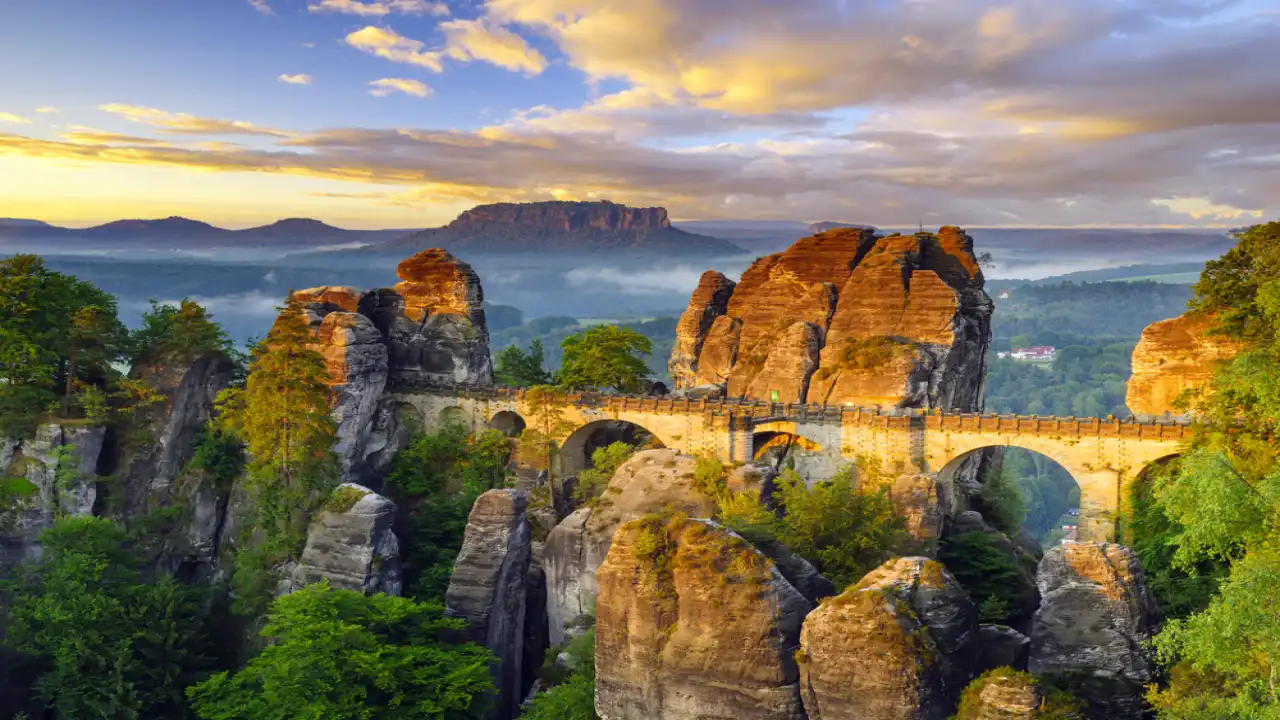
The name is misleading. This park isn’t Swiss at all. What it is, though, feels unusual. Sandstone towers rise out of forests. Paths twist through narrow gorges. Sometimes it feels like the landscape was designed by accident and never corrected.
Best Trail: Malerweg (Painter’s Way)
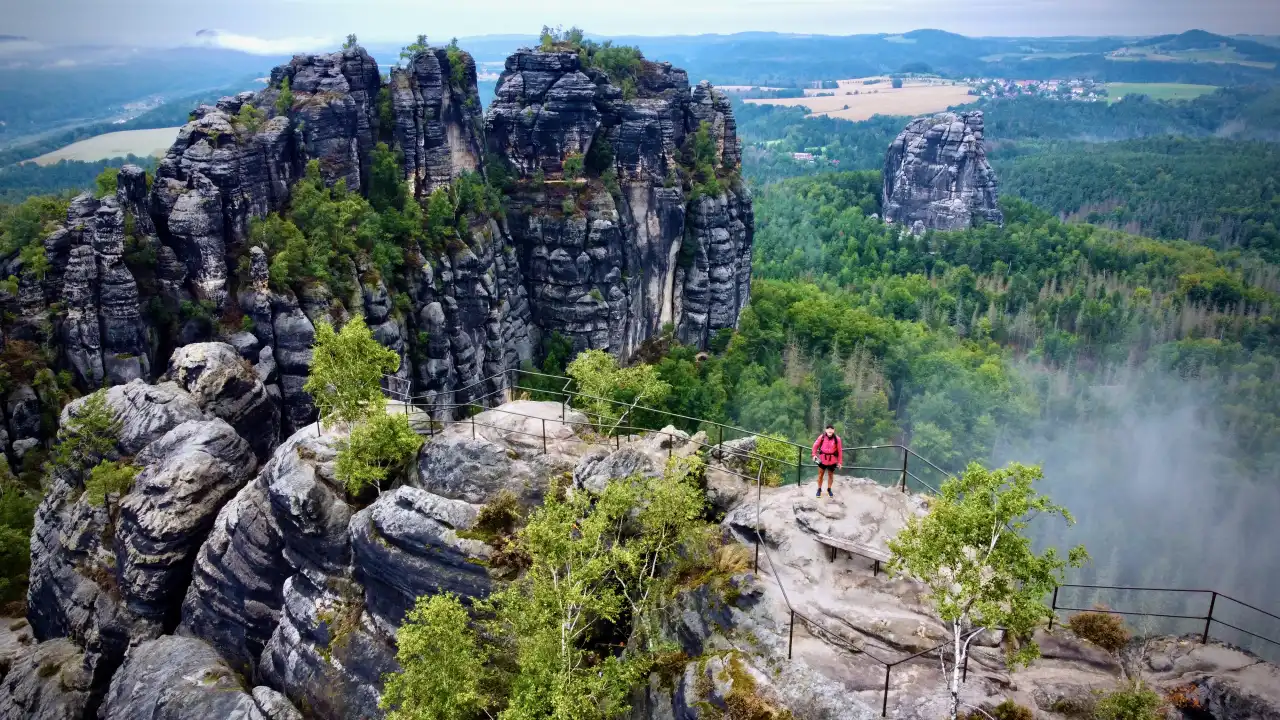
Artists once came here to find ideas. Walking it now, that makes sense.
Why it works:
- Terrain changes constantly
- Stone steps appear where you least expect them
- Views arrive suddenly, without buildup
One minute you’re deep in trees. Next, you’re standing on a cliff, staring out for miles.
Pro Tip:
If your hands are sensitive, bring gloves. Some railings and steps are rough, carved straight into stone.
3. Triglav National Park, Slovenia
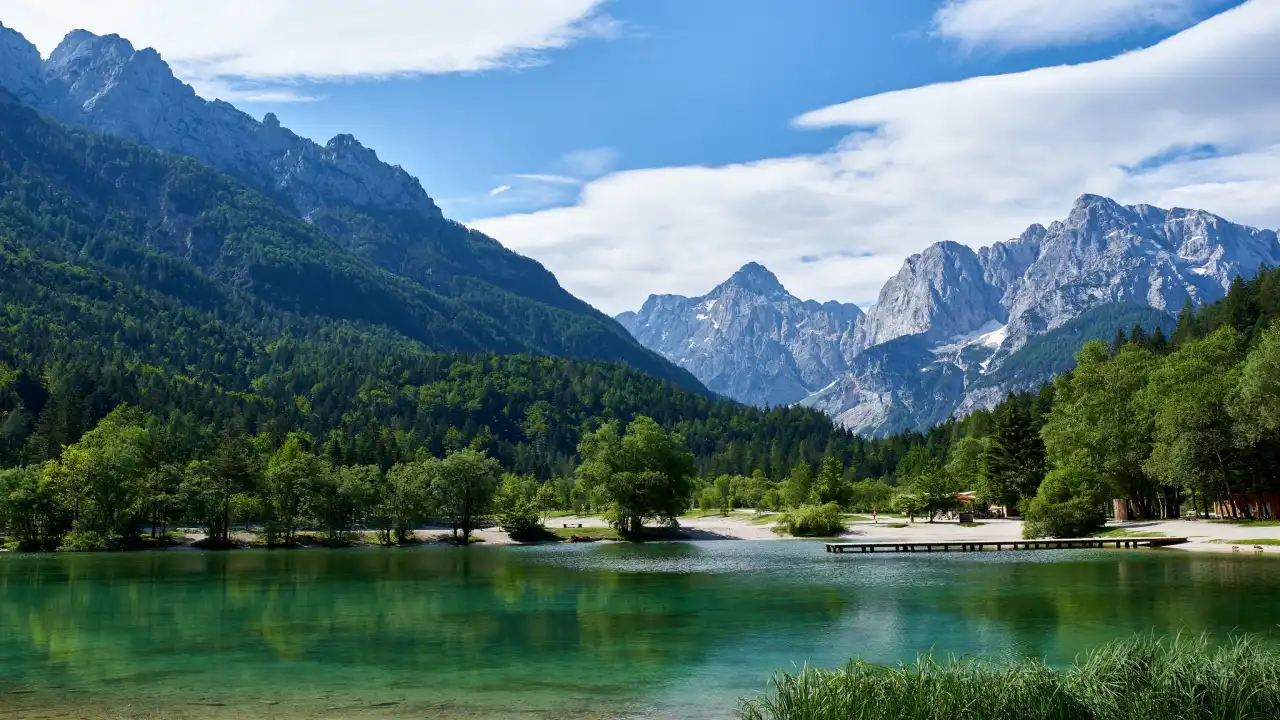
Triglav isn’t loud about itself. Locals talk about it with a quiet kind of pride. The park feels cared for. Organized. Almost personal.
Best Trail: Seven Lakes Valley
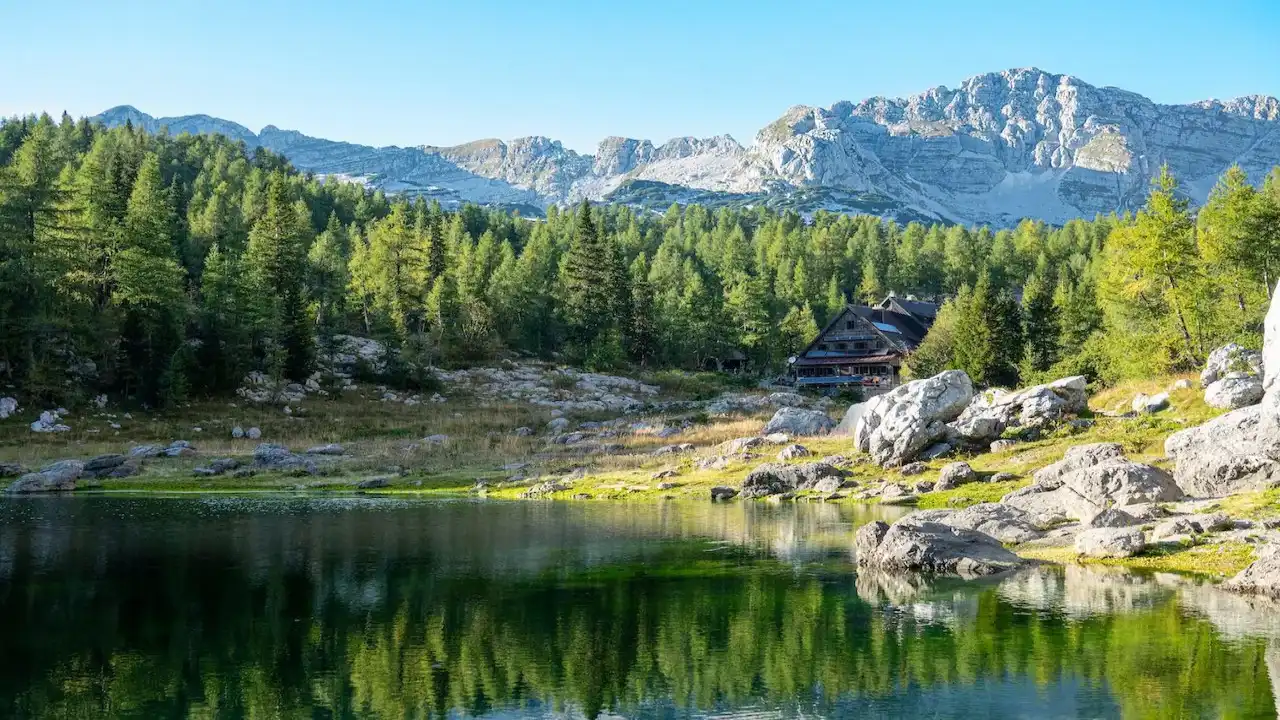
This is not a trail that rushes you. It moves slowly, lake to lake.
What stands out:
- Clear alpine lakes that don’t look real
- Gentle paths and wooden bridges
- Mountain huts that feel welcoming
You’ll probably stop more than planned. Sit by the water. Realize you haven’t checked your phone in a while.
Best for:
People who enjoy long walks broken up by rests.
Pro Tip:
Carry some cash. A hot bowl of soup in a mountain hut is hard to say no to.
4. Hohe Tauern National Park, Austria
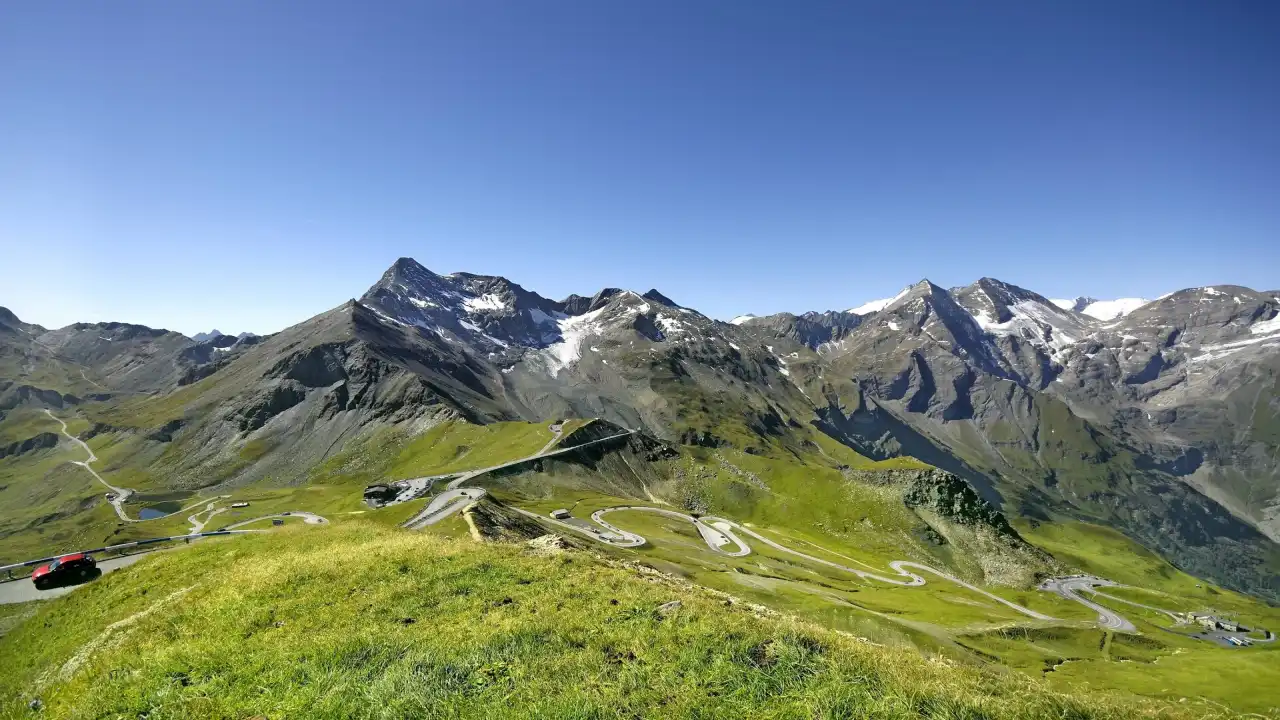
This park feels big. Waterfalls fall from heights that don’t seem reasonable. Valleys stretch wide. Even after hours of walking, the air somehow still feels fresh.
Best Trail: Krimml Waterfalls Trail
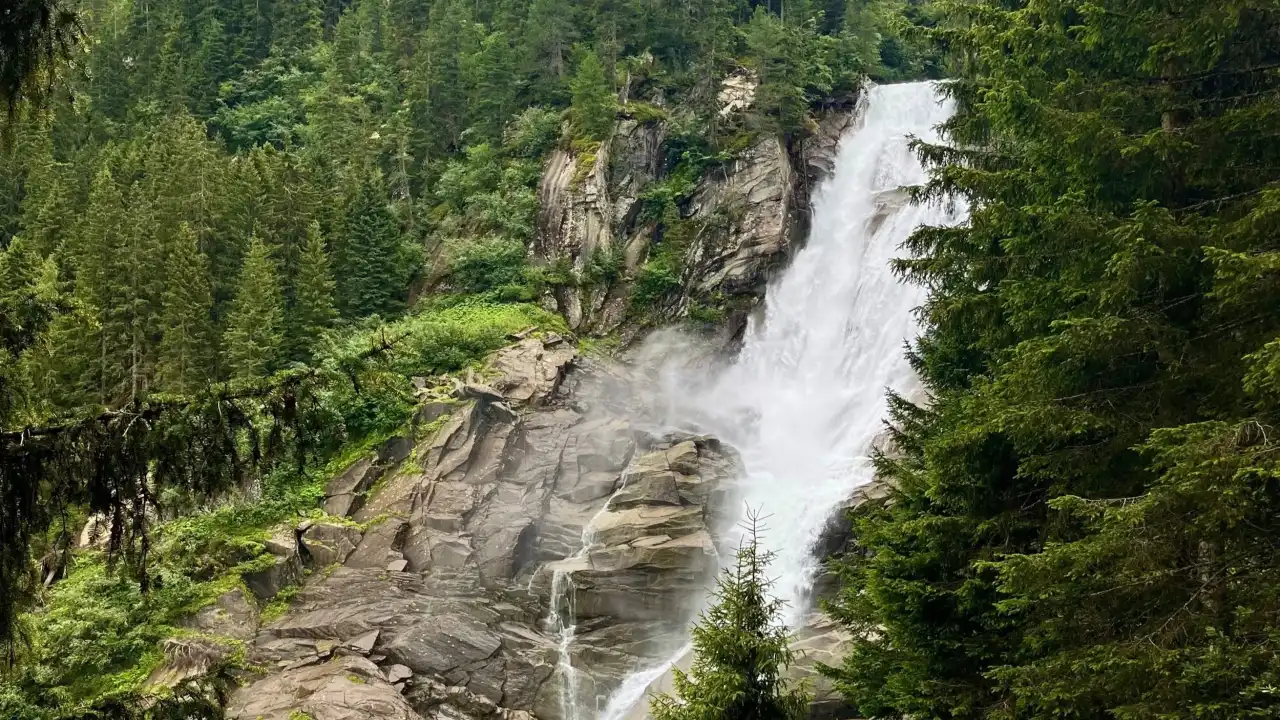
It’s popular. No denying that. But it earns the attention.
Why people love it:
- Europe’s highest waterfalls
- Easy paths suitable for most walkers
- Cool mist drifting through the air
This isn’t about pushing limits. It’s about taking it in.
Pro Tip:
Walk uphill slowly. Each section gives a slightly different view of the falls.
5. Ordesa y Monte Perdido National Park, Spain
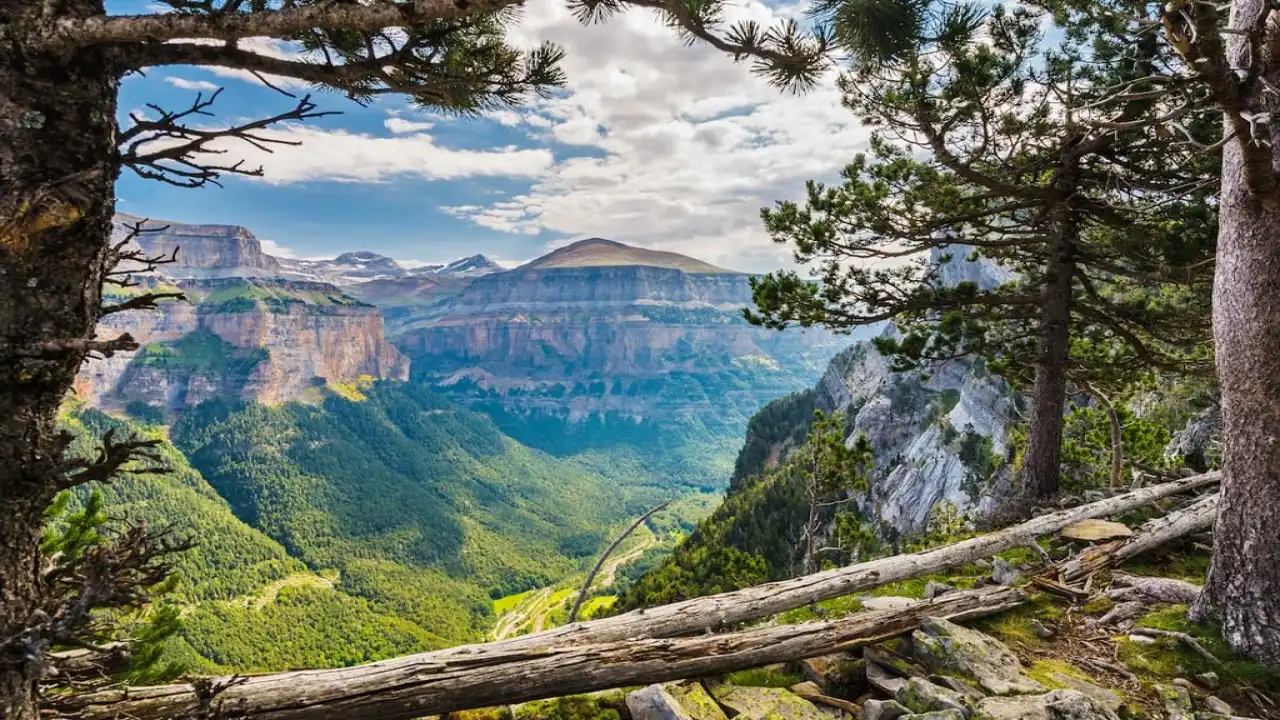
This park feels ancient. Like the landscape was carved carefully, then left alone.
Best Trail: Cola de Caballo Trail
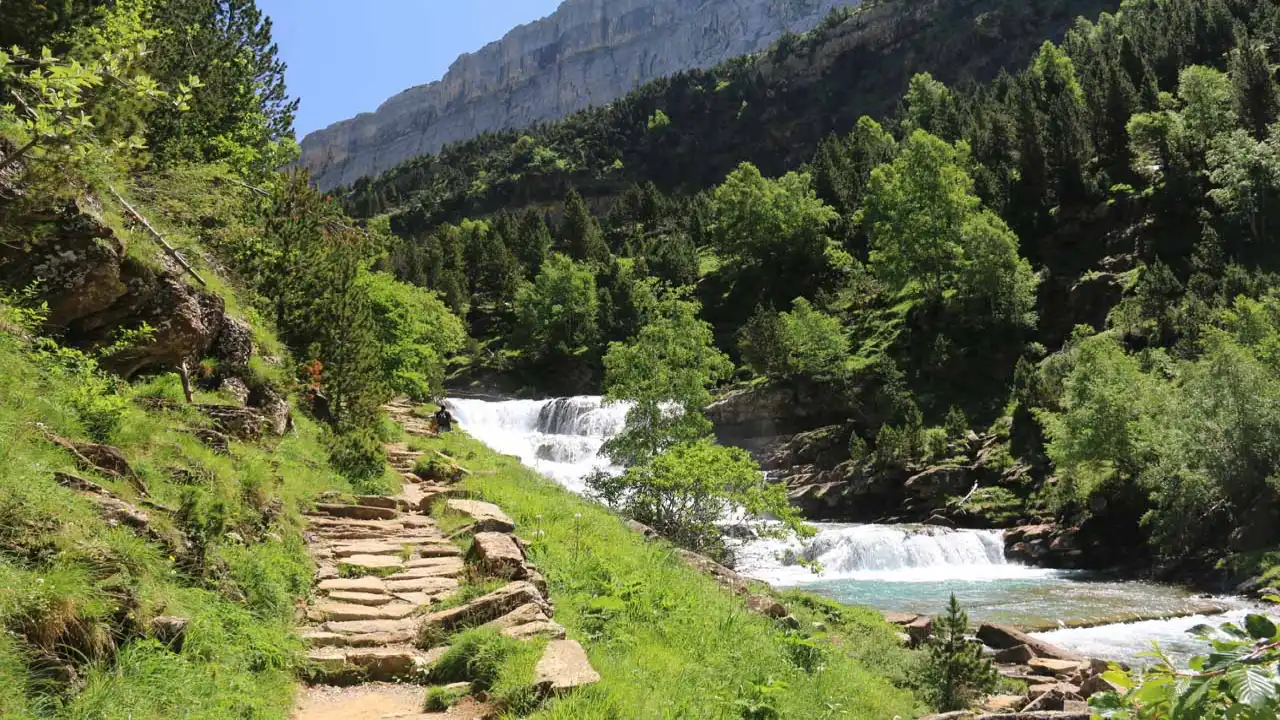
The trail follows a river through a wide canyon, ending at a dramatic waterfall.
Why it works:
- Mostly flat walking
- Views that stay with you the entire way
- Waterfalls that change with the season
It’s long, but not tiring if you keep a steady pace.
Pro Tip:
In summer, bring more water than you think you need. Shade comes and goes.
6. Plitvice Lakes National Park, Croatia
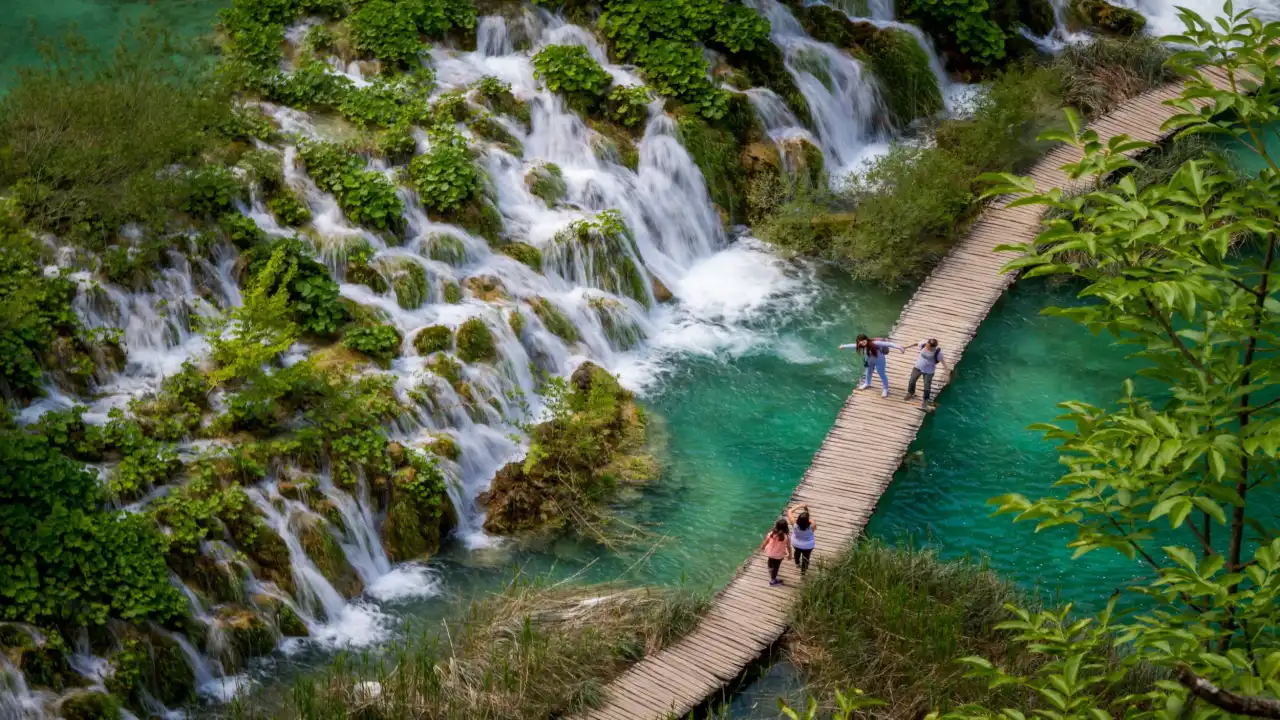
Photos don’t prepare you for this place. Walking on wooden paths over bright blue water feels strange at first.
Best Trail: Route C
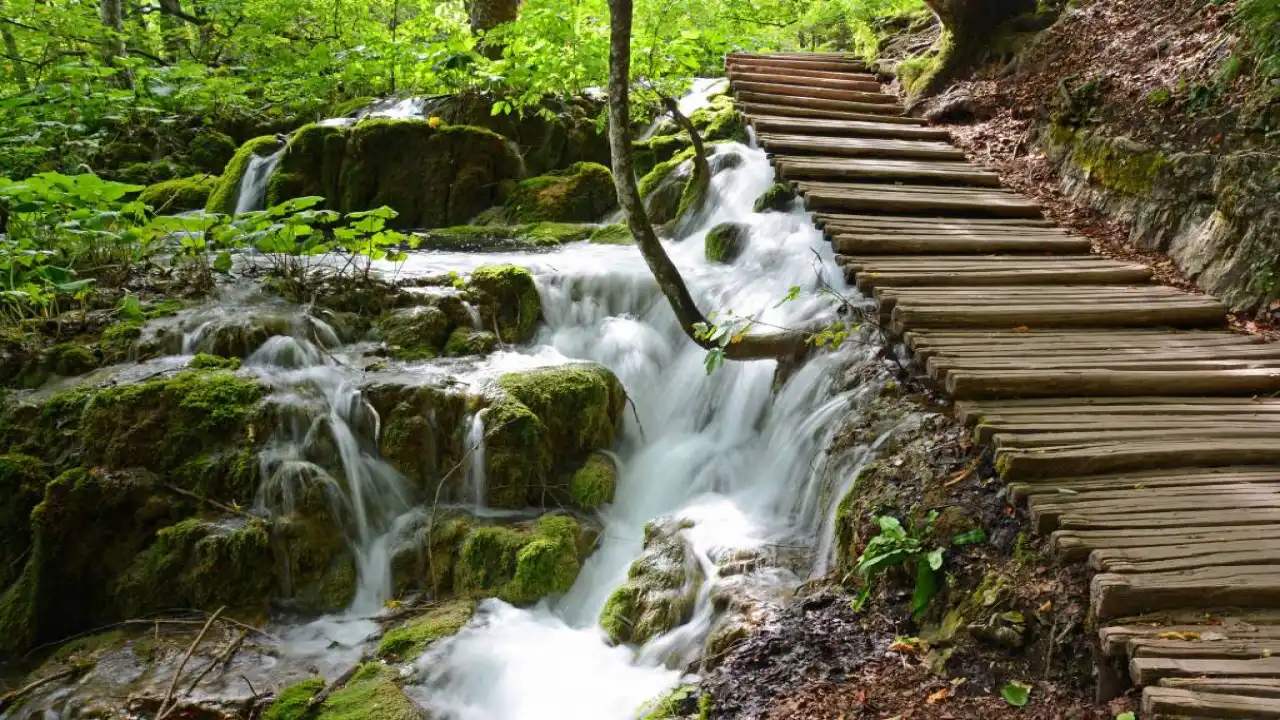
This route gives you enough time to settle into the park.
What you’ll notice:
- Boardwalks right above the water
- Gentle climbs
- A short boat ride is included
Distance matters less here. The experience does the work.
Pro Tip:
Avoid midday if possible. Early mornings are quieter and easier to enjoy.
7. Cairngorms National Park, Scotland
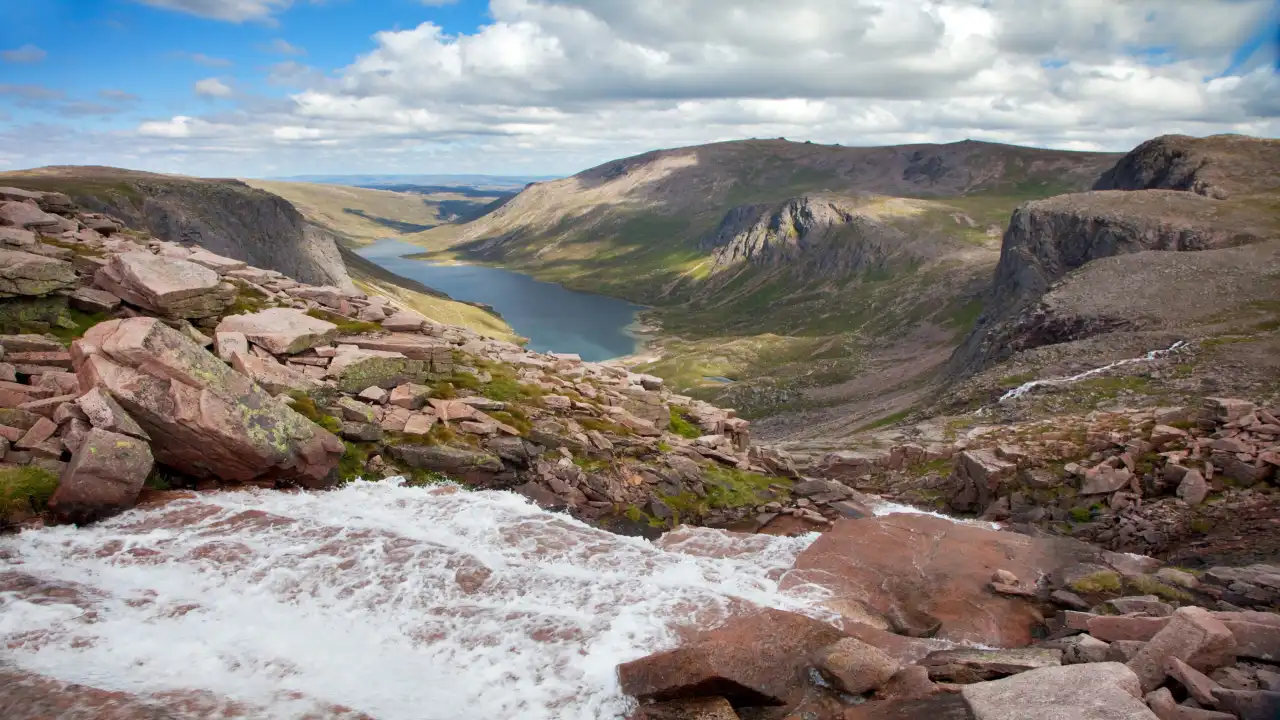
This landscape doesn’t try to impress. It’s open. Raw. Weather changes quickly, and you feel it.
Best Trail: Lairig Ghru Pass
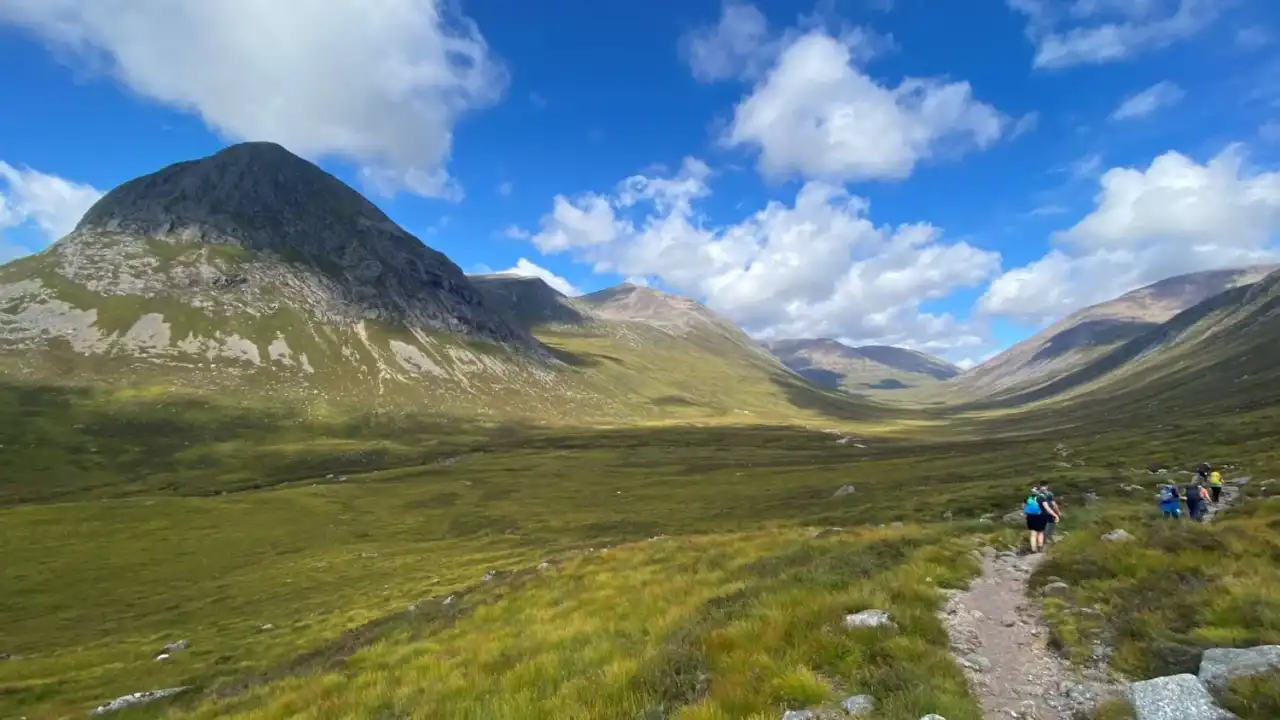
Not technically difficult, but it asks something of you mentally.
Why does it stay with people:
- Endless open space
- Very few signs of life
- A real sense of distance
You’ll feel small. Not in a bad way.
Pro Tip:
Check the weather just before starting. Conditions shift fast here.
8. Aigüestortes i Estany de Sant Maurici, Spain
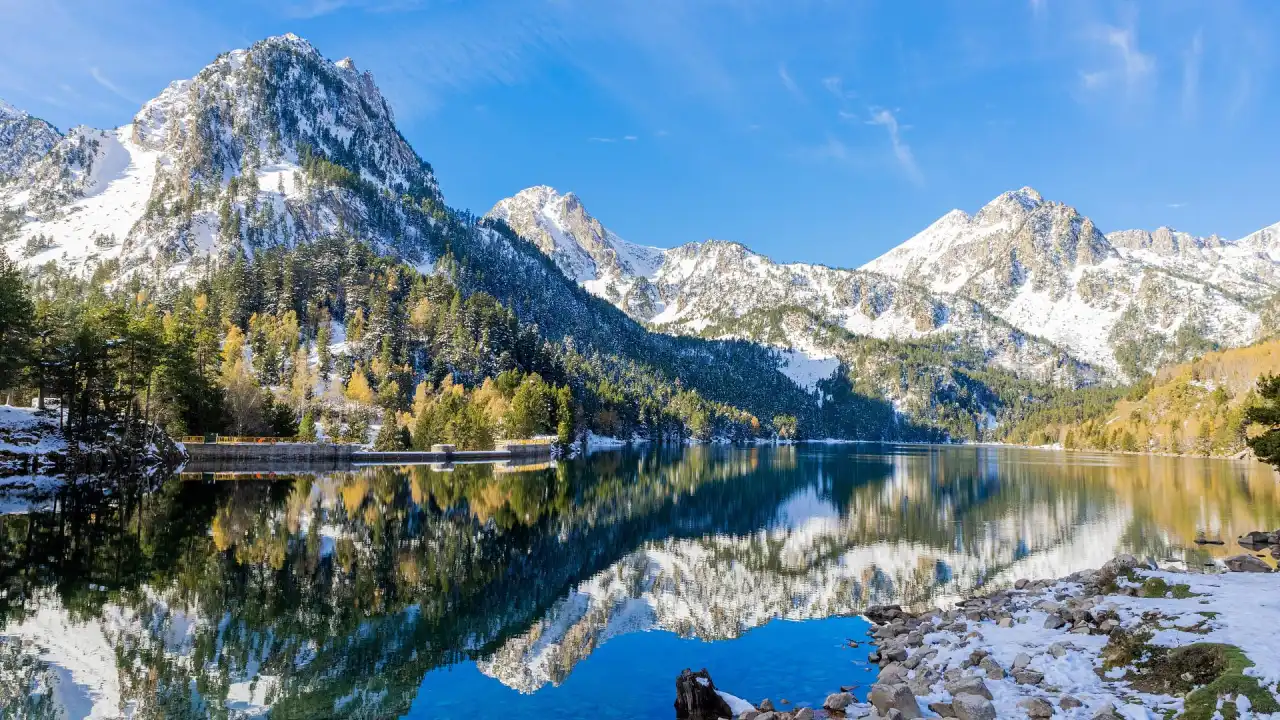
Quieter than most parks. Calmer too.
Best Trail: Sant Maurici Lake Loop
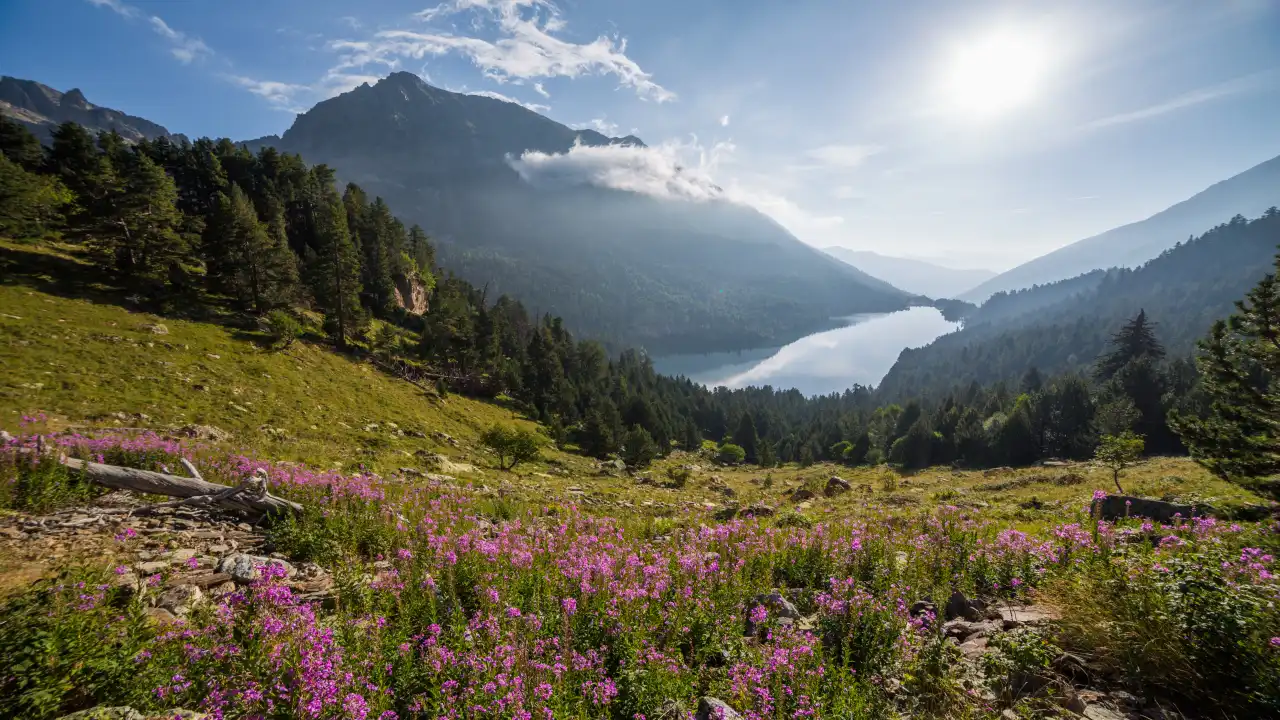
Simple, peaceful, and grounding.
What makes it work:
- Pine forests
- Still lake reflections
- Easy paths
It encourages slow walking.
Pro Tip:
Even in summer, bring a light jacket. Temperatures drop near the lake.
Planning Your Hiking Route Across Europe
Some people combine hiking with city travel, often through Europe trip packages that mix national parks with cultural stops. When done right, hiking becomes a reset between busier days.
Things worth thinking about:
- When trails open and close
- How to reach trailheads
- Permit rules
- Recovery days between hikes
Conclusion
Europe’s national parks don’t really compete with one another. They don’t have to. One gives you quiet that feels almost heavy, another gives you wide, open space where your thoughts can wander. Somewhere else, the trail surprises you and asks a bit more from your legs than expected. And sometimes, what you get is just stillness. The good kind.
The hikes that stay with you aren’t always the tallest or the toughest. They’re the ones you remember later, maybe on a train ride back, when your calves ache a little but your head feels lighter than it did before you started walking. Whether you spend the whole day out there or just loop back after an hour, these trails give you something rare. Time. Air. Room to move without rushing. That’s why they often slip easily into international trip packages, balancing busy city days with moments that feel slower, quieter, and honestly, just right.
General Hiking Tips for Europe’s National Parks
A few simple things make a big difference:
- Stay on marked trails
- Start early when you can
- Carry reusable bottles
- Respect wildlife and local guidelines
Pro Tip:
If a trail feels harder than expected, slow down. Pushing rarely improves the experience.