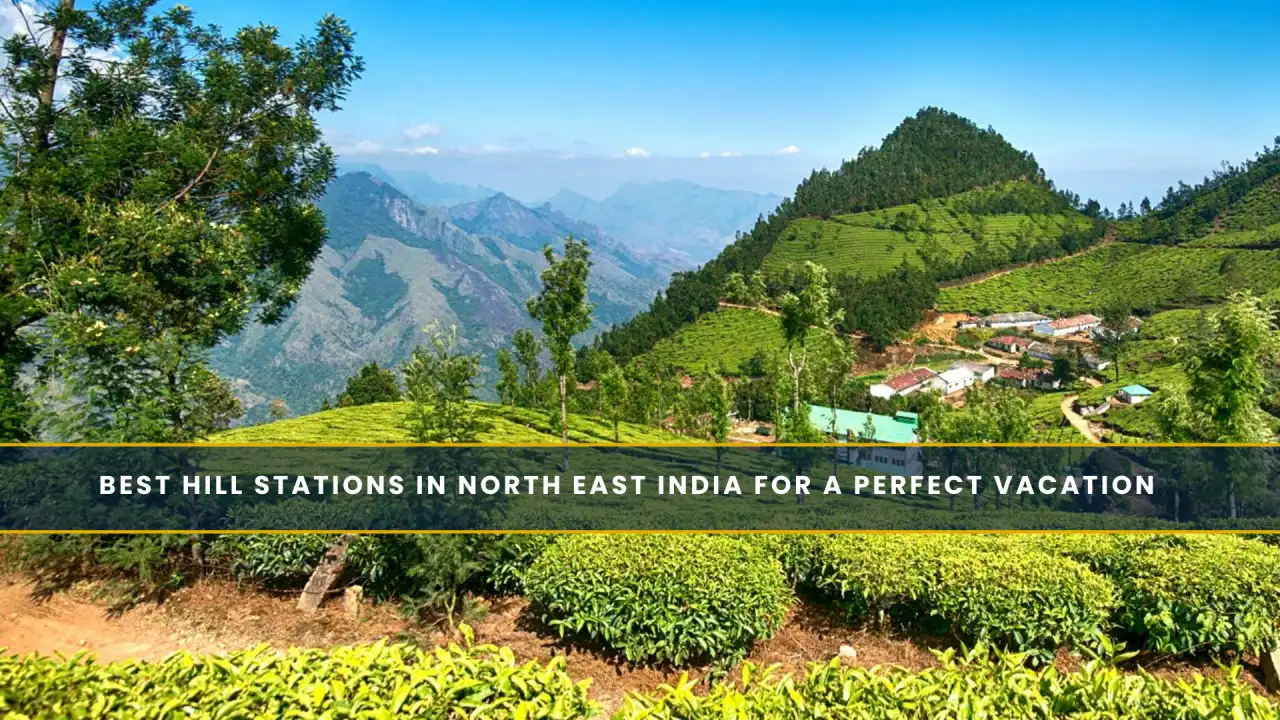
Best Hill Stations in North East India for a Perfect Vacation
Introduction
Not every trip needs to revolve around famous monuments or those “top 10 must-see” lists you keep seeing online. People are hopping from one landmark to another. Take a photo. Maybe glance at the little information board. Then straight to the next place, as the itinerary says. Sometimes the best trips are the ones where nothing much is planned. You wake up whenever you feel like it. No alarm. You step outside and the air feels different, cooler, cleaner, maybe carrying that faint smell of trees and damp soil that only mountains seem to have. Then you sit somewhere with tea. And suddenly an hour goes by while you’re just staring at the hills.
Hill vacations have a strange way of slowing people down like that. And the hill stations in Northeast India? They feel a little different from the ones most people talk about in Himachal or Uttarakhand. Here, the forests are thicker. The roads twist endlessly through fog. Waterfalls just appear beside the road as they’ve always been there. Some towns almost look hidden in the hills, quiet places where life doesn’t seem to move very fast. Cities are there, of course. Life goes on like anywhere else. But many places here still feel calmer, like they’re slightly removed from the usual chaos. If you’re thinking about exploring the region, these North East India Hill Stations are a good place to start.
Why the Northeast Is Perfect for a Hill Vacation
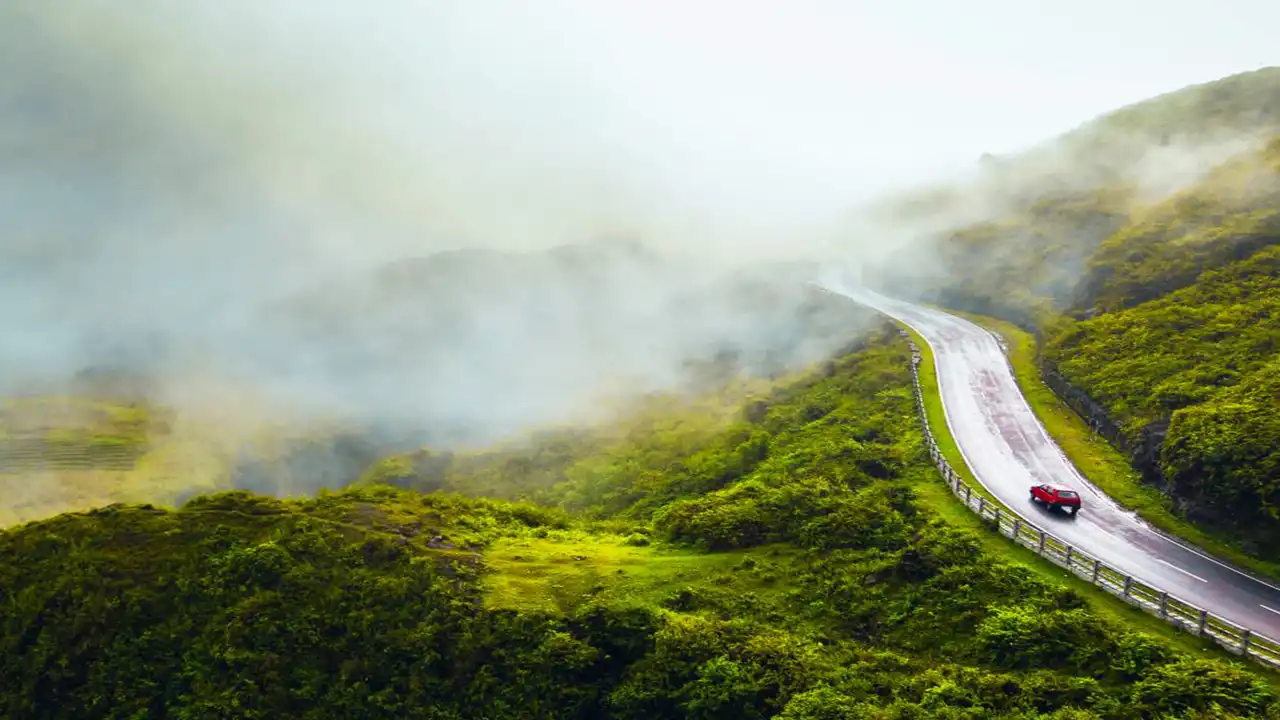
India has plenty of mountains. But the northeast feels different somehow. Hard to explain exactly, it’s one of those things that makes more sense once you actually see it. The greenery is probably the first thing people notice. Hills covered in forests stretch forever. Rivers cut through valleys. And waterfalls, honestly, there are so many that locals barely seem impressed by them anymore. You’ll be driving along some narrow mountain road, maybe half asleep in the car, and suddenly you see a huge waterfall right next to the road.
No entry ticket.
No parking lot full of buses.
No stalls selling plastic souvenirs.
Moments like that feel surprisingly refreshing. But the scenery isn’t the only thing that makes the region special. The cultures here are incredibly diverse. Traveling between states sometimes feels like crossing invisible borders into completely different worlds. Languages change. Food changes. Even the houses start looking different. It almost feels like several little countries stitched together by mountains and winding roads. Another big plus? The crowds. Most places here still don’t have the overwhelming tourist rush you see in famous hill stations.
Some reasons travelers end up loving the northeast:
- Endless forests and dramatic landscapes
- Pleasant weather for a good part of the year
- Rich tribal cultures and traditions
- Fewer crowds compared to mainstream hill destinations
- Long scenic drives with waterfalls and viewpoints everywhere
If you like nature, photography, quiet travel or just want a break from busy cities, this region tends to leave a strong impression.
1. Shillong – The Scotland of the East
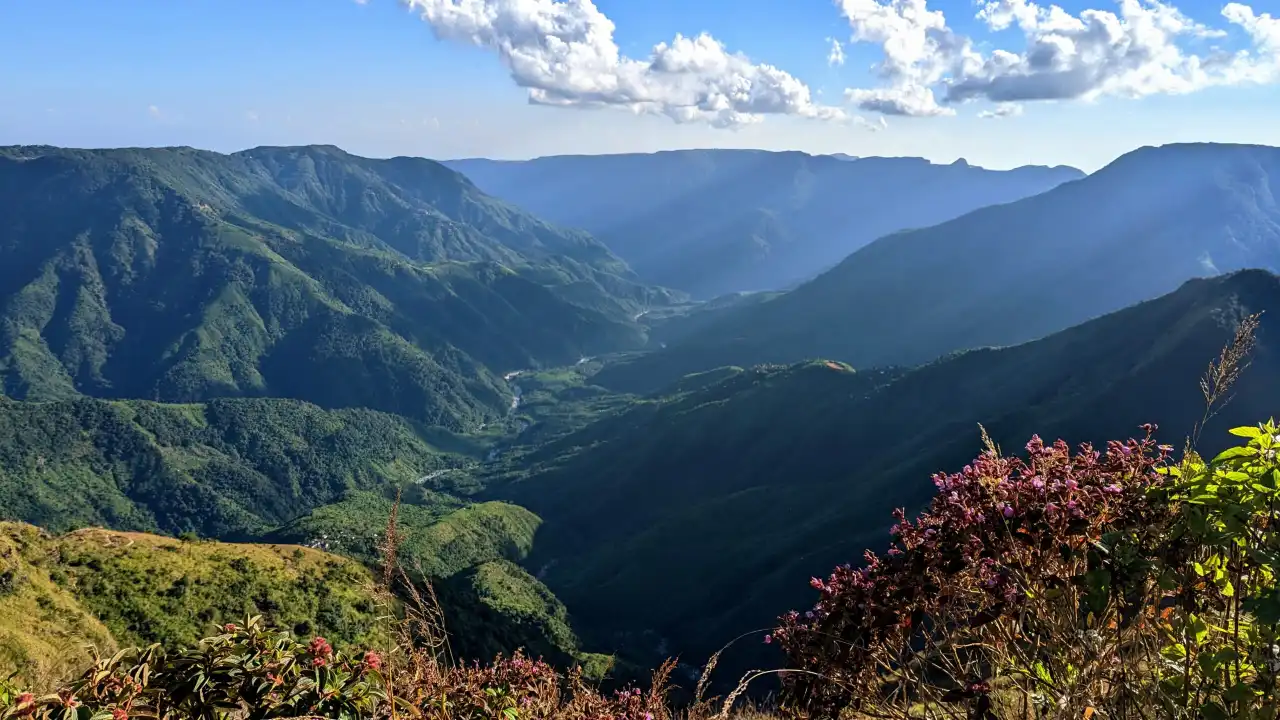
When people mention hill stations in the northeast, Shillong almost always comes up first. And after visiting, it’s easy to understand why. The city sits among rolling hills covered with tall pine trees. The vibe feels relaxed, not sleepy exactly, but definitely not rushed either. Just comfortable. The weather helps too. Summers stay pretty pleasant compared to many Indian cities, which makes wandering around town much nicer.
Some popular spots around Shillong include:
- Umiam Lake – a huge lake just outside the city where people go boating or simply stop for photos
- Elephant Falls – a pretty waterfall surrounded by dense greenery
- Shillong Peak – the highest point nearby with wide views of the surrounding hills
But honestly, Shillong’s charm isn’t only about sightseeing. It’s the smaller moments.
Walking through local markets.
Stopping randomly at roadside viewpoints.
Sitting somewhere with tea while clouds drift across the hills.
A typical day might look like this: waterfall in the morning, local food for lunch, sunset from some quiet viewpoint. Not a bad way to spend a day.
Pro Tip:
If you get the chance, try local Khasi food. Small restaurants sometimes serve it, and the flavors can be surprisingly good.
2. Tawang – A Himalayan Gem
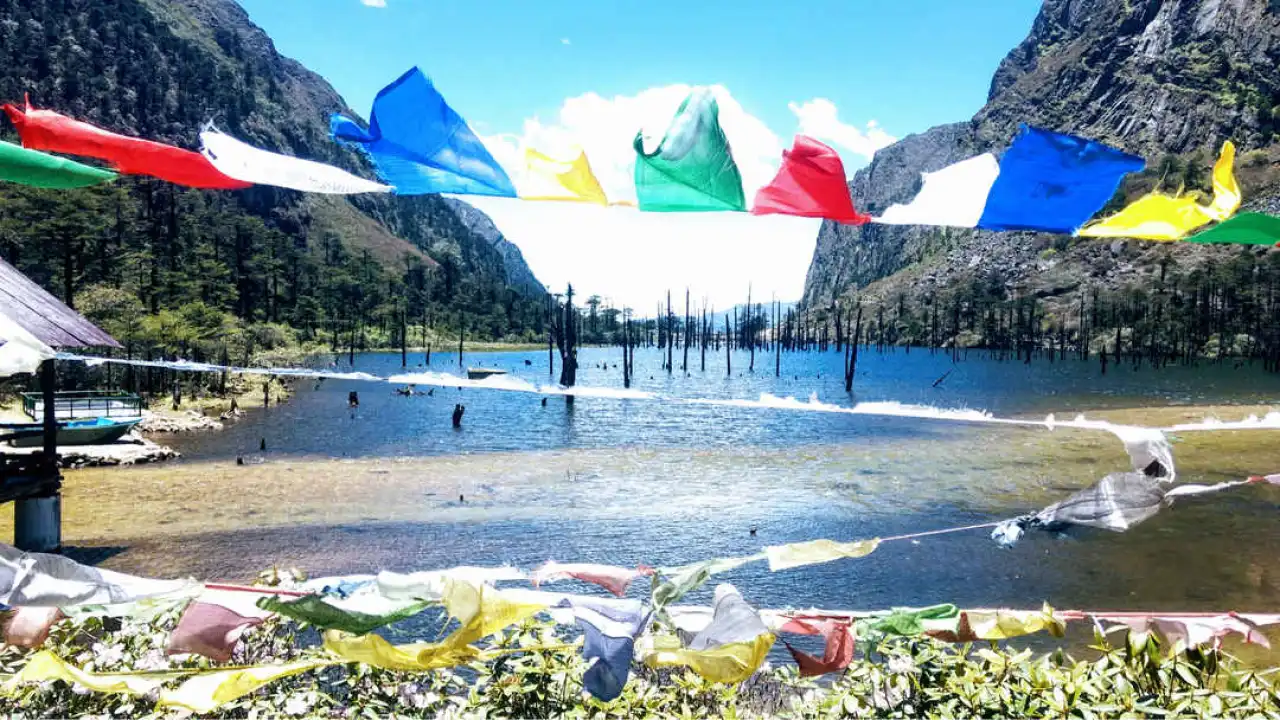
Tawang feels completely different from Shillong. Almost like stepping into another landscape entirely. The altitude rises. The air gets colder. And the mountains suddenly feel much bigger. The town has settled deep in the mountains of Arunachal Pradesh, nestled among snowy summits and twisting trails that scale soaring passes. Getting there takes time. Actually, many times, quite a bit of time. But strangely enough, if the journey is part of this experience. One of the most prominent places in this region is Tawang Monastery, one of the largest Buddhist monasteries in India. Inside the monastery, walking feels steady in a calm, nearly timeless sense.
Prayer flags wave in the wind.
Monks move quietly across courtyards.
And beyond the walls, endless mountains.
Other places worth seeing nearby include:
- Sela Pass – a dramatic high-altitude mountain pass
- Madhuri Lake – a peaceful lake surrounded by rugged peaks
Driving through this region can feel surreal. One moment, you’re literally above the clouds. The next moment, you’re stopping the car because the mountains suddenly look unbelievable. Travel isn’t always easy here. But the views make it worth the effort.
Pro Tip:
Carry warm clothes even during summer. Mountain weather can change very quickly.
3. Gangtok – A Balanced Hill Escape
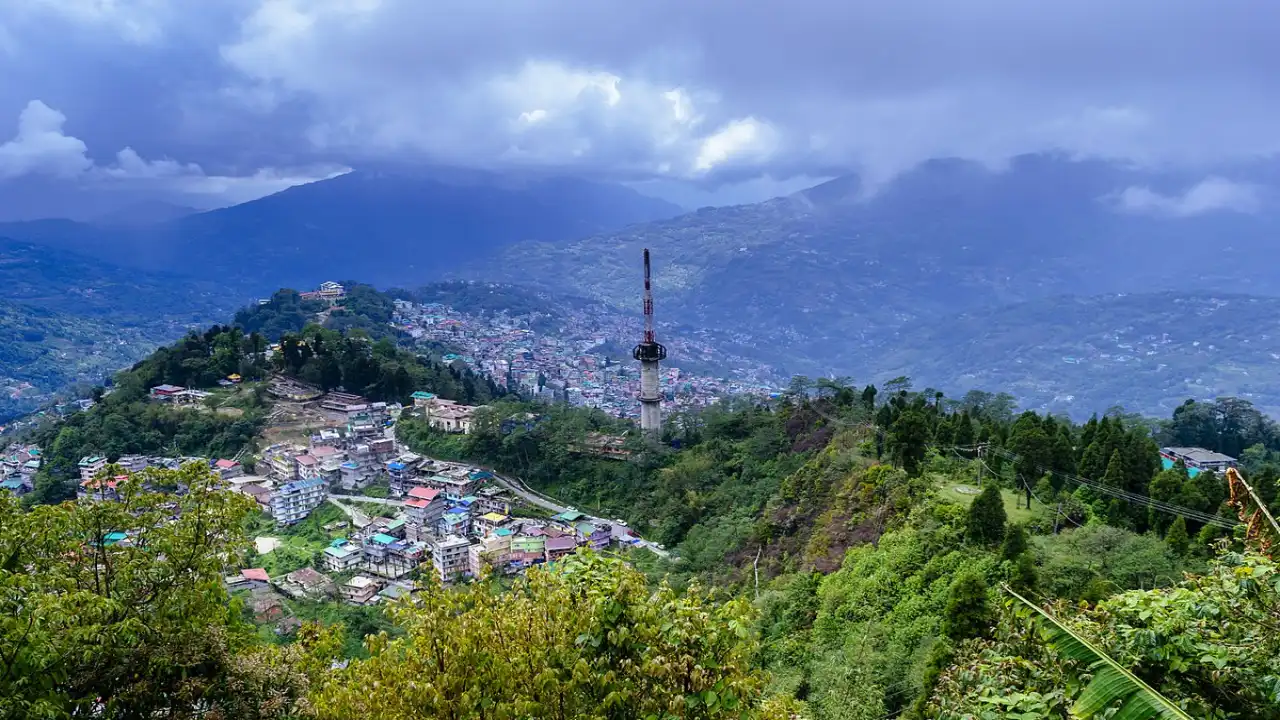
Gangtok manages something that many hill towns struggle with: balance. It is modern enough, though, with decent hotels, adequate infrastructure and clean streets but still retains that laid-back mountain feel. The city is perched on a ridge overlooking the Himalayas. And on clear mornings, the views are often spectacular. Some hotels even have balconies where you can sit with tea and watch the sunlight play on distant snow-covered peaks.
Popular places to visit include:
- MG Marg – a lively pedestrian street full of cafés and small shops
- Tsomgo Lake – a beautiful glacial lake surrounded by mountains
- Rumtek Monastery – one of the most important monasteries in Sikkim
But again, the best experiences often come from simple moments.
Walking through markets.
Talking to shopkeepers.
Stopping at random viewpoints during a drive.
Those little things tend to stay in memory longer. It’s easy to see why many travelers consider Gangtok one of the best hill stations in North East India.
Pro Tip:
Start sightseeing early in the morning if possible. Mountain views are usually clearer before clouds roll in later.
4. Ziro Valley – Quiet and Underrated
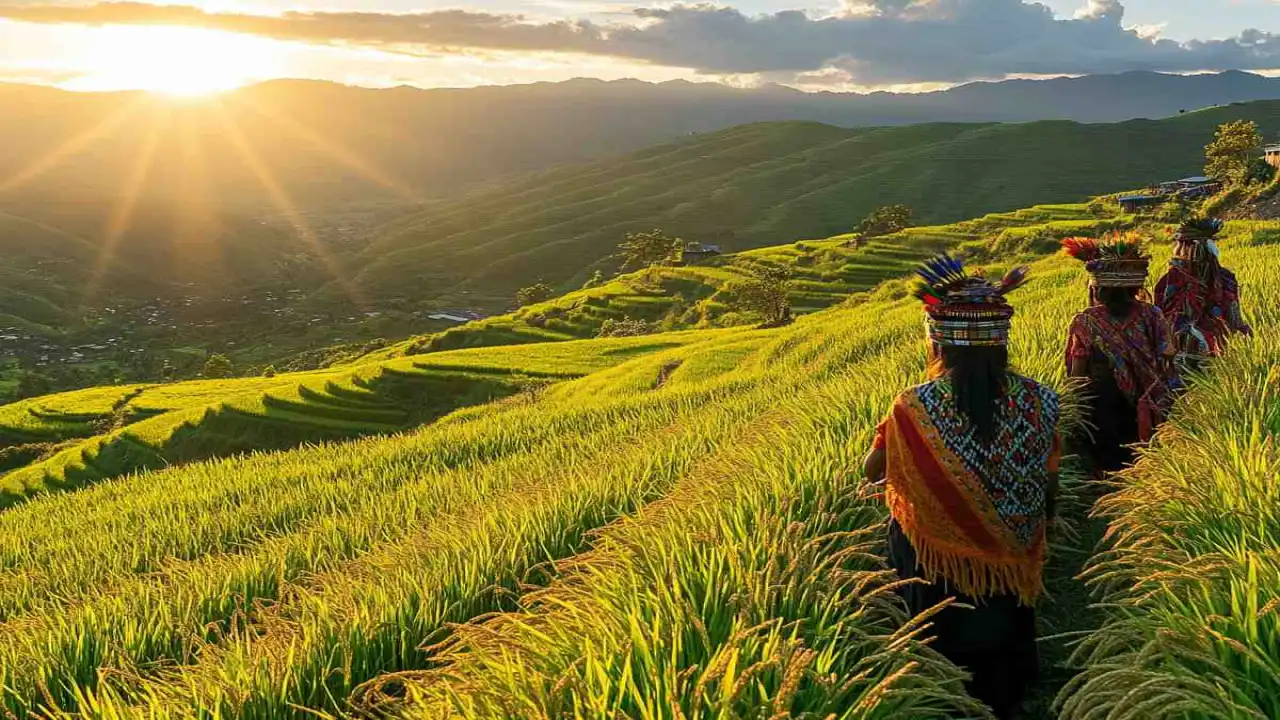
Ziro Valley doesn’t really try to impress visitors. And that’s probably why people love it. Instead of busy attractions, you’ll find open landscapes, rice fields spreading across the valley, and small villages tucked between gentle hills. Life moves slowly here. Really slowly. The valley is home to the Apatani tribe, and their traditions give the place a unique cultural feel.
Things people enjoy doing in Ziro include:
- Exploring the wide green valleys
- Learning about local tribal culture
- Cycling along quiet countryside roads
Interestingly, there isn’t a long list of “must-see” attractions. And that’s actually fine. Most travelers simply wander through villages, chat with locals, or cycle across the valley. Then there’s the Ziro Music Festival, which attracts musicians and travelers from around the world. Live music playing in an open valley surrounded by forests and mountains. It’s quite a setting.
Pro Tip:
Rent a bicycle if possible. Exploring Ziro that way feels much more enjoyable than driving.
5. Cherrapunji – Land of Rain and Waterfalls
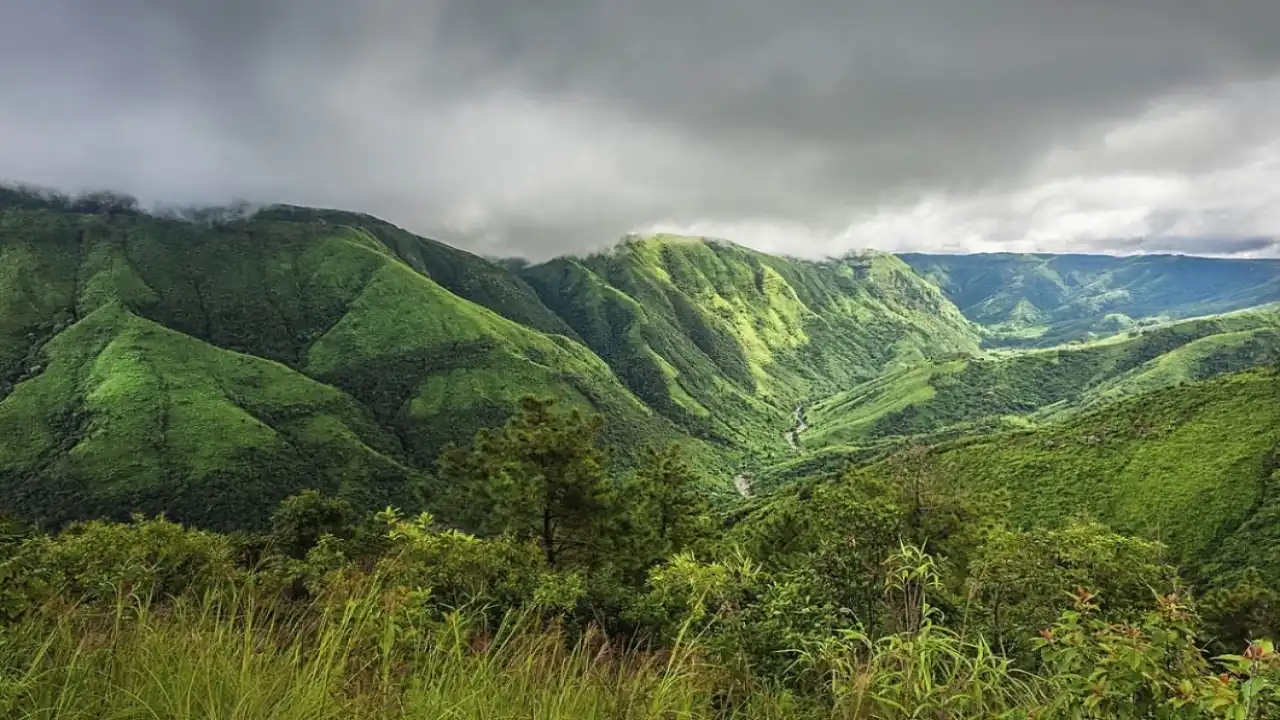
Cherrapunji, or Sohra, as it’s known to locals, has one major claim to fame. Rain. A lot of it. In reality, this region records some of the highest amounts of rainfall on the whole planet. So that’s why the landscape is so inexcusably green. Cliffs drop into deep valleys and waterfalls flow down steep rock. Almost all the time, clouds drift across the hills. Monsoon season adds to the drama of this landscape.
Some must-see places include:
- Nohkalikai Falls – one of the tallest waterfalls in India
- Living Root Bridges – natural bridges formed from tree roots
- Seven Sisters Falls – a wide waterfall with multiple streams
The living root bridges are especially fascinating. Local communities guide tree roots across rivers over many years. Eventually, the roots grow strong enough to form natural bridges. Standing on one feels slightly unreal. Almost like something you’d see in a nature documentary.
Pro Tip:
Wear proper trekking shoes. Some trails involve steep steps and slippery forest paths.
Planning Your Trip
Travel through the northeastern hills generally requires some planning. Distances can be long. Roads twist through mountains. And travel times can sometimes be longer than anticipated. This is one of the reasons why most travelers book Northeast India trip packages that cover transportation, stays, and permits.
Best Time to Visit
The weather varies between states, but these months are usually good.
March to June
- Pleasant temperatures
- Clear mountain views
- Great for sightseeing
September to November
- Fresh greenery after the monsoon
- Waterfalls are still flowing strongly
- Comfortable climate
Monsoon months can also be beautiful, especially in Meghalaya, though heavy rain can slow travel.
Simple Packing Checklist
Packing smart makes hill travel easier.
Useful things to bring include:
- Light jackets or sweaters
- Comfortable walking shoes
- Rain protection (important in Meghalaya)
- A power bank for long drives
- Basic medicines
Mountain travel can be unpredictable, so practical items help.
Conclusion
Hill Stations to Visit in North East India tend to follow a slower rhythm. You don’t rush around as much. A morning might start with clouds drifting across a valley. Later, you explore a monastery or a small village market. By evening, you’re sitting in a quiet café while the air slowly gets cooler. Nothing dramatic. Just small moments. But somehow, those are the memories people remember the most.
From the lakes of Shillong to the high mountains of Tawang, the lively streets of Gangtok, the peaceful valley of Ziro Valley, and the waterfalls of Cherrapunji, every place offers something different. That’s part of the charm of the northeastern hills; they don’t try too hard to impress visitors. Many travelers also choose a domestic trip package to explore these destinations more easily. It helps with transport, stays, and planning, so you can simply enjoy the mountains.
Pro Tips
A few simple tips can make the journey easier:
- Carry some cash for smaller towns
- Start road trips early in the morning
- Pack layers since mountain weather changes quickly
- Check permit requirements for Arunachal Pradesh
A little preparation goes a long way in mountain regions.