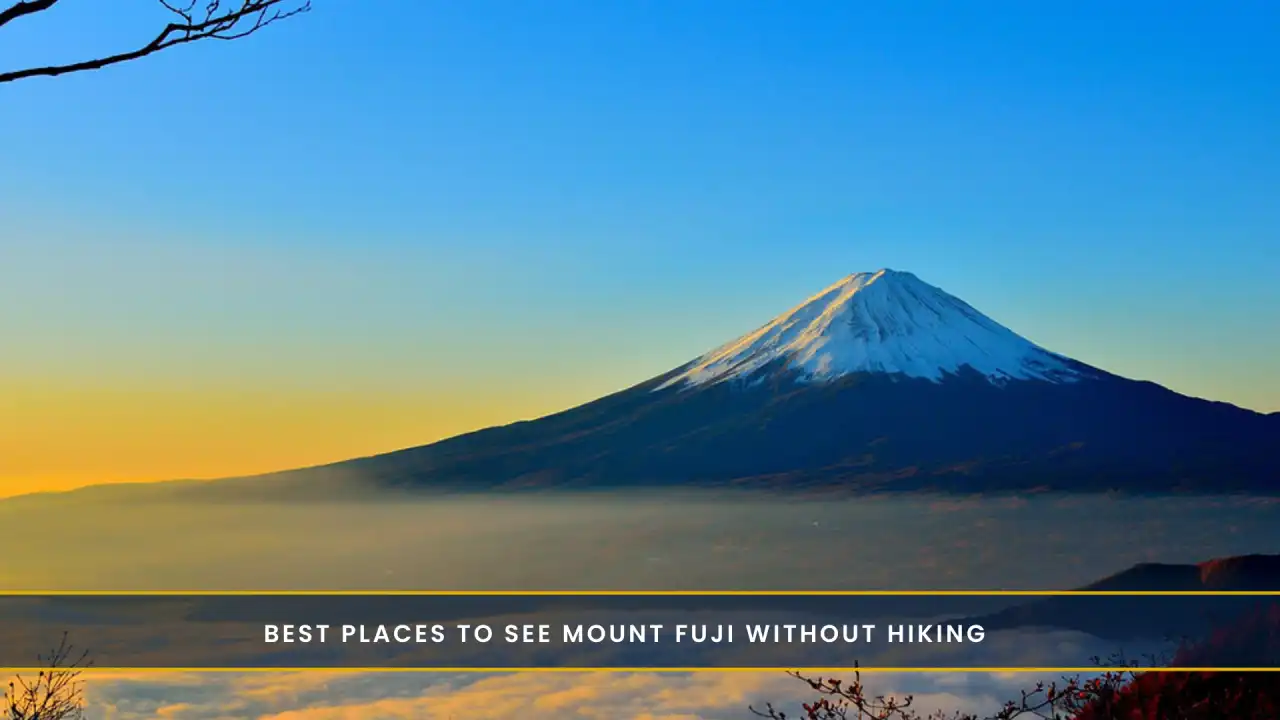
Best Places to See Mount Fuji Without Hiking
Introduction
Mount Fuji has a way of sitting quietly in the background and still stealing the entire scene. And the good news is you don’t need hiking shoes, stamina training, or a dramatic summit story to appreciate it. Some of the best Mount Fuji viewing spots happen when you’re doing very normal things. Drinking tea. Waiting for a train that’s late. Standing by a road, wondering if this is the right bus stop. This guide is for people who want to really see Mount Fuji, not battle it. If you’ve ever thought, “I don’t need to climb it, I just want a clear look,” then yes, you’re already thinking the right way.
Why Hiking Mount Fuji Isn’t the Only Way to Experience It
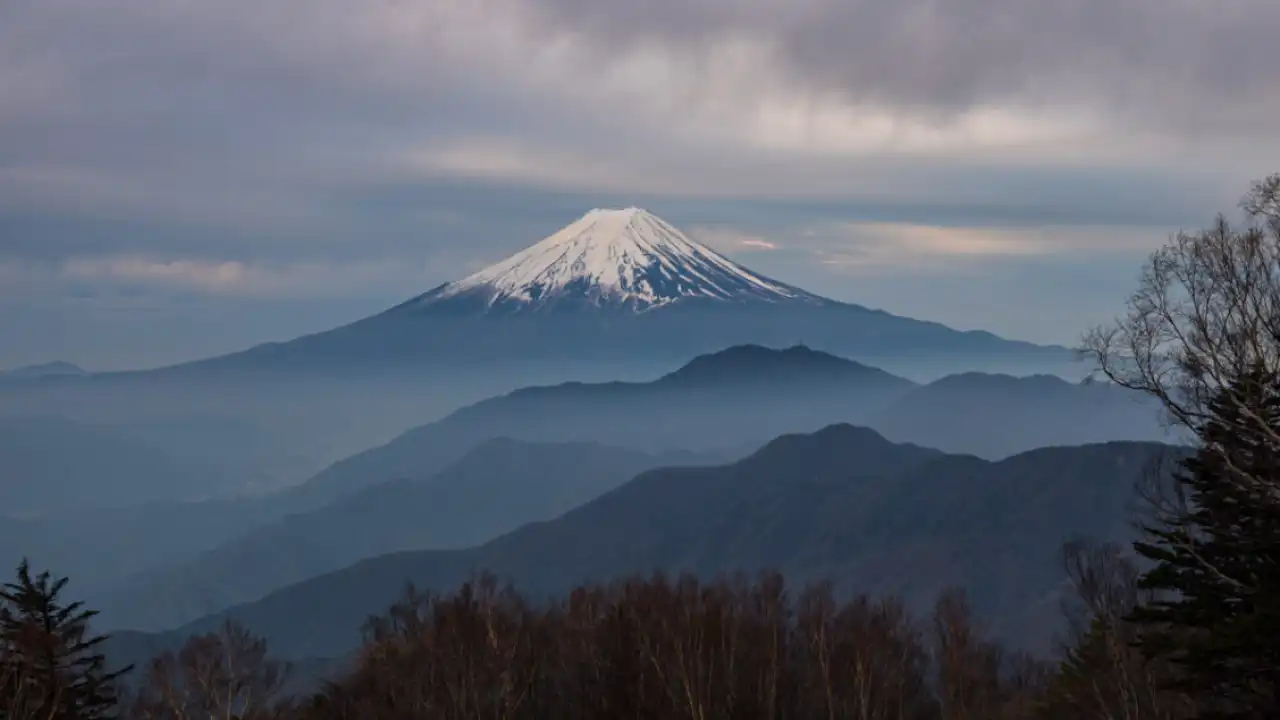
There’s this idea that if you don’t hike Mount Fuji, you somehow missed the point. Honestly, that’s not true. Hiking sounds impressive, sure. But it also comes with crowds, exhaustion, unpredictable weather, and the very real chance that you reach the top and see nothing. Just clouds. Lots of them.
Seeing Mount Fuji from lower ground often makes more sense. You actually get:
- The full shape of the mountain, not just the final stretch
- Foregrounds that matter: lakes, towns, shrines, and daily life
- Freedom to move, wait, sit down, or change plans
From a distance, Fuji feels more grounded. You notice how it exists alongside villages and quiet roads. That perspective explains its cultural importance better than standing on top ever could.
Lake Kawaguchi: The View Everyone Comes For (And Yes, It’s Worth It)
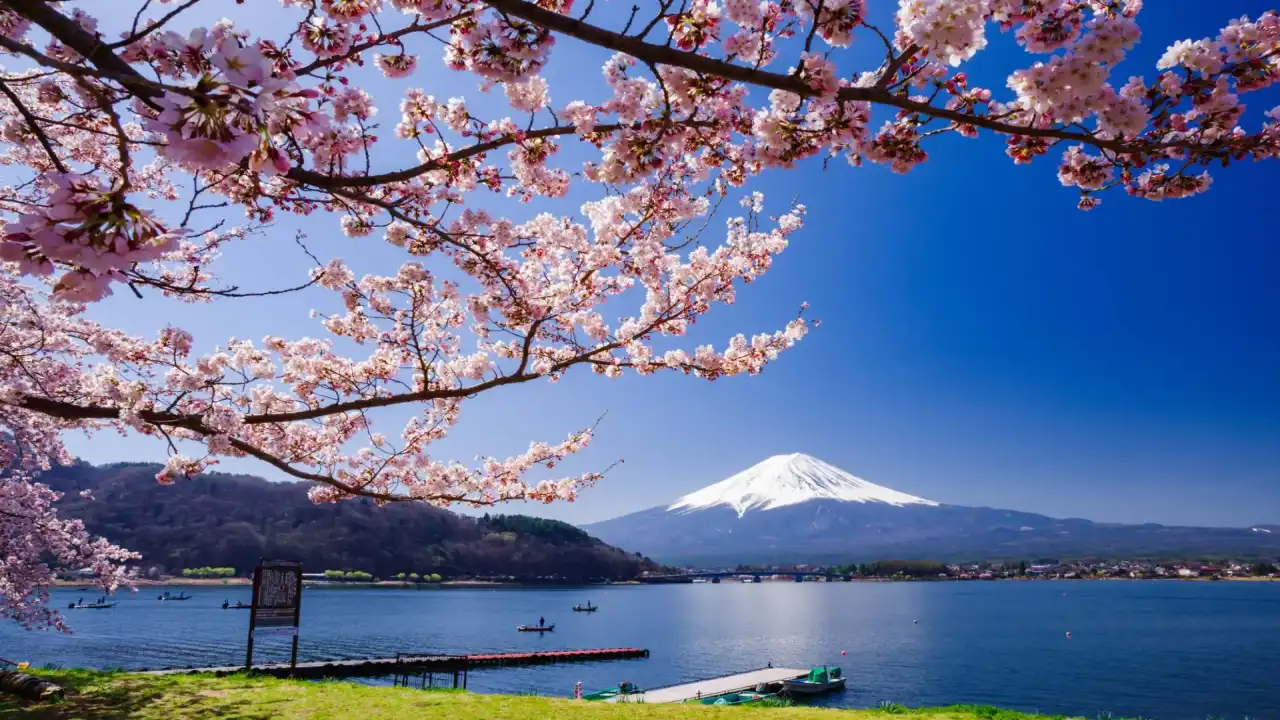
If Mount Fuji had a favorite place to be photographed from, this would be it. Lake Kawaguchi gives you space. Space to breathe. Space to walk. Space to just stand there and stare. The mountain reflects on the water when conditions are right, and when they aren’t, it still looks good, just different. You don’t need effort here. No uphill trails. No complicated routes. Just stroll along the lake, grab a coffee, or sit on a bench pretending you’re not checking the clouds every five minutes.
Why it works so well:
- Simple transport connections
- Multiple clear viewpoints around the lake
- A ropeway, if you want height without effort
This is easily one of the best views of Mount Fuji if you want the classic experience without turning the day into a challenge.
Chureito Pagoda: Yes, There Are Stairs. No, It’s Not a Hike.
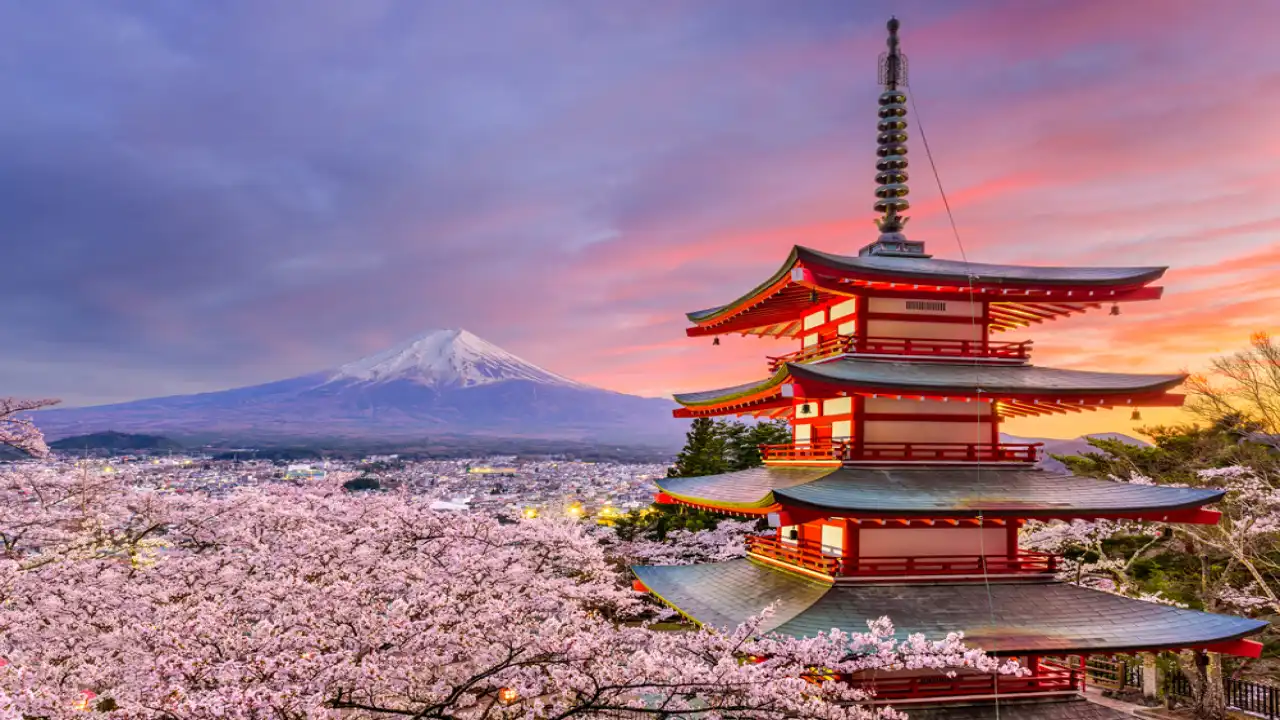
Let’s be honest. There are stairs here. Quite a few. But calling this a hike would be dramatic. Chureito Pagoda is famous for a reason. That red pagoda with Mount Fuji behind it looks unreal in photos, and surprisingly, it still looks unreal in person. Especially during cherry blossom season, when everything feels slightly too perfect to be real. The climb is manageable. Slow steps. Frequent pauses. Nobody’s rushing.
Why people keep coming back:
- The postcard angle actually exists
- Seasonal changes completely alter the mood
- Clear paths, signs, and rest spots
Pro tip: Go early. Really early. Once buses arrive, the silence disappears fast.
Oshino Hakkai: Fuji, But Make It Everyday
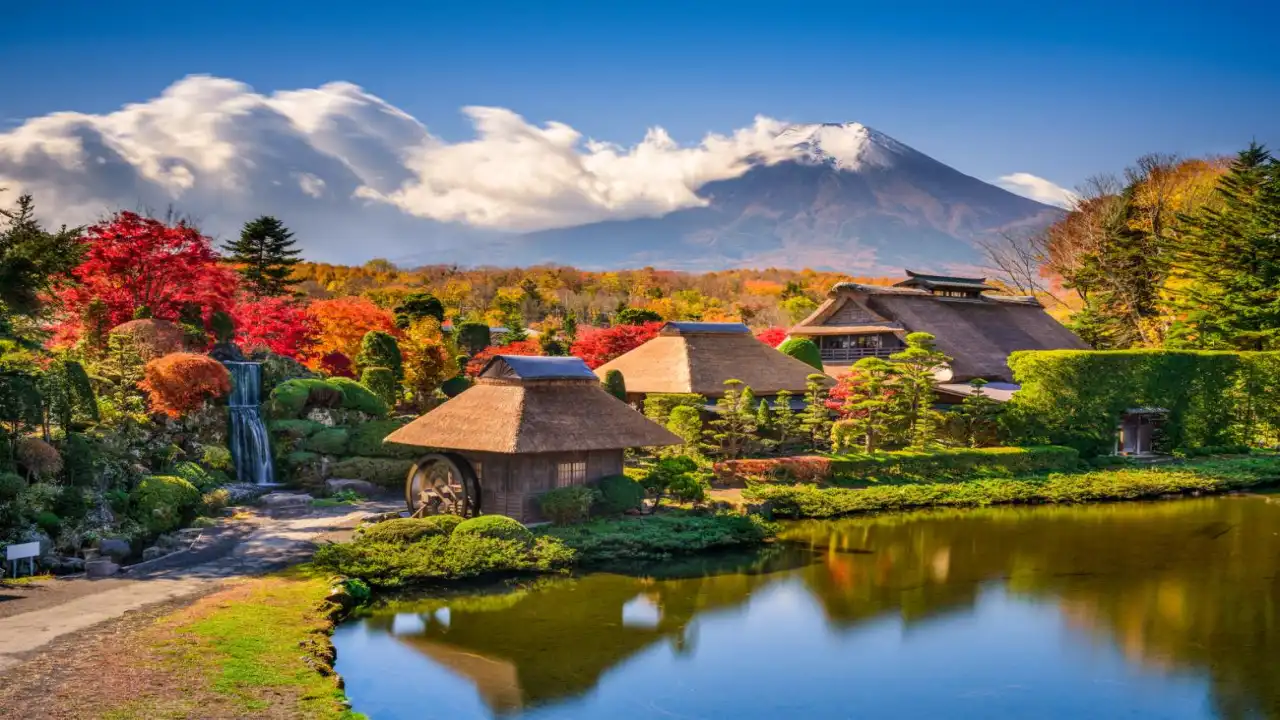
Oshino Hakkai doesn’t feel like a “sight.” It feels lived in. This small village is known for its clear spring ponds and old-style houses, but what really stays with you is how casually Mount Fuji appears. It’s just there. Behind a roof. Between trees. Framed by a bridge.
You’ll notice small things:
- Quiet walking paths
- Food stalls selling simple snacks
- Fuji appears between the rooftops and trees
If you like seeing Mount Fuji woven into real life rather than staged scenery, this place delivers one of the best views of Mount Fuji in a quiet, unforced way.
Hakone Ropeway and Lake Ashi: A Softer, Distant Fuji
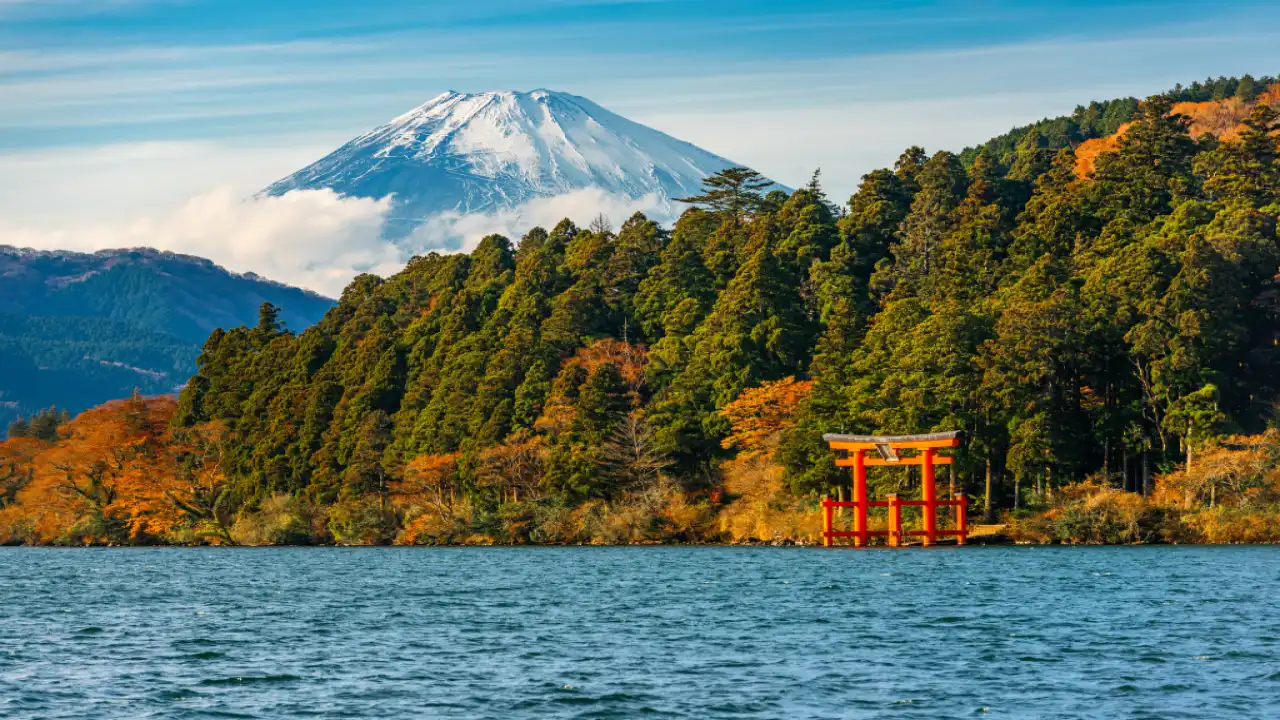
Hakone doesn’t promise clear views. That’s important to say upfront. But when Mount Fuji shows up here, it feels gentle rather than dramatic. From Lake Ashi, Fuji sits farther away. Less imposing. More atmospheric. Add a torii gate, calm water, or light mist, and suddenly the scene feels balanced instead of overwhelming.
Things to do without effort:
- Cruise across Lake Ashi
- Ride the ropeway for open views
- Sit somewhere warm and just look
This area works well for travelers planning a relaxed Mount Fuji day trip from Tokyo, especially if they want variety instead of one single viewpoint.
Gotemba Peace Park: Quiet, Open, and Surprisingly Calm
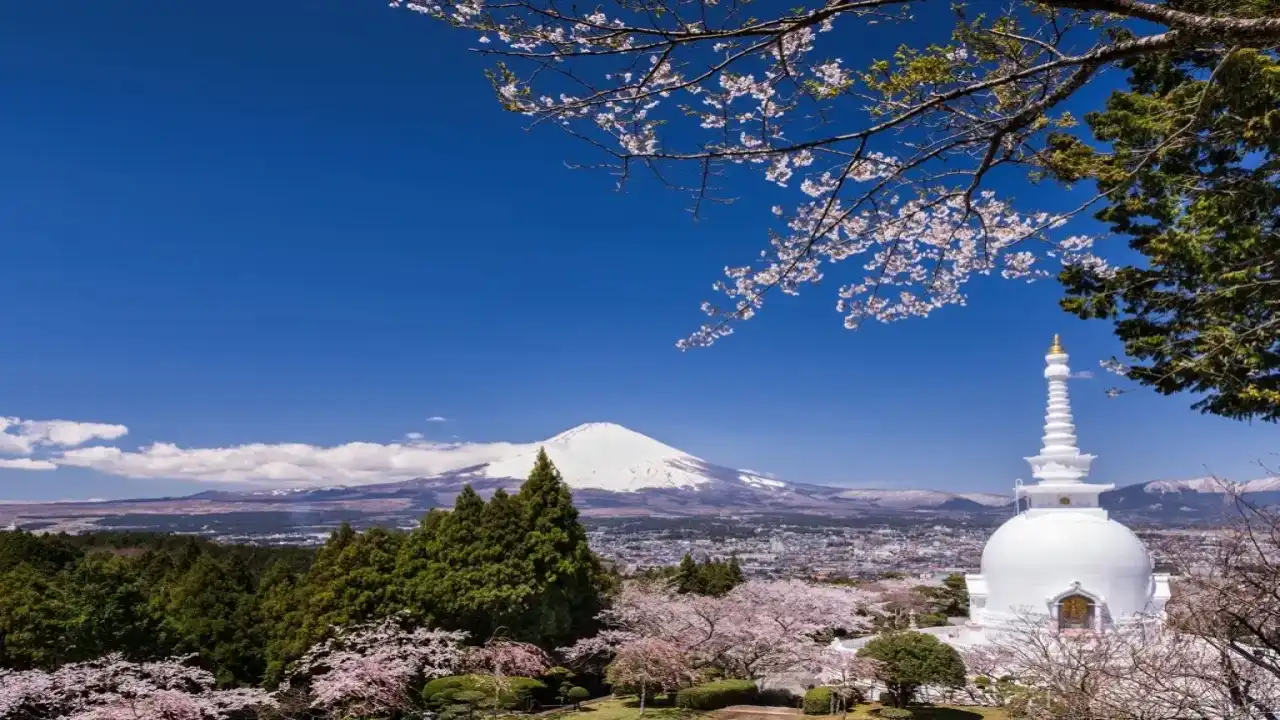
Gotemba Peace Park doesn’t try to impress. That’s exactly why it works. Wide lawns. Open paths. Benches that actually invite you to sit. Mount Fuji stands there unobstructed, without crowds fighting for space.
People like it because:
- You’re not rushed
- Nothing blocks the view
- It feels local, not staged
If you like quiet moments where you can just sit and look without distraction, this is one of the best views of Mount Fuji you’ll find.
Fuji Shibazakura Festival: Short Season, Strong Impact
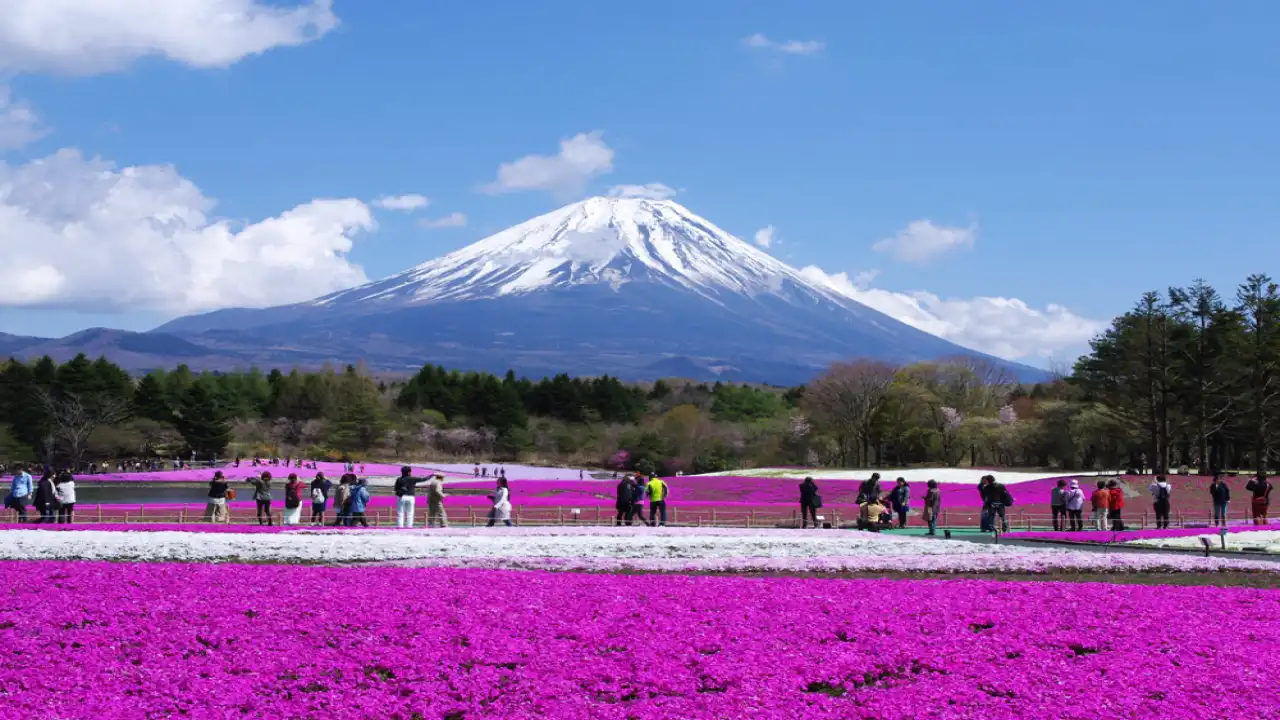
This one depends on timing. Miss it, and it’s just a field. Catch it right, and it’s unforgettable. In spring, bright pink moss phlox spreads across the ground near Lake Motosu. Fuji rises behind it, calm and steady, while everything in front feels loud with color.
What you’ll deal with:
- Crowds, especially on weekends
- Designated walking routes
- Food stalls everywhere
Pro tip: Weekdays and early mornings are worth the effort. The colors look softer, and the atmosphere feels calmer.
Seeing Mount Fuji From Tokyo (Yes, It Happens)
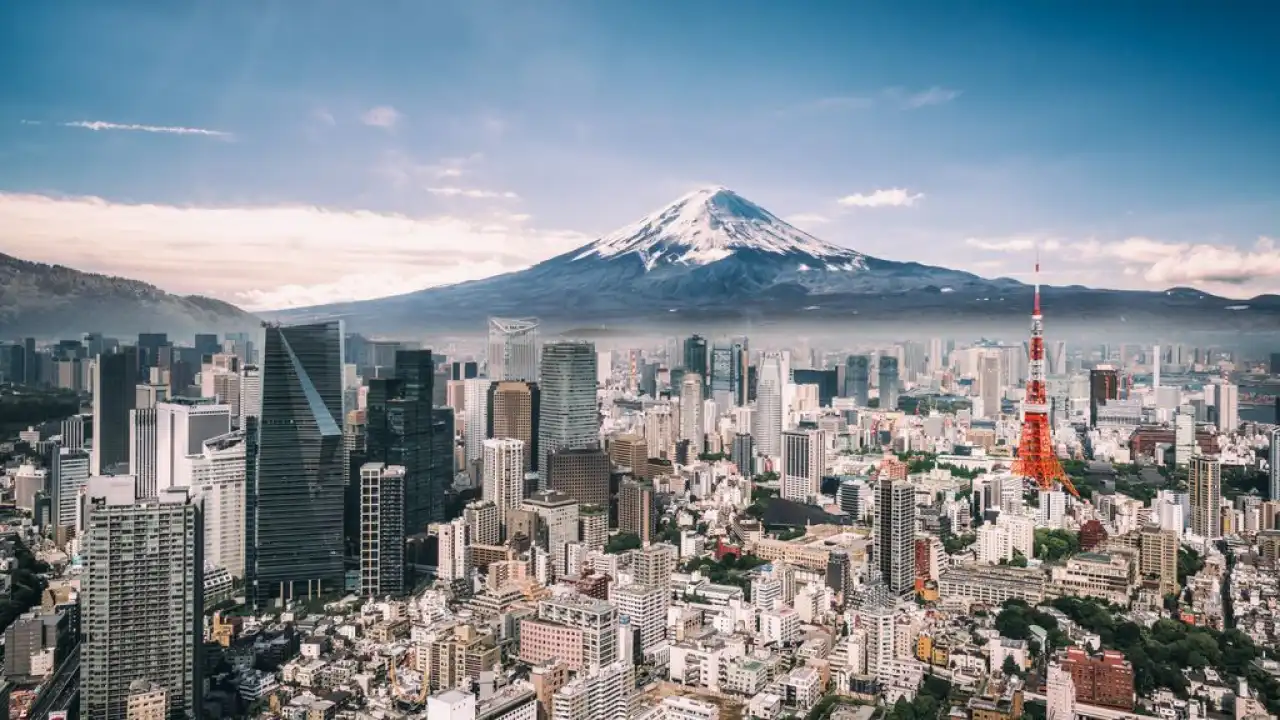
It surprises people, but Mount Fuji can sometimes be seen from Tokyo itself.
On rare, crystal-clear winter mornings, Fuji appears from:
- Tokyo Metropolitan Government Building
- Roppongi Hills Sky Deck
- Westbound train routes
It feels strange. A massive mountain quietly watches over a city that never really stops. Those moments don’t last long, which might be why they stick.
When Timing Matters More Than Location
Before getting into specific places, timing deserves attention. You can be standing in the “perfect” spot and still miss everything if the timing is off.
A few things most travelers learn the hard way:
- Early mornings are gold, especially before 9 am
- Winter skies (December to February) are usually clearer
- Spring and autumn are beautiful, but clouds love drama
- Summer brings haze, even when access is easy
Pro tip: If Mount Fuji disappears behind clouds, don’t leave immediately. Locals rarely do. Sometimes it clears for five minutes. Sometimes ten. Those brief windows feel oddly satisfying, like the mountain decided you earned it.
How to Fit These Spots Into Your Japan Trip
Most of these places don’t need special planning. They kind of fall into your routine on their own. You’re moving between cities, maybe staring out of a train window, and suddenly Mount Fuji is right there. That’s why a lot of people end up seeing it through Japan trip packages without even trying too hard. It works whether you’re on your own, traveling with family, or sharing the trip with someone close. There’s no pressure to rush or follow a strict plan. You stop when it feels right. You wait when the view asks you to. In the end, the mountain quietly sets the pace, and you just go along with it.
Conclusion
Mount Fuji doesn’t ask for effort. That’s the beauty of it. Seen from a lake, a park, or even a passing train window, it feels more real. You notice the light shifting, clouds drifting, life moving on around it. People nearby barely stop to look, and somehow that makes it better. The best moments aren’t planned at all. You’re sitting, waiting, holding something warm in your hands. Then it appears, calm and steady. That’s why a slow international trip package often makes the experience feel complete.
Practical Tips That Actually Help
A few lessons most travelers learn only after missing Fuji once:
- Stay flexible with plans
- Check cloud forecasts, not just rain
- Mornings matter more than locations
- Stop chasing perfection
Pro tip: If Fuji doesn’t show up immediately, don’t spiral. Get a snack. Sit down. Look again later. It often shows up when you’ve stopped trying so hard.