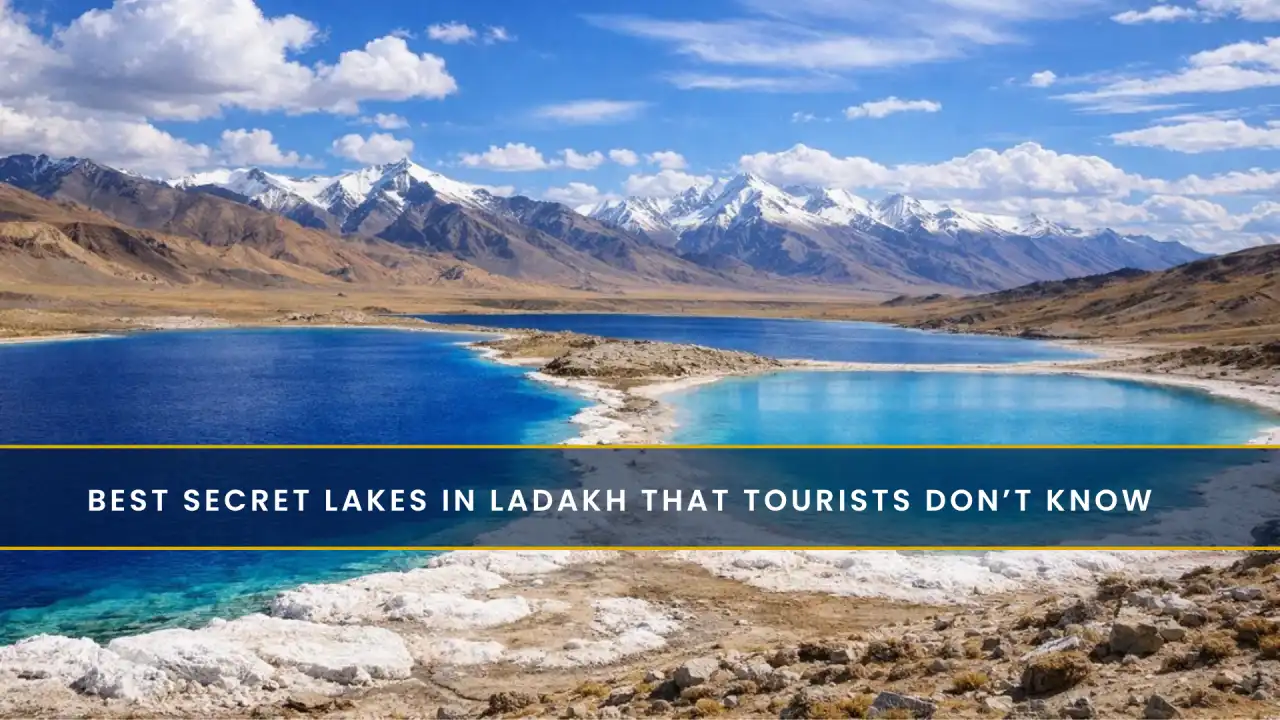
Best Secret Lakes in Ladakh That Tourists Don’t Know
Introduction
Some places just don’t feel real when you’re standing there. Ladakh is one of them. It’s quiet in a strange way, not empty, just stretched out. Like silence has weight here. Mountains don’t just stand in the background; they almost feel like they’re watching you. And somewhere in between all that, those long roads, freezing wind that hits your face without warning, you suddenly come across water. Still water. So, it still almost confuses you for a second.
That’s what the Ladakh Lakes do to you. They don’t really announce themselves. You just find them, and then you pause without even thinking. But honestly, what most people don’t realize is that what you see on postcards is only a small part of the story. A quieter Ladakh is hiding behind the popular stops. Lakes that don’t have crowds, or cafés nearby, or even proper signboards sometimes. Just land, water, wind and you. And somehow, those places stay with you longer than the famous ones.
The Silence Beyond Popular Routes
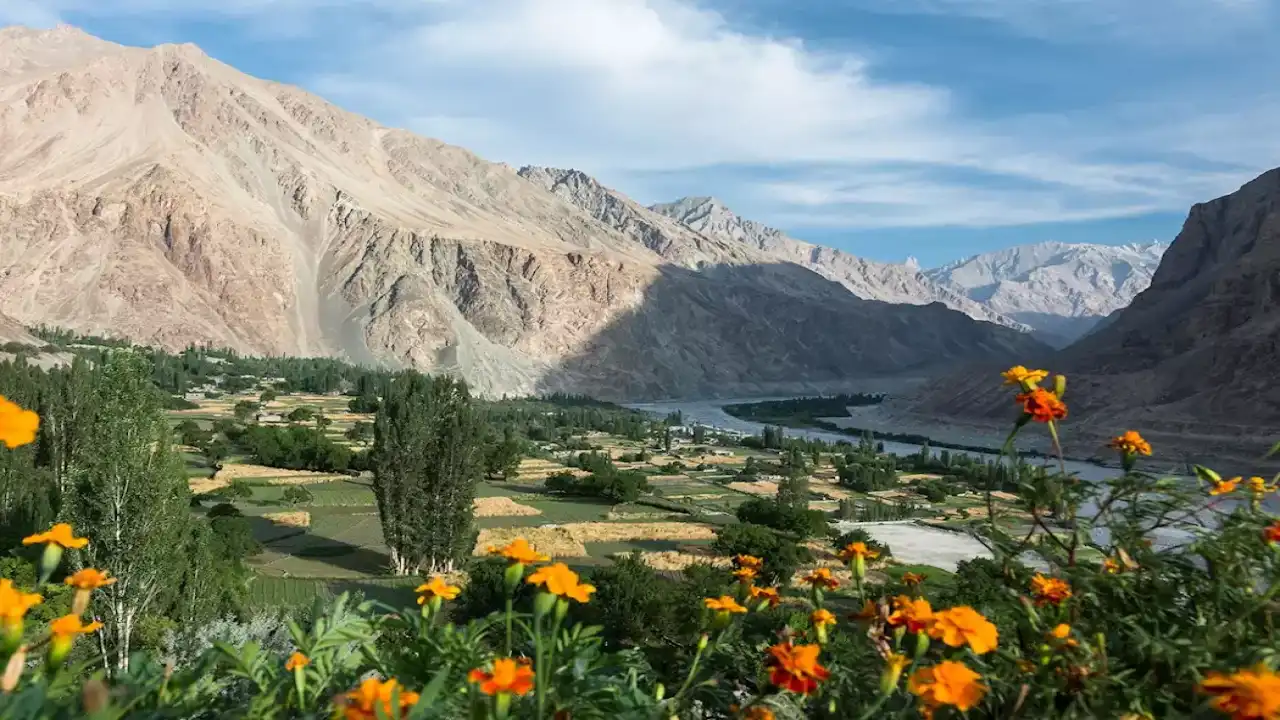
Most travelers come with the same plan. Pangong. Nubra. A monastery or two. Maybe a café stop in Leh if there’s time. And that’s fine, those places are beautiful. But the real shift happens when you leave that loop. The roads get rougher, not dramatically, but enough that you notice. Villages start spacing out. Sometimes you won’t see another vehicle for a while, and that’s when your mind starts slowing down too, whether you want it or not. And somewhere in that stretch, the landscape just opens up differently. No noise. No rush. Just these quiet pockets waiting in between. That’s usually where the real discoveries begin.
Tso Kar – A Strange Kind of Beauty
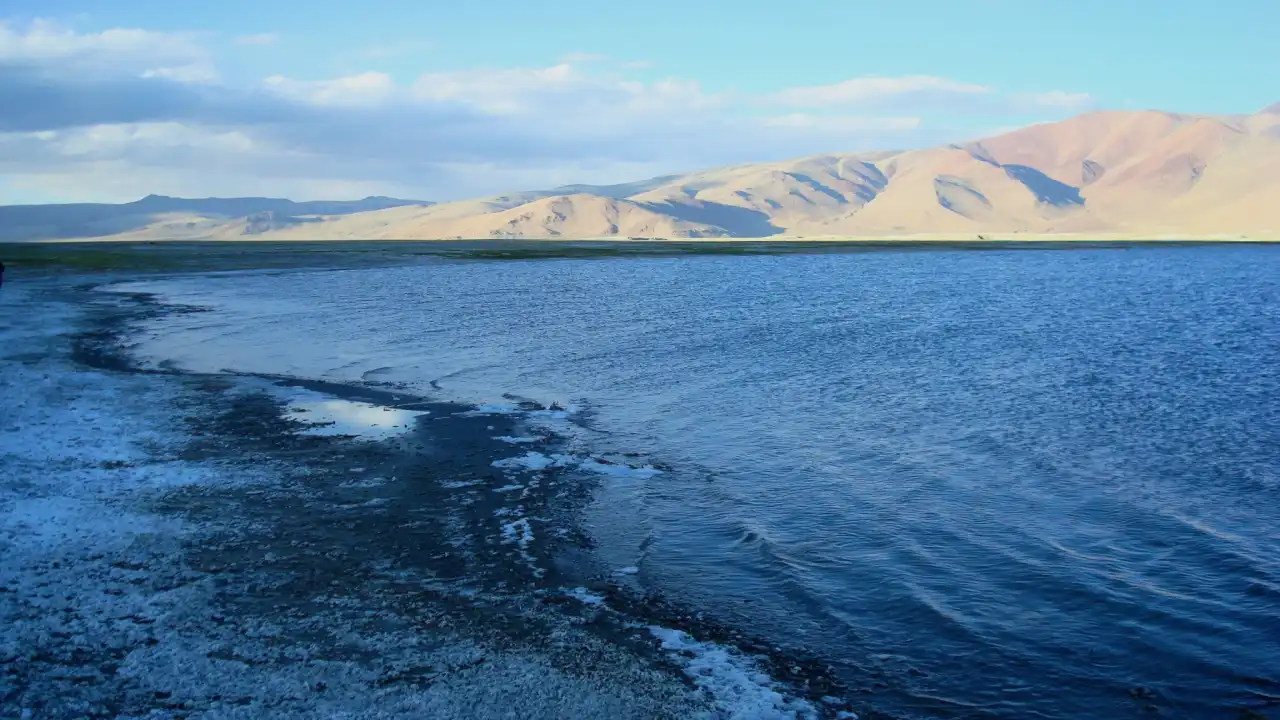
Tso Kar feels different the moment you arrive. Not softer, not harsher, just different. The land around it looks almost pale, like it’s been washed out by salt and sun over time. The lake doesn’t always look deep blue like you expect from postcards. Sometimes it shifts into these dull whites and greys, depending on how the light hits it. At first glance, it almost feels a bit lifeless. But then you notice the birds' movement. Life quietly exists in a place that looks empty.
- Salt crust edges that crack under your steps
- Water that changes color without warning
- Wind that doesn’t stop, ever
- Birds that appear suddenly and disappear just as fast
Standing there, you kind of realize Ladakh isn’t trying to be pretty in a traditional way. It’s just honest in its own harsh style. And somehow that stays longer in your memory.
Mirpal Tso – The Lake That Hides Near Pangong
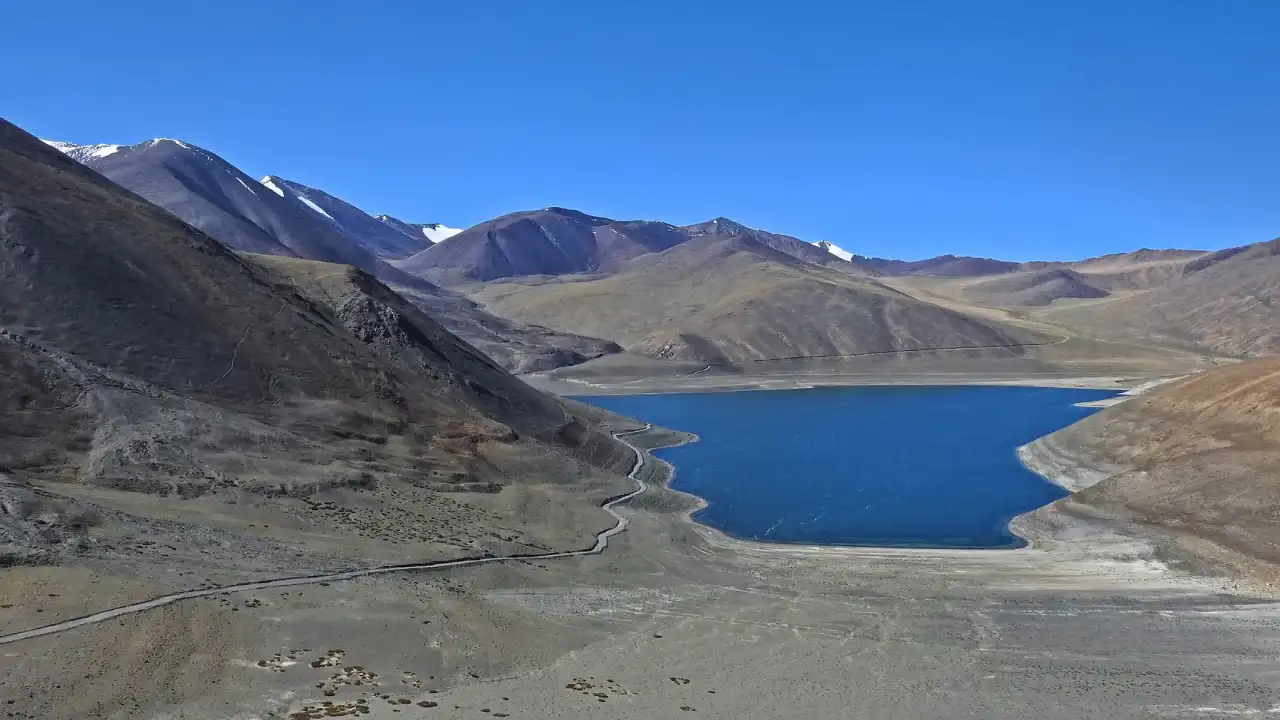
Mirpal Tso is one of those places that quietly exists in the shadow of something much more famous. Located not far from Pangong Lake, it’s surprisingly easy to miss if you’re not specifically looking for it. Most travelers drive straight toward Pangong, excited to see the lake they’ve heard about for years. And somewhere along that same route, Mirpal Tso sits quietly beside the road, often unnoticed.
The lake itself isn’t very large, but that’s part of its charm. The water usually reflects the surrounding mountains in a soft, almost mirror-like way, especially when the wind settles for a moment. There’s rarely a crowd here. Sometimes there might be a few birds near the edge of the water, or just complete silence stretching across the landscape. It feels calmer than the bigger lakes. Less expectation, less movement, just a peaceful stop that many travelers accidentally skip. And honestly, if you do stop here for a few minutes, you might find it becoming one of those small, unexpected moments that quietly define a Ladakh journey.
Yarab Tso – The Lake That Doesn’t Try Too Hard
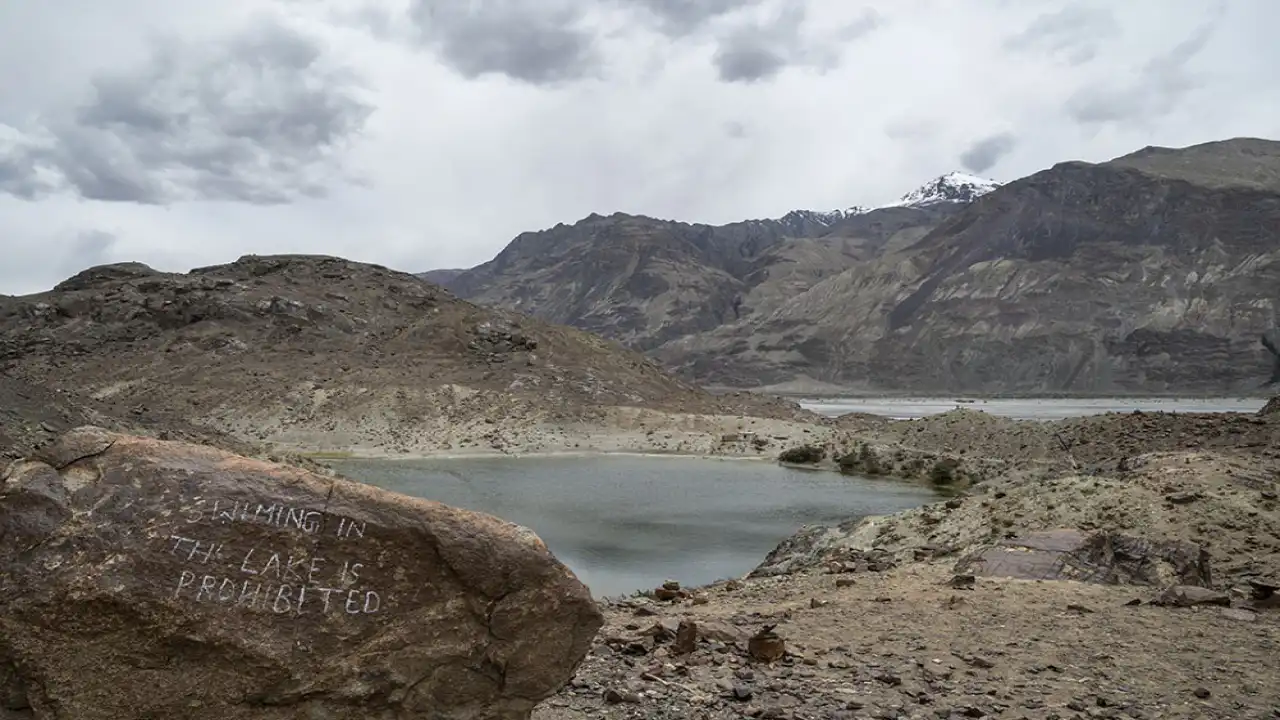
Yarab Tso is one of those places you almost hesitate to talk about, because it feels too personal somehow. It’s tucked away near Sumur in Nubra Valley. You don’t just “reach” it, you kind of walk up to it, a short uphill climb that makes you wonder if it’s even worth it while you’re halfway there.
Then you see it. And it’s worth it. But not in a loud, dramatic way. The water just sits there. Calm. Reflecting whatever mood the sky is in that day. No movement, no chaos. Just stillness. People usually don’t talk much here. Not because someone told them to be quiet, it just happens naturally. It’s funny how some places do that. This little lake quietly becomes one of those hidden lakes in Ladakh you don’t forget, even though nothing “big” happens there.
Stat Tso – The One You Don’t Plan For
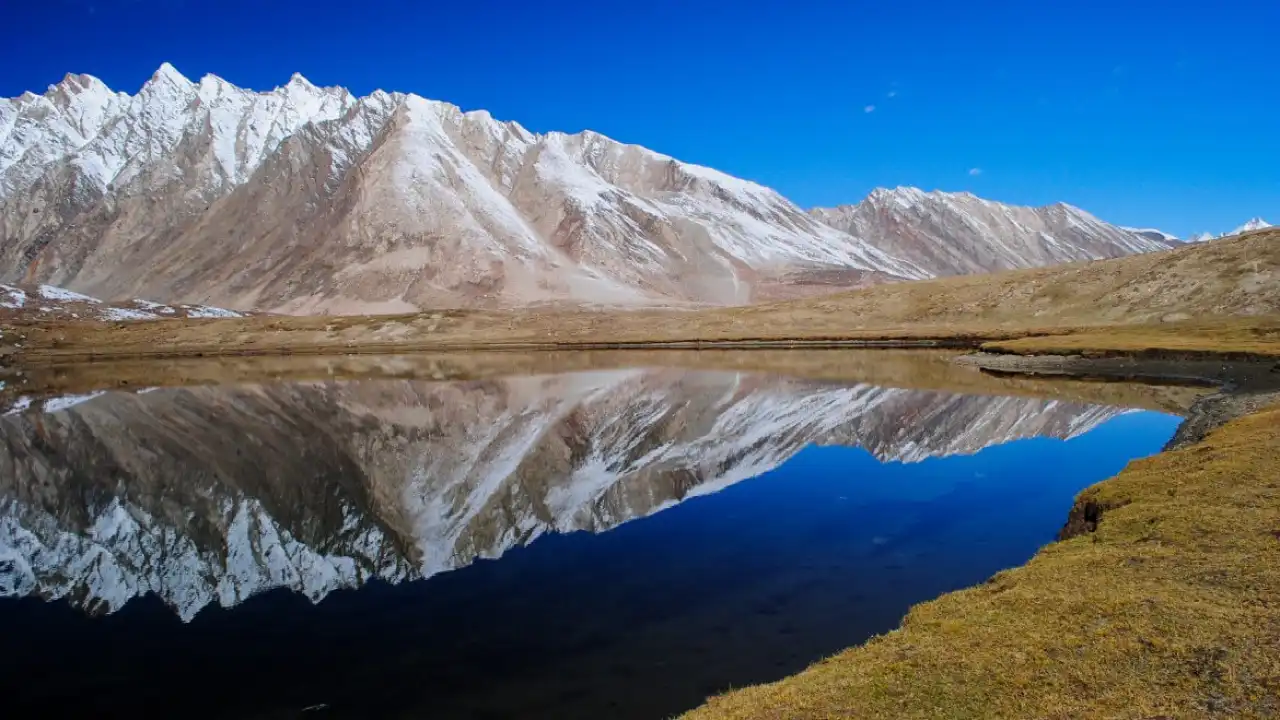
Stat Tso is not a place you usually “plan” for. Most people don’t even know the name until someone casually mentions it after a trip. And maybe that’s why it feels so different. The drive to get there is long, quiet, and sometimes a bit confusing if you’re being honest. You start wondering if you missed a turn or if the road even leads anywhere. And then suddenly, it appears.
No announcement. No buildup. Just a lake sitting there like it was always part of the landscape and you’re the one who’s late. You don’t really react loudly when you see it. You just slow down. Maybe stop talking for a bit. It kind of forces your thoughts to settle, whether you planned that or not. That’s the thing about lesser-known lakes in Ladakh: they don’t try to impress you. They just interrupt your usual pace.
Around Pangong – The Quiet Side Everyone Misses
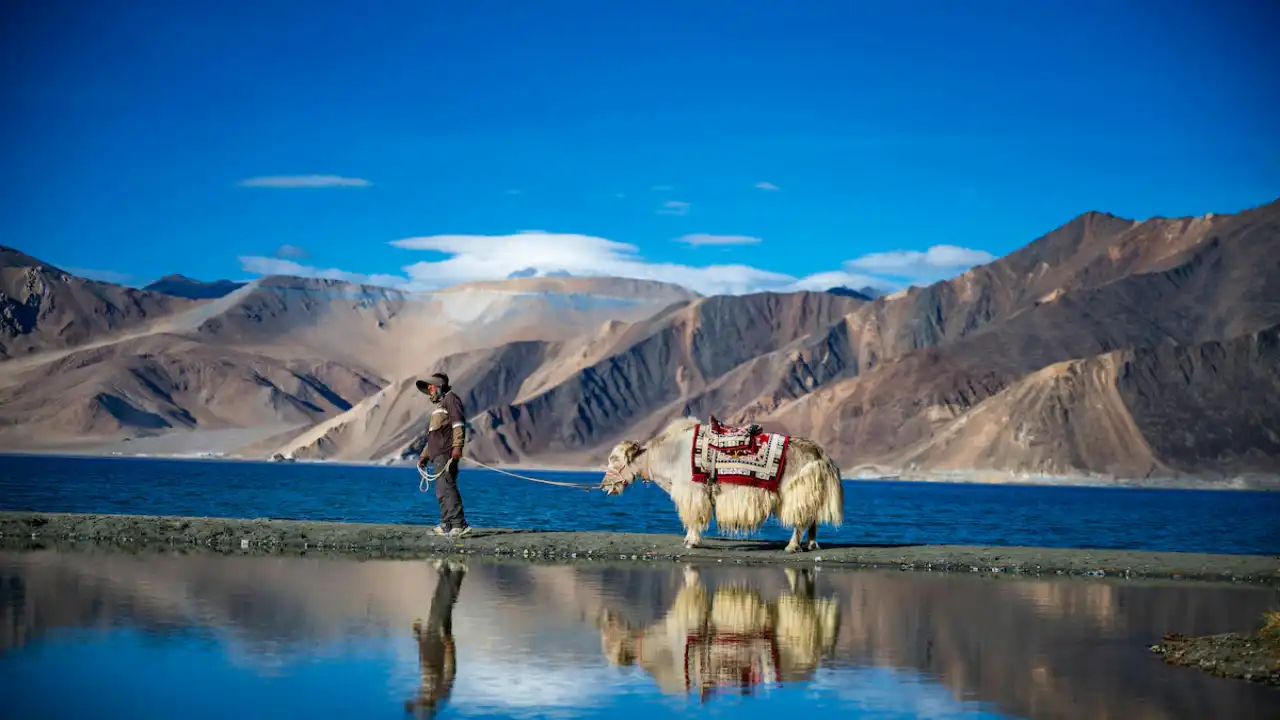
Everyone knows Pangong. That’s not the secret. But what people usually miss is everything around it. If you drive a bit off the main flow, you start noticing smaller water bodies scattered around. Some are barely there, just thin stretches reflecting the sky. Some only exist for a few months before drying or changing shape completely. You don’t really plan to stop. You just do. And somehow those unplanned stops end up feeling more real than the main destination. It’s strange like that.
Getting There – It’s Not Just a Route
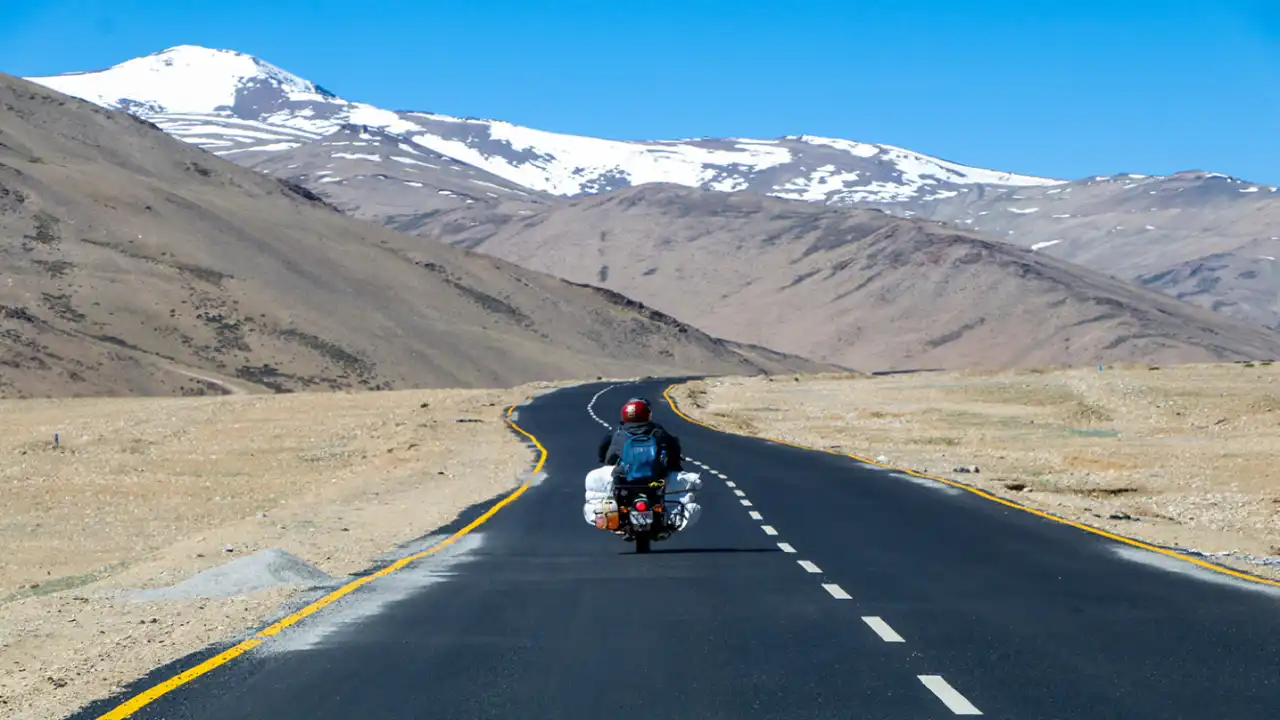
Traveling to these places isn’t like a normal sightseeing trip. It’s not about ticking boxes or moving from point A to B. It’s slower. A bit uncertain too. A lot of people prefer a Ladakh trip package just because the terrain can be unpredictable and distances feel longer than they look on maps. That helps with the basics, roads, stays, and fuel planning. But even with structure, Ladakh doesn’t really let you stay rigid. You’ll end up taking detours anyway. Sometimes on purpose, sometimes not. And those detours? They’re usually the best part.
Why These Lakes Feel Different
It’s not really about size or fame or even beauty in the usual sense. It’s the feeling. You don’t feel “busy” around these lakes. You don’t feel like you need to do anything. No checking phones every few minutes. No rush to move to the next spot. Just space. A lot of it.
- No shops or noise around
- Bare minimum human presence
- Landscapes that feel untouched in a real way
- A strange kind of mental quiet that sneaks up on you
You don’t really notice it at first. It hits later..
The Part Nobody Really Talks About
Ladakh does something subtle to people. It doesn’t shout it out. It just makes you quieter. Not in a forced way, more like your brain finally stops running in the background for a while. These lakes play a big part in that. They don’t entertain you. They don’t give you anything to “do.” They just sit there, existing very calmly, like they’ve got nowhere else to be. And maybe that’s what sticks.
You don’t come back saying, “I saw this lake.”
You come back saying I don’t know, it felt different there.”
Conclusion
Ladakh is often remembered for its famous places, but honestly, that’s just the surface version of it. The quieter corners, the ones without crowds or filters or noise, are where it really starts to feel alive in a different way. These hidden lakes don’t try to impress anyone. They’re not performing. They just exist, moving at their own slow rhythm. And if you give them a little time, they quietly change the way you understand silence. It’s the kind of experience that reminds you why people take long domestic packages in the first place, not just to see places, but to pause, breathe, and feel landscapes the way they were meant to be felt.
Pro Tips
A few things that actually matter when you’re heading this side:
- Carry extra fuel. Always. Don’t assume the next station is close.
- Network? Forget it in most stretches.
- Layers of clothing help more than you think. Morning and afternoon feel like two different places.
- Start early. Mountains don’t care about your timing.
- Snacks are not optional, they’re survival.
And one more thing, don’t rush between lakes. You’ll miss the point entirely if you do that