Best Temples to Visit in Sri Lanka
When people are discussing Sri Lanka, they usually start with the beaches, train journeys through tea plantations or perhaps wildlife safaris. Temples? Not always. That's honestly surprising given that some of the best places in the country really aren't even on the coast at all. They are hidden in the centres of ancient cities, sat up on rocky hills or between busy streets where everyday life continues as normal. The one thing that is incredible while traveling on an island is how naturally these sacred places are incorporated into life.
You might have schoolkids coming or stopping to offer flowers before class, families gathering for evening prayers or travelers sitting quietly in a corner just taking it all in; exploring Sri Lanka temples is so much more than visiting old buildings. It is learning about another part of a country that has formed its culture over hundreds of years. There are some huge, busy temples. Some feel almost tranquil, even when they're minutes away from metropolitan centers. Either way, it's something that they carry with them beyond the trip.
Which are the best temples to visit in Sri Lanka?
Trying to narrow down the best temples in Sri Lanka isn't easy. There are hundreds spread across the island, and locals often have their own favorites. Still, a handful consistently stand out because of their history, architecture, and overall experience.
1. Temple of the Sacred Tooth Relic, Kandy
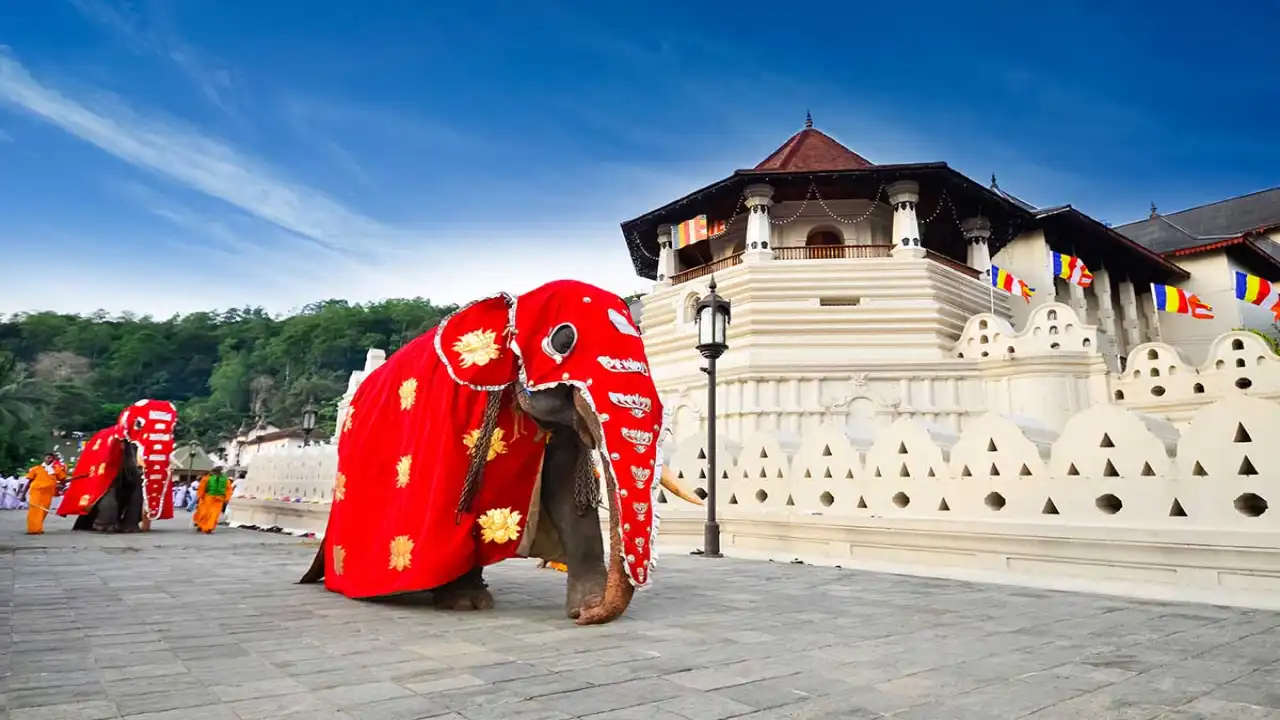
If you are planning on going to Kandy, you will hear about this temple before you even arrive. And it is so many times that you bump into this place on the guide, hotel staff and other travelers. It is regarded as one of the most important Buddhist relics, and the Temple of the Sacred Tooth Relic is a major religious shrine in Sri Lanka, thought to contain a tooth of Buddha. But more than just the importance of it, something in that atmosphere makes it special. One of the first things you notice is how people walk by, regularly and with lotus flowers. Later in the day, you can hear drums playing traditional music drum sounds coming from who knows where in the massive complex. It doesn't feel staged for tourists. It feels lived-in.
Why people visit:
- Deep religious significance
- Beautiful traditional architecture
- Rich cultural history
- Scenic setting near Kandy Lake
Pro Tip: Evening ceremonies tend to be particularly interesting because you get to see local traditions in action rather than just viewing the temple as a sightseeing stop.
2. Dambulla Cave Temple
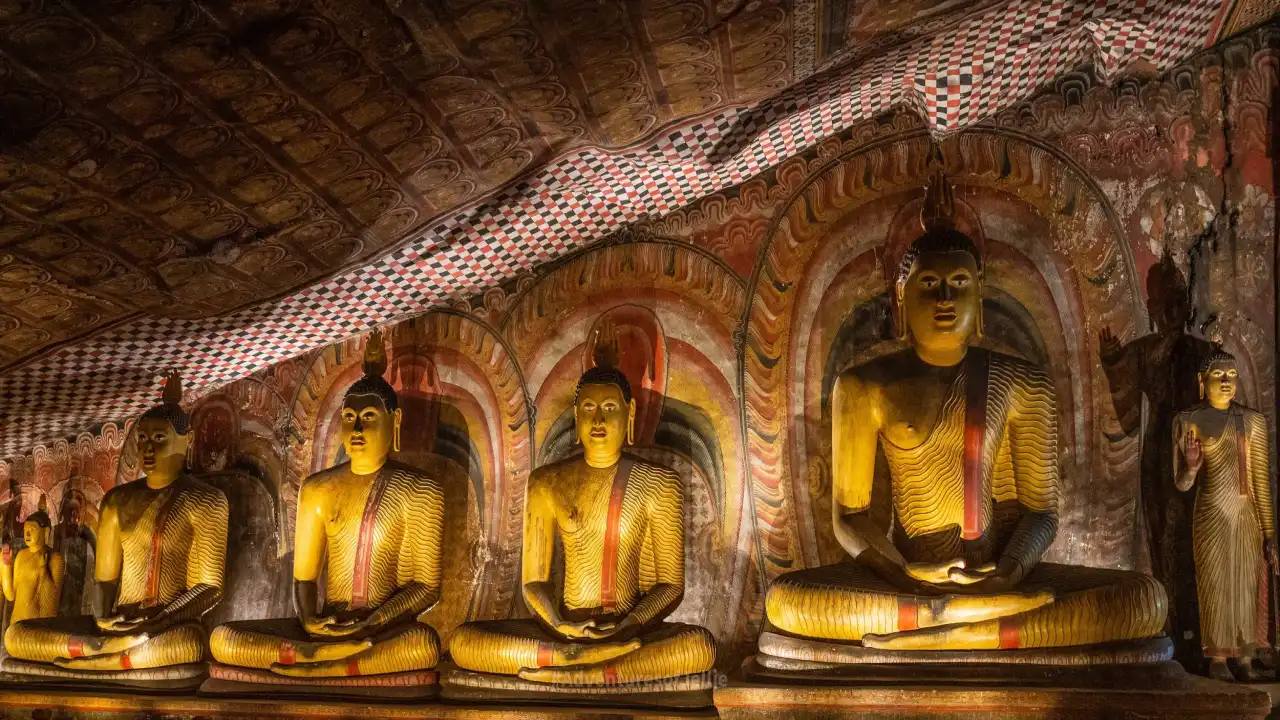
Some places impress you immediately. Dambulla is one of them. The journey starts with a climb. It's not especially difficult, but on a hot afternoon, you'll definitely know you've climbed a few stairs. The good news is that the views get better the higher you go. Inside the cave complex, things become even more fascinating. Ancient paintings stretch across ceilings, statues fill the chambers, and every room seems to reveal another detail you somehow missed a minute earlier. It's easy to see why many travelers consider this among the most significant Buddhist temples Sri Lanka has preserved.
What makes it special:
- Historic cave shrines
- Hundreds of Buddha statues
- Remarkable murals
- Excellent views from the hilltop
Pro Tip: Bring water. It sounds obvious until you're halfway up the hill wishing you'd remembered.
3. Gangaramaya Temple, Colombo
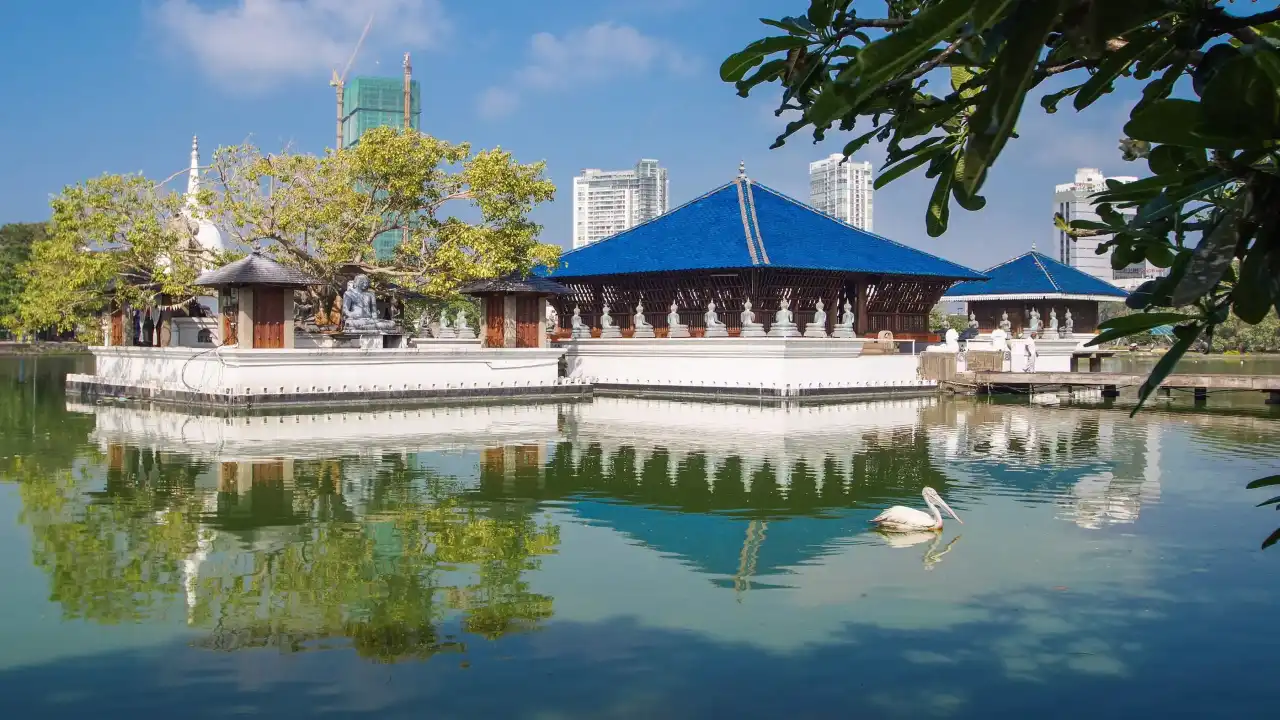
Not every experience that her temples have is an ancient ruin or a hike. The Gangaramaya Temple in Colombo is a whole other experience. It is like a temple, the museum and cultural center in one. Your visit could have you passing by religious relics, dusty pages of tomes, and vintage objects on display from different parts of Asia. This is a little bit of an odd thing compared to your regular temples, which is probably part of its appeal.
The complex includes:
- A museum
- A library
- Meditation spaces
- Collections of religious artifacts
Because of its location and accessibility, many visitors add it to their list of Sri Lanka tourist attractions even if they only have a short stay in Colombo.
4. Ruwanwelisaya Temple, Anuradhapura
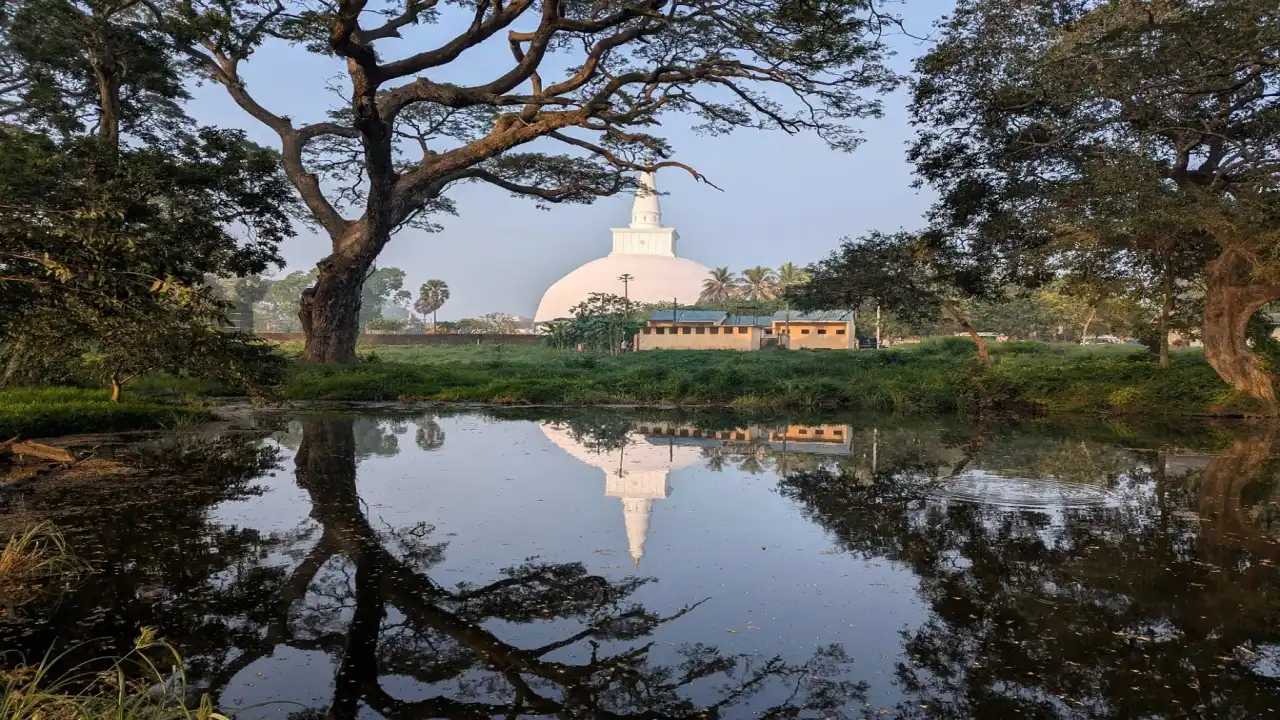
Some places seem much larger when you are actually there in front of them. Well, the Ruwanwelisaya certainly belongs in the second category. Its huge white stupa is certainly the most imposing structure there and has dominated the landscape for more than 2,000 years. That is a number that is difficult to conceive of until you reach the site itself. It is a place where thousands of pilgrims come during religious holidays. On days you sit still, the calm feels like a force that anchors people without them knowing it.
Reasons it's worth visiting:
- Extraordinary history
- Huge architectural scale
- Active pilgrimage site
- Peaceful surroundings
It's one of those places where history suddenly stops feeling like something you read in a guidebook.
5. Mihintale Temple Complex
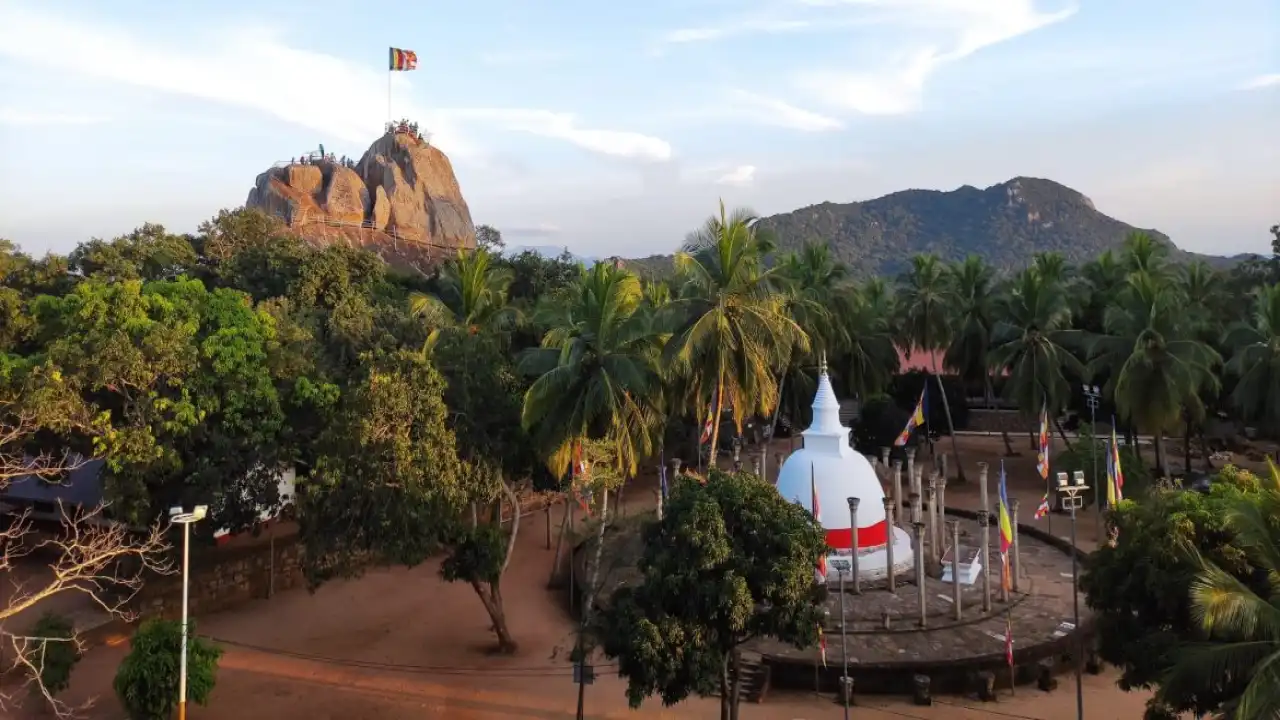
Mihintale is not usually the first place that comes to a traveler's mind when thinking of only travel in Sri Lanka, but so many leave compelled to ask why! Mihintale is often pointed out as the spiritual home of Buddhism on the island, with a healthy dose of historical significance and surprisingly beautiful viewpoints. Its climb can feel prolonged, especially in the afternoon sun. But every part is unique: ancient stone stairways, historic ruins, tiny churches, and panoramic views across the landscape.
Things visitors enjoy:
- Historical significance
- Scenic hilltop views
- Ancient structures
- Fewer crowds compared to major sites
Pro Tip: Early mornings make a huge difference here. The cooler temperatures alone are worth setting an alarm for.
6. Kelaniya Raja Maha Vihara
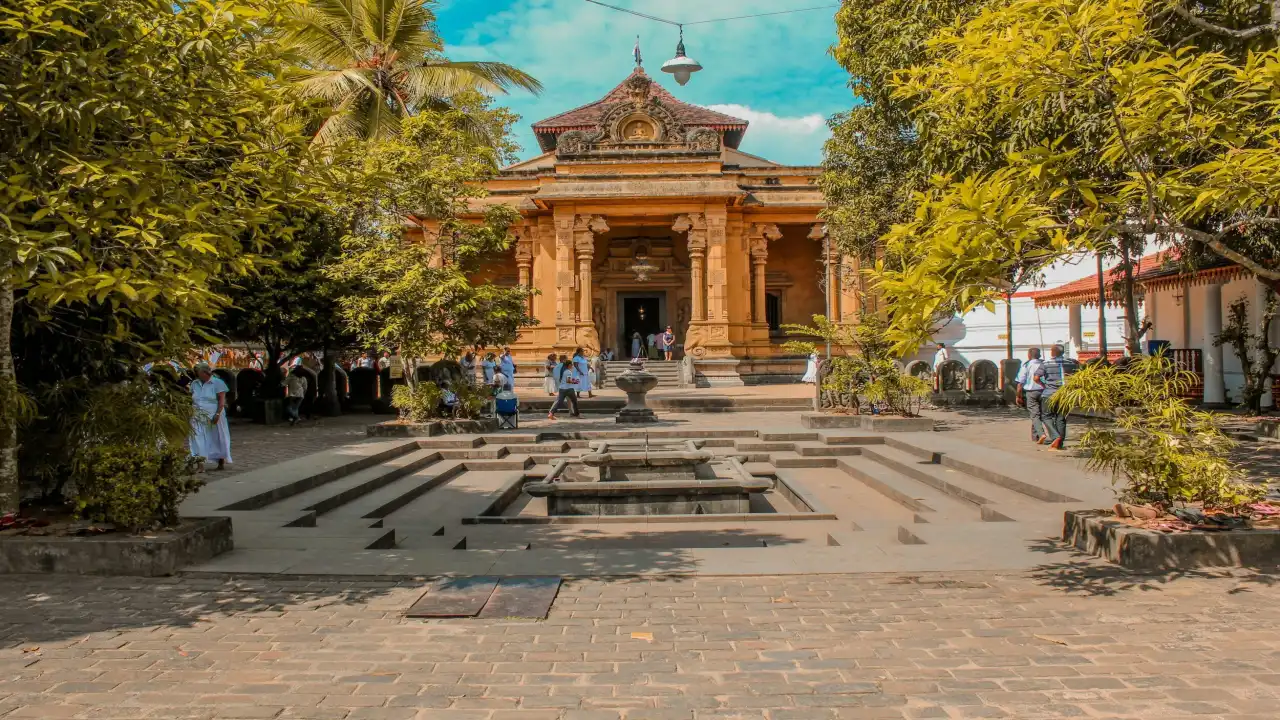
Just outside Colombo, Kelaniya Raja Maha Vihara remains one of the country's most respected temples. At first glance, the architecture grabs your attention. Spend a little more time inside and the murals start becoming the highlight. The paintings tell stories from Buddhist traditions while also showcasing local artistic styles. Even visitors who don't know much about the history often find themselves stopping to examine the details.
Why people visit:
- Beautiful artwork
- Historical importance
- Religious ceremonies and festivals
- Traditional architecture
It's the sort of place where taking your time pays off.
What is the most famous temple in Sri Lanka?
Ask a question like this, and ten different travelers would likely tell you the same answer: Temple of the Sacred Tooth Relic in Kandy. It is not just about the architecture or how old it is that makes this so fabulous. Located in the premises of Kandy Palace, the temple is said to house the tooth relic of Buddha, which has made it one of the most revered places in Sri Lanka for centuries. The temple is also famous for the Esala Perahera festival. It includes performers, even elaborately-dressed elephants, who fill the street celebrations that will attract visitors from around earth. Even when it isn't festival season, the temple finds its way into those places that people reminisce on for a long time after they have left.
Planning Your Temple Journey
Visitors combine their temple visits with other activities on the island. If you choose the Sri Lanka trip package, then prefer the one that includes Kandy and Anuradhapura, Dambulla and Colombo. This way, you get to experience a good chunk of culture without feeling as if the wheels are moving too quickly. You have one day in ancient ruins, then another day hiking through tea country or relishing your time at the coast. When people plan their holidays, they generally compare destinations and often look for information on a couple of tourist locations. But here in Sri Lanka, the experience is completely different. Not the other way around, where history and spirituality are strictly separated from everyday life, and might even research a few popular places.
Conclusion
The temples of Sri Lanka are more than landmarks on a map. They are where history barges in, faith, culture, and everyday life meet, making everyday life something that is hard to describe until you see it for yourself. Architecture attracts some visitors. Others come for the history. Some just visit a temple while traveling, and end up staying longer than they thought. The Best temples in Sri Lanka unveil another side to the country which may not spring to mind for many travelers at first: the sacred halls of Kandy, the cavern shrines of Dambulla and the age-old sites surrounding Anuradhapura. Maybe that's exactly what makes them memorable. You think you are going to see a historic place. Somewhere along the way, it begins to feel like something far more personal than that, which is why many travelers consider temple visits a highlight of their International Trip Package experience in Sri Lanka.
Tips for Visiting Temples in Sri Lanka
Temple visits are generally relaxed experiences, but a little preparation helps.
Dress Respectfully
- Cover shoulders and knees.
- Avoid very revealing clothing.
- Carry a scarf if you're unsure about dress requirements.
Remove Shoes
Most temples require visitors to remove footwear before entering sacred areas.
Be Respectful
- Keep noise levels low.
- Follow local customs.
- Pay attention to signs and instructions.
Check Photography Rules
Rules vary from one temple to another. Some areas allow photography, while others don't.
Bring Water
Many temple visits involve walking, climbing steps, or spending time outdoors.
Go Early
Early mornings usually mean cooler weather and smaller crowds. Plus, the atmosphere often feels calmer.