Best Things to Do in Bali for First-Time Visitors
Introduction
Bali doesn’t hit you all at once. That’s probably the first thing you notice. It doesn’t demand your attention every second. Instead, it kind of eases you in. Slowly. Almost politely. For first-time visitors, that’s what makes it stick. You arrive expecting a checklist, but Bali gives you moments instead. Temple bells somewhere far off. Coffee that tastes better because you’re not rushing. Sand under your feet when you weren’t planning to go to the beach at all. If you’re coming for the first time and wondering about the things to do in Bali, it helps to drop the idea of “seeing everything.” You won’t. And honestly, that’s fine. Bali works best when experiences flow into each other without trying too hard. This guide focuses on what actually feels right when you’re here, not what looks good on paper.
Getting Your First Feel of Bali’s Rhythm

Before you start planning places, it helps to understand how Bali moves. Days start early. Really early. You’ll hear scooters and see locals already at work just as the light softens the sky. Afternoons slow down, especially in warmer areas. Shops go quiet. People retreat indoors. Even traffic feels heavier, like it’s had enough for the day. Evenings, though, are social. Food, walks, music drifting out of cafés, conversations that stretch longer than expected. If you’re visiting for the first time, do yourself a favor and slow down. Trying to squeeze everything in usually leads to frustration. Bali doesn’t reward speed. It rewards patience.
Pro tip: Two main plans in a day are enough. Any more, and you’ll feel rushed before lunch.
Discover the Cultural Heart of Ubud

Ubud is where a lot of first-time visitors finally get it. Not because it’s flashy, but because it isn’t. That’s exactly the point. It feels real. Lived-in. You’ll notice offerings placed outside homes, small ceremonies happening without warning, and people going about their day without performing for anyone. Spend time walking instead of driving. Wander into art galleries. Sit in a café longer than planned. Watch life happen. It’s one of the easiest places to figure out what to do in Bali without forcing a schedule on yourself.
Don’t miss:
- Early morning markets with simple fruit and snacks
- Quiet residential lanes just off the main road
- A traditional dance show in the evening
Pro tip: Temples are calmer early morning or just before sunset. Midday gets loud and crowded.
Walk Through the Tegallalang Rice Terraces

You’ve probably seen the photos. They’re everywhere. But walking through these terraces is different. You hear water running through irrigation channels. You hear farmers talking to each other. It’s calm in a way that doesn’t try to impress you.
For first-time visitors, this is a good introduction to Bali’s connection with land and farming. Nothing here feels staged. These fields are still working fields.
Things to keep in mind:
- Wear shoes with grip; the paths can get slippery
- Stick to the marked areas, people work here
- Skip the swings if crowds aren’t your thing
Visit Sacred Temples Without Rushing
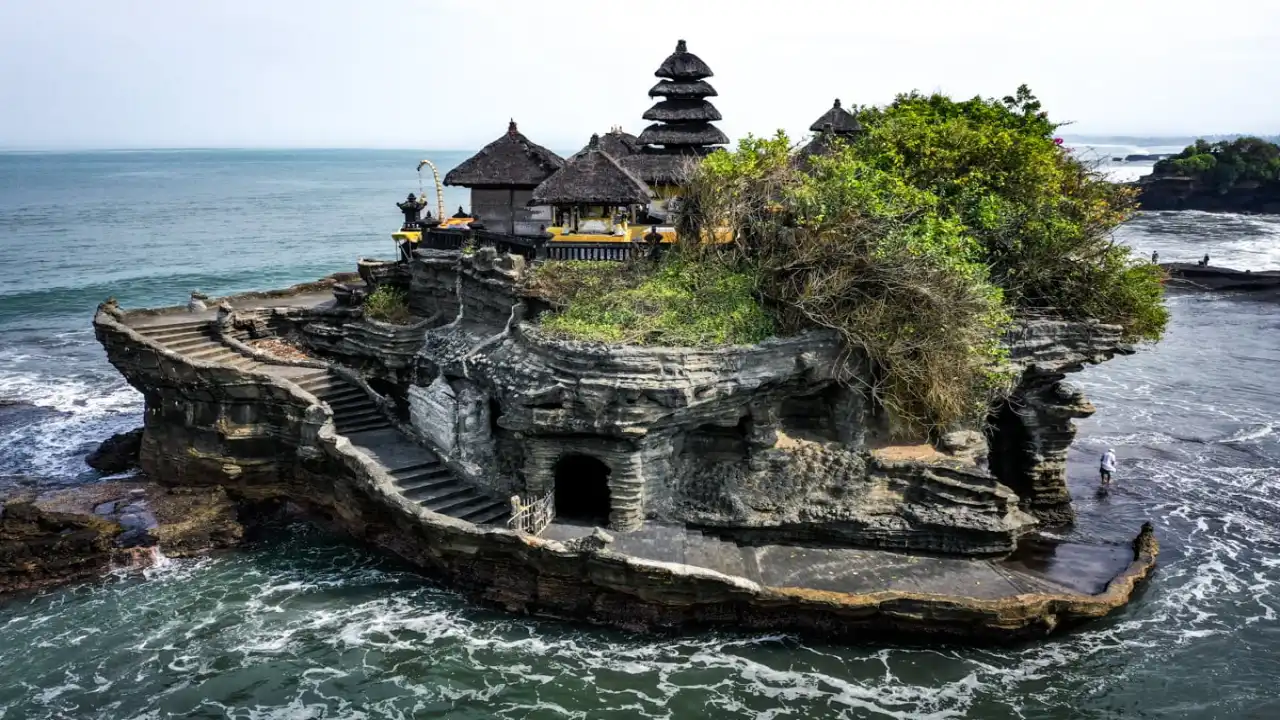
Temples in Bali aren’t photo stops. They’re living places. You’ll feel the difference pretty quickly if you slow down enough to notice.
Uluwatu Temple
Perched on a cliff, waves crashing far below, wind cutting through the air. It’s dramatic, yes but not overwhelming. Stand still for a minute. That’s when it works.
Tanah Lot
Busy at sunset, no question. Still worth seeing once. The silhouette against the fading sky explains why people keep coming back. These stops often show up on lists of popular Bali activities, but the real value is in being quiet, observant, and respectful.
Pro tip: Wear the sarong, follow signs, and don’t rush through.
Take an Early Morning Hike at Mount Batur
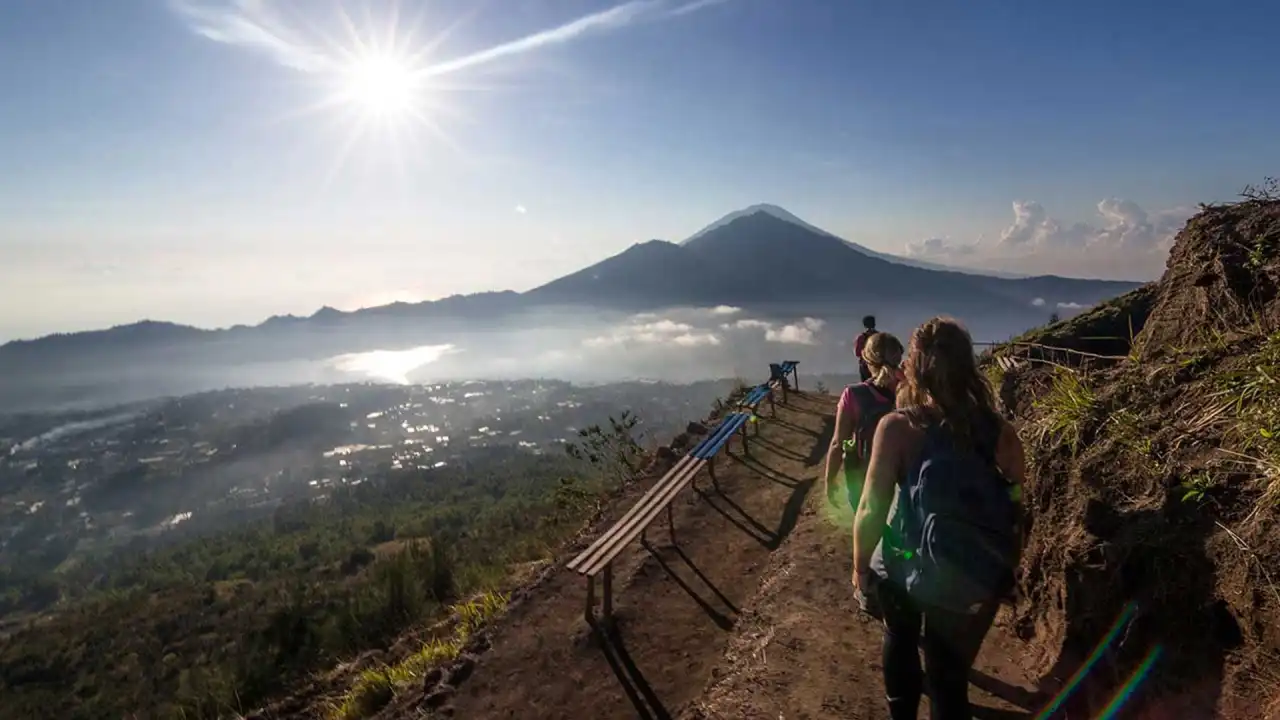
This one sounds harder than it actually is. Yes, the wake-up call is early. No, you don’t need to be super fit. Guides set a steady pace. People help each other along. Watching the sky slowly change color while holding a warm cup of tea at the top feels grounding. Not dramatic. Just right.
What to expect:
- Around 2–3 hours of hiking
- Cold air before sunrise
- A simple breakfast at the summit
It’s often mentioned among the best things to do in Bali, especially if you want something active but manageable.
Explore the Cliffs and Beaches of Nusa Penida

Nusa Penida feels rougher than mainland Bali. Roads aren’t smooth. Views are bigger. Crowds thin out fast once you leave the main spots. For first-timers, a day trip is enough. Pick one or two locations and don’t try to see it all.
Good stops:
- Kelingking viewpoint
- Crystal Bay for a quiet break
- Short coastal walks
Most people expect “just another beach.” They leave surprised.
Relax in Seminyak Without Overplanning

Seminyak is comfortable. Stylish, but not stiff. Good food. Easy shopping. Beaches that don’t demand effort. Spend an afternoon doing very little. Walk. Sit. Browse. Let the day wander.
Pro tip: Get to the beach early for sunset and stay put. Chasing viewpoints ruins the moment.
Experience the Energy of Kuta
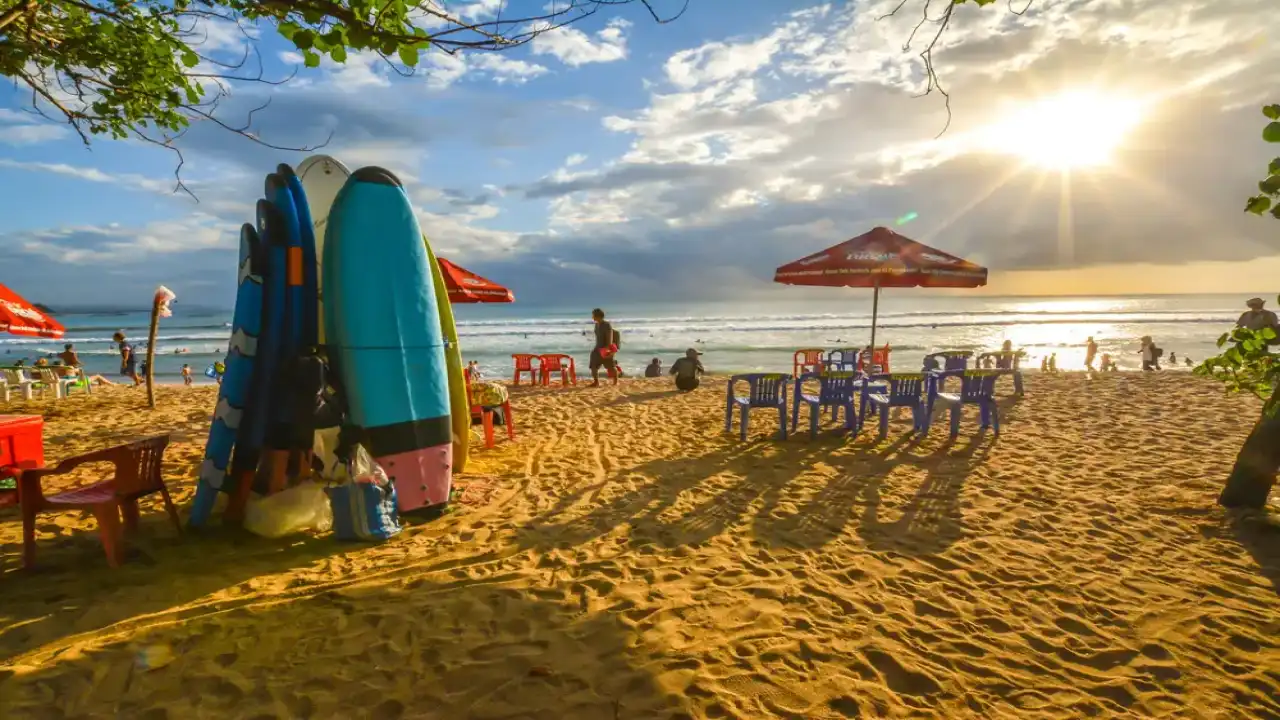
Kuta is loud. Busy. Completely unapologetic about it. It’s worth seeing once, especially to understand how Bali became what it is today. Watch beginner surfers fall over in shallow water. Walk the strip. Leave when you’ve had enough. You don’t need a full day unless nightlife is your priority.
Enjoy a Quiet Dinner at Jimbaran Bay

This one’s simple. Fresh seafood. Tables on the sand. No pressure to leave. It works well for couples and families alike.
Why people love it:
- Choose your fish before it’s grilled
- Calm water, open sky
- No rush from staff
Take Part in a Local Purification Ritual
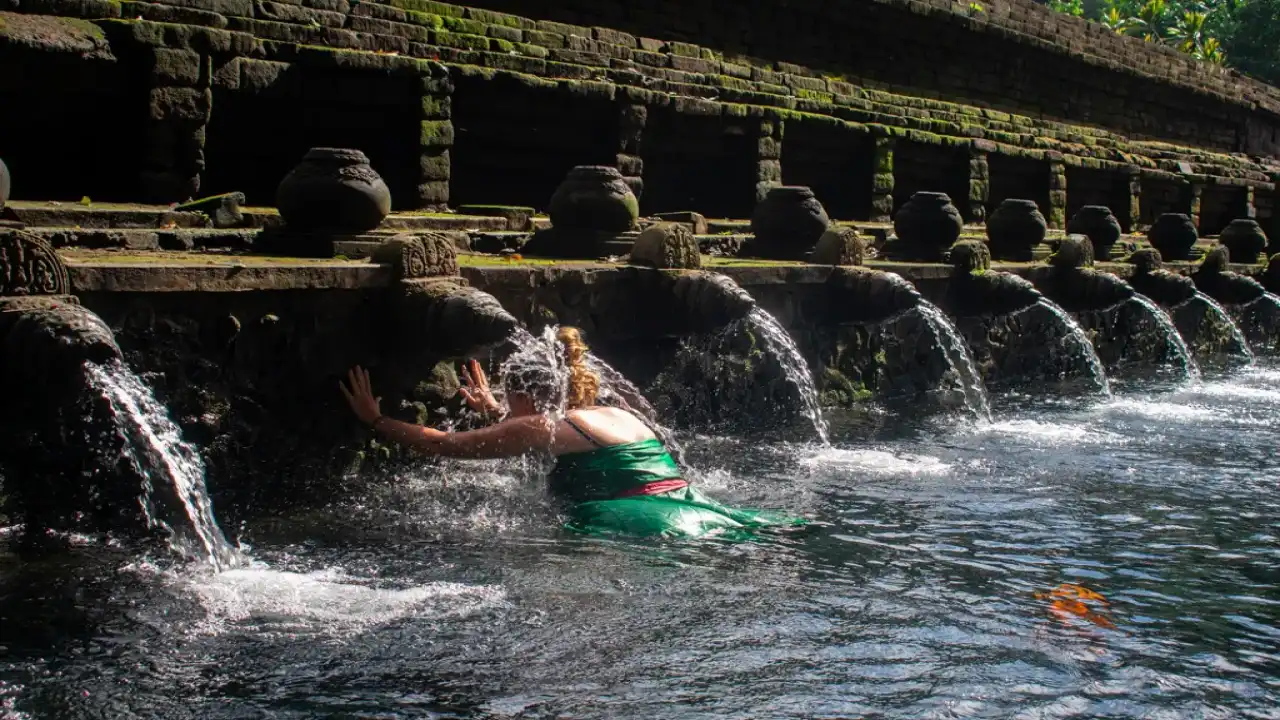
At Tirta Empul, visitors can take part in a purification ritual if they follow the rules. It’s not about religion. It’s about seeing how spirituality fits into everyday life here.
Pro tip: Ask your guide what’s happening before you enter. It changes the experience.
Visit the Monkey Forest Carefully
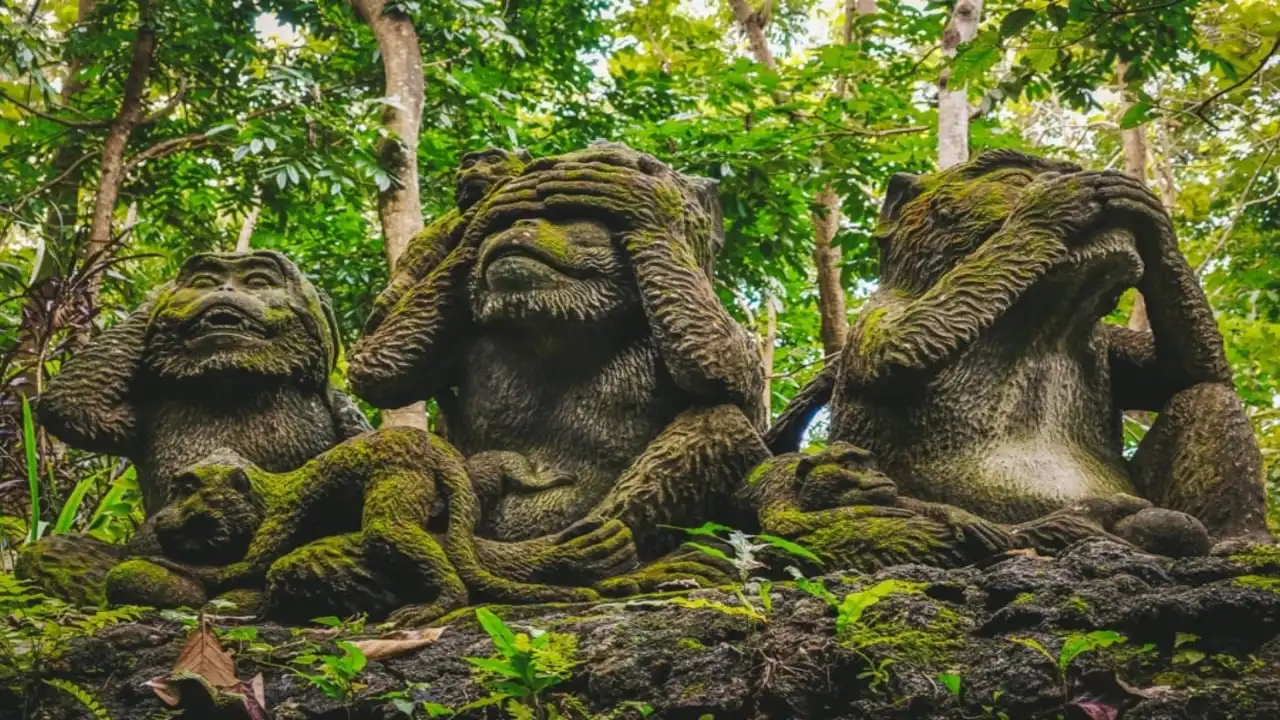
The Sacred Monkey Forest Sanctuary is fun, but stay alert. The monkeys are fast and confident. Secure your belongings. Observe more than you interact. It’s nature shared, not controlled.
Cool Off with a Water Park or Spa Day

Not every day needs walking. Bali has lighter options, too. Waterbom Bali is clean, organized, and surprisingly enjoyable for adults. A spa afternoon works just as well. Sometimes that’s what helps people appreciate some of the best activities in Bali beyond sightseeing.
Choosing the Right Travel Plan
For first-time travelers, starting with a Bali trip package can remove a lot of stress. Transport, timing, and hotels are handled. Whether you’re browsing international options or going independently, leave space for rest. Bali doesn’t reward exhaustion.
Conclusion
Bali doesn’t try to impress you. It doesn’t need to. It waits. And if you let it, it gives you moments that stay long after you’ve left quiet ones, unplanned ones. The kind you don’t post immediately, but remember later. Whether you experience that through an international trip package or by planning things on your own, that feeling is what stays with you. That’s Bali at its best.
Simple Travel Tips
- Carry cash for small places
- Dress modestly at temples
- Expect traffic delays
- Stick to bottled or filtered water
Pro tip: The slower you move, the friendlier the island feels.