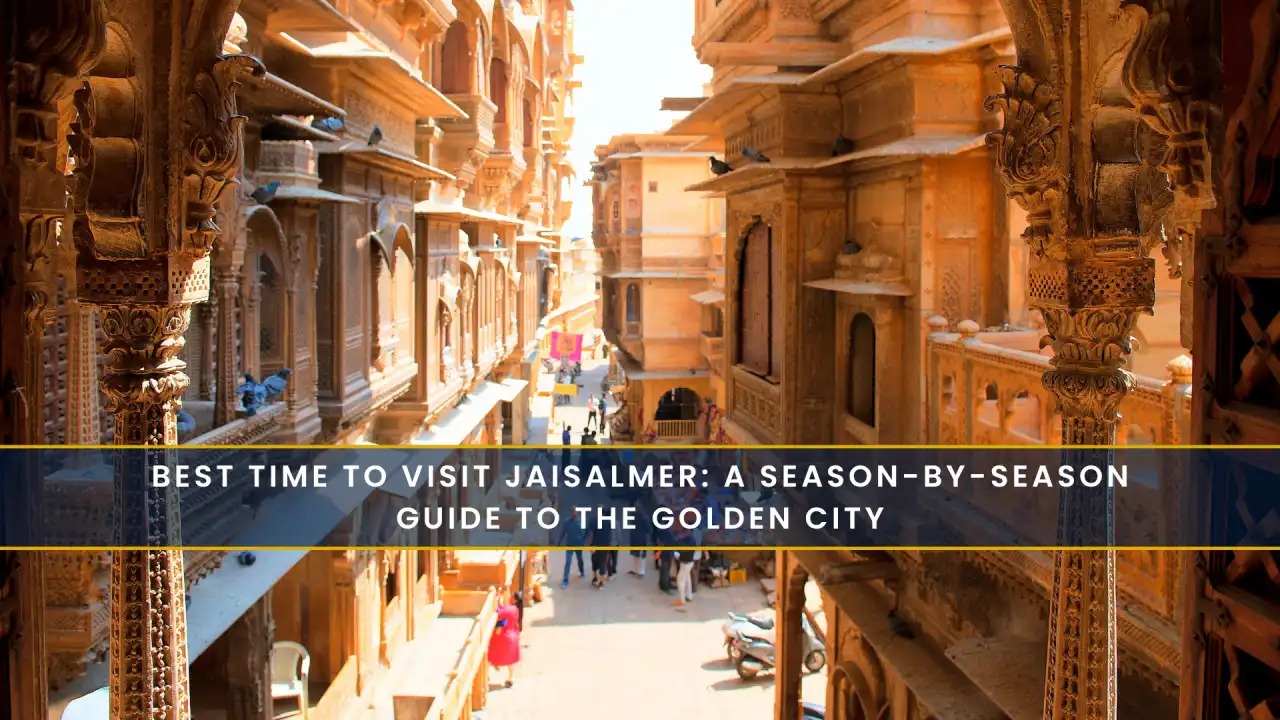
Best Time to Visit Jaisalmer: A Season-by-Season Guide to the Golden City
Introduction: When the Desert Starts Speaking
Jaisalmer is one of those places that doesn’t try too hard to impress you and somehow that’s exactly why it does. At first, it feels simple, just endless shades of yellow stone, sunlight bouncing everywhere, and a kind of dry silence you don’t really hear in cities anymore. But give it a day, maybe two, and things start to shift a little.
You notice how mornings feel softer. Afternoons slow everything down. Even the evenings stretch, almost like the day isn’t in a hurry to end. So if you’re thinking about the best time to visit Jaisalmer, it’s not really just about “what month is ideal.” That answer exists, sure. But honestly, it depends on what version of the place you want to experience. The lively one. The quiet one. Or the slightly unpredictable one. Let’s get into it properly.
Winter (October to March): When Jaisalmer Finally Feels Comfortable
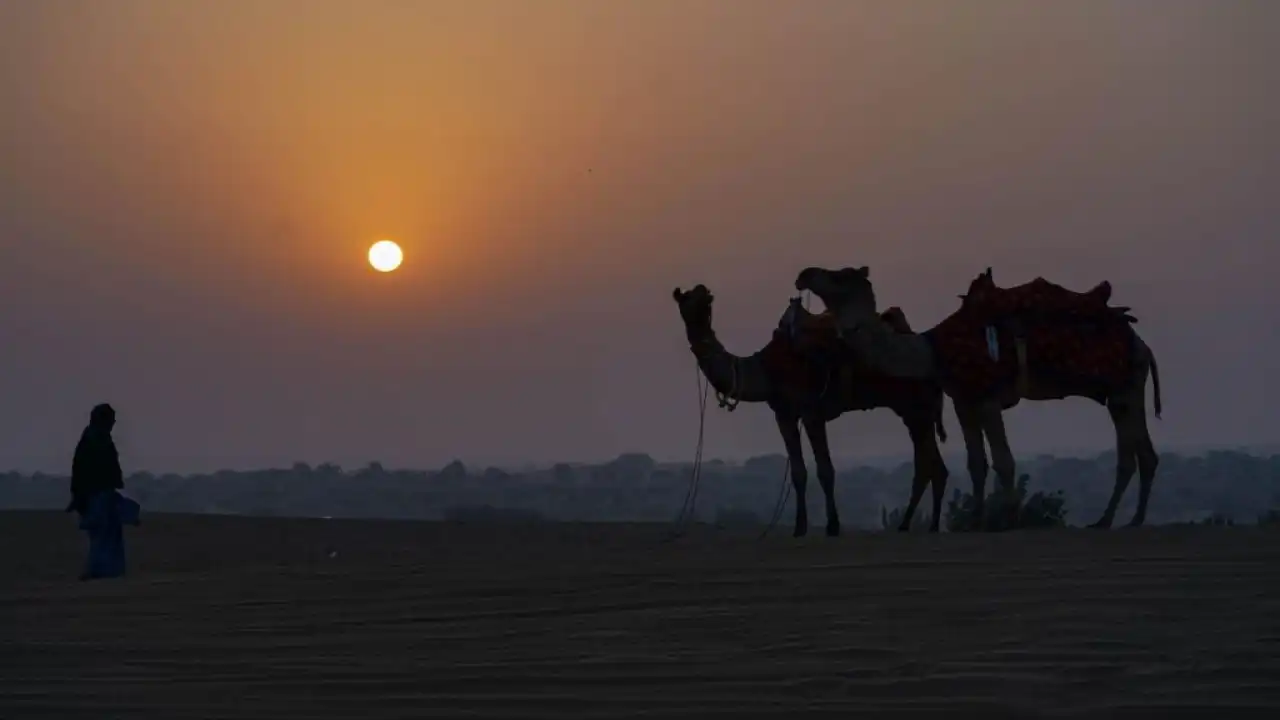
This is the time most people recommend. And yeah, they’re not wrong. Winter here isn’t cold in the way North India gets cold. It’s manageable. Almost pleasant. You can walk around without constantly thinking about shade or water or “why did I plan this trip in this heat.”
What it actually feels like
You’re inside the fort, just wandering. No real plan. The stone walls aren’t burning your hand when you touch them (which matters). There’s a slight breeze sometimes. Not always, but when it comes, you notice it. And then evening hits. Suddenly, you need a light jacket. You didn’t expect that in Rajasthan, but here you are, sitting near a small fire in the desert, watching some local performance you didn’t plan for.
Why this season works so well
- Days stay around 20–25°C, which is honestly perfect for exploring
- Nights get cooler, making desert camps actually enjoyable
- The sky stays clear, sunsets and stars both show off a bit
Things that just feel better in winter
- Camel rides at Sam Sand Dunes (less exhausting, more enjoyable)
- Walking through old havelis without rushing
- Sitting in random cafés doing absolutely nothing
Pro Tips
- Nights can get colder than expected, so carry at least one warm layer
- Book camps in advance, especially around December–January
- Start your day early, not just for the weather, but for quieter streets
A lot of travelers call this Jaisalmer's best season to visit, and honestly, if it’s your first trip, it’s a safe bet.
Summer (April to June): Not Easy, But Interesting
Okay, let’s not sugarcoat this. Summer in Jaisalmer is tough. Like, step outside, and instantly regret it, kind of tough. Temperatures cross 40°C easily. Sometimes more. It’s dry heat, yes, but that doesn’t make it friendly. Still, and this might sound odd, there's something about Jaisalmer in summer that feels more real.
What it feels like
The city is quieter. Way quieter. Shops open more slowly, people move less, and tourist spots don’t feel crowded for once. You walk through places that are usually packed, and suddenly there’s space. Silence, even. It’s not the “Instagram version” of Jaisalmer, it’s the stripped-down version.
Who might actually enjoy this
- People who don’t mind heat (or think they don’t)
- Travelers who prefer fewer crowds, more space
- For photographers, the light is harsh but dramatic
What to realistically expect
- You won’t be out exploring at 2 PM. Just don’t.
- Mornings and evenings become your main travel windows
- AC rooms are not optional; they’re essential
Things that just feel better in summer
- Early morning photography walks around Jaisalmer Fort before the heat builds up
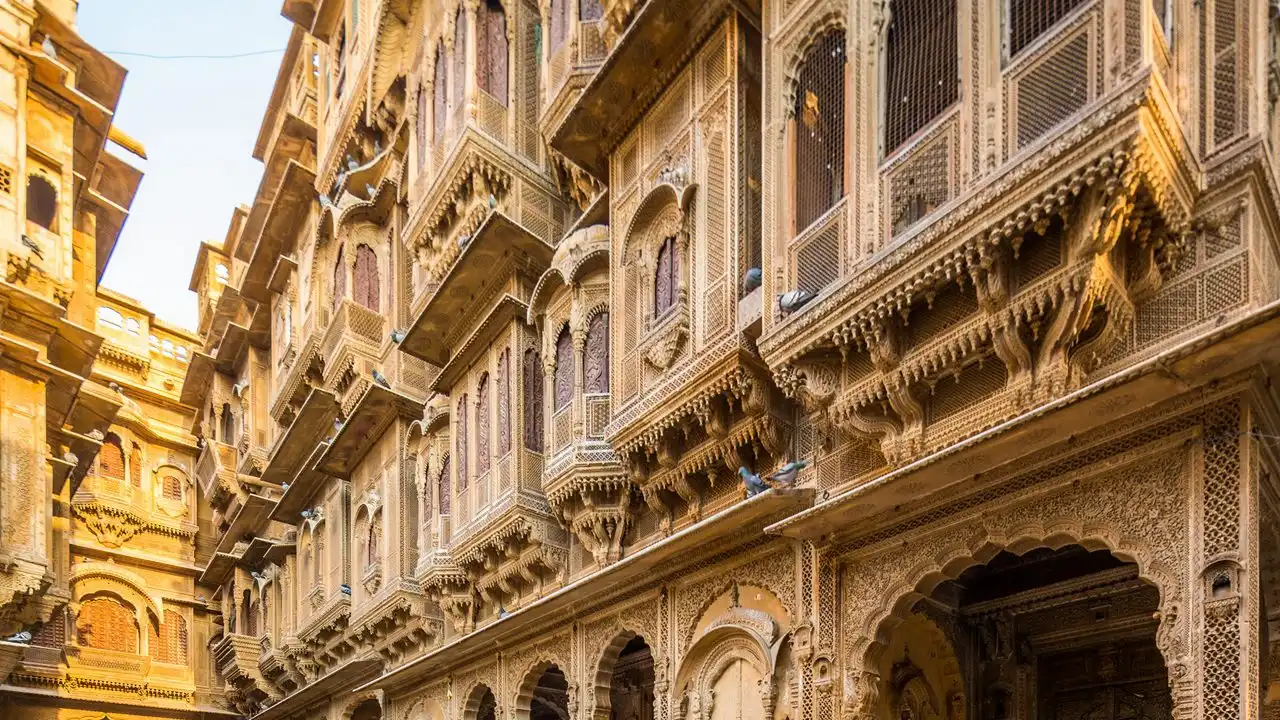
- Visiting museums and heritage spots like Patwon Ki Haveli during cooler indoor hours
- Sunset viewpoints near Gadisar Lake when the temperature drops slightly
- Relaxing in rooftop cafés with views of the golden city (slow, unplanned time works best here)
Pro Tips
- Plan indoor spots for afternoons (museums, cafés, hotel rest)
- Stay hydrated sounds obvious, but easy to forget
- Loose clothes help more than you think
Summer isn’t for everyone. Actually, it’s not for most people. But if you can handle it, it gives you a version of Jaisalmer that feels almost untouched.
Monsoon (July to September): A Softer Side of the Desert
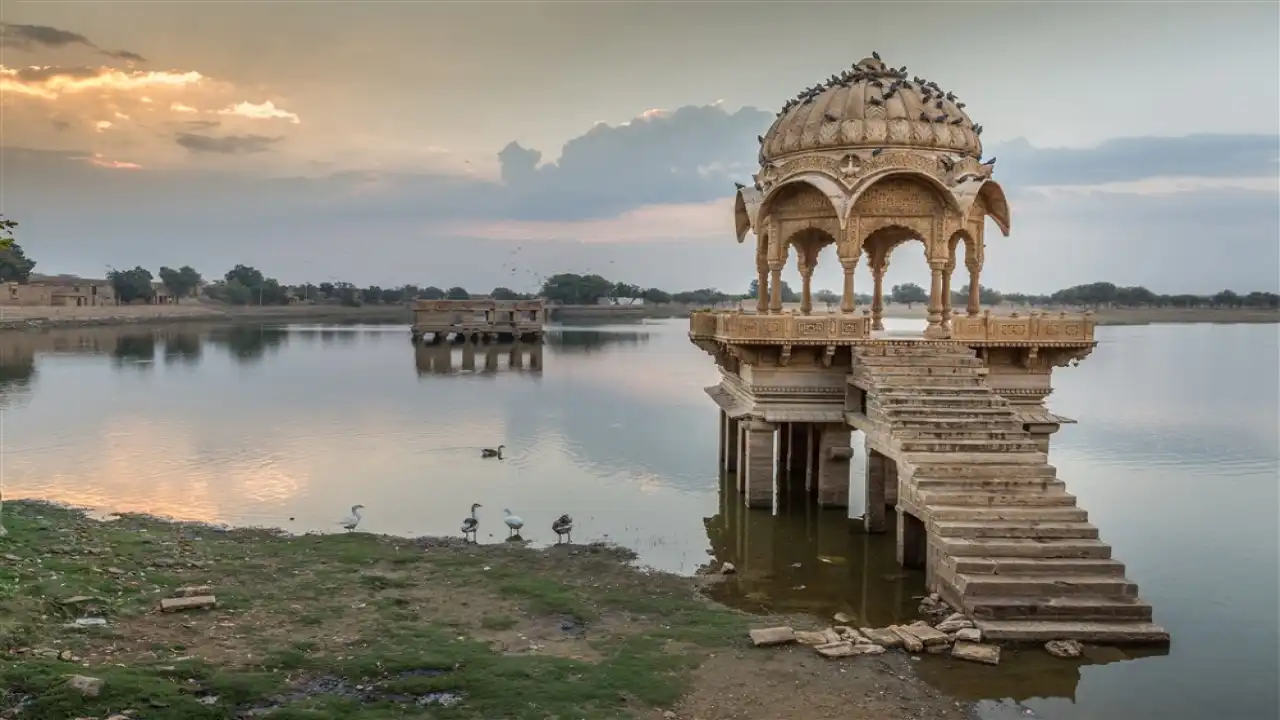
Rain in Jaisalmer sounds a bit unlikely, right? But it does happen. Not heavily, not consistently, but enough to change how everything looks and feels.
What it feels like
Clouds hang around longer. The sunlight isn’t as harsh. And when it rains even lightly, the sand changes color slightly. It’s subtle, but noticeable if you’re paying attention. There’s also this calmness. Hard to explain. The city feels like it’s taking a break.
Why do some people actually prefer this time
- Fewer tourists, which means more breathing space
- Slight drop in temperature compared to peak summer
- The desert looks different. Not dramatic, but softer
Things to keep in mind
- Some desert activities may not run regularly
- Humidity might feel strange if you’re expecting dry weather
Things that just feel better in the monsoon
- Short desert visits to Sam Sand Dunes when the weather is calmer and less crowded
- Exploring quiet lanes and local markets without the usual tourist rush
- Enjoying peaceful boat rides at Gadisar Lake after light rain
- Taking relaxed heritage walks around havelis and lesser-known corners of the city
Pro Tips
- Keep your plans flexible; the weather can shift things around
- Light rain gear is enough, no need to overpack
- This is a good time for slow travel cafés, walks, and local chats
If you like quieter trips where nothing feels rushed, this season can surprise you in a good way.
When Festivals Change Everything
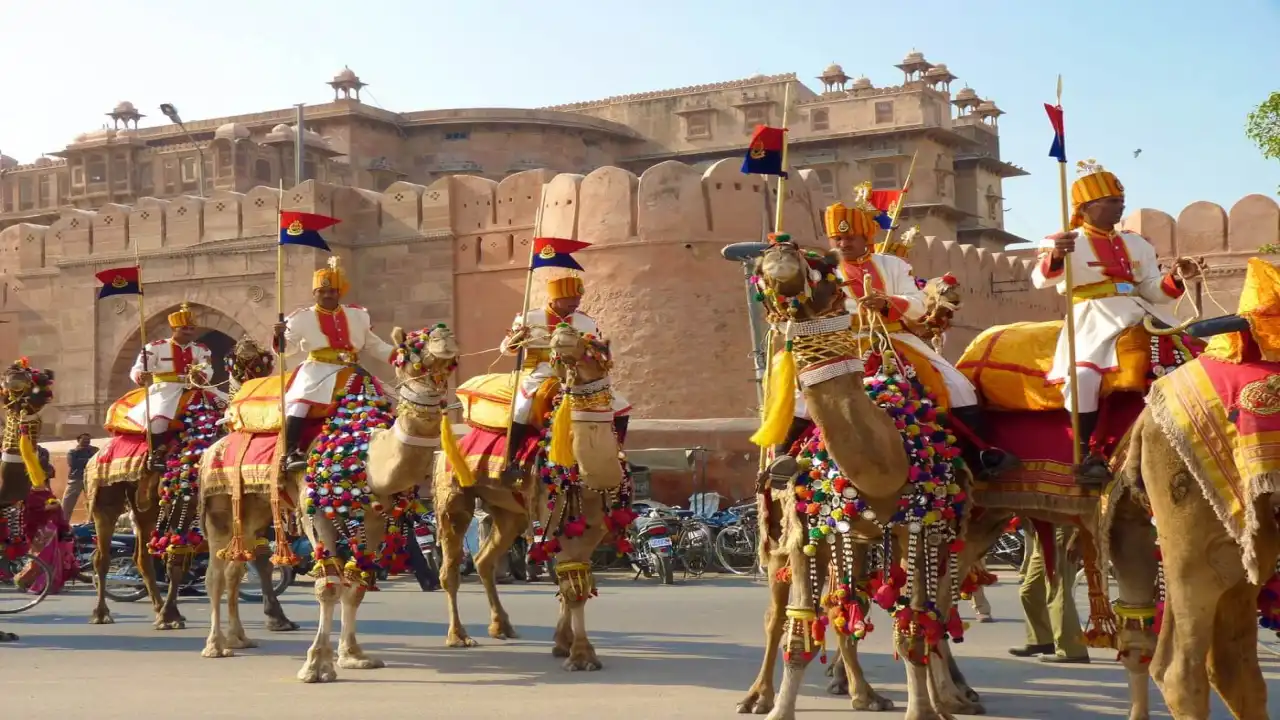
There’s one time of the year when Jaisalmer flips its personality a bit, the Desert Festival, usually around January or February. Suddenly, everything feels louder. Brighter. Busier.
What you’ll see
- Folk music and dance are happening almost everywhere
- Camel races (yes, actual races)
- Streets full of color, noise, and energy
It’s not subtle. It’s not calm. But it’s fun in a very real, slightly chaotic way. If you want to see Jaisalmer at its most alive, this is probably it.
So, When Should You Go?
If you want the short answer:
- Comfortable weather → Winter
- Less crowd, lower cost → Summer
- Calm, slightly different vibe → Monsoon
But if someone asked me casually, like over chai, when to visit Jaisalmer, Rajasthan for a good first experience, I’d still say winter. It just works. Less effort, more enjoyment.
Planning Your Trip Without Overcomplicating It
Picking the season is one thing. Planning the trip itself is where people usually get stuck. If you don’t want to deal with too many logistics, a Rajasthan trip package can make things easier. Especially if you’re covering multiple cities, distances here aren’t small, and planning everything manually can get tiring.
A few simple tips
- Give Jaisalmer at least 2–3 days, don’t rush it
- One night in a desert camp is worth it (even if you’re unsure)
- Don’t over-plan every hour; some of the best moments here just happen
Conclusion
Jaisalmer isn’t the kind of place you “tick off” a list. It lingers a bit. The season you choose will shape your trip, sure. But what stays with you later is usually something smaller. A quiet sunset. A random conversation. The way the city changes color without you noticing exactly when it happened. And maybe that’s the point. You don’t just choose when to go. You choose how you want to remember it later and sometimes, planning it through well-curated Domestic Packages simply makes that memory a little smoother, without taking away the magic.