Best Waterfalls in Goa During Monsoon
Introduction
When people hear “Goa,” it’s almost automatic: beaches and music that goes on too late, and yeah, that one sunset photo everyone tries to get right. That’s the version most people stick to. But go there in the rain, and it kind of throws you off a bit. It doesn’t feel like the same place. Not even close. The roads suddenly look greener than you expect, like properly green, not just “nice for photos” green. The air feels heavier too, in a good way, like that smell you get when rain hits dry ground after weeks. Hard to explain, but you’ll notice it.
And then, without really planning it, you start spotting water everywhere. Small streams on the side of the road, random flows cutting through rocks and then actual waterfalls. Some big, some just there doing their thing. You don’t even realize when it starts becoming the main highlight. If you’ve ever thought about the best waterfalls in Goa during monsoon, this is honestly the only time they make sense. The rest of the year, they exist but now, they actually show up. Loud, a little chaotic, not picture-perfect all the time. And that’s the point. It stops feeling like you’re just going from one “spot” to another. Feels more like you’re figuring things out as you go, which, if you think about it, is way more interesting anyway.
Why Monsoon is the Best Time for Waterfalls in Goa
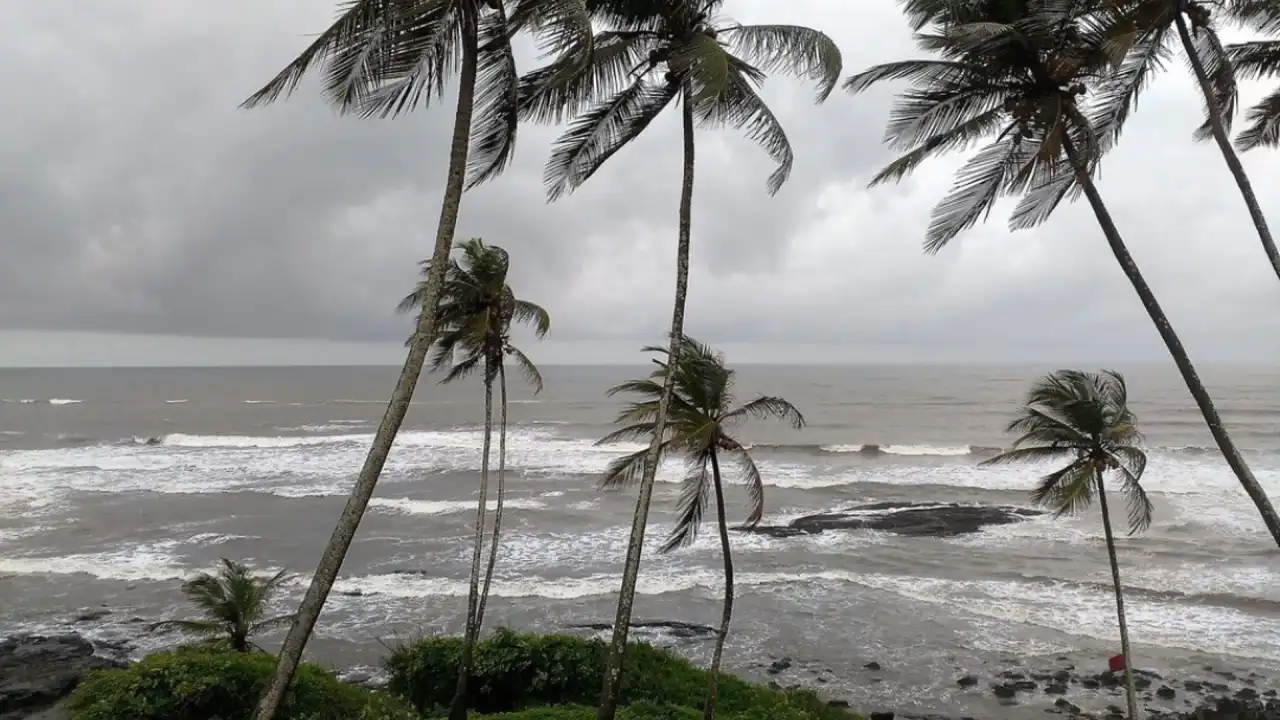
Waterfalls here are completely dependent on rain. No rain, no real waterfall, it’s that simple. Summer kind of dries things out, and some spots are barely worth visiting then. But once the monsoon hits, everything flips. Suddenly, there’s water everywhere. Even spots you’d ignore otherwise start looking interesting.
Here’s what really changes:
- Full Flow – The waterfalls actually look like waterfalls, not thin trickles
- Lush Surroundings – Everything turns properly green, not that dusty green you see in the heat
- Fewer Tourists – Way less crowd compared to peak season, which is a relief
- Cool Weather – Not cold exactly, but definitely more comfortable than summer
Of course, it’s not perfect. Roads get messy, shoes get dirty, and plans change because of rain. But weirdly, that’s part of the charm. You stop expecting everything to go smoothly.
Dudhsagar Waterfall: The Iconic Giant
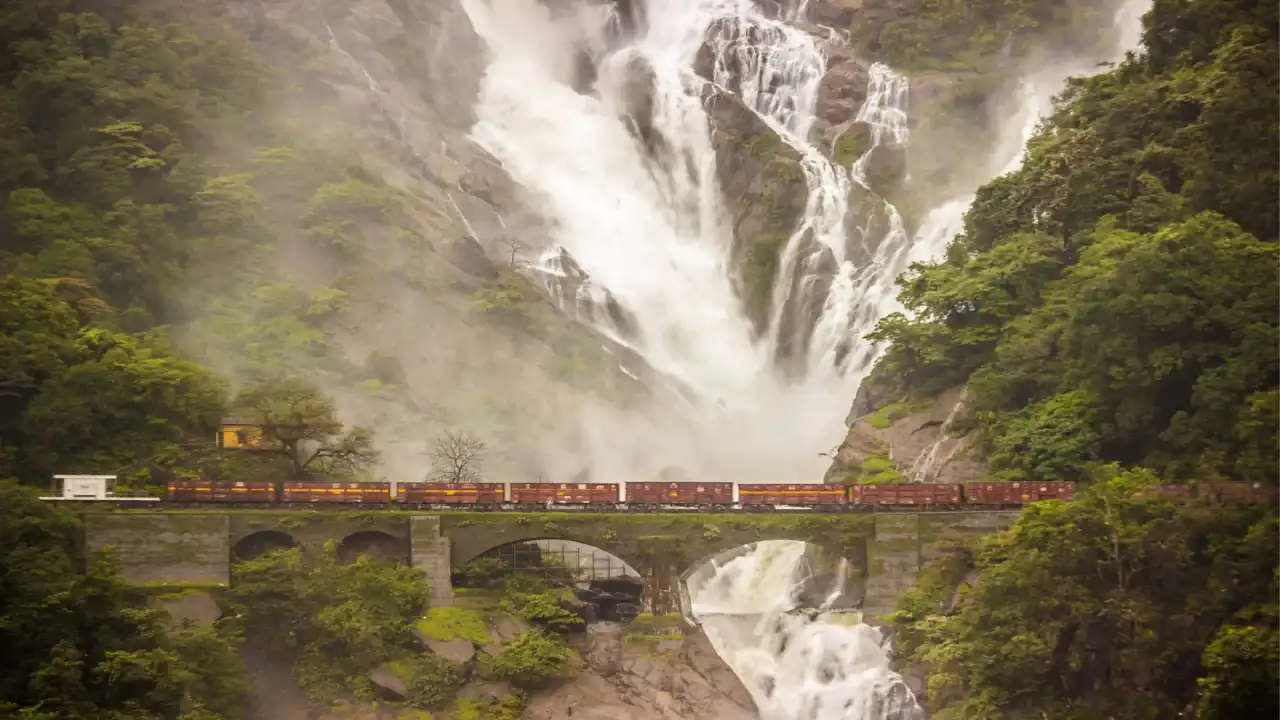
This one you’ve probably already seen somewhere, even if you don’t remember the name. The Dudhsagar waterfall, the Goa monsoon experience is loud. That’s the first thing you notice. Before you even see it, you hear this constant roaring sound. And then suddenly it’s there, huge, white, and honestly a bit intimidating.
It really does look like milk pouring down from the top, especially when the flow is strong. Not in a poetic way, just thick and fast and kind of unreal. It sits on the border of Goa and Karnataka and is one of the tallest in India. During heavy rains, it gets so intense that access is sometimes restricted. Which makes sense once you see it.
What stands out:
- The height just keeps going down in layers
- That railway bridge view (yes, it’s as good as the photos)
- The sound doesn’t stop, like background noise turned all the way up
Pro Tips:
- Go after a good spell of rain, but check if it’s open
- Don’t wear casual shoes; you’ll regret it
- Stay at a safe distance; it’s not the place to act brave
Tambdi Surla Waterfall: Nature and Temple Experience
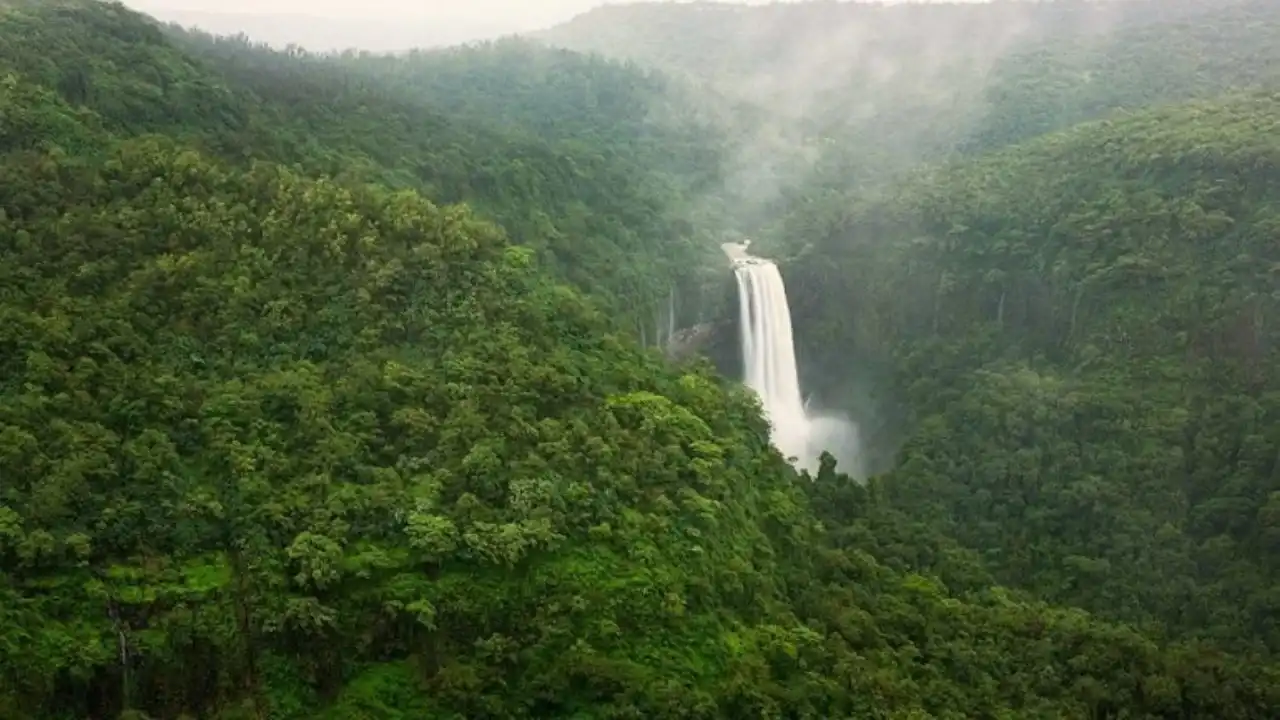
Now, if Dudhsagar feels a bit too much, Tambdi Surla is calmer. Not boring, just easier. The waterfall is tucked inside Bhagwan Mahavir Wildlife Sanctuary, and getting there already feels like a mini trip. Narrow roads, random turns, and trees everywhere. Sometimes you’ll wonder if you’re even going the right way. There’s also an old temple nearby, which adds a different kind of vibe. You’re not just going for the waterfall; it becomes a mix of things.
Why people like it:
- The trek is short and manageable
- It feels quieter, less chaotic
- You can visit the temple without rushing
It’s not huge or dramatic, but that’s not really the point here. It’s more about the setting.
Netravali Waterfall: Hidden Beauty in South Goa
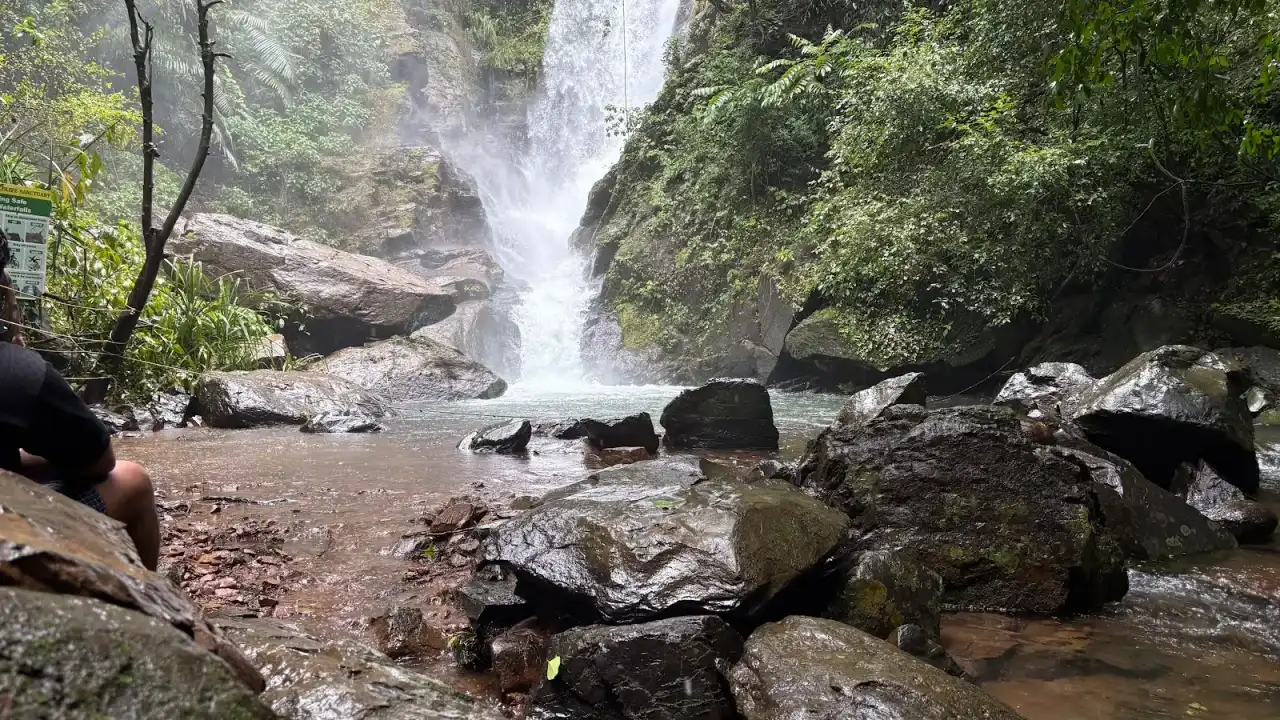
South Goa always feels a bit slower. Less noise, less rush. Netravali fits that mood perfectly. Getting there takes time, and yeah, the roads can test your patience a bit. But once you reach it, it kind of makes sense why people don’t mind the effort. The waterfalls here aren’t overdeveloped. No big setups, no crowds pushing around. Just water, rocks, and space to sit.
What you’ll notice:
- The drive itself is actually nice, once you stop rushing it
- Clean surroundings (which is rare in tourist spots)
- Not many people, especially on weekdays
It’s the kind of place where you don’t feel like leaving quickly. You just sit, maybe get a bit wet, and that’s it.
Kuskem Waterfall: A Hidden Gem Worth the Effort
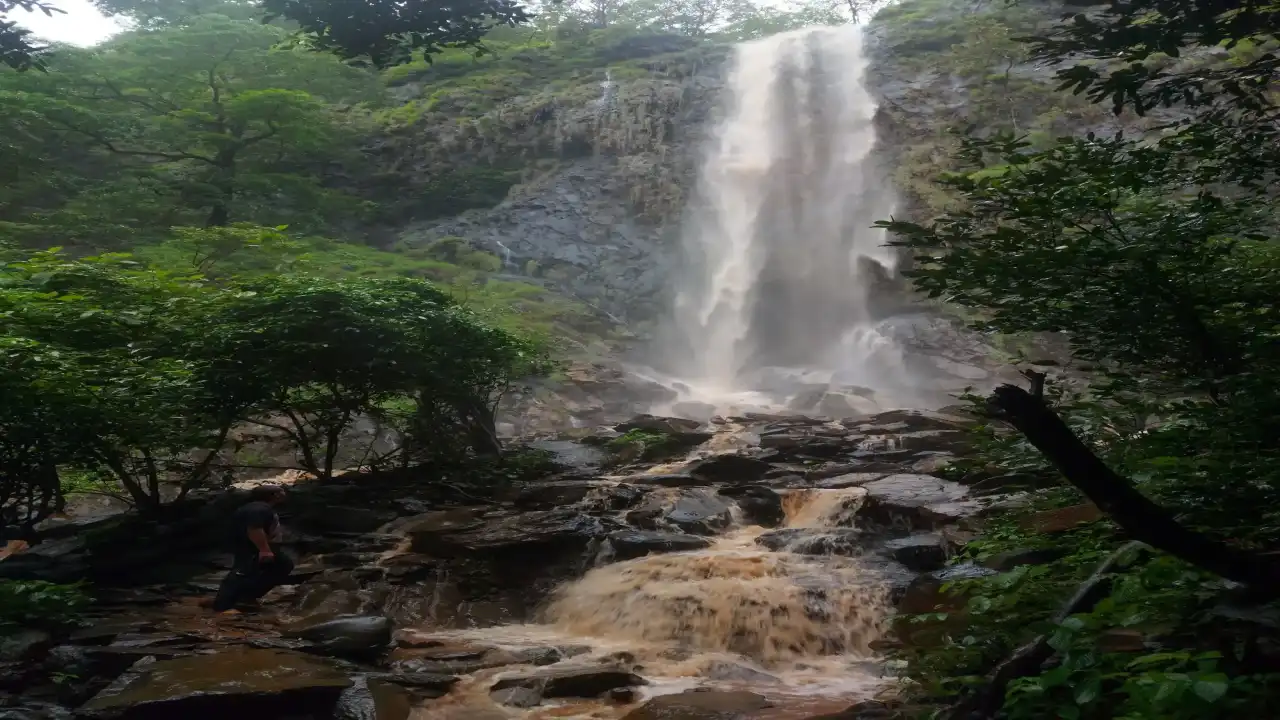
Among the hidden waterfalls in Goa, Kuskem is the kind that doesn’t show up in every travel plan. It’s near Cotigao Wildlife Sanctuary, and reaching it isn’t exactly straightforward. You might get confused, maybe take a wrong turn, that sort of thing. But once you reach it, it feels untouched. Like no one has tried to turn it into a “tourist spot” yet.
Why it’s different:
- Tall and narrow, with strong flow in the monsoon
- Very quiet, almost too quiet sometimes
- No shops, no noise, just nature
Things to remember:
- The path can be slippery, so walk carefully
- Better to go with someone who knows the area
- Carry your own things, don’t expect facilities
It’s not convenient, but that’s exactly why some people love it.
Arvalem Waterfall: Easy Access, Great View
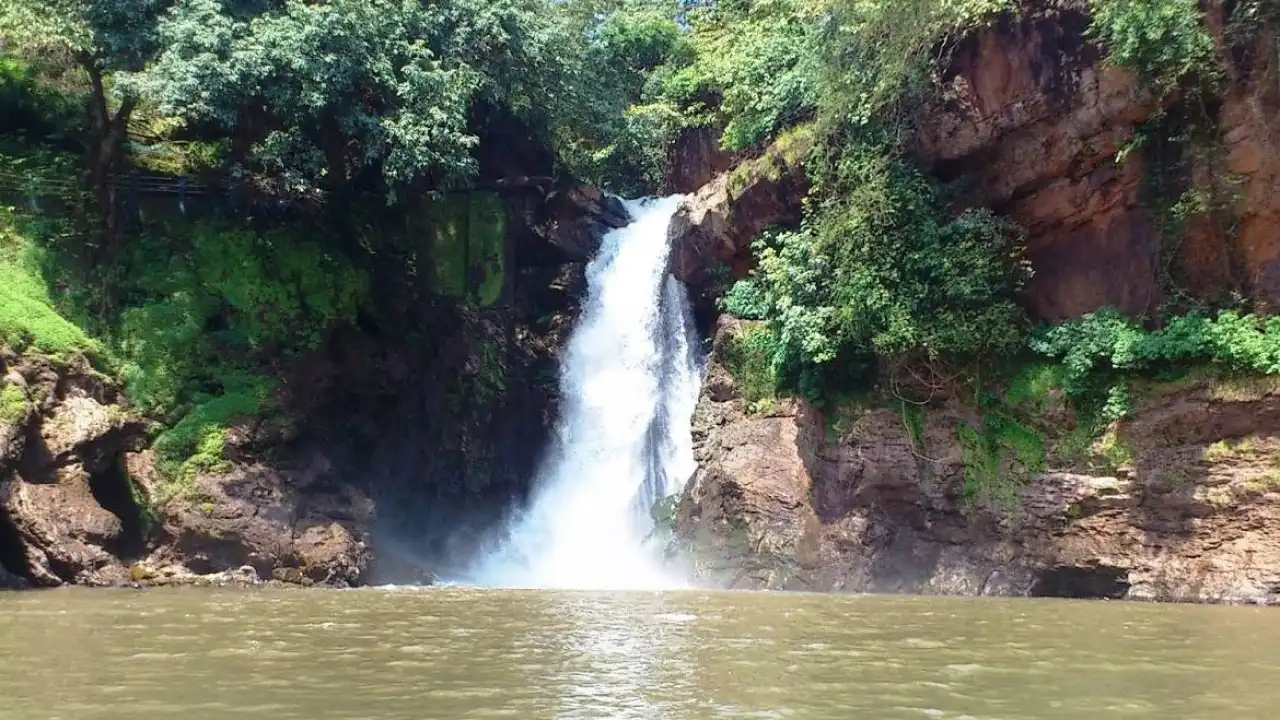
Not everyone wants to trek or go deep into forests, and that’s completely fair. Arvalem is for those days when you just want to reach a place without much effort and still enjoy the view. It’s near Sanquelim and pretty easy to access. During the monsoon, it spreads out nicely, almost like a wide sheet of water falling.
Why it works:
- No long walk or trek required
- Decent viewpoints
- Nearby spots, like caves, if you want to explore more
It’s simple, but sometimes simple is exactly what you need.
How to Plan Your Waterfall Trip in Goa
Planning this kind of trip isn’t complicated, but it’s also not something you should do randomly. A little prep helps. If you’re checking Goa trip packages, just make sure they actually include waterfall visits during the monsoon. Some don’t, which can be disappointing later.
Best Time to Visit
- July to early September works best
- August usually has the strongest flow
What to Pack
- Waterproof bag (you’ll thank yourself later)
- Shoes with grip, not regular sneakers
- Extra clothes because, yes, you will get wet
- Basic first-aid, just in case
Travel Tips
- Start early, the rains get heavier later in the day
- Avoid risky roads or flooded areas
- Keep checking weather updates
A Small Reality Check
Things won’t always go as planned. That’s just how monsoon travel works. You might reach late, get stuck in the rain, or even find a spot closed. It happens. But then again, there’s something about standing there, slightly wet, hearing the constant rush of water somewhere ahead, and not really worrying about time. It’s not perfect. But it feels real.
Conclusion
Goa in monsoon doesn’t try to impress you in the usual way. It’s not about clear skies or perfect plans. It’s more about small moments, unexpected waterfalls, quiet roads, and that constant sound of rain somewhere in the background. From Dudhsagar’s intensity to quieter places like Kuskem, every waterfall gives you a slightly different experience. Some are easy, some take effort. But if you don’t mind a bit of mess and unpredictability, this version of Goa might actually stay with you longer than the usual one.
Safety Tips You Should Not Ignore
Monsoon trips look fun online, but they need a bit of caution in real life.
Keep these in mind:
- Don’t try swimming near strong currents
- Stay away from edges, even if it looks safe
- Follow local advice, people there know better
- Avoid going alone to remote spots
Sometimes a place looks calm in photos but behaves very differently in person. Better to stay careful.