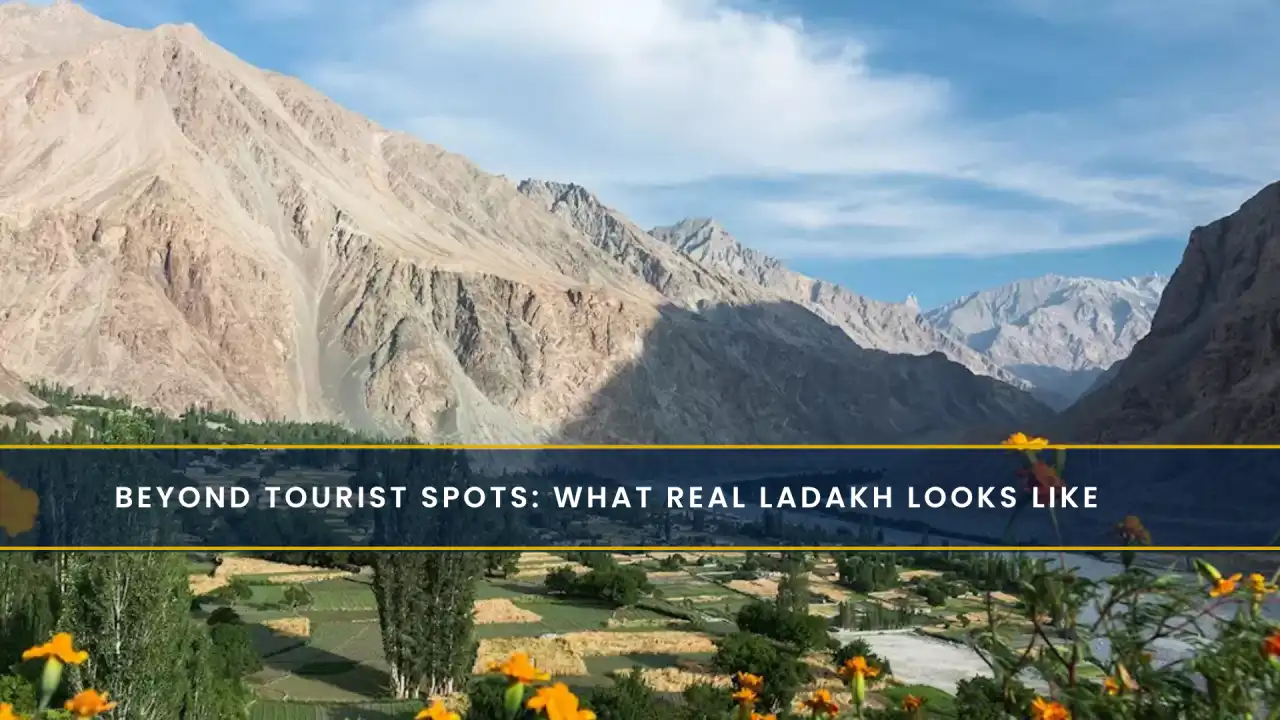
Beyond Tourist Spots: What Real Ladakh Looks Like
Introduction
When most people think of Ladakh, they picture the usual things: turquoise lakes, jagged brown mountains, maybe some biker screaming across a pass. That’s not wrong. Those images are why Ladakh tourism has exploded in the last few years.But here’s the thing: it’s not just about the glossy photos or Instagram reels. There’s a quieter, smaller world hiding behind all that. Villages. Little chats with locals. Routines repeated for decades. Places where the tourist bus never stops.
Spend a few days here and we really mean a few, not just a three-day dash and you start noticing things. A farmer fussing with a stone wall. Kids playing cricket in dusty alleys. An old woman squinting at the sun, sorting apricots. This is the Ladakh most visitors don’t see. Not the polished, picture-perfect things. The messy, lived-in, real-life side.
First Impressions – Leh and Surroundings
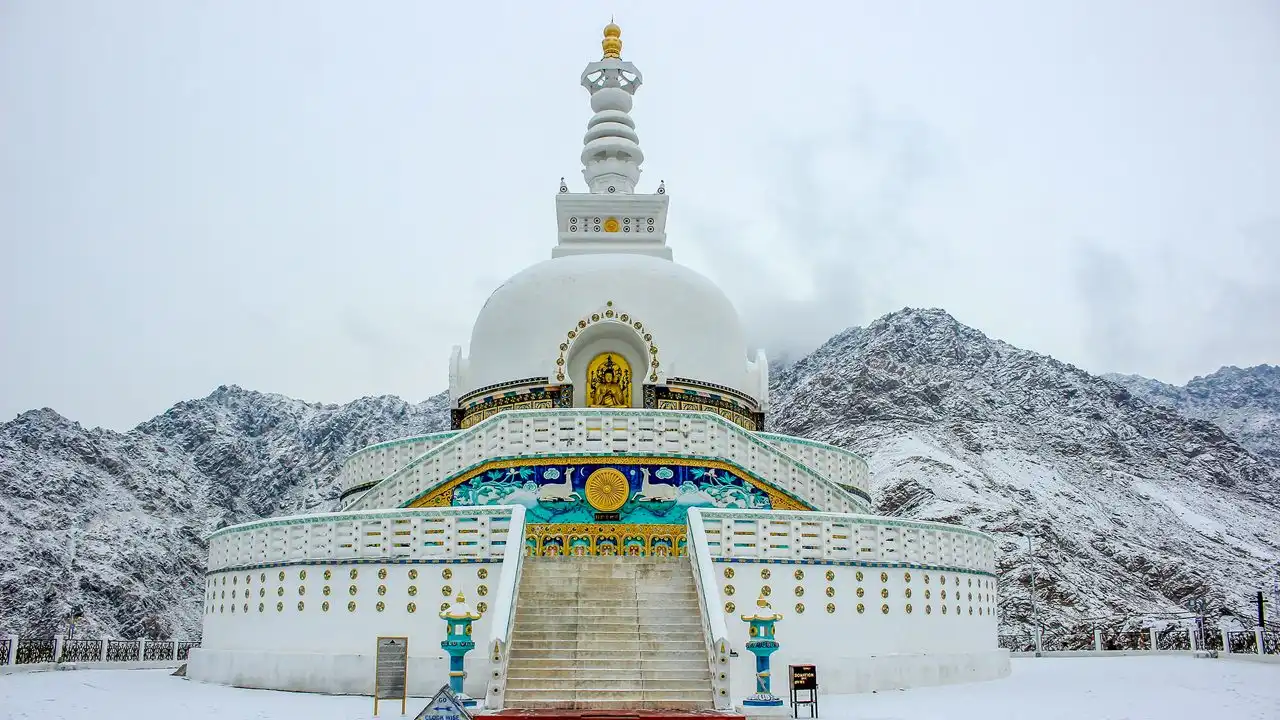
Landing in Leh hits you weirdly. The plane dips into a valley that looks dry, sharp, maybe a little unforgiving. Then suddenly, flat-roofed houses, twisting dusty streets, and tiny shops were packed everywhere. Most travelers grab their bags and sprint to Pangong or Nubra. Sure, it makes sense. But Leh deserves a stroll, a few breaths, a cup of butter tea. Mornings here are unexpectedly calm. Market streets wake up slowly. Shopkeepers roll up shutters, stack dried fruits, and arrange prayer flags. No honking, no chaos. Just life gently starting.
And the tiny things stick. School kids zoom past on bicycles. A vendor selling fresh bread from a basket. Dogs lounging in sun patches, completely unbothered. Cafés? Quirky. Faded chairs, mismatched tables. Butter tea or momos. A window seat. Watch life go by. It’s ordinary, but somehow unforgettable. Then there’s Shanti Stupa. Everyone talks about the sunset. But try mornings. Silence. A few locals are meandering. Monks are chanting softly in the distance. Mountains glowing in soft light. Nothing flashy happens. And maybe that’s exactly why it feels magical.
Iconic Must‑See Spots
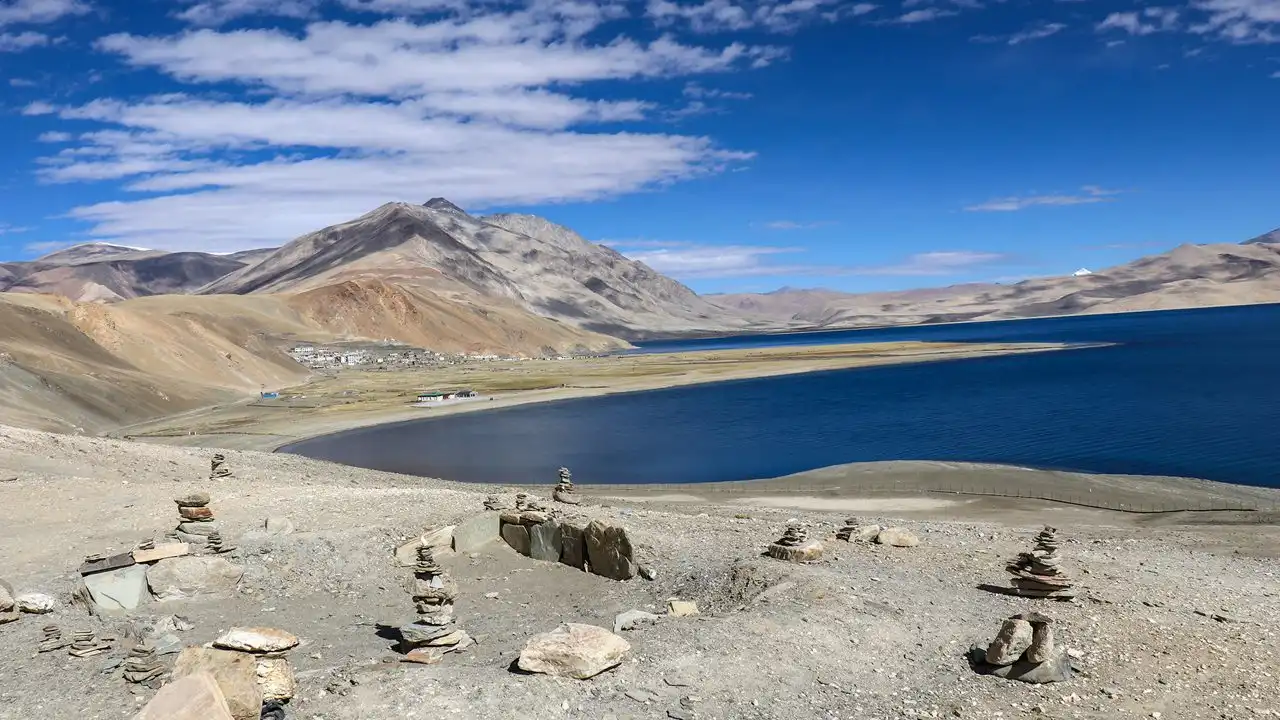
Yes, some spots are famous for a reason. You can’t ignore them.
- Pangong Lake – Water changing color like mood swings. Stunning, yes, but crowded. Tourists, cameras, bikes. Chaos in disguise.
- Nubra Valley – dunes squeezed between mountains. Camels that look like they wandered from another world. Strange and beautiful.
- Tso Moriri Lake – Quieter. Wide open spaces. Breathable air. Calm hits differently if you stop and just stare.
Amazing places, sure. But if that’s all you see, you’re missing half the story.
Hidden Gems – Real Ladakh Experiences
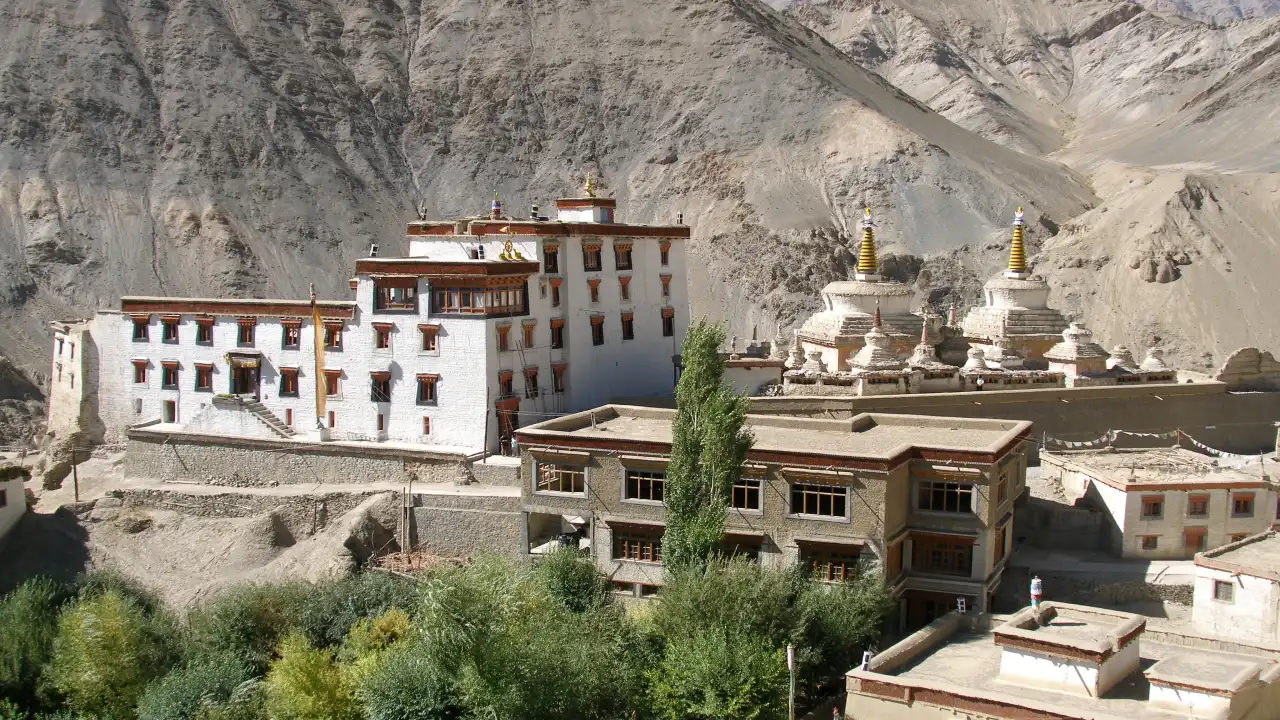
Now we get to the good things. Some of the best experiences are off the radar. Places that don’t feel made for tourists.
Turtuk Village: near the Pakistan border. Small, quiet, a little rough. Mud-brick houses, narrow alleys, and apricot trees everywhere. The locals don’t do big gestures, but they’ll invite you in for butter tea. Talk quietly. Smile. Walking here isn’t sightseeing. It’s stepping into someone else’s life. Kids running around. Fruit drying in the sun. An old man is waving you in. Simple, grounded, alive.
Zanskar Valley: getting there is part of the deal. Long, bumpy roads. Not many people around. Raw landscapes. Rivers slicing through cliffs. Monasteries hanging onto impossible rocks. Trekking here isn’t just exercise, it’s immersion.
Lamayuru Monastery: the terrain looks like the moon. Soft ridges, strange rocks, centuries-old walls. Monks quietly moving around. Time slows down, whether you like it or not.
Alchi Monastery: almost hidden. Murals hundreds of years old. Walking inside is like a dusty, living museum. Peaceful. Uncrowded. And Hanle. Tiny village. Remote doesn’t cover it. One of the highest astronomical observatories in the world. At night, stars so close it almost hurts to look. Thousands of them. Feels like you could reach out and grab one.
Little moments like these, messy, human, unpolished stick. They shape the authentic Ladakh experience.
Experiencing Local Culture
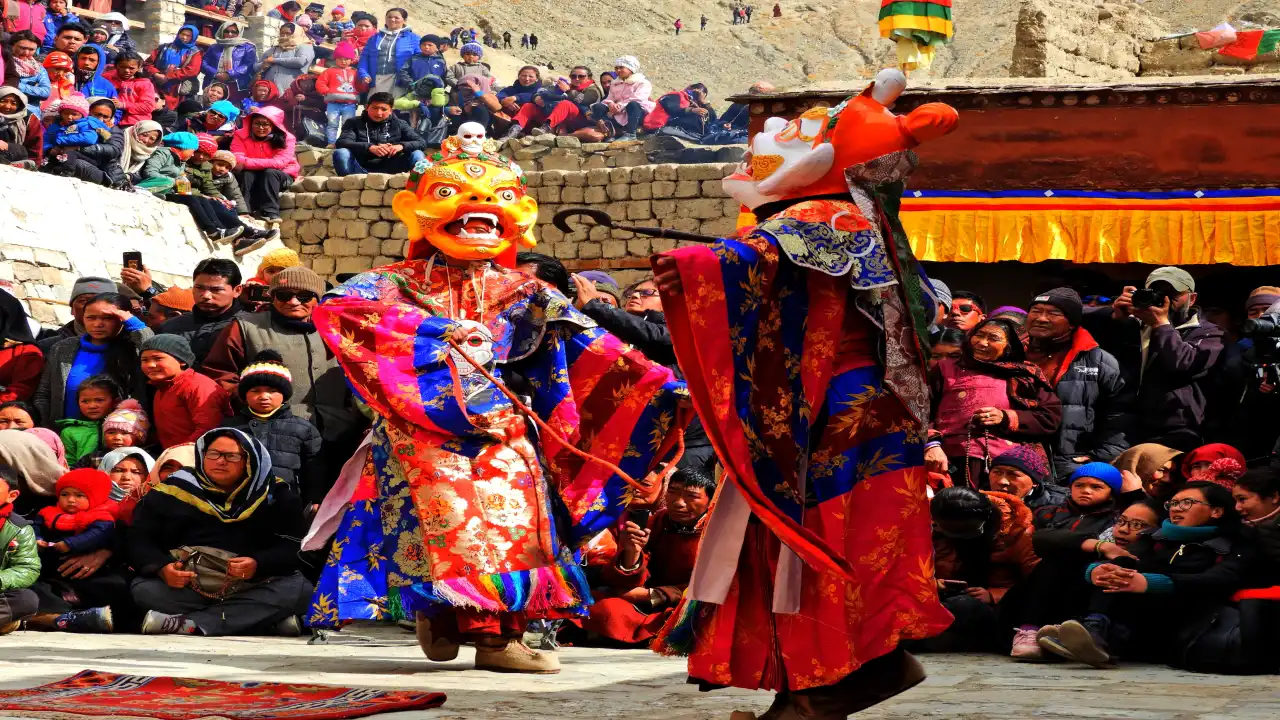
The landscapes are jaw-dropping. But people, traditions? That’s the magic. Terraced fields, glacial water flowing down channels. Women weaving wool outside homes. Kids walking miles to school, laughing along dusty paths. Life is simple, yes, but it takes grit. Festivals add another layer. Hemis Festival masked dancers, drums echoing in valleys. Dosmoche Festival rituals chase away evil spirits.
Watching it live? Feels totally different from seeing a video online. Food tells its own story. A bowl of thukpa on a cold night is liquid comfort. Skyu, thick and hearty, warms you from the inside. Butter tea is salty, weird at first, and addictive after a sip. Moments like monks chanting in sunlight, bread baking in clay ovens… that’s where real Ladakh culture truly lives. Not staged. Not polished. Just everyday life.
Adventure Beyond Sightseeing
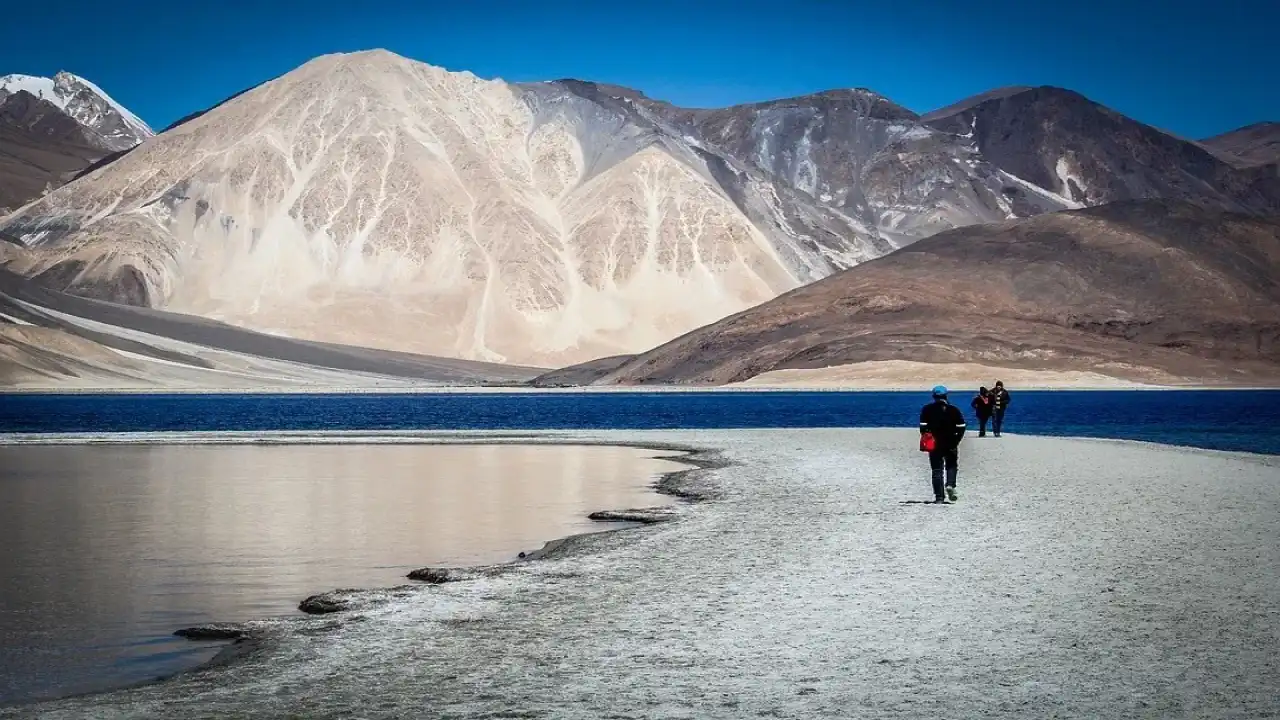
Adventure here isn’t only adrenaline-packed sports. Yes, biking, trekking, and rafting are insane. But smaller adventures stick longer. Trekking with a local guide who suddenly pauses to tell a mountain spirit story. Mountain biking across Khardung La or Chang La, lungs screaming, wind slapping your face. Camping by a quiet lake. Silence as you’ve never felt before. Little surprises count too. Collecting firewood. Watching bread bake. Picking apricots. Tiny, strange adventures that linger in memory. That’s authentic Ladakh.
Quick Checklist
Before you go:
- Respect customs and monasteries.
- Buy crafts from local artisans.
- Carry emergency contacts.
- Hydrate. Altitude sneaks up fast.
- Travel eco-friendly.
Pro Tip: Always ask before taking photos of locals. A tiny gesture often sparks conversation instead of a picture.
Conclusion
Lakes, passes, adventure, they’re part of it. But the real soul? Smaller. Quieter. A farmer fixing a stone wall. Monks chanting in sunlit courtyards. Kids playing cricket on dusty fields. Step off the tourist path, and Ladakh slowly shows itself. Patient. Community-driven. Deeply tied to nature.
Maybe that’s why people return not for photos, but for the way it feels. Many travelers find that booking a domestic trip package makes it easier to experience all this without worrying about transport, permits, or stays, letting them soak in the real Ladakh at their own pace. Once you’ve really been here, Ladakh isn’t just a destination. It’s a story you carry long after the trip ends.
Travel Planning Tips
Visiting Ladakh? A bit of prep helps.
Best Time: May–October. Roads open, weather decent. Off-peak means quieter villages.
Acclimatization: Altitude is real. Spend a day in Leh first. Your head and lungs will thank you.
Packing Essentials:
- Layers (nights get cold!)
- Sunglasses & sunscreen
- Medicines
- Cash (ATMs are rare)
Pro Tips:
- Start drives early; mountains are unpredictable.
- Respect monasteries.
- Hire local guides who know stories you won’t find online.
Many travelers prefer a Ladakh trip package permits, transport, and stays handled.