Car-Free Destinations That Actually Feel Relaxing
Introduction
Travel is supposed to calm you down. That’s the idea, at least. But for a lot of people, the moment you land, it turns into traffic, parking stress, and that constant background noise you didn’t notice until it’s gone. Honking. Engines. People are rushing everywhere. That’s why more travelers are slowly leaning toward car-free destinations. Not because it’s trendy, but because it feels easier. Walking, cycling, boats, and simple public transport are things that don’t demand attention every second. These places don’t try to impress you.
They don’t rush you either. You wake up without engine noise outside your window. You step out without checking traffic conditions. You just move. This guide isn’t about perfect places. Perfect doesn’t exist. It’s about places that feel right when you arrive. The kind where your shoulders drop a little without you noticing. Where you forget to keep checking your phone. Some of these places are well known, some barely talked about. What they all share is simple: they feel genuinely calm without needing a car.
Why Car-Free Travel Feels Different
Before jumping into destinations, it helps to pause and think about why this kind of travel feels different in the first place.
When cars disappear, small things start changing. And those small things add up faster than you expect.
- Streets feel quieter and less aggressive
- Walking stops feeling like a chore
- Locals don’t rush past you
- You hear water, footsteps, bits of conversation
It’s not about giving up comfort. It’s about removing friction. You don’t build your day around traffic anymore. You build it around how tired you are, how curious you feel, or whether you want coffee right now or later.
What Makes a Destination Truly Relaxing Without Cars
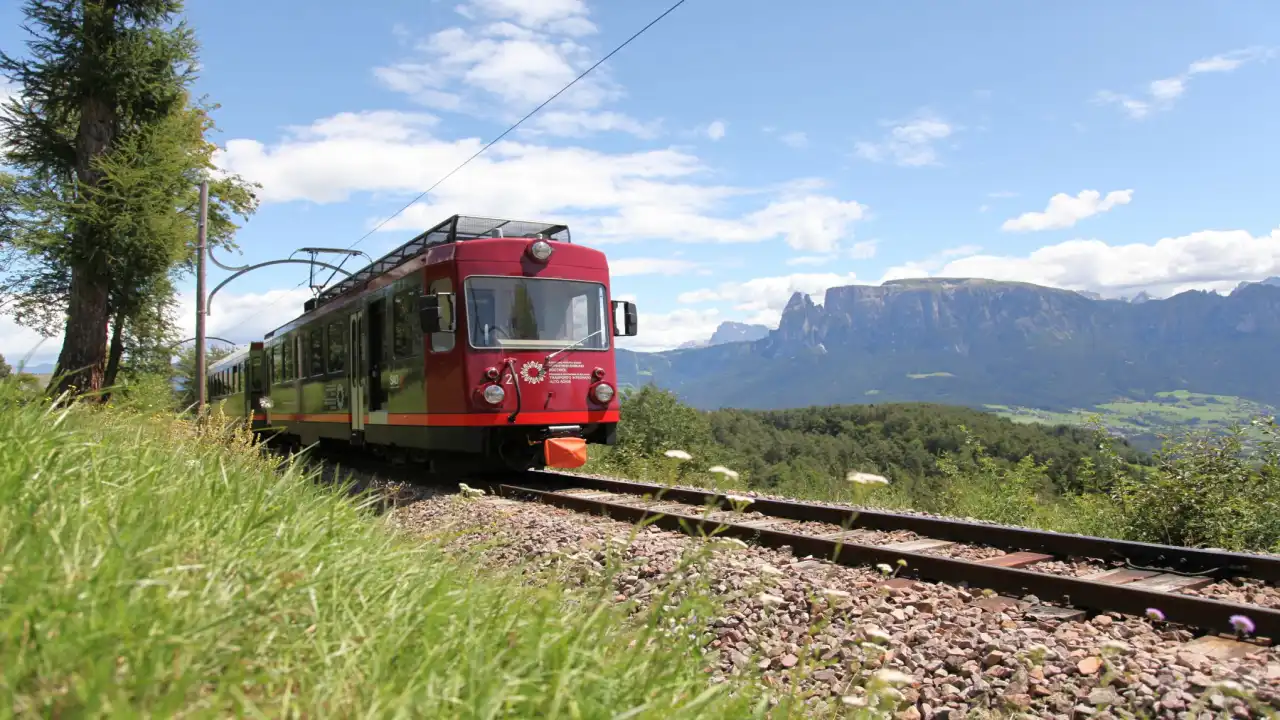
Just being car-free doesn’t automatically make a place peaceful. Some places are chaotic even without vehicles. Others look calm on paper but feel confusing once you arrive.
The destinations that actually work usually have a few things in common:
- Compact layout – You don’t need a plan just to get around
- Reliable alternatives – Boats, ferries, trams, bikes that actually run on time
- Clear directions – You don’t feel lost every ten minutes
- Local life still exists – Not everything is built for tourists
When these pieces come together, travel starts feeling natural instead of forced.
1. Zermatt, Switzerland – Quiet Streets and Mountain Air
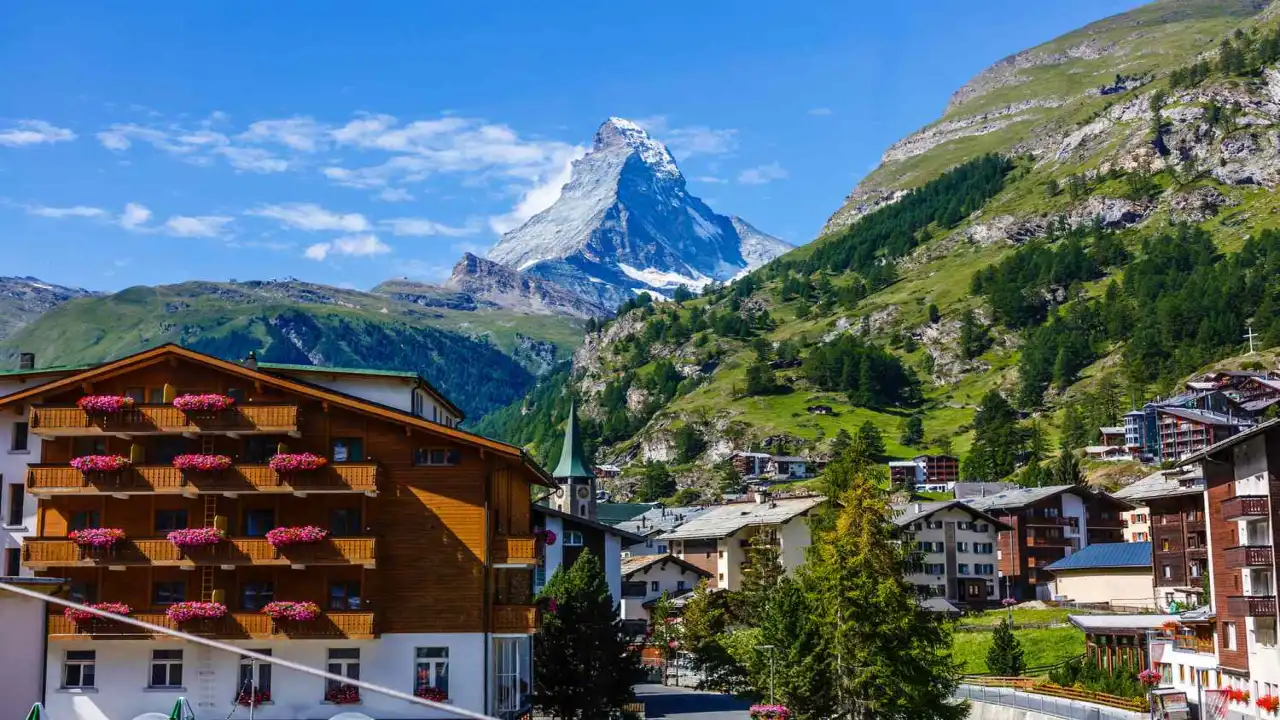
Zermatt feels like it was built for walking. Cars are banned, and even the electric taxis move so quietly that you barely notice them. What you do notice is the air. And the mountains. Always the mountains.
A day here has its own rhythm:
- Slow walks past wooden houses
- Cable cars take you up without effort
- Long lunches where nobody rushes you
Nobody seems in a hurry. The mountains don’t allow it.
Why it works
- Clean air and near silence
- A cable car system that’s easy to understand
- Everything sits close together
Pro tip: Stay near the main street so you don’t rely on taxis at all. Most international trip package itineraries already focus on this central area because it makes exploring on foot much easier.
2. Venice, Italy – Life on Foot and Water
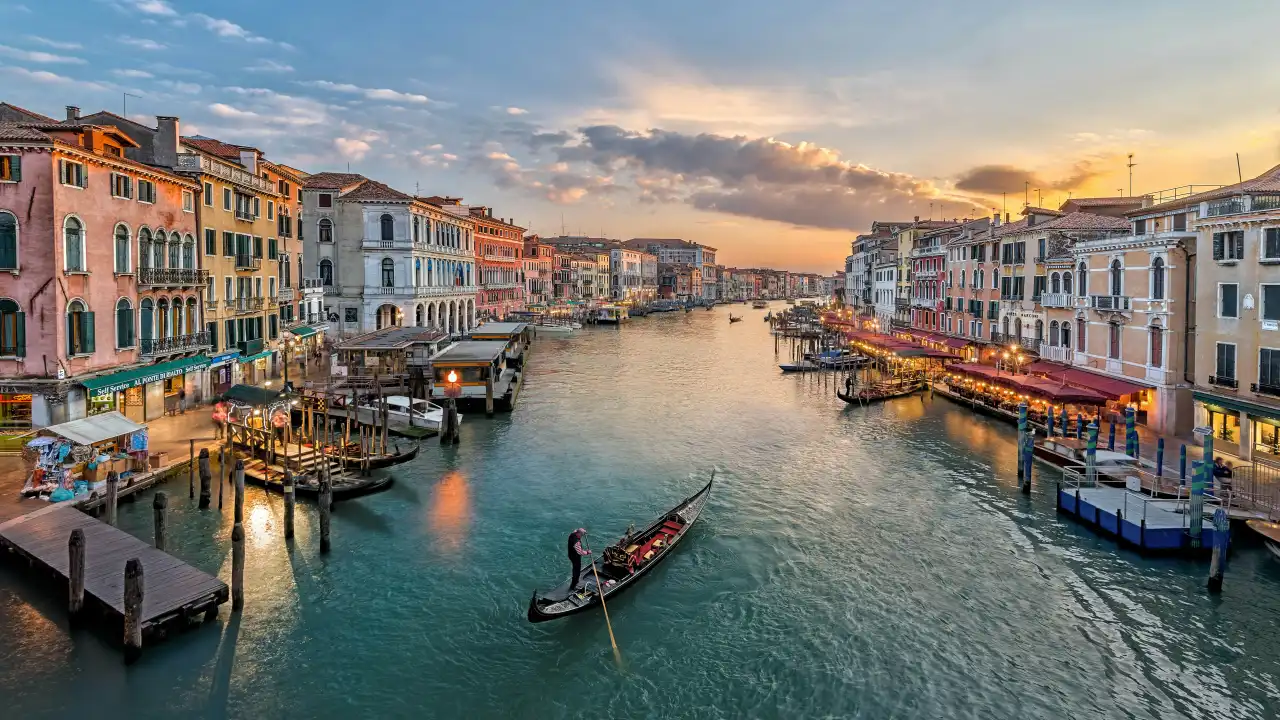
Venice gets a bad reputation for crowds, and yes, it can be busy. But wake up early or wander off the main routes, and the city changes completely.
Without cars, the city moves differently. You cross bridges instead of intersections. You wait for boats instead of traffic lights. Getting lost isn’t stressful here; it’s expected.
What makes it relaxing
- No road noise, ever
- Natural walking paths that slow you down
- Small cafés, once you step away from the crowds
Pro tip: Cannaregio and Dorsoduro still feel lived-in.
3. Mackinac Island, USA – A Step Back in Time
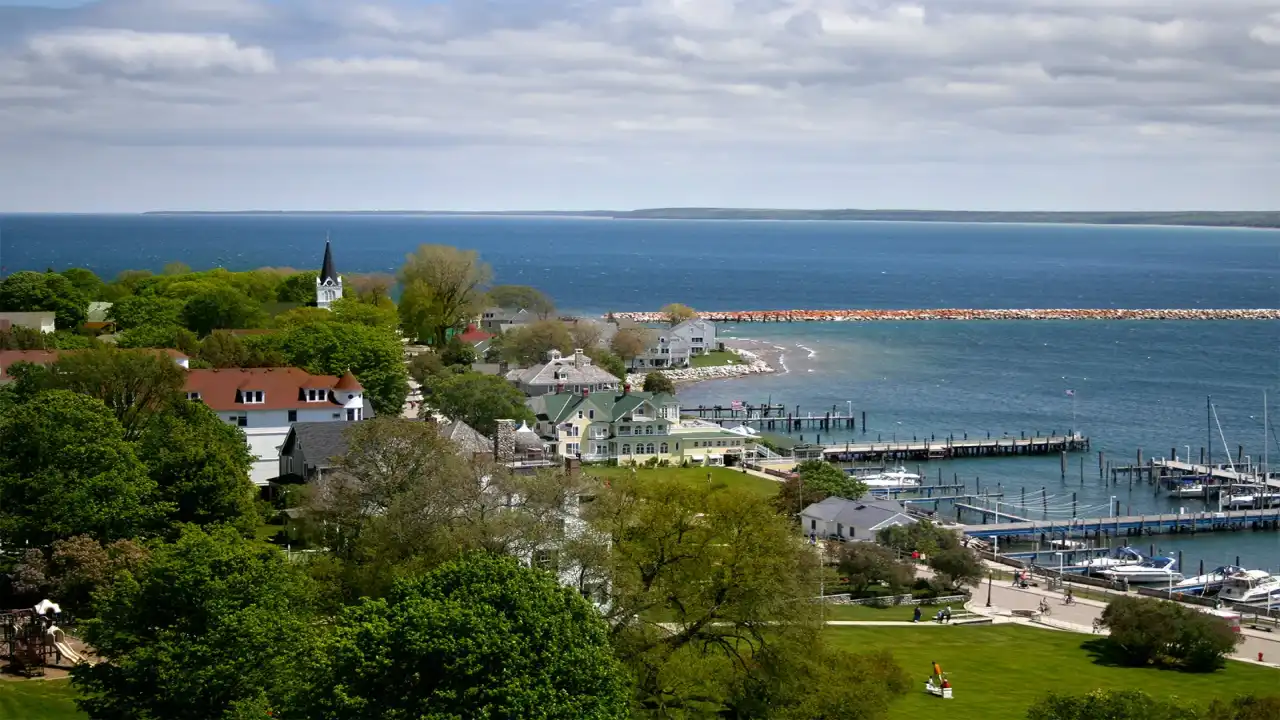
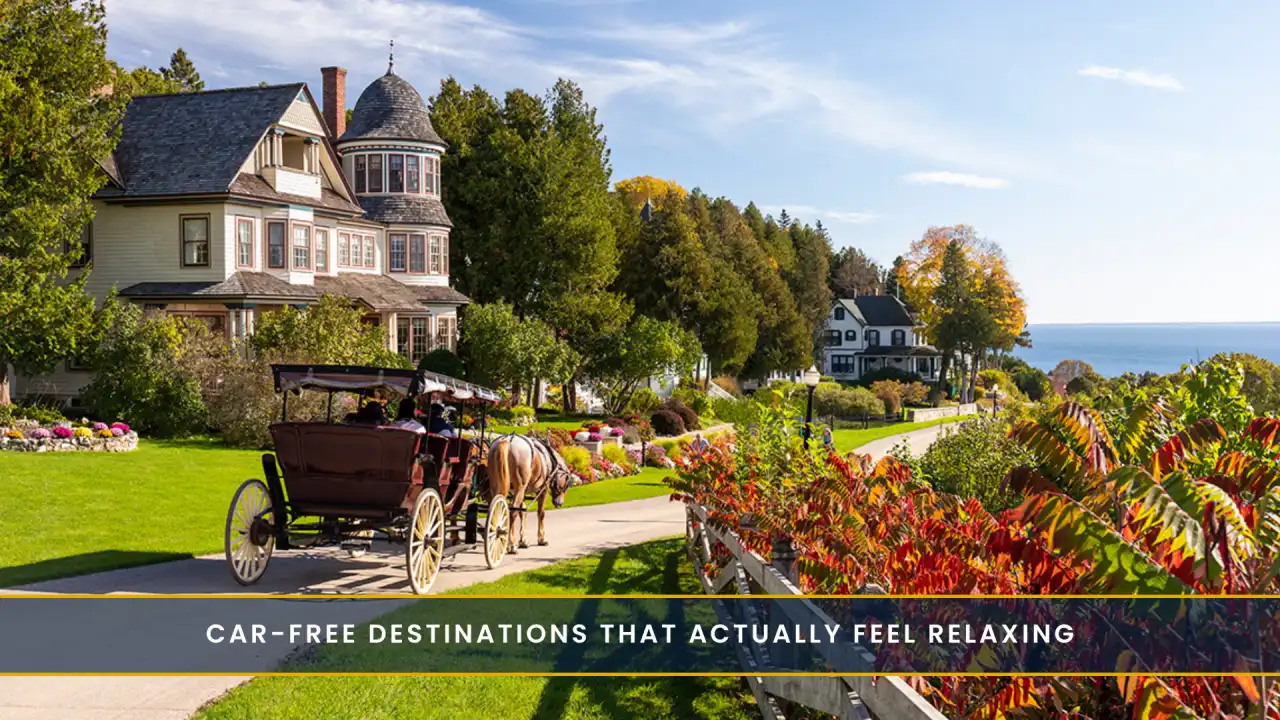
No cars. Just bikes and horse-drawn carriages. At first, it feels strange. Then it feels normal. Then it feels right. You ride along the shoreline, stop when something catches your eye, and never once think about parking or directions.
Why travelers love it
- Flat cycling paths
- Friendly, small-town feel
- Traditions that haven’t changed much
Pro tip: Rent a bike early, before day visitors arrive.
4. Gili Islands, Indonesia – Simple and Unrushed
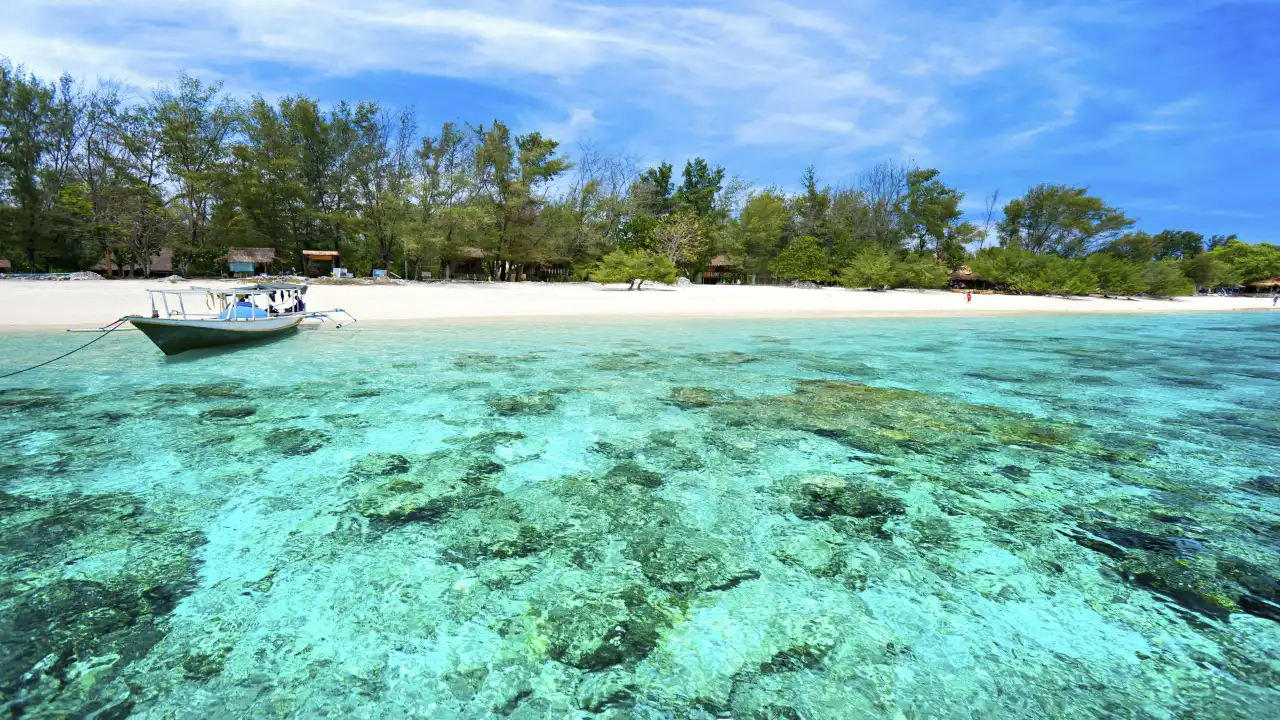
The Gili Islands don’t complicate things. No cars. Sandy paths. Bicycles. Waves in the background. That’s the whole setup. Life follows the sun here. Swim in the morning. Rest when it gets hot. Walk the beach as the light fades. This is why people keep calling it one of the most loved car-free destinations for relaxation. Nothing pushes you. Nothing interrupts.
Pro tip: Gili Air is calmer than Gili Trawangan.
5. Hoi An, Vietnam – Soft Lights and Slow Evenings
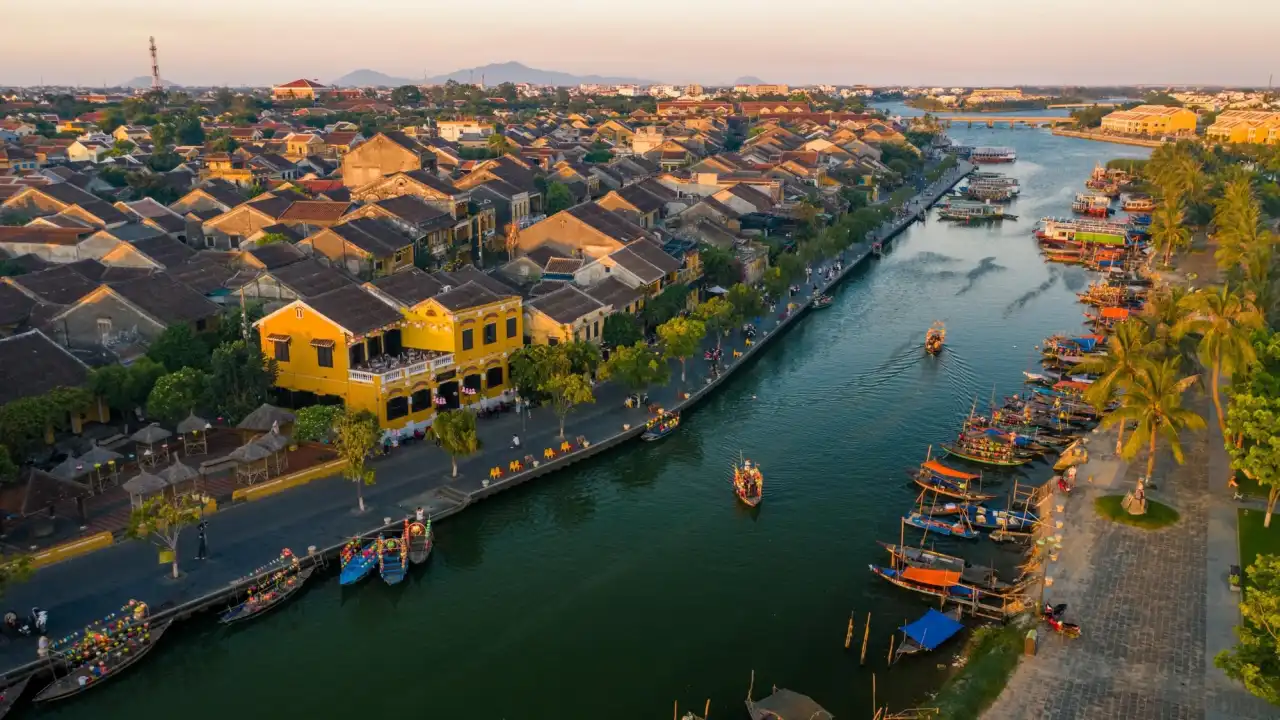
Hoi An slows down as the sun sets. Traffic is limited. Lanterns come on. Walking becomes the easiest option. You browse. You sit by the river. You stay longer than planned.
Why does it feel calm?
- Flat streets made for walking
- Bicycles everywhere
- A strong sense of place
Pro tip: Full moon nights are especially quiet and car-free.
6. Mljet Island, Croatia – Nature Without Noise
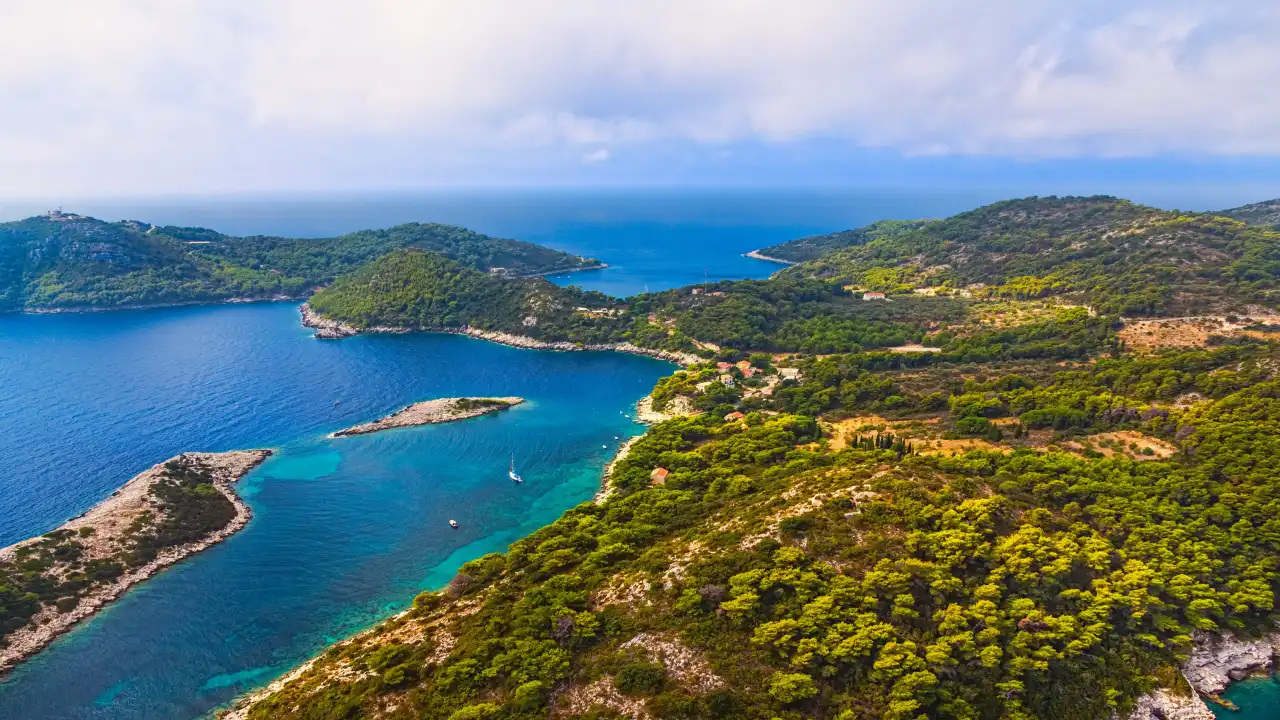
Mljet feels protected. Forests, lakes, sea. Cars exist, but they don’t dominate. Walking and cycling take over, especially inside the national park. It’s quiet in a way that feels intentional. This is why it often shows up on lists of the best car-free destinations for travelers who want nature without effort.
Pro tip: Rent bikes near the ferry and explore slowly.
7. Varanasi Ghats, India – Movement Without Cars
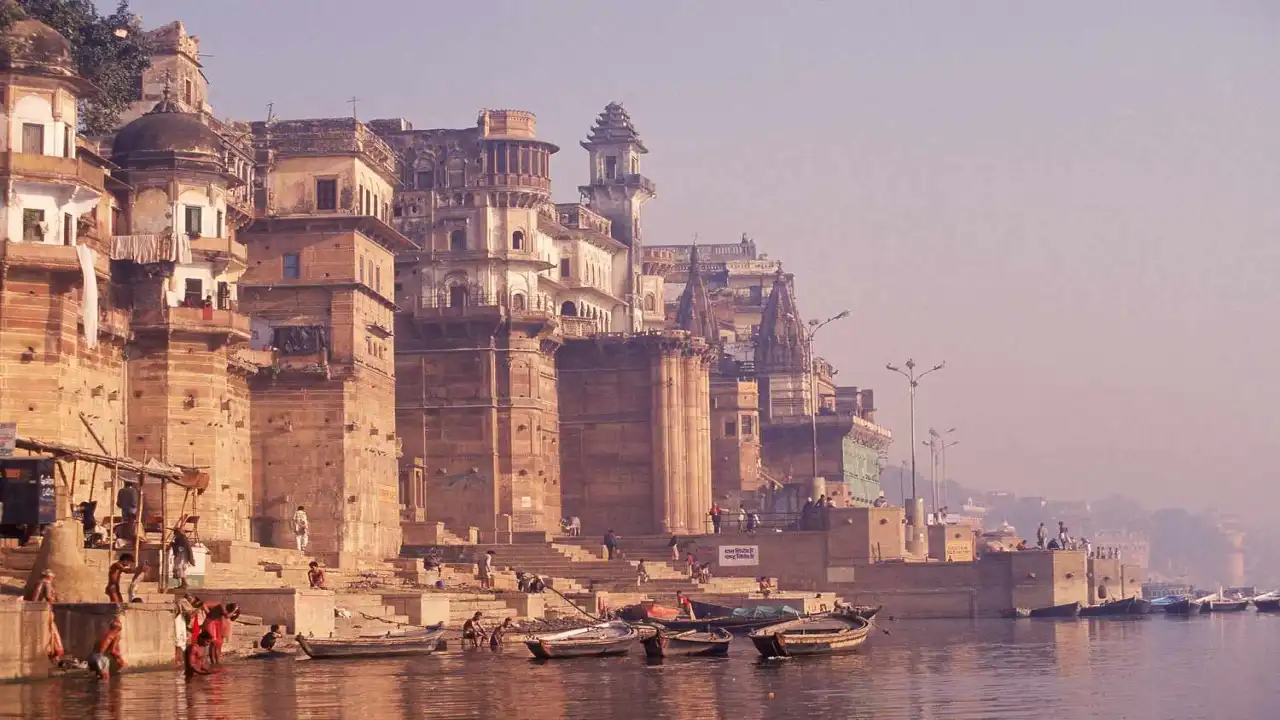
Varanasi is busy. Everyone knows that. But the ghats are different. Here, movement happens on foot and by boat. Early mornings feel almost still. You walk along the river at sunrise and forget the city behind you. This shows how car-free places in India don’t have to be silent to feel grounding.
Pro tip: Stay near Assi or Dashashwamedh Ghat. Most family trip package stays are planned around these areas since they’re walkable, close to the river, and easier for everyone to move around without constant transport.
8. Hydra, Greece – Island Life Without Engines
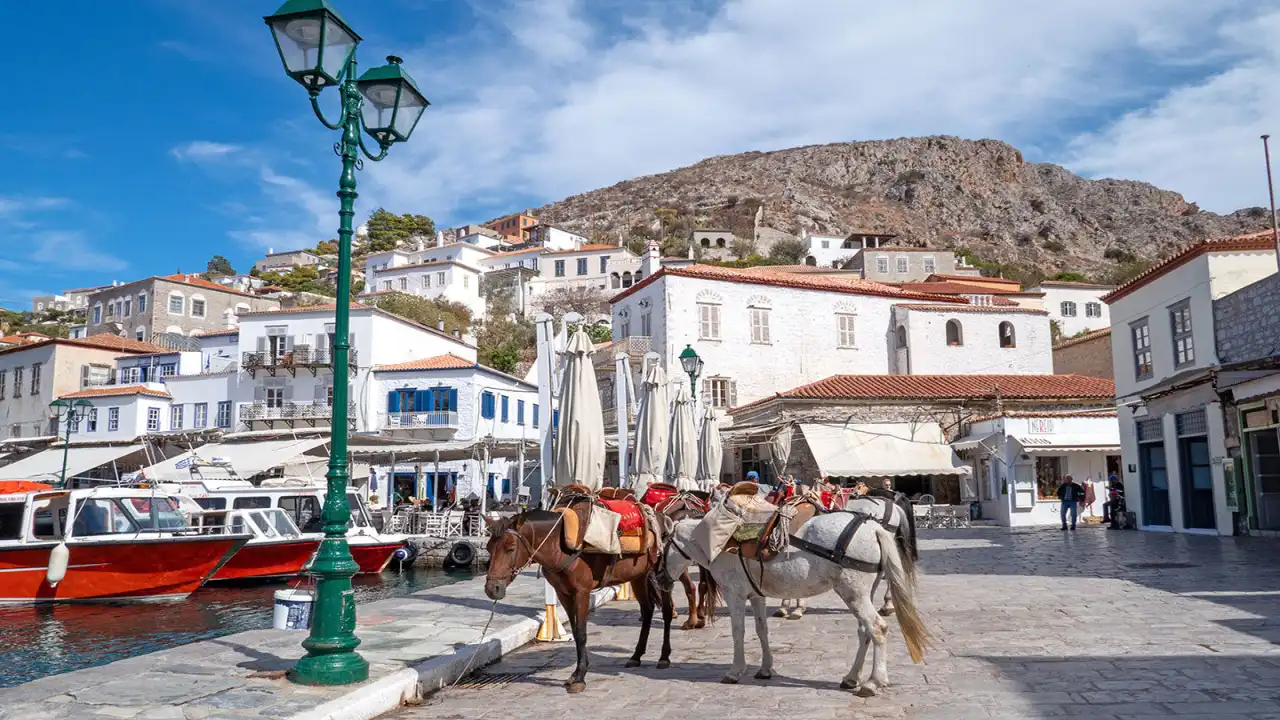
Hydra removed cars long ago and never brought them back. People walk. Donkeys help with transport. Life adjusts. The harbor sets the mood slowly, socially, unhurried.
Why it stands out
- Small scale
- Easy walking routes
- Relaxed pace
Great for couples and families.
9. Fes Medina, Morocco – Organized Chaos Without Cars
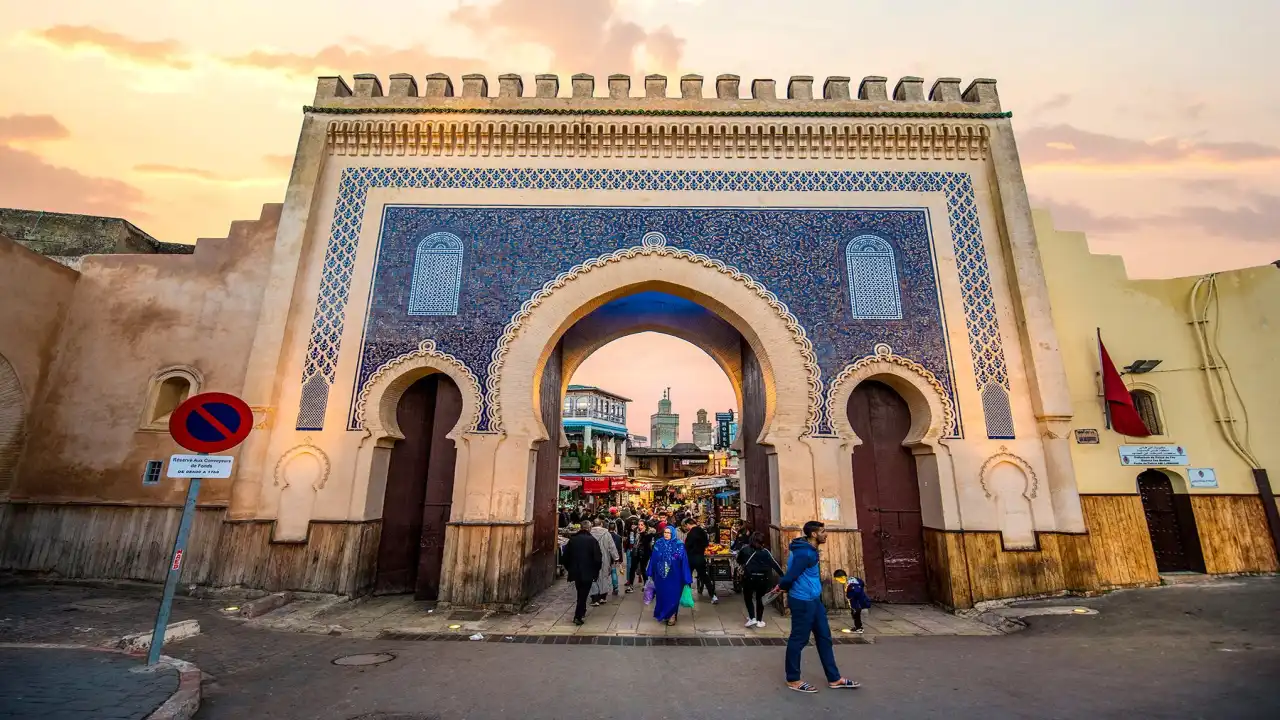
Fes Medina is busy, loud, and alive but not because of engines. Narrow lanes, workshops, markets. Movement everywhere. It’s intense at first. Then it clicks.
This is one of those car-free vacation destinations where patience replaces stress.
Pro tip: Get a local guide on day one.
10. Auroville, India – Intentional Slow Living
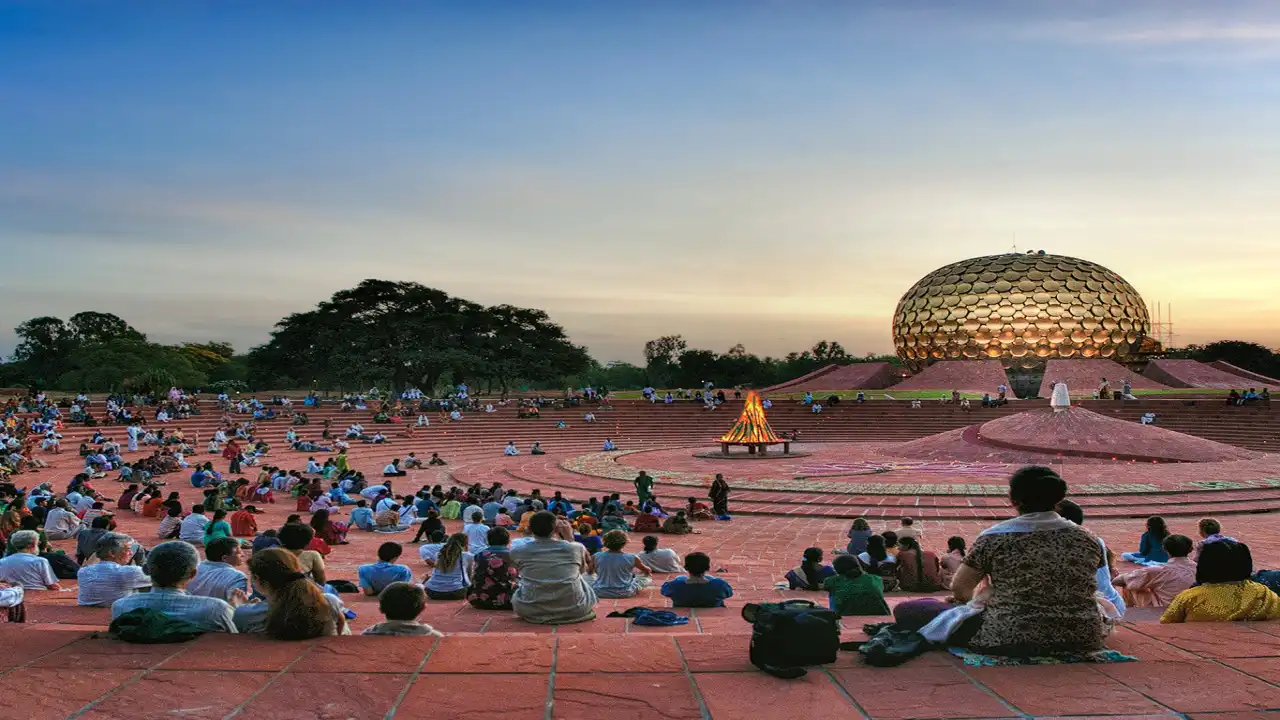
Auroville was built with walking and cycling in mind. Cars exist, but they stay in the background. People come here to slow down, not to see everything.
Why does it feel different?
- Community-focused planning
- Nature everywhere
- Minimal commercial noise
Pro tip: A bicycle makes everything easier.
How to Plan a Car-Free Trip Without Stress
Car-free trips work best when you don’t over-plan.
Simple tips
- Stay near transport hubs
- Check walking distances
- Pack light
- Leave space in your schedule
Avoid
- Tight timelines
- Overloaded itineraries
- Remote stays without access
Who Enjoys Car-Free Travel the Most?
It’s not for everyone. But it works well for:
- Couples
- Families
- Slow wanderers
Conclusion
Car-free destinations don’t promise perfection. They offer something quieter. You walk more. You think less. You notice things. And when travel stops feeling like a checklist and starts feeling like a day that made sense, you’re probably exactly where you should be.
Common Myths About Car-Free Destinations
Let’s clear a few things up:
- “It’s inconvenient” – Usually not
- “It’s boring” – You notice more, not less
- “It’s only for solo wanderers” – Families benefit too
Once you try it, driving starts to feel optional.