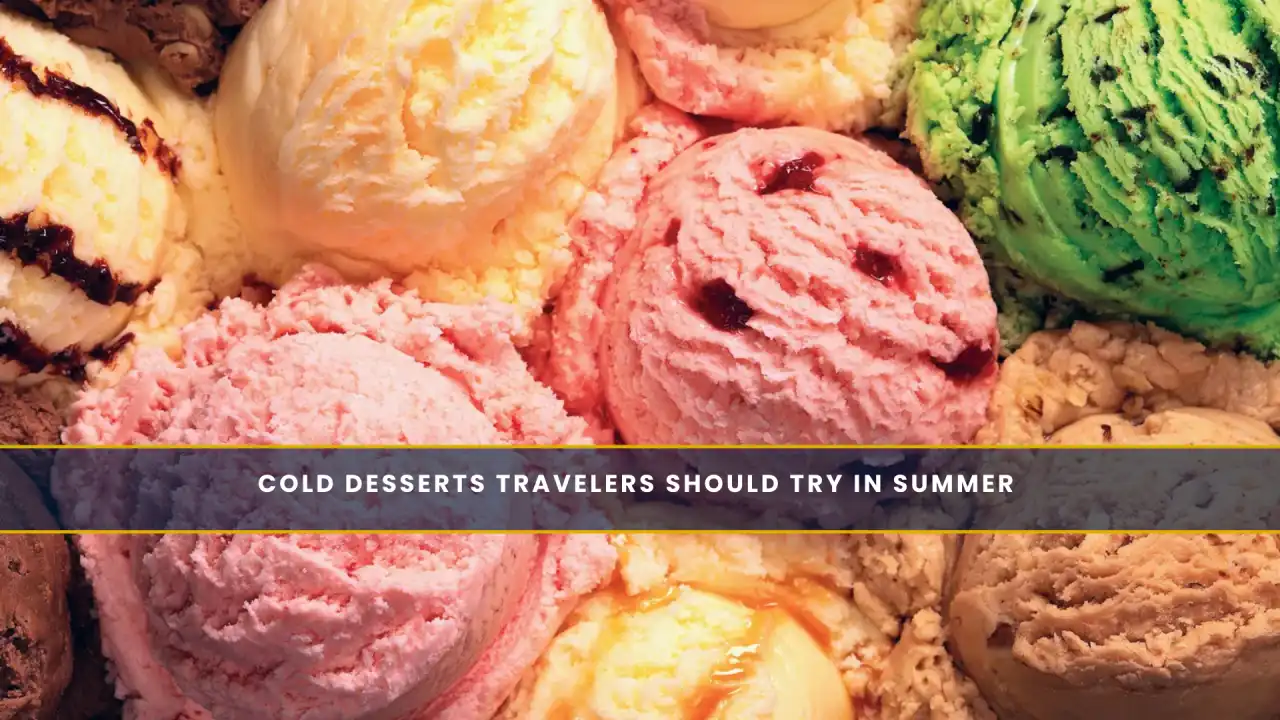
Cold Desserts Travelers Should Try in Summer
Introduction
Summer travel has its own kind of rhythm. Things move more slowly but somehow you end up doing more. The sun hangs around longer than you expect. You tell yourself you’ll just walk for a bit, maybe one museum, maybe one street market and suddenly it’s been three hours. Your feet are tired, your phone battery is hanging on for dear life, and the heat is doing that annoying thing where it sticks to your skin. At that point, most travelers start looking for the same thing. Not a full meal. Nothing heavy. Just something cold.
And that’s usually when desserts step in. Different places around the world have figured out their own ways to deal with summer heat. Some lean toward creamy frozen treats. Others go the shaved-ice route. In a few countries, fruit and milk get mixed and frozen in ways that feel surprisingly refreshing. Try one without thinking much about it in the moment. But later, when you’re home, that random dessert stall you stopped at might actually be one of the things you remember most. Once you start noticing cold desserts around the world, it’s kind of fascinating. Each place handles summer differently. So here are ten cold desserts travelers often remember long after the trip is over.
1. Gelato – Italy
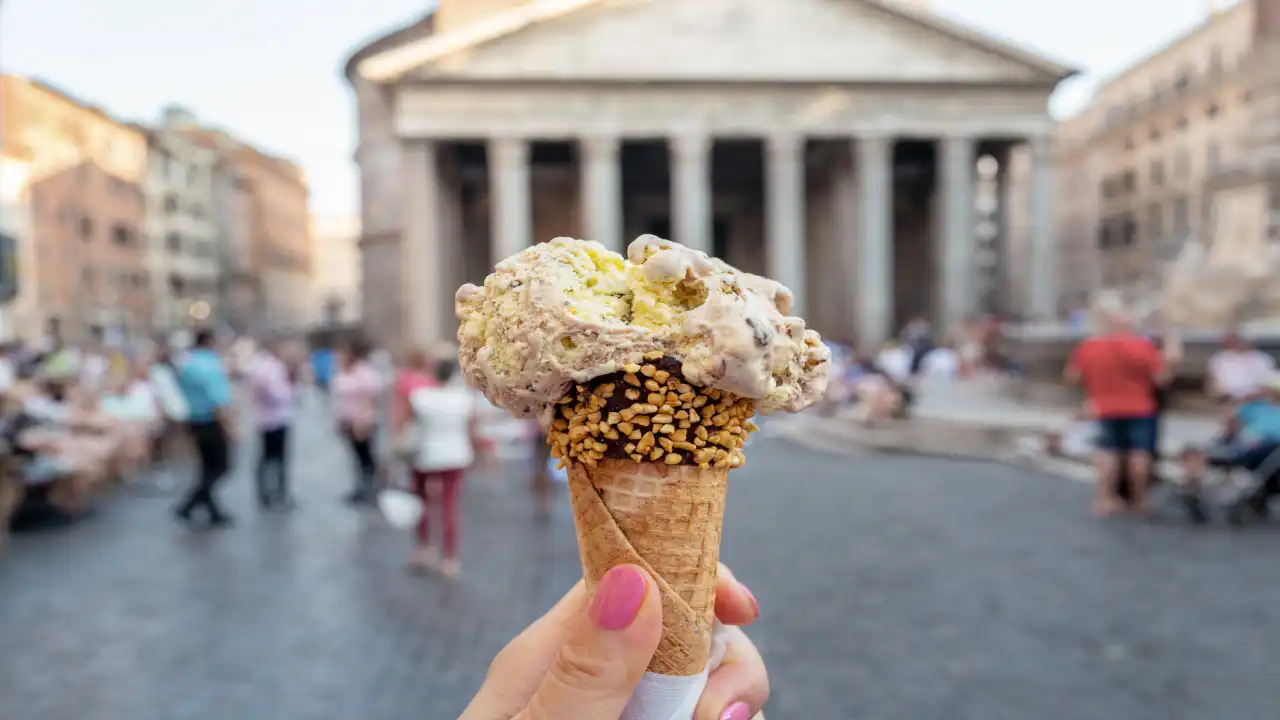
Walk through almost any street in Rome or Florence on a hot afternoon and you’ll notice something immediately. People holding gelato. Everywhere. Couples sharing cones.The kids who are trying hard not to let it drip down their wrists. Tourists claim they’re narrowing it down to one flavor in front of a display case of some thirty flavors. Gelato may seem like regular ice cream. But reverse the effort, and the gap is obvious. It’s mixed more slowly, so that less air is beaten into it.
The texture is smoother and denser, and the flavor stronger, too. A pistachio gelato in Italy tastes like pistachios. Not sugared masquerading as pistachio. You’ll see classics like chocolate, hazelnut, lemon and pistachio. Most smaller, artisanal shops go with what’s freshest and sell seasonal fruit flavors. So, honestly half the fun is wandering into random gelato shops and getting something completely different every time.
Why travelers love it
- It’s easy to find almost anywhere
- The texture feels richer than typical ice cream
- It’s a perfect excuse to pause during sightseeing
Pro Tip:
If the gelato colors look extremely bright neon green pistachio or electric blue, that’s usually a red flag. Real gelato tends to look softer and a bit muted.
2. Kakigori – Japan
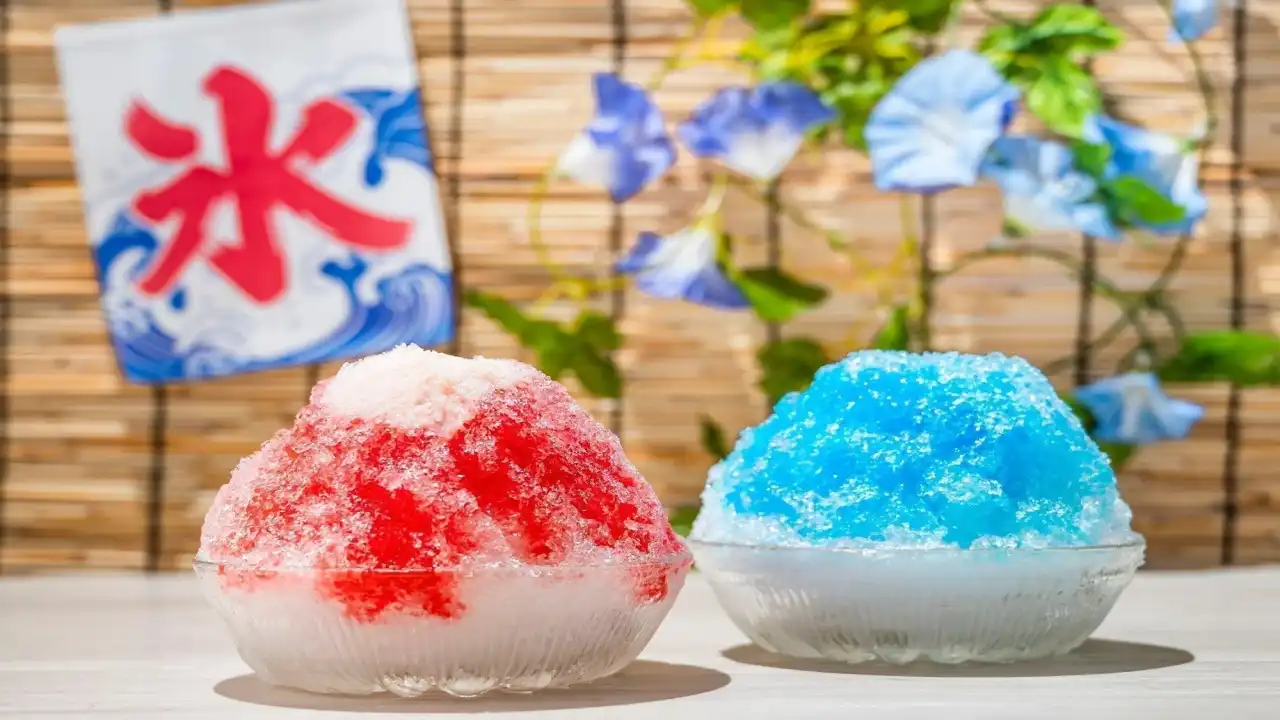
Summer in Tokyo or Kyoto can be intense. Not just hot. Humid in that sticky way where even standing still feels like effort. That’s exactly when kakigori suddenly makes perfect sense. It’s technically shaved ice but it’s about so much more than that. The ice is Fino, so closely shaved that it resembles fluffy snow. Light, delicate, and ridiculously cold.
Syrups, fruit purées, condensed milk or matcha decorations are heaped upon that fluffy mound of ice. Some cafes get inventive with toppings, including mango slices, chewy bits of mochi and even cheesecake crumbs. It sounds a bit over the top. But somehow it works. And the best part? It doesn’t feel heavy at all. “It’s the type of dish you can eat a massive bowl of and still feel refreshed and not full.”
Pro Tip:
Try matcha kakigori at least once. The slight bitterness balances the sweetness really nicely.
3. Kulfi – India
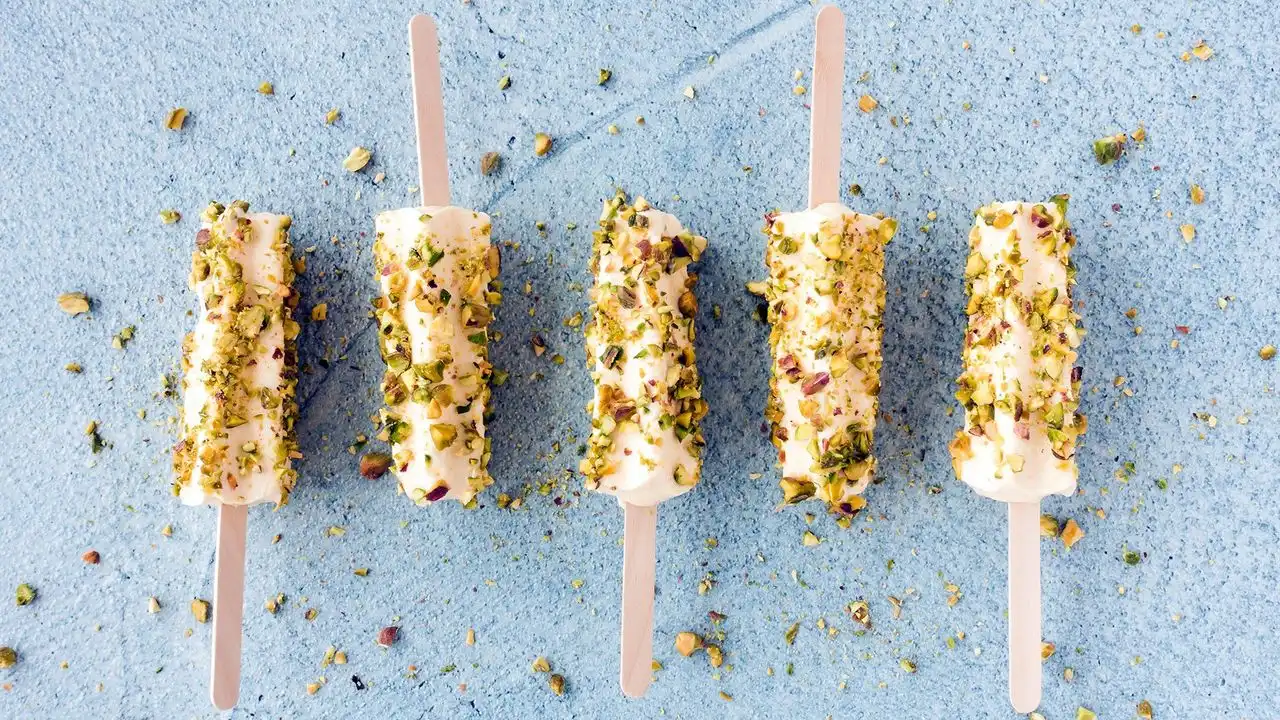
Spend a little time wandering through markets in Delhi or Jaipur during summer and you’ll probably hear kulfi vendors before you even see them. Little bells are ringing. Carts rolling slowly through busy streets. People are stopping for a quick dessert. Kulfi is one of India’s most loved frozen sweets. It’s made by slowly cooking milk until it thickens, then freezing it in molds. Because it isn’t whipped like ice cream, the texture ends up much denser. Almost creamy… but firm at the same time.
Some classic flavors show up everywhere:
- Mango
- Pistachio
- Cardamom
- Rose
Sometimes kulfi is served on a stick. Other times the vendor slices it into thick pieces and sprinkles chopped nuts on top. Either way, it melts more slowly than regular ice cream, which is actually helpful when the weather is brutally hot.
Pro Tip:
If you see a kulfi cart surrounded by locals, that’s usually a good sign.
4. Granita – Sicily, Italy
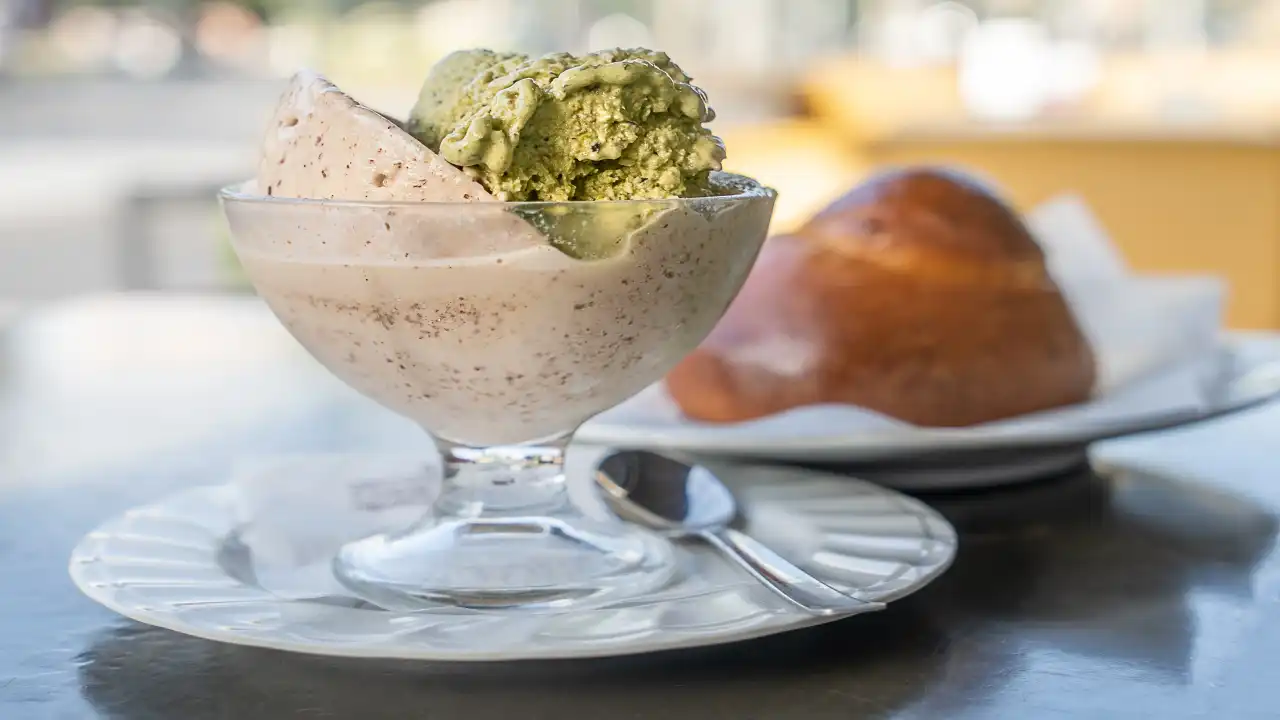
Granita is surprisingly simple. Water. Sugar. Flavoring. That’s basically it. But the magic is in how it freezes. The mixture is scraped slowly while freezing, turning it into soft, icy crystals. The result sits somewhere between a dessert and a frozen drink. Flavors usually include lemon, almond, coffee, or berries. What’s interesting, though is how locals eat it in Sicily. Instead of treating it like a normal dessert, many people pair it with a soft brioche bun and scoop the icy granita with pieces of bread. At first, that sounds slightly strange. But once you try it, it actually works better than you’d expect.
Pro Tip:
Lemon granita is incredibly refreshing on very hot days.
5. Halo-Halo – Philippines
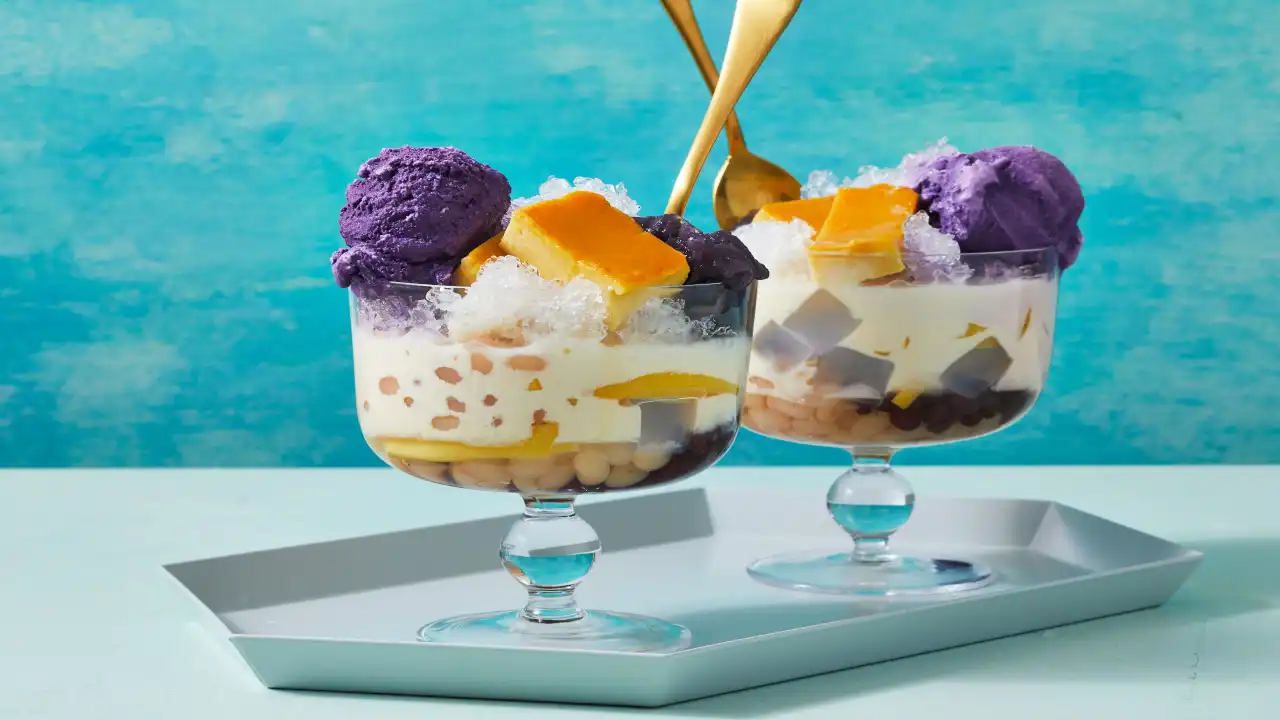
Halo-halo in the Philippines is one of those desserts where your first reaction is probably confusion. It comes in a tall glass filled with crushed ice, milk, beans, jelly cubes, fruit, and often a scoop of ice cream on top. Everything is stacked in colorful layers that don’t seem to belong. But that’s kind of the point. Its name literally translates to “mix mix.” You’re meant to stir the whole thing together before eating, until it forms a slightly chaotic mix of flavors and textures. Once mixed, though, it actually comes together quite nicely, creamy, icy, chewy, sweet. A little bit of everything.
Pro Tip:
Take a minute to mix it properly before eating. Otherwise, the first few bites are just ice.
6. Bingsu – South Korea
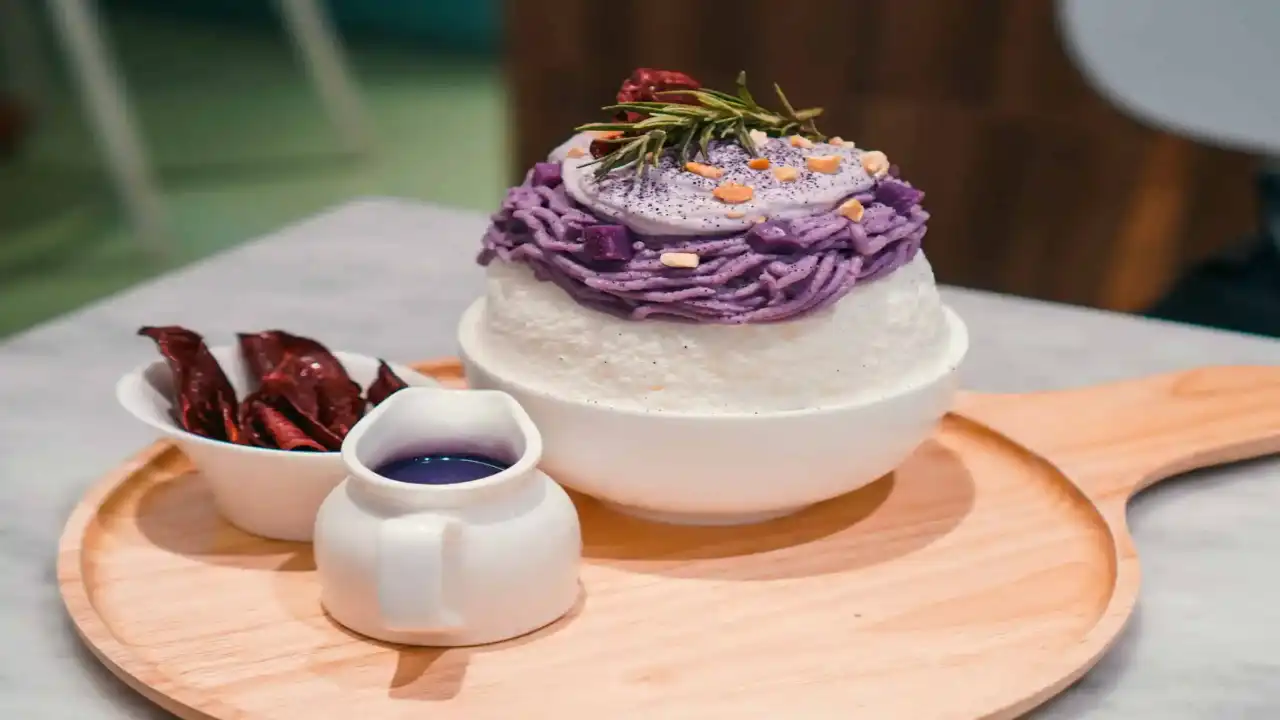
Summer afternoons in Seoul can feel pretty humid. That’s when people start craving something cold by midday. Enter bingsu. It starts with extremely fine, almost powdery shaved ice, and then toppings are piled on top. Traditional versions use sweet red beans and condensed milk. Modern café versions go a bit wild. Strawberries. Brownies. Cookies. Cheesecake cubes. Sometimes all of them at once. The bowls are often huge too. Definitely the kind of dessert meant for sharing. It turns a quick snack into a small social moment.
Pro Tip:
Fruit bingsu usually feels lighter than chocolate-heavy versions.
7. Dondurma – Turkey
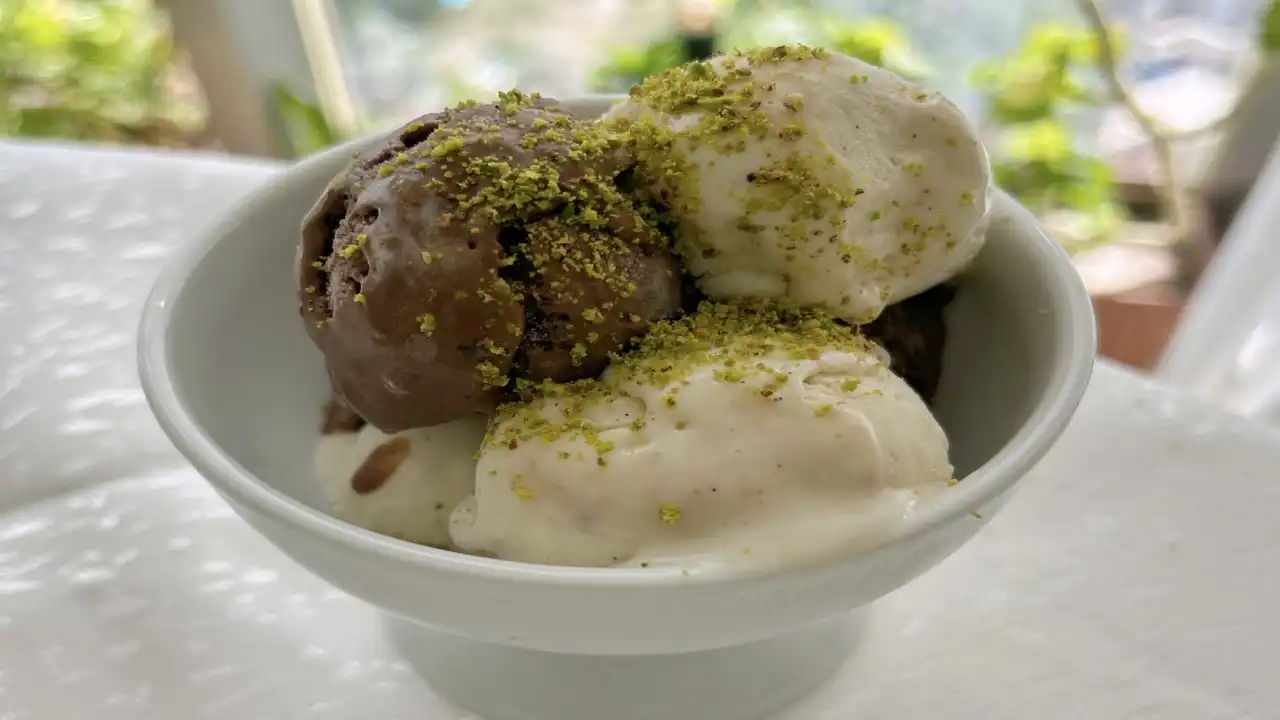
Buying ice cream in Istanbul can turn into a full performance. The dessert is called dondurma, and it has a slightly chewy texture thanks to ingredients such as salep and mastic. But the real highlight is the way vendors serve it. Using long metal sticks, they spin and stretch the ice cream before handing it over. Sometimes they pull the cone away at the last second just as you reach for it. Tourists usually laugh. Occasionally, they look confused. But that playful teasing is part of the experience.
Pro Tip:
Don’t rush the process. The vendor’s little show is half the fun.
8. Paletas – México
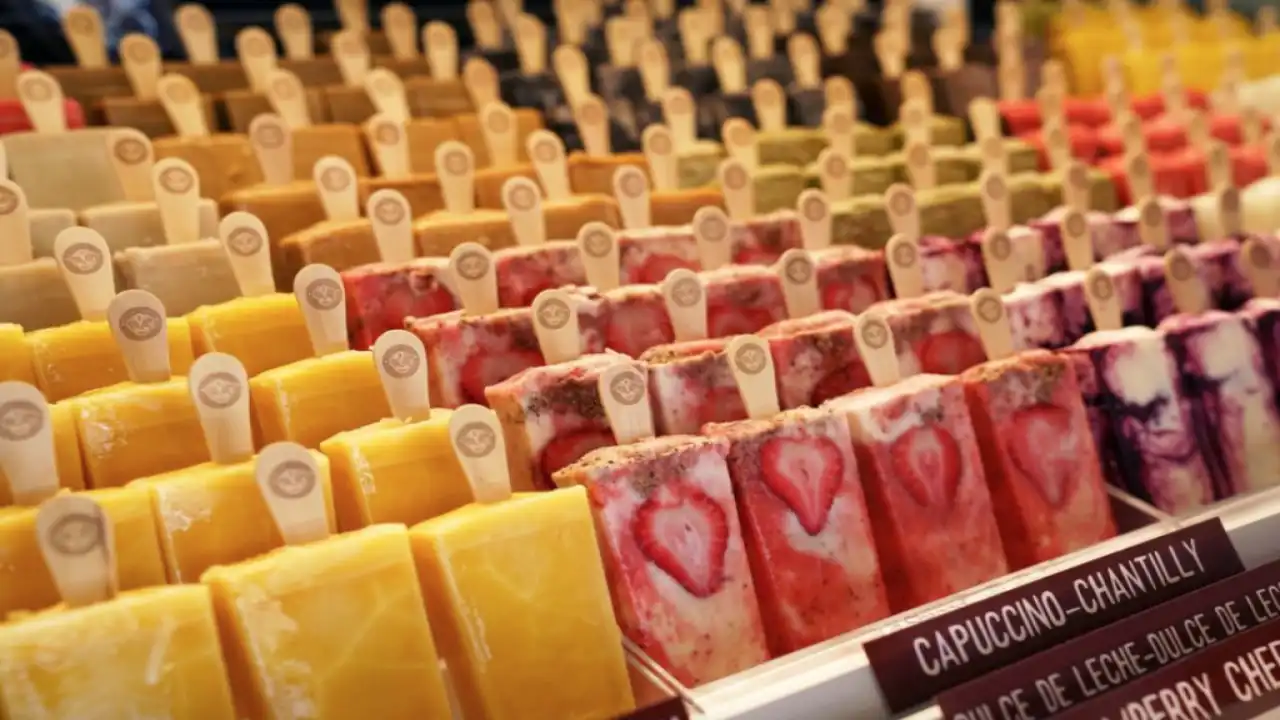
During the summer, paletas are everywhere in many Mexican towns. They’re basically frozen fruit bars… but much better than the popsicles most people grew up with. Most paletas are made with real fruit, which makes the flavor brighter and less sugary.
There are two main types:
- Fruit-based ones made with water
- Creamy versions made with milk
Some popular flavors include mango with chili, coconut, tamarind, and strawberry cream. That mango-with-chili combo sounds unusual at first. But once you try it, it makes a lot more sense than you’d think.
Pro Tip:
If you want the classic experience, try something with chili powder.
9. Ais Kacang – Malaysia
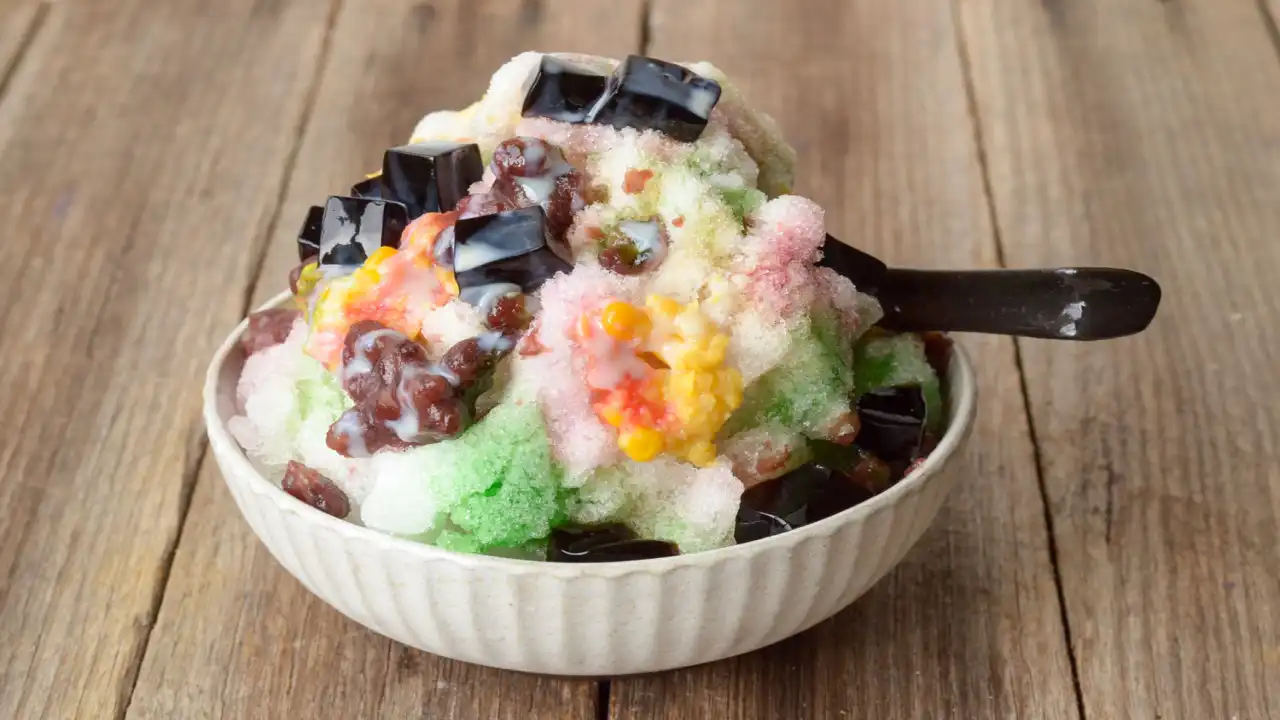
Ais kacang looks chaotic at first. In food courts in Kuala Lumpur, vendors form shaved ice into a high mound and then add toppings, syrups, bean jelly cubes, condensed milk and sometimes even corn. Occasionally, there’s ice cream too. It ends up looking like a little colorful mountain. But once you dig in with a spoon, the combination of textures actually works. Shattering ice, sticky syrup, milky creaminess, bouncy jelly. Every bite tastes slightly different.
Pro Tip:
If you’re not a big fan of very sweet desserts, ask for less syrup.
A Quick Look at Cold Desserts Around the World
One interesting thing about Famous Cold Desserts Around the World is how simple many of them are. A lot relies on the same basic ingredients: ice, milk, fruit, and sugar. But every place tweaks the idea a little differently. Some focus heavily on dairy. Others lean toward fruit or flavored ice. And while a few desserts show up in stylish cafés, many are still served the old-fashioned way: from small street carts.
A few things most of them share:
- The recipes are usually simple
- Local ingredients shape the flavors
- Street vendors often play a big role
For travelers, that makes it easy to try without planning anything.
Why These Are Perfect Summer Travel Desserts
Best Cold Desserts for Summer Travel: Do something small but important when you’re traveling. They slow the day down. Picture this for a second. You’ve been walking around a city all morning. Your feet are tired, the sun feels strong, and you’re starting to wonder if maybe it’s time for a break. Then you notice a dessert stall. Maybe shaved ice. Maybe frozen fruit. Maybe something you’ve never heard of before. You sit down for ten minutes. And somehow the day resets. Those little pauses often become the moments people remember most.
Conclusion
Travel memories don’t always require great monuments or crown jewels. Sometimes they come from little things in between. A quiet café stop. A street vendor bantering with customers. A dessert you sampled simply because it looked interesting. Cold desserts are the type of thing that produce those moments.
They’re refreshing, approachable and often closely linked to local culture. From rich kulfi in India to light shaved ice in Japan, each one tells how a people approach summer heat on its own terms. So the next time you visit somewhere warm, look out for these sweets. You may make a pit stop for a quick snack … and leave with one of the most memorable experiences you’ll have on your entire trip.
Traveler Tips
- Try desserts from street vendors when possible
- Look for places where locals are buying
- Share large desserts with friends
- Experiment with fruit flavors you’ve never tried before