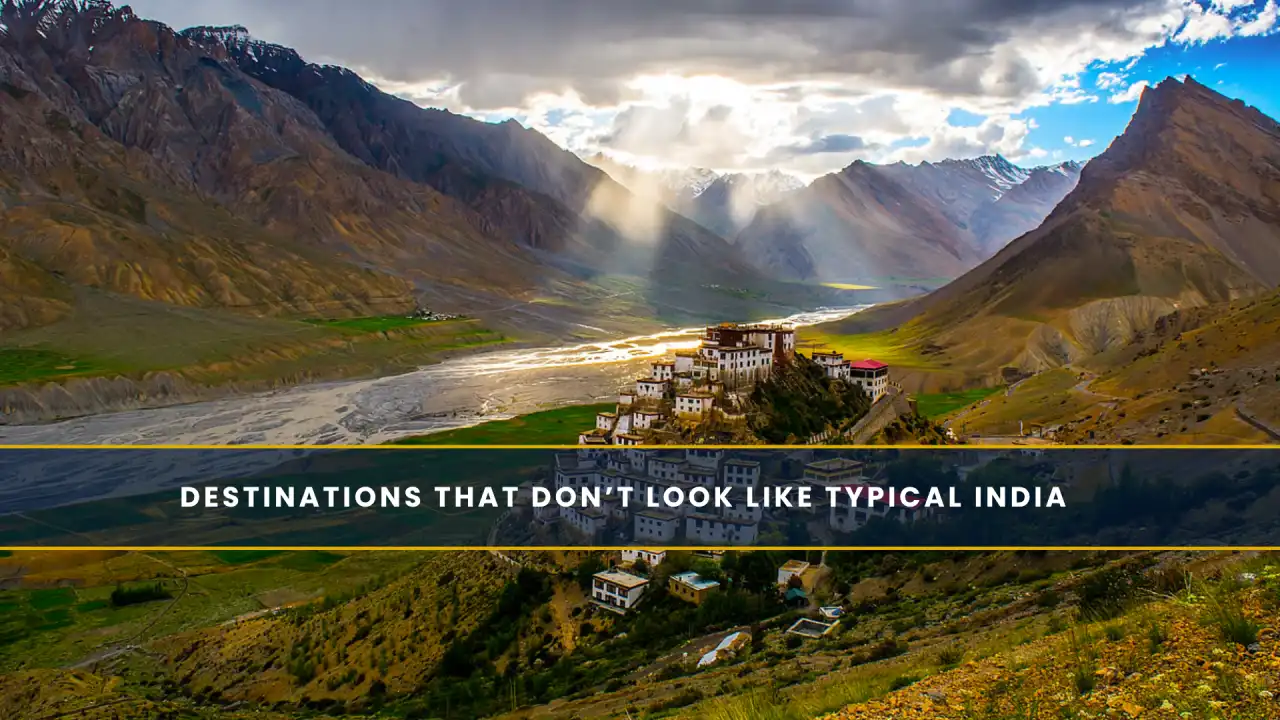
Destinations That Don’t Look Like Typical India
Introduction
When people say “India,” there’s already a picture in your head, right? Busy roads, honking that somehow never stops, bright colors everywhere, temples, markets, all of that. And yeah, that version exists. No doubt. But it’s not the full story. Not even close, honestly. Because if you travel a little off-track, not even too extreme, you start noticing places that feel off. In a surprising way. Like something doesn’t match what you expected.
Maybe it’s too quiet. Maybe it looks too clean. Or maybe it just doesn’t feel like India at all for a few minutes. That’s where these unique places in India stand out. They’re not trying to prove anything. They’re just there, doing their own thing, and you slowly realize this is not the version you had in mind. Sometimes it’s the landscape. Sometimes it’s how people live. And sometimes, it’s just that strange silence where you actually hear nothing for a few seconds, which, if you think about it, is rare here.
1. Spiti Valley, Himachal Pradesh – A Cold Desert That Feels Like Tibet
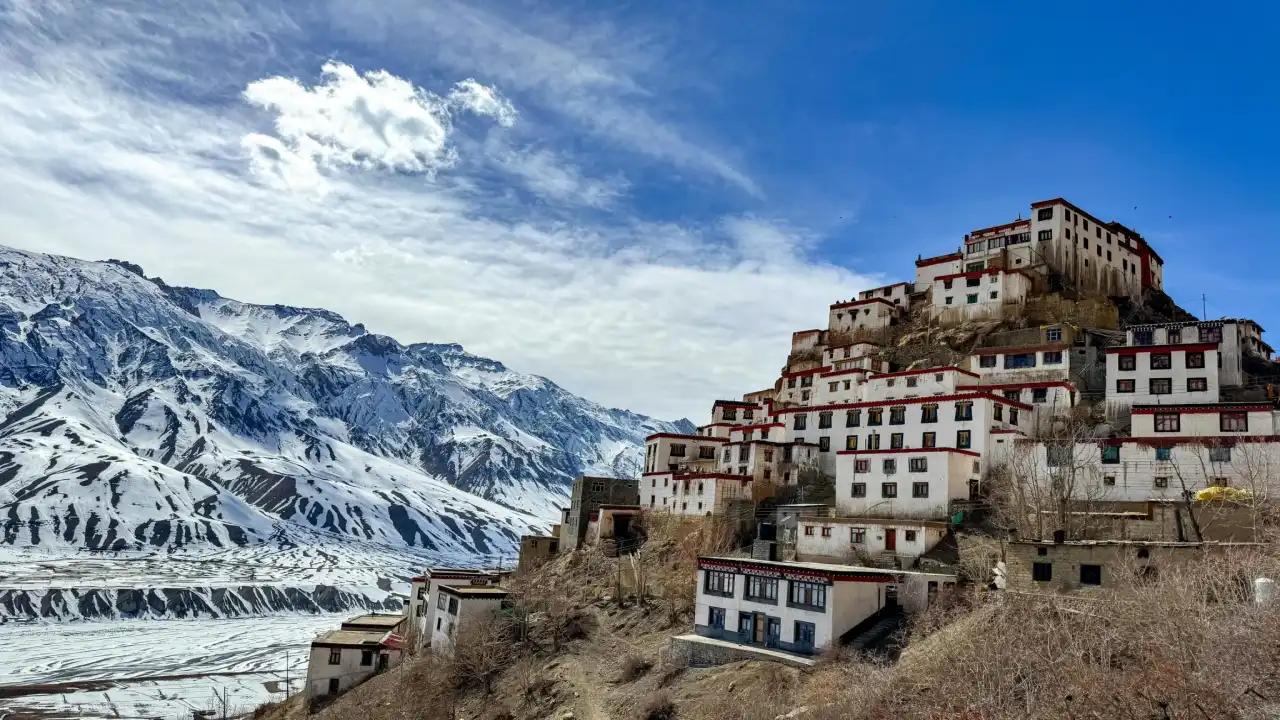
Spiti is not the place that impresses you instantly. No greenery, no “wow” viewpoint every 10 minutes. It’s mostly just brown. Dry mountains, long empty roads, and that feeling like you’ve come a bit too far. At first, it feels kind of blank. Like something is missing. But after a while, you get it. That “missing” thing is actually the whole point. No noise, no chaos, nothing extra.
The silence here is different. Not peaceful like a resort playlist, kind of peaceful. It’s raw. Wind hitting your face, maybe a bike passing after 20 minutes, and that’s it. The monasteries? They don’t look placed; they look like they belong there. Same with the villages. Almost like they grew out of the mountains instead of being built by someone. And, you do feel a little out of place here. But that’s what makes it stick with you later.
What makes it different:
- Dry, rough landscape instead of greenery
- Strong Tibetan vibe in culture and buildings
- Hardly any crowd, even when it’s “peak” season
Pro Tip:
June to September is safe. Anything beyond that, the roads can get unpredictable. Like, really unpredictable.
2. Khajjiar, Himachal Pradesh – A Landscape That Feels Surprisingly European
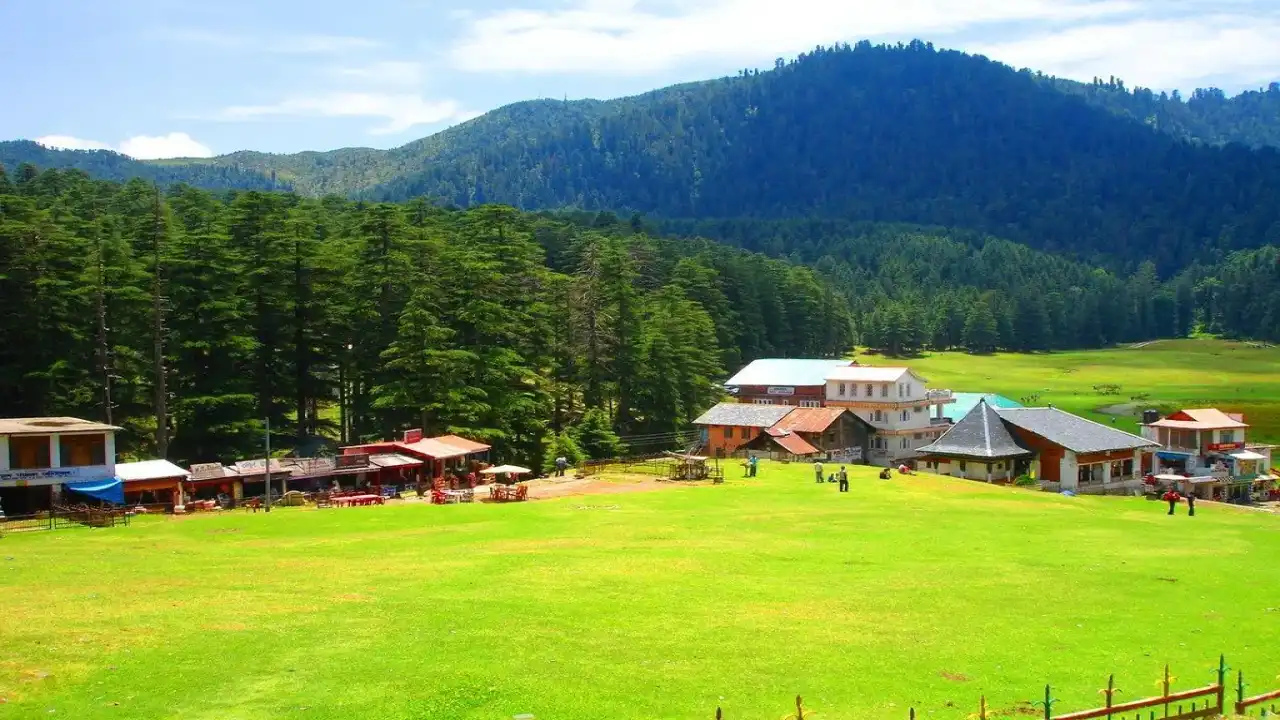
Khajjiar is simple. Like almost too basic. A big green field, a small lake, and trees around. That’s literally it. But still, it feels different. Maybe it’s the openness. No rush, no loud crowd, no pressure to “cover” anything.
You just sit there or walk around without thinking much. And the strange part? You don’t feel bored. You feel okay doing nothing. Which is rare. At some point, you realize you haven’t checked your phone in a while. That doesn’t happen easily.
Why it stands out:
- Open space instead of packed viewpoints
- Calm, clean surroundings
- No need for a tight plan
Pro Tip:
Pair it with Dalhousie. Easy trip. Works well under Domestic Packages if you don’t want to overthink planning.
3. Auli, Uttarakhand – Snow That Feels Almost Too Perfect
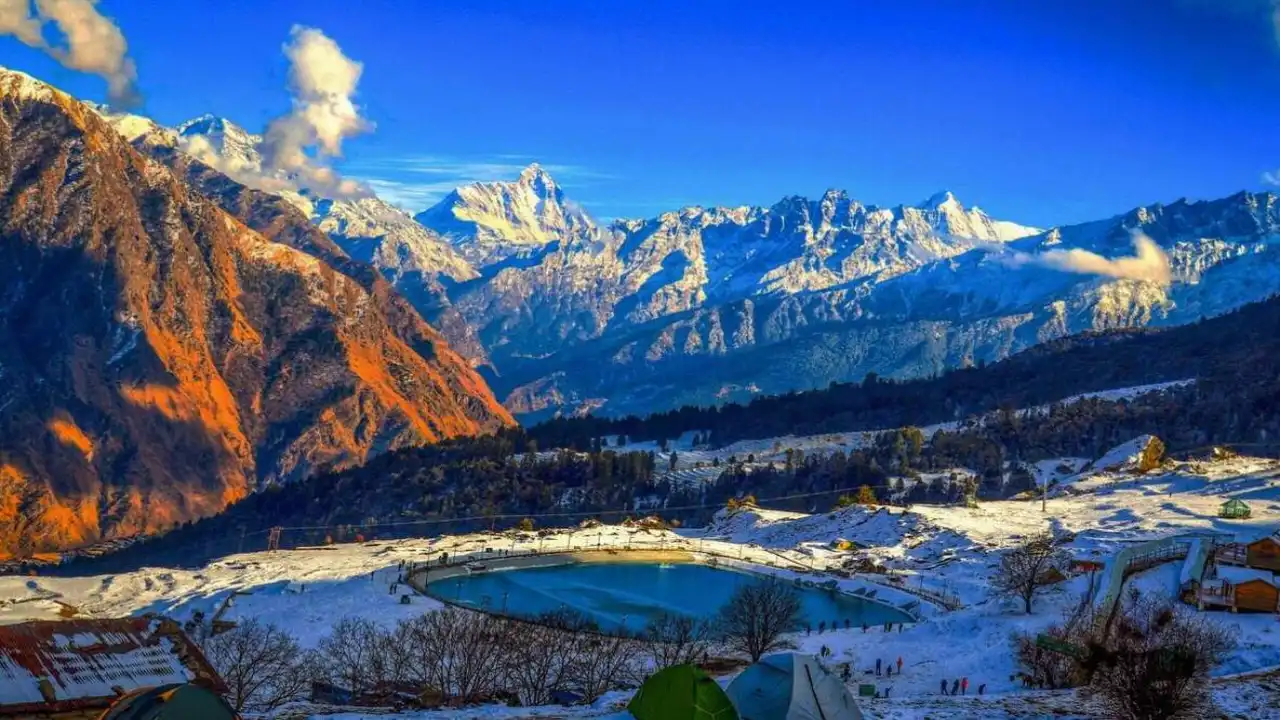
Auli in winter feels sorted. Like things are actually in place for once. Snow is clean, slopes are wide, and somehow it’s not chaotic. Which is surprising because snow destinations here usually get messy fast. Even if you don’t ski, it’s fine. Just walking there is enough.
That crunch under your shoes sounds small, but it stays in your head. The air feels sharper, too, like you’re noticing everything more clearly. For a moment, you kind of forget where you are. It genuinely feels like one of those places that look like they're abroad in India.
Things you’ll notice:
- Proper skiing setup and ropeway
- Clear views without too much obstruction
- Less crowded than expected
Pro Tip:
January to March is best.
4. Majuli, Assam – A Quiet World Floating on Water
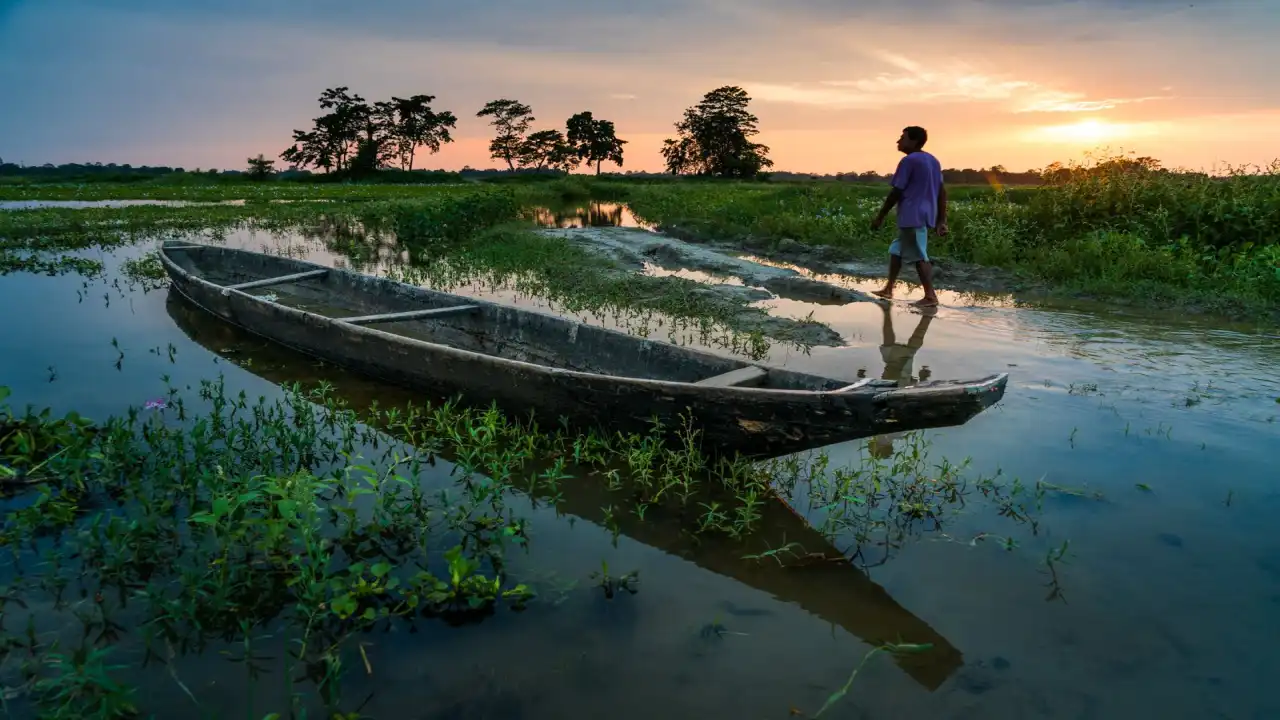
Majuli doesn’t hit you with a “wow” moment. No dramatic entry. It’s more gradual. You take a ferry, reach there, and everything just slows down. Not lazily, just naturally. Like things don’t need to rush here.
People follow their routines, the monasteries (satras) feel lived-in, not like tourist spots, and time just moves differently. You stop checking how much you’ve “covered.” And somehow, that feels enough. This is one of those unusual destinations India has, where nothing feels loud, but it stays with you longer than expected.
Why it’s special:
- Largest river island
- Deep cultural roots
- Calm without trying to be “calm.”
Pro Tip:
Planning can be slightly messy here, so the North East trip packages actually help more than you’d expect.
5. Rann of Kutch, Gujarat – A White Desert That Doesn’t Feel Real
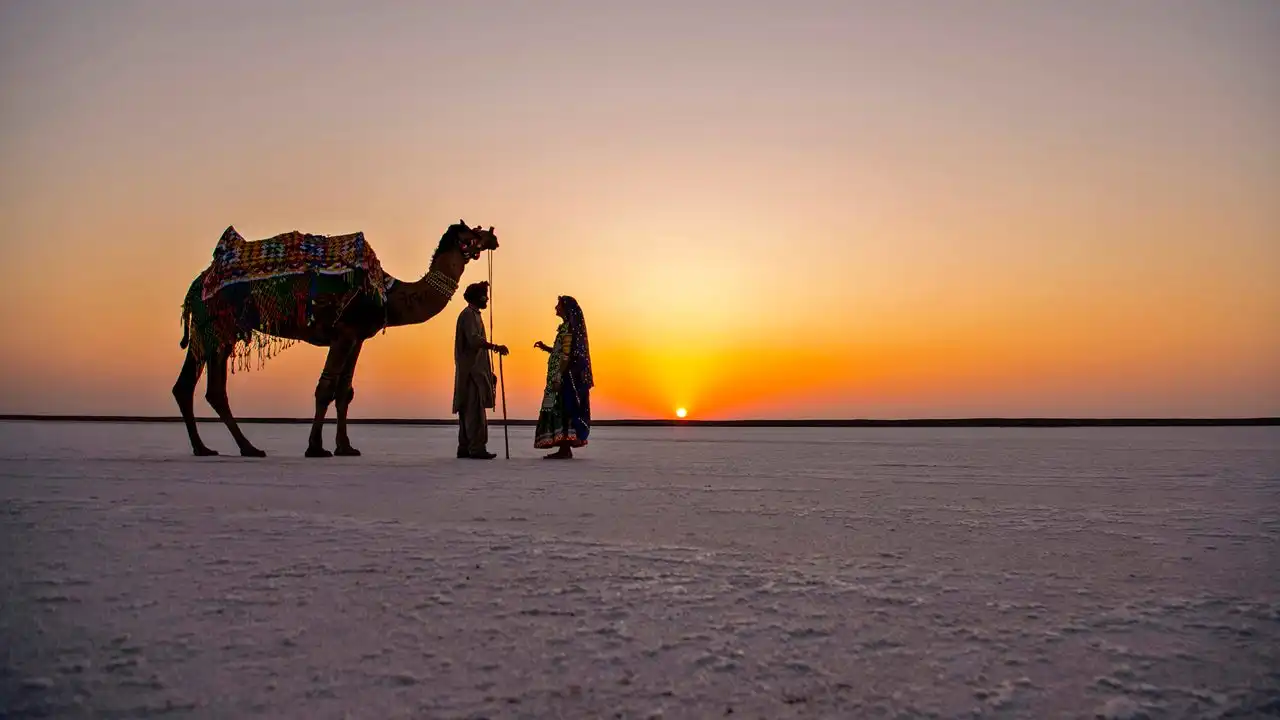
The Rann is confusing. First reaction: What exactly am I looking at? It’s just white. Everywhere. Not snow, not sand. Something else. And it keeps going. During the day, it’s so bright you’ll probably keep squinting the whole time.
At night, though, especially with moonlight, everything softens. Same place, but totally different feel. Quiet, almost peaceful. You don’t really “do” activities here. You just stand, look around, maybe walk a bit, and try to take it in.
What makes it unique:
- Endless white salt land
- Cultural feel during Rann Utsav
- Day and night feel like two different places
Pro Tip:
November to February works best. Stay overnight if possible; it changes the whole experience.
6. Ziro Valley, Arunachal Pradesh – A Landscape That Feels Untouched
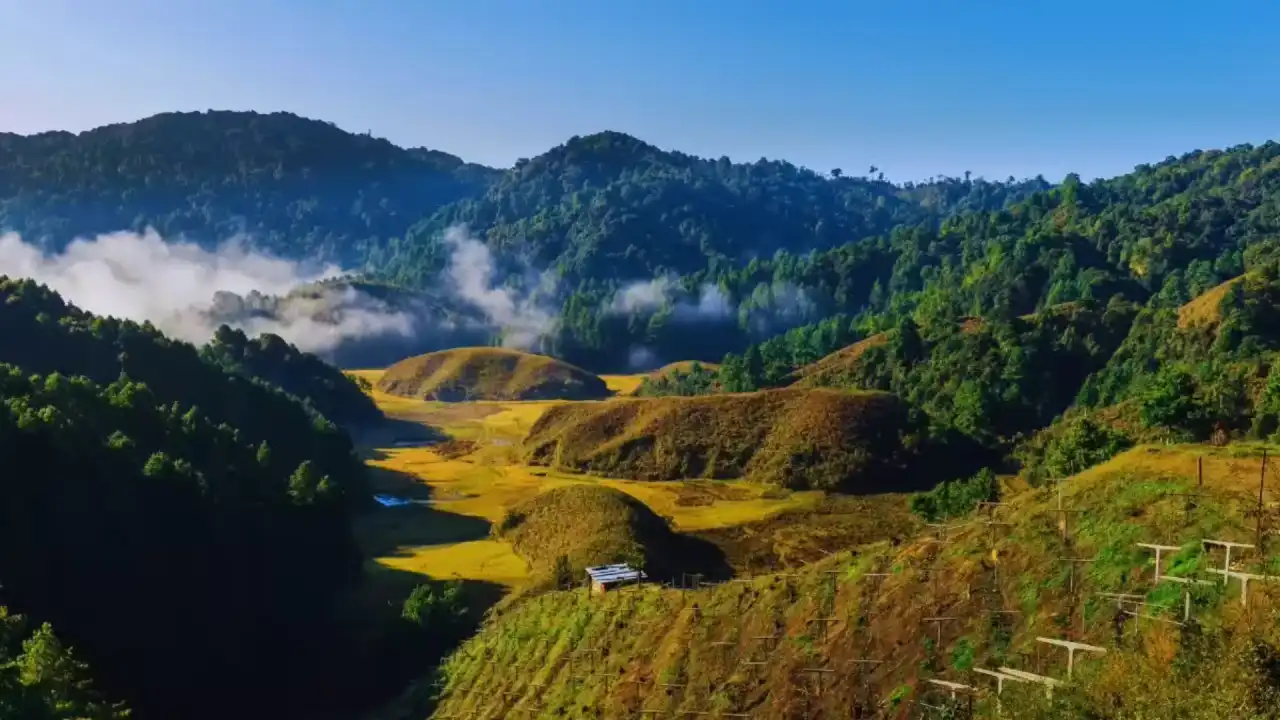
Ziro doesn’t look like it’s trying to attract tourists. No flashy setups, no over-marketing. And that’s probably why it feels real. Rice fields stretch quietly, villages sit naturally, and nothing feels overdone.
The Apatani tribe’s lifestyle, you don’t “see” it as a show. It’s just there. You notice it slowly, piece by piece. Nothing dramatic happens here. But somehow, you don’t feel bored either. Which is interesting.
Why visit Ziro:
- Unique tribal culture
- Peaceful green landscapes
- Not overly commercial
Pro Tip:
Ziro Music Festival adds a different vibe if you catch it at the right time.
7. Dhanushkodi, Tamil Nadu – Where Land Quietly Ends
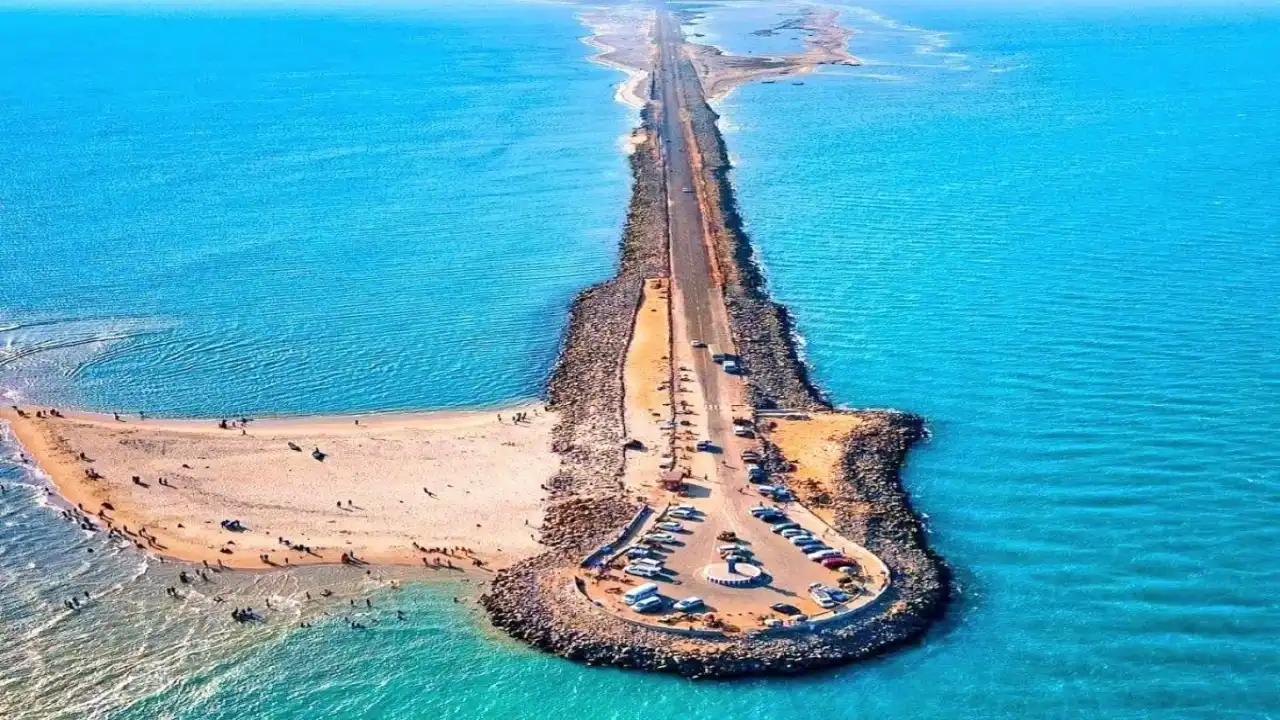
Dhanushkodi feels slightly unreal. Not in a fancy way, just unusual. There’s this long road with water on both sides. You keep going, and things start feeling emptier. Then suddenly, you’re just at the end.
Ruins, sea, wind. That’s it. Knowing it used to be a town makes it feel heavier somehow. Now it’s just left like that, unfinished, quiet. It’s not a place with activities or big plans. But it stays in your head after you leave.
What makes it different:
- Road surrounded by sea
- Remains of an old town
- Quiet, slightly eerie vibe
Pro Tip:
Go early in the morning or at sunset. Midday feels too harsh and kind of kills the mood.
8. Sandakphu, West Bengal – Views That Don’t Feel Like India
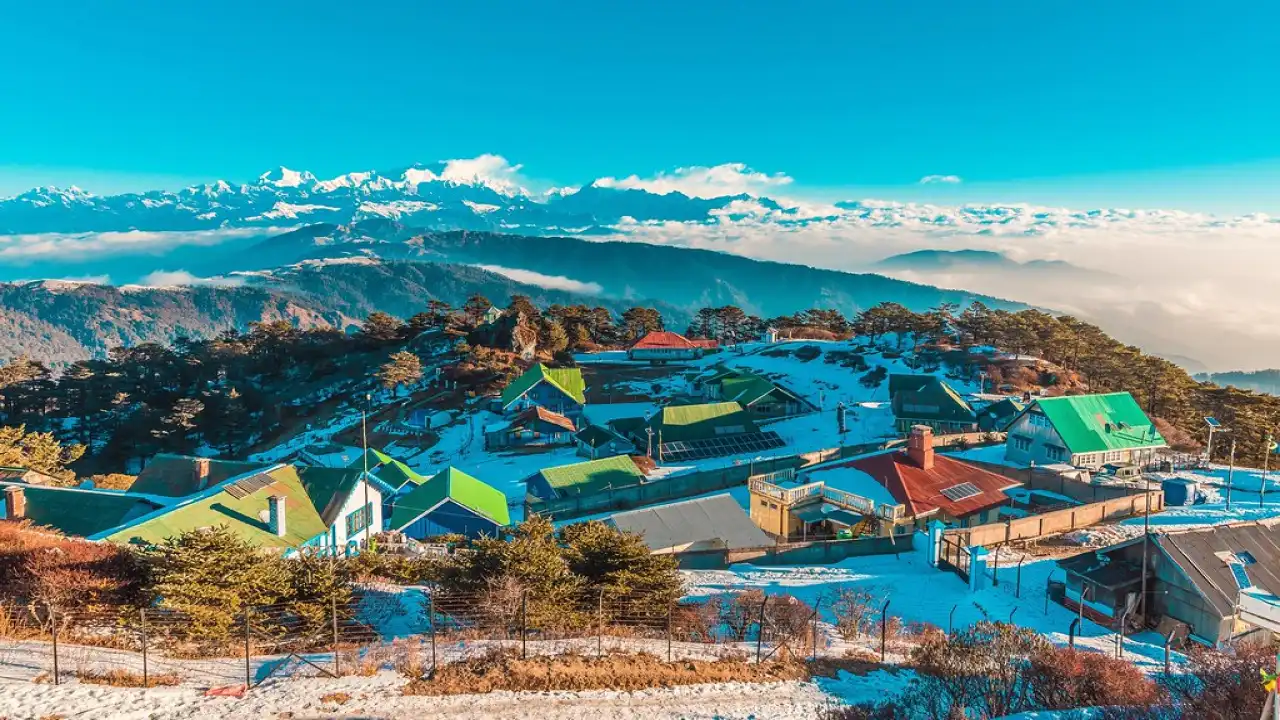
Getting to Sandakphu is not quick. You have to work for it a bit. Trek, time, effort, all of that. But when you reach it, it changes things. The view just opens up. Wide. Clear.
And suddenly you’re looking at peaks you’ve only read about, Everest, Kanchenjunga, all in one stretch. It doesn’t feel crowded or overly hyped. Just quiet, open, and honestly a little unreal.
Why it stands out:
- Rare view of multiple major peaks
- Trek-based, not just a drive
- Peaceful and less commercial
Pro Tip:
April–May or October–December. Clear skies matter more than anything here.
Conclusion
Traveling in India isn’t always about the popular spots. Sometimes it’s about the places that don’t match what you expected in the first place. These destinations don’t try hard. They’re not built around trends or perfect itineraries. They just exist, a little different from everything else. And maybe that’s why they stay with you. You go thinking it’s just another trip. But somewhere in between, on a quiet road, or a random moment, you realize something feels different. And that feeling kind of stays.