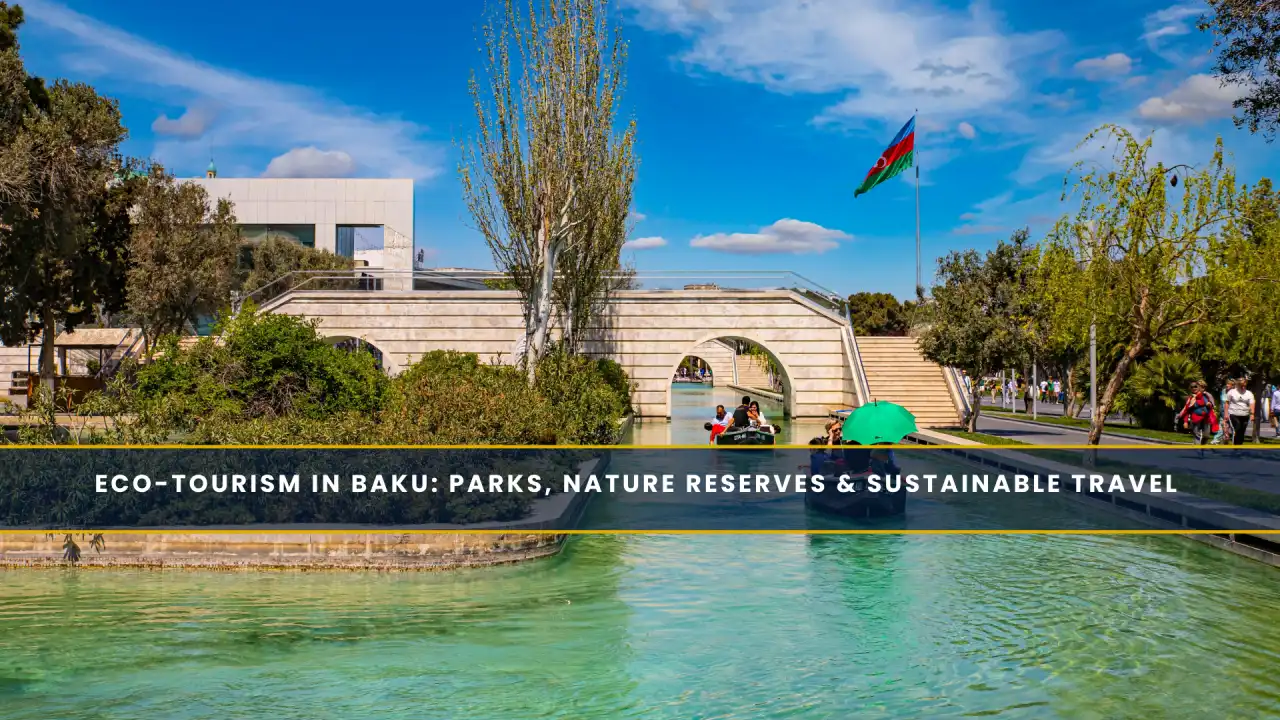
Eco-Tourism in Baku: Parks, Nature Reserves & Sustainable Travel
Introduction
When someone mentions Baku, most people imagine the shiny side first: glass towers, bright lights, and a long skyline beside the Caspian Sea. It’s the version that shows up everywhere online. And yes, that image is real. But spend a couple of days here and you start noticing something different. Walk a little away from the busy roads and the pace slows down. Small parks appear between neighborhoods, quiet hilltops fill with people watching the sunset, and nature reserves sit not too far outside the city.
For travelers who prefer slow exploration, this side feels more rewarding. Baku eco-tourism isn’t about rushing through famous landmarks; it’s about walking through green spaces, visiting protected landscapes, and noticing the small details of the place. It’s not an extreme adventure. Just thoughtful travel walking when you can, respecting nature, and supporting local businesses. Those small choices may seem minor, but they change the whole experience. And somehow, the city becomes far more interesting that way.
Why Eco-Tourism Matters in Baku
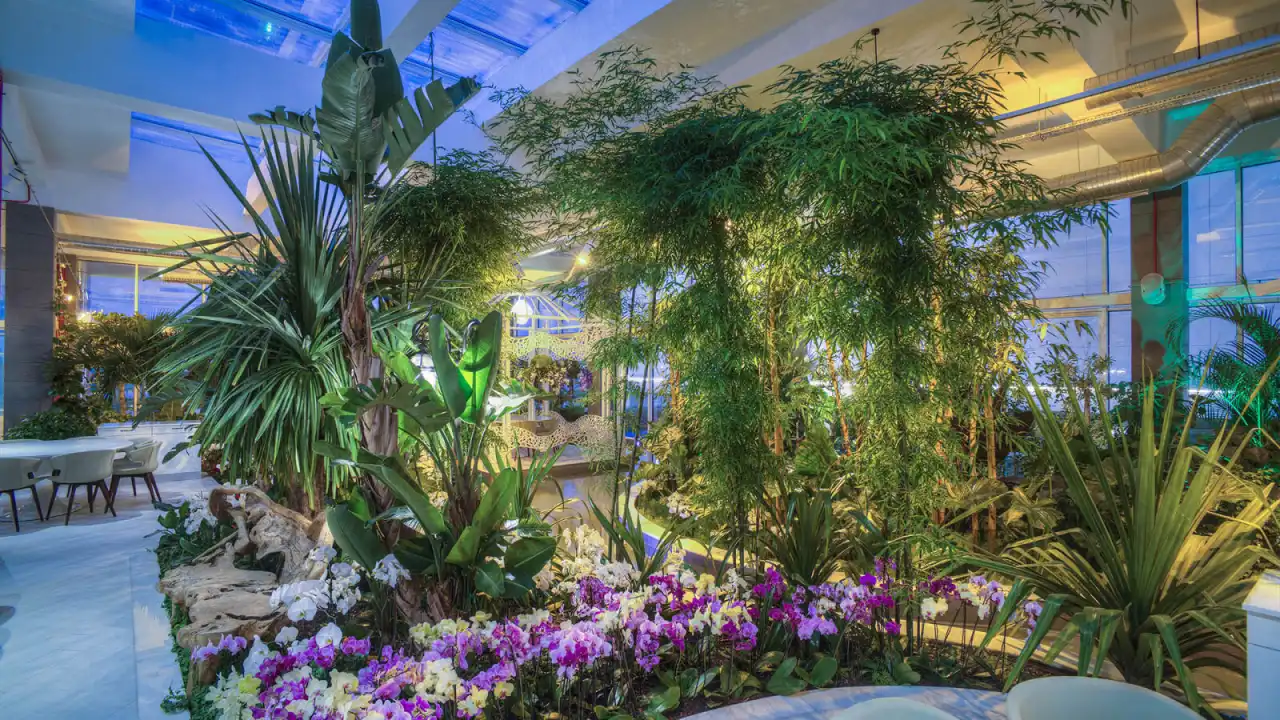
Five Changes Since 2010 in the World of Travel: People still want to see famous sights of course. No one hops on an airplane halfway around the world just to hang out in a hotel. But many travelers these days are craving something more real. Something less staged. In fact, Baku is in a rather unique geographical position. You can go from the Caspian coast to dry semi-desert land and even wildlife reserves within a few hours' driving. Such a shift of the landscape doesn’t come close to every big city.
One day you might be walking down the waterfront listening to the wind off the sea. The next time you’re staring at carvings that were scratched into stone thousands of years ago in a rocky national park. It’s just like two different places.” The contrast is a bit startling at first. But again, that’s what makes the experience memorable. You have the comforts of a modern city, decent cafes, good transport, nice hotels but nature is never that far away. And that equilibrium works surprisingly well.
Best Parks and Green Spaces in Baku
Urban parks usually don’t get a lot of attention in travel guides. Most people are busy chasing monuments, museums, and famous viewpoints. But parks tell you something about how a city actually lives. This is where everyday things happen. People walking their dogs. Kids running around in circles for no obvious reason. Friends sitting on benches talking about random things. It’s ordinary life. And sometimes that’s way more interesting to watch than another tourist attraction. Baku has quite a few green spaces like this.
Daghustu Park
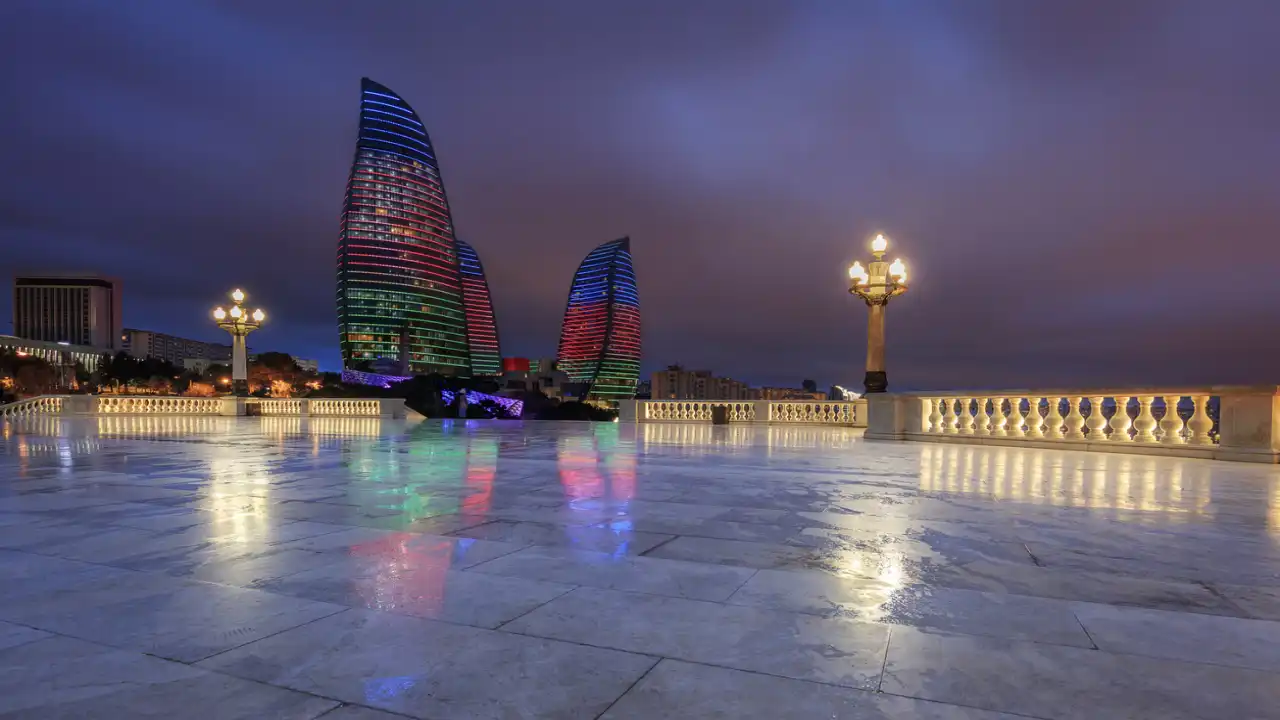
Daghustu Park sits high above the city. Getting there involves a bit of climbing stairs, mostly or you can drive part of the way up the hill. Either way, once you reach the top, the view kind of makes you stop for a moment. Below you, the whole city spreads out toward the Caspian Sea. Old neighborhoods, modern towers, roads twisting around buildings, everything blending into one big view. During the day, the park feels calm, almost sleepy.
But in the evening it becomes more lively. Locals come here after work. Couples wander along the paths. Kids run around while parents sit nearby chatting or checking their phones. It’s not busy in a touristy way though. Just normal. Nothing dramatic is happening. And that’s exactly why people like it. It’s the sort of place where you accidentally spend longer than planned. Sit down for five minutes and suddenly half an hour passes while you watch the sky change color. The moment when city lights start turning on one by one is surprisingly nice.
Why it’s eco-friendly
- Encourages people to walk rather than drive everywhere
- Protects green space inside the city
- Offers great views without heavy construction
Pro Tip
Try going around sunset. The coastline looks incredible from up there.
Upland Park
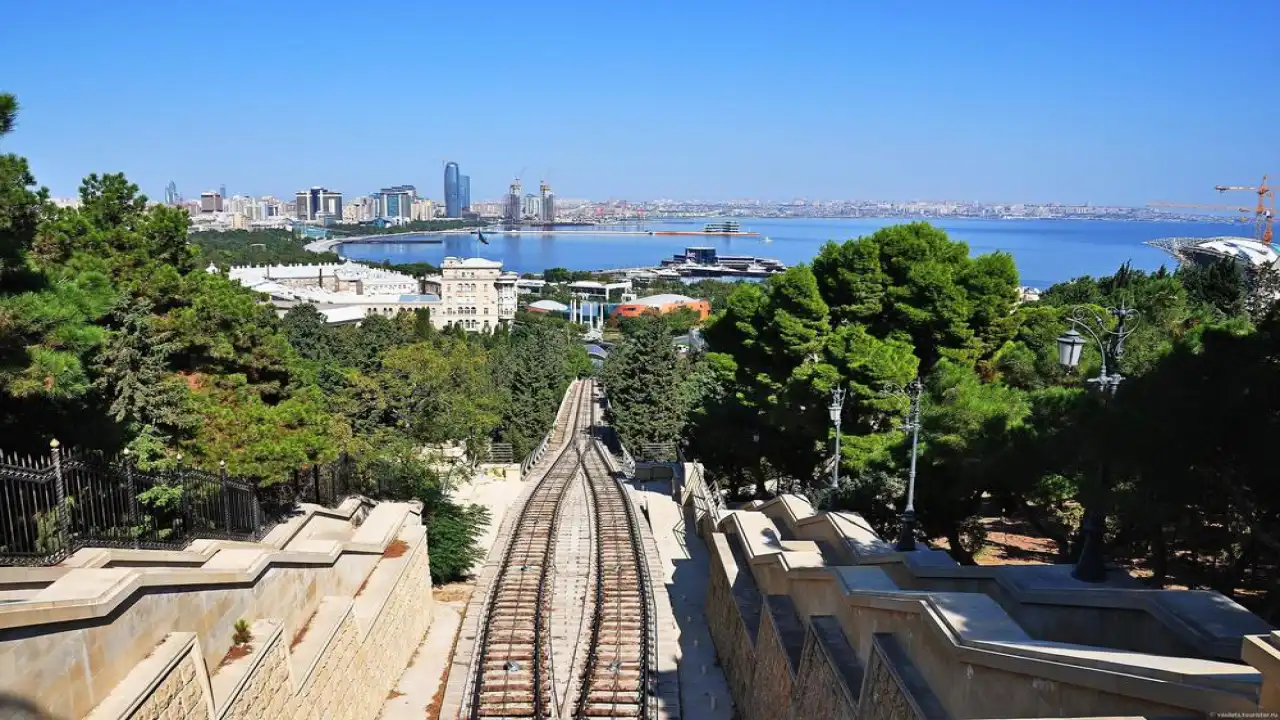
Not far from Daghustu, you’ll find Upland Park. Another elevated park, another good view of the city. But the atmosphere here feels a bit different. People treat this place almost like an outdoor living room. Locals stroll around slowly, take photos, or just sit and watch the skyline. No rush.
Nobody is trying to “complete” the park like it’s some attraction. And honestly, that relaxed mood is part of the charm. Eco-tourism doesn’t always mean hiking through forests or climbing mountains. Sometimes it’s simply about spending time in places where people and nature coexist comfortably. Parks like this do that quietly.
Nature Reserves Near Baku Worth Exploring
The scenery changes pretty quickly once you leave the city limits. It can feel surprisingly wild in the Baku hinterland. Dry hills stretch far away in the distance. Rocky plains emerge where they shouldn’t. Even the air feels different, freer in some way. It’s not the sort of landscape that most travelers envision when they think about Azerbaijan. But it’s interesting in its own right. There are a number of protected areas located within a few hours’ drive of the city, and visiting them reveals an entirely different side to the region.
Gobustan National Park
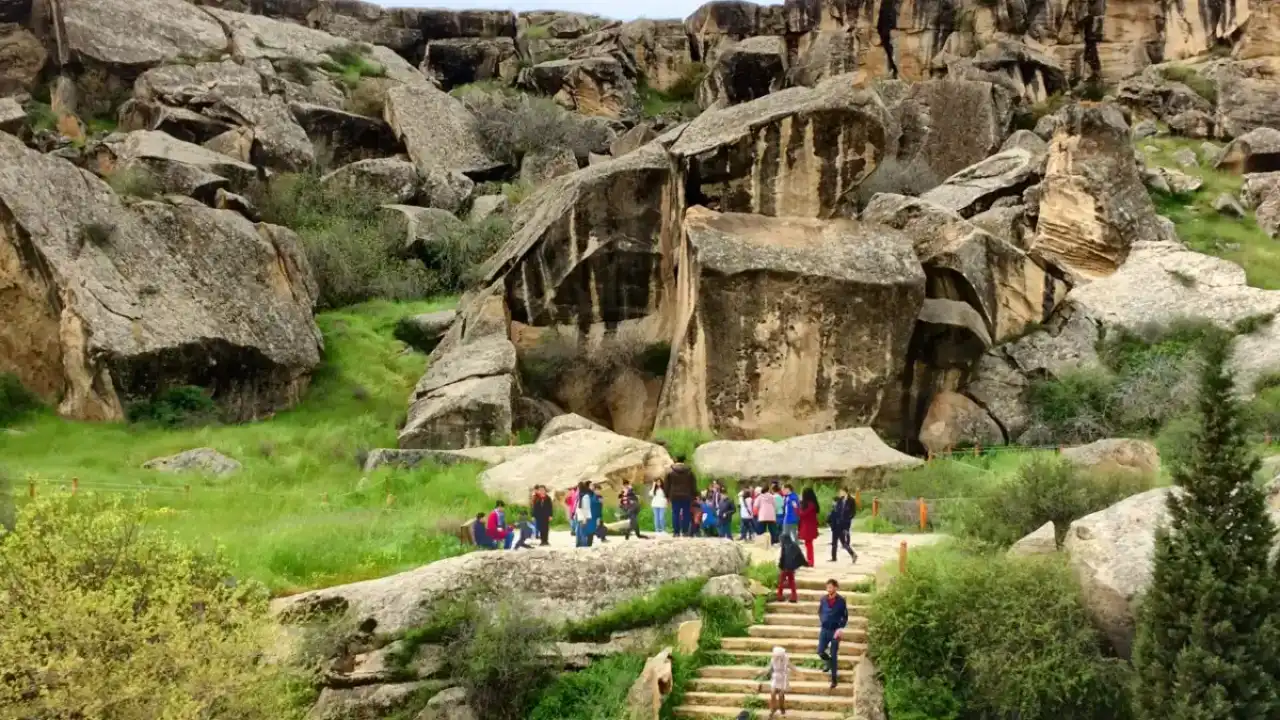
Gobustan is arguably one of the weirdest places in a good way, around Baku. At first glance, the landscape is quite bare. Flat rocky terrain, rolling hills, and wind blowing over everything. The quiet can be palpable, especially if you’ve just emerged from the bustling metropolis. But once you look a little closer, you see the rocks themselves are telling stories. The area is littered with thousands of ancient carvings.
These petroglyphs depict hunting, dancing, elements of nature, and everyday life from the lives of people who inhabited this region thousands of years ago. When you stand there, you begin to visualize what life must have been like back then. What the place looked like. What those people were faced with every day. It’s somewhat like wandering outside an open-air museum of history, but there are no walls or display cases. That is how many tourists, participating in the Nature tour in Azerbaijan, add to their program Gobustan, as this place combines history and nature like no other.
Things to notice while exploring
- Rock carvings that date back thousands of years
- Strange mud volcanoes are scattered around the region
- Wide desert-like landscapes
- Occasional wildlife like birds or foxes
Pro Tip
Wear sturdy shoes. The ground can be uneven in some areas.
Absheron National Park
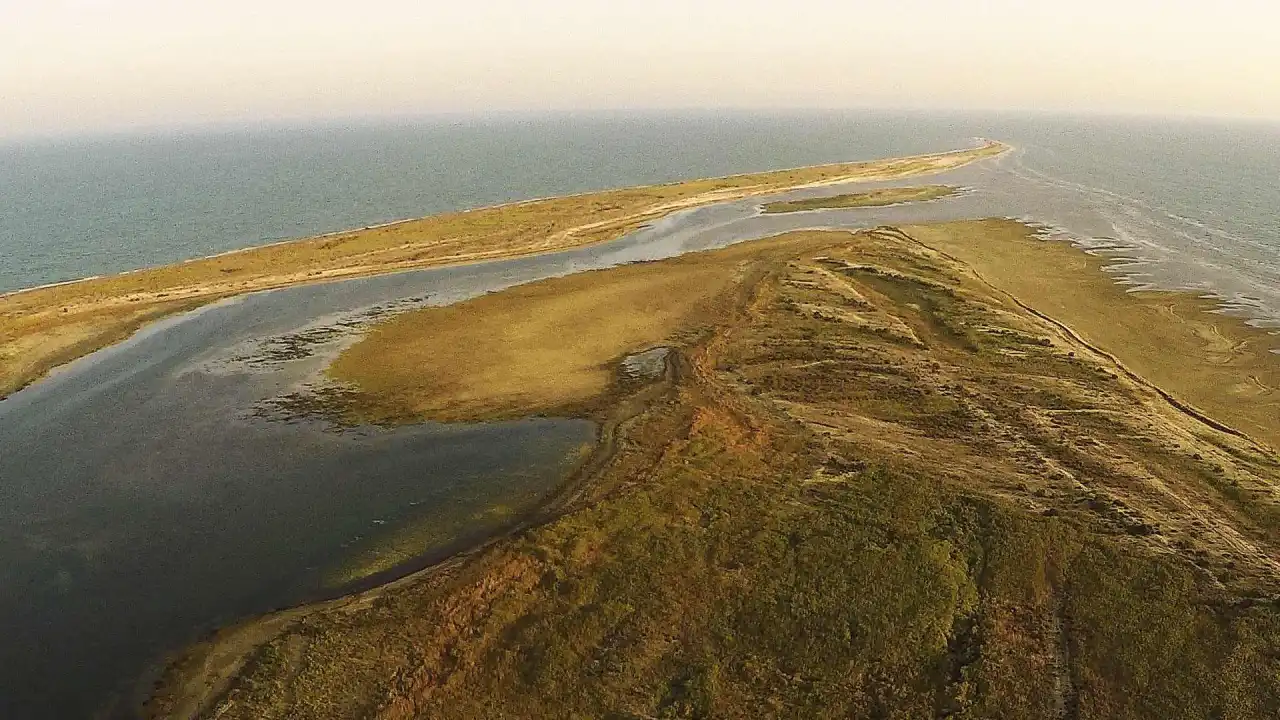
Absheron National Park protects part of the Caspian coastline, and the atmosphere here feels very different from the city beaches. No loud music. No crowded beach clubs. Just wind, sand, and wildlife.
The park is home to gazelles and several species of seabirds. If you’re lucky, you might spot animals moving slowly across the landscape in the distance. It’s quiet here. Almost surprisingly quiet considering how close it is to a large city. And honestly, that silence is part of the appeal.
What makes the park interesting
- Protected coastal ecosystems
- Habitat for rare wildlife
- Wide natural landscapes perfect for observation
Pro Tip
Bring binoculars if you enjoy birdwatching.
Shirvan National Park
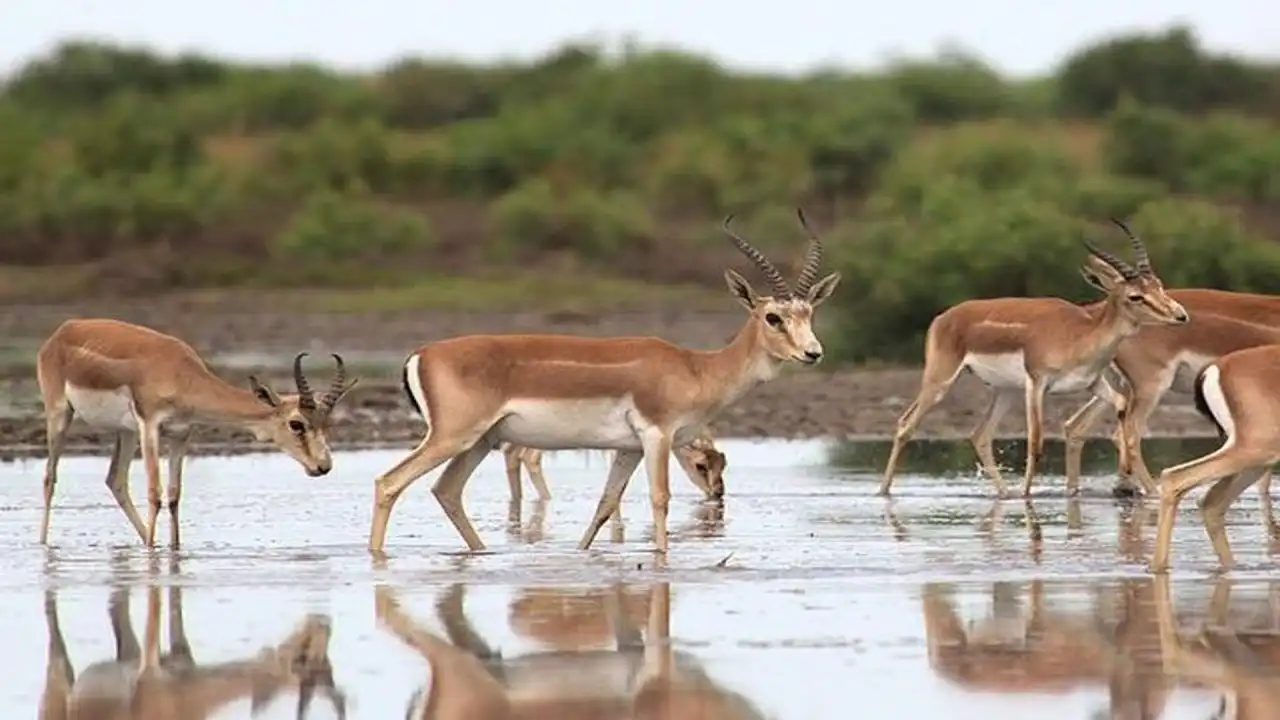
Further away from Baku sits Shirvan National Park, a large protected reserve known mostly for its wildlife. Travelers come here hoping to see gazelles roaming freely across the plains. The park also includes wetlands and grasslands that attract many bird species. The experience is quite different from famous safari destinations. There are no huge lines of vehicles chasing animals around. No crowds competing for photos.
Instead, visits feel calm and slow. You drive through the reserve, stop occasionally, and look out across the landscape. Sometimes nothing happens for a while. And then suddenly, a small herd of gazelles appears in the distance, moving lightly across the open land. Those small moments are usually the ones people remember most.
Eco-Friendly Activities Travelers Can Try
Eco-tourism isn’t only about national parks. It also includes the way you move through a city. A few simple activities naturally make travel more sustainable.
Walking Through the Old City
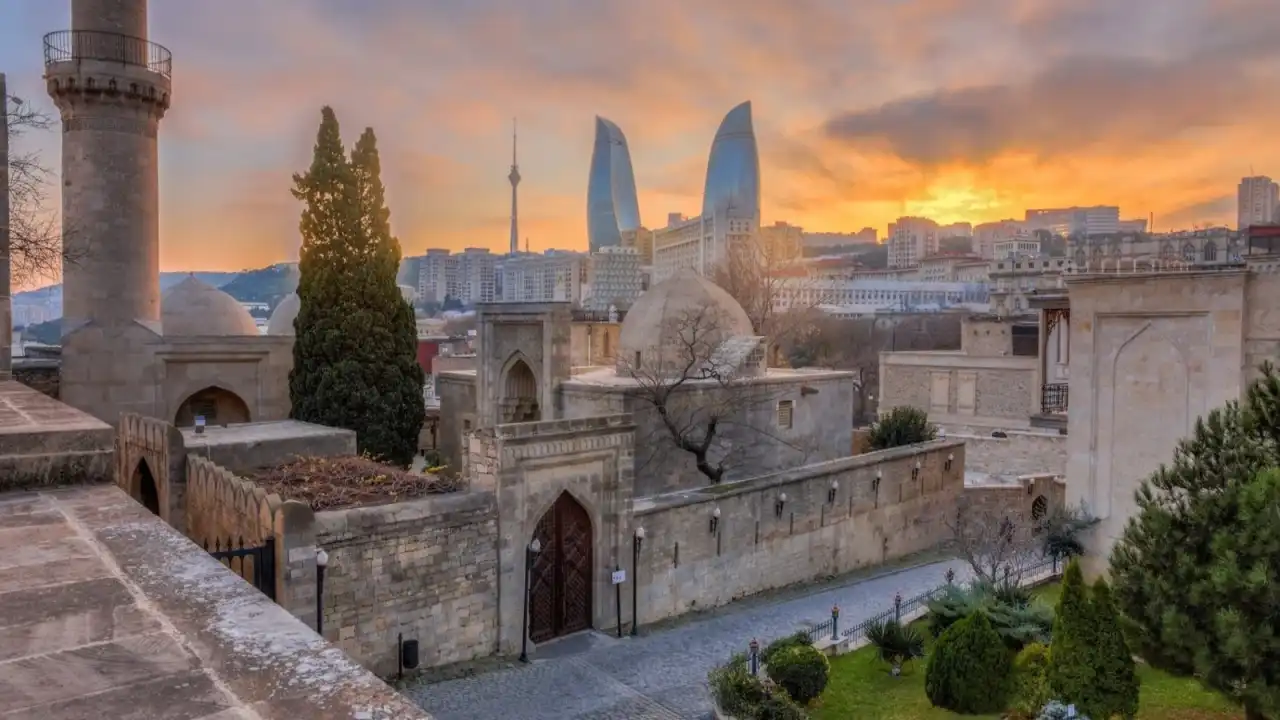
The historic old town, known as Icherisheher, is best explored on foot. The streets are narrow and winding at any rate, and cars don’t really fit. Walking allows you to see little details carved in doors, stone walls and silent courtyards hidden behind buildings.
Visiting Local Markets
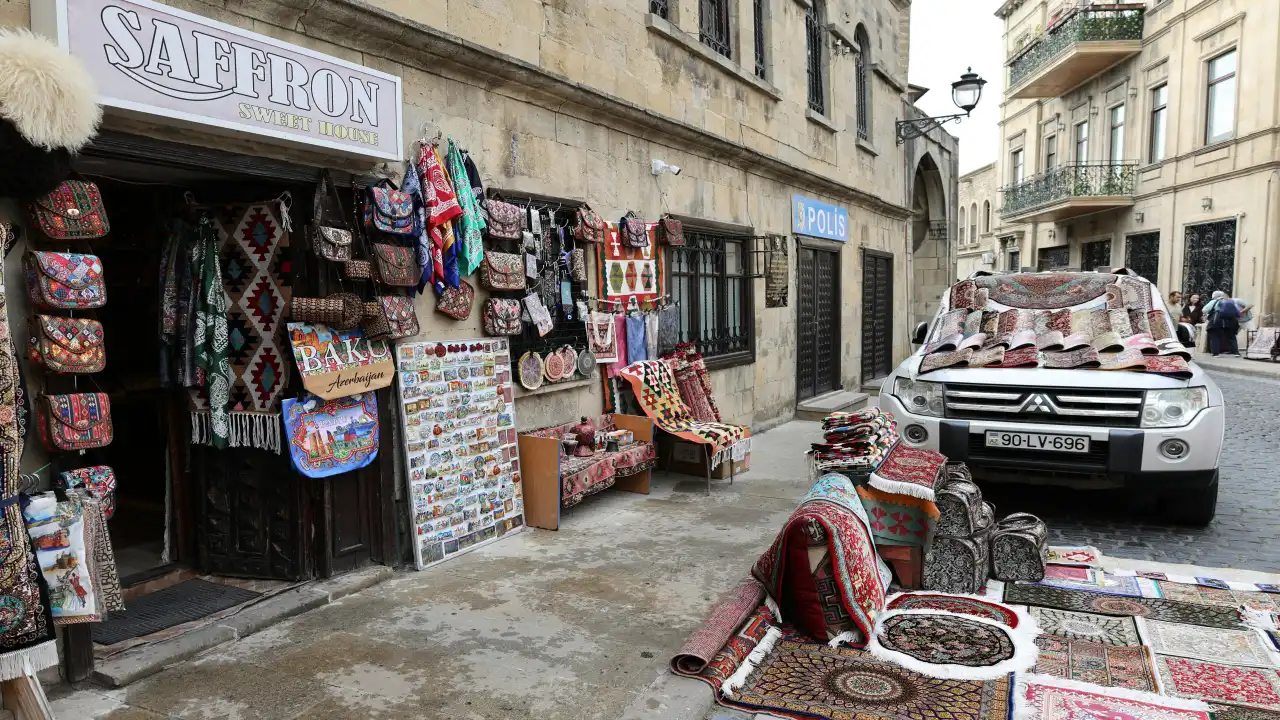
Markets are where daily life takes place. Local fruits, homemade snacks and handmade crafts, as well as a rare conversation with one local seller that links into an unexpected travel story. Helping these small businesses is a simple yet meaningful component of responsible tourism.
Cycling Along the Caspian Boulevard
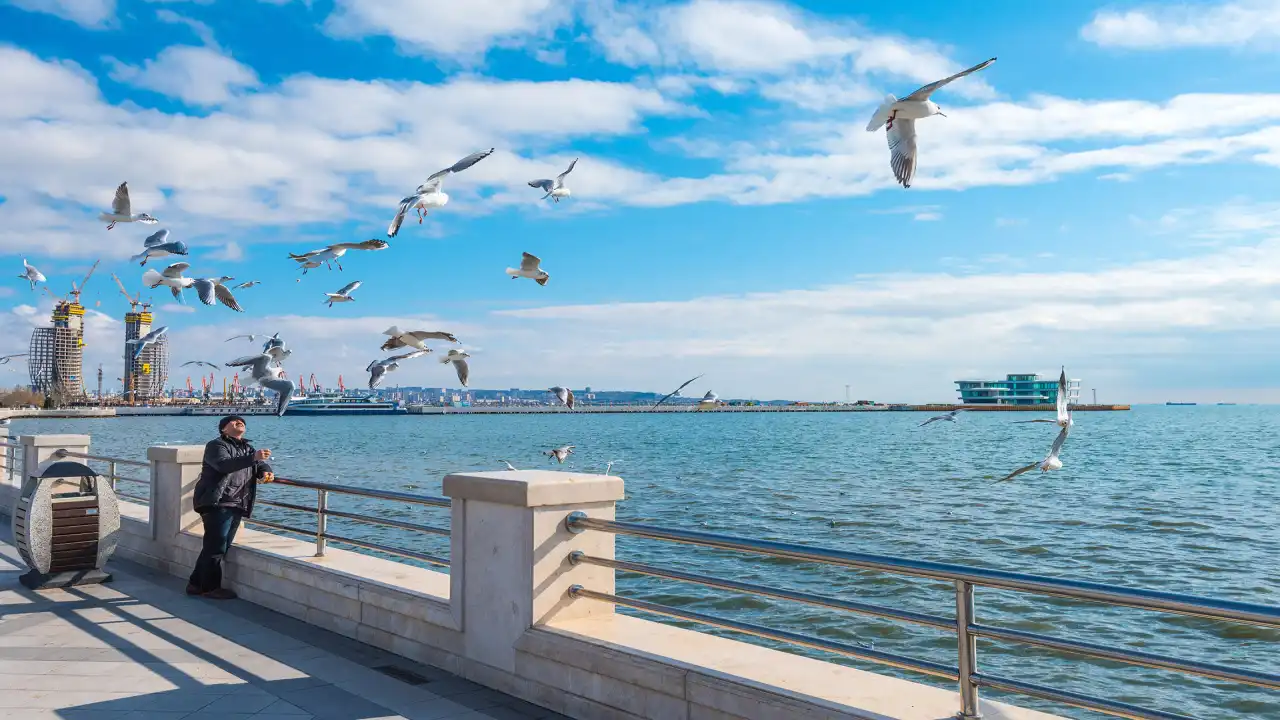
The promenade runs a few kilometers along the waterfront. Hiring a bike here is an easy-going method to get around in the sea breeze.
Choosing Responsible Tours and Travel Options
Some nature areas outside the city are easier to visit with guided tours. A good tour usually:
- Keeps groups small
- Respects protected environments
- Works with knowledgeable local guides
- Encourages environmental awareness
Some travelers combine these experiences with Baku trip packages, which often include both city exploration and nature excursions. It’s an easy way to organize a trip while still seeing the natural side of the destination.
Travel Tips for Eco-Conscious Visitors
A little preparation can make exploring natural areas around Baku much easier.
Best Time to Visit
Spring and autumn usually offer the most comfortable weather. Summers can get quite hot, especially in open landscapes like Gobustan.
Respect Wildlife
Always observe animals from a distance. Feeding or approaching them can disturb their natural behavior.
Stay on Marked Trails
Certain landscapes and archaeological sites are fragile. Following official paths helps protect them.
Conclusion
Cities tend to be reduced to pithy labels: party town, shopping mecca, beach city. Baku is often viewed as a modern oil capital with space-age architecture, and that part certainly exists. But as you discover its parks and the nature reserves nearby, the city is more rounded and serene. When planning International Packages, the quieter side of travelers often ends up being one of the most memorable aspects of their trip.
You start noticing quieter moments. A cool breeze blows off the Caspian coastline.” Old carvings nestled inside warm stone. Somewhere far outside the city, a herd of gazelles traverses open terrain. These are not the moments that appear in glossy travel advertisements. But they’re often the ones people recall afterward. Eco-tourism overlays that quiet layer of experience. And sometimes the best finds come when you slow down and just let the place unfold around you.
Simple Ways to Travel Sustainably in Baku
Eco-friendly travel doesn’t need complicated rules. Most of the time, it’s just about small habits.
A few easy ones
- Carry a reusable water bottle
- Walk or cycle whenever possible
- Avoid leaving litter in parks or reserves
- Respect wildlife and keep a distance
- Support local businesses
Travelers planning Eco-friendly Baku trips often focus on these simple choices instead of trying to follow strict eco-travel systems. The goal isn’t perfection. Just awareness.