Europe Winter Tour Guide: Christmas Markets, Snow, and Activities
Introduction
Winter in Europe has a particular way of shifting your senses. The air sharpens, the light fades earlier, and suddenly cities you thought you understood start revealing a slower, warmer, often more nostalgic version of themselves. Travelers planning any Europe tour package usually imagine landmarks and museums, but winter has its own script. It pulls you into candlelit streets, steaming cups of mulled wine, and those small cultural moments that only appear when the cold settles in. Somewhere after you have taken in that first wave of winter atmosphere, the world of Christmas markets in Europe becomes impossible to ignore.
Below is a practical and slightly rough-edged guide for anyone drawn to the subtler side of winter travel.
The Winter Personality of Europe
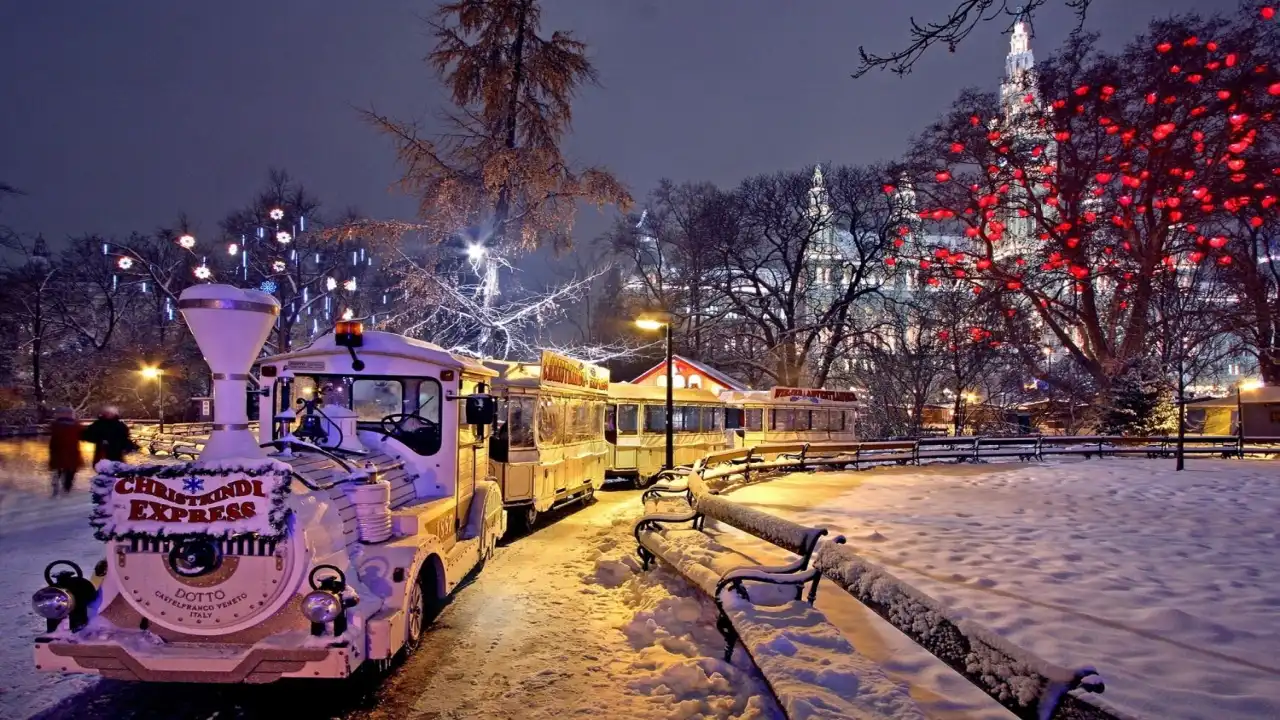
Winter strips distractions and leaves cities with a kind of bare honesty. You see architecture without the summer crowds pressed against it. You hear your footsteps echo in old squares. The cold forces you into slower movement, and that pace often brings the best discoveries. Whether you favor grand capitals or small towns that seem to hibernate between seasons, winter has a magnetic pull that feels grounded rather than dramatic.
The Magic of Christmas Markets
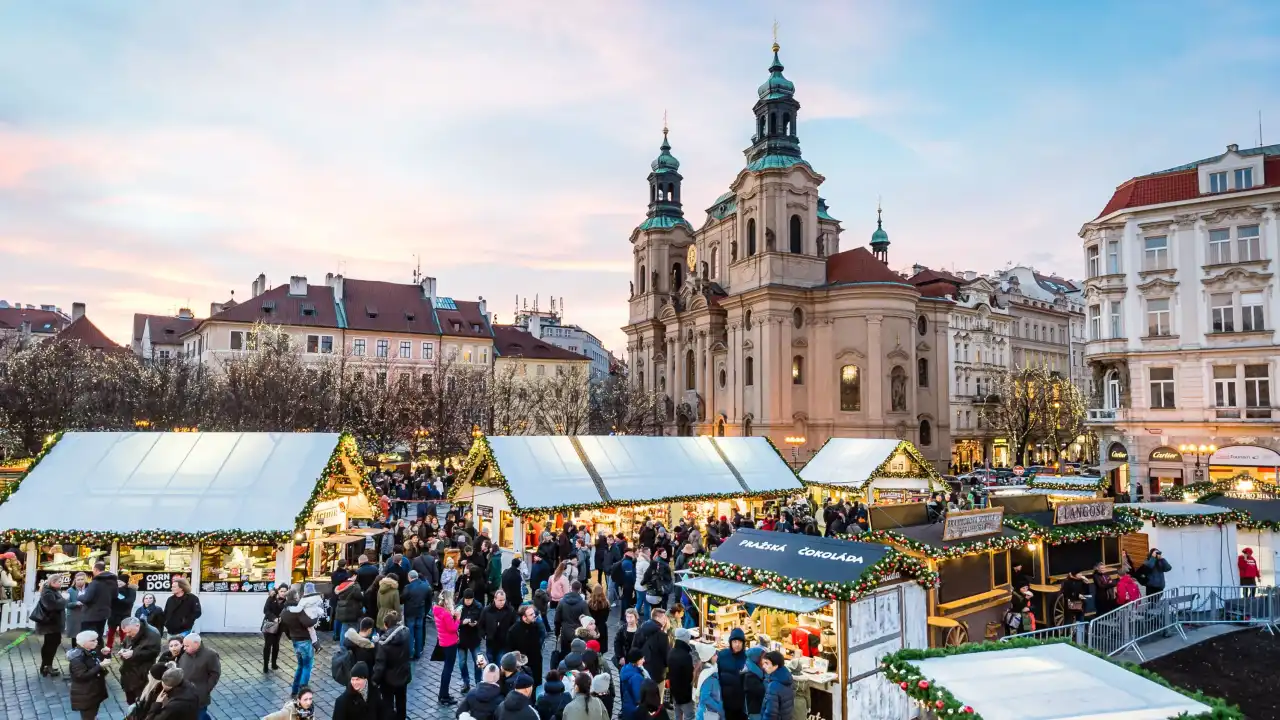
Christmas markets across Europe have their own rhythm. They are rarely loud and never rushed. Stalls open early, locals drift in with their gloves on, and the first smell of spiced drinks hangs in the air before the sun sets. The charm comes from small movements, small voices, and the way strangers naturally slow down in front of wood-carved ornaments or warm pastries.
Where the markets feel their best
- Vienna Rathausplatz
- Strasbourg Old Town
- Prague Old Square
- Budapest Basilica
Snowy Adventures in the Alps
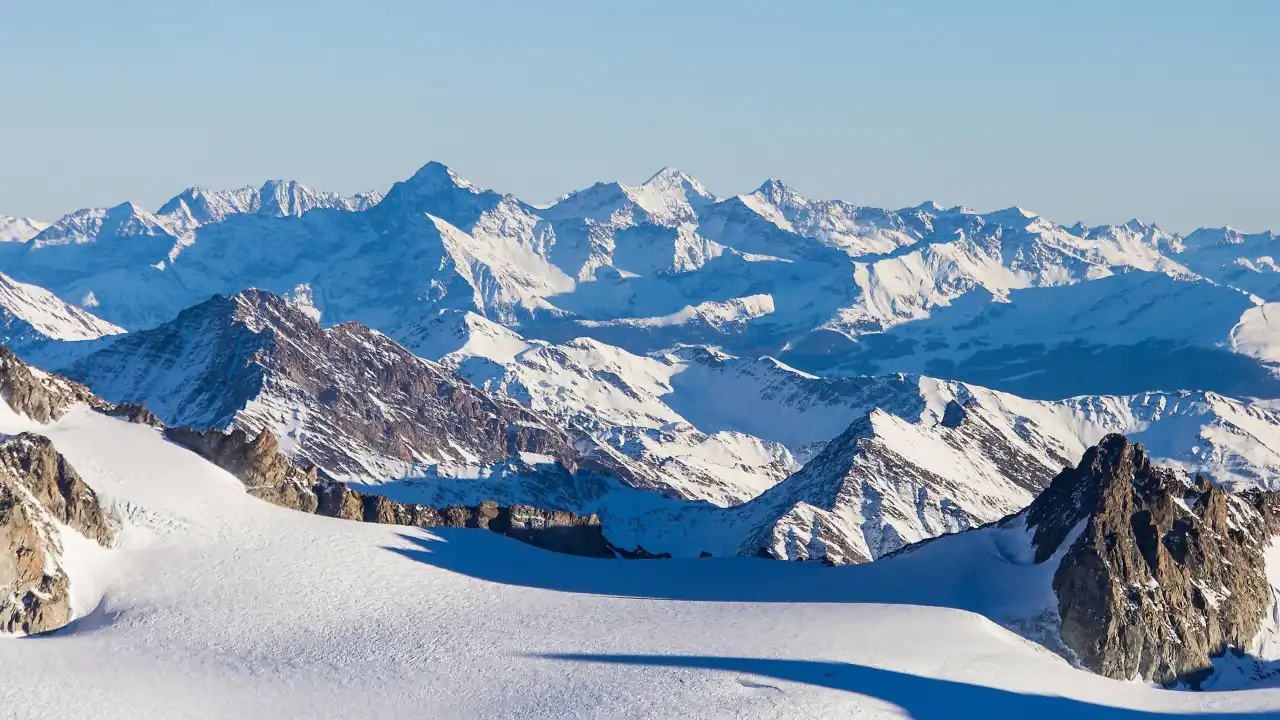
Snow changes everything, especially once you step into the Alpine regions. Switzerland and Austria feel crafted for winter. Villages like Zermatt or Kitzbühel sit quietly under their thick layers of snow, looking almost unreal from a distance. Skiing is the obvious activity, but there is a lot to do even for those who prefer staying upright. Winter hikes, cable car rides through white valleys, and evenings in quiet chalets where the only task is to watch snow drift past the window. The cold never feels hostile. It feels like an invitation to slow down.
Cities That Shine in the Cold
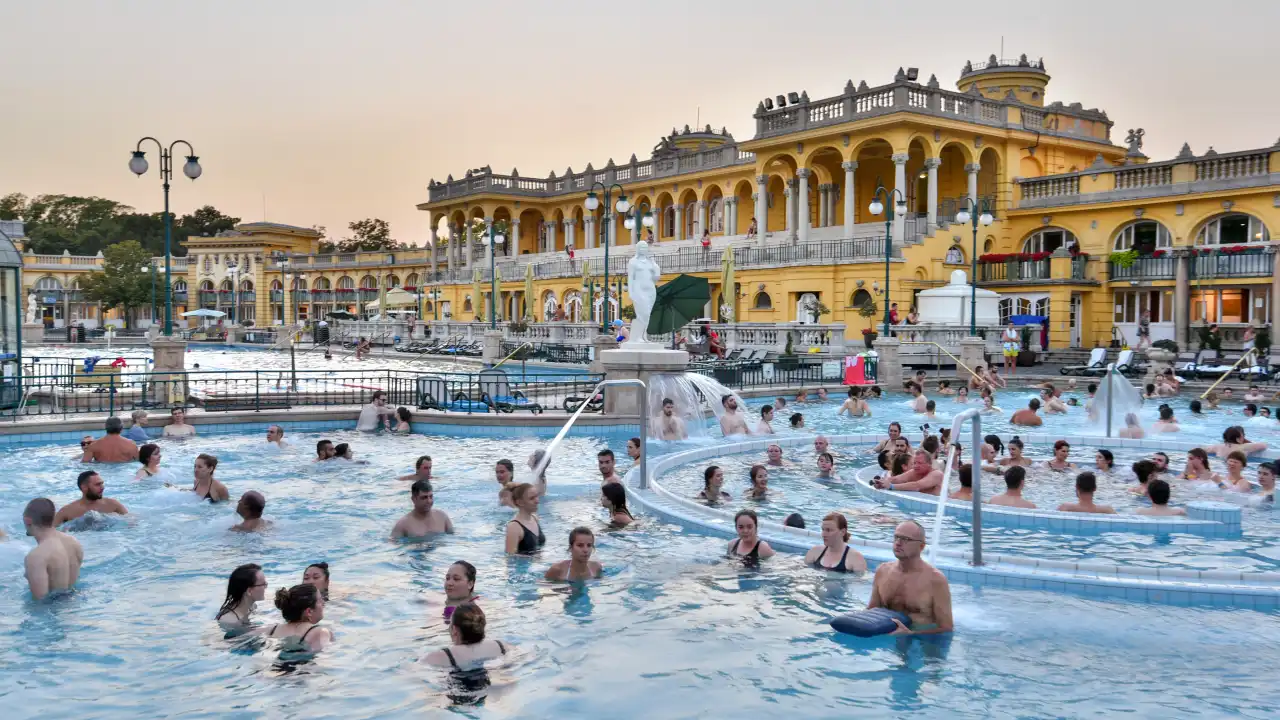
Some cities simply come alive when temperatures drop. Copenhagen glows with warm interiors and tiny cafés that feel almost handcrafted for the season. Budapest turns winter into something indulgent with its steaming thermal baths. Krakow grows moodier in the blue hour, its old lanes sharpening in the cold. Paris feels stripped back, more honest, less concerned with pretending. These cities reward anyone who enjoys wandering without rushing.
Cities worth experiencing in winter
- Copenhagen, with its candlelit corners
- Budapest is known for its outdoor hot springs
- Krakow is at its most atmospheric after sunset
- Paris is quieter, sharper, and better for slow walks
Small Towns That Hold Their Own in Winter
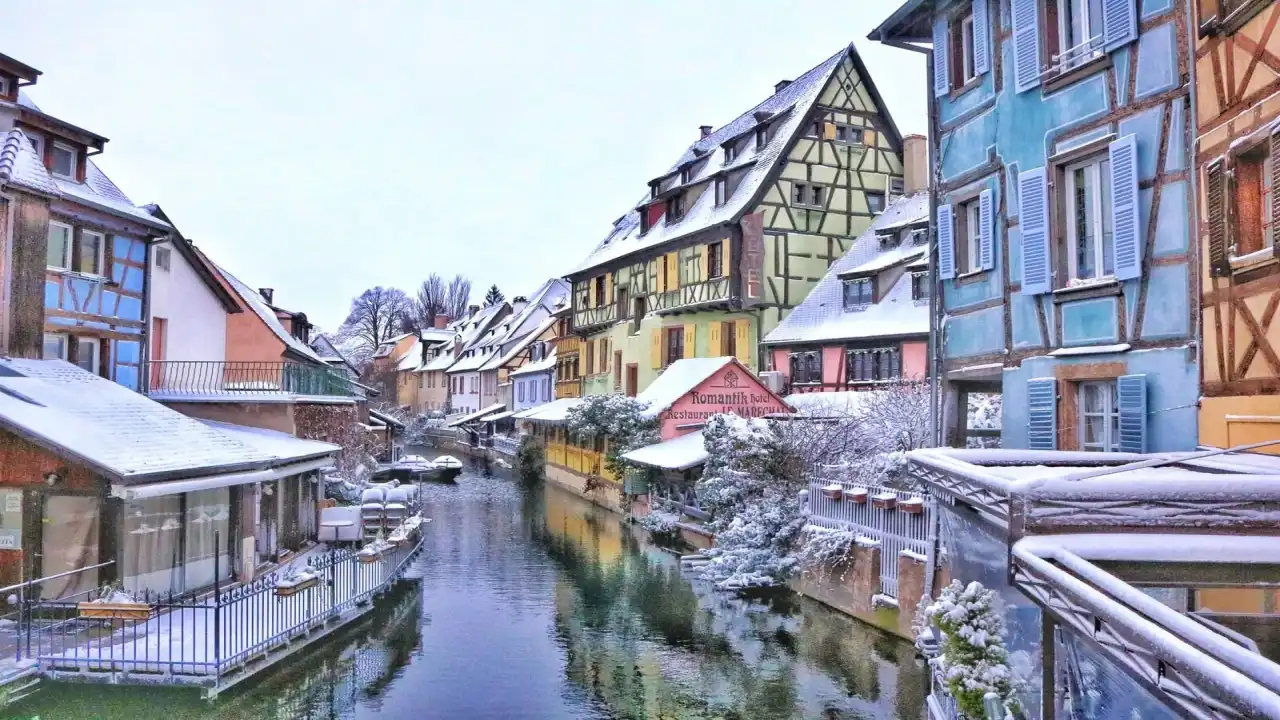
Beyond the capitals are the towns that rarely get attention but become unexpectedly magical. Colmar looks hand-painted, with timber houses glowing under winter lights. Hallstatt grows quieter, the lake reflecting mountains that feel sharper in the cold air. Innsbruck balances city life and mountain scenery with enviable ease. Even in deep winter, you find locals walking slowly and savoring the season rather than escaping it. These towns remind you that winter has layers, not limits.
Seasonal Food and Local Rituals
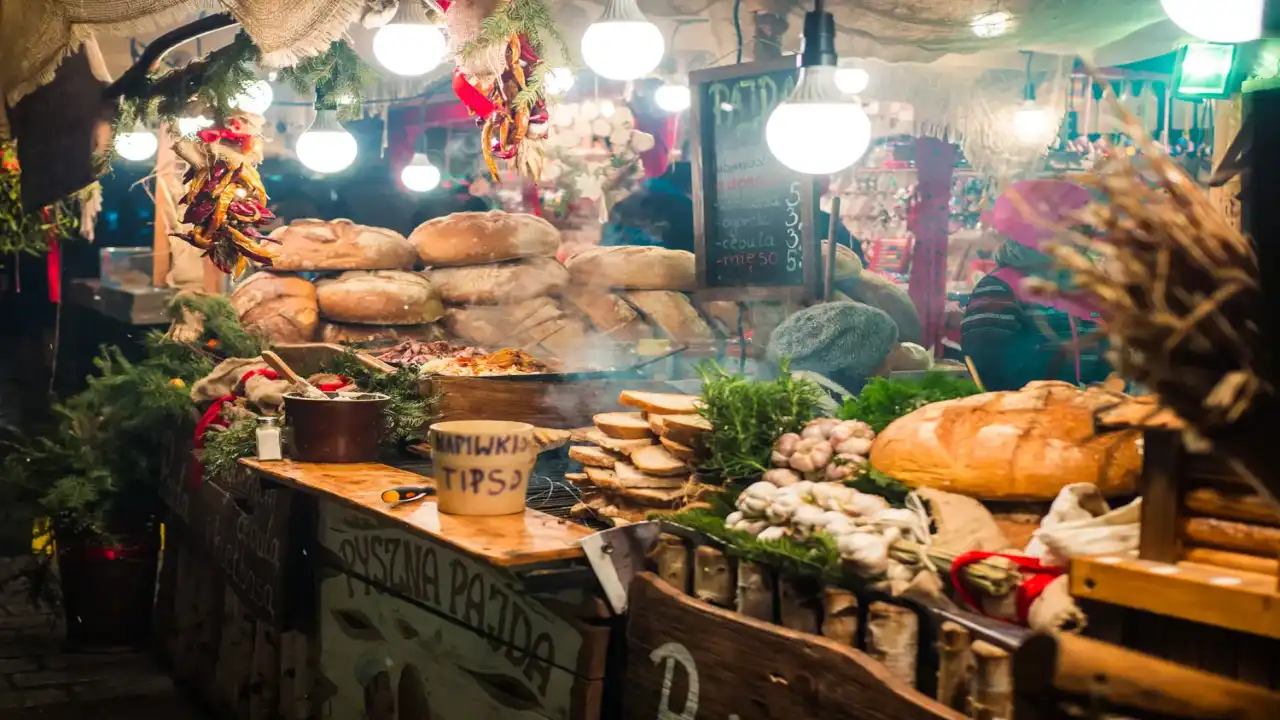
Winter menus transform kitchens across Europe. You see heartier dishes, spices used more generously, and desserts that seem to multiply when the temperature drops. German stalls offer bratwurst and stollen. Scandinavian kitchens bring out root vegetables, cured fish, and mulled wine that feels like the continent’s official winter drink. In Eastern Europe, soups become meals, thick, warming, and perfect for thawing after hours outside. Food becomes both tradition and comfort, and sharing a long meal with strangers is normal during winter.
The Quiet Joy of Winter Museums
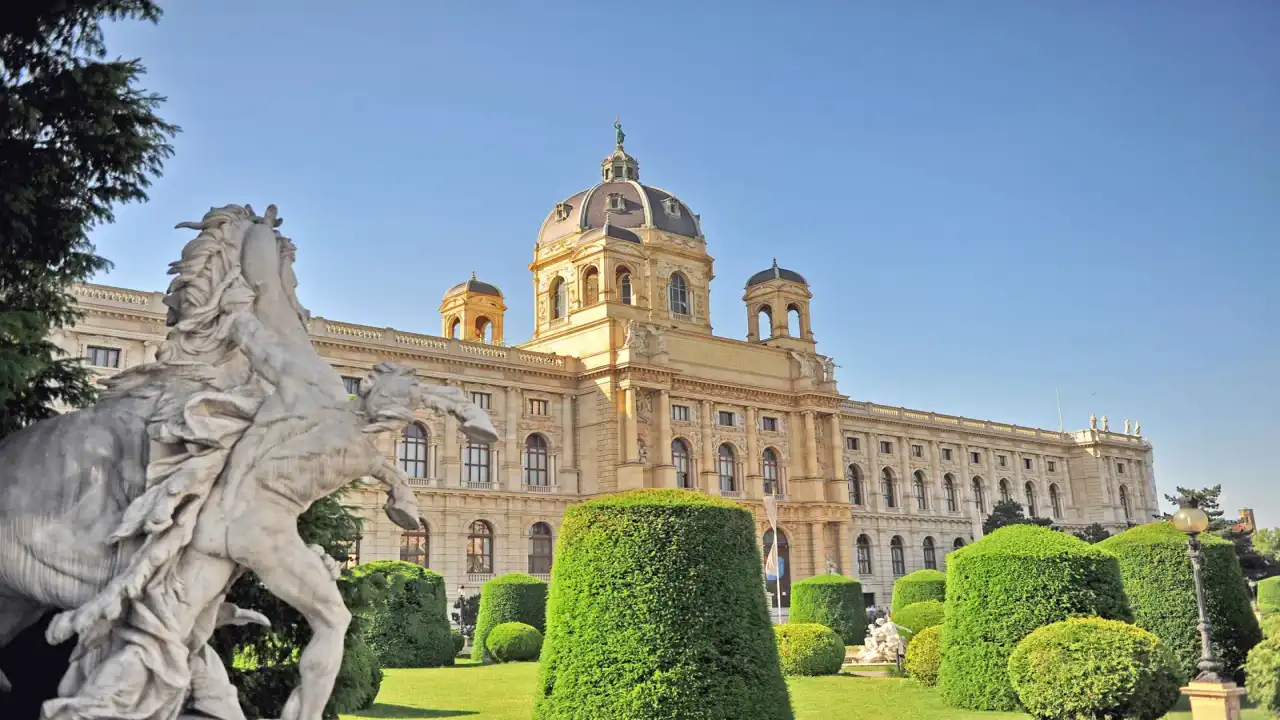
Winter is the ideal museum season. Not for lack of options outdoors, but because indoor spaces feel more inviting when your gloves are still cold. Cities like Amsterdam, Madrid, and Vienna have museums that become sanctuaries from harsh weather. You can spend whole afternoons with art or history, stepping outside occasionally to feel the cold again like a reset button. The rhythm feels unhurried, and that alone makes museums better in winter.
What Makes Winter Travel Special?
• Markets that feel like temporary villages
• Quiet streets that let architecture breathe
• Seasonal food you never find in summer
• Soft snowfall that transforms ordinary corners
• Warm indoor traditions, from saunas to candlelit cafes
• Nighttime walks that feel cinematic instead of cold
Conclusion
Winter travel in Europe is not about spectacle. It is about tone, texture, and the slower pace that makes ordinary corners feel meaningful. The season rewards travelers who appreciate subtlety and atmosphere more than checklists. And if you find yourself shaping a route with Travel Junky, consider leaning into the cold instead of avoiding it. Winter has a way of revealing a different continent, one cup of mulled wine and one quiet snowfall at a time.
Pro Tips
• Stay near historic centers. Winter light fades fast, and you will want to avoid long commutes in the cold.
• Bring boots with traction. Icy cobblestones are not forgiving.
• Visit markets early if you prefer quiet or late if you want atmosphere.
• Keep a flexible schedule. Winter weather often creates better surprises than plans.
• Try local winter drinks; they change subtly from one region to another.
• If traveling with International Packages, build in free days to let the winter mood unfold naturally.