Europe’s Cities That Once Belonged to 5 Different Countries
Introduction
If you look at Europe on a map today, everything feels settled. Borders look clean. Countries seem fixed. It almost feels like it was always this way but it wasn’t. For centuries, Europe kept reshaping itself, with cities changing hands like old apartments: new owners, same walls, same lives inside. Wars, distant treaties, and power shifts often decided their fate, not the people living there. That’s why some cities feel different when you walk through them. Buildings don’t quite match, languages blend, and food tastes familiar yet unexpected. These aren’t just places to visit in Europe. Some places quietly explain how Europe became what it is today.
Why Some European Cities Changed Countries So Often
Before getting into the cities themselves, it helps to understand why this happened so much.
For centuries in Europe:
- Borders were decided by wars, royal marriages, treaties, and collapsing empires
- Cities mattered more than nations because trade routes meant power.
- Empires rose fast and fell even faster.
A city could go to sleep under one ruler and wake up under another without anyone moving houses. Over time, this created cities that don’t feel one-dimensional. They feel layered. Slightly complicated. More human, honestly.
1. Strasbourg, France – A City That Got Used to Change
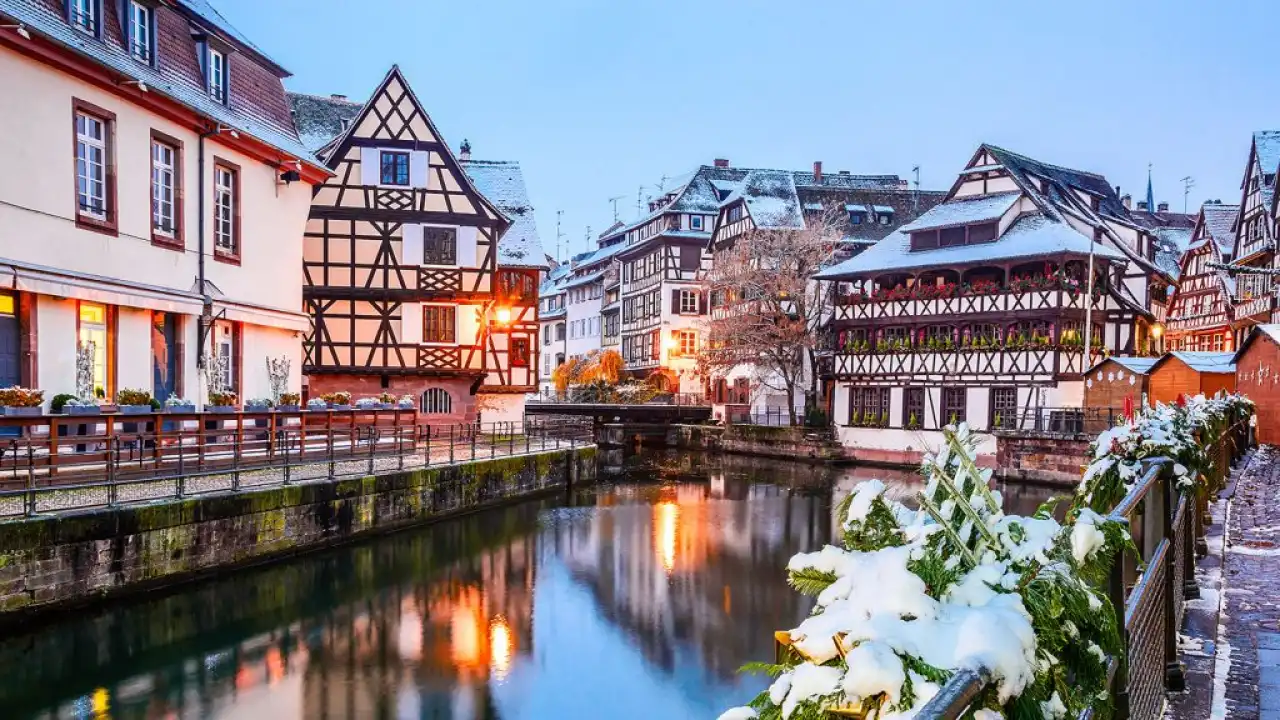
Strasbourg sits right on the edge of France and Germany. That alone explains most of its personality.
Over time, it belonged to:
- The Holy Roman Empire
- France
- The German Empire
- Nazi Germany
- France again
That’s five major political identities, and that’s keeping things simple. Today, Strasbourg doesn’t try to pretend it’s purely French or purely German. It just exists as itself. You’ll see half-timbered houses that look straight out of Germany, cafés that feel unmistakably French, and a cathedral that somehow doesn’t fully belong to either style. Language tells its own story here. Many locals understand both French and German. Alsatian, the regional dialect, sits awkwardly and comfortably between the two.
Things worth seeing:
- Strasbourg Cathedral, built long before modern borders mattered
- Petite France, where the streets do most of the storytelling
- The European Parliament, which feels symbolic, whether you like politics or not
Pro tip:
Go early. Mornings are quieter, and the city feels more like itself before the crowds arrive.
2. Gdańsk, Poland – The City That Never Stayed Silent
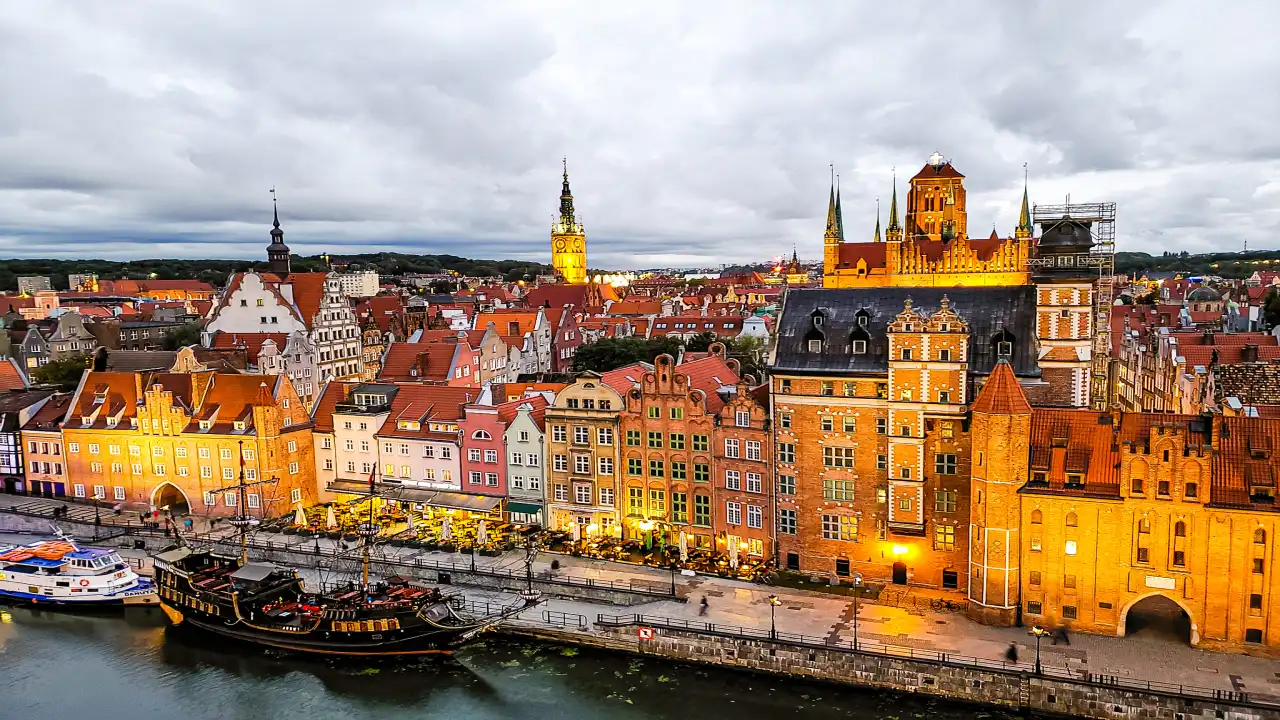
Gdańsk has always been valuable. Ports usually are. And valuable cities rarely get left alone.
Over time, it belonged to:
- The Kingdom of Poland
- The Teutonic Order
- Prussia
- Germany
- Modern Poland
For a while, it wasn’t anything. It existed as the Free City of Danzig, caught between identities. Gdańsk has seen everything: trade booms, wars, near-total destruction, and rebuilding from scratch. World War II officially began here. That sounds heavy, and it is. But the city today doesn’t feel stuck in grief. It feels proud. Grounded.
You’ll notice:
- Old town streets were rebuilt carefully, not carelessly
- Museums that focus on people instead of propaganda
- Locals who carry history without being weighed down by it
It’s easily one of the best cities in Europe for travelers who want real history without feeling emotionally exhausted.
Don’t miss:
- The Long Market (Długi Targ)
- St. Mary’s Church, massive and quietly impressive
- The European Solidarity Centre, which explains modern Poland better than any textbook
Pro tip:
Don’t rush Gdańsk. Let it unfold. It doesn’t reveal itself all at once.
3. Trieste, Italy – Italian on Paper, Central European at Heart
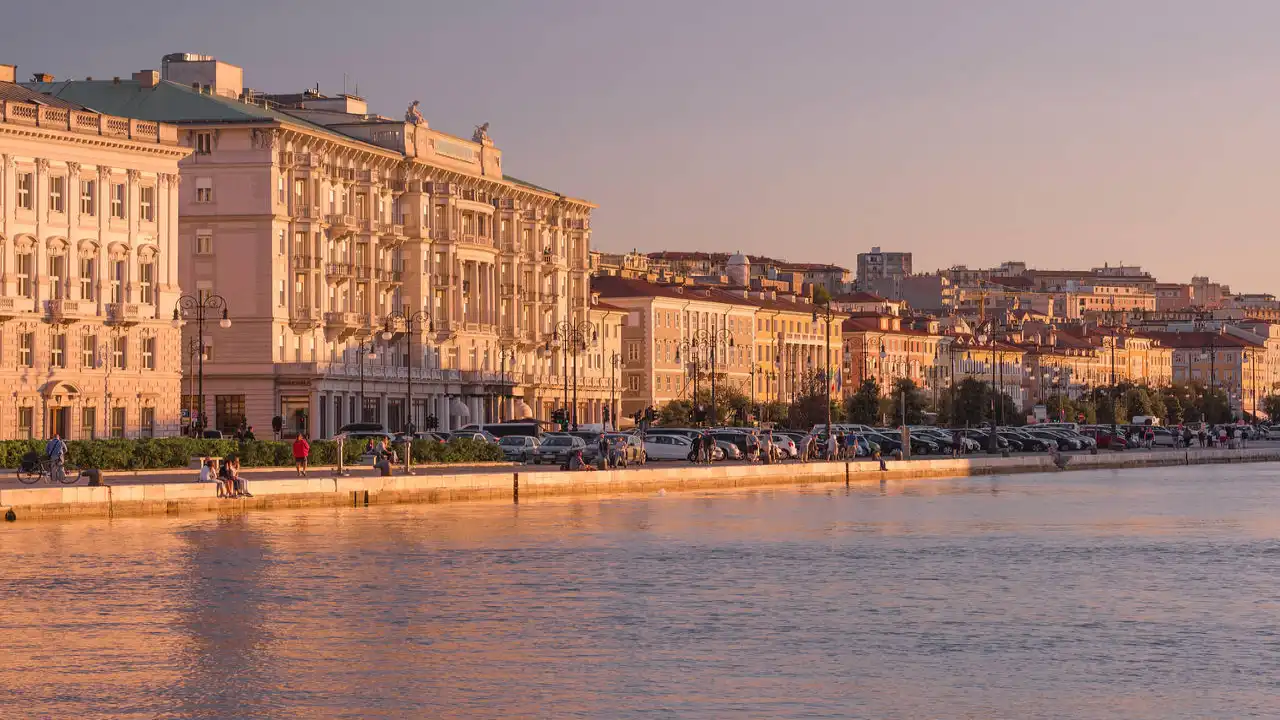
Trieste is Italian. Officially. But walk around for a bit and you’ll start questioning that.
At different times, it belonged to:
- The Roman Empire
- The Venetian Republic
- The Austro-Hungarian Empire
- The Free Territory of Trieste
- Italy
Trieste was once the main port of the Austro-Hungarian Empire, and Vienna’s influence never really left. You feel it in the coffee culture, the wide squares, and the slightly formal architecture.
At the same time, Italian food and language dominate daily life. The mix doesn’t feel confused. It feels settled, like the city stopped trying to choose.
Things to experience:
- Piazza Unità d’Italia, opening directly to the sea
- Old cafés where writers once wasted entire afternoons
- Miramare Castle, built for an Austrian archduke who loved the view
For travelers interested in historical sites in Europe, Trieste is a gift. No crowds. No performance. Just history sitting quietly where it belongs.
Pro tip:
Coffee orders here are specific. Mess it up once. Learn quickly.
4. Lviv, Ukraine – A City With Too Many Names to Count
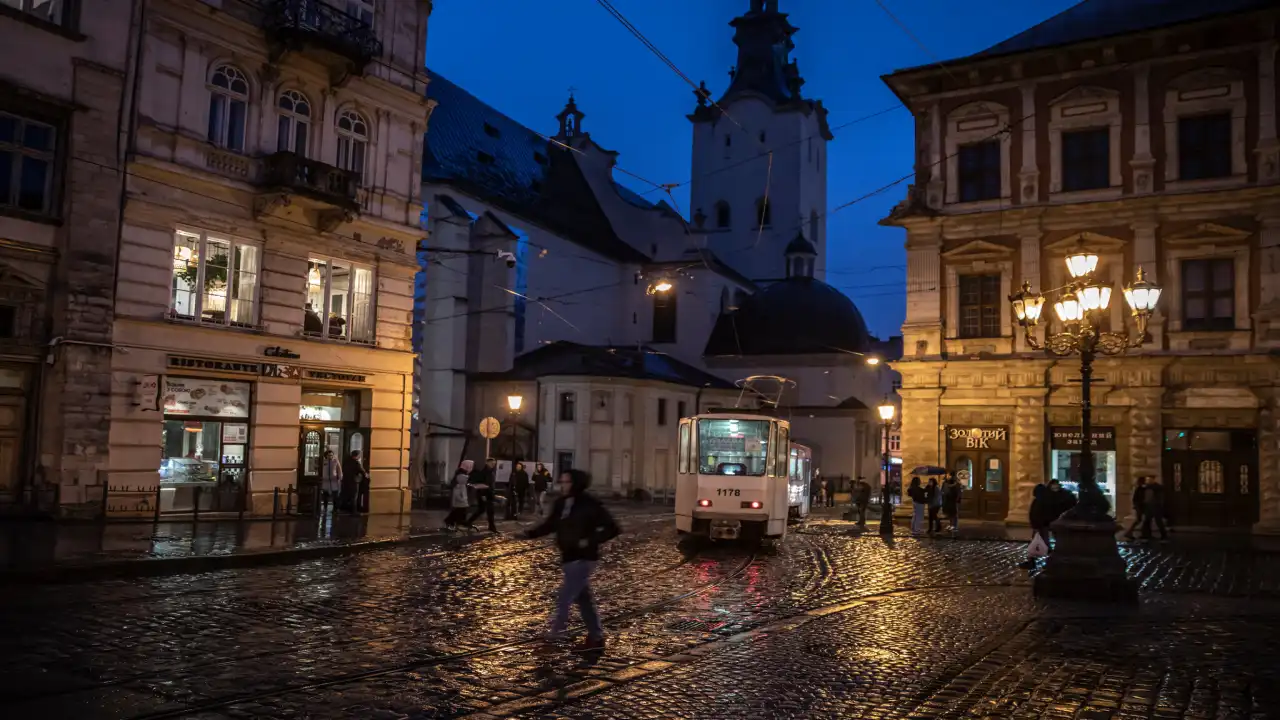
Lviv has gone by many names: Lwów, Lemberg, Lvov, and now Lviv. Each one belongs to a different chapter.
The city has been part of:
- The Kingdom of Poland
- The Polish–Lithuanian Commonwealth
- The Austro-Hungarian Empire
- The Soviet Union
- Independent Ukraine
Every period left something behind. Sometimes buildings. Sometimes habits. Sometimes scars. Walking through Lviv today can be surprising. The old town feels unmistakably European. Compact streets. Cafés everywhere. Small details that reward slow walking.
You’ll see:
- Catholic churches next to Orthodox ones
- Elegant Austrian buildings beside Soviet leftovers
- Cafés that feel nostalgic but not outdated
Despite everything it’s been through, Lviv feels warm. Approachable. Human.
Worth your time:
- Rynok Square
- Lviv Opera House
- The Armenian Quarter, layered and quietly beautiful
Pro tip:
A walking tour helps. This city makes more sense when someone connects the dots for you.
5. Thessaloniki, Greece – A City That Never Belonged to One Story
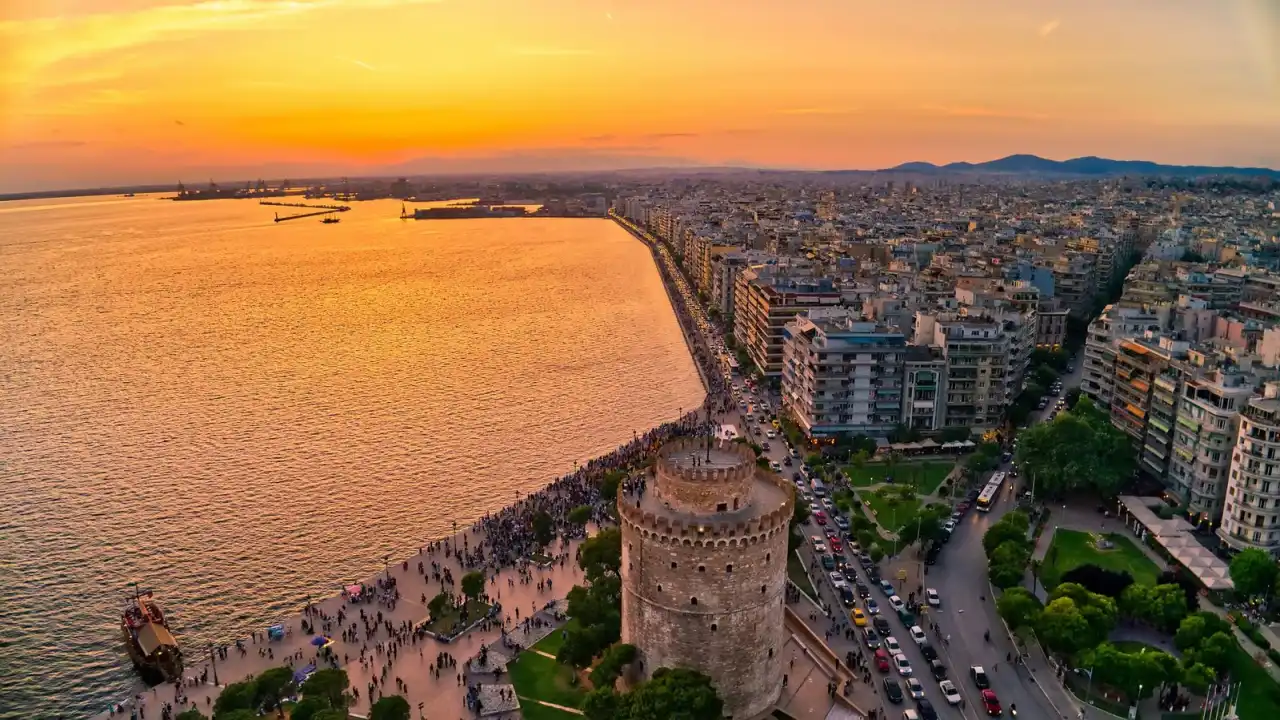
Thessaloniki’s history goes back further than most cities on this list.
Over time, it was ruled by:
- The Ancient Macedonian Kingdom
- The Roman Empire
- The Byzantine Empire
- The Ottoman Empire
- Modern Greece
Instead of erasing what came before, each empire added something. Today, Thessaloniki feels relaxed. Lived-in. Not overly polished. You might walk past Roman ruins without realizing it. Ottoman buildings blend into daily life. Byzantine churches sit quietly between apartment blocks.
Things to see:
- The White Tower
- The Rotunda of Galerius
- Ano Poli for views and perspective
Pro tip:
Stay near the water. Evenings here feel local, not staged.
Why These Cities Feel Different
Cities that changed rulers often learned how to adapt. They became flexible. Tolerant. Practical about identity. Instead of choosing one version of themselves, they carried several. That’s why visitors often feel more connected in these places. The history isn’t packaged or dressed up; it’s simply there, part of everyday life. For travelers booking an international trip package, this kind of experience often ends up being the most memorable part of the journey, because it feels real rather than curated.
Conclusion
Europe didn’t grow in straight lines. Neither did its cities. The places above didn’t just survive change; they absorbed it. The places mentioned above didn’t just get through change; they took it in, piece by piece, and learned how to live with it. That’s why walking through them feels different under your shoes, almost uneven in a good way.
You’re not just ticking off landmarks or snapping photos. You’re moving through old compromises, borrowed ideas, and borders that don’t exist anymore. And when you travel through a Europe trip package, those stories tend to show up naturally, maybe while getting lost down a side street, sitting too long over lunch, or noticing how something centuries old is still being used like it’s no big deal.
Quick Travel Tips
- Slow down. These cities reward curiosity.
- Talk to locals. Many enjoy sharing their city’s story.
- Look up. Architecture reveals more than guidebooks.
- Eat locally. The food often tells the clearest story.