Exploring Gangtok’s Biodiversity: Forests, Sanctuaries & Quiet Corners of Life
Introduction
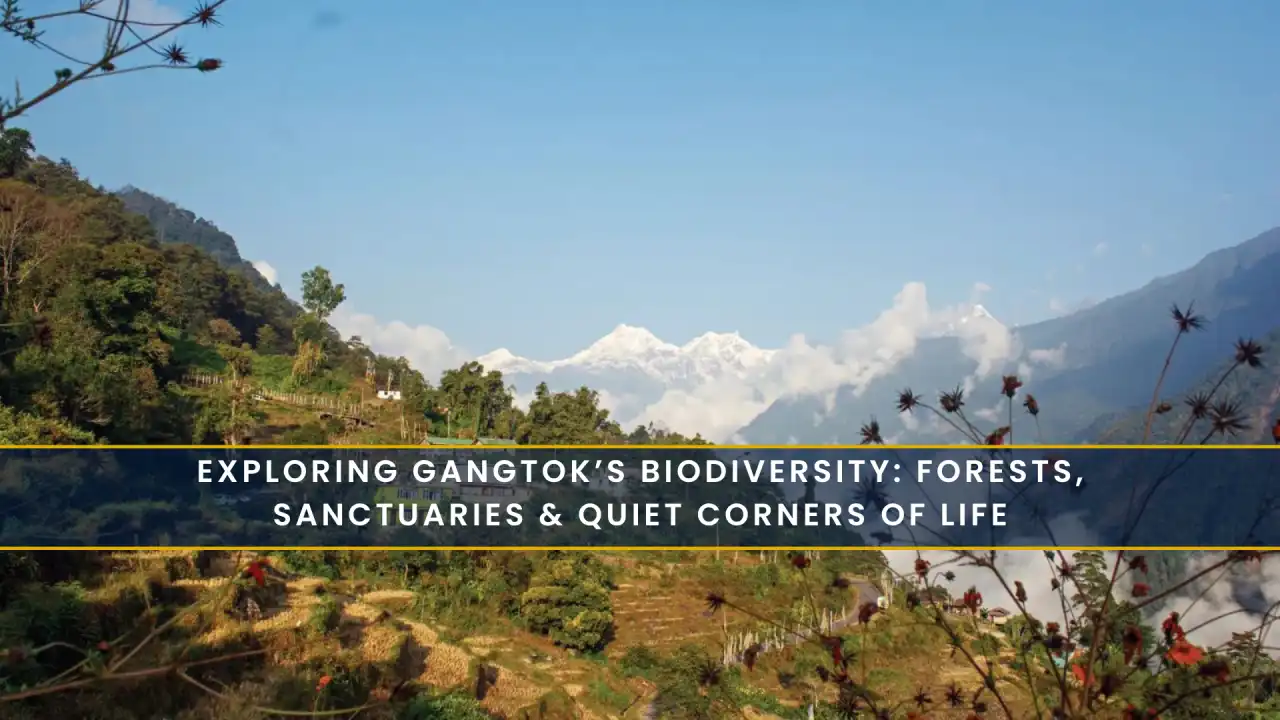
Some places hit you immediately. You step out, take one look, and it’s all very obvious. Gangtok isn’t like that. It takes its time. Almost like it doesn’t care whether you notice or not, which, weirdly, is what makes you notice more. At first, it’s the usual things. Hills rolling into each other, clouds doing their slow dance, monasteries tucked into corners. Nice, yes. But familiar.
Then something shifts. Not suddenly. More like you catch it out of the corner of your eye. That’s when Gangtok tourism starts to feel different. Not louder, not busier, just deeper in a way that’s hard to explain properly. This isn’t about ticking off places. It’s more about walking into spaces that don’t announce themselves. Forests that don’t try to impress you. They just exist. And somehow, that’s enough.
Why Gangtok’s Biodiversity Feels So Personal
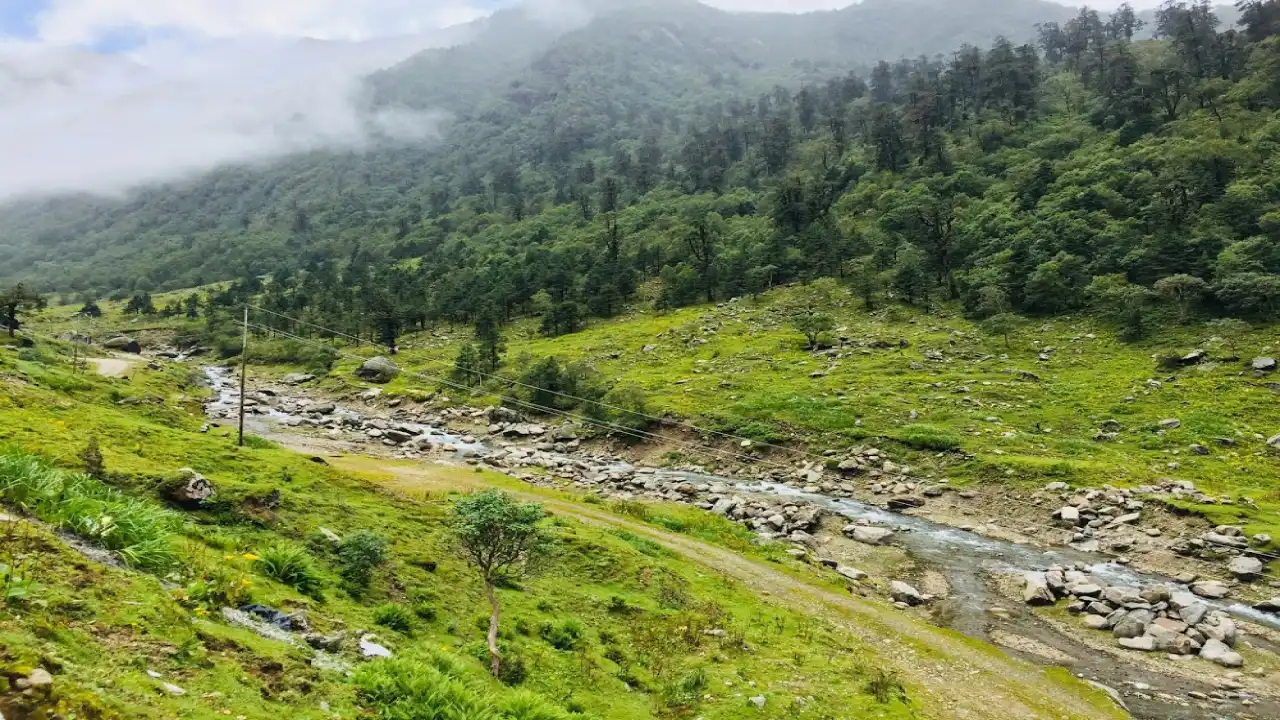
There’s a reason this place feels alive in a way that’s slightly hard to put into neat words. It sits in the Eastern Himalayas, which, yes, is known for biodiversity and all that, but honestly, that fact alone doesn’t explain the feeling. You don’t really “visit” nature here. That sounds too formal. You just move through it. One minute, it’s something obvious, a bright flower you didn’t expect, or a bird call that echoes longer than it should. The next one is subtler. A patch of forest that feels oddly quiet. Air that suddenly feels cooler for no clear reason. And that’s where Gangtok biodiversity becomes less of a concept and more of a presence, Something you notice without trying too hard.
Fambong Lho Wildlife Sanctuary: Where the Forest Feels Endless
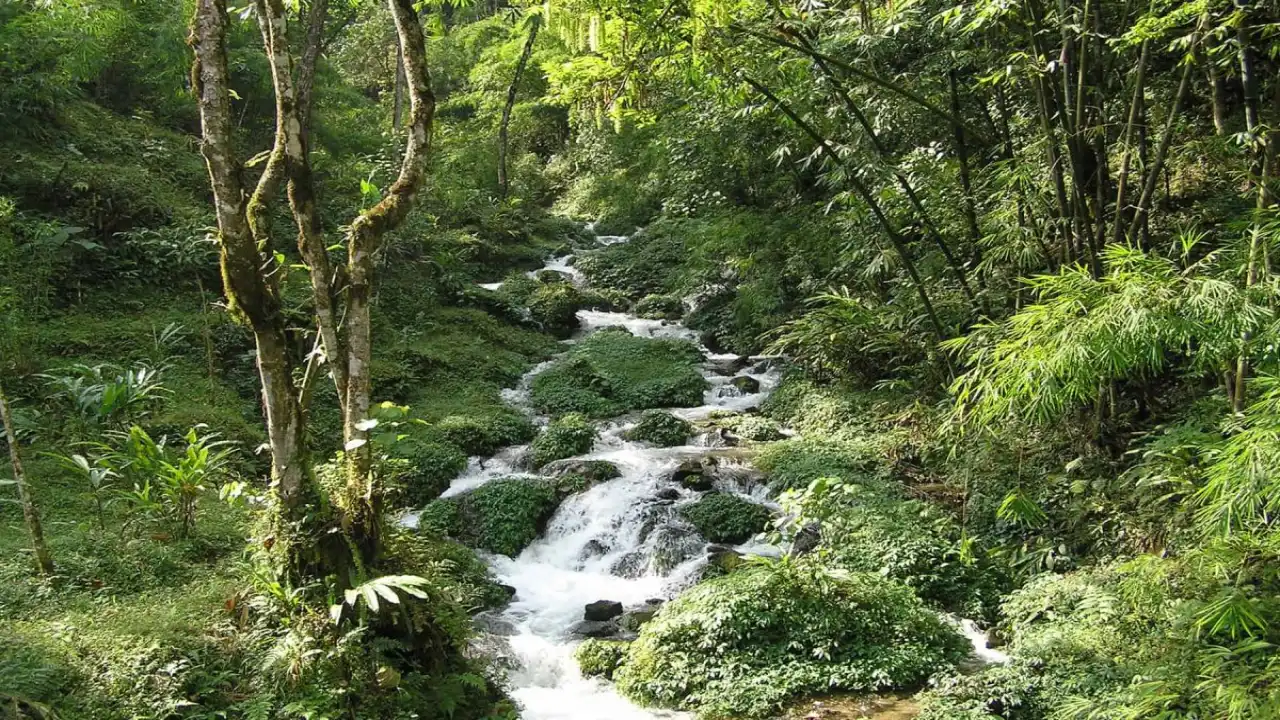
If you had to pick one place that kind of sums it all up, it would probably be Fambong Lho. It’s not far from the main town, but the difference is immediate. You step in, and things just soften. Sounds don’t disappear, but they change. Even your footsteps feel quieter, like the ground is absorbing them. The forest here isn’t neat or organized. It’s layered. Messy in a good way.
You’ll notice things like:
- Thick trees packed close together, almost competing for space
- Birds moving somewhere above you, you hear them more than you see them
- Moss and ferns creeping over rocks, tree trunks, basically anything that stays still long enough
There’s no big “wow” point. No single spot where everyone gathers. And honestly, that’s the whole point. You’re not trying to reach anything. You’re just in it.
Pro Tip
Don’t plug in your earphones here. It feels like a small thing, but it changes the whole experience.
Kyongnosla Alpine Sanctuary: Where the Landscape Changes
As you go higher, things start to look different. The dense forests begin to open up, and suddenly the space feels wider, almost exposed. Kyongnosla has a different kind of energy. Less dense, yes, but not less interesting. Just quieter in a sharper way.
Here you’ll come across:
- Plants that somehow survive in thinner, colder air
- Wildflowers that appear almost randomly, like small bursts of color
- Views that stretch out further than you expect
It’s the kind of place where you stop talking without realizing it. Not because you have to, but because it just feels right.
Deorali Orchid Sanctuary: Small Space, Big Details

Now this one is smaller. Easy to miss, actually, if you’re rushing. But if you slow down (which, by now, you probably will), it opens up differently. Orchids here aren’t loud or flashy. They’re subtle, almost like they’re hiding in plain sight.
You’ll find:
- More varieties than you expect in such a compact space
- A calm, almost garden-like feel
- Corners where you end up standing longer than planned, just looking
It’s less about walking around and more about pausing. Looking closer. Then closer again.
Ranka (Lingdum) Forest Area: Quiet, Unnoticed, Worth It
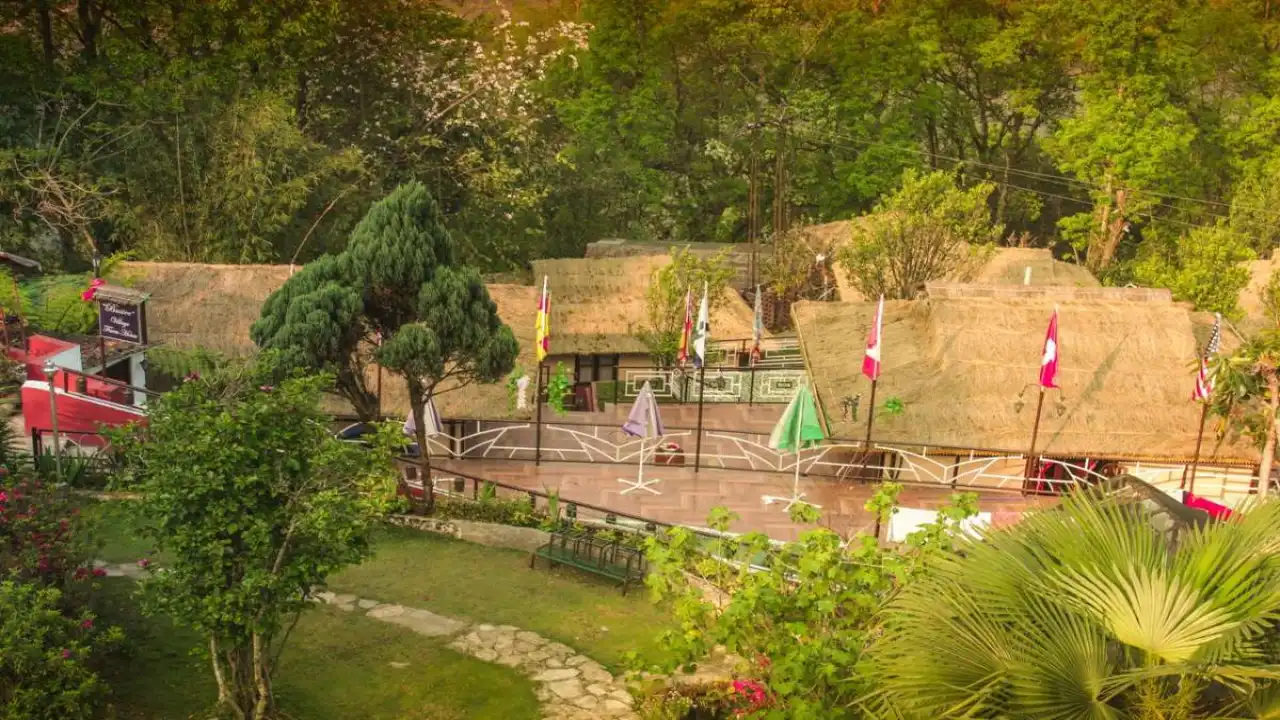
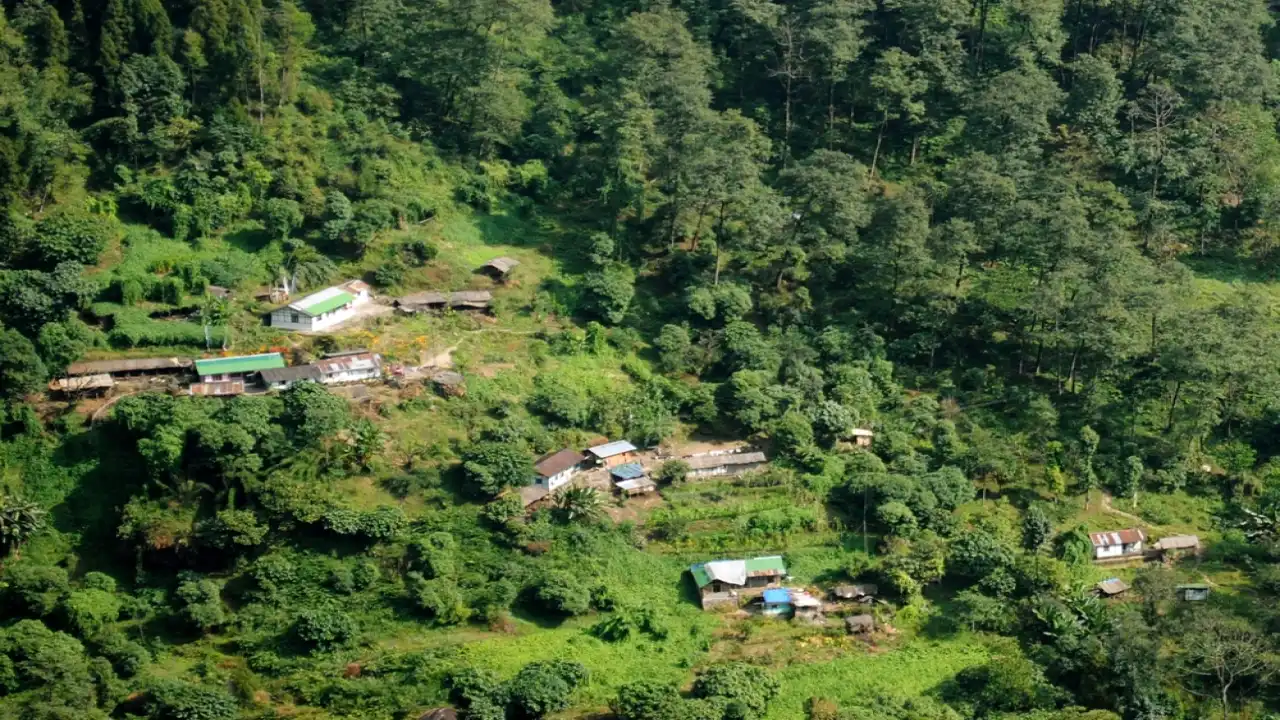
This isn’t the kind of place that shows up on every list. Which is probably why it still feels the way it does. Around Ranka, near Lingdum Monastery, the forest just exists. No big entrances, no crowds, no sense of “you should be here.” And that’s exactly why it works.
You might notice:
- A quiet mix of forest and monastery surroundings
- Sounds that feel softer, like wind, leaves, maybe a distant bell
- A pace that doesn’t feel designed or planned
It’s not about exploring in the usual sense. It’s more about being there without trying to turn it into something.
The Role of Forest Trails in Experiencing It All
You could technically visit all these places and still not feel much if you rush. That’s where Gangtok forest trails quietly change things. These aren’t always proper trails with signs and directions. Sometimes they just happen. Paths that feel like they’ve been walked enough to exist, but not enough to be defined.
And walking them does something subtle:
- You start noticing smaller things
- The place feels less like a “destination” and more like an experience
- Time slows down, but not in an obvious way
And often, it’s on these paths where something random, a sound, a view, even just a moment, sticks with you longer than expected.
Best Time to Experience Biodiversity in Gangtok
Timing matters, but not in a strict, checklist kind of way.
Spring (March to May)
- Everything feels a bit more alive
- Flowers start showing up
- Good for just walking without overthinking it
Autumn (October to November)
- Clear skies, cleaner views
- Air feels sharper, in a good way
- Easier to spend longer outside
Monsoon (June to September)
- Green everywhere. Like, everywhere
- But also slippery, unpredictable trails
Pro Tip
Mornings are different. Quieter, softer. Worth waking up a little early for.
How to Plan Without Overplanning
Trying to do too much here doesn’t really work. It just turns everything into a checklist again.
Instead:
- Pick one or two places a day
- Leave space for nothing in particular
- Let things take their own time
If you don’t want to deal with the logistics side of things, a simple Northeast trip package can make it easier without making the trip feel too structured.
What to Carry for a Better Experience
Not much, honestly. Just enough.
Essentials
- Comfortable shoes (you’ll thank yourself later)
- A light jacket, weather shifts quickly
- Water bottle
- Small backpack
Optional
- Binoculars (if you’re into birds or just curious)
- A notebook you might actually write something
- Camera, but don’t rely on it too much
Pro Tip
Try keeping your phone away for a bit. It feels strange at first, but you notice more.
Respecting the Ecosystem
This part sounds basic, but it matters more than people think.
- Don’t leave trash behind
- Stick to existing paths, even if they look messy
- Leave plants and wildlife alone
These places don’t need improvement. They’re already doing fine.
Conclusion
Exploring biodiversity in Gangtok isn’t about finding something dramatic or rare. It’s quieter than that. It’s a forest that feels deeper the longer you stay. A trail that doesn’t really lead anywhere, but still feels complete. A moment where you stop and don’t immediately reach for your phone.
And maybe that’s the point. You don’t come back with just photos or a list of places. You come back with something less obvious. A certain stillness, maybe. Hard to explain. But it stays. If you’re planning to experience it without getting caught up in too many details, a simple domestic trip package can quietly take care of the logistics so you can focus on moments like these, the ones you don’t really plan for but remember anyway.