Exploring the Rich Tribal Heritage of Northeast India
Introduction
Some places stay with you because of what you see. Others stay because of the people they meet. Tribals of Northeast India are very much of the second kind. Most travelers first notice the dramatic landscapes, misty hills, rivers and fields of gray trees, villages hidden in places you'd never guess would even match up against city life. However, after a period of time here, you understand that the views are only part of the bigger picture.
It's for the experience from communities who've lived high in these mountains and in valleys low, with traditions still manifest in daily life. Customs, languages, festivals and crafts change from place to place through the region and even within regions with their local stories. That is the kind of diversity that makes traveling here seem different. You are not merely travelling from point A to B, but rather immersing yourself in cultures that have evolved independently for hundreds of years.
Why Northeast India Feels So Different.
The first time most people visit are surprised about how entrenched culture is within ordinary life. In many places, cultural experiences take the form of a performance or a museum. This is frequently where you find them in a single thing. Perhaps you spot the woman who tapes herself weaving in front of her home during a neighborhood chat. In the other village, old people gather in the evening to listen as stories received from their ancestors are told.
This includes Assam, Arunachal Pradesh, Nagaland, Meghalaya, Manipur, Mizoram, Tripura and Sikkim. Each state feels distinct. A few hours down the highway and you could be hearing another language, wearing a different attire or with traditions that you had never met before. But that sense of discovery is a big part of what makes it so wonderful to travel here.
Communities That Keep Traditions Alive
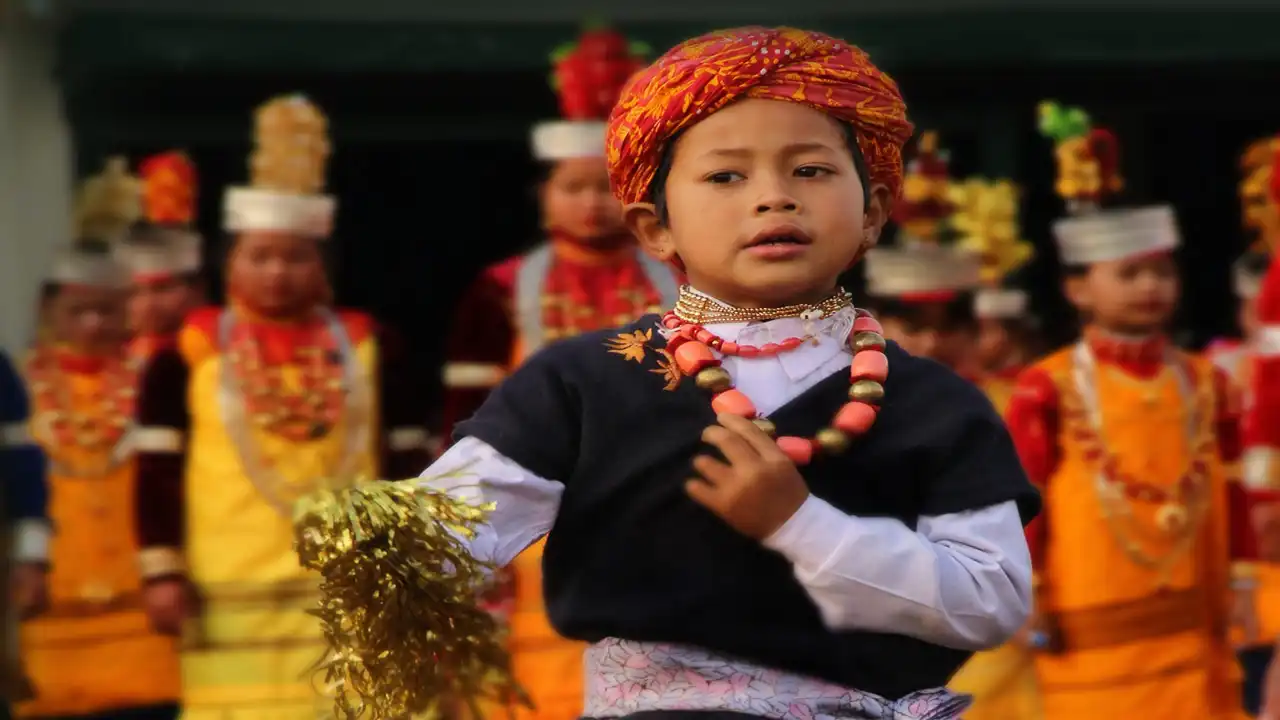
Interacting with locals is probably the best thing to do on a journey across Northeast India. Take Nagaland, for example. Various Naga communities have distinct customs, costumes, and social organization. The Khasi community, the Garo community, and the Jaintia community can bring beautiful diversity to Meghalaya.
Many of these indigenous groups still follow seasonal traditions tied to farming and nature in Arunachal Pradesh, a state in North-East India. It is also fascinating how these communities master a balance of the old with the new. Young people with smartphones are everywhere else in the world, yet a terrific linkage to local tradition. Most of these great moments come out of nowhere. Talk to a shopkeeper and local history will ensue. A trip to a village goes on longer than it should because someone comments on the significance of a ritual. In fact, it tends to be the minutia that becomes the narrative from a trip someone carries with them more than what pay per day were breakfast provisions. It is often these small interactions that become the stories that people remember long after returning home.
Festivals: The Best Time to Experience Local Culture
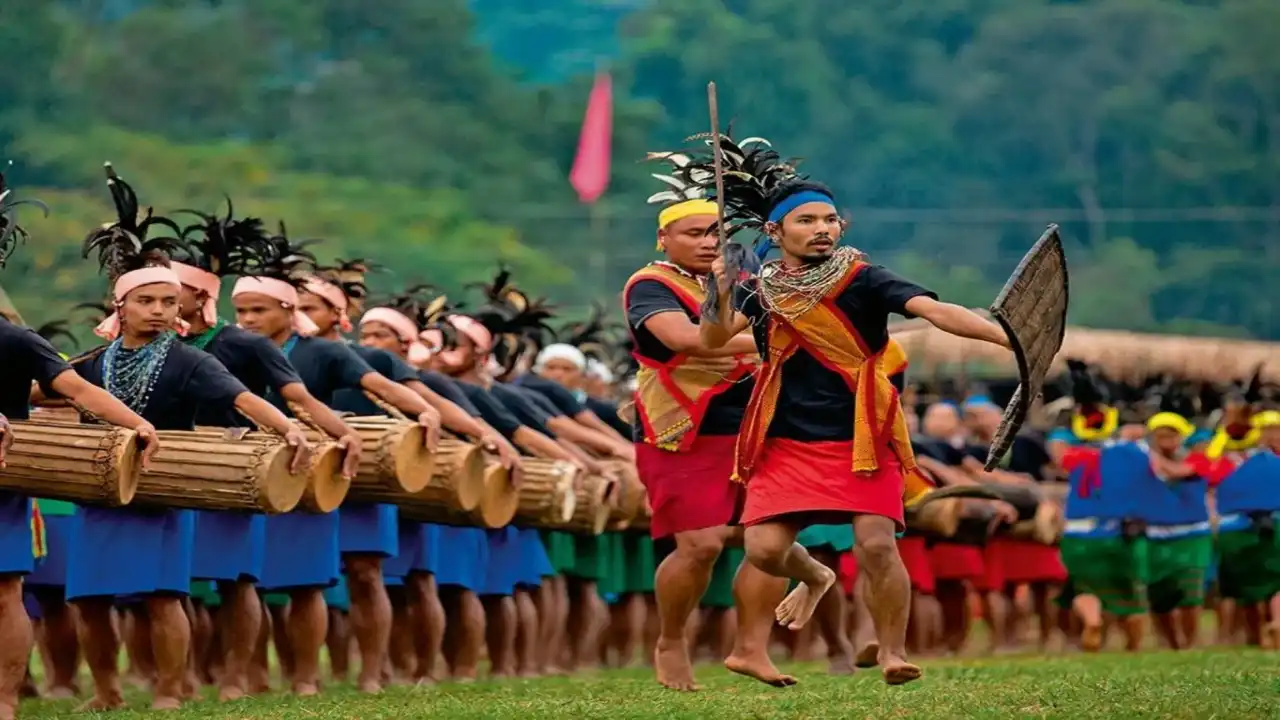
If you really want to understand the region, visit during a festival. The atmosphere is completely different. Villages become more lively, traditional clothing comes out, music fills the air, and communities gather to celebrate together.
Some of the best-known festivals include:
- Hornbill Festival in Nagaland
- Wangala Festival in Meghalaya
- Losar in Sikkim
- Solung in Arunachal Pradesh
Visitors can usually experience:
- Traditional dances
- Folk songs and music
- Local food
- Handicraft displays
- Community celebrations
- Indigenous games and sports
One thing people often notice is that these festivals still feel genuine. They are community celebrations first and tourist attractions second.
Pro Tip
If possible, build your travel dates around a festival. You'll see a side of the region that many visitors completely miss.
The Stories Woven Into Traditional Clothing
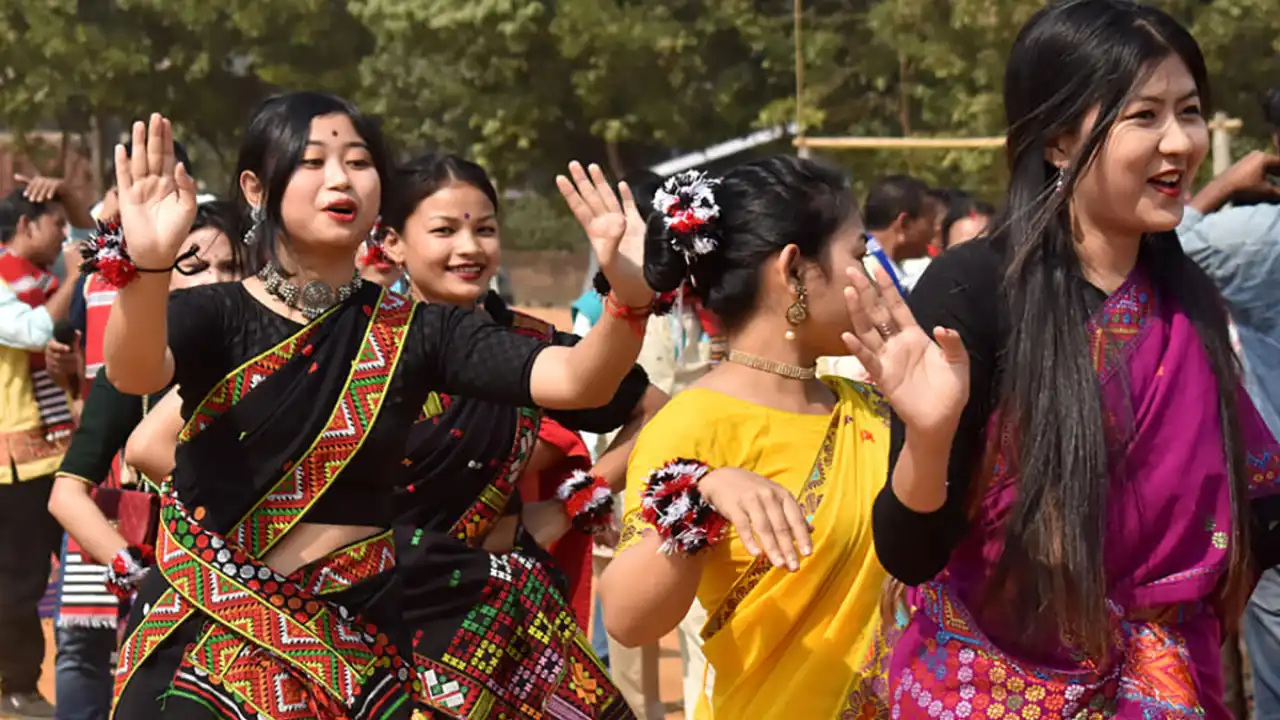
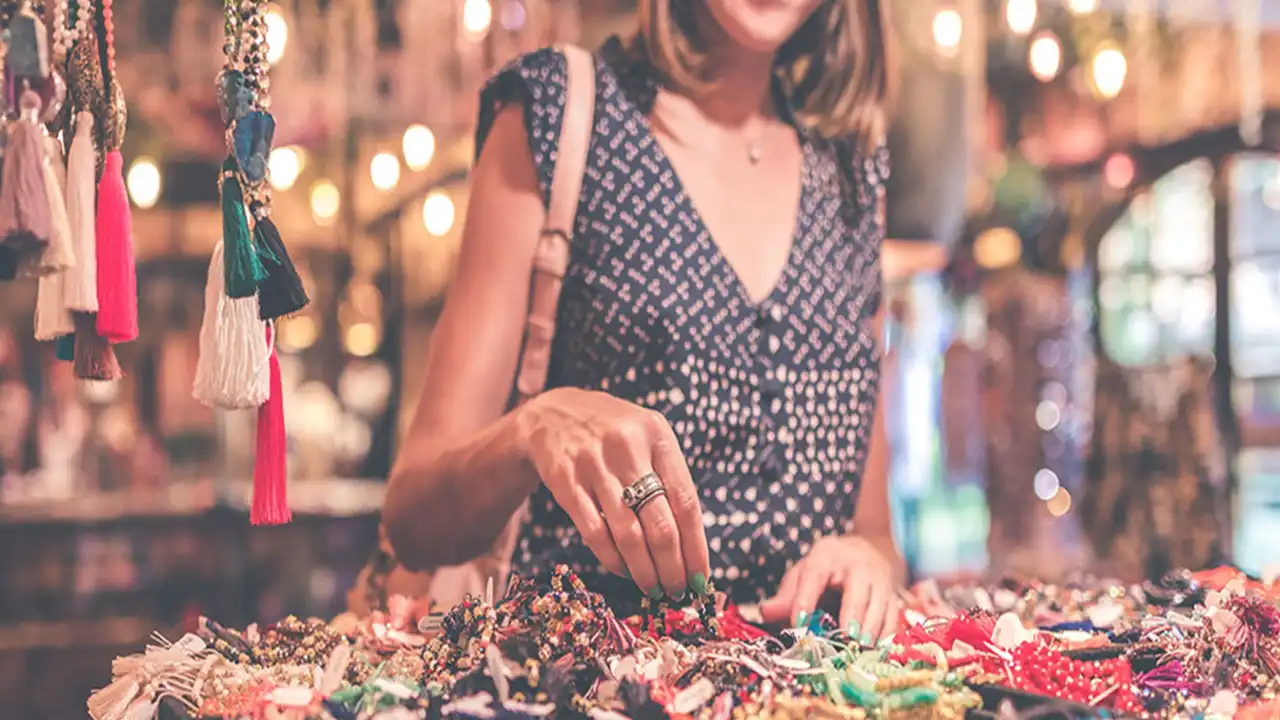
Textiles are everywhere in Northeast India, and they are much more than colorful souvenirs. Stroll through any village and you will see shawls, wraps and handwoven clothes with intricate patterns and bright hues. They just look beautiful at first sight. But if you take some time to master the aspect of design, almost every design has a story.
Some designs can depict lineages and social identity, important events or community ties. Because many families continue to pass weaving on to others. The fabrics that tell stories without using a single word are timeless, and the Tribal Culture of Northeast India comes into full view through these. Many travelers prefer to buy from local weavers instead of what is available on the open market because those purchases feel more personal than buying something mass-produced.
Music, Dance, and the Art of Storytelling
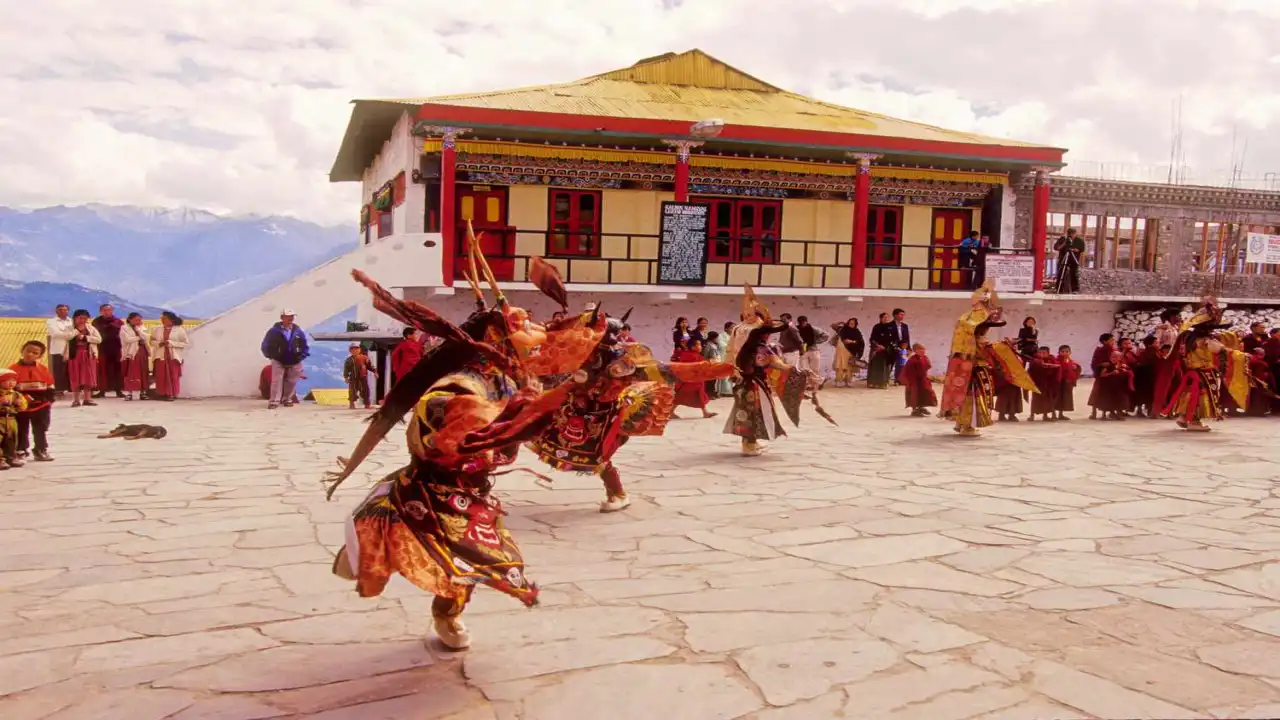
Long before phones, television, and social media, stories traveled through songs and performances. That tradition continues today. Many communities use music and dance to preserve memories, history, and cultural values. Traditional instruments made from bamboo, wood, and animal hide are still used during celebrations and gatherings.
What stands out is how personal these performances can feel. They rarely come across as staged productions designed purely for visitors. Instead, they often feel like genuine expressions of community life. Sometimes you find yourself watching from the side. A few minutes later, someone is encouraging you to join in. Even if your dance skills are questionable—and for many travelers, they definitely are the experience becomes part of the memory.
Village Life and Traditional Architecture
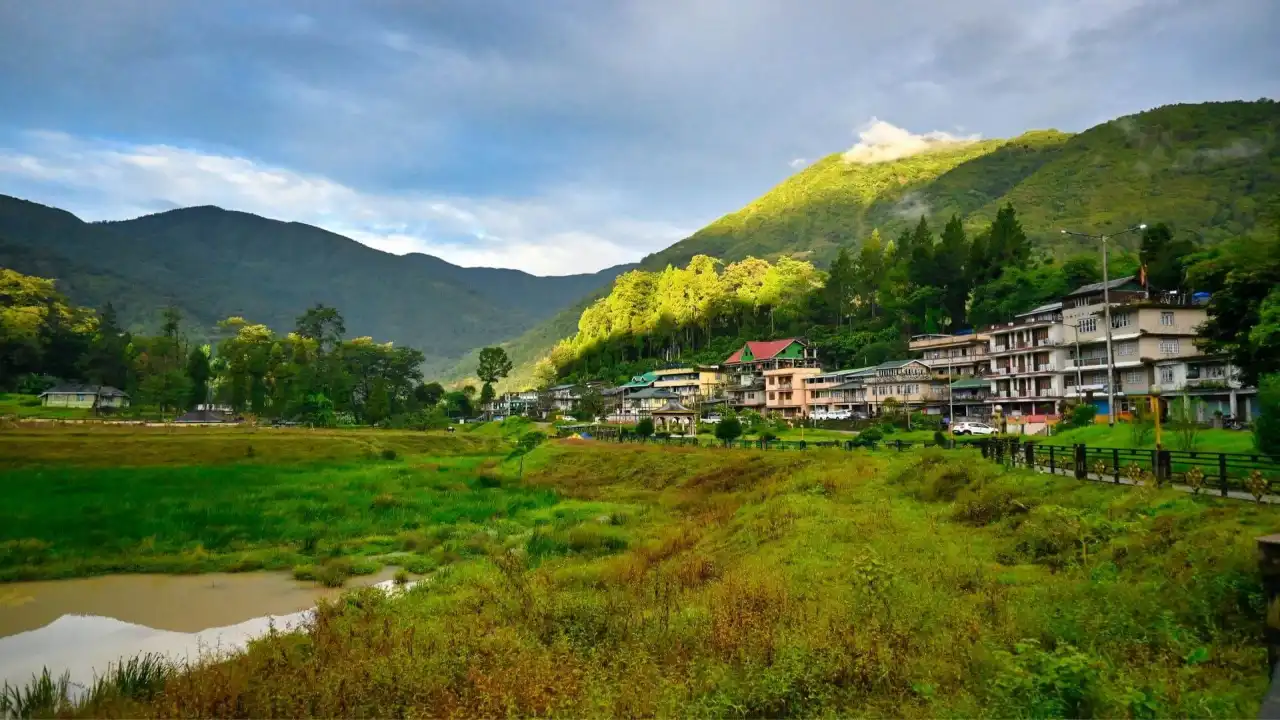
Being in a village is a good way to get an insight into the local area. Bamboo, wood, cane and thatch are the materials of construction for traditional homes. These aren't random design choices. These embody centuries of common sense. A large portion of homes are raised above the ground to manage extreme precipitation levels or flooding.
During the monsoon, sloping roofs assist in quickly draining rainwater. Natural ventilation maintains comfortable interiors even in warmer months. Village life is also based on community living. Cooperation between people is done during festivals, agricultural events and local events. Here, life moves on a different beat. Not slower but a different kind of slow. People and place are often a stronger connection.
Nature and Culture Go Hand in Hand
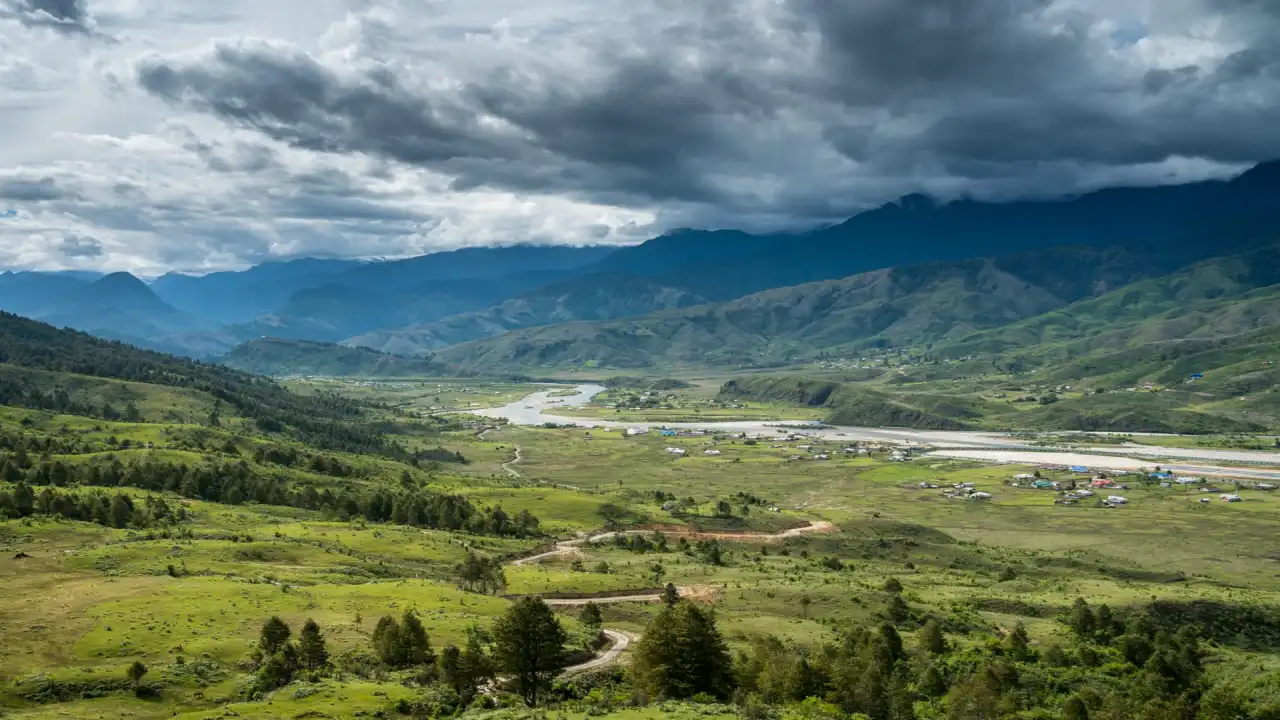
In Northeast India, it becomes very hard to distinguish between culture and nature. Mountains, forests, rivers and wildlife are not just decor. They impact the local faiths, customs, and observances. Many festivals follow agricultural cycles. They often reference forests, animals or natural landmarks in local stories.
This can even spill out into those everyday practices that oftentimes speak to the generations of living so closely with the land. As a traveler, what you take away from this relationship transforms your perspective of the scenery. And so a river is no longer just a river. The forest is not only a pretty background. They are part of a larger cultural story.
Handicrafts That Reflect Local Identity
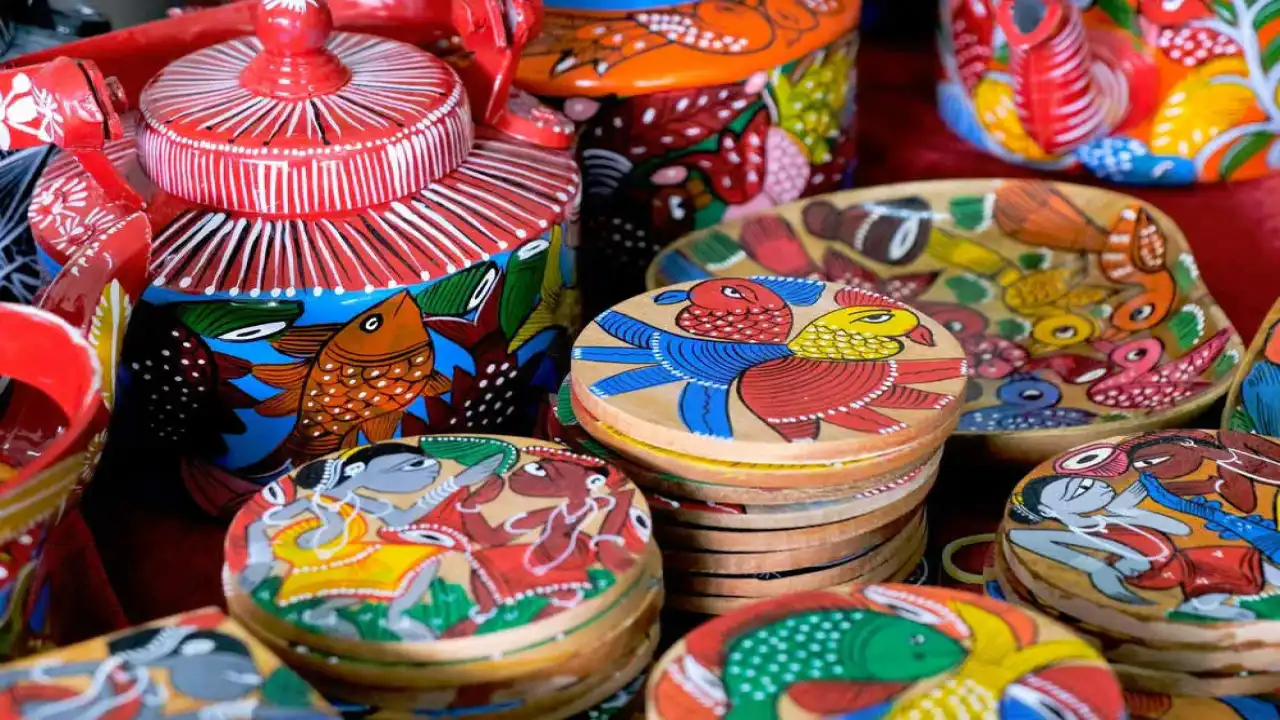
Craftsmanship remains an important part of life across the region. Artisans continue to create practical and decorative items using locally available materials such as bamboo, cane, clay, and wood.
Common examples include:
- Bamboo baskets
- Handwoven shawls
- Wooden carvings
- Decorative masks
- Traditional jewelry
- Cane furniture
The Northeast India Tribal Heritage is visible in many of these creations because they represent skills that have been refined over generations. Buying directly from artisans not only supports local livelihoods but also helps keep traditional crafts alive.
Places Where Culture Comes Alive
Several destinations stand out for travelers interested in local traditions.
Nagaland
Known for traditional villages, cultural festivals, and strong community identities.
Meghalaya
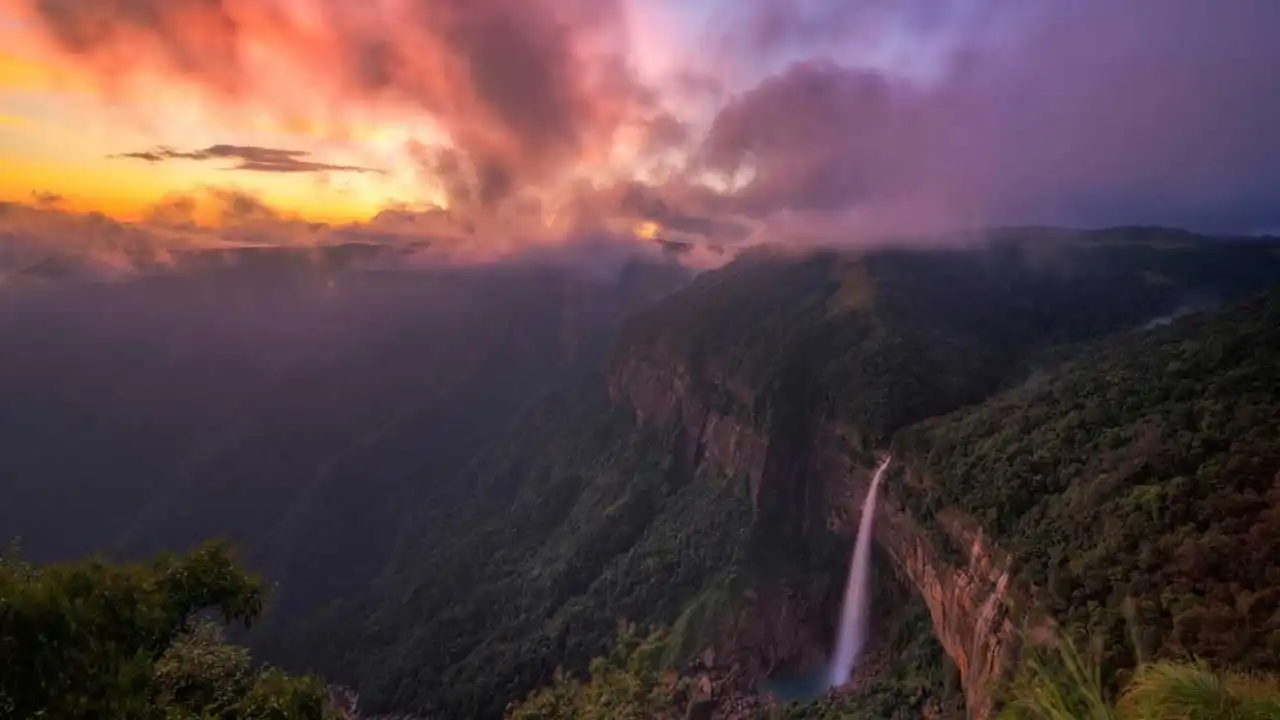
Combines rich traditions with stunning landscapes, including waterfalls and living root bridges.
Arunachal Pradesh
Offers cultural diversity, remote villages, and opportunities to experience long-preserved customs.
Assam
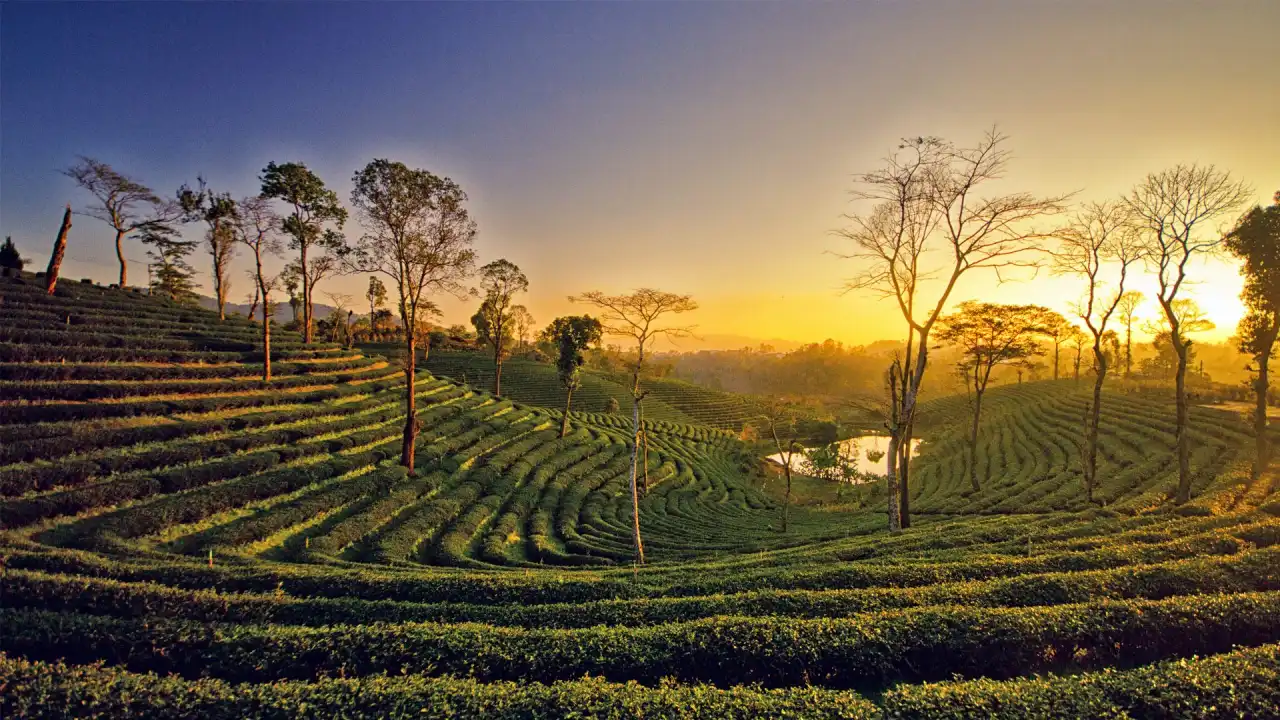
Blends cultural heritage with tea gardens, river landscapes, and historic sites.
Manipur
Famous for its traditional dance forms and unique cultural practices.
Mizoram
Welcoming communities and fascinating local traditions make it a rewarding destination.
Every state adds a different layer to the overall experience.
Conclusion
Northeast India is not the kind of destination you fully understand from photographs. You sat watching artisans labour, learning how what may be a simple thing usually has generations of tradition and knowledge weighing down on the person describing it. Yes, the landscapes are beautiful. It is, however, not so much the landscapes that make this region memorable, but the people and the traditions and culture they live every day. Perhaps that's why so many of us return with memories that don't involve the attractions we hold close to our hearts. For those looking beyond the usual tourist routes, these journeys remain some of the most rewarding Travel junky Domestic Packages available in India.
Planning Your Trip
Traveling through Northeast India takes a bit more preparation than some other destinations, but that's part of the adventure.
Before You Go
- Learn a little about local customs.
- Check permit requirements if needed.
- Pack for changing weather.
- Carry some cash for smaller towns and villages.
While Exploring
- Ask before photographing people.
- Respect local customs and traditions.
- Support local businesses when possible.
- Take your time and stay curious.
Many travelers choose a Northeast trip package because it simplifies transportation and logistics, especially when visiting multiple states.