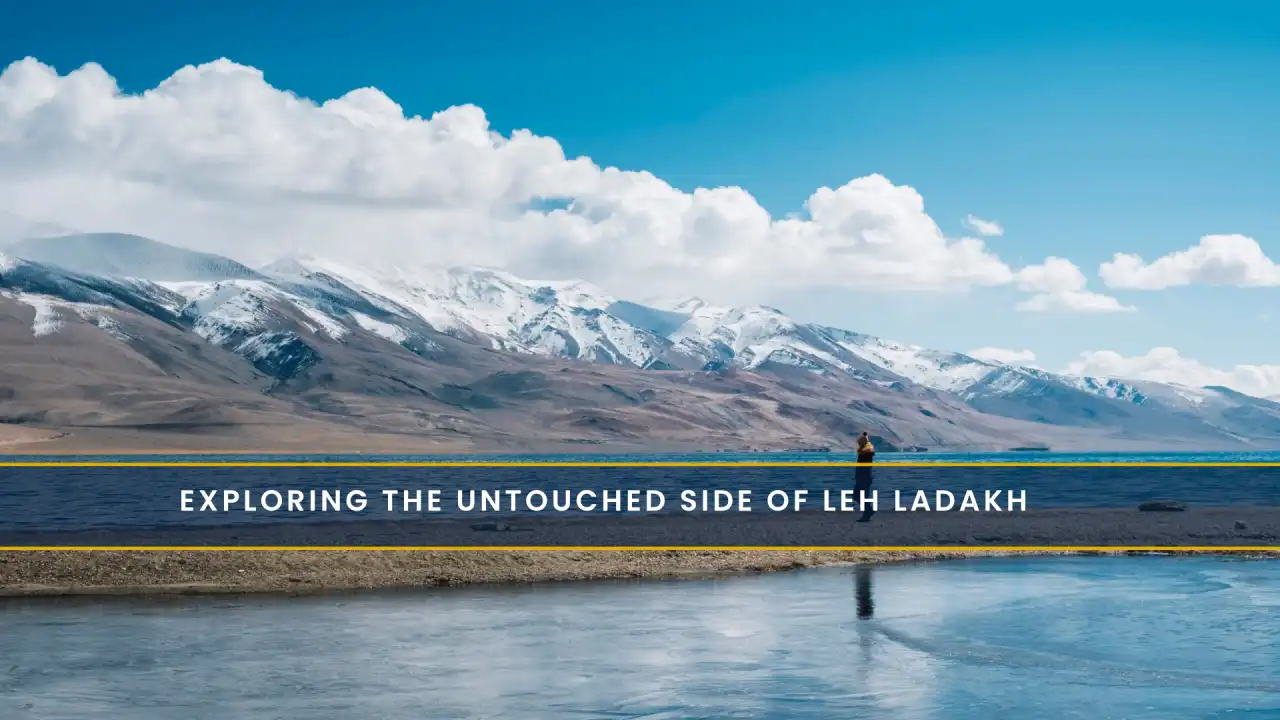
Exploring the Untouched Side of Leh Ladakh
Introduction
Most travelers already have a mental picture when they hear the words Leh Ladakh. You’ve probably seen the photos too. Dusty brown mountains with a little snow clinging to the tops. Roads twisted up the hills as someone drew them with a shaky pencil. Prayer flags flapping wildly in the wind. Lakes that look so bright blue they almost seem edited. And honestly, those images aren’t wrong. But they’re only half the story. The strange thing about this region is that the longer you stay, the more it changes in front of you. Not dramatically. Slowly. Quietly. Almost like it’s deciding whether to show you more.
If you give it time maybe wander a little further than the usual tourist stops, you start noticing another side entirely. The quieter one. The part that doesn’t really try to impress anyone. This guide isn’t about the busy viewpoints you’ve already seen on Instagram a hundred times. It’s more about the slower experiences. The places that feel slightly hidden. The parts of the mountains that make you pause for a minute and just… look around. If you enjoy wandering without a rigid travel checklist, you’ll probably understand what we mean.
Why Explore the Lesser-Known Side
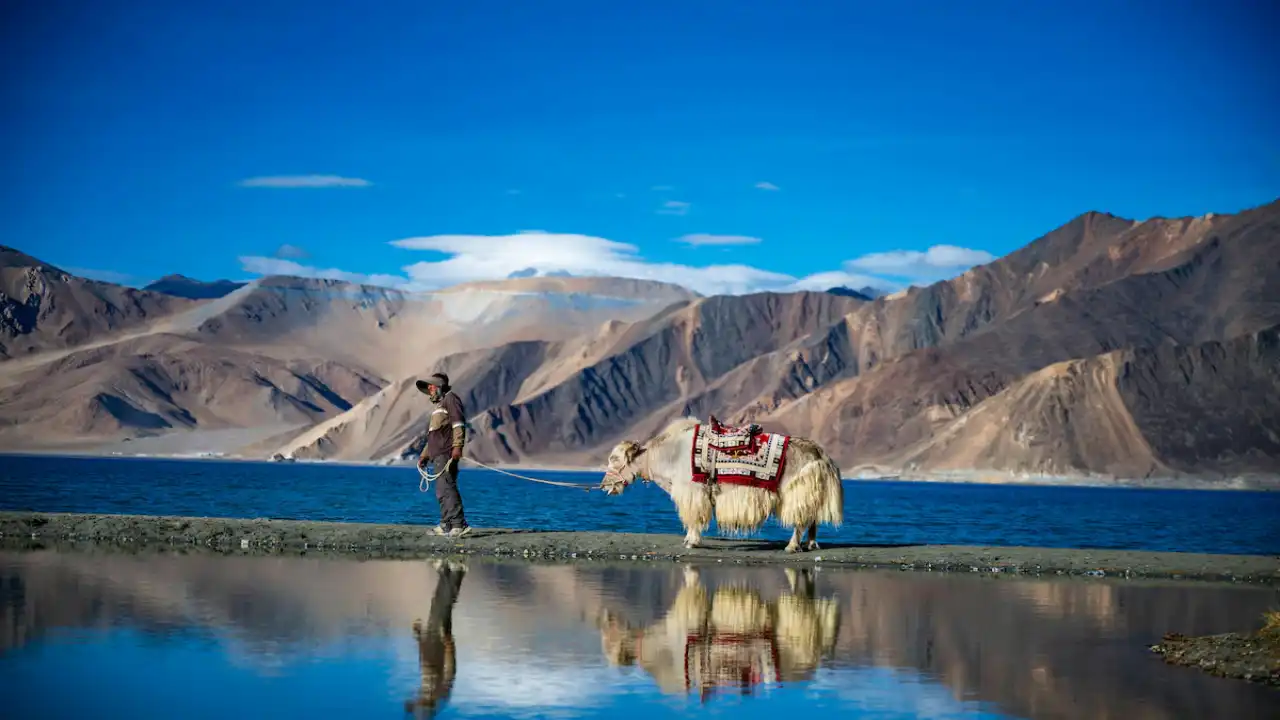
A lot of travel plans here look almost identical. Pangong Lake. Nubra Valley. Magnetic Hill. Maybe a monastery or two. Take photos, grab tea, move on. They’re beautiful places, no doubt about it. But something interesting happens when you move just a little away from that main loop. Things get quieter. Noticeably quieter.
The roads feel emptier. Tea stalls feel friendlier somehow. Even the mountains start looking bigger when there aren’t ten tourist vans parked beside you. That’s probably why offbeat Ladakh travel has started attracting people who want something slower. Less rushing around. More wandering. Instead of racing from spot to spot, you might spend half an hour talking to a shopkeeper. Or sitting by a roadside stall eating momos while trucks rumble past slowly. Those are the places that stay in your head.
Small Villages That Feel Frozen in Time
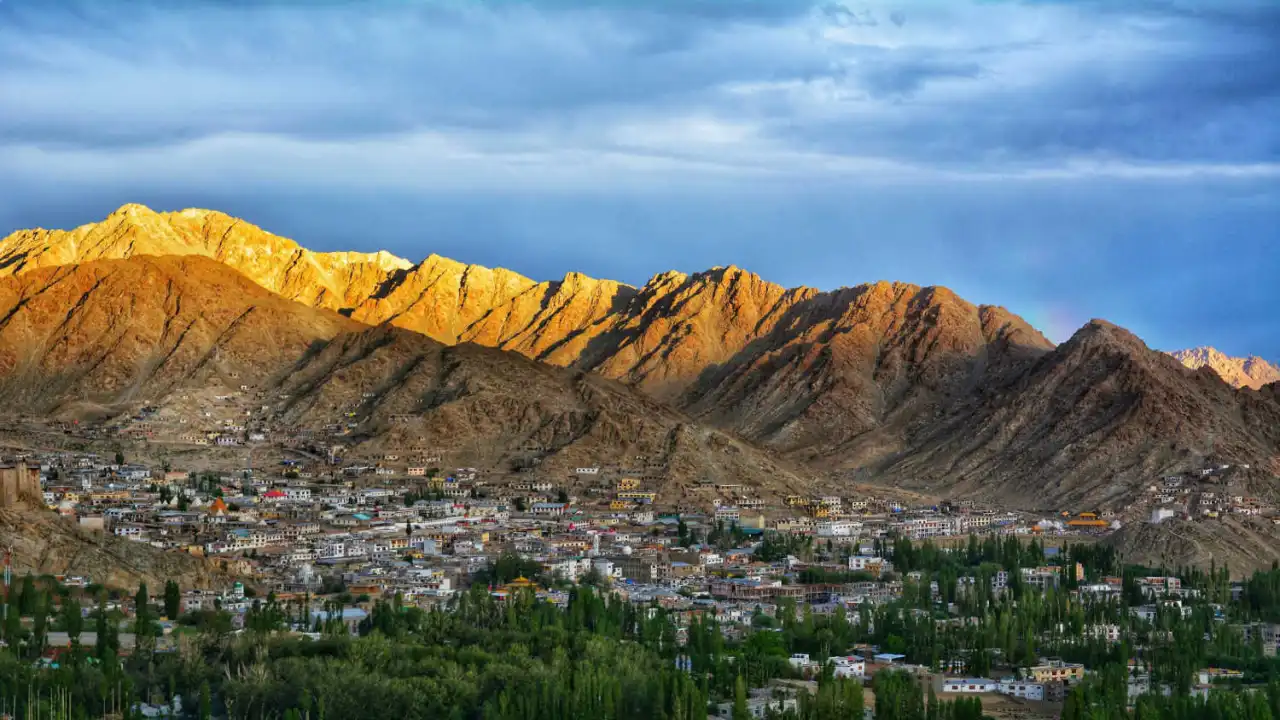
Oddly enough, some of the most memorable places here aren’t dramatic landscapes or big attractions. They’re villages. Small ones. Really small ones. Life in these places moves at its own pace. Houses are usually built from stone or mud bricks, stacked carefully along the hillside. Barley fields stretch across small terraces. You’ll see people working slowly under a sky that feels ridiculously huge. Nobody seems to be in a hurry.
A few villages that quietly surprise travelers include:
- Turtuk – Close to the border, full of apricot trees and Balti culture. Walking through the narrow lanes feels like stepping into a different world.
- Sumda Chun – Tiny and peaceful, known mostly for its ancient monastery murals. Many visitors never even hear about it.
- Uleytokpo – Calm riverside landscapes, perfect if you want quiet evenings and starry skies.
Stay one night in a place like this and you’ll start noticing little things. The silence, for example. Not the awkward silence of an empty room. The real kind. Wind brushes past rooftops. A faint bell is ringing somewhere far away. Maybe a dog barking once in the distance. And strangely, that’s enough.
Valleys That Few Travelers Reach
Most visitors rush toward the famous lakes. That’s understandable. But some valleys remain surprisingly untouched. Mostly because they’re harder to reach… and partly because they don’t advertise themselves. Which is exactly why they feel special.
Zanskar Valley
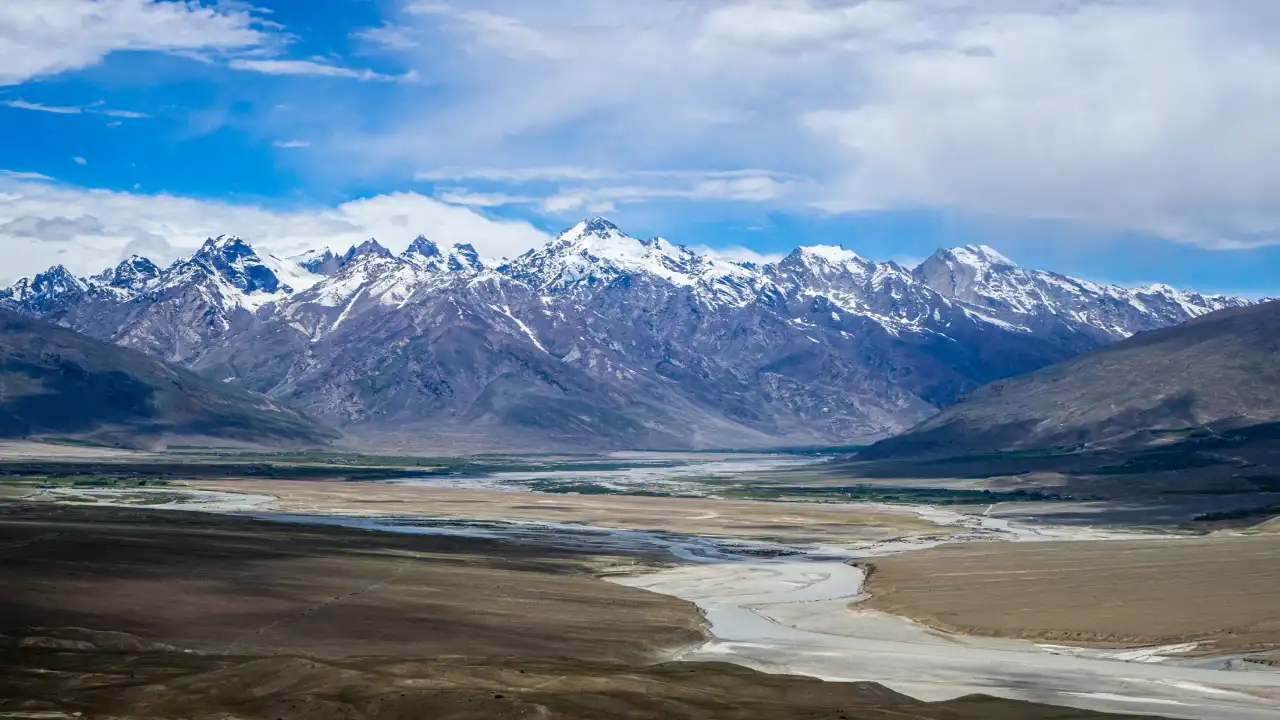
Zanskar has this raw, rugged energy. The mountains look rougher. The rivers feel louder. Monasteries sit on cliffs as if they were placed there by accident centuries ago. In winter, people know it for the frozen river trek. But in summer, the valley opens up for long road journeys and treks through landscapes that look almost prehistoric.
Dha-Hanu Region
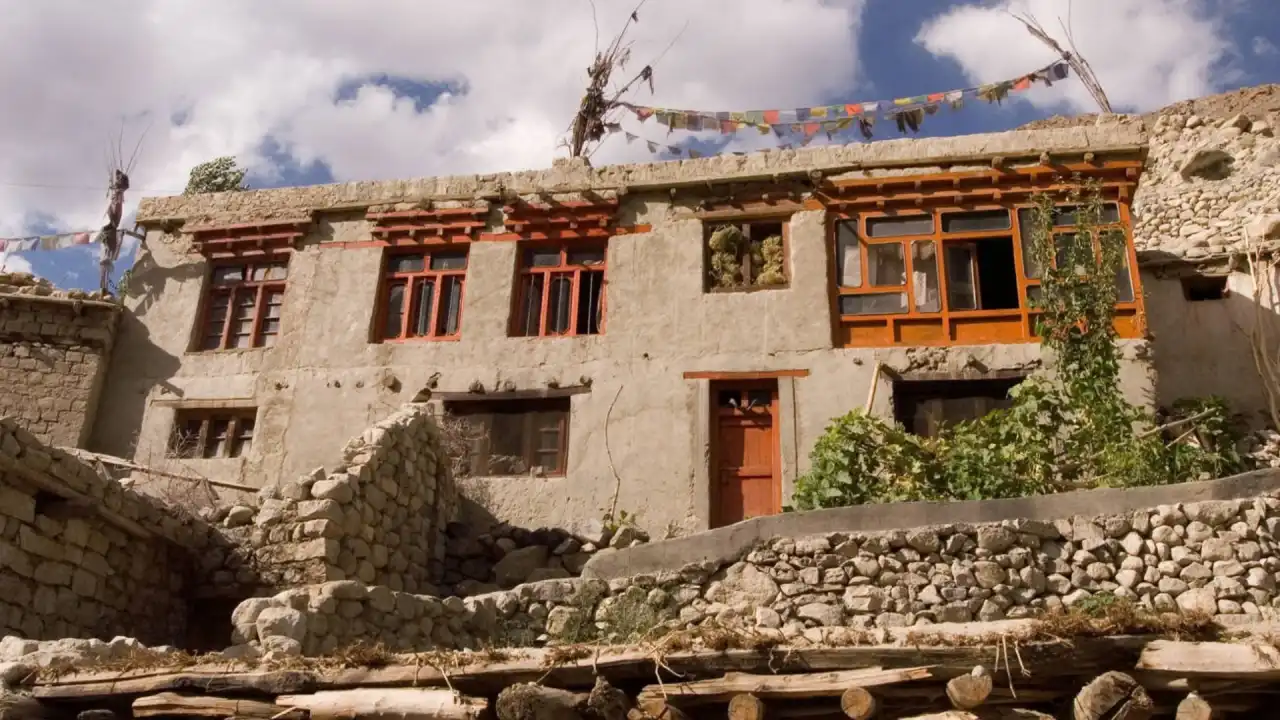
This region is home to the Brokpa community. Their traditions, clothing, and culture are distinct from the rest of the area. Walking through these villages feels like stepping into a completely different cultural pocket.
Tso Moriri Area
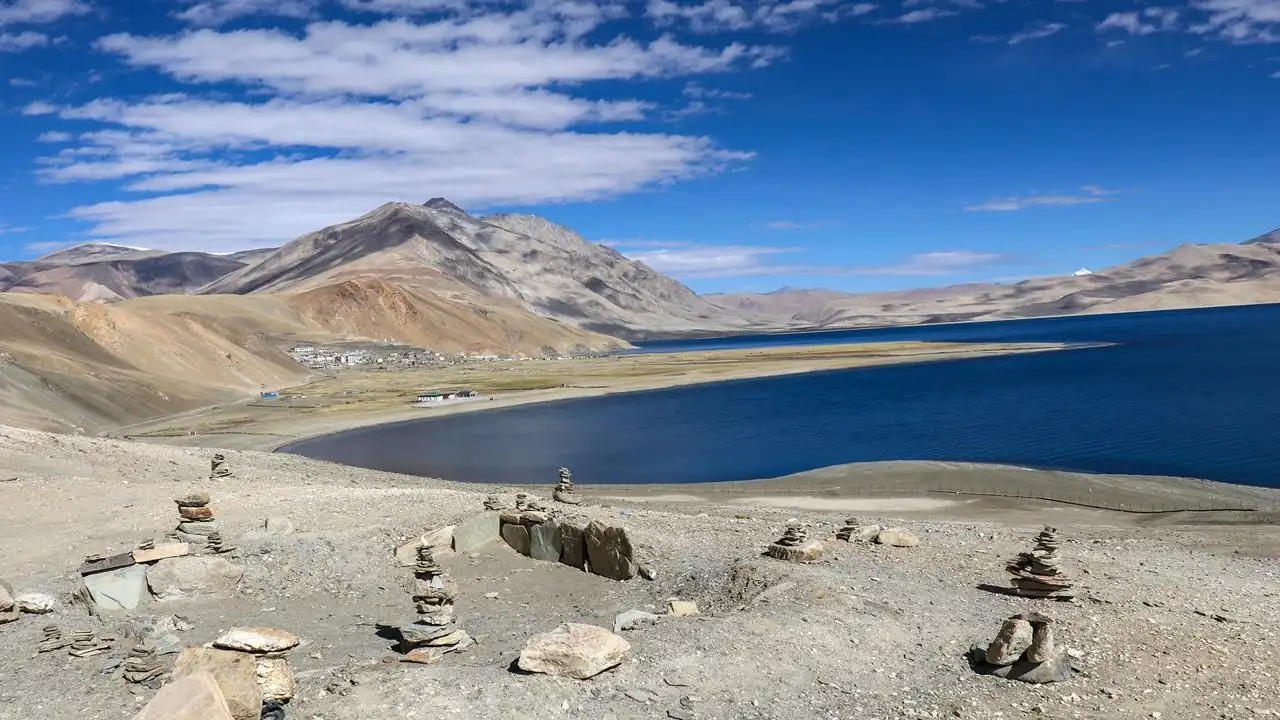
Compared to other lakes, this place feels calmer. Wide open landscapes. Nomadic settlements scattered across the plains. Sometimes you’ll see herds of animals grazing near the water. Many travelers talk about this area when mentioning hidden places in Ladakh, mostly because it still feels wonderfully untouched.
Monasteries That Few Tourists Visit
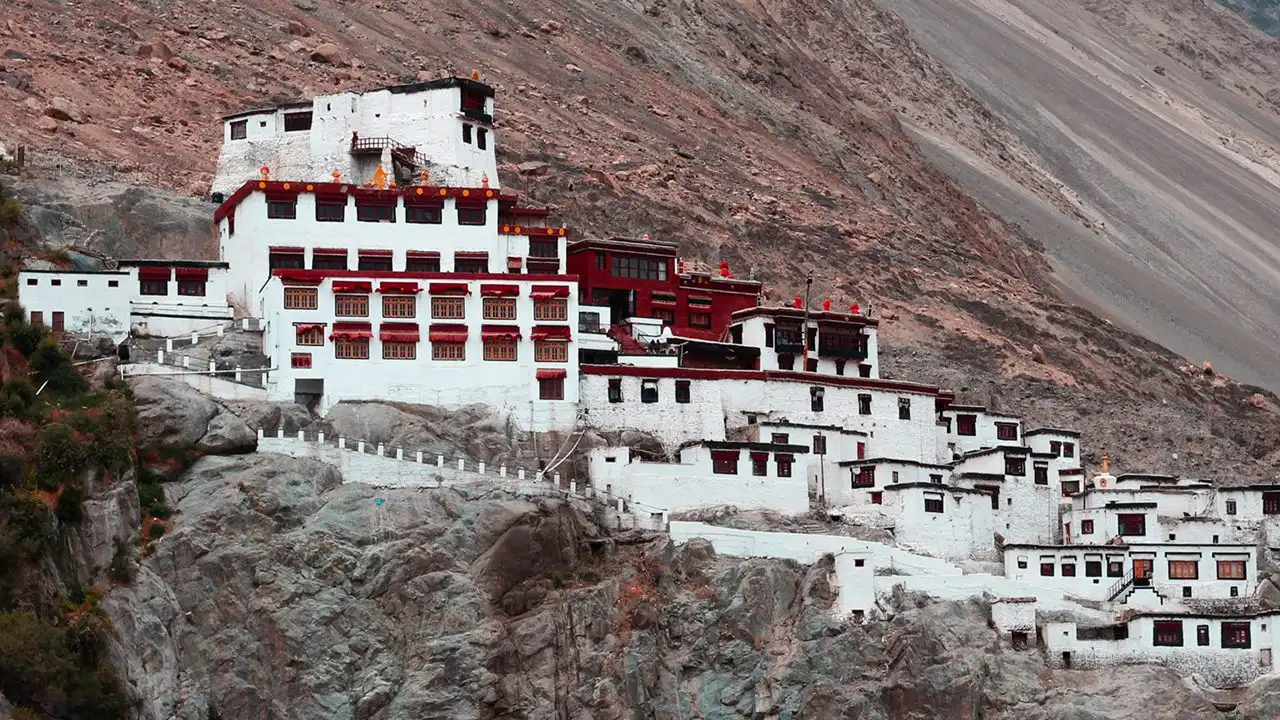
Monasteries are everywhere in the mountains. But the experience changes depending on when and where you go. The famous ones can get crowded quickly. Tour buses arrive. Cameras click constantly. People rush in and out. But the quieter monasteries… they feel completely different.
A few worth visiting include:
- Lamayuru Monastery – Surrounded by strange moon-like landscapes that almost don’t look real.
- Phuktal Monastery – Built directly into a cliffside cave. Reaching it requires trekking, which keeps the crowds small.
- Diskit Monastery (early morning) – Visit before the day-trippers arrive and the atmosphere feels almost meditative.
Sometimes monks chant softly inside dim prayer halls. Incense drifts slowly through the air. Sunlight slips through tiny windows and falls across old wooden floors. It’s so quiet you automatically lower your voice. Even if no one asks you to.
Local Food Experiences Worth Trying

Food here isn’t fancy. But after a long road journey in cold air, even simple meals taste incredible. The best places to eat are often small homestays or village kitchens.
You’ll probably come across dishes like:
- Thukpa – Warm noodle soup that feels perfect after cold evenings.
- Skyu – A filling dish made with hand-rolled dough and vegetables.
- Butter Tea – Salty, creamy, and surprisingly good once you get used to it.
Meals often turn into conversations. Hosts talk about long winters, closed mountain passes, and how life slowly changes as tourism grows. You sit there sipping tea… and suddenly an hour disappears.
Best Time to Visit for Peaceful Travel
Timing your trip matters.
Summer (June – August)
- Most roads are open
- Good for long drives and exploring valleys
- More tourists around
Early Autumn (September – October)
- Fewer travelers
- Golden mountain landscapes
- Clearer skies most days
If peaceful exploration is the goal, early autumn often feels just right.
The Beauty of the Road Journey
Honestly, the road trip itself might be the best part of the entire journey. Landscapes keep changing every hour or so. Desert valleys. Rocky passes. Rivers cutting through deep gorges. And sometimes… absolutely nothing happens. You might drive for forty minutes without seeing another car.
At first, that feels strange. Then it becomes oddly peaceful. Many travelers mention the same moment: when they stop the car somewhere random, step outside, and realize how quiet everything is. No phone signal. No traffic sounds. Just wind moving across mountains. It almost feels like the world pressed pause for a minute.
Choosing the Right Travel Package
Planning routes across these mountains can get confusing pretty fast. That’s where a well-planned Ladakh trip package can actually help. Travel junky now focuses on slower itineraries that include smaller villages and cultural stops instead of just the usual tourist checklist.
Look for options that include:
- Small group travel
- Homestay experiences
- Flexible schedules
- Local guides who know hidden routes
Sometimes those details make all the difference.
What Makes This Journey Special
Traveling through these mountains teaches patience. Roads take longer than expected. The weather shifts suddenly. Plans change. At first, that might feel annoying. But after a while, it becomes part of the charm. You start noticing smaller things instead. Prayer wheels are spinning quietly outside monasteries. The smell of wood smoke drifts from village houses. Yaks wander slowly along dusty trails. Little moments. And somewhere along the journey, you realize something simple. The destination wasn’t really the main point. The experience was.
Conclusion
Some of the best trips don’t follow the obvious path. Famous attractions are wonderful, of course. But the quieter corners of these mountains offer something deeper: space, silence, and a sense that you’ve discovered something on your own. Take a few unexpected turns on the road. Stay in small villages. Let curiosity guide the journey, whether you’re exploring independently or through a thoughtfully planned Domestic trip package, because sometimes the best travel stories begin exactly where the tourist map quietly ends.
Travel Tips for Exploring Quiet Corners
Traveling in remote mountains requires a little preparation. Nothing too complicated, though.
Practical Tips
- Give your body time to adjust to the altitude. Seriously. Don’t rush.
- Carry cash. ATMs aren’t always available.
- Pack layers because the temperature shifts quickly.
- Start long drives early in the morning.
Pro Tip
If possible, stay in homestays instead of big hotels. Local families often share stories you won’t find in any travel guide.