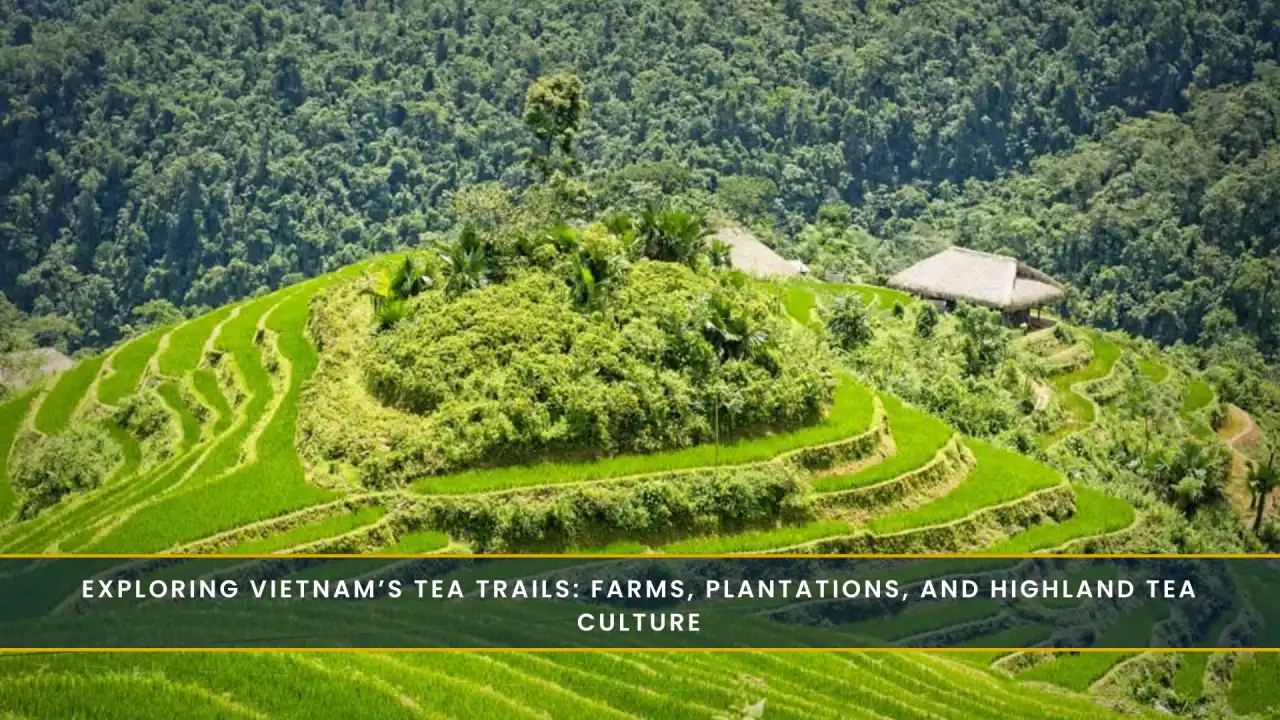
Exploring Vietnam’s Tea Trails: Farms, Plantations, and Highland Tea Culture
Introduction
Most people meet Vietnam through noise first. Scooters everywhere. Street food smoke curls into traffic. Cities that never really pause. That’s the version that shows up in photos and reels. But it’s not the full picture. Not even close. If you drift away from that noise and keep driving past the last café, past the last tour bus stop, the roads start to climb. Curves replace straight lines. The air cools a little. That’s where another Vietnam begins. One that grows slowly, leaf by leaf, across hills and quiet valleys shaped by Vietnam tea farms, where life still follows weather patterns instead of notifications.
Tea here isn’t fancy. No branding story attached. It’s just there. Families drink it after meals without thinking. Farmers sip it between tasks. Guests get a cup before anyone asks why they’ve come. If you want to understand Vietnam beyond the obvious, tea is a good place to start. It doesn’t shout. It waits. This trail runs through four regions that quietly hold Vietnam’s tea culture together: Thai Nguyen, Ha Giang, Lao Cai & Sapa, and Lam Dong. Same country. Very different moods. Same leaf. Many lives.
Thai Nguyen: The Everyday Heart of Vietnamese Tea
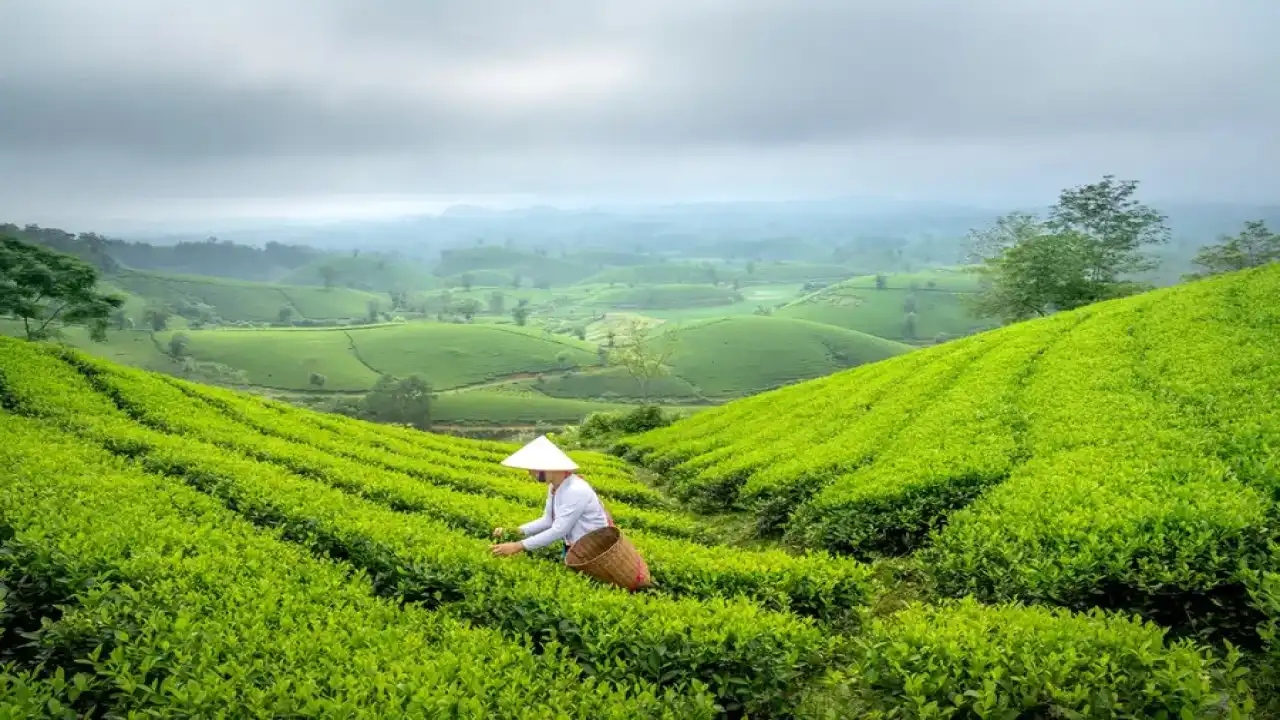
Ask someone in Vietnam where “real” tea comes from, and the Thai Nguyen name comes up. No hesitation. Located north of Hanoi, this place doesn’t rely on scenery or tourism pull. It doesn’t need to. Its reputation comes from something simpler: consistency. This is the tea many Vietnamese people grow up with. Strong at first sip. Slight bite. Then, if you wait, a soft sweetness stays a while. People don’t explain it much. They just nod, like that taste needs no introduction.
What Makes Thai Nguyen Special
- Most farms are small and family-run
- Skills are learned by watching, not studying
- Leaves are still picked by hand in many places
- Processing happens close to where the tea grows
There are no polished tasting rooms or souvenir setups here. What you’ll see instead are modest homes with tea drying nearby, roasting pans going all afternoon, and farmers who know exactly when to stop heating just by smell.
A Day in Thai Nguyen Tea Country
Days start early, before the sun fully settles in. Leaves are picked while they’re cool and flexible. People talk while they work, but not loudly. Later, the tea gets roasted in small batches. No timers. No thermometers. Just experience. This is tea farming in Vietnam without decoration. No performance. No storytelling for visitors. Just work done the same way it’s been done for years.
Pro Tip:
If you’re there, don’t ask for “the best” tea. Ask to try different ones. Every household swears theirs is slightly better and sometimes, they’re right.
Ha Giang: Ancient Trees and Wild Landscapes
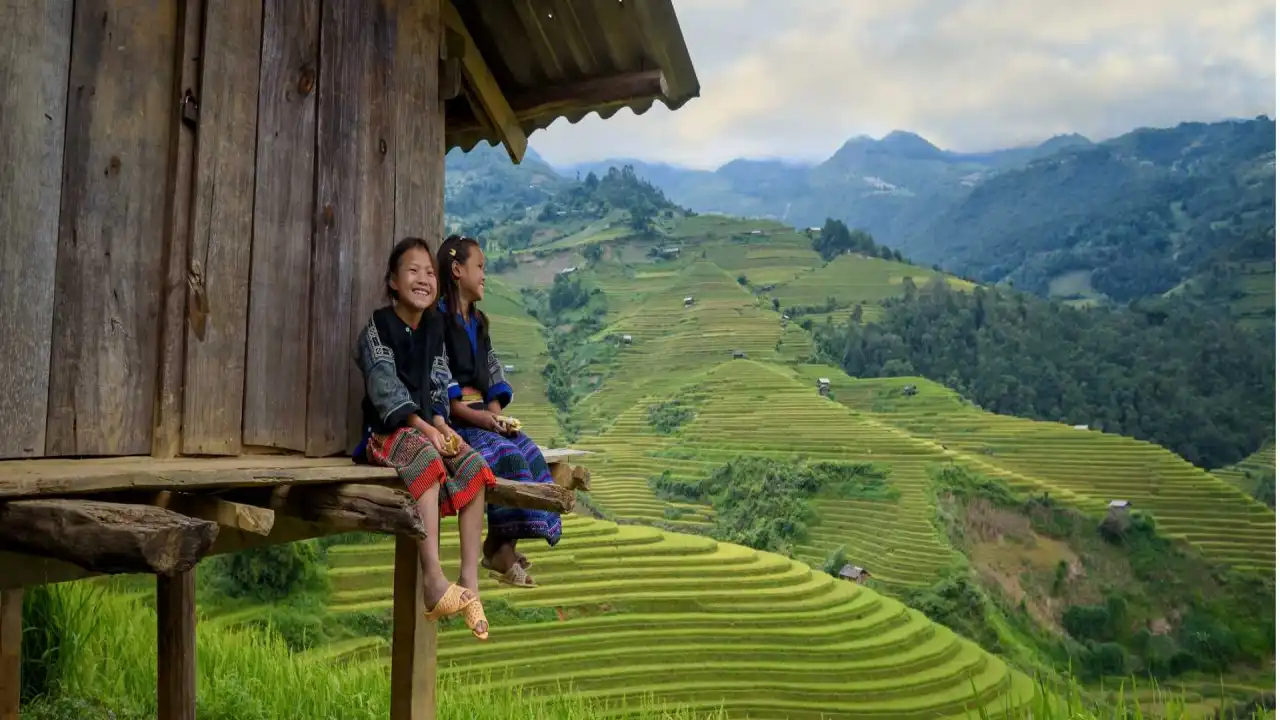
Ha Giang doesn’t ease you in. Roads twist sharply. Mountains rise fast. Villages appear where you least expect them. Farming here already feels like a challenge, even before you notice the tea trees. And these aren’t neat rows of bushes. They’re old trees. Tall ones. Some are hundreds of years old, growing where they want, not where someone planned them.
Why Ha Giang Tea Is Unique
- Leaves come from naturally grown, ancient trees
- Harvesting often involves climbing
- Yields are low, flavors are intense
- The tea feels heavier, deeper
Tea here is tied closely to ethnic minority communities. Harvesting days are long. The weather doesn’t always cooperate. But there’s pride in this work. You can feel it when people talk about their trees. Walking through these hills, tea doesn’t feel planted. It feels like it belongs. This is where Mountain tea farms in Vietnam stop looking like farms and start looking like part of the land itself.
Pro Tip:
Don’t expect gentle tea here. Ha Giang tea weighs it. Drink it slowly.
Lao Cai and Sapa: Tea Among Terraces and Traditions
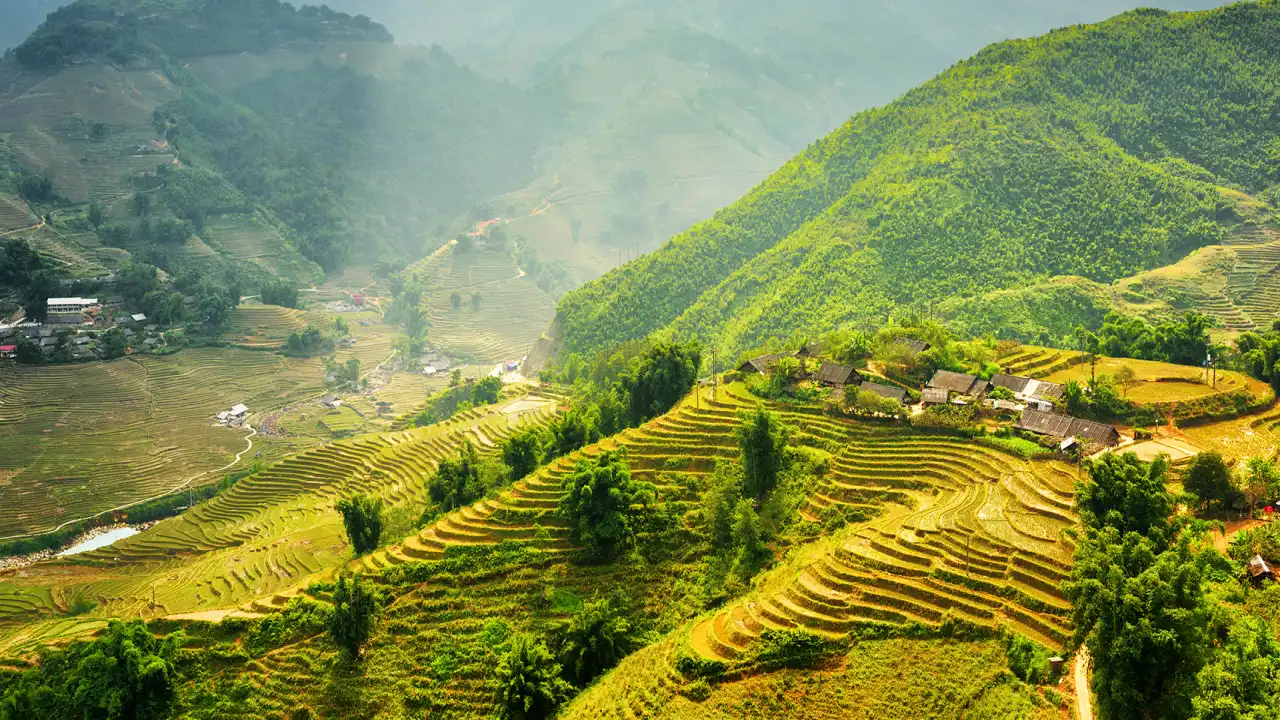
Lao Cai and Sapa usually get attention for rice terraces and cooler weather. Tea lives here too, just more quietly. It doesn’t compete with the scenery. It fits into it. Tea bushes sit beside rice fields. Villages grow both without making a big deal of either. That’s just how farming works here.
What You’ll Notice in Lao Cai & Sapa
- Tea farms blend into village landscapes
- Harvesting stays small and manual
- Tea is offered casually, no ceremony
- Views change with every season
Tea here isn’t about output. It’s about rhythm. Farmers grow it because it suits the land, not because it promises big profits. Travelers usually encounter tea by accident after a long walk, during a homestay meal, when someone quietly pours a cup without asking.
Pro Tip:
If someone offers tea, say yes. Even if you don’t drink much. It’s not about the tea anyway.
Lam Dong (Bao Loc): The Engine Room of Vietnam’s Tea Industry
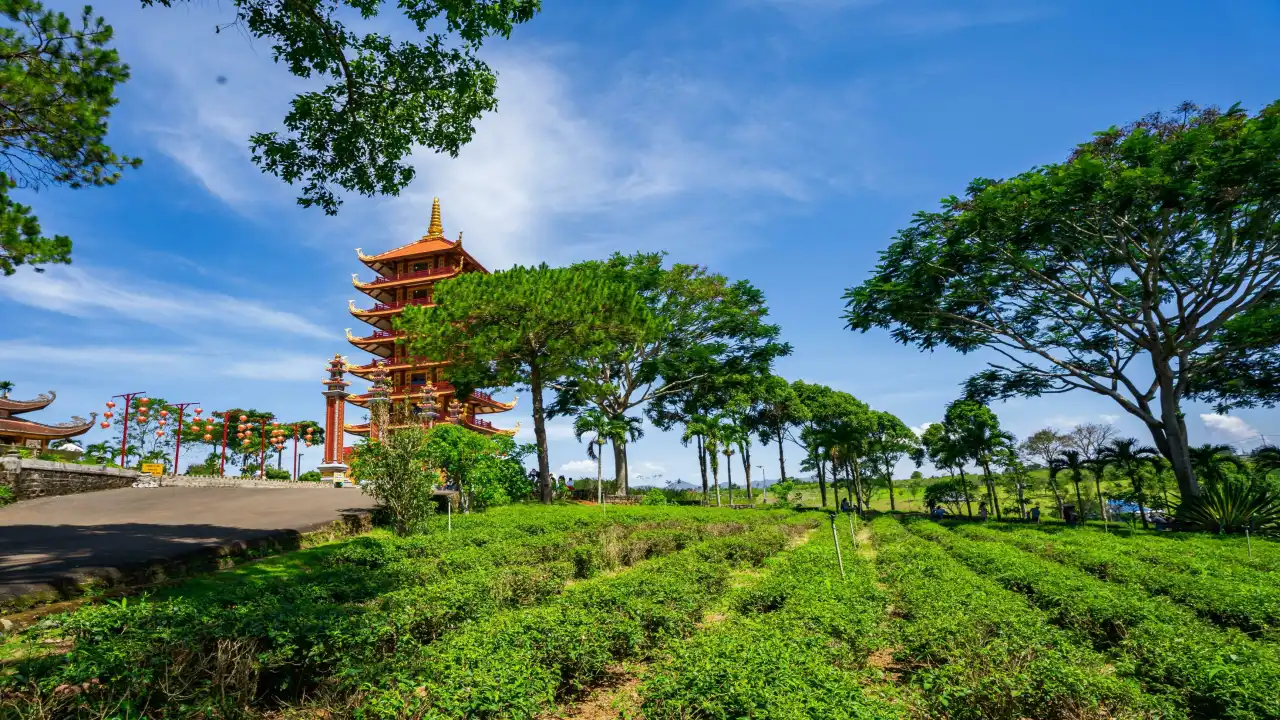
Head south into the Central Highlands and the tone shifts. Lam Dong, especially Bao Loc, shows a more organized side of Vietnamese tea. This is one of the country’s major production zones, supplying both local markets and exports. Here, plantations stretch wider. Processing facilities are larger. Systems are clearer. But character hasn’t disappeared, it’s just different.
What Defines Lam Dong Tea
- Broad, structured plantations
- Cooler highland temperatures
- Emphasis on consistency
- A mix of modern tools and traditional judgment
Lam Dong shows how Vietnam balances growth with roots. Machines help, yes. But skilled workers still make decisions that matter. Tea doesn’t move correctly without people who understand it. This region often fits neatly into nature-heavy Vietnam trip packages, especially those linking tea, coffee, and highland landscapes.
Pro Tip:
If you’re curious about how tea actually gets processed at scale, Bao Loc is where things become clear.
How Tea Is Shared Across Regions
Despite all the regional differences, tea habits stay simple everywhere.
You’ll notice the same patterns again and again:
- Small cups, filled more than once
- Strong brews, rarely sweetened
- Tea is poured before conversations start
- Leaves reused until flavor fades
Tea isn’t rushed. It’s something you sit with, even briefly.
Visiting Vietnam’s Tea Regions as a Traveler
Tea trails aren’t polished. That’s kind of the point.
What to Expect
- Rough roads
- Basic stays
- Curious glances from locals
- Schedules that change
These places suit travelers who don’t need everything explained. They also work well for slower itineraries often found in International Packages focused on landscapes rather than landmarks.
Tea Trails and Different Travel Styles
- Couples often enjoy the calm pace, which works well for relaxed Honeymoon Packages
- Families like the open spaces and learning moments
- Solo wanderers tend to have the most unexpected conversations
Tea regions don’t entertain. They allow.
Conclusion
Thai Nguyen teaches consistency.
Ha Giang teaches patience.
Lao Cai and Sapa teach balance.
Lam Dong explains scale.
Together, they form Vietnam’s tea backbone. Exploring them isn’t about highlights or lists. It’s about seeing how one simple leaf connects land, labor, and everyday life. If you slow down enough and don’t rush to label everything, you’ll leave with more than photos. You’ll leave understanding why tea, here, is never just tea.
Guide for Tea Trail Travelers
- Visit in spring or autumn if you want to see harvest activity
- Wear shoes you don’t mind getting dirty
- English won’t always be spoken, so try to learn basic Vietnamese language
- Carry cash
- Buy tea directly from farmers when you can