
Famous Breakfasts From Different Indian States
Introduction
Breakfast in India isn’t some carefully planned event. Most days, it just happens. You wake up to sounds before smells: a cooker whistling too early, a spoon hitting steel, someone turning on the exhaust fan half-asleep. In some homes, batter has been sitting quietly overnight. In others, the dough is already being rolled before anyone is fully awake.
As you move across states, things change. The food. The spices. Even the time people give to breakfast. Still, that familiar feeling stays. Starting the day with something known. Something expected. This piece looks at the Famous Breakfasts of India not as a perfect food guide, but as everyday moments. Simple, practical breakfasts that don’t try to impress; they just need to work.
How Indian Breakfasts Shift as You Travel
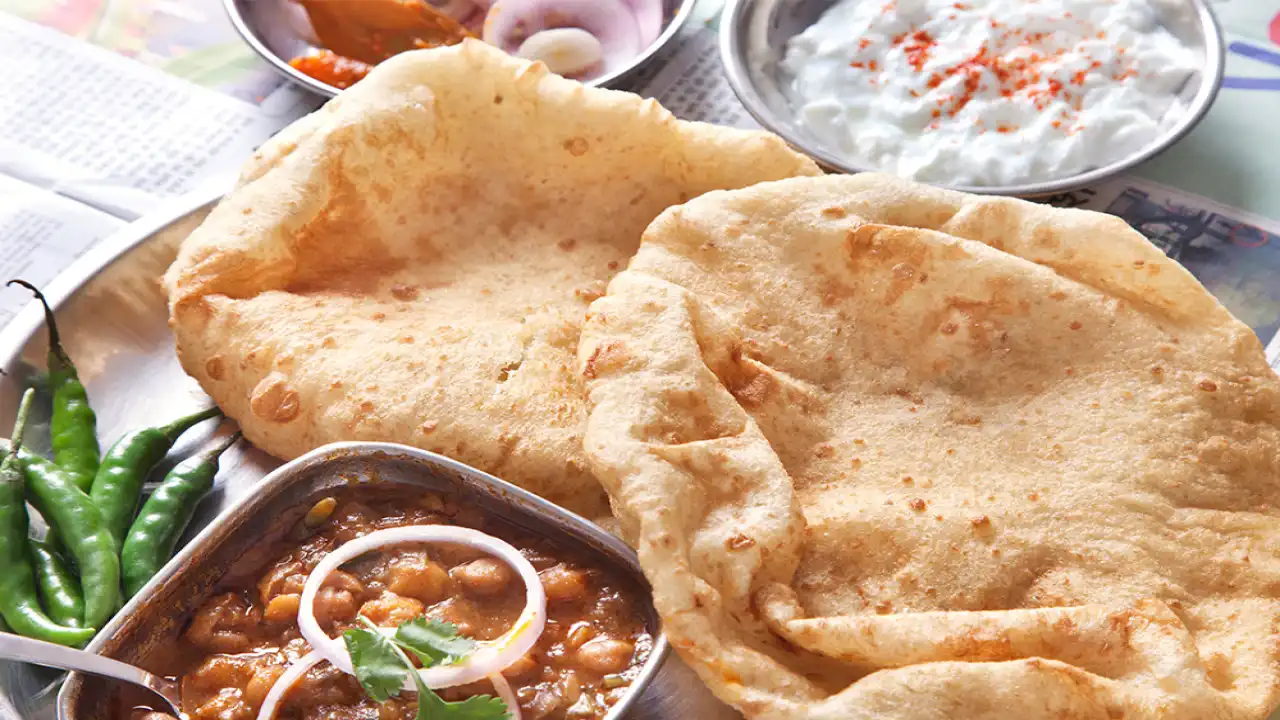
India doesn’t agree on what breakfast should look like. And honestly, that’s the point. What people eat depends on where they live, how hot it gets, and what kind of workday they’re walking into. Coastal areas naturally use more rice and coconut. Northern regions lean on wheat. Hill states need warmth early in the day. Hot regions don’t want anything too heavy first thing. This State-wise Indian Breakfast List isn’t about deciding which dish is better. It’s more about noticing how mornings feel different once you start paying attention.
Punjab – Makki di Roti & Sarson da Saag
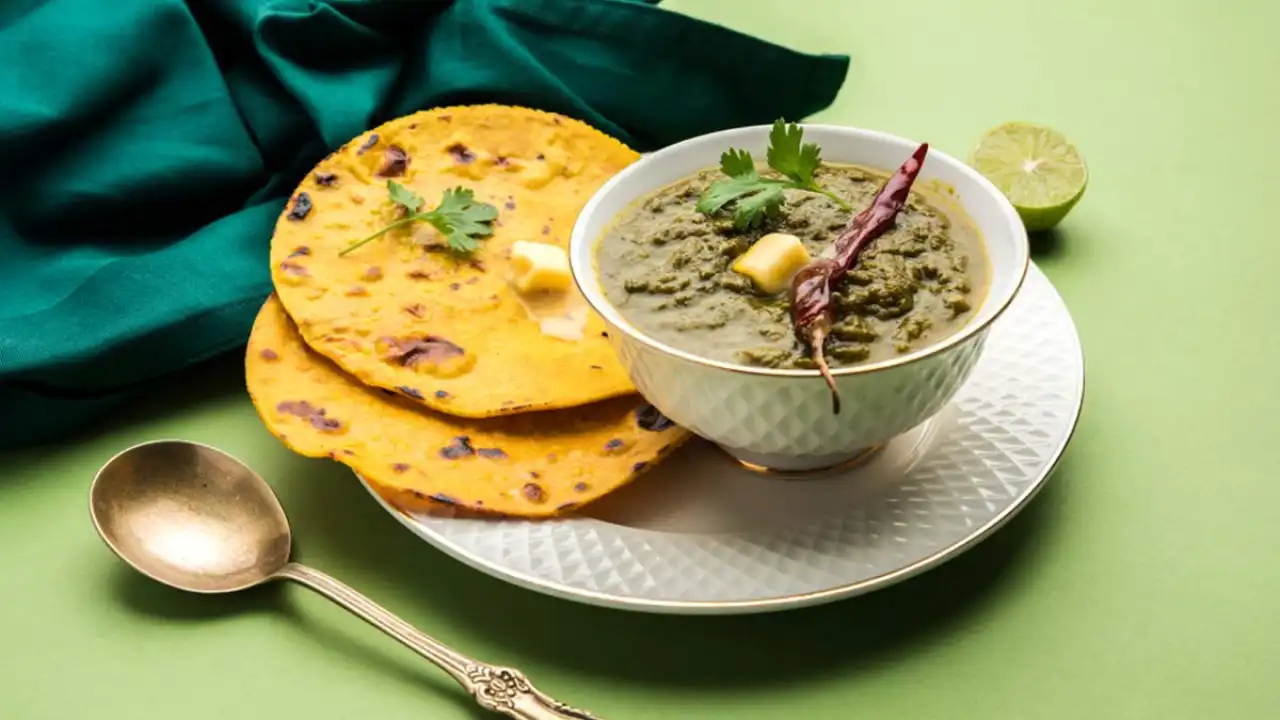
Punjab breakfasts don’t pretend to be light. Especially in winter. Makki di roti with sarson da saag is filling, heavy, and meant to be eaten slowly. You don’t grab this and leave. The roti is thick and slightly rough, made from maize flour. There’s usually butter involved. A lot of it. The saag takes time and patience. It’s earthy, not fancy, and very comforting.
Pro tip:
Early morning or not, don’t overeat. This stuff stays with you.
Gujarat – Thepla with Chai
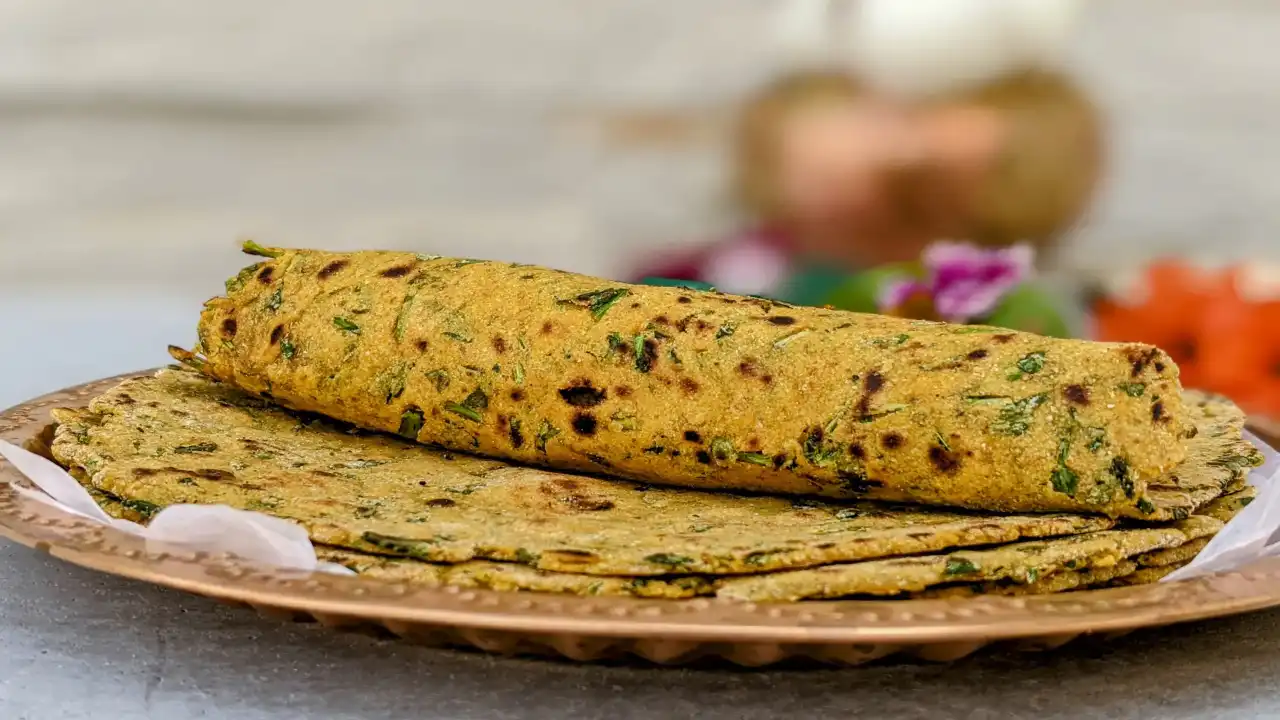
Gujarat does balance well, even in the morning. Thepla is thin, lightly spiced, and extremely practical. People pack it for travel, work, or long days without thinking twice. It works with curd, pickle, or just plain tea. Soft, flexible, and dependable. It doesn’t demand attention, which is probably why people love it. This is one of those Traditional Breakfast Dishes in India that quietly fit into daily life.
Pro tip:
Add a little extra ghee while cooking if you plan to carry it for long hours, as it keeps thepla soft and fresh
Maharashtra – Poha with Peanuts
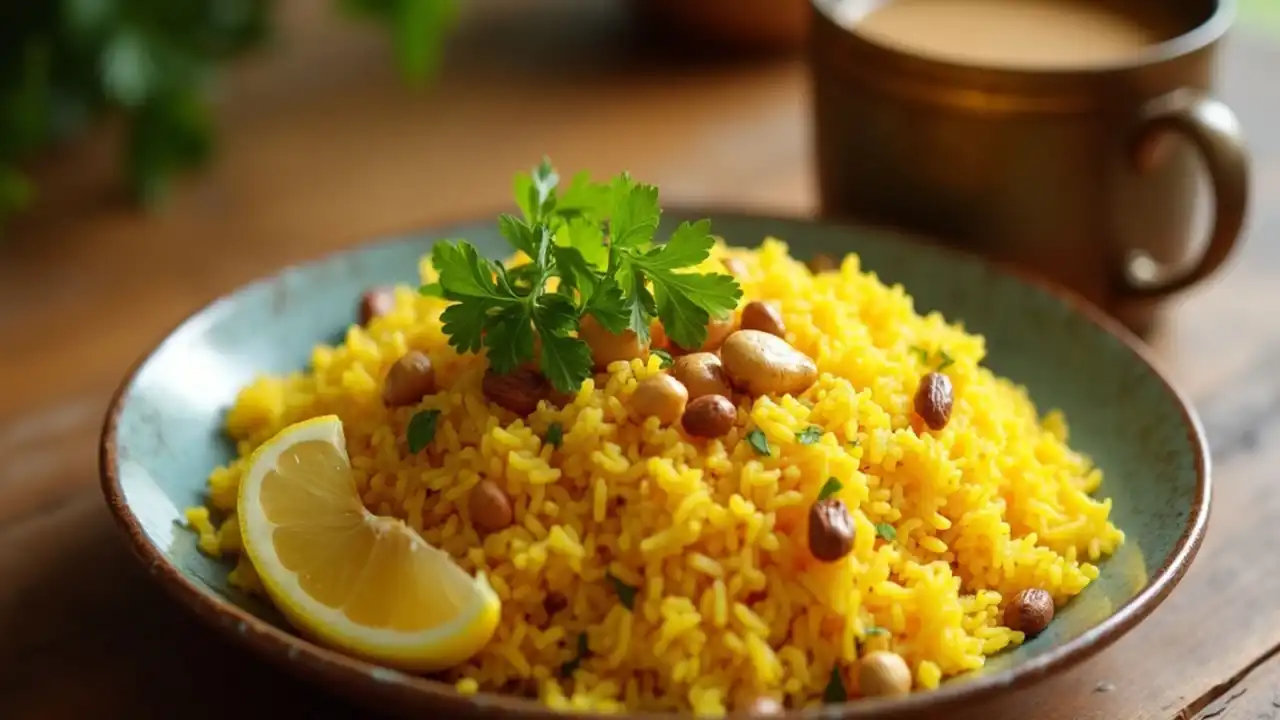
Poha mornings feel calm. Almost efficient. Flattened rice cooked with onions, mustard seeds, turmeric, and peanuts. Lemon at the end. Done. It’s light. It’s comforting. And it doesn’t slow you down. That’s why so many households rely on it during the week.
Pro tip:
Peanuts go in early. Otherwise, it’s not the same.
Rajasthan – Dal Bati
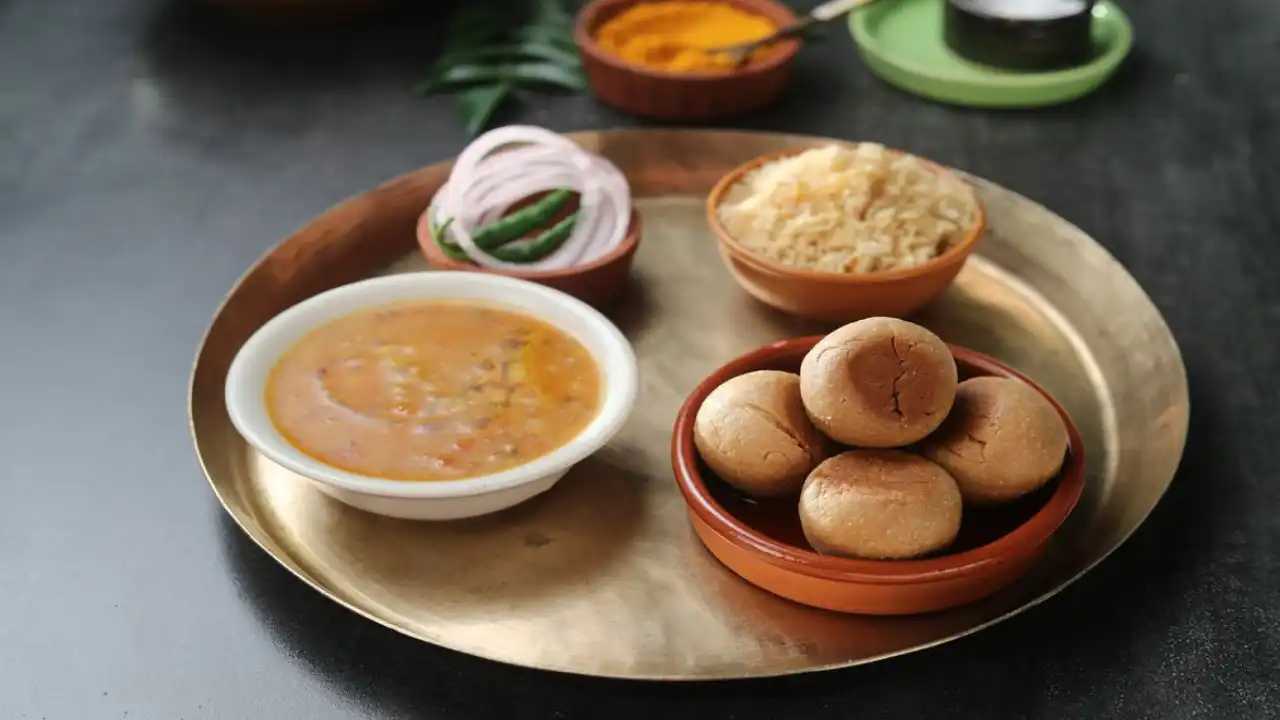
Rajasthan’s food tells you a lot about survival. Dal bati is heavy, rich, and designed to last. While it’s usually eaten later now, smaller portions still show up in rural mornings. Baati is firm, dipped in ghee, and eaten with lentils. It’s not gentle food. It’s steady food.
Pro tip:
Keep the portion small in the morning and eat it with plenty of dal to balance the heaviness of baati.
Uttar Pradesh – Bedmi Puri with Aloo Sabzi
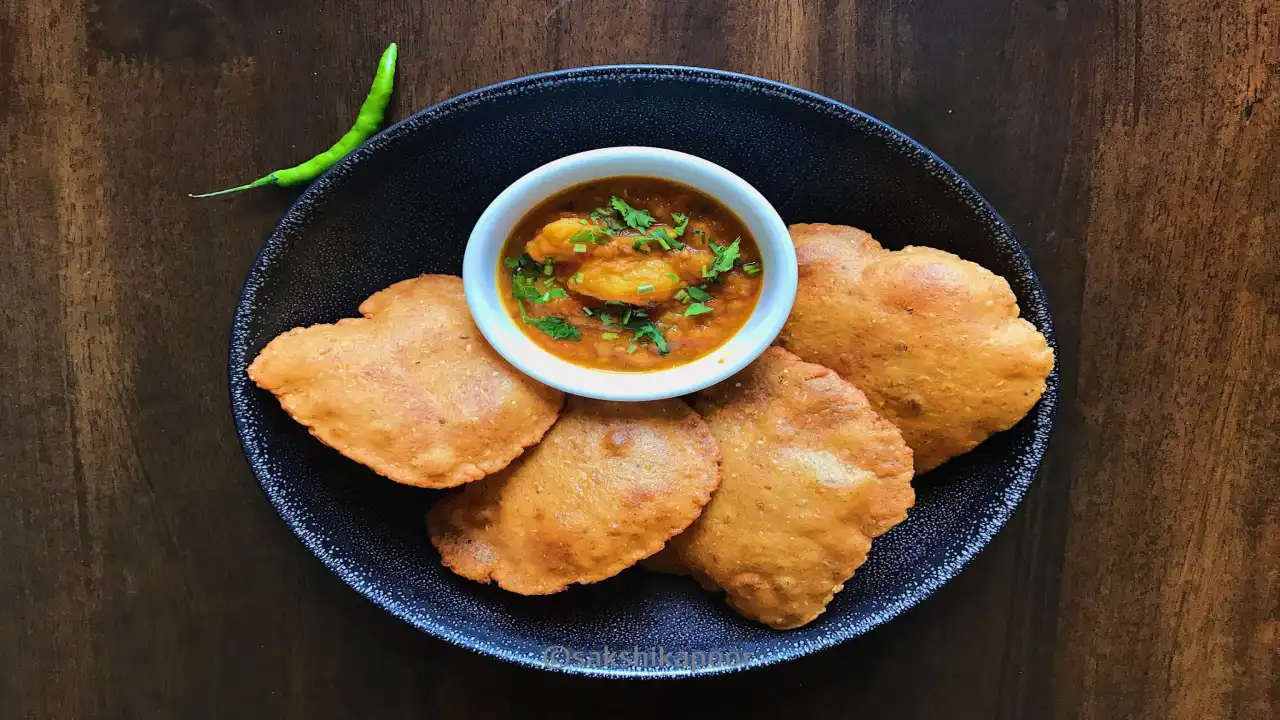
Breakfast in UP often feels louder. Even on normal days. Bedmi puri is fried and spiced, served with a thin potato curry that looks simple but isn’t. In places like Mathura and Agra, stalls open early. Really early. People eat standing up, pay quickly, and leave.
Pro tip:
Eat it hot. Waiting ruins it.
West Bengal – Luchi and Aloo Dum
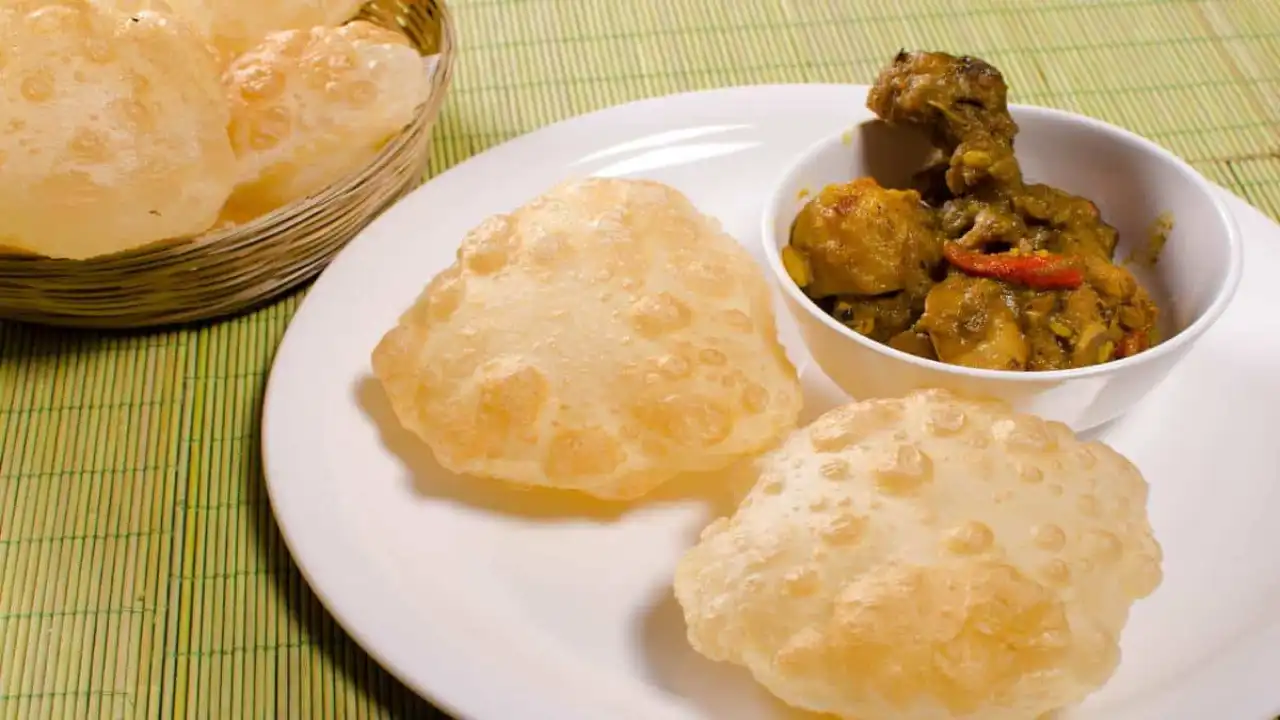
West Bengal keeps mornings calm. Luchi is lighter than puri, and the aloo dum is mildly spiced. Nothing too oily. Nothing aggressive. It’s comfort food, meant to ease you into the day.
Pro tip:
Best enjoyed fresh and warm, once it cools, the softness of luchi fades quickly.
Bihar – Sattu Paratha
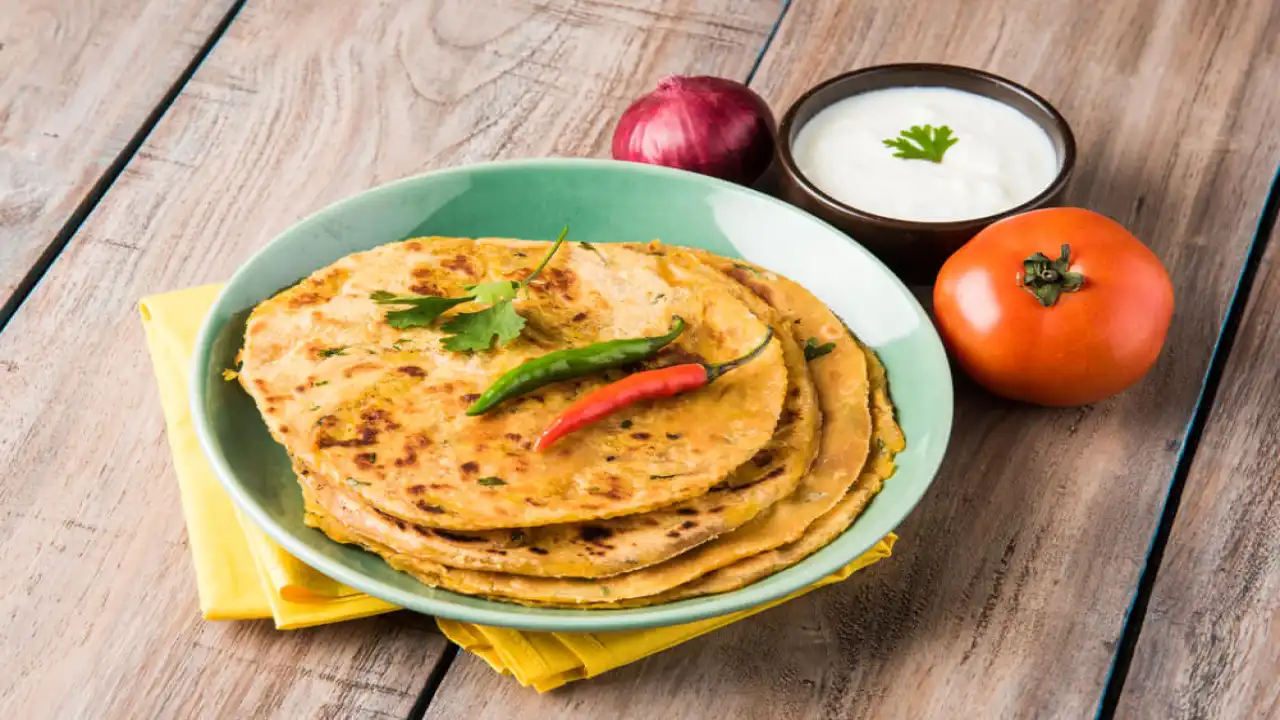
Bihar breakfasts are practical. Sattu paratha, stuffed with roasted gram flour, keeps you full for hours. Usually eaten with curd or chutney. No extras.
Pro tip:
Drink a glass of water or chaas with it to avoid feeling too full early in the day.
Assam – Jolpan
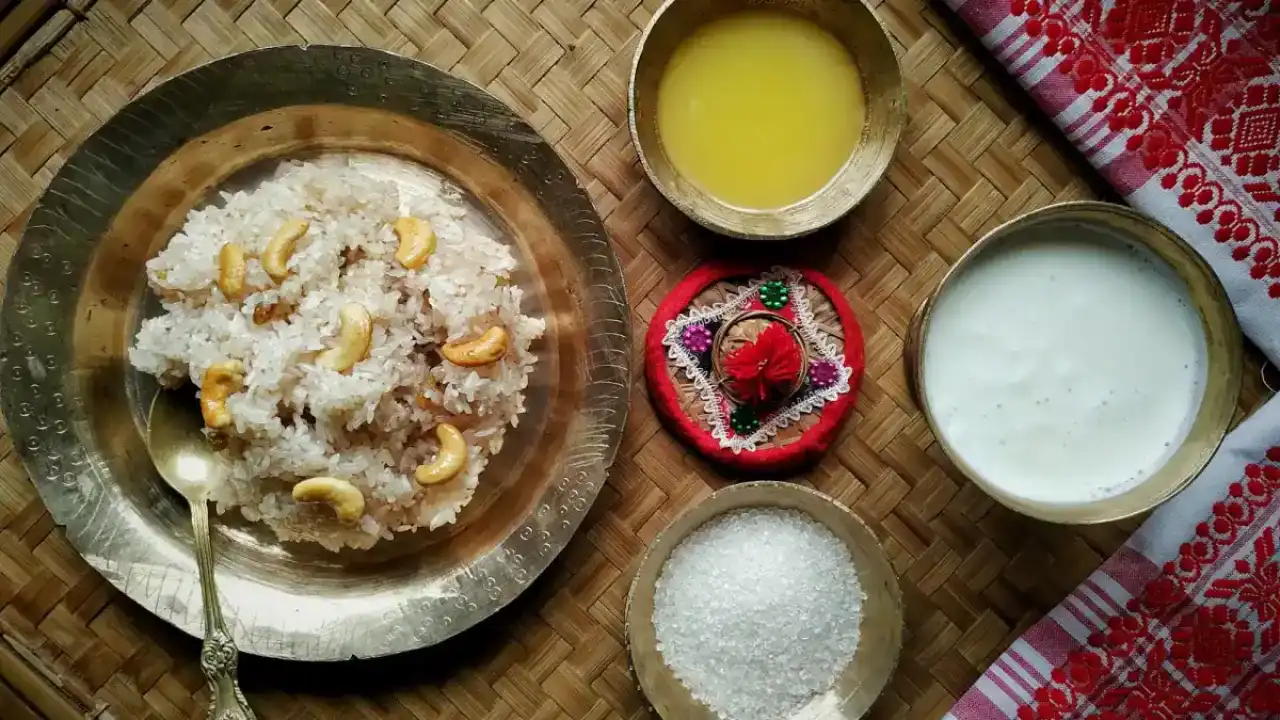
Assamese mornings feel quiet. Jolpan includes flattened rice, curd, jaggery, and sometimes fruit. There’s no rush here. No heavy oil. It’s food that lets the day start slowly.
Pro tip: Eat it fresh; once soaked too long, the texture turns mushy.
Tamil Nadu – Idli, Dosa & Sambar
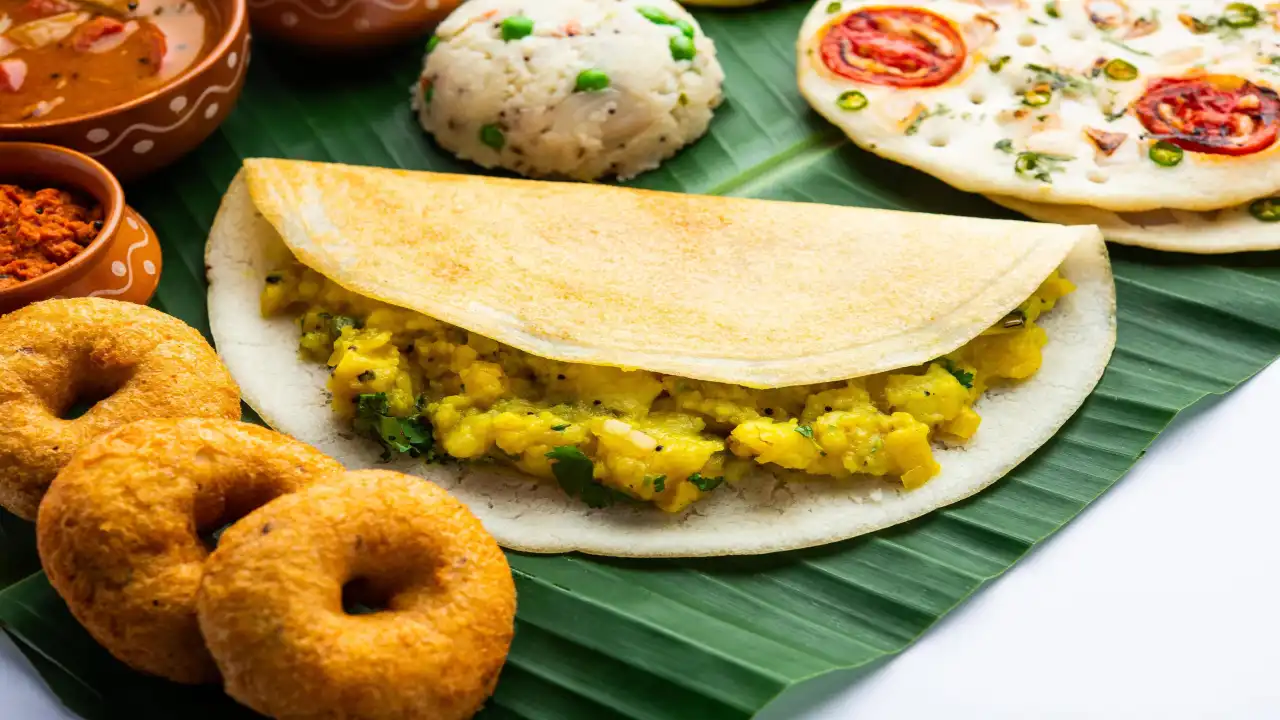
Tamil Nadu runs on routine. Idli is soft, dosa is crisp, and sambar ties everything together. People eat this almost daily without questioning it. It’s light, filling, and easy on the stomach.
Pro tip
Keep chutney portions balanced so the flavors don’t overpower the mild idlis and dosas.
Kerala – Puttu and Kadala Curry
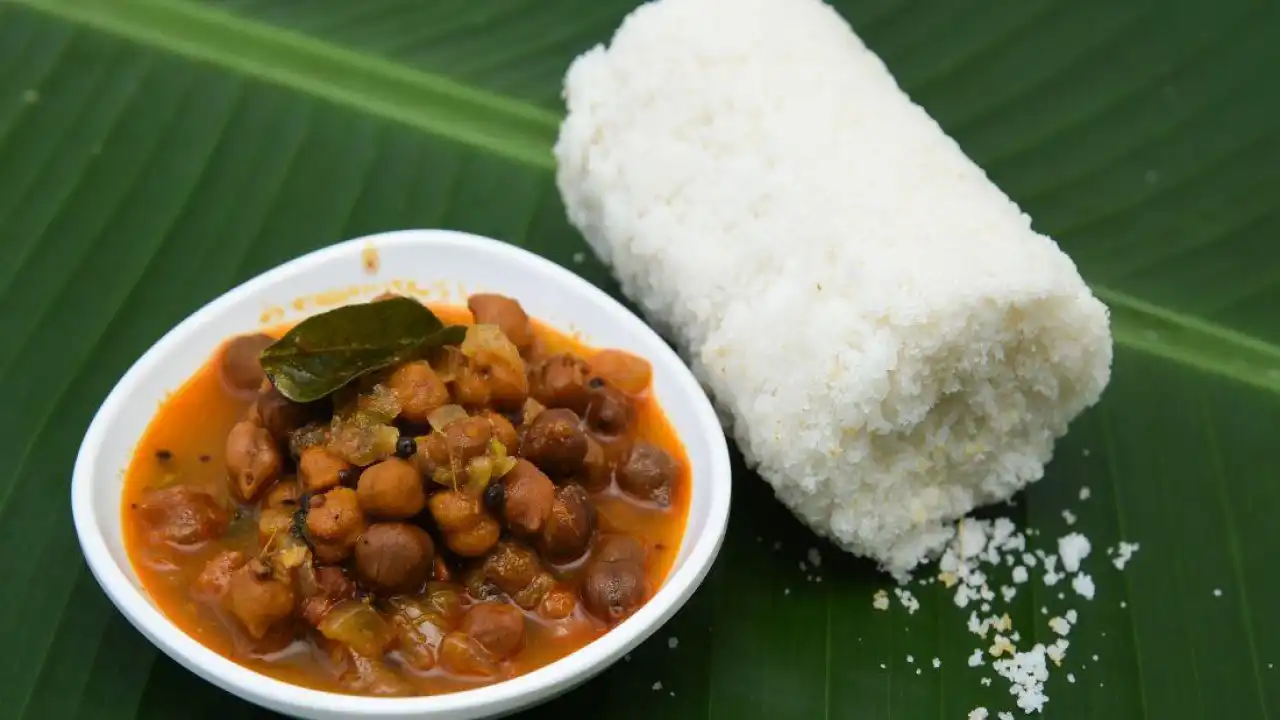
Kerala mornings have that damp, steamy smell of coconut, rice, and something quietly bubbling away. Puttu comes out soft and crumbly, almost falling apart, while the kadala curry brings depth and warmth. This isn’t fast food. You notice that more when you’re staying in small homestays during a Kerala tour package. Nobody’s rushing you. Nobody’s checking the clock.
Pro tip:
Eat it warm, straight off the stove, reheated puttu just isn’t the same.
Karnataka – Rava Idli and Filter Coffee
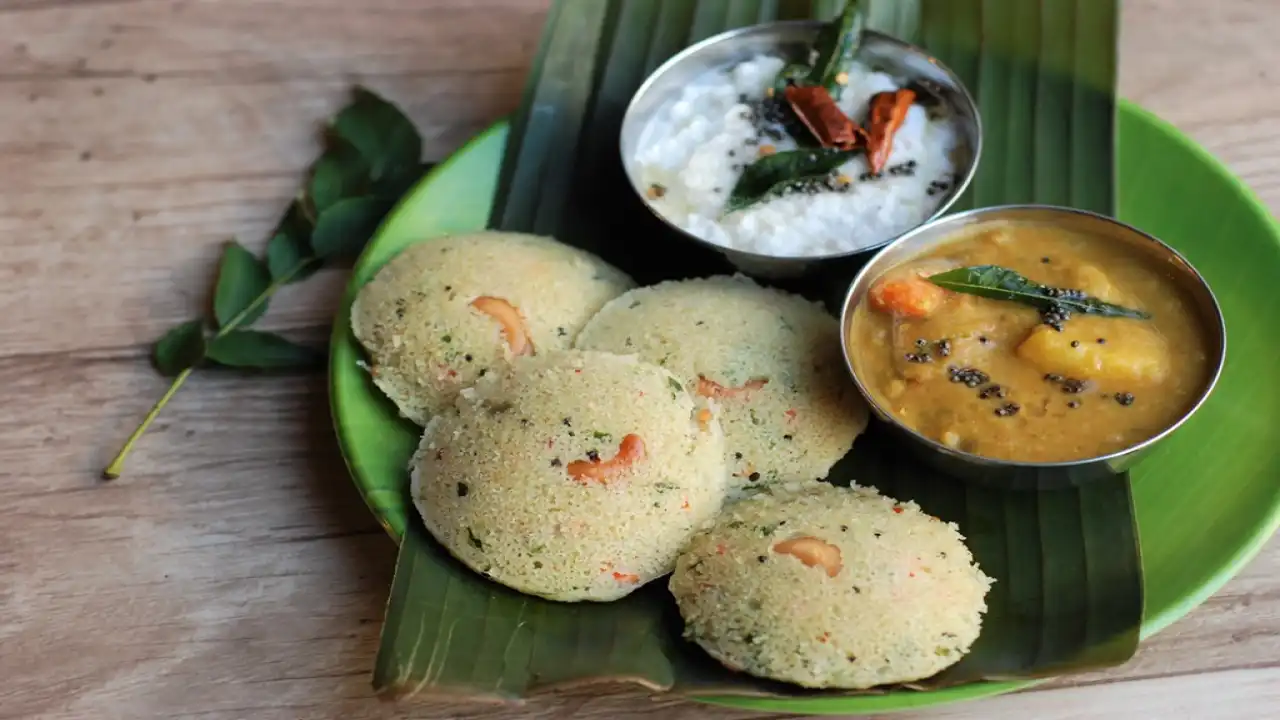
Karnataka mornings feel neat, almost planned. Rava idli is slightly grainy, filling enough, and usually comes with coconut chutney that’s been made without much problem. Then there’s the filter coffee. Strong. Familiar. That’s when the day actually starts.
Pro tip:
Go easy on heavy chutneys; rava idlis already do most of the work.
Andhra Pradesh – Pesarattu
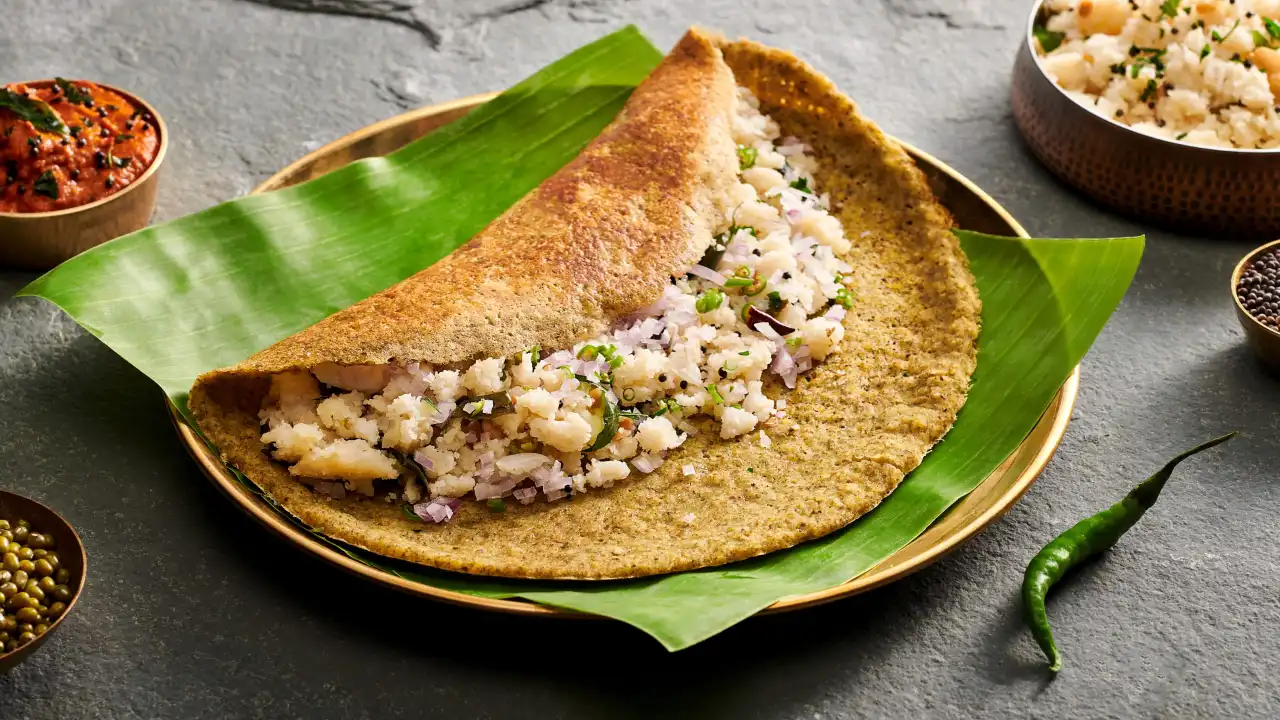
Pesarattu feels like a serious breakfast. Made from green gram, full of flavor, usually paired with sharp ginger chutney that wakes you up instantly. It’s great on days when you need energy but don’t want to feel weighed down.
Pro tip:
Eat it hot. Once it cools, it turns stubborn and chewy.
Telangana – Idli with Spicy Chutney
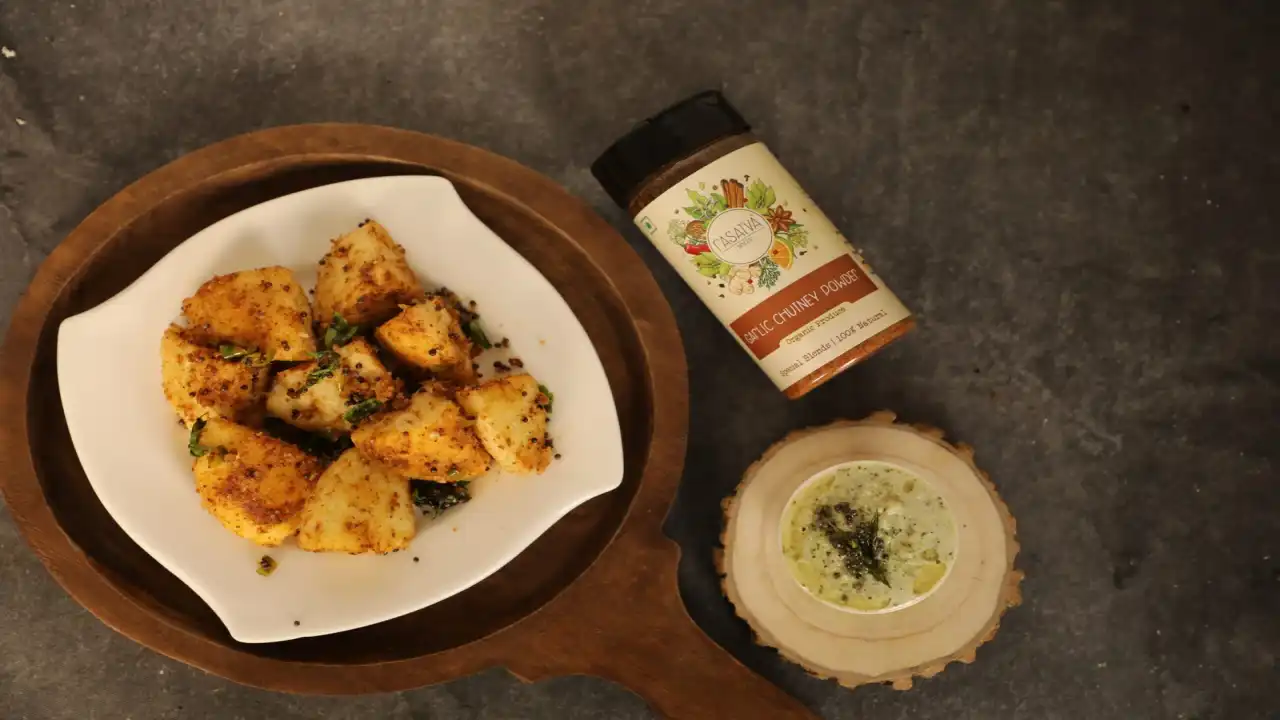
Telangana doesn’t believe in mild mornings. Even breakfast chutneys come in hot and bold. Same soft idlis you’ve seen elsewhere, but the chutney changes everything. One bite and you know where you are.
Pro tip:
Take a plain bite of idli first, then add chutney. It helps.
Odisha – Chuda Mix
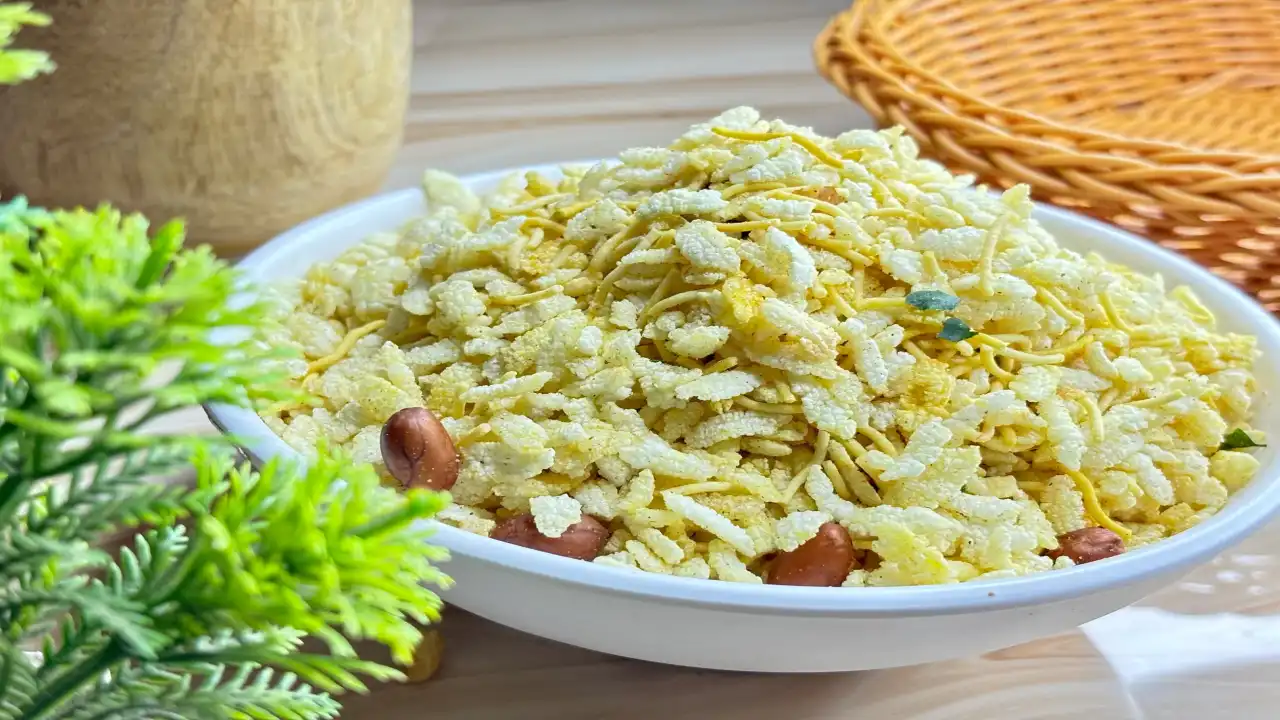
Chuda mix is everyday food. Flattened rice, peanuts, onions, and a few mild spices. Nothing fancy. People eat it quickly, sometimes without even sitting down properly. It just fits into the day.
Pro tip:
Keep it dry. Once moisture sneaks in, the crunch is gone.
Why Breakfast Tells You More Than Any Guidebook
Breakfast isn’t made for visitors. That’s why it’s honest. People eat what they’ve always eaten. What fits their day? When you travel using Domestic Packages, these are the meals you remember. Not restaurant food. The quiet ones.
Conclusion
Indian breakfasts don’t chase trends. They exist because they make sense. Different states. Different ingredients. Same intention. Start the day properly. And if you really want to understand India, don’t rush past breakfast. Sit with it. That’s where the real story is.