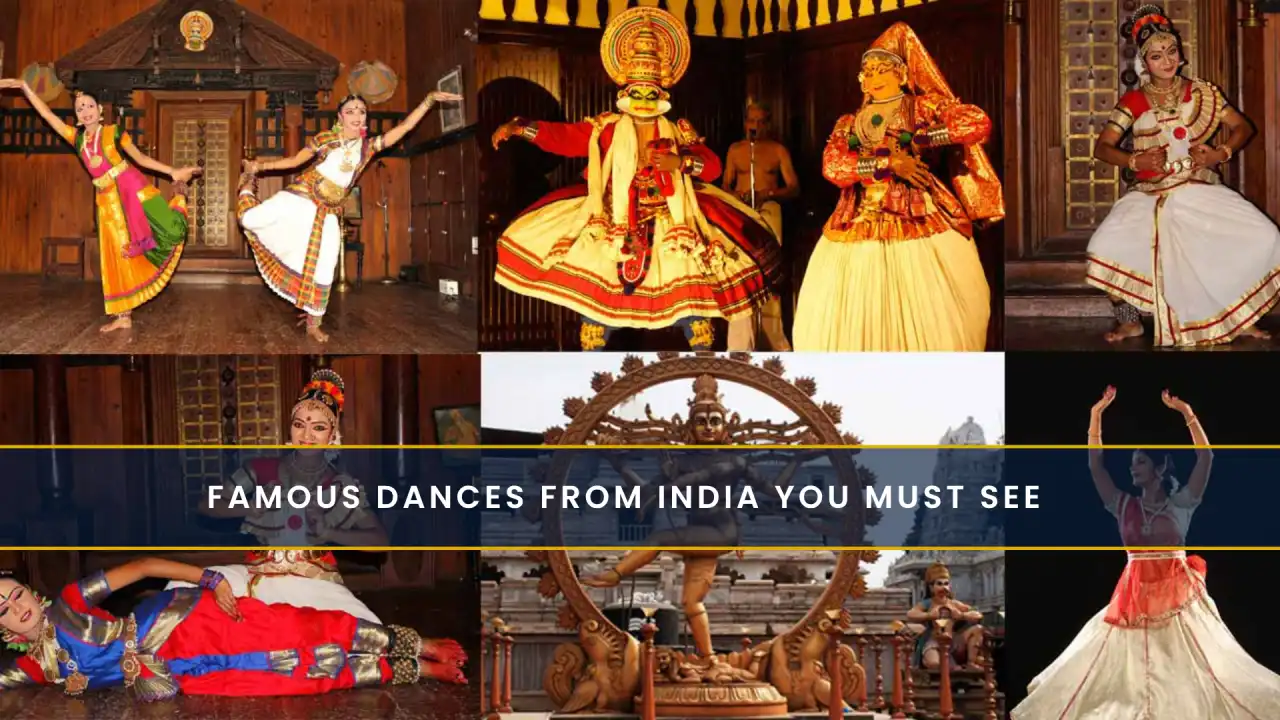
Famous Dances from India You Must See
Introduction
India isn’t the kind of place you just read about and move on. It sticks. You hear it in random street music, see it in bright clothes, and honestly, you feel it most when people start dancing. It’s everywhere: small temple spaces, wedding halls, big stages, sometimes even just open grounds with no setup at all. And the strange thing is, even if you don’t understand what’s going on, you still get pulled in.
Because it’s not just dancing for the sake of it. There’s always something behind it: a story, a mood, sometimes even a memory. That’s why getting into the Famous dances of India doesn’t feel like studying culture. It feels more like traveling without packing anything. Every dance has its own vibe. Some are intense, some calm, some just pure chaos (in a good way). And somehow, they all make sense when you watch them long enough.
Why Dance Matters So Much in India
Before talking about the dances themselves, this part matters more than people think. Otherwise, everything just looks like performance and it’s not. In India, dance is just part of life. It shows up everywhere. Festivals, weddings, religious events, even small family gatherings where someone suddenly says “play music,” and that’s it. No planning. And it’s not always neat or perfect. Sometimes it’s messy, slightly off-beat, and people laughing in between. But that’s kind of the point.
Most of these dances didn’t start on stages anyway. They came from temples, villages, and everyday life. People danced after harvests, during celebrations, or just out of devotion. Over time, yes, some forms became more structured and polished. But the original feeling? Still there. Also, one thing you notice quickly is that every region does things its own way. Travel a bit, and suddenly everything changes. Music, clothes, and even the way people move their hands or express emotions. It never feels repetitive.
1. Bharatanatyam – Grace with Discipline
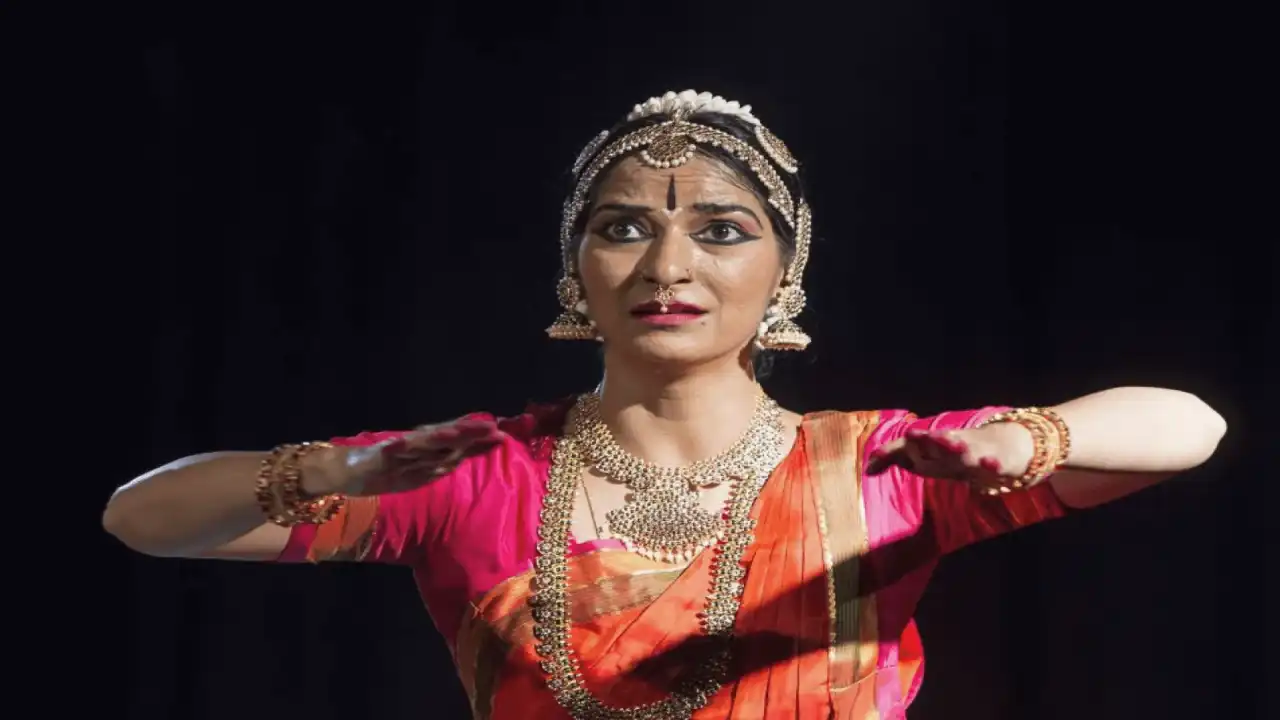
If you’ve seen a dancer with sharp expressions, bent knees, and movements that look extremely controlled, that’s probably Bharatanatyam. It comes from Tamil Nadu, and it’s one of the oldest forms. But honestly, what hits you first isn’t the history, it’s the precision.
Everything feels intentional. Even the eyes. Especially the eyes. The stories are usually from mythology, Shiva, Krishna, things like that. But you don’t really need to understand every detail. There’s this balance happening, strong but still graceful. It’s hard to explain properly; you just notice it after watching for a bit.
Pro Tip:
- Watching it live changes everything. On screen, it can feel technical. In person, it feels heavier somehow. More real.
2. Kathak – Stories Told Through Spins
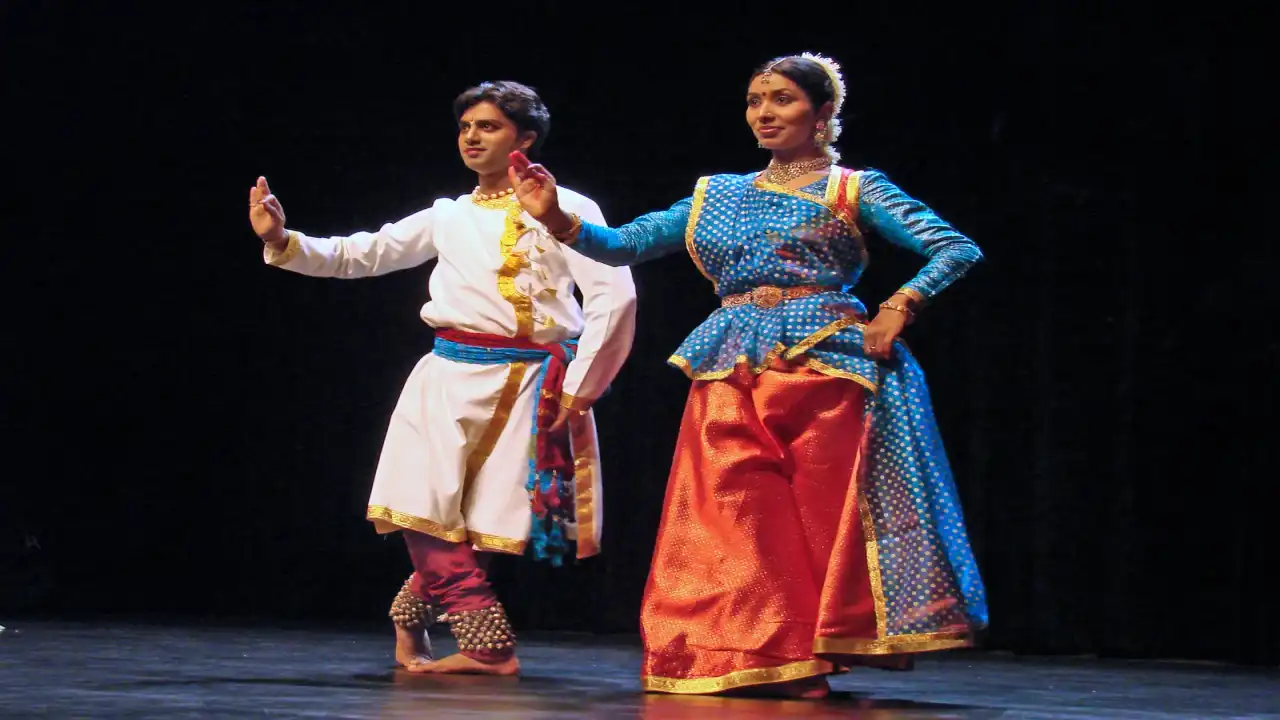
Kathak feels faster. More alive, maybe. It started with storytellers, actual people, traveling and narrating stories through movement. That part still shows. You can kind of feel the storytelling even if you miss the details. The spins stand out immediately.
They just keep going, and you almost wonder how they don’t lose balance. And then there’s the footwork, very detailed, very rhythmic. The ankle bells add a constant sound that sticks with you even after it ends. There’s also a mix of influences here. You’ll notice Mughal elements blending in, which makes it feel less rigid and more evolved.
Quick Insight:
- If you’re someone who enjoys rhythm more than expressions, this one stays with you.
3. Kathakali – A Full Visual Experience
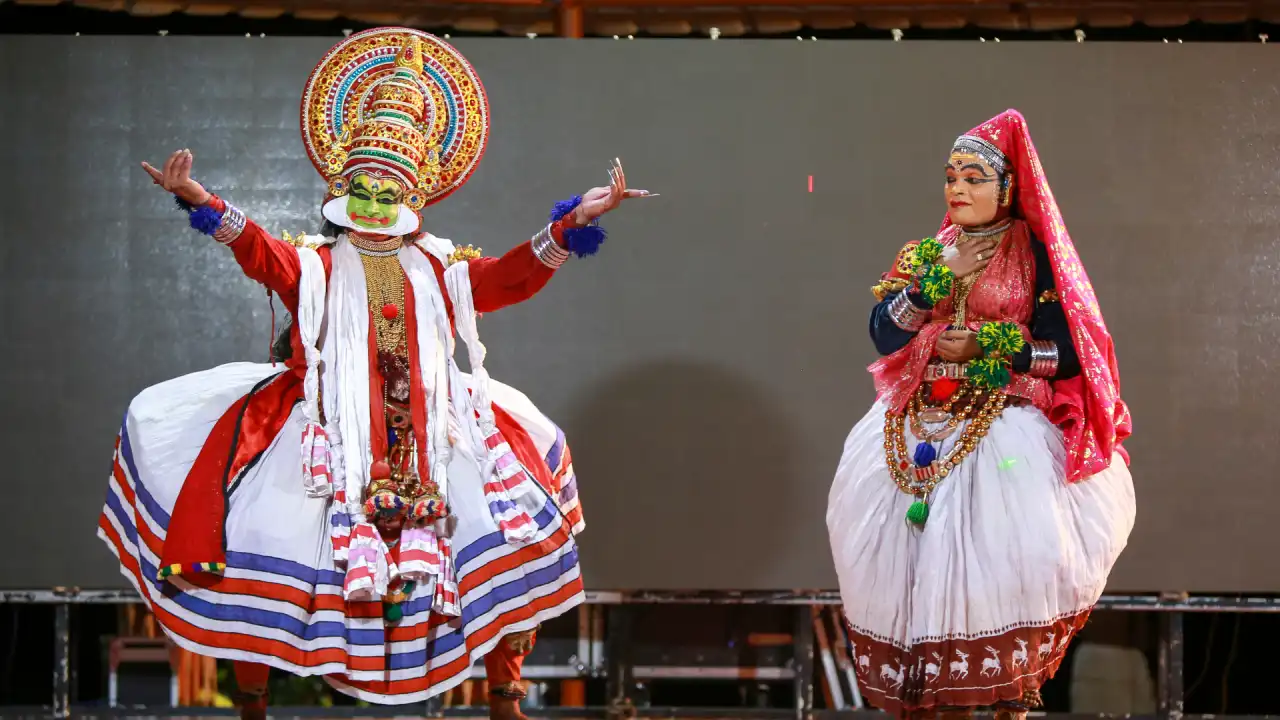
Kathakali is a lot. In a good way. The makeup alone takes hours. Bright green faces, heavy costumes, exaggerated features, it almost doesn’t feel real when you first see it. Like you’ve stepped into something older than what you’re used to.
It comes from Kerala and usually tells stories from epics like the Mahabharata or Ramayana. But here’s the thing: there’s no dialogue. None. Everything is expressions and gestures. At first, you’ll probably feel a bit lost. That’s normal. But then, slowly, you start recognizing emotions. Anger looks intense. Pride looks obvious. It connects, just not immediately.
Pro Tip:
- Knowing even a basic version of the story helps a lot. Otherwise, you’re guessing half the time.
4. Odissi – Soft and Flowing
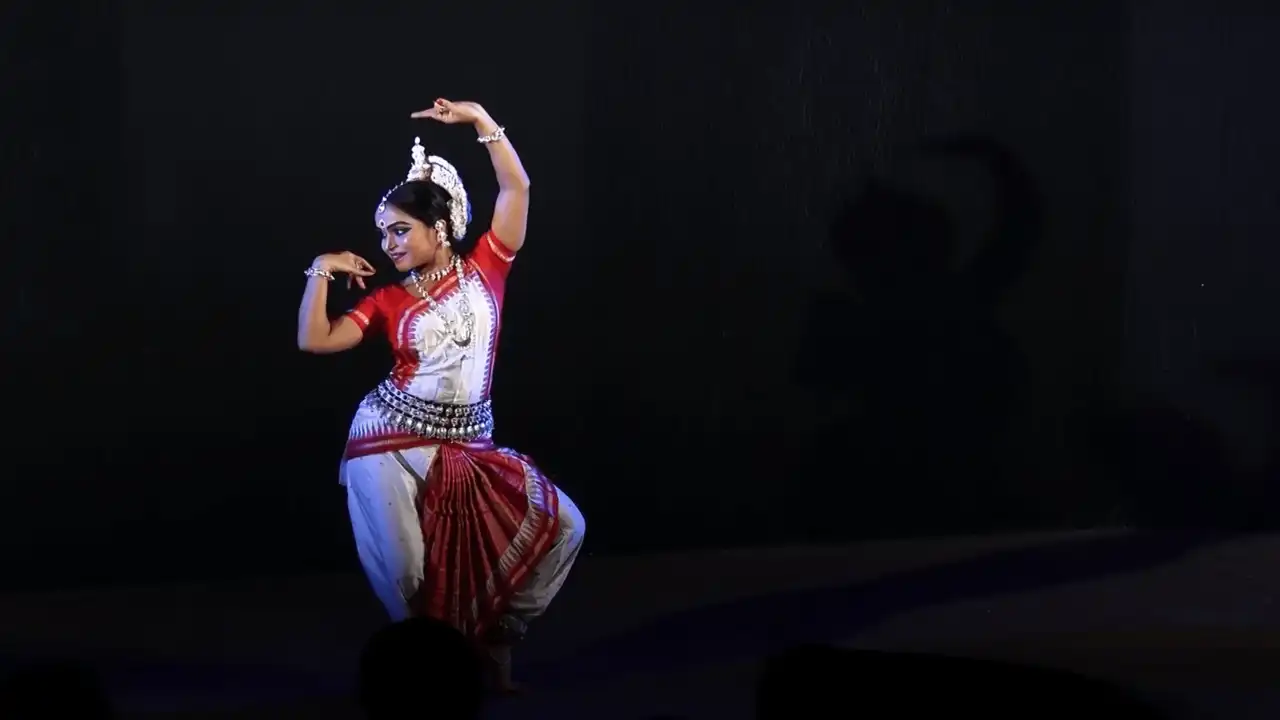
Odissi feels calmer compared to others. The movements are softer, more fluid. There’s this gentle curve in the posture that makes everything look smooth, almost effortless. Though it’s definitely not easy. It comes from Odisha and has strong temple roots. The focus isn’t on dramatic storytelling; it’s more about devotion. Watching it feels quiet. Not boring, just peaceful.
Quick Insight:
- Don’t expect dramatic moments here. Odissi grows on you slowly; the more you watch, the more you notice the small details.
5. Bhangra – Pure Energy
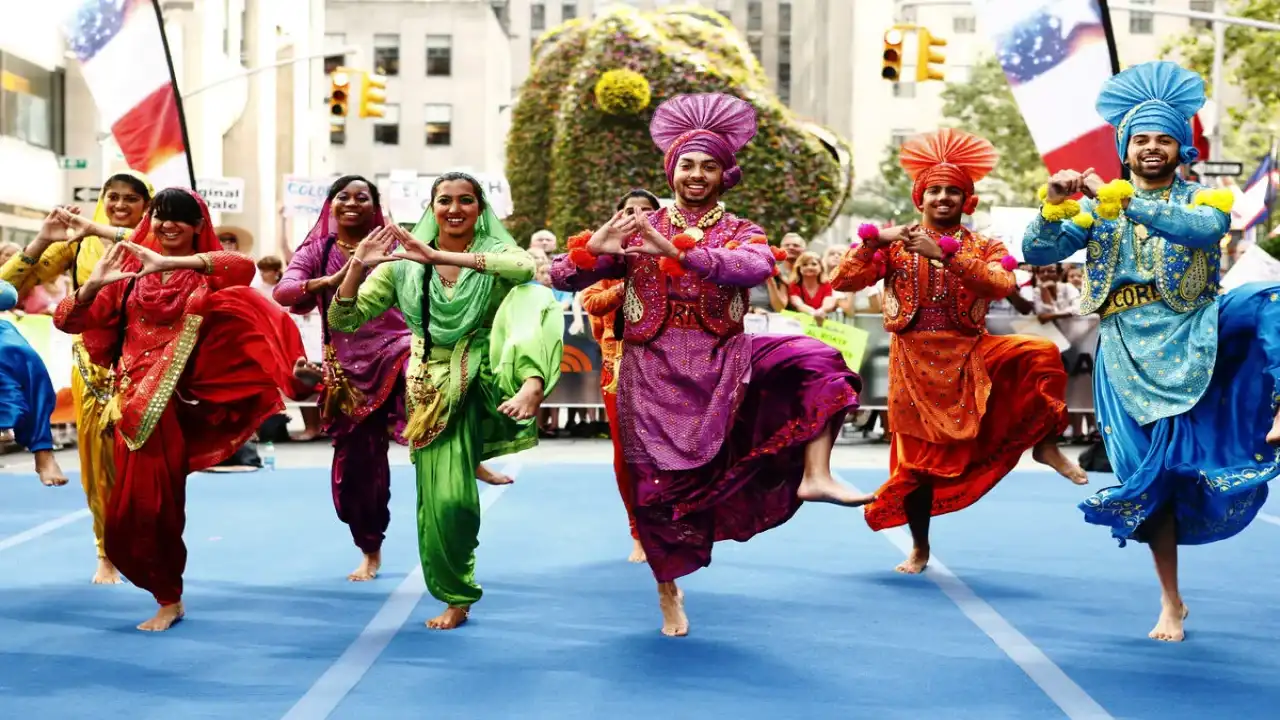
And then suddenly, everything flips with Bhangra. This is loud. Energetic. Impossible to ignore. It comes from Punjab and originally was a harvest dance, but now it’s everywhere at weddings, parties, and even workouts. There’s no overthinking here. Big moves, loud beats, lots of jumping. Even if you don’t know the steps, you end up trying anyway.
Pro Tip:
- At a Punjabi wedding, don’t plan to sit and watch. You won’t be allowed to for long.
6. Garba and Dandiya Raas – Circles, Rhythm, and Fun
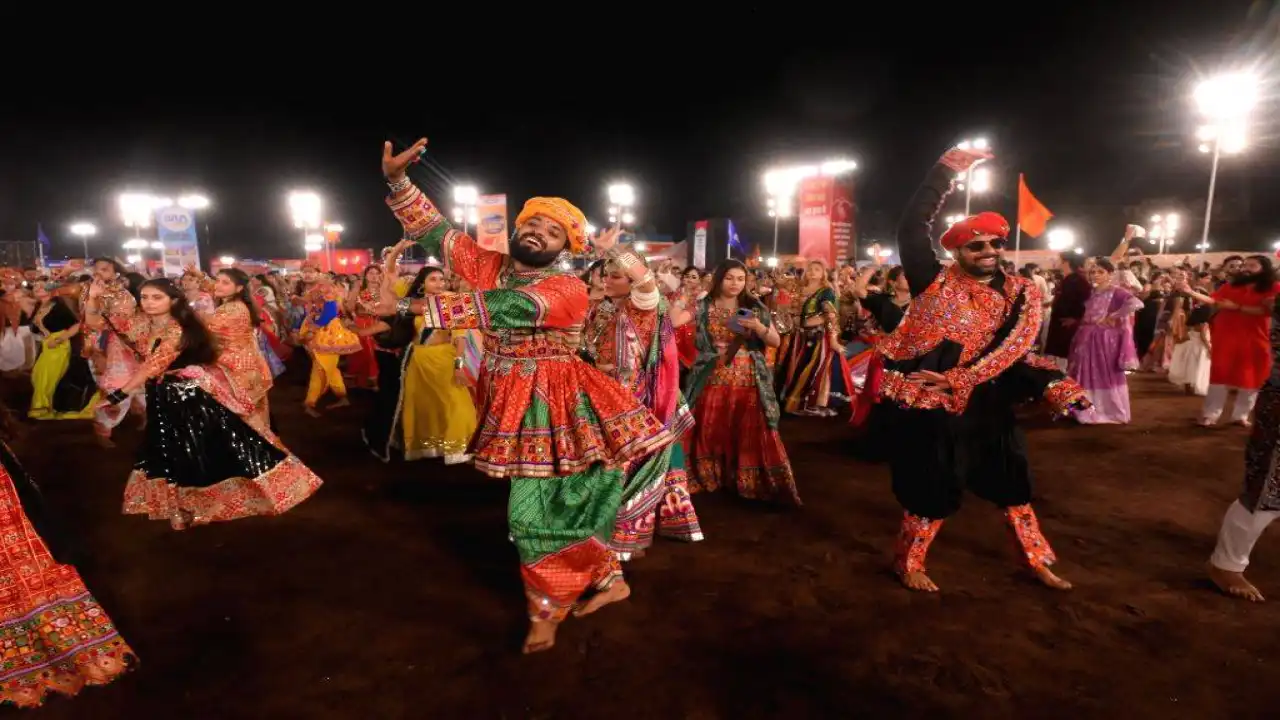
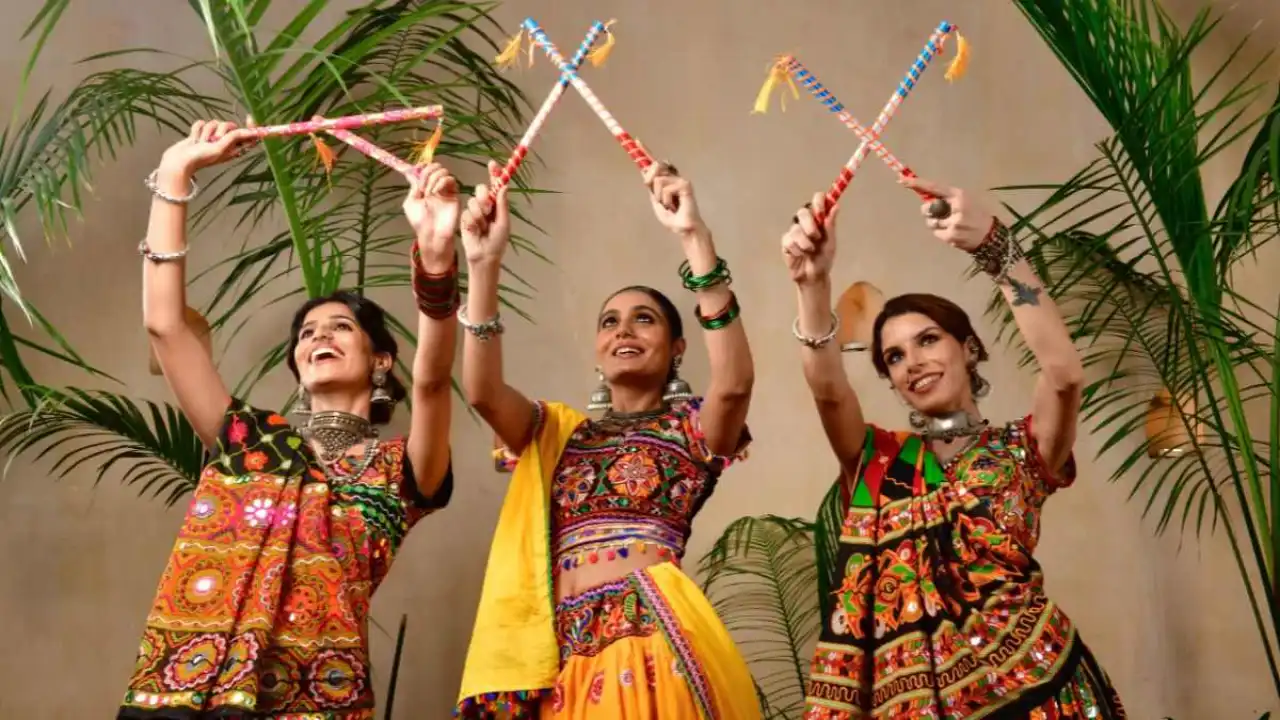
These two usually show up together during Navratri. Garba is more circular, usually around a lamp or central point. After a while, it almost feels meditative, like you’re just moving with the rhythm without thinking. Dandiya is more playful, with sticks, faster beats, and switching partners. It feels more social than performative. Best part? No training needed. You just follow others and figure it out as you go. Messing up is kind of expected.
Pro Tip:
- Start from the outer circle if you’re new. It’s easier to follow others without feeling lost in the crowd.
7. Manipuri Dance – Quiet and Spiritual
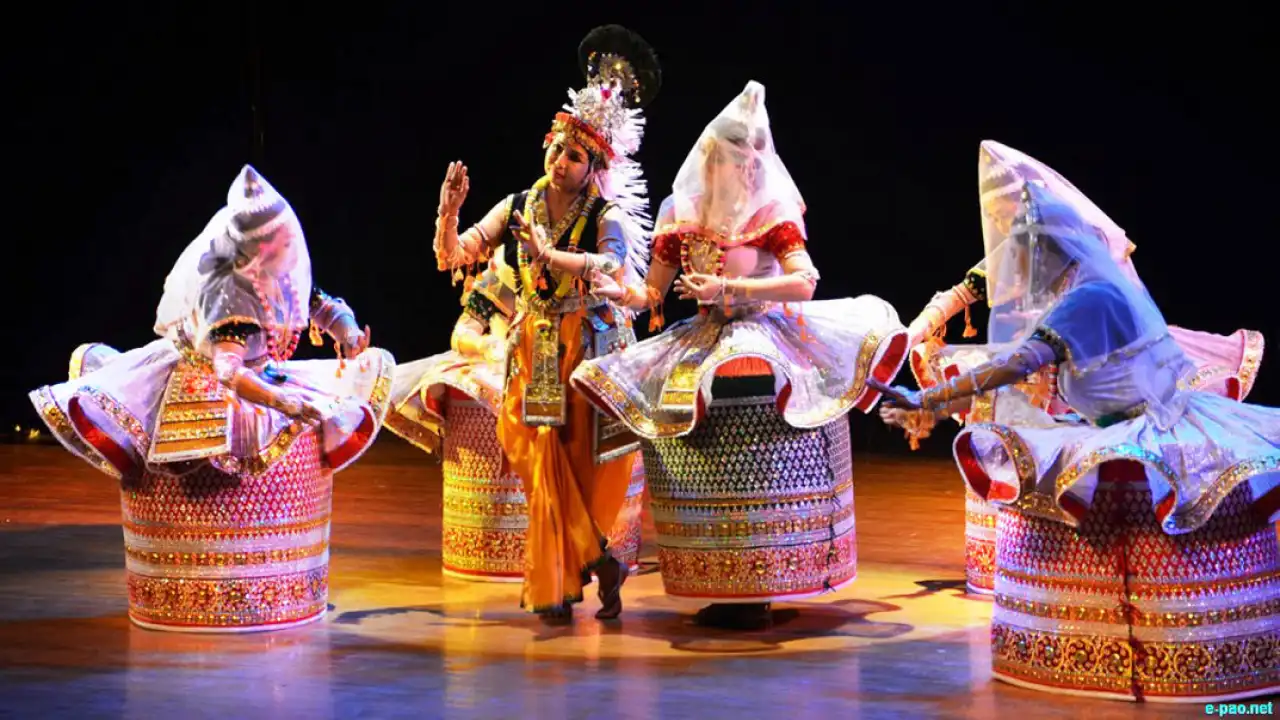
Manipuri is the opposite of loud dances like Bhangra. It’s soft, slow, and very controlled. Comes from Manipur and focuses more on devotion than display. No exaggerated expressions here. Everything is subtle. It often tells stories of Radha and Krishna, but in a very gentle, almost quiet way. It doesn’t try to impress you immediately. It grows on you slowly.
Quick Insight:
- This isn’t the kind of dance that grabs attention instantly. Give it a few minutes; it works more like a slow mood than a performance.
8. Kuchipudi – A Bit of Drama
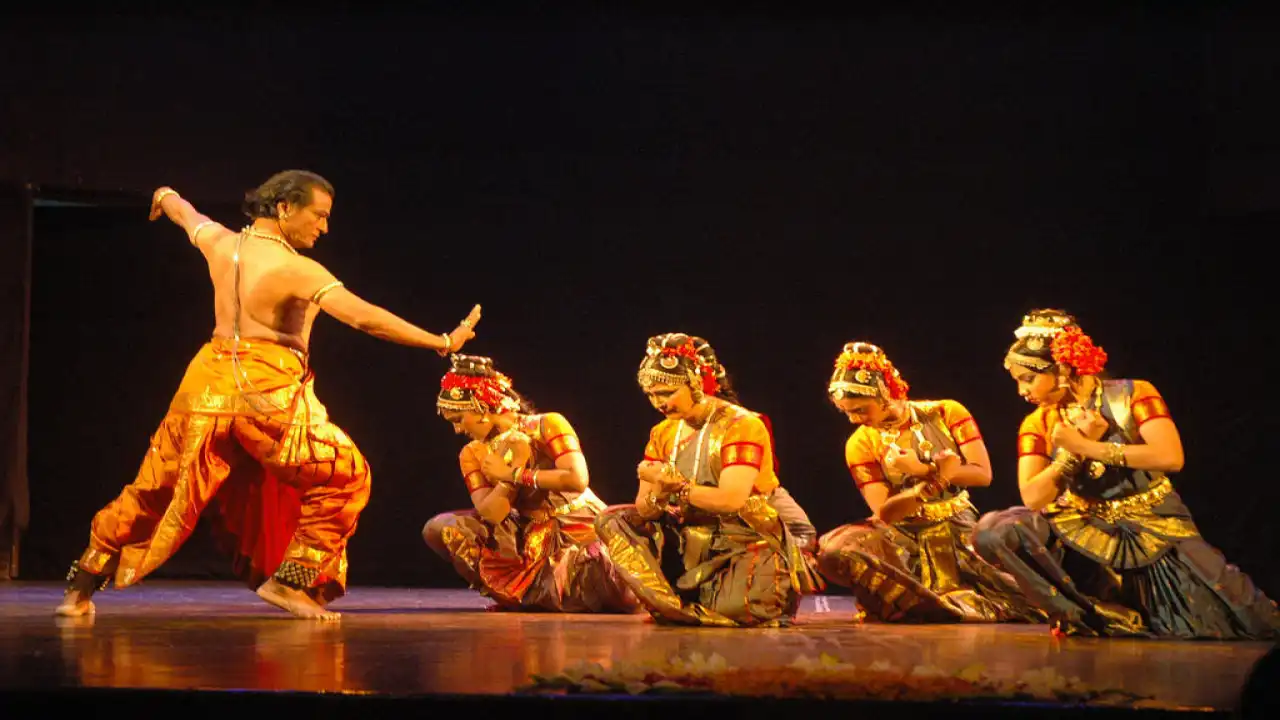
Kuchipudi feels like a dance mixed with theatre. It comes from Andhra Pradesh and includes storytelling, expressions, and sometimes even spoken parts. It’s more dynamic compared to calmer styles. And yes, the brass plate thing is real. Watching someone balance and perform on it is slightly stressful, not going to lie. But also impressive.
Quick Insight:
- Even if you don’t fully understand the gestures, the storytelling keeps you watching.
9. Mohiniyattam – Slow and Graceful
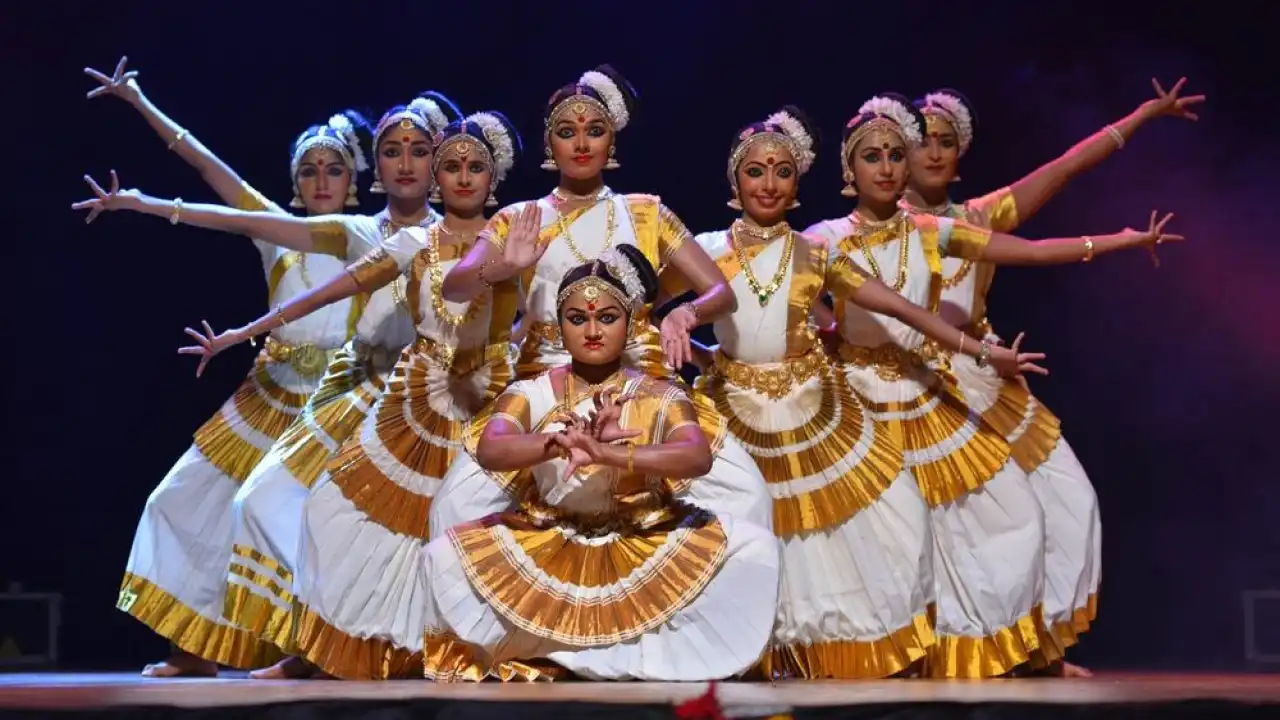
Mohiniyattam is softer. Quieter. The movements are gentle, the expressions simple, nothing too dramatic. It comes from Kerala and focuses more on elegance than intensity. It’s the kind of performance you watch when you want something calm. No rush, no loud moments, just steady movement.
Pro Tip:
- Best enjoyed when you’re relaxed. If you’re tired or distracted, you might miss its subtle beauty completely.
A Mix of Traditions Across India
When you step back and think about all of these together, it starts to make sense why India feels so diverse. Some dances are energetic, some are almost meditative. Some tell detailed stories, others just celebrate the moment without overthinking it.
That’s really what defines the Traditional dances of India; they don’t follow one pattern. They reflect different ways of living. And when you look at both sides, the structured styles and the more free-flowing ones, you see how Indian classical and folk dances somehow exist together without clashing. They just work.
Planning to Experience These Dances in Real Life
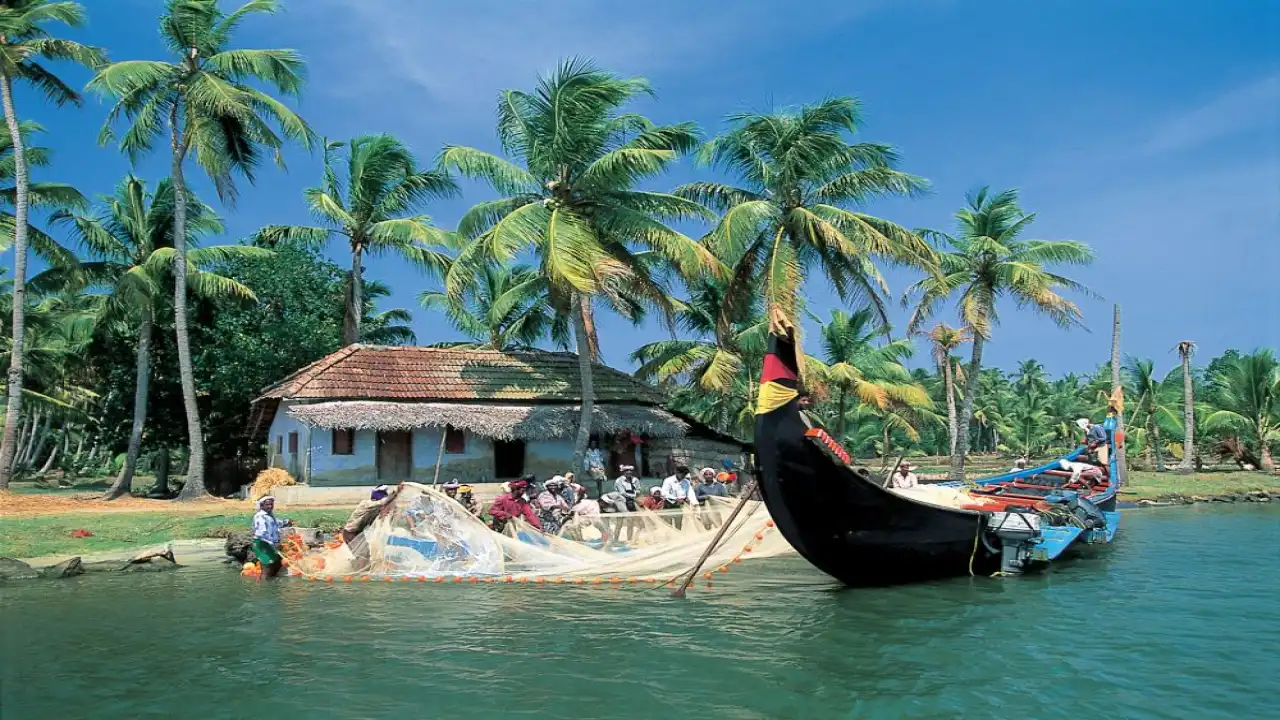
Watching online is fine. Helpful, even. But it’s not the same. Not even close. Live performances feel different. Louder, more immersive. You notice small things, the expressions, the footwork, even the energy of the crowd around you. If you’re planning to travel, try adding cultural shows to your Domestic Packages. Places like Kerala or Tamil Nadu usually have regular performances; you don’t have to search too hard.
Conclusion
At first, it can feel confusing. Too many styles, too many details, things you don’t fully get. That’s normal. But after a while, something changes. You stop trying to understand everything. You just watch. And honestly, that works better. That’s probably the whole point. These dances aren’t asking you to analyze them. They just want you to feel something, even if you can’t explain it properly. And maybe that’s why people remember them. Not because they understood every little detail, but because for a few minutes it felt real.
Pro Tips for Travelers:
- Check festival dates before planning your trip
- Evening shows usually feel more complete
- Smaller local events often feel more authentic
- Keep some cash, as cards don’t always work everywhere