Famous Landmarks in Paris and the Stories Behind Them
Introduction
Some cities feel exciting while you are there and then completely disappear from your memory after a week or two. Paris does not really do that. It sticks around. Random things suddenly remind you of it later. A tiny café somewhere. Rain is hitting old stone roads. Somebody is carrying a baguette for no reason. It sounds dramatic, but the city has that effect. Most people land there expecting romance and movie scenes. Fancy outfits. Croissants. Maybe someone is playing accordion music in the background like every cliché ever made about France. And yeah, some of that is actually real. But honestly, the real personality of Paris comes from the landmarks scattered around the city.
These Famous landmarks in Paris are not just famous because they look nice in pictures. They have stories attached to them. Some inspiring. Some tragic. Some are honestly a bit weird. Walking around Paris feels unpredictable too. One minute you are stuck behind loud tourists buying keychains near the road, the next minute you step into a cathedral so quiet you suddenly become aware of your own footsteps. The city changes mood fast. A lot of people booking a Paris trip package go directly to the famous monuments first. Fair enough honestly. That is usually where Paris starts making sense.
Eiffel Tower: The Iron Lady of Paris
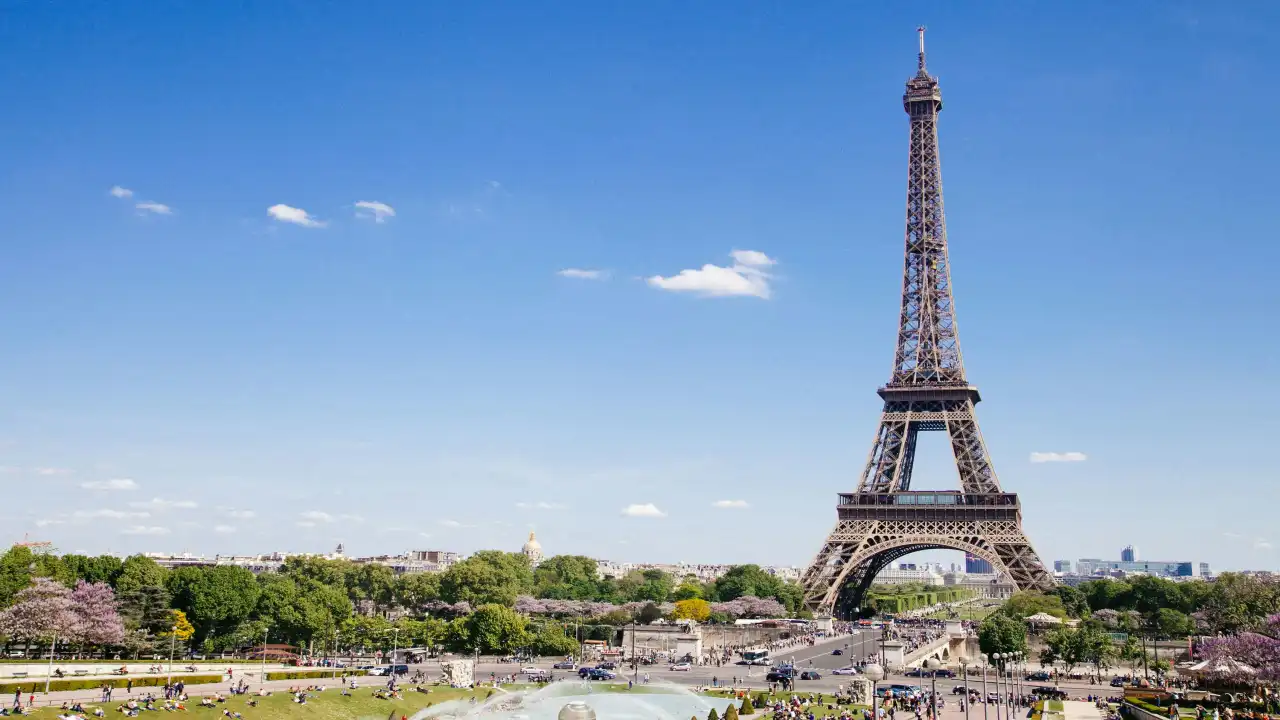
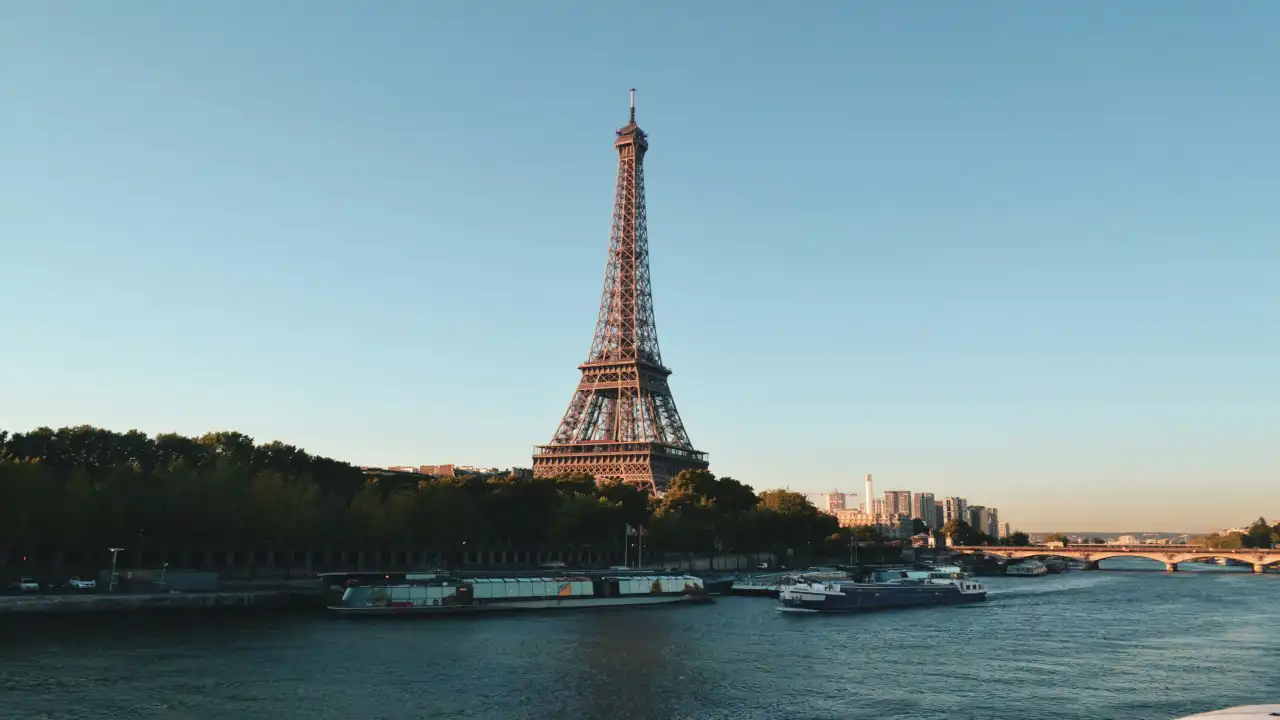
The Eiffel Tower's history feels so connected to Paris now that it is hard to imagine the city without it. But when it was first built, people absolutely hated it. Not exaggerating. Writers complained in newspapers. Artists mocked it. Some called it a giant iron disaster sitting in the middle of the skyline. Now tourists spend half the trip trying to photograph it from every angle possible.
Gustave Eiffel built the tower for the 1889 World’s Fair, and originally it was supposed to be temporary. That part still feels funny somehow. Imagine almost removing one of the most famous structures on Earth because it was only meant to stay for a while. But then radio communication became important, the tower turned useful, and suddenly nobody wanted to tear it down anymore.
What is the story behind the Eiffel Tower?
One story from World War II still gets repeated constantly. During the German occupation, resistance fighters reportedly cut the elevator cables. So soldiers wanting to reach the top had to drag themselves up all those stairs instead.
And the tower changes completely after sunset. During the day, it feels crowded, noisy, and almost chaotic. At night it softens somehow. The lights begin sparkling and even loud tourists suddenly stop talking for a second. You notice people just staring upward quietly with cold air hitting their faces and phones hanging forgotten in their hands.
Pro Tip
- Early mornings are way less stressful.
- Carry a jacket because the wind gets annoying up there.
- Book tickets online unless you enjoy standing in giant queues for fun.
Louvre Museum: From Fortress to Artistic Treasure
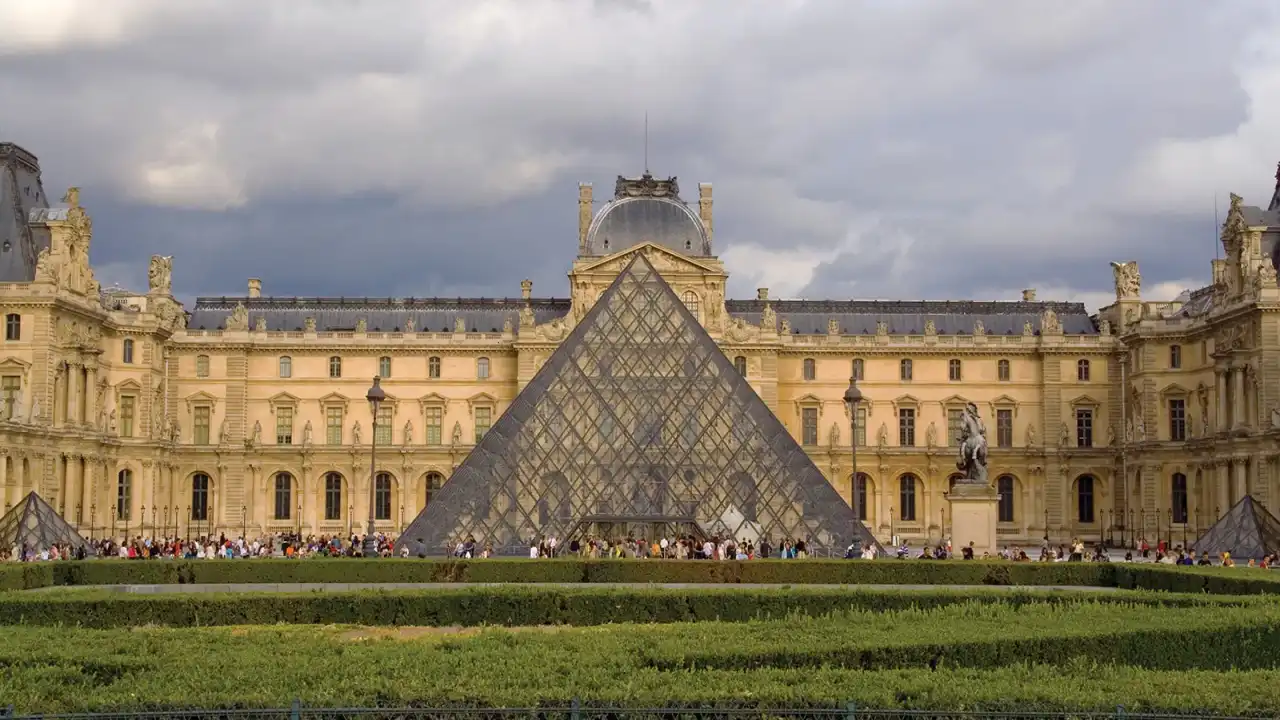
The Louvre Museum is exhausting. There is no elegant way to explain it. Beautiful, yes. Incredible, obviously. But also exhausting. Most people know it because of the Mona Lisa, but the building itself has existed for centuries. Before becoming a museum, it was a fortress. Then a royal palace. Then eventually this giant maze full of paintings, sculptures, tourists, maps, confusion, and sore feet.
Walking through the Louvre feels slightly surreal after a while. One room has giant dramatic paintings stretching across entire walls, another room has ancient statues staring blankly into space with missing arms. Somewhere around hour three your brain stops processing information properly. And yes, the Mona Lisa really is smaller than expected. Almost everybody reacts the same way. “That’s it?”
Pro Tip
- Comfortable shoes are non-negotiable here.
- Do not try to see everything.
- Smaller galleries usually end up being more memorable anyway.
Notre-Dame Cathedral: A Survivor Through Time
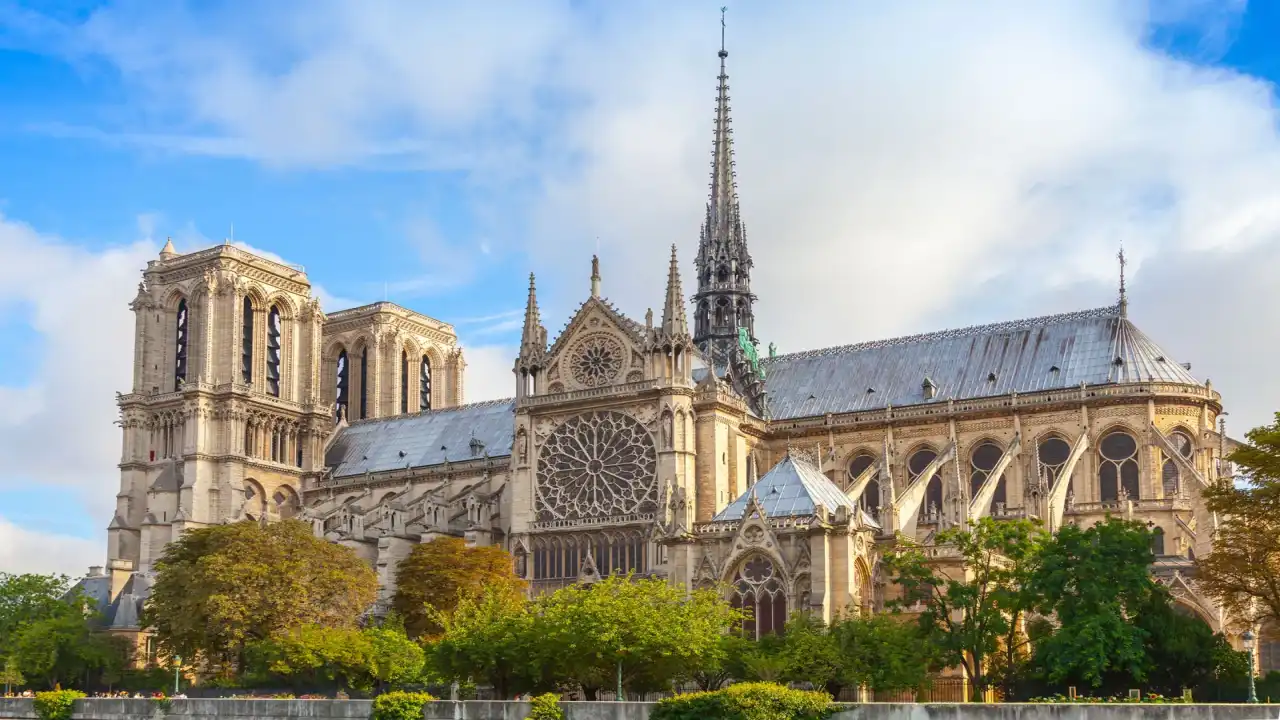
Notre-Dame de Paris has survived revolutions, wars, political chaos, and then the massive fire in 2019. At this point the building honestly feels indestructible. Construction started back in the 12th century, which sounds impossible when you think about it too long. Entire generations came and went while that cathedral remained standing in the middle of Paris. After the fire, people everywhere reacted emotionally. Even people who had never visited France before felt upset watching it burn on television. That was interesting actually.
It showed how connected people felt to this place, something they hadn't fully realized before. Inside, the atmosphere changes immediately. The city noise disappears. Sunlight slips softly through stained-glass windows and falls across old stone floors. Even noisy tourists somehow lower their voices without being told to. It feels heavy in there. Calm too. Hard to explain properly.
Arc de Triomphe: The Monument of Victory
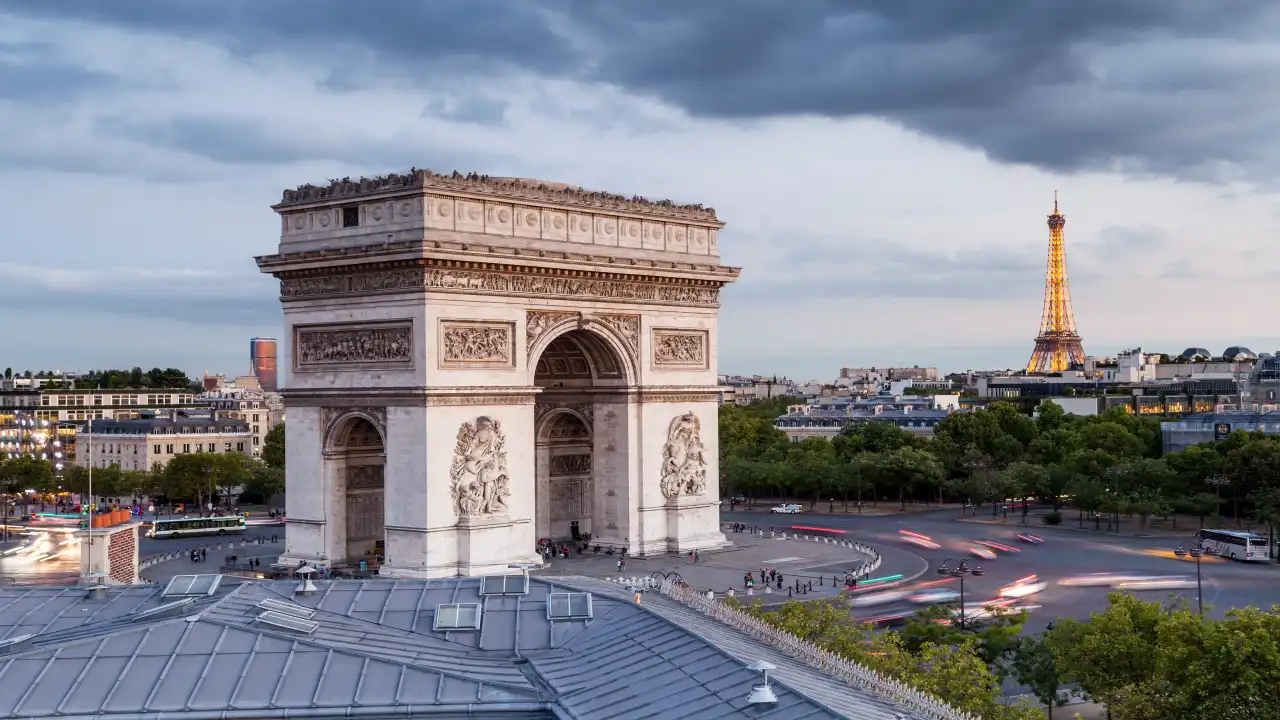
The Arc de Triomphe stands in the middle of traffic that honestly looks terrifying if you are not used to Paris roads. Built under Napoleon Bonaparte, the monument honors soldiers who fought for France. Beneath it sits the Tomb of the Unknown Soldier with an eternal flame still burning quietly underneath all the chaos above. The climb to the top is tiring but worth it. Streets stretch outward perfectly while traffic circles below like complete madness. Somehow Paris manages to look elegant and messy at the same time.
What are the most famous landmarks in Paris?
Most travelers immediately mention the Eiffel Tower, Louvre Museum, Notre-Dame Cathedral, and Arc de Triomphe first. Not only because they look impressive, but because every single one carries stories connected to French history, culture, art, and politics.
Palace of Versailles: A Glimpse Into Royal Luxury
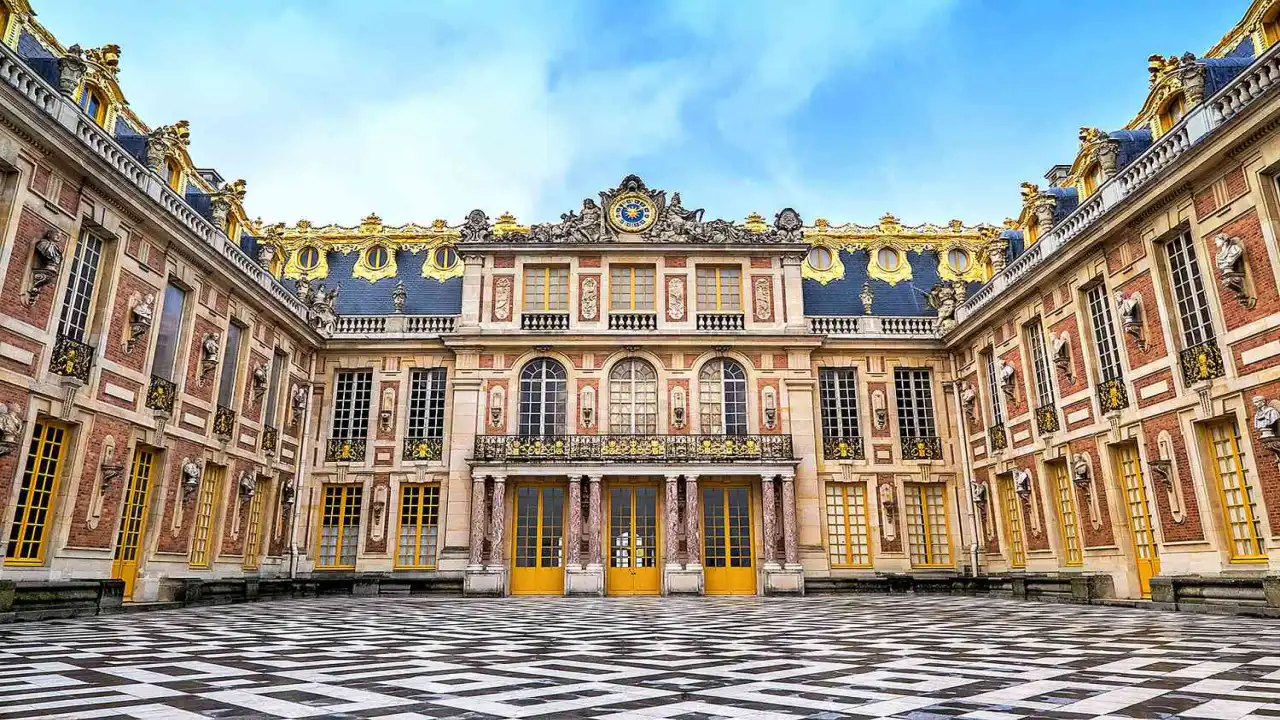
The Palace of Versailles feels excessive in the most dramatic way possible. Gold decorations everywhere. Massive rooms. Endless gardens. Louis XIV clearly was not interested in subtlety. The Hall of Mirrors still shocks people even after years of social media photos. Chandeliers reflect through giant mirrors while sunlight floods across the room. It feels almost unreal for a second, like walking into some over-the-top historical movie set. But the palace also carries a darker feeling underneath all the beauty. While royalty lived surrounded by luxury, ordinary citizens struggled badly outside those walls. Eventually all that frustration exploded into the French Revolution.
Quick Highlights
- Morning visits feel quieter.
- Wear proper shoes for the gardens.
- Slow down instead of rushing through every room.
Sacré-Cœur Basilica: The Hilltop Beauty
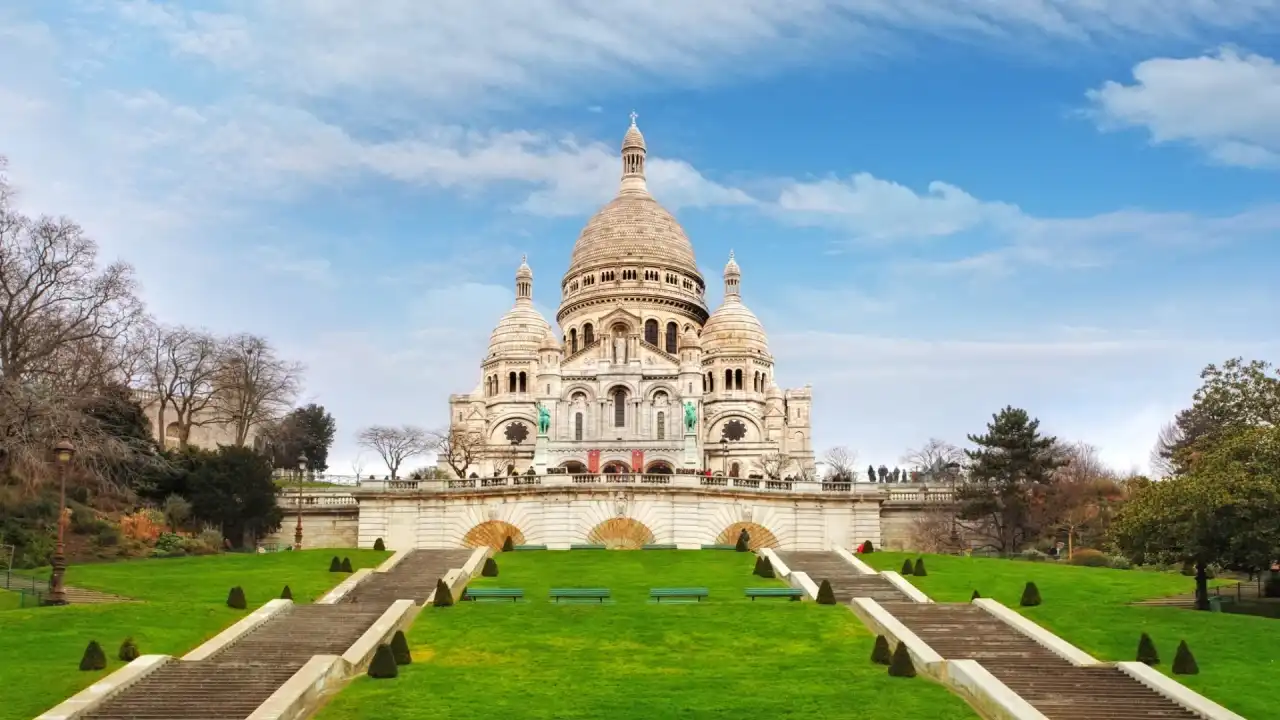
Sacré-Cœur sits high above Paris in Montmartre, and honestly, the climb feels worth it once you reach the top. The neighborhood around it feels different from central Paris. Less polished. More alive maybe. Street musicians play random songs near staircases, artists sketch tourists nearby, cafés spill onto sidewalks, and people just sit around talking for hours. At sunset, the white domes almost glow against the sky. Some people come for architecture. Others stay because the atmosphere feels strangely peaceful despite the crowds.
Sainte-Chapelle: Paris’s Hidden Gem
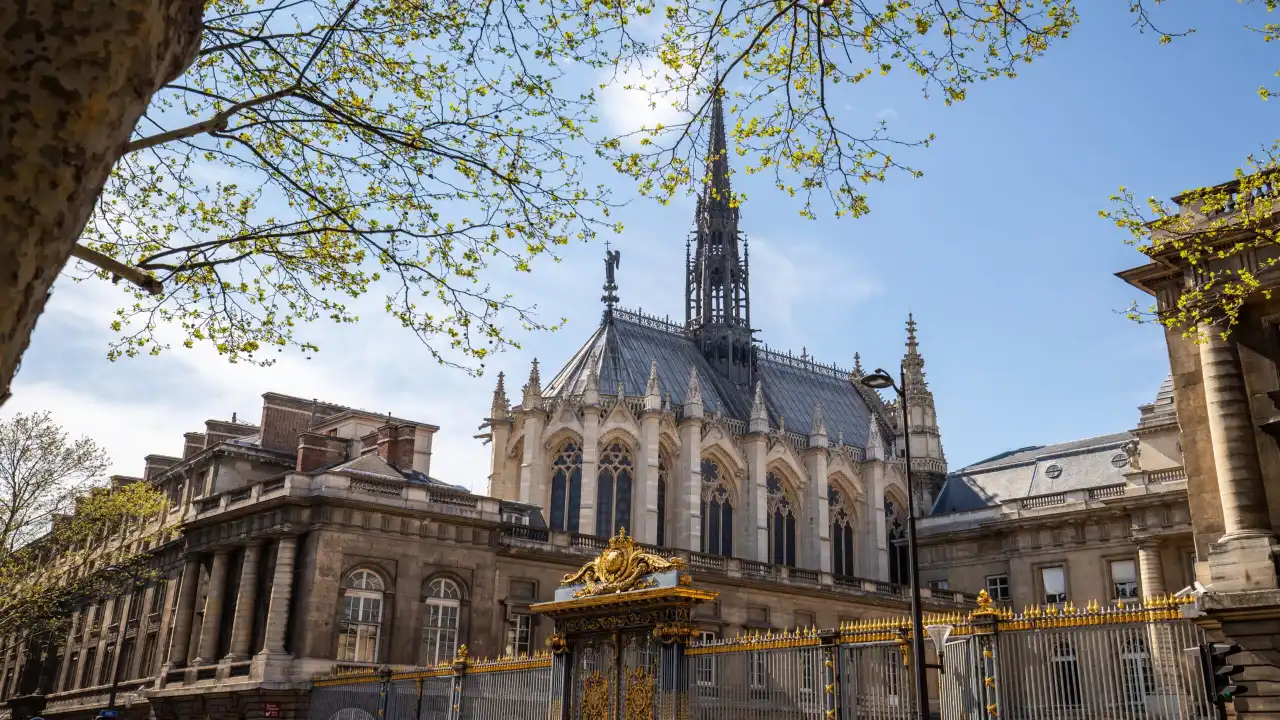
A lot of tourists walk past Sainte-Chapelle without expecting much. Outside looks simple enough. Inside feels completely different. Huge stained-glass windows explode with color everywhere. Deep reds, blues, and gold shades cover the walls while sunlight pours through the glass. People naturally stop talking when they enter. It just happens automatically. Built during the 13th century for religious relics collected by King Louis IX, the chapel still feels oddly magical despite the crowds, cameras, and tour groups.
Why Paris Landmarks Continue to Fascinate Travelers
Paris works emotionally more than logically. That is probably the simplest explanation. People remember moments there, not just buildings. Sitting near Notre-Dame while rain hits the pavement. Watching the Eiffel Tower sparkle for the first time. Hearing terrible accordion music somewhere near Sacré-Cœur while eating overpriced crepes on random steps. Those tiny moments stay in your head longer than expected. Travelers choosing International Packages still end up picking Paris because the city somehow mixes famous attractions with personal memories better than most places manage.
Conclusion
Paris tourist attractions keep pulling people back because it feels timeless without trying too hard. The landmarks matter obviously, but the stories behind them matter even more. The Eiffel Tower still sparkles every night. The Louvre still overwhelms people. Notre-Dame still stands after surviving things that should have destroyed it long ago. And somehow, despite seeing these places online a thousand times before visiting, they still feel different in real life. Bigger. Stranger. More emotional maybe. That is probably why Paris never fully leaves people once they experience it.
Best Ways to Explore Paris Tourist Attractions
Helpful Tips for Travelers
- Wake up early at least once.
- Use the metro instead of taxis.
- Walk more than planned.
- Sit in cafés longer.
- Leave room for random discoveries.
Some of the best Paris memories happen accidentally anyway.