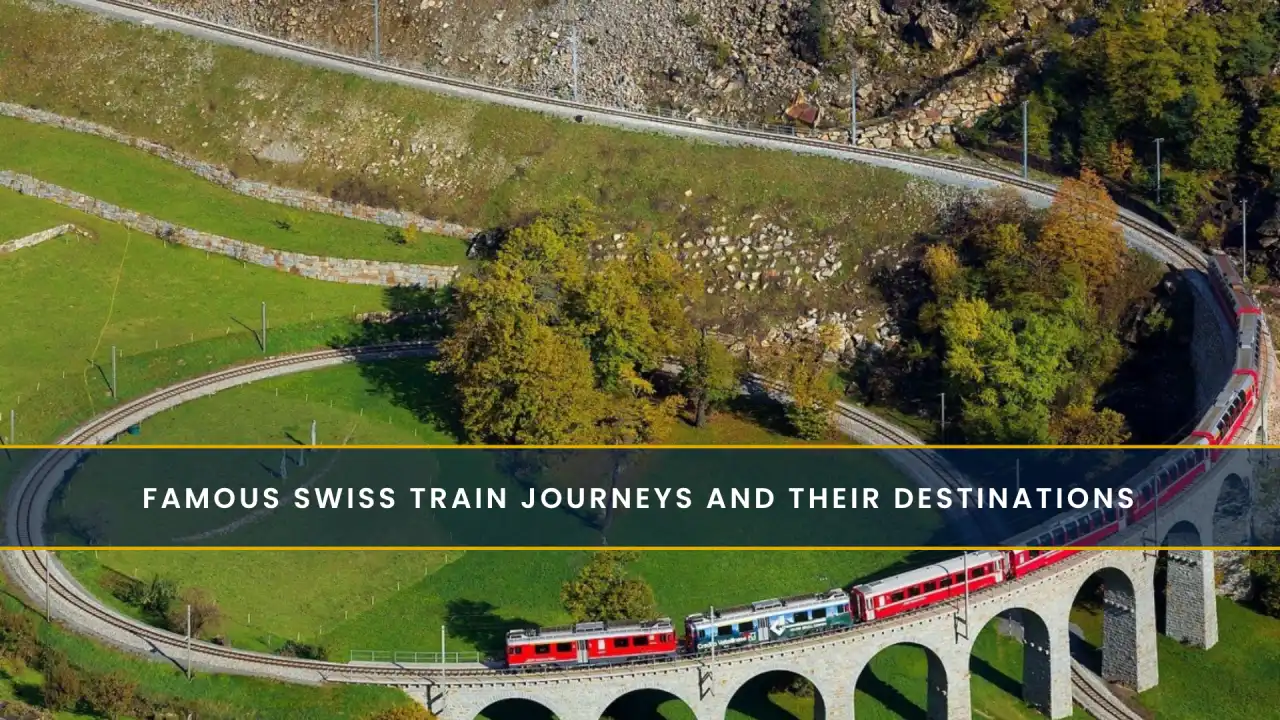
Famous Swiss Train Journeys and Their Destinations
Introduction: Where the Journey Feels More Important Than the Destination
There’s a very specific kind of feeling you get when you’re on a train in Switzerland. Not instantly but a few minutes in. You settle into your seat, maybe adjust your bag twice for no reason, glance outside and then you just stop doing anything else. The view kind of takes over. Mountains don’t just sit far away like in postcards. They move closer, slowly, almost like they’re part of the journey with you. Lakes show up out of nowhere, completely still, almost suspiciously perfect, as if someone placed them there just before you arrived.
And the thing is, it doesn’t feel rushed. That’s probably the biggest difference. Swiss train journeys aren’t about reaching somewhere fast. They’re more like stretching time a little. You sit, you watch, you drift in and out of your own thoughts. One tunnel, one valley, one quiet village at a time. Also, this might sound odd but even if you’ve seen hundreds of photos, the real thing doesn’t feel “picture perfect.” It feels better than that. Slightly imperfect. More alive.
1. Glacier Express: The Slowest Fast Train in the World
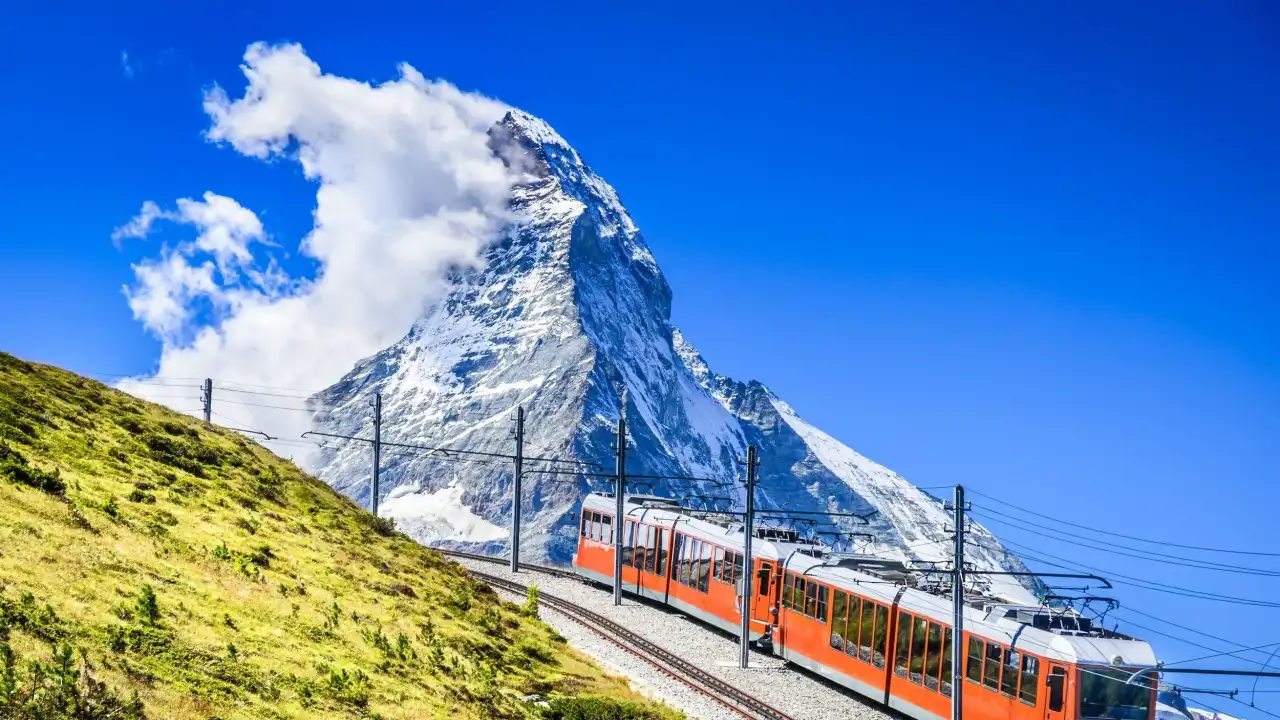
If there’s one train everyone talks about, it’s this one. And, it deserves the hype but not in the way you expect. The Glacier Express doesn’t try to rush you. In fact, it almost feels like it’s intentionally slow. Like it knows you’d miss things otherwise.
Route & Destinations
This train connects Zermatt and St. Moritz, two places that feel completely different but somehow belong in the same story.
- Zermatt: Quiet, no cars, and the Matterhorn just there in the background
- St. Moritz: A bit more polished, a bit more luxury, frozen lakes in winter that don’t even look real
What Makes It Special
You cross 291 bridges. That number sounds impressive, but honestly, you won’t count them. What you will remember is one moment when the train moves across the Landwasser Viaduct. It curves. Slowly. And then disappears into a tunnel carved into rock. No announcement. No big moment. You just sit there thinking, “Wait, did that just happen?”
What You’ll Experience
- Huge windows that make you forget you’re inside
- Landscapes that change without warning—green to snow in what feels like minutes
- That strange, peaceful quiet where nobody talks much
Pro Tip
If you’re going from Zermatt to St. Moritz, try to get a seat on the right side. The Rhine Gorge views hit better from there. Not dramatically different but enough.
2. Bernina Express: Where the Landscape Feels Untouched
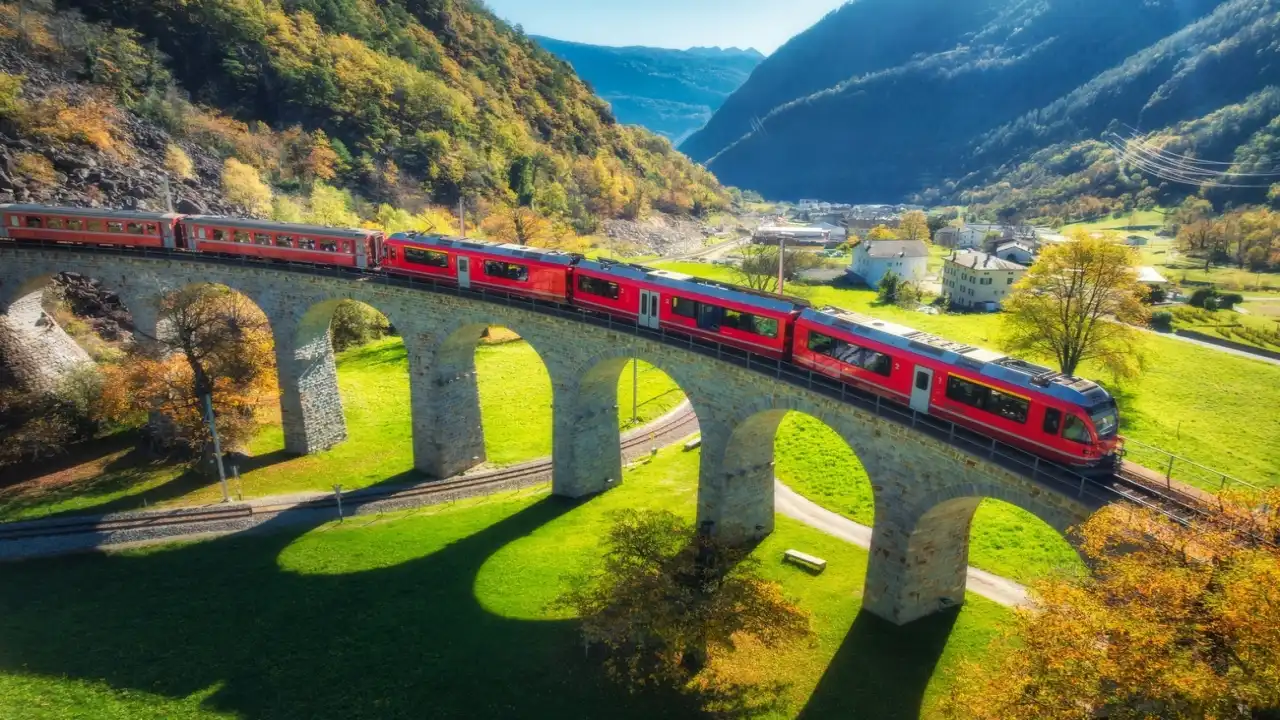
This one feels less designed. More raw, maybe. Like nobody tried to make it “touristy,” it just became that way because it’s naturally stunning.
Route & Destinations
The route runs from Chur or St. Moritz down to Tirano in Italy. And the funny thing is, you cross into another country without really noticing when it happens. No big moment. Just a subtle shift.
What Makes It Special
The train climbs over 2,200 meters without a cogwheel system, which, if you think about it, is kind of insane. But again, you don’t really sit there analyzing engineering. You just look outside.
What You’ll Experience
- Glaciers that feel way too close for comfort
- Lakes that look edited, but aren’t
- The Brusio spiral viaduct, where the train literally loops around itself
That spiral part is weirdly satisfying to watch. It feels unnecessary. But also perfect like one of those unexpected moments you don’t plan for, even when you book International Packages.
Pro Tip
Sit on the left side when heading toward Tirano. The glacier views tend to open up more on that side.
3. GoldenPass Line: A Journey Through Three Worlds
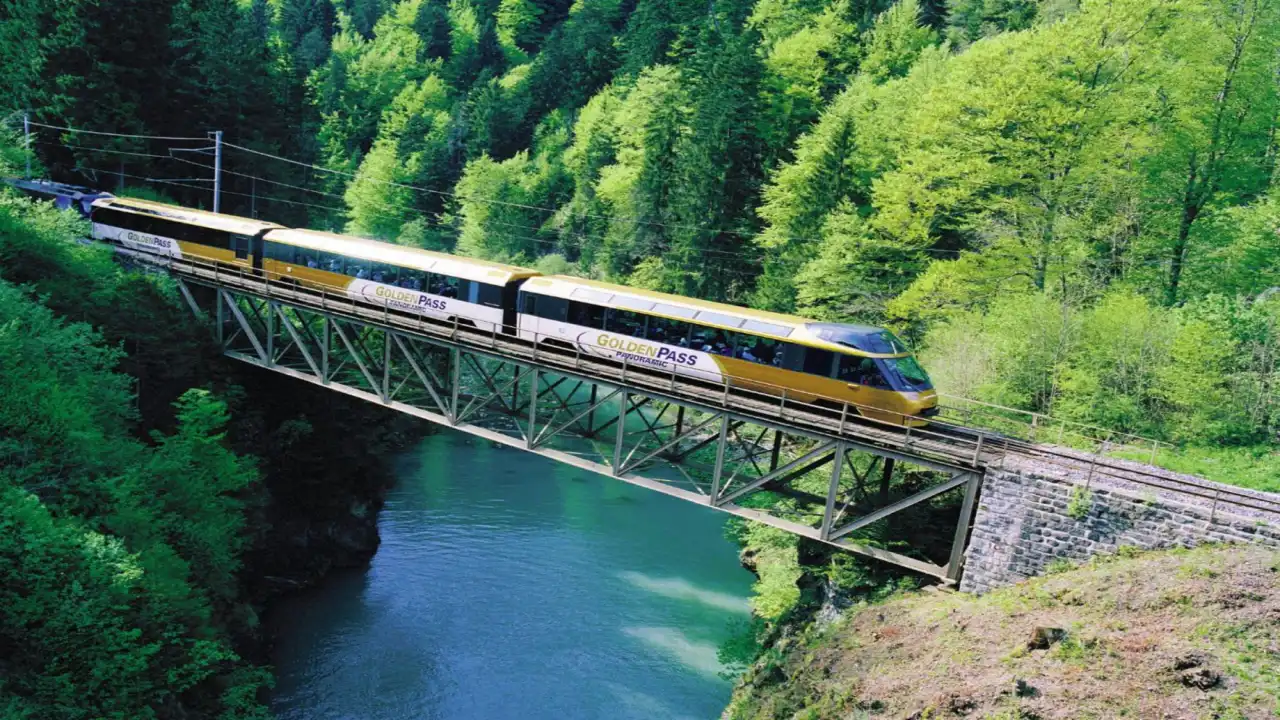
This one doesn’t feel like a single journey. It feels like three different moods stitched together. And not very neatly, which is actually what makes it interesting.
Route & Destinations
It connects Lucerne, Interlaken, and Montreux, each with a completely different vibe.
- Lucerne: Calm, old-world, wooden bridges and soft lake light
- Interlaken: A bit more active, more people, more energy
- Montreux: Almost Mediterranean… palm trees, lakeside walks, slower pace
What Makes It Special
The shift is noticeable. You don’t need signs or announcements; you feel it. Languages change. Architecture changes. Even the way people dress feels slightly different.
What You’ll Experience
- Green hills with cows that somehow always look peaceful
- Lakes that reflect the sky so clearly that it feels fake
- Vineyards stretching out near Lake Geneva
It’s not dramatic. But it stays with you.
4. Gotthard Panorama Express: A Blend of Train and Boat
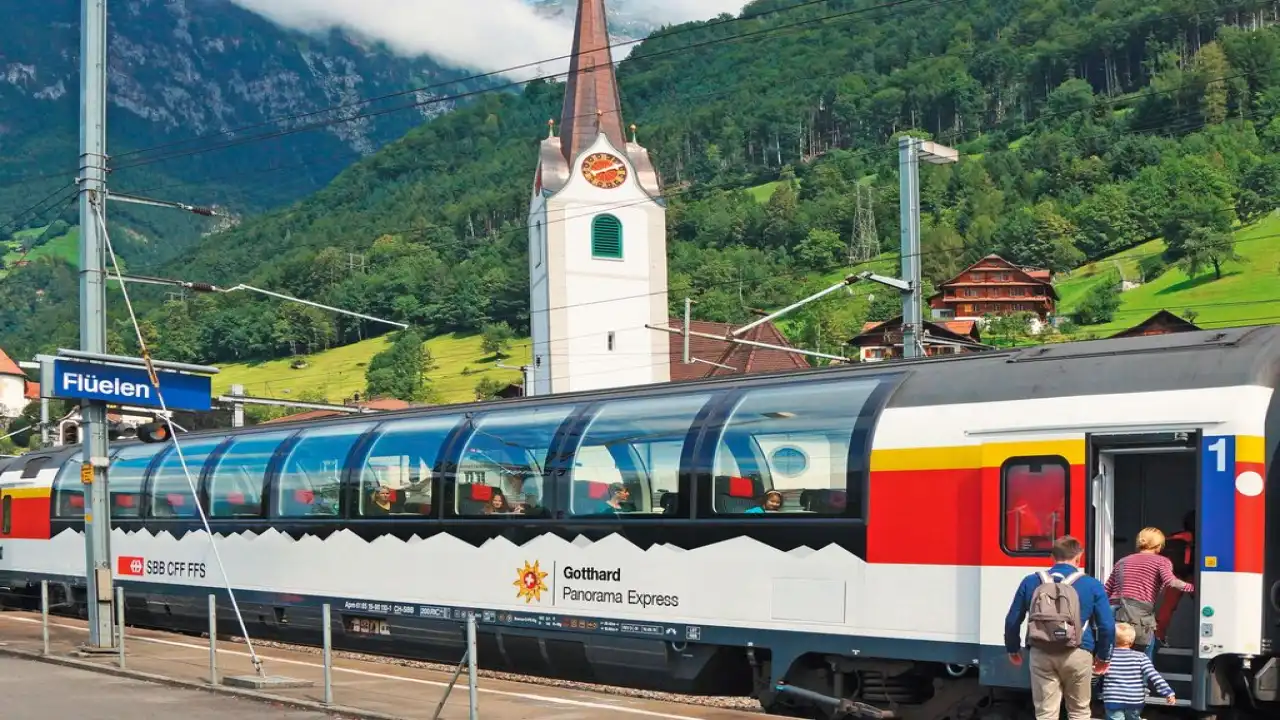
This one’s a bit different. Not just because it includes a boat but because the whole experience feels layered. Like you’re traveling through different versions of the same country.
Route & Destinations
From Lucerne to Lugano, combining a boat ride first, then a panoramic train.
What Makes It Special
You start slow on water. Lake Lucerne is quiet in a way that almost feels intentional. Then you switch to the train, and things start shifting.
What You’ll Experience
- Old tunnels and winding tracks through the Gotthard route
- A noticeable change in weather and scenery
- Snow is slowly giving way to palm trees
That shift from Alpine to almost Mediterranean happens quicker than you expect.
Pro Tip
During the spiral tunnels, sit close to the window and actually pay attention. You’ll notice the train looping around inside the mountain. It’s subtle, but once you see it, it’s hard to unsee.
5. Jungfrau Railway: The Climb to the Top of Europe
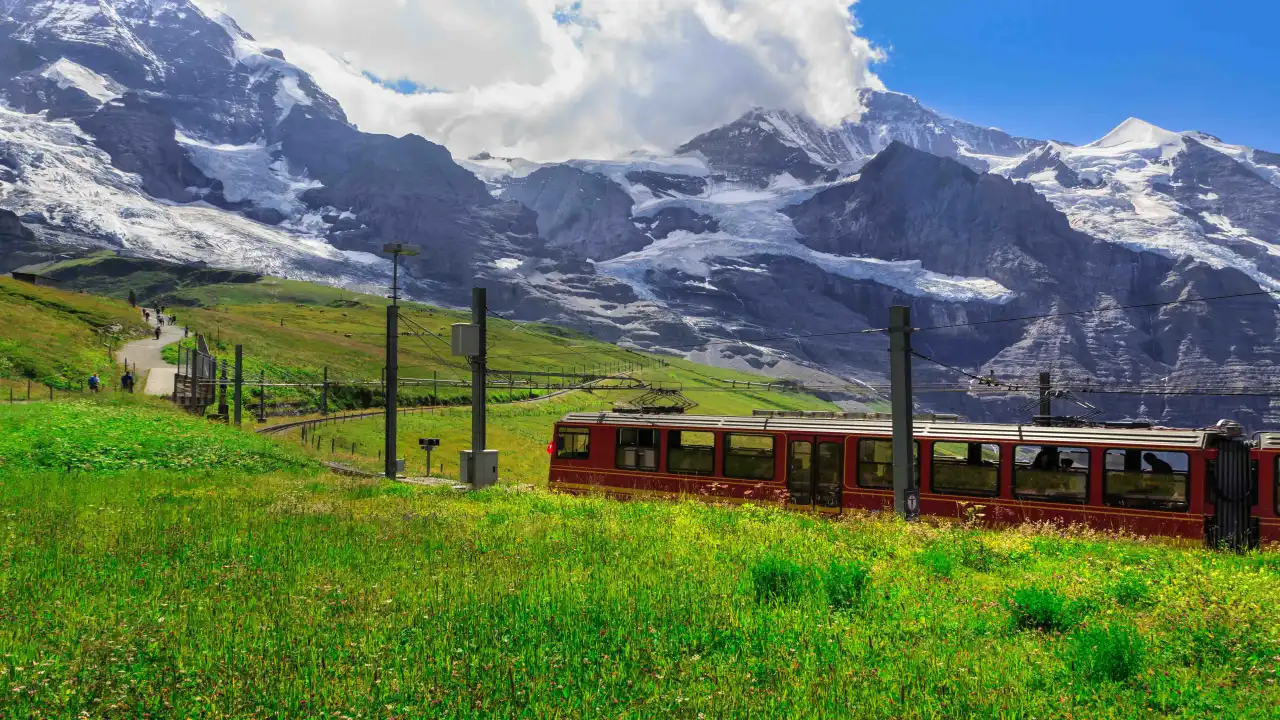
This one feels less like a scenic ride and more like an ascent. Not just physically, but mentally too.
Route & Destinations
From Interlaken up to Jungfraujoch, which people call the “Top of Europe.”
What Makes It Special
A big part of the journey happens inside tunnels carved through mountains like the Eiger and Mönch. You don’t always see what’s outside, but that somehow adds to the experience. You’re moving through the mountain, not around it.
What You’ll Experience
- Ice tunnels that feel slightly surreal
- Snow even when it’s summer down below
- Views that don’t really have an endpoint
And when you step out, it’s quiet. Almost too quiet.
Planning Your Route: Making It All Fit Together
At first, planning this kind of trip can feel like solving a puzzle, a slightly annoying one. But it doesn’t have to be that complicated.
A simple best scenic train rides in Switzerland itinerary could look something like:
- Start in Lucerne
- Take the GoldenPass to Interlaken
- Head to Zermatt for the Glacier Express
- Finish with the Bernina Express toward Italy
It flows pretty naturally. No unnecessary back-and-forth.
Why These Are the Famous Train Rides in Switzerland
There’s a reason people keep talking about these routes. Not just because they’re scenic but because they’re consistent. You don’t get one good stretch and then nothing. It’s good the whole way through.
When people mention famous train rides in Switzerland, it usually comes down to a few things:
- They connect places you already want to visit
- The experience feels thoughtful, not overdone
- They work in every season, just differently
Winter feels quiet. Almost cinematic. Summer feels open. A bit more alive.
Making the Most of Your Trip
You can plan everything yourself. It’s doable. But it can also get confusing connections, timings, and reservations; it adds up. That’s why some people just go for a Switzerland trip package. It handles the logistics so you don’t have to keep checking schedules every few hours.
Conclusion
Switzerland doesn’t try too hard to impress you. That’s probably why it works. It’s calm. Detailed. Quietly beautiful. And these train journeys reflect that. They don’t overwhelm you. They give you space to sit, to notice things, to just be there. You might not take hundreds of photos. Or maybe you will. But what sticks isn’t really the pictures. It’s the feeling of moving without rushing. Of seeing without trying too hard. And honestly, that kind of travel? It’s rare.
Practical Tips Before You Book
1. Seat Reservations Matter
Some trains need reservations even if you have a pass. It’s slightly annoying, but worth checking early.
2. Travel Light
Dragging a big suitcase onto these trains? Not fun. Keep it simple.
3. Choose the Right Season
- Winter: Snow, fewer people, softer light
- Summer: Clear skies, vibrant landscapes
4. Don’t Try to Do Everything
This is probably the biggest mistake. You don’t need to do all routes. Pick a few and actually enjoy them.